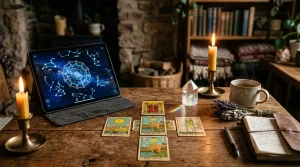
Have you ever felt the urge to seek guidance or clarity about your life’s path? Tarot is a powerful tool that can help you tap into your intuition and uncover insights. In “How to Do a Tarot Reading on Myself: Self-Reading Secrets,” you’ll discover how to connect with the cards in a personal way. This self-guided practice not only empowers you but also offers a profound opportunity for self-reflection and growth.
Many people view tarot as a mystical art confined to experts, but the truth is that anyone can learn to read the cards for themselves. Whether you’re facing a tough decision, seeking direction, or simply curious about what the future holds, understanding how to conduct a tarot reading can illuminate your path and provide answers. In this guide, we’ll demystify the process with easy-to-follow steps and practical tips that welcome both skeptics and enthusiasts. So, let’s embark on this enlightening journey together and unlock the secrets the tarot has in store for you!
How Tarot Works: Understanding the Basics
Understanding how Tarot works is essential for anyone embarking on a self-reading journey. At its core, Tarot is a divination tool that provides insights into your life by tapping into your subconscious, helping you explore your thoughts, feelings, and the circumstances surrounding you. Each Tarot card, with its unique imagery and symbolism, serves as a mirror reflecting different aspects of your inner world and your current situation. This connection is fundamentally intuitive, allowing for a dialogue between you and the cards that reveals deeper truths.
To get started, it’s important to recognize the structure of a Tarot deck. A standard deck consists of 78 cards, divided into two main sections: the Major Arcana and the Minor Arcana. The Major Arcana (22 cards) represents significant life events and spiritual lessons, while the Minor Arcana (56 cards) deals with everyday experiences and challenges. Understanding these categories can help you interpret the cards more effectively, as you’ll begin to recognize the nuances of their meanings in relation to your readings.
When engaging with Tarot, questions play a crucial role. Crafting a clear and specific question can guide your reading and help you unlock the insights you seek. For example, instead of asking, “What will happen in my future?” you might refine your inquiry to, “What can I focus on to improve my career in the next six months?” This level of specificity not only makes your reading more applicable but also invites the cards to provide targeted guidance.
As you shuffle the cards, remain mindful of your intentions. The act of shuffling is not just mechanical; it’s a moment of connection with your intuition. Feel your energy blend with the deck, and allow your thoughts to settle. This practice helps to ensure that the cards drawn resonate with the questions you’ve posed. When you lay out the cards, you begin the journey of interpreting their meanings and allowing your intuition to inform your understanding. Take your time, reflect on both the imagery and the traditional meanings, and trust your instincts. Remember, Tarot is about discovering your own answers, making it an empowering experience that blends introspection with creativity.
Preparing for Your Self-Reading Journey
To embark on a transformative self-reading journey with Tarot, it’s vital to establish a mindful approach that sets the stage for clarity and insight. As you prepare for your reading, consider this an opportunity not just for divination, but for deep personal exploration. Engaging with Tarot is like having a conversation with your inner self, and the more intentional you are in your preparation, the more meaningful your insights will be.
Start by creating a quiet moment for yourself. Find a space where you feel safe and undisturbed, ideally a comfortable spot that invites relaxation. Setting an atmosphere can significantly impact your reading experience; consider incorporating soothing elements like calming music, candles, or incense to enhance your mood. As you settle in, take a few deep breaths, letting go of any distractions or tensions from your day. This practice will help you center your energy, making it easier to connect with your intuition.
Next, clarify your intentions and questions. Specificity is key here-rather than seeking vague guidance like “What does my future hold?” try narrowing it down to “What steps can I take to improve my relationships this month?” Focused questions provide the cards with a clear context, making the reading more relevant and actionable. You might even jot these questions down in a journal or on a piece of paper to help you remain anchored during your reading.
Finally, remember to approach the cards with an open heart and mind. Trust in your ability to interpret the symbols and messages they convey. As you shuffle, allow your thoughts and emotions to flow freely, adapting the rhythm of the shuffle to your personal preference. When you lay out the cards, take each one in turn, and allow yourself the space to reflect on both their traditional meanings and your intuitive reactions. This two-way dialogue is where real magic happens-sometimes, the insights you glean will surprise you, resonating deeply with your current life circumstances.
By following these steps, you’ll create a nurturing environment for your Tarot reading, fostering a deeper connection with yourself and the insights the cards can offer. Embrace this journey with curiosity and openness, and trust that the cards will guide you toward the answers you seek.
Choosing the Perfect Tarot Deck for You
Choosing the right Tarot deck can feel like a daunting task, especially with the multitude of options available, but it’s an essential step in your self-reading journey. Each deck carries its unique energy and symbolism, and aligning with the right one can enhance your connection to the cards. It’s akin to finding the perfect tool that resonates with your intuition, amplifying your readings and insights.
When selecting a deck, start by considering your personal aesthetic and the themes that speak to you. Many decks, such as the classic Rider-Waite, illustrate traditional symbolism, while others like the Wild Unknown or the Ethereal Visions Tarot may incorporate modern or abstract art styles. Browse through a variety of decks, paying attention to your emotional reactions-do certain images draw you in or leave you feeling unsettled? Trust your instincts; the right deck will evoke a sense of peace or excitement as you explore it.
Another vital aspect to consider is the guidebook that accompanies the deck. A well-written guide can drastically enhance your understanding of the cards and their meanings. Some decks come with detailed descriptions that delve into the symbolism, historical context, and suggested spreads. If you’re new to Tarot, opt for a deck that provides thorough guidance, helping you build confidence as you learn. For example, the Tarot for Beginners guidebooks can serve as an excellent resource, offering insights into interpretations and uses for various spreads.
Keep in mind the purpose of your Tarot practice. Some decks are better suited for introspection and personal growth, while others excel in predictive readings or exploring complex issues. For instance, if you seek clarity in emotional or relational matters, consider decks like the Lovers Tarot, which emphasizes connection and interpersonal dynamics. If your focus is on spiritual growth, the Light Seer’s Tarot may resonate, featuring vibrant imagery that encourages deeper self-reflection.
Ultimately, the best Tarot deck for you is one that you feel a strong connection with, one that inspires you to engage with your intuition and brings joy to your practice. Don’t hesitate to explore, experiment, and even pair decks with different energies for varied insights. As you embark on this journey, remember that Tarot is about your unique experience-embrace the magic of choosing a deck that truly feels like it belongs to you.
Creating a Sacred Space for Tarot Readings
Creating a nurturing atmosphere for your Tarot readings can significantly enhance your connection to the cards and deepen your intuitive insights. A sacred space acts as a sanctuary where you can focus your energy, reflect on your inner wisdom, and allow the magic of Tarot to unfold. The conditions you set around your practice can invite clarity and intention, making your readings more rewarding.
To establish your sacred space, start by choosing a quiet location where you feel comfortable and undisturbed. This could be a corner of a room, a small table, or even outdoors if the weather allows. Once you’ve identified your spot, consider the following elements to enhance its ambience:
- Cleanliness and Order: Keep your area tidy. This physical clarity can foster mental clarity, making it easier to connect with your intuition.
- Lighting: Use soft lighting or candles to create a warm environment. Candlelight can be particularly enchanting, setting a calming mood and inviting in the mystical.
- Symbols and Imagery: Incorporate items that hold meaning for you-crystals, incense, or plants can enrich your space. Each item can invoke a sense of peace and focus, aligning with your intentions.
- Comfort: Ensure you have a comfortable place to sit, where you can spend time reflecting without distraction. A cushion or a favorite chair can make a significant difference in your experience.
Once your space is set, take a moment to ground yourself before starting your reading. You might want to meditate briefly or perform a simple breathing exercise to clear your mind. Visualize your thoughts settling like leaves on a calm pond, creating a baseline of tranquility from which you can dive into your Tarot practice.
Consider setting an intention for your reading as you shuffle the cards. This might be a question you want to explore or a feeling you wish to understand better. Intentions act like a beacon, helping to guide the messages that emerge during your reading. By nurturing this sacred space and mindset, you open the door to deeper insights and a more profound connection with your Tarot practice.
Common Tarot Spreads for Self-Reflection
Using Tarot spreads can transform your self-reflection practice into a profound journey of self-discovery. A well-chosen spread allows you to access deeper insights, clarify your thoughts, and connect with your intuition. Here’s a guide to some common Tarot spreads that are perfect for self-reflection.
Single Card Draw
This simple yet effective spread is ideal for daily reflection. By drawing a single card, you can focus on its message for that day. Ask a guiding question such as, “What do I need to focus on today?” The card you draw can offer clarity and set your intention, serving as a touchstone throughout the day. For instance, if you draw The Empress, it might encourage you to nurture yourself or express creativity.
Three-Card Spread
A three-card spread offers more depth and context. It can represent the past, present, and future or explore a situation from different angles such as challenges, advice, and outcome. To use this spread effectively, shuffle your deck while thinking about a specific question. As you lay the cards, reflect on how each position relates to your inquiry. For example, if your question is about a career change, the first card might illuminate past influences, the second what you’re currently facing, and the third a possible outcome.
Five-Card Cross Spread
For those ready to dive deeper, the five-card cross spread provides a comprehensive look at a particular issue. The layout includes positions for your current situation, challenges, advice, external influences, and potential outcomes. This spread encourages significant introspection. Start by framing a question like, “What do I need to know about my relationships?” This arrangement helps you understand the multiple layers affecting your situation, making it easier to navigate complex emotions.
Personal Growth Spread
If your goal is to foster personal growth, consider a spread specifically designed for self-improvement. You can create a custom layout with cards representing your strengths, weaknesses, lessons to learn, and next steps. For example, if you draw The Hermit for lessons to learn, it may suggest the importance of self-reflection and solitude in your journey.
Enabling self-reflection through Tarot spreads can guide you toward personal revelations and empower your decision-making. These common spreads are a starting point, but feel free to modify them or create your own to align with your unique journey. Remember, each card is a mirror reflecting aspects of your inner self, so embrace the insights they offer with an open heart.
Step-by-Step Guide to Your First Self-Reading
Start your self-reading journey with a sense of excitement and wonder. Diving into tarot is not just about the cards; it’s an invitation to explore your inner world and connect with your intuition. Follow these simple steps to create a fulfilling first self-reading experience.
Begin by gathering your materials: a tarot deck, a quiet space, and possibly a journal to record your insights. Before you start, take a few deep breaths to center yourself. Focus on a specific question or intention you wish to explore during your reading. This could range from a general inquiry about personal growth to a more specific question about a situation in your life.
Once you’re focused, shuffle your cards while thinking about your question. This process helps you establish a connection with the deck. When you’re ready, draw the number of cards based on the spread you want to use-for beginners, a simple three-card spread works beautifully. As you lay the cards down, take a moment to observe their imagery without rushing to interpretation. Let your intuition guide your thoughts.
Now, turn your attention to each card. Start with the first card, reflecting on its meaning in relation to your question. You can consult a tarot guidebook for traditional interpretations, but remember that your personal feelings and associations with the card carry just as much weight. For instance, if you draw The Lovers, consider how it relates to relationships, choices, or harmony in your life.
Record your thoughts about each card in your journal. This practice not only captures your insights but also allows you to revisit your reading later. Lastly, take a moment to reflect on the overall message of the reading. What themes emerged? Did anything surprise you? Trust your intuitive response, and enjoy the journey of discovery that each reading brings. Embrace this experience as a stepping stone in your tarot practice, and remember that with every reading, you deepen your understanding of yourself and the cards.
Interpreting Tarot Cards: A Beginner’s Approach
Understanding the nuances of interpreting tarot cards can be a game changer in your self-reading journey. Each card draws on a rich tapestry of symbolism and meaning, offering insight not just through its surface image, but through your personal connections and feelings associated with it. To begin, focus on the key elements of each card, such as the archetype it represents, its position in the spread, and your intuitive responses.
Start by familiarizing yourself with general interpretations of the cards, but allow your personal insights to guide you. For every card drawn, ask questions like “What does this card mean to me?” and “How does it relate to my current situation?” For example, if you pull the Wheel of Fortune, consider its themes of change and cycles. Reflect on how a recent event may signify a turning point in your life, linking it back to your specific query.
Utilizing a journal can significantly enhance your reflection process. After each reading, jot down the card meanings you’ve interpreted, along with any feelings or thoughts that arose during the session. This practice not only solidifies your understanding but also creates a personal reference for future readings. Additionally, revisit your notes periodically to see how your interpretations evolve over time.
Lastly, embrace your intuitive voice. Trust that your feelings and immediate thoughts about a card are just as valid as standard definitions. The true power of tarot lies in its ability to engage your subconscious and bring forth hidden truths. Each card session is a unique dialogue, so listen closely, and let your intuition guide you toward deeper self-discovery.
By following these approaches, you’ll create a solid foundation for interpreting tarot cards effectively. Engaging with the cards in a personal, intuitive way will empower you to uncover insights that resonate deeply with your journey.
Activating Your Intuition During a Reading
To truly harness the power of Tarot during your readings, activating your intuition is vital. Your intuition acts as a bridge between the cards’ symbolic meanings and the personal insights that resonate with your current circumstances. When you engage with your intuition, you allow deeper truths to surface, guiding you towards clarity and understanding in your life.
Begin your journey by establishing a calm and open mindset before shuffling the cards. Take a few deep breaths, clear your thoughts, and set an intention for your reading. This could be a specific question or a general area of your life you wish to explore. For instance, if you’re seeking clarity about a career decision, focus on that intention while you shuffle. This focused energy primes your intuition to receive the messages that are most relevant to you.
When you draw the cards, don’t rush to flip them over. Instead, pause for a moment with each card, allowing your mind to absorb its imagery and symbolism. Ask yourself open-ended questions like, “What feelings arise when I see this card?” or “What memories does this image evoke?” For example, if you pull The High Priestess, you might feel a sense of calm and introspection. This could signal a time for trusting your instincts rather than relying solely on external opinions.
As you interpret the cards, listen to the quiet voice within you. Remember, intuition often speaks through feelings, images, and sudden insights rather than through logical argument. You might experience physical sensations or emotional responses during the reading. If a particular card makes your heart race or inspires a flash of an idea, take note of that reaction; it’s a clue from your intuitive self guiding you forward.
Reflecting on your readings later can also enhance your intuitive abilities. Jot down not just the card meanings but also your gut feelings and insights you encountered. Over time, you may start to notice patterns or recurring themes in your interpretations, revealing a deeper connection to your intuitive wisdom. Trust in this process of self-exploration, and remember: your intuition is an invaluable tool in your Tarot journey, illuminating your path with clarity and confidence.
Deepening Your Tarot Skills: Advanced Techniques
To truly elevate your Tarot practice beyond the basics, it’s essential to explore advanced techniques that deepen your connection with the cards and enhance your readings. Whether you’re seeking more nuanced interpretations or looking to integrate Tarot into other areas of your life, these strategies can help you unlock new layers of meaning and intuition.
Developing a Card of the Day Practice
One effective method to deepen your Tarot skills is to engage in a daily card draw. Each morning, select a card from your deck and use it as a focal point for the day. Reflect on its traditional meanings and how they may apply to your current life situation. For instance, if you draw The Hermit, consider how you might embrace solitude or introspection throughout your day. Take notes in your Tarot journal about any insights or experiences related to that card, allowing for a greater understanding over time.
Exploring Layered Meanings Through Reverse Cards
Another advanced technique involves examining reversed cards in your readings. While upright positions indicate specific qualities, reversals can offer deeper, often overlooked insights. For example, if you pull the Ace of Cups reversed, consider themes such as blocked emotions or the need for self-love. Approach reversals with an open mindset, asking yourself what these cards reveal about internal struggles or areas for growth. This practice encourages a fuller exploration of the card’s meanings while fostering a greater connection to your own emotional landscape.
Incorporating Symbolism and Numerology
To enhance your readings further, consider the symbolism and numerology associated with each card. For example, the number associated with the Major Arcana cards (from 0 to 21) represents larger life themes. Use this information to guide your reflections. If you draw The Tower, a card with the numerological energy of 16, contemplate aspects of sudden change or revelation in your life. You can also study the elemental associations of the suits-Cups (Water), Wands (Fire), Swords (Air), and Pentacles (Earth)-to inform your readings. Contextualizing your insights through these layers enhances both your comprehension and intuition.
Utilizing Tarot for Manifestation
An engaging way to further your Tarot practice is to use the cards for manifestation. This involves selecting cards that embody your goals or aspirations and creating a vision board or a specific ritual around them. For example, if you desire a new job, the Eight of Pentacles, representing diligence and skill development, might be central to your visual representations. Through this process, focus your intentions while meditating on what qualities and actions align with the energy of the selected cards, allowing the Tarot to serve as a catalyst for your ambitions.
Incorporating these techniques into your Tarot practice helps cultivate a richer, more engaging experience. Each advanced method encourages you to interact with the cards on a deeper level, enhancing both your intuitive abilities and personal growth. Remember, your Tarot journey is uniquely yours; embrace the exploration and enjoy the process of unfolding the stories that the cards have to share.
Cleansing and Caring for Your Tarot Deck
When you embark on your journey with Tarot cards, caring for and cleansing your deck might seem secondary, but it’s an essential part of maintaining a healthy relationship with your tools. Just as we cultivate personal spaces, our Tarot decks benefit from care and attention to preserve their energy. Over time, cards can absorb not only your own energies but also those from your surroundings and the people you read for. Regular cleansing rituals can help refresh your deck, ensuring that your readings remain clear and intuitive.
Why Cleansing Is Important
Cleansing your Tarot deck is about honoring the space and intention behind your readings. Each shuffle and spread can pick up emotional residue, so cleansing can help dissipate any confusing or unwanted energies. By keeping your cards energetically clean, you allow for a clearer menu of messages when seeking guidance. This process can enhance your intuition and make each reading feel more authentic and relevant.
Methods for Cleansing Your Deck
Here are several effective methods to cleanse your Tarot deck, allowing you to find the practice that resonates most with you:
- Smoke Cleansing: Pass your deck through the smoke of burning sage, palo santo, or incense. As you do this, visualize any lingering energies being cleared away.
- Sound Cleansing: Use a singing bowl or bells to create sound vibrations around your deck. The frequencies can disrupt stagnant energy and reset the cards.
- Water Method: Lightly sprinkle water over the cards or immerse them in a bowl of water for a moment – perfect for decks that are not made of paper. Be cautious to ensure the materials can handle moisture!
- Moonlight or Sunlight Bath: Place your deck outside under the moonlight or sunlight for a few hours. Nature’s energies can re-charge your cards and infuse them with fresh vibrations.
- Crystal Cleansing: Keep your deck near cleansing crystals, like selenite or clear quartz. These stones can absorb and balance energies.
Caring for Your Tarot Deck
Aside from cleansing, caring for your Tarot cards is crucial for their longevity and usability. Here are some practical tips:
- Handle With Care: Always touch the cards with clean hands to avoid oils or dirt from accumulating.
- Store Properly: Keep your cards in a dedicated pouch or box, away from direct sunlight and moisture, to prevent wear and tear.
- Perform Regular Check-ins: Occasionally assess your deck for any damage. A little wear can bring character, but if a card is damaged, consider repairing or replacing it.
By incorporating these cleansing and care rituals into your Tarot practice, you empower not only your deck but also your intuitive readings. Remember that your Tarot journey is a shared experience-caring for your cards helps honor the messages they bring while welcoming fresh insights whenever you seek guidance.
Using Journaling to Enhance Your Tarot Practice
Integrating journaling into your Tarot practice can be a transformative aspect of your self-reading journey. Journaling acts as a bridge between the insights you gain during your readings and your personal reflections, allowing you to explore thoughts, emotions, and patterns over time. By documenting your readings, questions, and daily experiences, you create a valuable resource that enriches your understanding of the messages the cards convey.
Start your journaling practice by setting aside a dedicated space and time for reflection. After each reading, take a moment to jot down the cards drawn, your initial impressions, and the questions you asked. This not only helps you solidify your interpretations but also allows you to track how your thoughts and feelings evolve in response to the readings. For instance, if you pull the Two of Cups during a reading about relationships, note your feelings about partnerships and how they shift over time. Revisit these entries to identify recurring themes and deepen your insight.
Tips for Effective Tarot Journaling
- Be Honest and Open: Allow your thoughts to flow without judgment. Your journal is a safe space for exploration and honesty.
- Include Visuals: Sketch the cards or create simple artwork that resonates with the messages you received. This can enhance your connection to the cards.
- Reflect on Changes: Review your previous entries monthly. Notice how your circumstances or perceptions may have shifted and how the Tarot provided guidance during those changes.
- Set Goals: Use your journal to write down goals or aspirations that arise from your readings. Track your progress and note how the cards inform your journey.
By keeping a journal, you build a personal archive of your Tarot journey, turning it into a powerful tool for self-discovery and growth. This practice not only enhances your intuitive abilities but also nurtures a deeper relationship with your Tarot deck, making your readings increasingly profound and insightful. As you cultivate this habit, you may find that your understanding of both the cards and yourself continues to flourish, revealing new layers of meaning in your spiritual path.
Overcoming Fear and Doubt in Tarot Reading
Facing fears and doubts about reading Tarot for yourself is a common experience, especially when you first embark on this introspective journey. The Tarot is a mirror reflecting your inner thoughts and feelings, yet it can also evoke anxiety about what you might find. Instead of letting these fears dictate your experience, consider embracing them as part of your growth.
One effective way to alleviate fear is to approach your readings with curiosity rather than expectation. Allow yourself to wonder about what insights might emerge. You can start small-perhaps with a single card pull to pose a question related to your day or a specific situation. This method lessens the pressure of interpreting a larger spread and provides a more manageable way to connect with the cards. As you cultivate this playful exploration, you may find that your trust in the process grows, reducing feelings of self-doubt.
It’s also important to acknowledge that Tarot is meant to enhance your intuition, not replace it. Trust in your interpretations, however rudimentary they may seem. When seeking guidance, focus on the images and symbols on the cards, and allow your feelings and instincts to inform your interpretation. For example, if you pull the Nine of Swords, which typically signifies anxiety or worry, don’t shy away from naming your feelings-recognizing them can be the first step toward healing.
Building Confidence Through Practice
Regular practice is crucial in overcoming self-doubt. Here are some tips to help you build confidence:
- Create a Routine: Establish a regular time to practice Tarot readings, which will help familiarize you with the cards and reduce anxiety.
- Share Your Journey: Consider joining a local or online Tarot community. Sharing your experiences and questions can cultivate a sense of support and shared learning.
- Keep a Record: Journaling your readings, insights, and even your fears can provide clarity over time. Reflecting on past readings will show you how your understanding has evolved.
- Set Clear Intentions: Before each reading, state your intentions clearly. This can range from seeking guidance on a specific issue to exploring what you need to know right now.
Remember, it’s entirely normal to feel apprehensive at first. With each reading, you’ll become more attuned to your intuition and less held back by fear. The Tarot is a journey of self-discovery, and embracing your doubts as part of this process will ultimately lead to greater clarity and confidence in your readings.
Frequently asked questions
Q: What should I focus on during my first self-tarot reading?
A: During your first self-tarot reading, focus on clarity and intention. Decide what specific question or area of your life you want to explore, and keep an open mind. Your feelings about the cards will guide your interpretation, making it a personal and insightful experience.
Q: How do I choose the right tarot spread for self-reading?
A: To choose the right tarot spread for self-reading, consider your specific needs-do you seek guidance on a relationship, career, or personal growth? Common spreads like the 3-card spread are great for simple questions, while the Celtic Cross can provide deeper insights. Check the “Common Tarot Spreads for Self-Reflection” section in our article for ideas.
Q: How do I clear my tarot deck before a reading?
A: To cleanse your tarot deck before a reading, simply clear the energy by holding the deck and focusing on your intention. You can also use sage, crystals, or the sound of a bell. Regularly cleansing your deck enhances its accuracy and connection to your energy.
Q: Why is creating a sacred space important for tarot readings?
A: Creating a sacred space for tarot readings is crucial because it helps to eliminate distractions and fosters a deeper connection to your intuition. A calming environment prepares your mind and spirit for insightful reflections, enhancing the overall experience.
Q: How can I activate my intuition during a tarot reading?
A: You can activate your intuition during a tarot reading by taking deep breaths and focusing on your feelings about the question at hand. Allow your instincts to guide you as you interpret the cards. Regular practice will strengthen this intuitive connection over time.
Q: What journaling techniques can enhance my tarot practice?
A: Journaling after each tarot reading can greatly enhance your practice. Write down your questions, the spread used, and your interpretations of each card. This reflection helps track patterns and deepens your understanding of the tarot’s messages. Consult our section on “Using Journaling to Enhance Your Tarot Practice” for more tips.
Q: How do I interpret reversed tarot cards in my readings?
A: Interpreting reversed tarot cards involves looking at them as potential blockages or challenges related to the card’s upright meaning. They can suggest internal struggles or an opposite effect. Familiarize yourself with different interpretations to develop your understanding.
Q: When should I perform a self-tarot reading for best results?
A: Performing a self-tarot reading is best done when you feel emotionally clear and focused. Consider doing readings during the new moon for new intentions or the full moon for closure and reflection. Choose a time when you can fully dedicate yourself to the process without interruptions.
Wrapping Up
Now that you’ve unlocked the secrets to personal tarot readings, it’s time to take action! Remember, each card has a unique message waiting for you-embrace your intuition and trust the guidance it provides. To deepen your understanding, explore our articles on interpreting complex spreads and enhancing your intuitive skills. Join our community by signing up for our newsletter to receive exclusive insights and tarot tips right in your inbox.
Don’t hesitate to share your experiences in the comments below! We’d love to hear how your readings unfold and support you on your journey. And if you’re ready to dive even deeper into the mystical world of tarot, check out our resources for advanced techniques and guidance. Your adventure begins now-let the cards illuminate your path!
Get our latest guides, news, and insights highlighted in your Google Search & AI Overviews.