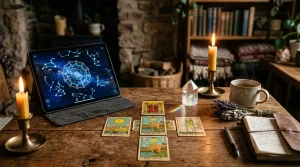
Have you ever felt overwhelmed by life’s choices, longing for clarity and insight? Tarot reading can be a powerful self-care tool that connects you with your intuition and guides your personal growth. In this guide, you’ll learn how to conduct a tarot reading for yourself-a simple yet profound practice that can illuminate your path, foster self-reflection, and bring comfort during uncertain times. Whether you’re a curious skeptic or a seasoned enthusiast, exploring tarot can enhance your self-awareness and empower you to navigate life’s challenges. As you read on, you’ll discover step-by-step techniques, practical tips, and inspiring examples that demystify the tarot, making it accessible for everyone. Let’s embark on this journey together, unraveling the wisdom of the cards and unlocking your inner guidance.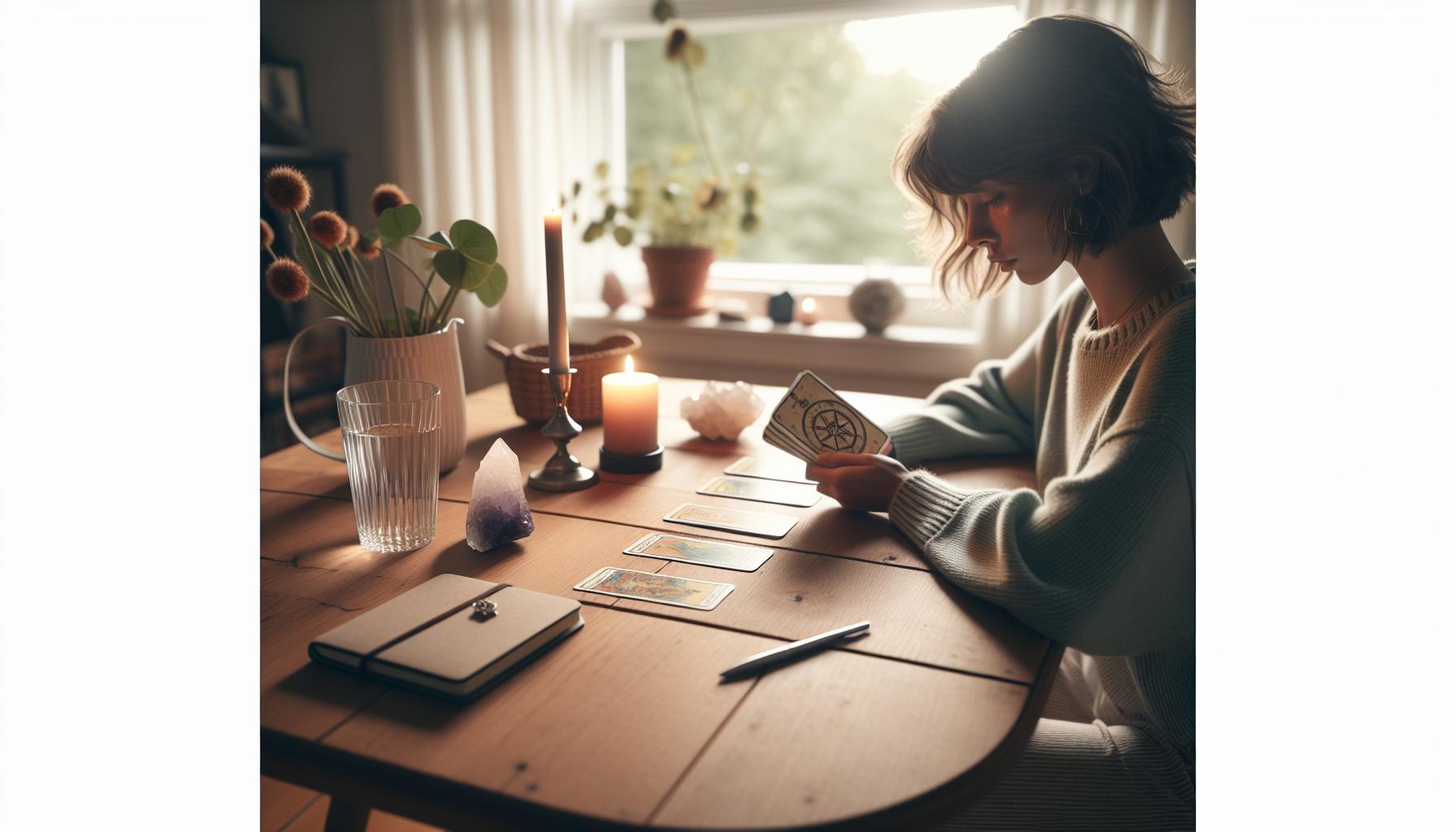
Understanding Tarot: A Beginner’s Journey
In the realm of divination, Tarot occupies a unique space where the mystical meets the personal. As you embark on your journey with Tarot, you’ll discover that it’s not just a tool for fortune-telling; it’s a gateway to self-understanding and reflection. Each card draws upon universal symbols and themes, offering a mirror through which you can explore your thoughts and feelings. This journey begins with your willingness to engage with the cards openly and honestly, allowing the insights to unfold naturally.
When starting out, choose a Tarot deck that resonates with you-this might be one that features vibrant imagery or a theme that speaks to your personal experiences. Keep in mind that there are no wrong choices; the best deck is the one that feels right for you. Take the time to familiarize yourself with the cards, reflecting on the colors, symbols, and messages they convey. This will help you build a connection that can enhance your readings and make them more meaningful.
Understanding the structure of a Tarot deck is also crucial. Typically, the deck is divided into two main parts: the Major Arcana, which represents significant life themes and lessons, and the Minor Arcana, which deals with everyday events. As a beginner, focusing your attention on these divisions can help streamline your learning process. Dive into the meanings behind each suit-Cups for emotions, Swords for thoughts, Wands for action, and Pentacles for material aspects of life. Knowing these foundational elements allows you to develop a framework for interpreting the cards in a reading context.
Creating a personal dialogue with the cards is key. Start simple; you could draw a single card daily and journal about its significance in relation to your life experiences. This practice not only builds your confidence but also deepens your intuitive understanding of the card meanings. As you progress, you’ll find that the insights you gain can lead to profound clarity in your daily life, guiding you on your path toward self-care and personal growth. Embrace this journey with curiosity and openness, for Tarot has much to teach you when you approach it with an eager heart.
Essential Tarot Decks for Self-Reading
The Tarot deck you choose can significantly enhance your self-reading experience. Selecting a deck that resonates with you personally is essential, as this connection fosters a deeper understanding and more intuitive readings. There are countless decks available, each with unique artwork and themes, making the selection process an exciting journey of self-discovery. Look for decks that inspire you; vibrant imagery or motifs that reflect your interests can imbue your readings with additional meaning and emotional connection.
When starting out, consider these popular Tarot decks renowned for their accessibility and relatability:
- Rider-Waite-Smith Tarot: One of the most iconic decks, it features vivid imagery and traditional symbolism, making it ideal for beginners. The imagery directly corresponds to the meanings of the cards, facilitating easier interpretation.
- Wild Unknown Tarot: This deck employs stunning, hand-drawn illustrations that offer a fresh, modern take. The minimalist style encourages personal interpretation and deep reflection, making it perfect for those who resonate with nature and animals.
- Dreams of Gaia Tarot: Designed to foster individual intuition, this deck breaks from traditional imagery. It invites users to form their interpretations, making it an excellent choice for deeper self-exploration.
- Lightseer’s Tarot: With bright, colorful art and contemporary themes, this deck speaks to many looking for positivity and empowerment. Its approachable style pairs well with themes of personal growth.
Building Your Connection with Your Deck
As you choose your deck, take some time to get acquainted with it. Shuffle the cards, lay them out before you, and let your intuition guide you. Ask yourself what each card evokes in you. This personal reflection is crucial, as it positions you to develop a meaningful dialogue with your deck, which is vital for effective self-readings.
You might find it beneficial to create a ritual around getting to know your deck. For example, consider:
- Journaling about your initial impressions of the artwork.
- Setting intentions for how you wish to use the deck, whether for clarity, guidance, or reflection.
- Spending a few minutes each day drawing a card and contemplating its significance in light of your current circumstances.
Establishing this connection will not only make your readings more insightful but also transform your deck into a trusted companion on your journey of self-care and growth. Ultimately, the most critical aspect is to choose a deck that feels right for you, as your comfort will empower your intuition and enhance the reading experience.
Creating Your Sacred Space for a Reading
To foster an optimal environment for your Tarot reading, creating a dedicated space will enhance your focus and connection to the cards. This “sacred space” serves as a physical and metaphysical boundary that allows you to delve into self-reflection and exploration without distractions. Consider how a simple shift in your surroundings can invite clarity and intention into your practice.
Begin by choosing a quiet area where you feel comfortable and relaxed. This may be a corner of your room, a cozy nook in your home, or even an outdoor setting if weather permits. Clear the space of clutter, as a tidy area can help to cultivate a clear mind. You might also want to add elements that resonate with your spiritual practice, such as candles for warmth, incense for an aromatic touch, or soft fabrics that invite comfort. Surrounding yourself with objects that inspire peace and creativity-like crystals, meaningful artwork, or personal mementos-can also infuse your reading space with positive energy.
Setting the mood is equally important. Dim the lights or use candles, as soft lighting can create a calm ambiance. Consider playing gentle background music or nature sounds that relax you and allow your mind to open. As you prepare your space, take a moment to ground yourself. Deep breathing or gentle stretches can help you enter a meditative state, aligning your focus with the intentions of your reading.
Lastly, remember that your sacred space is an extension of your inner world. Infuse it with intention: say a few words or a short affirmation expressing your purpose for the reading. This act of setting intention-like stating, “I seek clarity and insight into my current path”-helps to anchor the energy of your space. By taking these steps, you establish a nurturing environment where self-discovery can flourish, making your Tarot reading experience profound and enriching.
The Art of Formulating Powerful Questions
Formulating powerful questions is an essential step in unlocking the deeper wisdom that Tarot seeks to offer. Your questions set the stage for the reading, acting as a compass that guides the interpretation of the cards. By focusing on specific, open-ended inquiries, you create space for insight, clarity, and transformative self-discovery. Questioning not only helps you navigate your current circumstances but also aligns your intentions with the mysteries that the Tarot unveils.
Begin by reflecting on what truly matters to you right now. Are you facing a significant decision? Experiencing emotional turmoil? Seeking direction in your career or relationships? The more specific and heartfelt your question, the more meaningful your reading will be. For instance, instead of asking, “Will I find love?” consider framing your question as, “What do I need to understand to attract a loving relationship?” This shift opens the potential for insightful revelations as the cards reflect back the essence of your inquiry.
Crafting Effective Questions
When crafting your questions, remember to keep them broad enough to encourage exploration but focused enough to prevent vagueness. Here’s a simple approach to ensure your questions are impactful:
- Start with “What” or “How”: These prompts invite introspection and exploration rather than simple yes or no answers.
- Avoid leading questions: Instead of asking, “Why am I failing?” try, “What obstacles are currently influencing my success?”
- Reflect on your emotions: Ask questions that delve into your feelings or fears, like “How can I better embrace my true self?”
For each reading, consider writing down at least three powerful questions. This practice not only hones your focus but also enriches the experience, allowing you to revisit and reflect on your inquiries as you interpret the cards.
By approaching Tarot with well-formulated questions, you invite a more intuitive dialogue with the cards, opening pathways to insights and guidance tailored to your personal journey. Remember: the quality of your questions will significantly influence the depth of your reading, transforming it from a mere card pull into a meaningful exploration of self. Embrace this process with openness and curiosity, and you will find that the Tarot can become a profound ally in your self-care practice.
Step-By-Step Guide to Self-Reading
To embark on a Tarot self-reading, it’s essential to approach it with an open heart and a curious mind. This exploration invites you to connect with your intuition and the deeper aspects of your being. The following steps provide a clear, structured approach that will guide you smoothly through the process, ensuring a meaningful and insightful experience.
Begin by setting your intention. This is a crucial step in your reading ritual. Take a moment to ground yourself, perhaps through deep breathing or meditation. Reflect on the questions that you formulated earlier, and focus on what you wish to discover through this reading. You might say your intention out loud or write it down, creating a tangible focus for your session.
Next, create a sacred space. Find a quiet spot where you can read without interruptions. Consider lighting a candle or burning some incense to enhance the atmosphere. You might lay out a cloth or mat for your cards, making the space feel dedicated to your reading. This preparation can help your mind transition into a more intuitive state.
Once your space is set, it’s time to shuffle and draw the cards. As you shuffle, keep your intention in mind. Some people like to speak their question aloud or concentrate on it silently as they mix the deck. After shuffling, draw the cards as guided-whether that means pulling a single card for a daily insight or laying out a spread for a more comprehensive look at your question.
After the cards are drawn, move on to interpretation. Start by examining each card in relation to your question. Consider standard meanings, but also pay attention to your intuitive responses. What feelings arise as you look at each card? For instance, if you pull the Three of Cups, it might indicate celebration and community; ask yourself how this resonates with your current life situations or question.
Finally, it’s beneficial to document your reading. Writing down your insights allows you to track your progress and pattern over time. Note down the cards drawn, your interpretations, and any feelings or thoughts that arose during the session. This practice enriches your understanding of the Tarot and fosters a deeper connection to your intuition as you revisit past readings.
With each self-reading, remember to approach the Tarot not just as a predictive tool but as a mirror reflecting your inner landscape. By exploring the cards and your interpretations, you cultivate a nurturing relationship with your own inner wisdom. Embrace the journey, and let the Tarot guide you with compassion and insight.
Interpreting Card Meanings in Context
Interpreting the meanings of Tarot cards isn’t merely a matter of memorizing definitions; it’s about situating those meanings within the context of your question and your life. Each card can take on different shades of significance depending on the circumstances surrounding your reading. By engaging both your intuitive insights and the traditional meanings of the cards, you can deepen your understanding and make the insights more relevant to your personal journey.
As you look at your cards, consider the following:
- Contextualize the Question: Reflect on the question you posed during your reading. Each card drawn provides a specific perspective on that question. For instance, if your inquiry revolves around career choices and you pull the Five of Pentacles, you might interpret this as a signal of economic hardship or feeling left out in your professional life.
- Connect Personal Feelings: Your emotional reactions to the cards are vital. If you feel a sense of relief or joy when you see the Sun card, that indicates positive energy flowing into your inquiry. Allow these feelings to guide your understanding, assessing how they align with your current vibes or situations.
- Consider Card Relationships: The position of each card within the spread matters greatly. For example, in a three-card spread focusing on past, present, and future, a challenging card in the past position may indicate unresolved issues that affect your current state. Use these relationships to weave a narrative that complements your inquiry.
In addition to these personal insights, drawing from shared meanings and archetypes can enhance your interpretation. For example, the Chariot often represents willpower and determination. If positioned in the future, it might suggest that successful navigation of current challenges hinges on your ability to take the reins and focus your energies. This builds confidence in your own intuitive abilities while acknowledging the broader meanings available in the Tarot tradition.
Remember, the Tarot is a conversation with your inner self, and each reading can reveal layers of understanding. Its beauty lies not just in the cards themselves, but in how you relate their messages to your life. Engage fully, respect the cards, and let your intuition guide you through the myriad meanings, transforming each interpretation into a personal insight that fuels your journey of self-discovery.
Popular Tarot Spreads for Self-Reflection
Exploring Tarot spreads for self-reflection can significantly enhance your intuitive reading experience. By utilizing structured layouts, you can foster deeper insights into your thoughts and emotions, guiding you on your journey toward self-discovery. Each spread serves a different purpose, helping you navigate various aspects of your life, from personal challenges to your emotional landscape.
One popular spread for self-reflection is the Three-Card Spread. This straightforward layout involves drawing three cards, each representing a different aspect of your inquiry. You might position them as Past, Present, and Future. For example, if you pull the Nine of Swords in the past position, it could indicate anxiety you’ve recently faced. The Empress in the present may suggest embracing self-care and nurturing growth, while the World in the future position hints at successful completion of a cycle. This simple yet profound approach allows you to see a progression in your journey.
Another effective layout is the Celtic Cross Spread, which might feel daunting at first but offers a comprehensive perspective on your situation. It involves ten cards that cover various influences and outcomes, providing a robust framework to understand your challenges and opportunities. For instance, card one might represent your current situation, while card ten signifies the final outcome. As you engage with this spread, pay attention to the relationships between cards, as they might reveal underlying connections and narratives.
For those new to Tarot, starting with simpler spreads can build confidence. The One-Card Draw is an excellent option for daily insights or reflections. By asking a focused question and drawing a single card, you can contemplate its meaning in relation to your life at that moment. If you draw the Fool, for example, consider how it encourages you to embrace new beginnings and approach life with a fresh perspective.
Enhancing your self-reflection practice through these popular spreads will empower you to tap into your intuition and foster personal growth. Remember, the key is to approach your readings with an open heart and mind, allowing the cards to guide you through your inner world. As you develop familiarity with different spreads, you’ll gain confidence in interpreting their messages, ultimately revealing deeper layers of understanding within yourself.
Enhancing Intuition: Techniques for Readers
When engaging with Tarot, tapping into your intuition can transform a simple reading into a profound exploration of your inner landscape. Intuition is not a mystical gift reserved for a few; it’s a natural ability that everyone can cultivate. You’ll find that honing your intuitive skills not only enhances your readings but also deepens your self-awareness and emotional resilience.
Techniques to Enhance Intuition
Start by creating a practice of mindfulness. Spend a few moments in quiet reflection before your reading. Close your eyes, take deep breaths, and focus on feeling grounded. This act of stillness can clear your mind of distractions and allow your intuitive insights to surface. After centering yourself, consider keeping a journal dedicated to your Tarot experiences. Record your feelings, insights, and the meanings you assign to cards during your readings. Over time, you might notice patterns in your intuition that can offer surprising revelations.
Another powerful technique is to connect with the imagery and symbols of the cards more deeply. Instead of relying solely on traditional interpretations, ask yourself what each card evokes personally. What emotions arise when you see a specific card? For example, drawing the Star might instill hope in you, while the Tower could evoke feelings of anxiety or disruption. Pay attention to these responses, as they can guide your understanding and lead to richer interpretations in future readings.
Practical Exercises
You might also find value in practicing with a friend. Exchange readings and discuss your interpretations. This collaborative approach not only exposes you to different perspectives but also helps build your confidence in your intuitive abilities. Here are a few simple exercises you can try:
- Card of the Day: Each morning, draw one card and reflect on its message throughout the day. Ask how it relates to your current life situation.
- Mindful Meditation: Choose a card and focus on it during meditation. Explore the symbols and colors, allowing your mind to wander and uncover hidden meanings.
- Storytelling: Use a spread to tell a story based on the cards drawn. How do they interact? What narrative emerges? This can help you understand the dynamics of your reading intuitively.
By integrating these practices into your Tarot journey, you’ll find that your intuition becomes a powerful ally in your readings. Remember, building your intuitive skills is a personal journey-embrace it without pressure or expectation. Each session is an opportunity for discovery, leading you to deeper insights and a more fulfilling connection with yourself and your cards.
Signs and Symbols: Understanding Your Cards
Understanding the signs and symbols in your Tarot cards can unlock deeper layers of meaning and insight during your self-readings. Each card is rich in imagery, with colors, figures, and elements that can evoke personal reflections or resonate with your current life situation. Engaging with these symbols fosters a dialogue between you and your deck, allowing your intuition to guide your interpretations.
When you draw a card, take a moment to observe the details. What stands out to you? For instance, if you pull the Death card, many might feel alarmed due to its connotations, but upon closer inspection, you might notice symbols of transformation like flowers or a rising sun, hinting at renewal rather than just an ending. This shift in perception can reveal the card’s message tailored to your circumstances. Consider maintaining a Tarot Journal to note your impressions of each card. Capturing your thoughts immediately can help you track your evolving relationship with the symbols.
Different decks can also influence how you connect with the imagery. Some may resonate more with traditional Rider-Waite symbolism, while others may align with modern interpretations like the Wild Unknown Tarot. Explore various decks to find one that feels right for you, enhancing your readings by connecting on a more personal level with the art.
To deepen your understanding, explore the elements in a shared reading. Choose a card and meditate on its symbol: what stands out to you personally? How do your feelings about the card relate to the specific question or situation at hand? As you engage with Tarot, remember that the cards speak to you, and your interpretations can evolve. Trust in your instincts, and allow the signs to guide your journey toward clarity and self-awareness.
Documenting Your Readings: Building Insight
Documenting your Tarot readings is an essential practice that enhances your self-awareness and deepens your understanding of the guidance you receive. Writing down your insights allows you to track patterns over time, making it easier to see how your intuitive interpretations align with your life experiences. It creates a tangible record that you can revisit, bringing clarity to the shifting sands of your thoughts and emotions.
To get started, consider creating a dedicated Tarot Journal. This can be a simple notebook or a digital document where you can freely express your thoughts. After each reading, take a moment to jot down the following:
- Date and time: Record when you did the reading for future reference.
- Spread used: Note which Tarot spread you utilized and the specific question you focused on.
- Card interpretations: Write down your initial thoughts about each card’s meaning and how they relate to your question.
- Your feelings: Capture your emotional response to the reading. Did you feel comforted, unsettled, or excited?
- Lessons learned: Reflect on any insights or revelations that arose during the reading.
This process not only helps to solidify your interpretations but also encourages you to engage in a deeper dialogue with your cards. As you document multiple readings, look for recurring themes or patterns. For instance, if the Two of Cups frequently appears in your inquiries about relationships, it may point to a significant element of harmony that deserves your attention. Analyzing these trends can illuminate areas in your life that require further exploration or affirmation.
As you become more comfortable documenting your readings, consider enhancing your journal with artistic expressions such as sketches of the cards or creative writing that captures the essence of your insights. Engaging with your readings in this way not only nurtures your creative spirit but reinforces the connection between your intuition and the wisdom of the Tarot. Keep your journal accessible and commit to revisiting it regularly-not just as a repository of your previous thoughts, but as a living tool for personal growth and insight. This practice can transform your Tarot journey into an enriching self-care ritual, fostering a deeper connection with yourself.
Overcoming Common Self-Reading Challenges
Navigating the journey of self-reading can be challenging, especially for those new to Tarot. You may find yourself grappling with doubts about your interpretations or feeling overwhelmed by the meanings of the cards. However, these obstacles can be seen as opportunities for deeper exploration and growth. Understanding common challenges will empower you to approach your readings with confidence and clarity.
One prevalent issue is self-doubt. Many readers fear their own intuitive insights or worry that they cannot separate their emotions from the cards. To combat this, consider practicing mindfulness before your readings. Take a few moments to center yourself and set an intention for honesty in your queries. For example, if you draw the Five of Cups, which often symbolizes loss or regret, allow yourself to reflect on how it resonates with your current feelings without judgment. Embrace the discomfort; it often leads to the most revealing insights.
Another common hurdle is overthinking, particularly when it comes to interpreting card meanings. With Tarot interpreting, it can be easy to get bogged down in traditional meanings or structures. Instead, focus on your personal connection to each card. For instance, if the Knight of Wands appears, think about its qualities of passion and adventure and how they relate to your life right now. Trust your instincts and allow your personal narratives to guide your understanding.
Sometimes, readers experience distractions during their readings, which can fragment focus and lead to confusing results. To create an environment conducive to introspection, initiate rituals to help you ground yourself. This might include lighting a candle, clearing the space with sage, or setting up a comfortable area dedicated to your practice. Reducing physical and emotional distractions enables a more profound connection with the cards.
Lastly, you might find that emotional overwhelm occurs when sensitive topics arise during readings. It’s crucial to approach this with compassion for yourself. If a reading uncovers challenging feelings, allow yourself to pause or journal about the experience. Consider using positive affirmations to reassure yourself-remind yourself that each reading is a step toward deeper self-awareness and healing.
By recognizing these common challenges, you can develop strategies that foster a more enriching and insightful Tarot practice. Embrace the learning process and remember, every reader faces obstacles-what matters is how you navigate them and grow with each reading.
Deepening Your Practice: Resources and Rituals
To enrich your Tarot practice, creating rituals and utilizing various resources can deepen your connection with the cards and enhance your intuitive readings. Many readers find that establishing a personal routine helps cultivate a more mindful and intentional practice. This doesn’t need to be complicated; even simple rituals can make a significant difference.
Begin by setting a regular time for your readings. This could be daily, weekly, or whenever you feel the need for guidance. Consistency builds a strong relationship with your deck, allowing you to track your growth and insights over time. You might also consider creating a dedicated space for your Tarot practice. This can be as simple as a small table adorned with your cards, crystals, or any items that hold personal significance.
Incorporating resources such as books, online courses, and communities can provide you with diverse perspectives and learning opportunities. Some popular books include *The Ultimate Guide to Tarot* by Liz Dean or *Seventy-Eight Degrees of Wisdom* by Rachel Pollack, which delve into card meanings and interpretations. Additionally, joining online forums or social media groups focused on Tarot can offer support and shared experiences, allowing you to grow alongside other learners.
Rituals to Enhance Your Practice
- Cleansing Your Deck: Regularly cleanse your Tarot cards to remove any stagnant energy. You can do this by passing them through incense smoke, placing them on a selenite crystal, or setting them under moonlight.
- Intention Setting: Before each reading, take a few moments to meditate and set an intention. This helps clarify what you seek from the cards and aligns your energy with your reading.
- Reflection Journal: Keep a journal of your readings. Document the questions you ask, the cards pulled, and your interpretations. Over time, this practice will not only deepen your understanding but also show you patterns in your readings.
- Gratitude Practices: After a reading, take a moment to express gratitude to your deck. This could be a silent thank you or writing a note in your journal, acknowledging the guidance received.
Each of these practices serves as a building block in your Tarot journey. By creating a sacred space, establishing a routine, and utilizing valuable resources, you can cultivate a deeper understanding of your intuitive abilities and allow the magic of the Tarot to unfold more fully. Remember, the journey with Tarot is personal and ever-evolving, so stay open to new practices and insights as you grow.
Q&A
Q: How can I prepare myself mentally for a tarot reading?
A: To prepare mentally for a tarot reading, take a few moments for *deep breathing* and *meditation*. Set your intention by focusing on the questions you want to explore, allowing yourself to enter a *calm and open state* for better insight.
Q: What should I do if I get confused about the card meanings?
A: If you feel confused about card meanings, refer to a trusted guide or resource. Keep a *tarot journal* to note your interpretations and revisit them later. Practicing regularly will also boost your confidence and understanding over time.
Q: How often should I do a self-tarot reading?
A: It’s beneficial to do a self-tarot reading regularly, such as once a week or month, depending on your needs. Consistent practice helps deepen your understanding of the cards and allows you to track your personal growth and insights.
Q: Can I use tarot reading for specific areas of my life?
A: Yes, tarot is versatile and can be tailored to various life aspects. Focus on areas such as *career, relationships,* or *spiritual growth* by formulating specific questions for each reading, as discussed in the “Art of Formulating Powerful Questions” section of your guide.
Q: What is the best time of day for a tarot reading?
A: The best time for a tarot reading varies by individual. Many find mornings ideal for setting intentions for the day ahead, while others prefer evenings to reflect. Choose a time that aligns with your *energy levels* and schedule.
Q: How can I interpret reversed tarot cards during my reading?
A: Reversed cards can indicate *blockages, delays,* or a *need for self-reflection*. Approach them as opportunities to explore what may be hidden or overlooked. You can deepen your interpretation with the “Interpreting Card Meanings in Context” section of your guide.
Q: Is it necessary to cleanse my tarot deck before a reading?
A: Yes, cleansing your tarot deck before a reading can enhance clarity and connection. Methods include *smudging, moonlight charging,* or simply *shuffling* while focusing on your intention. Regular cleansing supports your readings’ effectiveness.
Q: How do I document my tarot readings for future reference?
A: Document your readings by maintaining a *tarot journal*. Record the date, the spread used, your questions, the cards drawn, and your interpretations. Referencing past readings can provide valuable insights, as mentioned in the “Documenting Your Readings” section of your guide.
Future Outlook
Embracing the practice of tarot reading for self-care empowers you to tap into your intuition and gain clarity in your life. Remember, each time you lay out the cards, you’re opening a dialogue with your inner self that can illuminate paths forward. Whether you’re a beginner or more advanced, the techniques you’ve learned here will serve as a solid foundation for your personal growth and reflective practice.
Feeling inspired to dive deeper? Explore our guides on interpreting tarot spreads and common card meanings to enhance your readings even further. Don’t hesitate to share your experiences in the comments below-your insights might just spark inspiration for someone else. As you continue your tarot journey, consider signing up for our newsletter for more tips and exclusive content tailored to elevate your reading practice. Trust your instincts and let the cards guide you; there’s a whole world of wisdom waiting just for you!
Get our latest guides, news, and insights highlighted in your Google Search & AI Overviews.