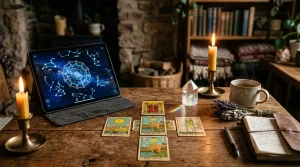
Tarot reading is a powerful tool for self-discovery and intuitive insight, often transforming lives in unexpected ways. Have you ever felt uncertain about your path or struggled with decision-making? Tarot can help you tap into your inner wisdom, offering clarity and guidance. This “Quick Start Guide for Total Beginners” will demystify the tarot, breaking it down into easy steps, no mystical background required. You’ll learn the meanings behind the cards, how to perform simple spreads, and personalize your readings to fit your unique questions and concerns. Whether you’re a skeptic or a believer, this guide invites you into the world of tarot with open arms, encouraging you to embrace your intuition. By the end, you’ll feel empowered to pull cards with confidence, navigate your journey, and uncover the magic that lies within you. Let’s embark on this adventure together and unlock the secrets of the tarot!
How Tarot Works: The Basics of Card Reading

Understanding how tarot works begins with the acknowledgment that each card is a doorway to deeper insights about our lives and the world around us. At its core, tarot reading is both an art and a practice of intuition, marrying symbolism with personal interpretation. In a typical tarot deck, you will find 78 cards divided into the Major Arcana, which speaks to the greater lessons and experiences in life, and the Minor Arcana, which reflects day-to-day situations and challenges.
For beginners, the process can seem daunting, but it can be simplified into several key steps. First, create a quiet space where you can focus without distractions. Reflect on the question or intention that you wish to explore. This clarity helps to channel your energy as you interact with the cards. When you shuffle the deck, visualize drawing out insights related to your question, which engages both your subconscious mind and your intuition.
Once shuffled, drawing the cards is a crucial part of the reading. You may opt for various spreads-like the three-card spread, which represents the past, present, and future, providing a snapshot of your situation. Each card you draw does not merely stand alone; it interacts symbiotically with the others. This relational aspect enriches your understanding and offers more layers of meaning for interpretation.
When interpreting the cards, focus on their imagery, numerology, and the meanings traditionally associated with them, but also trust your instincts. Each reader develops a unique connection to the cards over time, enhancing their ability to glean insights that resonate personally. Practice is essential, so consider journaling your readings to build an understanding of patterns and gains in personal meaning over time. Remember, tarot is a tool not just for divination but also for reflection, guidance, and personal growth, inviting you to tap into your inner wisdom.
Choosing Your First Tarot Deck: A Beginner’s Guide
Choosing the right tarot deck can feel like a daunting task for beginners, but it’s also an incredibly personal and intuitive journey. With a variety of decks available, ranging from traditional styles to modern interpretations, you might wonder where to start. One captivating fact is that tarot decks are not just tools for divination; they can also serve as artistic expressions that resonate with your spirit. When you choose a deck that speaks to you, it sets the stage for a meaningful practice.
Begin by exploring the different styles of tarot decks available. Some popular options include:
- Rider-Waite Tarot: This classic deck features rich symbolism and is widely used for learning the meanings of the cards. Its imagery serves as a helpful guide for beginners.
- Thoth Tarot: Created by Aleister Crowley, this deck incorporates complex symbols and is favored by those interested in deeper esoteric meanings.
- Modern or Themed Decks: From animals to popular culture, there are countless themed decks available. These often resonate more personally with users and can enhance your enjoyment of the readings.
When selecting your first deck, take your time to browse through the artwork and themes. Do you feel a connection to certain images? Is there a stylistic approach that draws you in? A deck that resonates with you on a visual or emotional level can significantly enhance your reading experience. Don’t hesitate to visit a local metaphysical shop where you can handle the decks and see which ones feel right in your hands.
Once you’ve made your choice, consider how to bond with your new deck. Spend time familiarizing yourself with each card. Pull a card daily, meditate on its imagery, and reflect on its meaning. This practice helps build your intuitive relationship with the deck, making your readings more insightful and personal. Remember, there is no “right” or “wrong” deck-what matters is that you find one that feels like a true extension of your own energy, inviting you to explore the journey of tarot with confidence and joy.
Understanding Tarot Card Meanings: Key Interpretations

Every card in a tarot deck carries a wealth of meanings, each ripe for exploration. Understanding these interpretations is essential for any aspiring reader. The 78 cards in a traditional tarot deck are divided into the Major Arcana and Minor Arcana, and each category serves a unique purpose. The Major Arcana cards, like The Fool or The Lovers, represent significant life events and spiritual lessons, while the Minor Arcana cards focus on day-to-day events and challenges, providing insight into the practical aspects of our lives.
When interpreting tarot cards, consider both the imagery and the position in which the card appears. It’s helpful to start with the key associations of each card. For instance, The Fool signifies new beginnings and spontaneity, while The Tower reflects chaos and sudden change. To deepen your understanding, keep a tarot journal where you can jot down your insights and interpretations as you practice. This encourages a dynamic interaction with your cards, allowing meanings to evolve based on your personal experiences and intuition.
Key Interpretations for Beginners
Here’s a simple breakdown of some notable cards to help you get started:
| Card | Upright Meaning | Reversed Meaning |
|---|---|---|
| The Magician | Manifestation, resourcefulness | Manipulation, poor planning |
| The Empress | Fertility, femininity, beauty | Dependence, smothering |
| Five of Cups | Loss, grief, focusing on the negative | Moving on, acceptance |
| Ten of Pentacles | Legacy, inheritance, family | Lack of stability, broken family ties |
By allowing these meanings to inform your readings, you can attractively combine intuition with structured interpretation. Remember that no card has a fixed meaning; context matters significantly. Ask open-ended questions during your readings, like “What does this card reveal about my current situation?” This encourages intuitive insights, making your readings more profound and resonant.
As you delve into tarot, keep in mind that practice strengthens interpretation skills. Don’t shy away from experimenting with different spreads or asking friends for practice readings. Over time, you will develop a unique voice in your readings, balancing what you learn with your personal insights and intuition. Trust in your journey, for all interpretations lead you closer to understanding yourself and your path.
Simple Tarot Spreads for Beginners: Start Reading Today
Engaging with tarot can be an exciting journey, especially when you’re starting with spreads that are designed for beginners. Using simple tarot spreads not only gives you insight into the cards but also builds your confidence as you develop your reading skills. The good news is that you don’t need to be an expert to begin-just a curious heart and an open mind.
One of the most popular beginner spreads is the Three-Card Spread. This straightforward layout allows you to explore past, present, and future dynamics in any situation. Here’s how to do it:
- Shuffle your deck while focusing on your question or intention.
- Draw three cards and place them from left to right.
- Assign the meanings:
– Card 1: Represents the past influences affecting the situation.
– Card 2: Reflects the current state or circumstances.
– Card 3: Offers insights into potential future outcomes.
This method allows for an immediate narrative to unfold, as you interpret each card’s individual meaning before considering how they interact with each other.
Another effective spread for beginners is the Celtic Cross, which provides a broader view of various aspects of a particular situation. This spread consists of ten cards, each with specific meanings, offering comprehensive insights. While it may seem complex at first, the Celtic Cross helps to reveal layers of information and perspectives. Here’s a simplified breakdown of positions you might consider:
Celtic Cross Simplified Positions
| Position | Meaning |
|---|---|
| 1 | Your current situation |
| 2 | Challenges you face |
| 3 | Subconscious influences |
| 4 | The recent past |
| 5 | The best you can achieve |
| 6 | The immediate future |
| 7 | Your attitude |
| 8 | Environment and external influences |
| 9 | Your hopes or fears |
| 10 | Final outcome |
Once you’re familiar with these spreads, it’s crucial to give yourself permission to explore and experiment. Every reading is unique, much like the questions we ask the cards. Don’t hesitate to tailor spreads to suit your inquiries or combine elements from different ones to create something that feels right for you.
Lastly, remember that recording your readings in a journal can be invaluable. Write down the spreads, card meanings, and your interpretations. You’ll likely notice growth and shifts in your understanding over time, turning tarot into a personal and transformative practice. Trust your intuition; the cards often reveal what you need to know about yourself and your current path.
Setting Your Intentions: How to Prepare for a Reading
Before diving into a Tarot reading, setting clear intentions is like preparing the ground for a garden; it creates a rich, fertile space for insights and guidance to grow. Intentions shape the entire reading experience, helping you to focus on what truly matters. Whether you are seeking clarity on a specific issue or aiming for general guidance, defining your intentions beforehand can significantly enhance your connection with the cards.
Start by finding a quiet space where you can reflect and gather your thoughts. Consider writing down your question or intention; this act of clarifying your thoughts not only helps to solidify your focus but also serves as a useful reference point during the reading. As you write, ensure that your intention is open-ended rather than restrictive. For example, instead of asking, “Will I get the job?” rephrase it to “What do I need to know about my job prospects?” This shift invites a broader range of insights from the cards.
Once you’ve established your intention, take a moment to center yourself. Deep breathing can help clear your mind; inhale deeply, hold for a moment, and then exhale slowly. Imagine the energy flowing into your question, infusing it with meaning and purpose. As you shuffle the cards, maintain your focus on this intention. The process of shuffling is not just a physical action; it symbolizes your connection with the universe and your query, blending your energy with that of the cards.
If you notice any anxiety or doubt creeping in, pause and acknowledge those feelings without judgment. It’s natural to feel a mix of excitement and apprehension, especially if you are new to reading. Embracing these emotions can deepen your connection to the reading process. Before you draw your cards, remind yourself that the Tarot is a tool for reflection and exploration-there are no definitive answers, only pathways to understanding yourself and your life’s journey. This mindful approach will help you remain open to the messages that emerge, enriching your reading experience.
How to Shuffle and Draw Cards: Techniques for Success
When you approach your Tarot reading, think of shuffling and drawing cards as an essential part of the ritual. This moment not only sets the tone for your reading but also enhances your connection with the Tarot. The act of shuffling serves as a bridge, connecting your energy with the cards and allowing for intuition to play a significant role in the messages that surface.
To start, take your Tarot deck and hold it in your hands, feeling its texture and weight. Close your eyes for a moment to ground yourself. Focus on your intention or question as you begin to shuffle. Here are a few methods to consider:
- Overhand Shuffle: This traditional method involves taking a handful of cards from the top of the deck and letting them fall back down while holding the rest of the deck in the other hand. Repeat until you feel ready.
- Riffle Shuffle: For those comfortable with this technique, split the deck in half and interlace the two halves together. This energetic shuffle allows for a thorough mixing of cards.
- Cutting the Deck: Once you feel you have shuffled enough, consider cutting the deck into three piles, then reassembling them into one. This adds another layer of intention and connection.
As you shuffle, keep your focus steady. You may want to verbalize your question or intention, either silently or aloud. This helps to affirm your connection to the reading. Once you feel ready, it’s time to draw your cards.
When it comes to drawing, trust your intuition. You can either pull a specific number of cards for a spread or select cards as they “jump” out at you during shuffling. There’s no right or wrong way to do this, so follow what feels natural:
- Single Card Draw: Great for daily guidance or specific queries.
- Three-Card Spread: Offers insights into the past, present, and future.
- Larger Spreads: For more complex questions, consider spreads like the Celtic Cross or the Horseshoe.
As you draw each card, take a moment to feel the energy it brings. Place the cards face up in front of you, and observe how they might relate to your intentions. Allow your intuitive insights to come forward, even if you’re unsure at first. Over time, drawing cards will feel more comfortable, and you’ll start recognizing patterns and themes in your readings.
Incorporating these shuffling and drawing techniques into your practice will not only enhance your connection with the Tarot but also build your confidence as you explore its profound insights. Remember, every reader has their own style, so experiment and discover what resonates best with you. Your unique journey in Tarot reading is just beginning!
Interpreting Cards Together: Understanding Relationships in Spreads
Understanding the relationships between the cards in your Tarot spread is essential for gaining deeper insights during a reading. Each card does not stand alone; rather, they interact with one another, forming a narrative that can reveal the subtle dynamics of your question or situation. By interpreting how the cards relate to each other, you can glean more nuanced meanings that extend beyond their individual interpretations.
One practical way to approach card relationships is to consider their positions within the spread. For instance, in a three-card spread representing the past, present, and future, the first card sets the stage with past influences-perhaps a challenge or learning experience that shaped your current situation. The second card, representing the present, reflects how those past influences are playing out right now. Finally, the third card, symbolizing the potential future, reveals where these energies might lead if current paths are followed. This simple structure provides a coherent story that can be applied to various queries.
Additionally, look for connections in imagery and themes among the cards. A card depicting struggle may interact dramatically with one that signifies victory, suggesting that overcoming challenges is necessary for growth. Pay attention to numerical patterns, suits, and elemental connections as well. For example, several cards from the suit of Cups might indicate emotional themes at play, while a mix of Swords might suggest conflict or mental challenges.
Here are a few tips to enhance your interpretation of card relationships:
- Observe Patterns: Are the cards predominantly from one suit or number? This can highlight a specific focus in your reading.
- Analyze Reactions: Consider how the energy of one card affects another. Does one card offer support or conflict with the others?
- Create a Narrative: Try to weave a story using the cards. What message emerges from their interaction? This narrative approach often provides profound insights.
- Use Table Insights: Create a simple table to map out each card’s meaning and its relationship to others in the spread. This visualization can help clarify complex interactions.
As you practice, trust your intuition to guide you in interpreting these relationships. The more you engage with the cards, the more natural this process will become. Remember, every reading is unique, and your ability to connect the meanings will deepen over time, fostering confidence in your intuitive interpretations. Embrace the journey, and let the cards reveal their stories!
Enhancing Your Intuition: Tips for Connecting with Your Cards
Connecting with your Tarot cards is a journey of discovery and intuition, a dialogue between your inner self and the universe. Each card carries its own energy and message, and by fostering a connection with them, you can unlock deeper insights into your life and decisions. Here are some practical ways to enhance your intuitive abilities as you engage with your Tarot deck.
Start by creating a sacred space that welcomes your practice. This doesn’t have to be a whole room; it can simply be a small corner of your home where you feel comfortable and focused. Light a candle or burn some incense to signal to your mind that it’s time to connect with your cards. Set an intention for your reading, whether that’s clarity on a specific issue or personal growth. This practice not only centers you but also prepares your mind to receive messages from the cards.
Another effective method is to spend time with each card individually. Take one card at a time and reflect on its imagery, colors, and symbols. Ask yourself what emotions it evokes and what personal meanings it holds for you. Try journaling these thoughts. For example, when looking at The Star, you might feel a sense of hope or renewal. Write down your impressions alongside the traditional meanings. This approach deepens your connection and makes the cards feel more personalized.
Trusting your instincts is essential in Tarot. When drawing cards, allow yourself to be guided by your initial reactions. If a particular card resonates, explore why that might be. In a reading, if you pull The Tower, instead of just viewing it as upheaval, consider what chaos may bring about transformation in your life. Encourage spontaneity in your readings by allowing your interpretation to evolve organically rather than strictly adhering to traditional meanings.
Lastly, practice, practice, practice! Regularly engage with your cards through daily draws or meditative spreads. This will help you become familiar with them, allowing your intuition to strengthen over time. Perhaps keep a log of your readings to track patterns and insights that arise, honing your ability to interpret not only the cards but their relationships to each other in future spreads.
Embrace the process of connecting with your cards-trust that your intuition will guide you, and remain open to the insights that unfold. Tarot is as much about your personal journey as it is about the cards themselves. Each reading is a step towards understanding yourself and the world around you.
Common Beginner Mistakes: What to Avoid in Tarot Reading
Many beginners dive into Tarot with enthusiasm, eager to unlock the mysteries of the cards. However, there are common pitfalls that can hinder your journey and dampen your intuitive connection. By being aware of these mistakes, you can cultivate a more rewarding experience as you develop your skills and confidence in reading Tarot.
One major mistake is relying too heavily on textbook meanings without allowing personal intuition to guide your interpretations. While understanding the traditional meanings of the cards is important, every reader brings their own unique energy and experiences into a reading. When you pull The Fool, for instance, it may resonate differently depending on your current life circumstances. Rather than sticking to just its meaning of new beginnings, consider what this card says to you personally. Each time you read, let your gut feelings influence your insights; this approach fosters a more authentic relationship with your cards.
Another frequent misstep is overcomplicating readings or spreading yourself too thin with complex spreads. For beginners, starting with simpler, more straightforward spreads can yield clearer insights and allow you to focus on the cards themselves. A single-card draw can be a powerful way to reflect on your day or a specific question. As you gain confidence, you can gradually introduce more cards and elaborate spreads.
Lastly, don’t underestimate the importance of creating a conducive reading environment. Many beginners overlook the need for a quiet, sacred space free from distractions. Set the mood by dimming the lights, lighting a candle, or even playing soft music. This environment not only helps you feel more centered but also invites a deeper connection with your cards. By nurturing your practice environment, you send a message to your subconscious that it’s time to engage seriously with your intuition and the insights that come from the Tarot.
By being mindful of these common beginner mistakes, you can build a strong foundation in your Tarot practice. Embrace your journey, trust your intuition, and remember: Tarot is as much about the questions you ask and the insights you uncover as it is about the cards themselves. Each reading is a meaningful step toward self-discovery and understanding the universe around you.
Exploring Advanced Tarot Techniques: Leveling Up Your Skills
To truly elevate your Tarot practice from beginner to advanced levels, consider incorporating techniques that deepen your intuition and expand your understanding of card relationships. One of the most powerful approaches is the integration of themed decks. Instead of sticking with a standard Rider-Waite deck, explore those that resonate with different aspects of your life, such as nature, mythology, or specific cultural traditions. These cards often carry unique imagery and interpretations that can enrich your readings and provide fresh perspectives.
Another highly effective strategy for advancing your skills is the practice of symbol analysis. Each Tarot card is filled with symbols and imagery that can reveal deeper meanings. Take the time to study and reflect on these symbols. For example, the presence of water in the Cups can represent emotions, while the Swords often signify intellect or conflict. By documenting your interpretations in a Tarot journal, you can track how your insights evolve over time. This daily practice not only strengthens your connection with the cards but also enhances your ability to draw nuanced meanings from them.
As you become comfortable with card meanings, try out complex spreads like the Celtic Cross or the Star Spread. These intricate layouts invite you to explore different facets of a single question or situation. For instance, the Celtic Cross spread provides insights on your current circumstances, challenges, and future influences. Make sure to interpret parts of the spread together, considering how the cards influence one another. This holistic view can unveil relationships and provide clarity that single card draws may miss.
Don’t forget to revisit the concept of meditation with your cards. By spending quiet moments reflecting on individual cards, you allow personal interpretations to emerge, often tailoring the meanings to your life experiences. Start with a single card meditation each day, focusing on its imagery and how it connects to your current feelings or situations. This practice helps in building a profound intuitive connection with your deck.
Each of these advanced techniques invites you to engage with Tarot in a more meaningful way. Remember, the journey of Tarot reading is not solely about predicting the future but about understanding yourself and the world around you. Embrace these methods and watch as your confidence and insight flourish, making your practice not just a skill, but a profound mode of personal exploration and reflection.
How to Read for Others: Sharing Your Gift Confidently
Reading Tarot for others can be a transformative experience, both for the reader and the querent. Many beginners feel a mix of excitement and apprehension when faced with the prospect of sharing their insights with another person. Remember, at the core of Tarot reading is the intention to provide clarity and guidance-not to predict an unchangeable fate. Your unique perspective and connection to the cards will create a safe space for this exploration.
Before you begin reading, it’s essential to set the right atmosphere. Establish a calm, welcoming environment free from distractions. You may want to enhance the setting with soothing music or soft lighting. Begin the session by explaining your approach to Tarot reading. This can demystify the process for your querent and help them feel at ease. Encourage questions and let them know they can voice any concerns throughout the reading.
As you shuffle the cards, invite your querent to focus on their question or situation. This engagement is crucial-it connects them to the reading and enhances the energy flow. Once you’ve drawn the cards, use distinctive spreads that resonate with the querent’s inquiry. For instance, a simple three-card spread can reveal situations, challenges, and outcomes. As you interpret each card, maintain an open dialogue, sharing not only the traditional meanings but also your intuitive impressions. This personal connection adds depth and relevance to the reading.
When reading for someone else, it’s essential to remain neutral and respectful. Avoid making absolute predictions; instead, frame your insights in a way that emphasizes potential paths and choices. This approach empowers the querent, reminding them they are active participants in their lives. Listen actively to their feedback and thoughts, allowing the conversation to weave the meanings of the cards into their experience.
Remember, confidence grows with practice. Begin with friends or family who support your journey, and as you become more comfortable, consider expanding to new clients. Trust in your intuition, and view each reading as a collaborative exploration rather than a performance. Every session is an opportunity to deepen your understanding of both Tarot and yourself. With time, you will learn to share your gift with grace and authenticity, making your readings a valuable exploration of personal growth and discovery for both you and your querent.
Resources and Communities: Where to Learn More About Tarot
To embark on your Tarot journey confidently, it’s vital to tap into the wealth of resources and communities available for learners at all levels. Engaging with these tools not only enhances your understanding but also enriches your practice.
Online Resources
Start with reputable websites that offer in-depth articles, tutorials, and forums. Sites like Astrology Answers provide excellent guides on card meanings and interpretations, which can be essential for beginners learning how to read Tarot cards effectively. Additionally, consider following online courses from platforms such as Udemy or Coursera, where you can learn at your own pace through video lectures and interactive content.
Books and Literature
Books are invaluable for deeper learning. Look for classics like *The Ultimate Guide to Tarot* by Liz Dean or *Seventy-Eight Degrees of Wisdom* by Rachel Pollack. These texts not only cover basic interpretations but also delve into the philosophical aspects of Tarot, providing context and meaning behind the cards.
Community Engagement
Joining Tarot communities can significantly enhance your learning experience. Platforms like Reddit’s r/tarot or Facebook groups focusing on Tarot discussions are vibrant spaces where you can share insights, ask questions, and receive feedback from fellow enthusiasts. Participating in these communities can demystify common concerns and amplify your confidence in reading.
Workshops and Meetups
Consider attending local Tarot workshops or meetups. Engage with experienced readers who can offer hands-on guidance. Many metaphysical shops host events where you can practice reading with others, making it a safe space to learn and grow.
By immersing yourself in these resources and communities, you not only build your skill set but also connect with others who share your passion. Remember, the journey of learning Tarot is one of discovery and fun-embrace every step and allow your intuition to flourish.
FAQ
Q: What are the best Tarot decks for beginners?
A: The best Tarot decks for beginners often include the *Rider-Waite-Smith*, *The Wild Unknown*, and *Druid Craft Tarot*. These decks are visually appealing and offer intuitive imagery. Choose a deck that resonates with you personally to enhance your learning experience. Explore our section on *Choosing Your First Tarot Deck* for more insights.
Q: How can I improve my Tarot reading skills quickly?
A: To improve your Tarot reading skills quickly, practice regularly and focus on daily card pulls. *Journaling* your impressions and interpretations enhances your intuition. Engage with Tarot communities to share experiences and receive feedback. For more techniques, check our tips on *Enhancing Your Intuition*.
Q: What is the significance of the reversed Tarot cards?
A: Reversed Tarot cards often represent the *opposite* or *blockage* of their upright meanings. They can indicate challenges, internal struggles, or lessons not fully learned. Incorporating reversals in your readings can deepen your interpretations. Learn more about meaning in our section on *Understanding Tarot Card Meanings*.
Q: How do I perform a simple Tarot reading for myself?
A: To perform a simple Tarot reading, start with a one-card draw for daily guidance or a three-card spread to explore your past, present, and future. Shuffle your deck while focusing on your question, then draw and interpret the cards. Refer to our guide on *Simple Tarot Spreads for Beginners* for detailed setups.
Q: Why am I struggling to connect with my Tarot cards?
A: Struggling to connect with your Tarot cards can stem from a few factors, including *mental blockages* or not having a *personal connection* with your deck. Try spending time with your cards, meditating on them, or cleansing them spiritually to enhance energy flow. For tips on connection, see *Enhancing Your Intuition*.
Q: How do I choose the right Tarot spread for my question?
A: Choosing the right Tarot spread depends on the complexity of your question. For straightforward inquiries, a one or three-card spread suffices. For deeper insights, consider larger spreads like the Celtic Cross. Understanding the purpose of each spread can guide your choice-explore our *Simple Tarot Spreads for Beginners* for more info.
Q: Can I read Tarot for others as a beginner?
A: Yes, you can read Tarot for others as a beginner! Start by practicing with friends or family, focusing on being open and intuitive. Prepare by setting clear intentions and creating a comfortable environment. Check out our section on *How to Read for Others* for confidence-boosting tips.
Q: What are common misconceptions about Tarot reading?
A: Common misconceptions about Tarot reading include the idea that it involves *predicting the future* or that it relies on magic. In reality, Tarot is a tool for gaining *insight and self-reflection*. Emphasizing this practice can help demystify Tarot. To understand more, refer to our article for clarifications.
The Conclusion
As you embark on your journey into the enchanted world of Tarot, remember that each card offers a gateway to deeper understanding and self-discovery. By practicing the techniques outlined in our “How to Do Tarot: Quick Start Guide for Total Beginners,” you’re not just learning to read cards-you’re unlocking your intuitive potential. So why wait? Grab your deck and start your first reading today!
For further insights, explore our comprehensive guide on Tarot spreads and discover how different layouts can enhance your readings. You might also enjoy our article on the significance of the major arcana, guiding you through the essential archetypes that shape your journey. Don’t forget to join our community by signing up for our newsletter to receive tips, exclusive resources, and updates that nurture your newfound skills.
Dive deeper into your Tarot practice today; the magic is calling you! Share your experiences and thoughts in the comments below-we’d love to hear about your journey and what resonates most with you. Your adventure in Tarot is just beginning!
Get our latest guides, news, and insights highlighted in your Google Search & AI Overviews.