Have you ever wondered about the fascinating history behind tarot cards? The origins of these mystical tools are steeped in rich symbolism and cultural significance. Surprisingly, tarot cards were not always used for divination; they started as simple playing cards in 15th-century Europe. Exploring their evolution can unveil hidden meanings and enhance your understanding of their use in personal insight and guidance. Whether you’re a curious skeptic or a devoted practitioner, uncovering the roots of tarot connects us to a timeless tradition. Join us as we delve into the enchanting journey of who created tarot cards and how they transformed into the powerful resource they are today, fostering a deeper connection with your intuition and the universe.
The Ancient Roots of Tarot Cards Explained
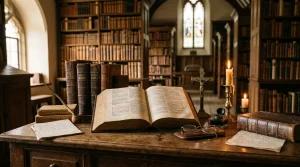
The origins of Tarot cards are as rich and layered as the imagery found within each deck. Emerging in the 15th century, Tarot was originally created as a game called tarocchi in Italy, enjoyed by the nobility. The transformation from mere cards of play to a profound divination tool didn’t occur overnight; it unfolded over centuries, soaking up influences from mysticism, spirituality, and various philosophical traditions.
Tarot’s ancient roots can be traced back to several cultural touchstones. The cards elegantly blend elements from the Egyptian and Jewish traditions, with fascinating theories suggesting links to the Kabbalah and ancient Egyptian wisdom. This intertwining of cultures provided a fertile ground for the mystical interpretations that Tarot is known for today. Over the years, Tarot became a symbolic language, where each card encapsulates universal themes of the human experience.
The specialized imagery on Tarot cards holds deep symbolic meaning, functioning as a mirror to our inner psyche. For instance, the Major Arcana-comprising 22 cards-mirrors significant life themes and spiritual lessons, such as The Fool’s new beginnings or The Tower’s upheaval. Similarly, the four suits-Wands, Cups, Swords, and Pentacles-correspond to elemental forces and aspects of life, from creativity to emotions to intellect and materiality. Understanding these symbols is the key to unlocking personal intuition during readings, making Tarot not just a tool for divination but also a profound means of self-exploration.
As the practice of Tarot evolved, so too did its reception within spiritual communities. It transitioned from merely being a card game into a respected form of divination during the Renaissance, when it began to be used for insight and guidance, reflecting the growing interest in mysticism and the unseen truths of life. Over centuries, this progression has cemented Tarot’s role as a significant aspect of spiritual practices today, bridging the gap between play and profound personal insight. For those new to Tarot, exploring its ancient roots can enhance understanding and deepen the connection to this mystical tradition.
Unraveling the Mysteries: The Development of Tarot
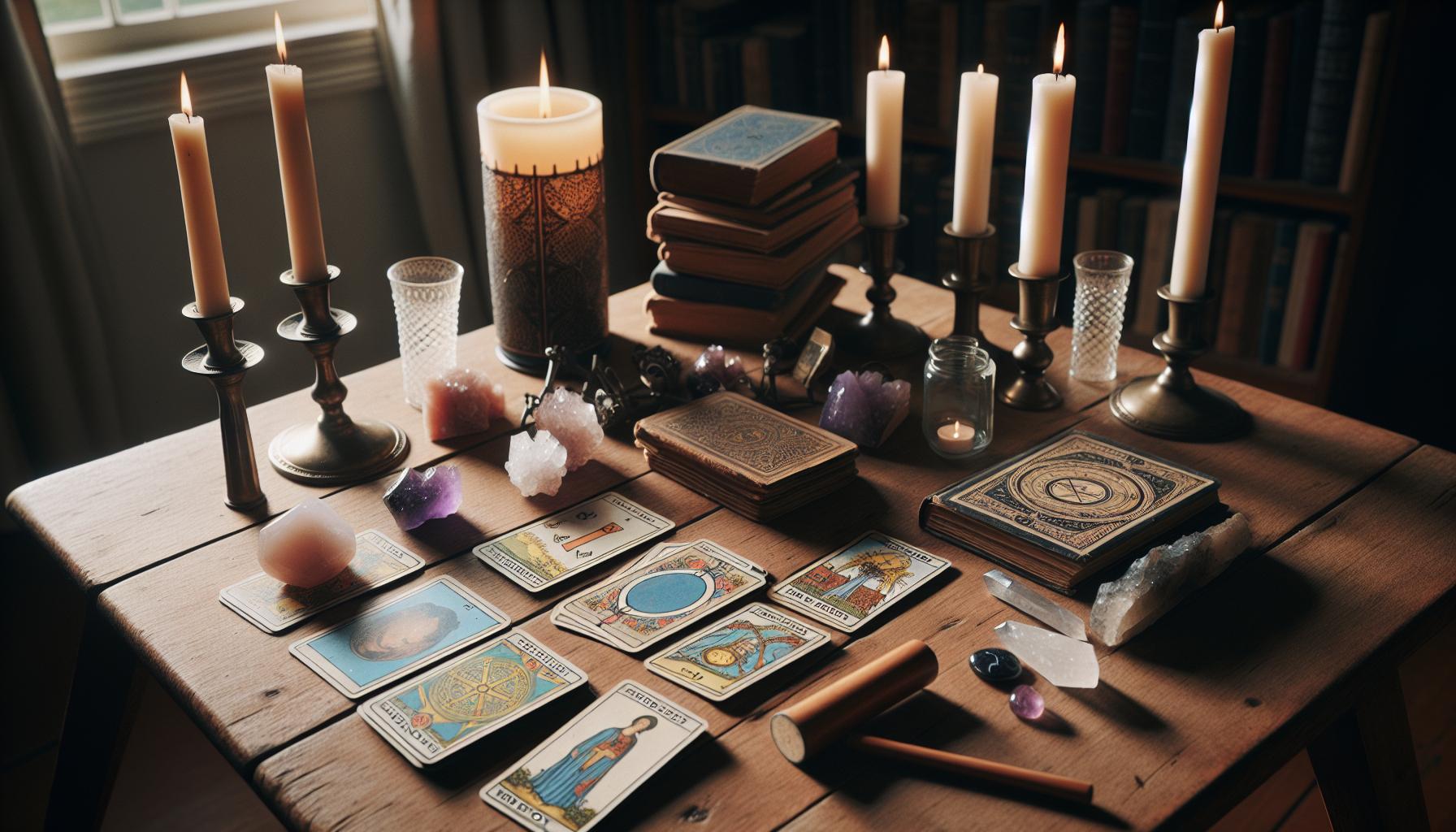
The mysterious journey of Tarot cards from a simple card game to a profound tool for divination is as enchanting as the cards themselves. Emerging in the 15th century, Tarot began as a game called tarocchi, enjoyed by the aristocracy in Italy. Over time, the interplay of culture, spirituality, and the human quest for understanding woven into Tarot’s development reflects the evolving consciousness of society. Initially, it was the artistic card designs and the thrill of gameplay that captured players’ imaginations. Yet, as the Renaissance blossomed, so too did the thirst for deeper meanings and insights, transforming Tarot into a revered medium for spiritual guidance.
As Tarot evolved, so did its imagery and symbolism. The decks began to incorporate various cultural elements, drawing upon mythology, astrology, and even alchemical traditions. This infusion of diverse influences created a rich tapestry of meanings, with each card serving not just as a visual image but as a gateway to understanding life’s complexities. For instance, the Major Arcana cards encapsulate pivotal life lessons and archetypes, while the four suits represent different dimensions of existence-emotions, intellect, creativity, and materiality. This layered symbolism allows readers to connect their personal experiences to the greater universal themes embedded in the cards.
Today, Tarot serves as a bridge between the mundane and the mystical. It invites introspection and encourages individuals to explore their subconscious thoughts and feelings. Whether you are a skeptic or a seasoned practitioner, the act of reading Tarot can unveil insights that resonate on multiple levels. Engaging with the cards fosters a deeper understanding of oneself and opens pathways to new personal revelations. Thus, the development of Tarot is not merely a historical account; it is an invitation to partake in a tradition that continues to evolve and empower seekers of all backgrounds.
As you delve into Tarot, remember that your unique interpretation is just as vital as the established meanings of the cards. Each reading is an opportunity to explore your intuition and connect with the wisdom that lies within. Embrace the journey of learning and discovery, and allow Tarot to guide you through the mysteries of your life.
Key Individuals in the History of Tarot Creation
The creation of Tarot cards is entwined with the contributions of various influential figures throughout history, each adding layers of meaning and complexity to this enigmatic tool of divination. While the exact origins remain somewhat obscure, several key individuals and groups have undeniably shaped the evolution of Tarot into its contemporary forms.
One pivotal figure in the early history of Tarot is Jean Noblet, a French cardmaker from the 17th century whose deck remains one of the oldest surviving examples. Noblet’s Tarot boldly illustrated characters and symbols that would later be referenced in many subsequent decks. The vibrant imagery and distinct trumps created by Noblet laid a groundwork for Tarot’s artistic and symbolic evolution, marking a significant shift from mere gameplay to a tool of introspection and guidance.
Another crucial contributor to the Tarot’s development was Martial C. T. P. de Gebelin, an 18th-century French philosopher and occultist. Gebelin’s writings suggested that Tarot cards held ancient wisdom, linking them to Egypt’s mystical traditions. He proposed that the imagery on Tarot cards conveyed deeper spiritual truths and archetypal narratives. This assertion laid the groundwork for modern tarot interpretations as a means of spiritual and psychological exploration, resonating with seekers interested in the deeper mystical connections of the cards.
The Rider-Waite-Smith Tarot, created in 1909 by Arthur Edward Waite and illustrated by Pamela Colman Smith, marked a significant turning point in Tarot history. This deck introduced imagery that emphasized symbolism and personal interpretation. Each card was designed to convey a story, inviting users to explore their intuition and spiritual journey. The Rider-Waite-Smith deck remains one of the most popular and accessible choices for beginners, proving that the combination of artistic vision and intuitive interpretation can foster a profound connection with the Tarot.
In modern contexts, many Tarot decks have been inspired or constructed by diverse creators, showcasing a wide range of cultural influences and artistic expressions. Designers like Gwen Thompson and Ciro Marchetti have expanded the landscape of Tarot with visually stunning decks that resonate with contemporary themes and issues, illustrating how the tradition continues to evolve with the times.
These individuals are just a glimpse into the rich tapestry of those who have contributed to Tarot’s creation and dissemination. Their understandings and artistic representations invite practitioners to explore meanings on personal, cultural, and spiritual levels, reinforcing the idea that Tarot is not merely a relic of the past, but a living tradition that continues to inspire and empower individuals today.
The Evolution of Tarot Decks Through the Ages
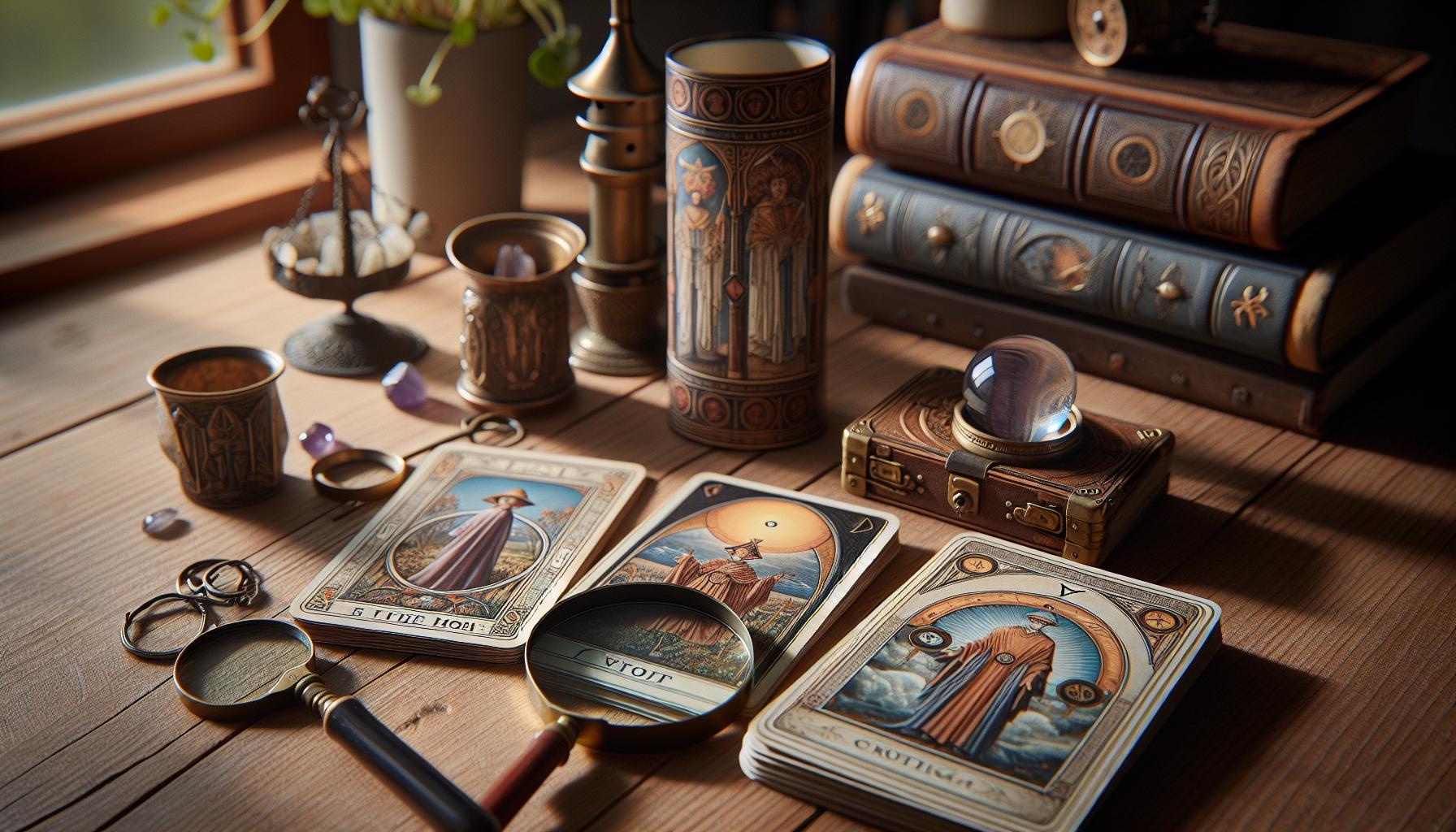
The history of Tarot decks is a captivating journey that reflects the evolution of artistic expression, cultural shifts, and spiritual exploration. Initially, Tarot cards emerged in the 15th century as mere playing cards in Europe, primarily used for games and pastime. By the late 18th century, however, they began to take on a deeper meaning, transforming into a tool for divination and personal reflection. This shift marked the emergence of symbolic imagery that we now associate with Tarot.
As Tarot developed, so did its decks. The designs and themes began to reflect varying cultural influences and artistic styles. Notably, the Visconti-Sforza Tarot, one of the oldest surviving decks from the 15th century, showcases intricate images rich with heraldic symbolism, indicative of the nobility and their interests. In contrast, decks created in the late 19th and early 20th centuries, such as the now-iconic Rider-Waite-Smith Tarot, introduced a more narrative-driven approach. Each card became a visual story, filled with symbolism, enabling users to tap into their intuition and derive personal meaning. The Rider-Waite-Smith deck, with its detailed illustrations by Pamela Colman Smith, has significantly influenced countless decks that followed, cementing its place in Tarot history.
Modern Renaissance of Tarot Decks
Today, the Tarot landscape is more diverse than ever. Creators from various backgrounds and cultures are crafting decks that resonate with contemporary themes, personal experiences, and unique artistic interpretations. This modern renaissance has led to a proliferation of styles, including decks focused on social justice, inclusivity, and even pop culture. For instance, decks like the Modern Witch Tarot and the Light Seer’s Tarot offer fresh perspectives that appeal to a new generation of enthusiasts. This ongoing evolution invites practitioners to find decks that speak uniquely to them, empowering them to explore their intuitive capabilities.
As you delve deeper into the world of Tarot, consider how the decks reflect not only historical context but also the rich tapestry of human experience. Each card serves as both a mirror and a guide, encouraging a dialogue between the spiritual and the mundane. Whether you are a beginner or an experienced reader, embracing the diversity of Tarot decks can enhance your practice, inspire new insights, and deepen your understanding of this ancient art form. Remember, Tarot is not just about the cards but about the connections they foster and the stories they reveal.
Symbolism and Meaning: What Tarot Cards Represent
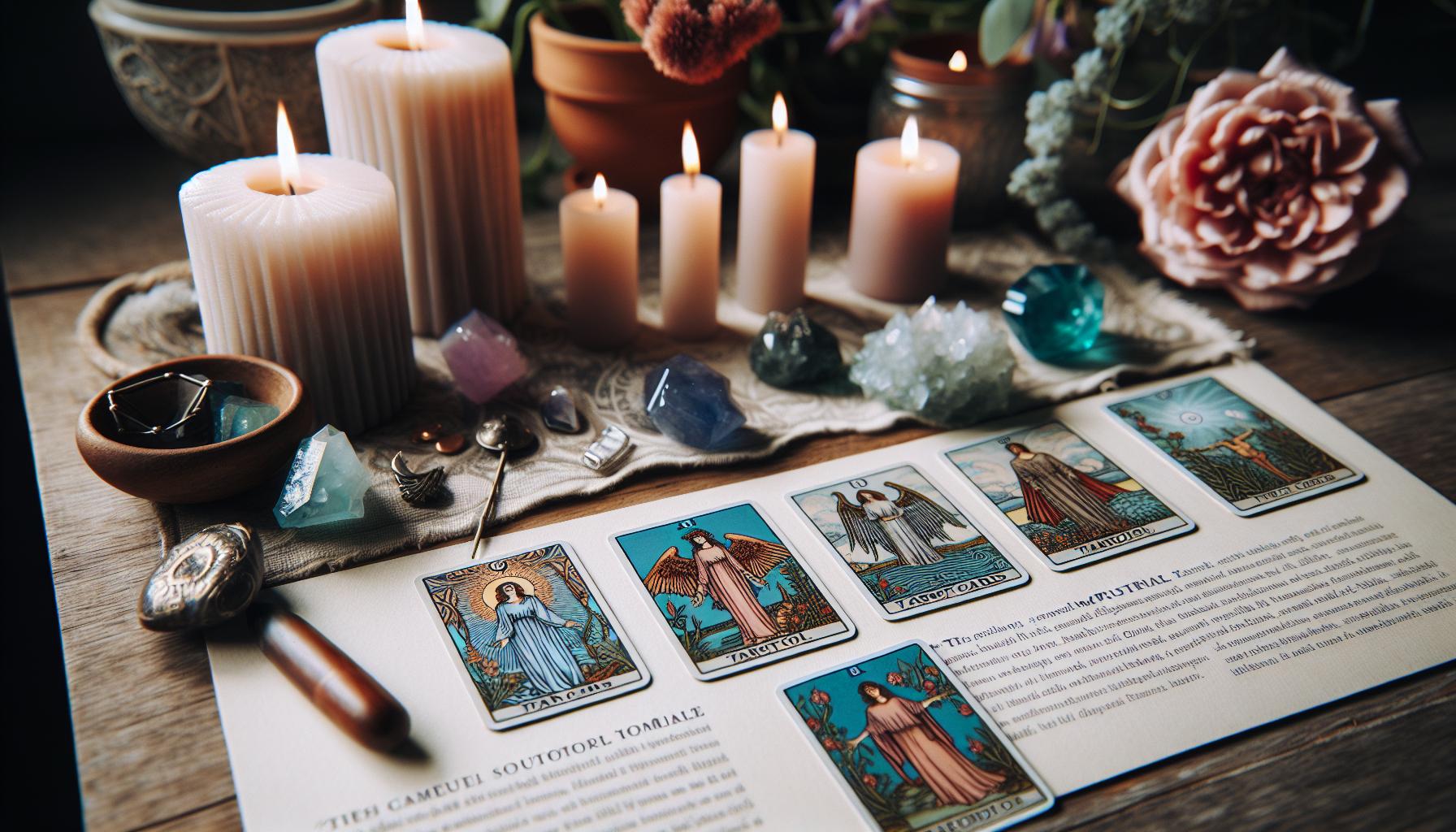
The Tarot is a rich tapestry of imagery and symbolism, each card representing complex layers of meaning that can offer insights into our lives. Historically rooted in a blend of mysticism and psychology, Tarot cards serve as powerful tools for introspection. The origins of these symbols can be traced back to the decks created in the 15th century, which have since evolved into a widely recognized method of divination.
Each Tarot card is imbued with its own set of meanings, often reflecting universal archetypes. For instance, the Fool embodies new beginnings and spontaneous adventure, while the Death card signifies transformation and the end of a cycle rather than a literal end. These symbols engage our intuition, resonating with both skeptics and believers alike, allowing for personal interpretations that feel uniquely relevant.
When approaching a Tarot reading, understanding these symbols can enhance the experience significantly. Here are some of the basic symbols and their meanings:
- The Major Arcana: These 22 cards represent significant life themes and lessons.
- The Minor Arcana: Comprising four suits (Cups, Wands, Swords, and Pentacles), these cards delve into day-to-day situations and challenges.
- Numerology: Each number has its own meaning; the number 1 suggests new beginnings, while the number 10 symbolizes completion.
- Colors and Imagery: The colors in the cards also carry meanings-red often symbolizes passion and action, while blue can signify calm and introspection.
It’s important to recognize that the interpretations can vary based on the reader’s intuition and the specific context of the question being asked. For example, if you pull the Two of Cups during a reading focused on relationships, it may suggest a union or partnership deepening. However, if drawn in a career-focused spread, it may indicate collaboration or the need for teamwork.
As you expand your understanding of Tarot, take note of how these symbols resonate with your experiences. Engaging with the cards on a personal level allows for a deeper connection, transforming the reading into a dialogue that not only feeds your intuitive abilities but also empowers your personal growth. Embrace the journey of discovering what each card means for you; the conversations they start can lead to illuminating insights and profound self-discovery.
Understanding the Different Tarot Deck Styles
The diverse world of Tarot decks is as rich and varied as the interpretations of the cards themselves. Each deck reflects not only the artistic vision of its creator but also the cultural and spiritual context in which it was developed. From the classic Rider-Waite to the modern Wild Unknown, the styles of Tarot decks cater to the unique preferences and spiritual journeys of their users. Understanding these different styles can transform your Tarot experience, making it more personal and resonant.
One of the foundational decks is the Rider-Waite-Smith deck, created in the early 20th century by Arthur Edward Waite and illustrated by Pamela Colman Smith. Its imagery incorporates a wealth of symbolism, making it an excellent choice for beginners. Each card tells a story, and the deck’s detailed illustrations serve as a visual guide to the meanings, facilitating intuitive interpretations. For example, the Three of Swords depicts a heart pierced by three swords, symbolizing grief and heartbreak. This compelling imagery aids readers in connecting emotionally with the message of the card.
In contrast, decks like the Thoth Tarot, developed by Aleister Crowley and Lady Frieda Harris, merge mystical philosophy with surrealist art. The Thoth deck incorporates complex astrological and Kabbalistic symbolism, making it ideal for serious practitioners who wish to delve deeper into Tarot’s esoteric aspects. Each card is rich with layers of meaning, inviting readers to meditate on its symbols. For instance, the The Devil card in the Thoth deck challenges users to confront their inner demons and illusions, a profound message often approached with a level of seriousness.
For those who are drawn to more contemporary expressions, decks like the Wild Unknown Tarot deviate from traditional imagery with minimalist and often abstract designs. Created by Kim Krans, this deck focuses on natural elements and animal imagery, inviting empathy and connection to the Earth. The cards speak to intuition and personal interpretation, allowing for a more relaxed, almost conversational reading style. When using the Nine of Pentacles, for example, the fox symbolizes independence and prosperity, encouraging users to reflect on their self-sufficiency and achievements in a light yet profound way.
When selecting a Tarot deck, consider not only the artwork and symbolism but also how the style speaks to your personal intuition and practice. Each deck offers a different lens through which to explore life’s questions and challenges. Engaging with a deck that resonates with you personally can enhance your readings and deepen your connection to the Tarot. Whether you are starting your journey or looking to expand your collection, the right deck awaits-one that invites you to explore, reflect, and grow in your understanding of yourself and the universe around you.
How Tarot Influenced Spirituality and Divination
The journey of Tarot cards from medieval Italy to modern spirituality has significantly shaped how we understand divination and self-exploration today. Tarot originally emerged as a card game, but over the centuries, it evolved into a profound tool for personal insight and spiritual connection. By bridging ancient wisdom with contemporary practices, Tarot has influenced millions, inviting individuals to delve into their psyche, contemplate their life paths, and explore the mysteries of the universe.
One of the most impactful aspects of Tarot is its ability to serve as a mirror for self-reflection. Readers often find that the imagery on the cards resonates deeply with their experiences and emotions. For instance, drawing the Two of Cups might prompt someone to examine their relationships, while the Eight of Swords could illuminate feelings of stagnation or entrapment. This connection encourages users to not only interpret the card meanings but also to engage in dialogue with themselves-transforming the reading into an active and meaningful process.
Moreover, Tarot has integrated various spiritual traditions, merging elements from astrology, Kabbalah, and numerology into its fabric. This synthesis allows practitioners to explore different metaphysical dimensions and enrich their readings. For example, many Tarot readers incorporate astrology into their sessions, matching cards with astrological signs to offer deeper insights into the influences affecting a seeker’s life. This multifaceted approach makes Tarot an adaptable tool that resonates with a wide spectrum of spiritual beliefs.
As modern spirituality has become increasingly individualized, Tarot has also emerged as a safe space for exploration. Many practitioners use Tarot not merely as a predictive tool but as a means of fostering personal growth and understanding. Whether through one-card pulls for daily guidance or intricate spreads for deep inquiry, Tarot invites everyone to interact with their intuition. For a newcomer unsure about how to start, a simple practice is to ask a focused question, draw a card, and journal the feelings and thoughts that arise. With each reading, individuals build confidence in their intuitive capabilities, demystifying the practice and making it accessible to all.
Ultimately, the influence of Tarot extends beyond the cards themselves; it fosters a community of seekers united in their quest for wisdom and clarity. As more people embrace these ancient symbols, they contribute to a collective narrative that celebrates curiosity, self-discovery, and spiritual exploration, reinforcing the idea that the journey through Tarot is as significant as the destination.
The Role of Tarot in Modern Spiritual Practices
In the landscape of modern spirituality, Tarot serves as a versatile and deeply personal tool for exploration and growth. Many individuals, whether they identify as skeptics or believers, find value in the whispers of wisdom that Tarot cards offer. By engaging with this ancient practice, people can uncover insights about their lives, emotions, and choices, fostering a deeper connection to their intuition. The beauty of Tarot lies in its adaptability; it can seamlessly fit into a variety of spiritual beliefs and practices, making it an inclusive and empowering resource.
One common practice is using Tarot for intention setting. Before a significant event or a new venture, many practitioners will conduct a Tarot reading to clarify their goals and assess the energies surrounding them. For instance, pulling the Chariot can signify strength and determination, encouraging the seeker to move forward with vigorous intent. Similarly, a reading that reveals the High Priestess invites deep reflection and trust in one’s inner voice, reminding the querent to listen to their intuition as they navigate their journey.
### Navigating Personal Growth with Tarot
Using Tarot in a self-reflective manner can enrich personal growth. A simple method many find effective is the daily card draw. By selecting one card every morning, individuals can focus on the message it brings throughout their day. Perhaps the Sun card brightens a person’s perspective, encouraging joy and optimism, while drawing the Five of Cups might prompt them to confront feelings of loss and address unresolved issues. This daily practice not only grounds individuals but also invites them into a deeper consultation with their emotions and circumstances.
When community and connection are sought, Tarot can unite people with similar interests through group readings or workshops. These gatherings often foster a sense of belonging among seekers curious about their paths. By sharing insights drawn from various interpretations, participants can gain a more rounded view of the themes present in their lives, reinforcing the idea that everyone’s journey is interconnected.
### Embracing the Community Aspect
The communal aspect of Tarot can also demystify the practice for newcomers. In a supportive environment, individuals can ask questions without fear of judgment, whether it’s about card meanings or how to formulate a powerful question for a reading. This nurturing approach not only builds confidence but also emphasizes that Tarot can be a bridge for understanding oneself better and engaging with larger life questions.
Ultimately, is one of empowerment and exploration. It invites us to connect with ourselves, reflect on our journeys, and engage meaningfully with the mysteries of life. As more people embrace Tarot, they cultivate a community that celebrates curiosity and mutual support, reinforcing the idea that deciphering the universe around us is a collective experience. This harmonious blending of ancient wisdom with contemporary questions of identity and purpose makes Tarot a vital tool for anyone seeking to navigate their spiritual path.
Debunking Myths: Common Misconceptions About Tarot
The allure of Tarot often veers into the territory of myths and misconceptions, leaving many curious souls hesitant to explore this ancient tool. One prevalent myth is that Tarot is purely about predicting the future. In reality, while some may use it for foresight, its primary purpose is introspection and understanding. Tarot cards can serve as mirrors, reflecting your current state and potential paths based on your choices rather than foretelling an unavoidable destiny. This perspective allows users to empower their decision-making rather than feeling trapped by fate.
Another common misunderstanding is that Tarot cards are inherently dark or associated with negative energies. This notion likely stems from pop culture and media portrayals of Tarot as something ominous or foreboding. However, the truth is that Tarot is a tool for exploration, growth, and clarity. Cards like the Sun or Star symbolize hope and positivity, inviting users to embrace the light in their spiritual journeys. The focus should be on how these cards can help illuminate aspects of life, highlighting personal power and the potential for positive change.
Additionally, many believe that only trained psychics can interpret Tarot cards effectively. While intuition plays a significant role in Tarot readings, it is accessible to everyone. Anyone can learn to read cards with practice and guidance. Community workshops or online resources can help beginners bridge the gap between curiosity and confidence. Start with simple spreads, like a one-card pull, to familiarize yourself with the deck and develop your intuitive understanding.
In understanding these misconceptions, it’s essential to approach Tarot with an open mind. Engage with the cards in a way that feels comfortable for you. Remember, Tarot encourages empowerment and self-discovery, transcending age-old myths. Empower yourself with the knowledge that Tarot can be a beautiful ally in your journey, one that welcomes both skeptics and believers into its fold.
Tarot for Beginners: Getting Started with Readings
Getting started with Tarot can be both an exciting and transformative journey. Many people don’t realize that Tarot is not merely a prediction tool; it is a gateway to self-discovery and empowerment. To begin your Tarot journey, the first step is to find a deck that resonates with you. There are countless decks available, each with unique artwork and themes. Whether you are drawn to the classic Rider-Waite deck or a more modern interpretation, choose one that speaks to your intuition.
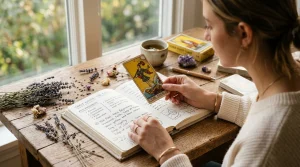
Once you have your deck, familiarization is key. Spend time with each card, observing the imagery and emotions it evokes. You might start a Tarot journal where you can jot down your impressions, feelings, and any messages you perceive as you explore the cards. Understanding the symbolism behind the cards is essential; for instance, the Fool represents new beginnings and potential, while the Two of Cups often signifies partnership and connection.
Simple Spreads for Beginners
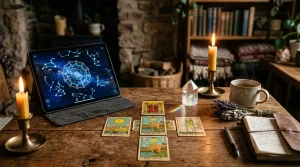
To dive into readings, begin with straightforward spreads. A one-card pull can provide clarity on a specific question or situation; simply concentrate on what you want to know, shuffle, and draw a card. You can also try a three-card spread for insights into the past, present, and future surrounding a topic. This provides a broader context for your reading.
- One-Card Pull: Perfect for daily guidance or quick insights.
- Three-Card Spread: A simple way to explore the progression of a question over time.
Finally, remember that the most important aspect of Tarot is your intuition. Let your feelings guide you as you interpret the cards. There is no single “correct” way to read Tarot; trust your instincts and allow the cards to unfold their wisdom. As you practice, your confidence will grow, and you will deepen your understanding of not only the cards but also of yourself. Tarot can become a cherished tool in navigating life’s challenges and celebrating its joys. Embrace this journey, and you may find that Tarot opens doors to insights you’ve never imagined.
Advanced Techniques: Mastering Tarot Card Interpretations
Unlocking the deeper layers of Tarot card interpretations can transform your readings from simple predictions to profound insights. As you journey through the intricate world of Tarot, you’ll discover that each card holds multifaceted meanings and connections that go beyond the surface. This depth is rooted in the rich history of Tarot, which has evolved into a tool for both divination and self-reflection. By harnessing advanced techniques, you can truly master the art of Tarot interpretation.
One effective method is to create a personal connection with each card. Expand upon the established meanings by integrating your life experiences and intuitive insights. For example, if you pull the Three of Swords, traditionally associated with heartbreak, consider how its imagery resonates with your personal narratives-whether they relate to a loss, a betrayal, or the healing that follows. This approach not only enhances your understanding of the card but also makes your readings uniquely reflective of your journey.
Incorporating the surrounding cards’ energy is another powerful technique. When interpreting a spread, always consider how each card interacts with the others. For instance, if you draw the Empress alongside the Five of Pentacles, the nurturing aspect of the Empress could suggest that support and abundance are available even during tough times. Look for themes of contrast or harmony; these connections can provide a richer narrative that unveils more about the querent’s situation.
Utilizing various spread formats can also deepen your interpretations. A Celtic Cross spread, for example, offers a comprehensive overview by placing cards in positions that reveal the past, present, future, and more, facilitating a multidimensional understanding. When approaching this layout, be mindful not only of individual card meanings but how they relate to each specific position-from challenges to hopes. This consideration of context can illuminate subtleties that may otherwise go unnoticed.
Finally, don’t shy away from blending symbolic and intuitive interpretations. While traditional meanings provide a solid foundation, your intuition can breathe life into the cards. Try journaling your interpretations immediately after a reading; document your thoughts when you’re still fresh from the experience. Over time, review these entries to identify patterns or intuitive hunches that resonate with you. This practice nurtures not just your Tarot skills but also a more profound, personal form of connection with this ancient art.
The path to mastering Tarot interpretations is one of both technique and trust in your own intuition. By integrating these advanced practices into your readings, you draw from the rich tapestry of Tarot’s historical origins while embracing its limitless potential for personal growth and insight. Embrace this journey-each reading brings an opportunity to discover something new about yourself and the world around you.
Cultural Impact: Tarot’s Influence on Art and Literature
The intrigue of Tarot cards extends far beyond their use in divination; they have profoundly influenced art and literature for centuries. Each card, imbued with rich symbolism and history, has inspired artists, poets, and writers, shaping narratives and visual expressions that resonate through culture. Artists have turned the imagery found in Tarot decks into captivating works that explore themes of fate, choice, and human experience, often creating pieces that challenge or reflect the complexities of life.
- Symbolism in Art: Many artists have drawn on Tarot imagery, using its archetypal figures to enhance their work. For instance, Salvador Dalí created a series of paintings inspired by Tarot, infusing his surreal style with the profound symbolism of the cards. The archetypes of the Major Arcana, such as The Fool or The High Priestess, can be seen as reflections of universal human experiences and emotions, making them a rich source of inspiration for creative minds.
- Literary References: Writers too have harnessed the evocative power of Tarot. The cards often appear in literature as metaphors for characters’ journeys or the conflicts they face. Notably, the work of authors like Aleister Crowley, who penned *The Book of Thoth*, weaves Tarot into explorations of spiritual and philosophical ideas. The symbolic language of Tarot provides a framework for characters to navigate their inner and outer worlds, enriching narratives with deeper meanings.
Artistic interpretations of Tarot foster a deeper cultural appreciation for the cards, bridging past and present experiences. This cross-pollination reinforces Tarot’s enduring legacy as a tool of insight not only in readings but also in broader creative dialogues. Understanding how these cards have shaped artistic expression invites a new perspective on their potential; each deck becomes a canvas for storytelling, encouraging readers to explore their own life narratives through the lens of the imagery.
The cultural impact of Tarot continues to flourish today, with contemporary artists and writers revisiting its themes to comment on modern life. The resurgence of interest in Tarot, particularly within the realm of wellness and self-exploration, illustrates its adaptability and relevance. In this way, Tarot serves not just as a set of cards but as a timeless mirror reflecting the multifaceted human experience, inviting us all to delve deeper into our own journeys of discovery.
Frequently asked questions
Q: Who invented Tarot cards?
A: Tarot cards were likely developed in the 15th century in Italy, specifically connected to playing cards. The earliest known tarot decks were created for nobility, not for divination but for games. Over time, their use evolved into a mystical practice.
Q: How did Tarot cards originate?
A: The origins of Tarot cards trace back to the 15th century in Europe. Initially used as playing cards, they began to take on esoteric meanings in the 18th century, influenced by occult traditions, notably through groups like the Hermetic Order of the Golden Dawn.
Q: When did Tarot become associated with divination?
A: Tarot began to gain a reputation for divination purposes in the late 18th century. This shift was largely due to the publication of texts that connected Tarot symbolism to spiritual and mystical interpretation, paving the way for its modern use in readings.
Q: What ancient cultures influenced Tarot card design?
A: Tarot card design draws from various ancient cultures, notably Egyptian and Kabbalistic traditions. The symbolism found in Tarot often reflects these influences, connecting numerical and astrological elements to form a comprehensive divination system.
Q: Why are there different Tarot decks?
A: The diversity in Tarot decks emerges from cultural adaptations, artistic interpretations, and personal expressions. Each deck, from the Rider-Waite to the Thoth, offers unique imagery and themes that resonate with different users’ energies and intuitive styles.
Q: Are Tarot cards purely mystical?
A: While Tarot cards are often considered tools for divination, they also serve as a psychological or spiritual guide. Many practitioners use them for introspection, personal growth, and to enhance decision-making rather than relying solely on mystical beliefs.
Q: How has Tarot evolved over time?
A: Tarot has evolved from a game to a tool for divination and personal insight. Its symbolism has been expanded and modified by various traditions and modern practices, reflecting changes in spirituality and cultural contexts throughout history.
Q: What are some common misconceptions about Tarot?
A: A common misconception is that Tarot predicts the future with certainty. In reality, Tarot reflects energies and potential outcomes rather than fixed fates. It’s a tool for guidance, aiding users in exploring their circumstances and choices.
Wrapping Up
Now that you’ve uncovered the captivating origins of tarot cards, it’s time to deepen your journey into this mystical realm. Whether you’re curious about the profound meanings behind the four suits or looking to master your first tarot reading, we have just the resources for you. Explore our guide on the four tarot suits to understand their significance in readings, or delve into essential tarot card definitions to enhance your practice and intuition.
Don’t let your exploration stop here-sign up for our newsletter for fresh insights and tips delivered straight to your inbox! And if you’ve questions or experiences to share, feel free to engage in the comments below. Your tarot journey awaits, and every card drawn brings new possibilities. Keep discovering, and remember, the magic of tarot is just a reading away!
Get our latest guides, news, and insights highlighted in your Google Search & AI Overviews.