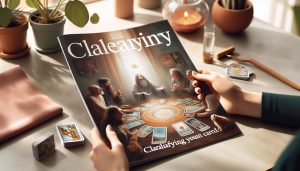
Have you ever found yourself at a crossroads, unable to decide between two equally enticing options? Yes or No Tarot offers a straightforward yet profound way to navigate those tricky moments, allowing you to tap into your intuition and gain clarity. This method transforms the often overwhelming decision-making process into a simple ritual that connects you with your inner wisdom.
Whether you’re faced with questions about love, career moves, or personal growth, using Tarot can empower you to make choices with confidence. Not only does this approach demystify the cards, but it also honors the spiritual journey we all share-encouraging believers and skeptics alike to explore their intuition. As we delve deeper into this guide, you’ll discover step-by-step instructions that will help you harness the power of the Tarot, turning uncertainty into decisive action. Prepare to unlock the answers that lie within you and embark on a path that encourages both personal exploration and spiritual growth.
Understanding Yes or No Tarot Readings
When faced with a tough decision, many people find comfort and clarity in Yes or No Tarot readings. This approach simplifies complex issues by offering direct guidance, transforming your uncertainty into decisiveness. A Yes or No Tarot reading involves drawing a single card or, in some cases, a small spread. The card drawn acts as a symbolic answer to your query, either affirming your instincts or providing a meaningful “no” that navigates your thoughts in another direction.
In essence, each Tarot card holds a wealth of symbolic meanings, often steeped in rich imagery and tradition. For instance, the Sun card is generally associated with positivity and success, nudging you towards a “yes,” while the Tower card can indicate upheaval, suggesting a “no” or a need for caution. Understanding the core meanings of these cards can enhance your ability to interpret the insights they provide. This method simplifies the decision-making process, allowing you to rely on intuitive feelings coupled with Tarot wisdom.
Moreover, the beauty of Yes or No Tarot readings lies in their accessibility for everyone, regardless of experience. You don’t need to be a seasoned Tarot reader to find value in this practice. With some basic knowledge of card meanings and a focused question, you can engage in this empowering form of self-reflection. Whether seeking answers to personal dilemmas, relationship issues, or even career choices, Tarot serves as a bridge between your conscious thoughts and unconscious guidance.
Embracing the Yes or No Tarot reading can be a transformative experience. It not only enhances your intuitive capabilities but also fosters a deeper connection with your inner self, providing clarity in the face of life’s myriad decisions. With practice, you’ll learn to trust the guidance you receive, making Tarot a treasured companion on your journey toward understanding and self-discovery.
The Benefits of Using Tarot for Decision-Making
When it comes to making decisions, many of us can feel overwhelmed by the choices before us. This is where Tarot can serve as a powerful ally, particularly through Yes or No readings. These readings provide a straightforward format that cuts through the noise, helping you tap into your intuition and gain clarity. By drawing a single card in response to a focused question, you can receive both guidance and affirmation, empowering you to move forward with confidence.
There are numerous benefits to utilizing Tarot for decision-making. Firstly, it encourages a deeper connection with your own intuition. Instead of relying solely on logic or external opinions, a Yes or No Tarot reading prompts you to listen to your inner voice. This intuitive process can reveal insights that you might not have considered, helping you align your decisions with your true self. Moreover, the symbolic nature of the cards allows for a unique perspective on your situation. For example, drawing the Ace of Cups often suggests new emotional beginnings, nudging you toward a “yes” for ventures related to love or creativity.
Additionally, Tarot can transform ambiguity into actionable answers. Life is rarely black and white, and often, we find ourselves stuck in analysis paralysis. Using the Tarot helps frame your choices, clarifying your feelings about a situation. When faced with indecision, the card you draw acts as a mirror, reflecting your subconscious thoughts and feelings. If you draw the Ten of Swords, it may indicate that it’s time to let go and move on-an actionable insight that simplifies your next steps.
One of the most appealing aspects of Yes or No Tarot readings is their accessibility. Whether you’re a complete beginner or a seasoned practitioner, the process remains straightforward. All it takes is a well-formed question and an openness to the answers that arise. By engaging with Tarot in this manner, you not only gain confidence in your decision-making abilities but also build a meaningful ritual that enriches your life. So next time you find yourself at a crossroads, consider reaching for your Tarot deck-your path may become clearer than ever before.
How to Formulate Effective Questions
Crafting effective questions is the key to receiving insightful answers in a Yes or No Tarot reading. A well-formed question not only directs the energy of your reading but also enhances your intuition’s ability to resonate with the cards. To start, focus on clarity: vague inquiries can lead to ambiguous answers. Instead of asking “Will my life improve?” consider rephrasing to “Should I take that new job opportunity?” This specificity allows for a more grounded interpretation of the cards.
When formulating your questions, it’s beneficial to keep a few guidelines in mind:
- Be Direct: Yes or No questions should be straightforward. Ask about a particular situation rather than generalities.
- Use Present Tense: Frame your question in the present tense. For example, “Is this relationship serving my highest good?” rather than “Will this relationship be good for me?”
- Stay Open-Ended: While the answer will ultimately be yes or no, ensuring your question allows room for insight can lead to deeper understanding. For instance, adding “What do I need to know?” at the end can reveal underlying factors.
Additionally, consider the emotional aspects of your question. Questions that stem from fear or anxiety may need reframing for a clearer perspective. Instead of asking, “Will I fail in my career?” which focuses on fear, try “Is pursuing this career path aligned with my true purpose?” This not only shifts your mindset to a more positive outlook but also encourages the Tarot to provide constructive guidance.
To illustrate, imagine you’re contemplating a significant life change-like moving to a new city. Instead of simply asking, “Should I move?” delve deeper with, “Will moving to [City] enhance my personal growth?” This question invites the cards to respond in a way that not only answers your yes or no but also provides insights into how such a change might affect your life journey.
By approaching your questions with intention and clarity, you empower both yourself and your reading, opening the door to fruitful dialogues with the Tarot.
Step-by-Step Guide to Performing a Yes or No Tarot Reading
To embark on a successful Yes or No Tarot reading, it’s essential to establish a clear and inviting process that allows the energy of your inquiry to flow freely. By following these straightforward steps, you can engage with the Tarot in a way that promotes clarity and insight.
Begin by creating a serene environment conducive to reflection. Find a quiet space where you feel comfortable, perhaps lighting a candle or burning some incense to enhance the ambiance. Once settled, take a moment to center yourself. Grounding techniques like deep breathing or a brief meditation can help clear your mind and prepare you for the reading. This intentional preparation not only sets the tone but also allows your intuition to become more receptive.
Next, formulate your question thoughtfully. As discussed previously, specificity is key-craft your inquiry as a direct Yes or No question. Visualize your question clearly and state it aloud if it feels right. For example, rather than asking, “Will I find happiness?”, try phrasing it as, “Should I pursue this new job opportunity for greater fulfillment?” This shift not only sharpens your focus but also aligns your energy with the cards.
Once your question is set, shuffle the cards while concentrating on your query. Allow the cards to absorb your energy, and don’t hesitate to ponder your question as you shuffle. When you feel ready, draw a card or a set of cards-you can work with a single card for simplicity or expand to three cards for a broader context. In a traditional Yes or No reading, cards can be interpreted as follows:
- Yes Cards: The Magician, The Sun, Ace of Cups
- No Cards: The Tower, Five of Pentacles, The Moon
- Neutral Cards: Two of Swords, The Hanged Man
After drawing your cards, take time to interpret their meanings in relation to your question. Reflect on the imagery and symbolism, considering how each card relates to your situation. For instance, if you drew The Sun, it’s a clear affirmative symbol, suggesting a positive outcome, while the presence of The Tower may indicate disruption, hinting at a negative answer.
Lastly, as you conclude your reading, take a moment to reflect on the insights gained. Journal your thoughts if that resonates with you-this practice can deepen your understanding and enhance your intuitive connection for future readings. Remember, Tarot is not just about the answers; it’s an opportunity for personal growth and insight, fostering a dialogue between your subconscious and the universe. Enjoy the journey!
Choosing Your Tarot Deck: What’s Right for You?
Selecting the right Tarot deck is a crucial step in your journey into Yes or No Tarot readings. Each deck carries its own energy, artwork, and symbolism, which can profoundly influence your readings. When choosing your deck, consider not only the aesthetic but also how each deck resonates with you on a personal level.
Start by exploring different styles and themes. Traditional Rider-Waite decks, for instance, are rich in imagery and widely used for both beginners and advanced readers. Their classic depictions can help you connect with the meanings behind each card intuitively. If you’re drawn to modern interpretations, decks like the Wild Unknown or the Shadowscapes may align with your personal style and enhance your readings, providing unique perspectives on your questions.
As you browse through various decks, pay attention to your emotional response. Hold them if you can, or meditate on the images. Consider what feels comfortable and what speaks to your spirit. Does the artwork invoke feelings of excitement, peace, or curiosity? Trust your instincts; a deck that resonates with you will foster a stronger connection, leading to clearer insights during your readings.
When you’ve settled on a few options, think about the practical aspects, too. Are you looking for a deck that includes a guidebook for additional support, or do you prefer something more minimalist? A sturdy, portable deck might be ideal if you plan to conduct readings in multiple environments. Look into the card stock and size as well; a deck that shuffles easily will enhance your experience during readings.
In summary, finding the perfect Tarot deck is about marrying functionality with your personal aesthetic. Enjoy the process of exploration, as each deck can offer you a new lens through which to view your intuition and decision-making. With the right deck in hand, you’ll feel empowered to navigate your Yes or No Tarot readings confidently.
Interpreting the Cards: Instant Messages from the Universe
Interpreting Tarot cards can feel like deciphering a secret language, and in Yes or No Tarot readings, each card delivers immediate insights and messages from the universe. When you pull a card, it’s not just about its surface meaning; it’s about how it resonates with your question and your personal journey. This dual dynamic can transform simple inquiries into profound revelations, helping guide your decision-making process.
To begin your interpretation, focus on the primary essence of each card drawn. For instance, if you pull the High Priestess, you might interpret this as a sign to trust your intuition, suggesting a ‘yes’ answer grounded in inner wisdom. Conversely, a card like the Three of Swords might indicate pain or heartache, leading to a ‘no’ in response to a question about moving forward. Each card typically embodies multiple layers of meaning, and your job is to peel back those layers to reveal the insights that resonate most with your specific situation.
You can enhance your interpretation by considering the card’s position in your spread and its relationship to other cards. Seeing The Lovers alongside The Tower could suggest conflict within a relationship, perhaps indicating a need to rethink a commitment. Here, the juxtaposition can clarify your answers, providing a richer understanding of the advice the universe is offering you.
When interpreting your reading, aim to connect emotionally and intuitively with the cards. What feelings arise as you reflect on them? This emotional resonance can be the bridge that helps you understand the broader implications behind the imagery and symbolism present in your deck. Embrace a fluid approach-interpretations are not rigid rules but invitations to explore the depths of your intuition and the insights waiting to surface. By engaging with the Tarot in this way, you’ll cultivate a deeper relationship not just with the cards, but with your inner self, translating their timeless wisdom into actionable guidance for your life.
Common Yes or No Tarot Spreads Explained
Understanding the different spreads for Yes or No Tarot readings can greatly enhance your decision-making process. Each spread offers a unique perspective, allowing you to tailor your inquiry in a way that best suits your needs. Here are some common Yes or No Tarot spreads that can guide you in seeking clarity from your readings.
- One-Card Spread: This is the simplest form of a Yes or No reading. Simply shuffle your deck while concentrating on your question, then draw one card. If the card is upright, it generally signifies a ‘yes’ answer, whereas a reversed card usually indicates ‘no.’ This method is quick and effective, especially for straightforward questions.
- Three-Card Spread: In this spread, the first card represents the past influences affecting your question, the second card signifies the present situation, and the third card provides insight into potential future outcomes. While this spread isn’t explicitly ‘yes’ or ‘no’, the overall interpretation of the cards can lead to a clearer understanding of your situation and guide you toward a decision.
- Five-Card Spread: This is a more detailed approach, providing a comprehensive view. Each card corresponds to a specific element of your inquiry:
- Card One: The root of the issue
- Card Two: Current challenges
- Card Three: Immediate influences
- Card Four: Advice
- Card Five: Potential outcome
Analyzing these cards together helps to form a narrative that highlights whether the answer leans towards ‘yes’ or ‘no.’
- Alternating Answer Spread: For this spread, you shuffle the deck and draw a total of three cards. Assign ‘yes’ to the first card, ‘no’ to the second, and ‘maybe’ to the third. This method can provide nuanced answers and guidance, especially when your question involves ambiguity or uncertainty.
Using these spreads, you can effectively navigate your inquiries, finding the clarity that Tarot has to offer. Remember, the interpretation of the cards should resonate with your intuitive feelings and should not be limited to the conventional meanings. By experimenting with different spreads, you’ll gain a deeper understanding of how each one aligns with your personal style of decision-making. Ultimately, the goal is to empower you to trust your intuition and the guidance provided by the Tarot, encouraging you to embrace the journey ahead.
Troubleshooting Your Tarot Readings: Tips for Accuracy
Navigating the world of Tarot can sometimes feel daunting, especially when you strive for accuracy in your readings. When it comes to Yes or No Tarot readings, there are specific tips and adjustments you can make to enhance the clarity and precision of your insights. First and foremost, ensure your environment is calm and devoid of distractions. This helps you tune into your intuition and maintain focus on the question at hand. Think of it as setting the stage for a conversation with the universe.
Next, the way you phrase your question can significantly impact the outcome of your reading. Aim for clarity and specificity. For example, instead of asking, “Will I get a new job?” try a more direct approach like, “Will I receive a job offer this month?” This specificity allows the cards to provide a more straightforward answer, eliminating confusion. Additionally, giving context to your question by briefly reflecting on your feelings about the situation can help align your energy with the Universe’s response.
When interpreting the cards, remember that their meanings can be nuanced. A card that typically suggests a ‘no’ might still carry important information, highlighting underlying issues or obstacles you need to be aware of. For instance, drawing the Five of Cups-often associated with loss-could indicate that while the answer to your question might be negative, it’s a cue to shift your focus and address emotional healing first. Try to approach each reading with an open mind and heart, allowing room for the possibility that the cards may be guiding you toward a path of growth rather than a definitive ‘yes’ or ‘no.’
Lastly, keep a journal of your readings to track your progress and refine your skills over time. Noting down the questions you asked, the cards you drew, and the outcomes can reveal patterns and deepen your understanding of your Tarot practice. This reflection not only aids in troubleshooting any inaccuracies but also builds your confidence in interpreting the cards intuitively. Remember, Tarot is as much about connecting with your inner wisdom as it is about the cards themselves. Embrace this journey, and let each reading enhance your understanding of yourself and your decisions.
Incorporating Intuition in Your Readings
When navigating the world of Yes or No Tarot readings, your intuition plays a vital role in bridging the gap between the cards and your personal insight. Every time you sit down for a reading, you engage in a dialogue with the universe, and it’s your intuitive voice that can guide you through this process. Trusting your instincts-what you feel when you first draw a card, the emotions that surface, or any thoughts that spontaneously arise-can profoundly enrich your understanding of the reading.
To incorporate intuition effectively, begin by centering yourself before the reading. Take a few deep breaths and feel your body relax. This moment of stillness allows you to shed distractions and tune into your inner voice. As you shuffle your deck, focus not only on your question but also on the feelings associated with it. Pay attention to any shifts in your energy or gut reactions; these subtle cues can hint at the underlying messages of the cards. For instance, if you draw the Ten of Swords and feel a wave of release, it may indicate that the end of a painful cycle is near, even if the initial interpretation suggests hardship.
During the reading, allow your intuitive insights to flow alongside the traditional meanings of the cards. For example, when interpreting the Knight of Swords, known for its impulsiveness and decisiveness, consider how this energy resonates with your question. If your inquiry is about making a quick decision, your intuition might suggest that while the Knight embodies action, it’s crucial to temper that quickness with thoughtful consideration. This balance can help ensure that your choice is not only swift but also wise.
Moreover, journaling can be an effective way to strengthen your intuitive abilities. After each reading, note your thoughts on the cards drawn, how you felt during the process, and any insights you received. This practice not only documents your journey but also reinforces that intuitive voice over time, making it easier to recognize in future readings. By embracing this layered approach-combining card meanings, personal feelings, and intuitive insights-you create a richer, more vibrant tapestry for each decision-making moment. Tarot becomes not just a tool for answers, but a profound dialogue with your own inner wisdom and the universe that surrounds you.
Myths and Misconceptions About Tarot
Many people have misconceptions about Tarot that can create barriers to understanding and using it effectively. One of the most common myths is that Tarot cards are inherently mystical tools that predict the future with unchangeable accuracy. In reality, Tarot serves more as a guide than a fortune-telling device. It helps users tap into their intuition and explore possibilities rather than dictating predetermined outcomes. This perspective allows for a more dynamic interaction where choices and changes can alter the path ahead.
Another prevalent myth is that Tarot readings must be performed by a gifted psychic or a professional reader. While skilled readers can provide valuable insights, anyone can learn to conduct their own Tarot readings, including Yes or No inquiries. By following simple steps and trusting their intuition, individuals can discover personal meanings in the cards that resonate with their unique situations. This empowerment can enhance confidence and foster a deeper connection to the cards.
Some may think that certain cards have fixed meanings that apply universally. However, interpretations can vary widely depending on the context of the question asked and the intuitive feelings each reader has. For example, the Tower card is often seen as a symbol of upheaval. Still, in a question about personal growth, it might indicate necessary change rather than a purely negative event. Encouraging readers to reflect on their feelings and experiences can significantly enhance the depth of a reading.
Lastly, many newcomers fear that Tarot is linked to dark or negative energies. It’s important to note that Tarot is simply a tool that reflects the current energies surrounding the querent. By approaching the cards with an open mind and a respectful attitude, users can engage with them in a positive and constructive way. Building a welcoming and supportive environment, whether physically or mentally, can transform fear into an exciting exploration of self-discovery.
By demystifying these myths, anyone can engage with Tarot, including Yes or No readings, with confidence and curiosity, fostering a more enriched understanding of themselves and their decision-making processes.
Engaging Your Senses: Creating the Right Environment
Creating an inviting space for your Yes or No Tarot reading can profoundly influence the clarity and accuracy of your insights. When you engage your senses, you set the stage for a more intuitive and meaningful experience. Consider your environment an extension of your mental and spiritual state; a calm and focused atmosphere can help ground your energy and facilitate a deeper connection with the cards.
To begin, find a quiet spot where you’re free from distractions. This could be a cozy corner of your home or a serene outdoor area. Lighting plays a significant role; soft, natural light or candlelight can enhance the ambiance and provide a soothing backdrop. If you prefer a more vibrant environment, you might choose bright, cheerful colors that uplift your spirit. Sound is also crucial-whether it’s soft music, nature sounds, or complete silence, choose what makes you feel most at ease. You can even create a playlist of calming tunes to help set the mood.
Incorporate aromatic elements to engage your sense of smell; essential oils or incense can create a comforting atmosphere. Scents like lavender or sandalwood promote relaxation and focus, allowing you to deepen your intuitive connections. If you enjoy tactile experiences, consider having a soft blanket or inviting textures nearby that you can touch as you contemplate your questions. These sensory details will draw you into the moment and enhance your connection with the cards.
Lastly, personalize your space. Adding elements that resonate with your intuition-like crystals, talismans, or images that inspire you-can create a sacred zone for your readings. Surrounding yourself with objects that hold personal significance enriches the setting and makes it feel uniquely yours. Channeling your energy into this environment will not only prepare you for a successful reading but also cultivate a sense of trust and respect for the Tarot, encouraging the flow of insights and clarity as you seek answers to your questions.
Advanced Techniques for Deeper Insights
A profound way to enhance your connection with the Tarot is to employ advanced techniques that delve deeper into the meanings of your readings. As you become more comfortable with Yes or No Tarot readings, consider exploring methods that incorporate nuances, fostering a more profound understanding of the messages from the cards. Each technique not only adds layers to your readings but also empowers your intuition.
One powerful approach is to utilize card pairings. When you draw a card, pay attention not just to its individual meaning but also how it interacts with adjacent cards. For instance, if you pull the Sun (a card of positivity) alongside the Tower (often indicating upheaval), the combination might suggest that while a dramatic change is on the horizon, it will ultimately lead to enlightenment and growth. This interplay can enhance your readings, offering richer insights into the circumstances surrounding your questions.
You might also consider incorporating numerology into your practice. Each card has a number associated with it, which carries its vibration and significance. For example, if you draw the 2 of Swords in a Yes or No reading, the number 2 can symbolize duality or choices, suggesting that the answer requires careful consideration rather than a straightforward yes or no. By interpreting the numerical influence alongside the card’s traditional meaning, you can unveil deeper layers of guidance from the Universe.
Another technique involves meditative visualization. Before you begin your reading, take a moment to ground yourself through meditation. Visualize the question you’re pondering, allowing it to resonate within your mind and heart. Then, as you draw your cards, envision them illuminating paths or shedding light on aspects of your question that you may not have considered. This practice can deepen your intuitive connections, allowing you to interpret the cards with greater clarity and purpose.
Lastly, don’t underestimate the power of journaling your readings. By writing down not only the cards you draw but also your impressions, emotional reactions, and any dialogues you have with your intuition, you can track patterns over time. This retrospective insight often reveals recurring themes or messages, further enhancing your understanding of how the Tarot communicates with you personally.
Using these advanced techniques allows you to move beyond surface interpretations and embrace a more holistic approach to your readings, making your Yes or No Tarot experience both meaningful and insightful. Embrace the magic and trust in your journey as you explore the depths of this powerful divination tool.
FAQ
Q: What is the best way to ask a Yes or No question for a tarot reading?
A: *To get the most accurate answer*, it’s essential to ask clear and specific Yes or No questions. Avoid ambiguity; for example, instead of asking, “Will I be happy?” ask “Will I find happiness in my current job?” This approach leads to more direct insights.
Q: What tarot cards indicate a Yes or No answer?
A: Generally, *Major Arcana cards* like The Sun or The Fool suggest a Yes, while The Tower or Death often indicate a No. However, context and intuition play crucial roles in interpreting these cards, so consider the surrounding cards in your spread.
Q: How can I improve the accuracy of my Yes or No tarot readings?
A: *Enhance accuracy* by focusing on your intuition and interpreting the cards in relation to your questions. Creating a calm environment and engaging your senses can also improve your connection to the cards. Refer to the “Troubleshooting Your Tarot Readings” section for more tips.
Q: Can I use any tarot deck for Yes or No readings?
A: Yes, you can use any tarot deck for Yes or No readings. The key is to *connect with the artwork and imagery*, as this personal connection enhances your intuitive abilities. Check the “Choosing Your Tarot Deck” section for guidance on finding your perfect match.
Q: Why is it important to have a clear question in tarot readings?
A: A clear question is vital because it directs the energy of the reading and *sharpens your focus*. This clarity helps in interpreting the cards accurately and ensures that you receive relevant guidance. See “How to Formulate Effective Questions” for more strategies.
Q: What should I do if I get mixed answers from the tarot?
A: If you receive mixed answers, take a moment to *re-evaluate your question and feelings*. Consider the nuances of your cards and reflect on your intuition. Revisiting your question can also clarify any confusion, as discussed in “Incorporating Intuition in Your Readings.”
Q: How does intuition play a role in Yes or No tarot readings?
A: Intuition is critical in tarot readings as it guides you to *interpret the cards beyond their basic meanings*. Trusting your gut feelings can lead to deeper insights, enhancing your understanding of the situation. Explore “Incorporating Intuition in Your Readings” for techniques.
Q: What are some common myths about using tarot for decision-making?
A: Common myths include the idea that tarot readings are fixed or determinative. In reality, *tarot is a tool for guidance*, providing insights based on current energies and choices. Understanding these myths helps create a healthier perspective, as outlined in “Myths and Misconceptions About Tarot.”
In Retrospect
As you embark on your journey with Yes or No Tarot readings, remember that this simple yet powerful tool is designed to clarify your decisions and guide you towards your highest path. Whether you’re facing a crossroads in love, work, or personal growth, tapping into your intuition can bring forth profound insights. Don’t hesitate-draw your cards today and discover what the universe has to say!
For additional guidance, explore our articles on deepening your tarot practice and interpreting complex spreads to enrich your readings. If you’re eager to keep learning, sign up for our newsletter for tips, tricks, and community support that will help you harness your intuitive abilities.
Join the conversation in the comments below-share your experiences or ask questions! Remember, tarot isn’t just for the experienced; it’s a welcoming space for everyone. Open your mind to new perspectives, and who knows what wisdom awaits you on the next turn of the cards!
Get our latest guides, news, and insights highlighted in your Google Search & AI Overviews.