Drawing tarot cards is a profound way to connect with your intuition and gain insights into your life’s journey. Whether you’re seeking clarity on everyday decisions or exploring deeper questions about your path, pulling cards with intention can unlock powerful guidance. Did you know that your mindset and preparation can significantly influence the insights you receive? This guide will help you cultivate a mindful approach to tarot, ensuring each card drawn resonates with purpose. We’ll explore practical steps to enhance your reading experience, making tarot accessible to everyone-from curious beginners to seasoned practitioners. By demystifying the process and offering clear techniques, you’ll feel empowered to navigate your own intuitive landscape. Dive in and discover the transformative potential of your tarot practice, allowing each draw to illuminate your way forward.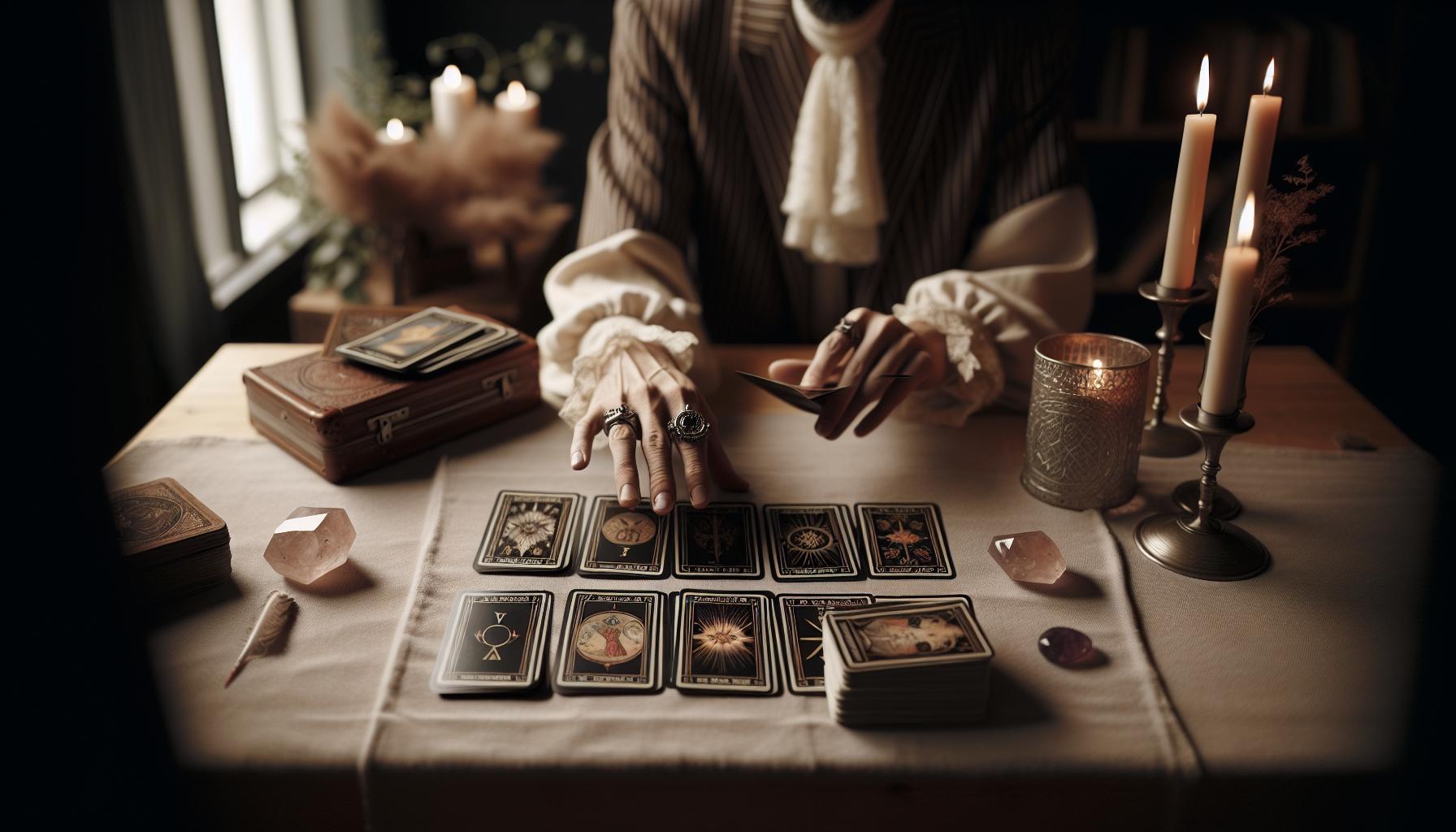
How Tarot Cards Work: Understanding the Basics
Understanding how tarot cards work can be both enchanting and empowering. At its core, tarot is a tool for reflection and insight, helping us navigate the complexities of our inner and outer worlds. Each card is more than just an image; it embodies meanings and symbols that resonate with our personal experiences. It’s like having a conversation with your intuition, where each pull ignites a dialogue between you and the card’s energy.
When you shuffle and draw cards, you’re activating a process that harmonizes your conscious mind with your subconscious. This connection allows for deeper insights to surface, offering guidance tailored to your current situation. It’s crucial to approach your readings with an open heart and mind, as your intention will significantly influence the insights you receive.
Start by familiarizing yourself with the imagery and meanings of the cards. For beginners, a standard deck consists of 78 cards divided into the Major and Minor Arcana. The Major Arcana, with 22 cards, focuses on major life themes, while the 56 Minor Arcana cards reflect day-to-day situations. Whether you’re looking for guidance on personal growth or clarity in decision-making, each card will unfold layers of meaning.
Creating a serene environment can enhance your connection during a reading. Consider lighting a candle or playing soft music to cultivate a peaceful mental space. With each card drawn, take time to reflect on the images and symbols, allowing your intuition to interpret their relevance to your question. This blend of mindfulness and openness will empower you to interpret the cards effectively and draw meaningful insights from your tarot journey.
The Importance of Intent in Tarot Readings
The magic of tarot is often said to begin with intention. When you approach a reading with clear intent, you invite a deeper level of insight and connection with your cards. This is not merely about asking a question; it’s about aligning your heart and mind with your desire for clarity or guidance. Before you even shuffle the deck, take a moment to ground yourself. A simple technique is to close your eyes, take a few deep breaths, and visualize your question or concern. This act of focusing not only prepares you mentally but also energetically aligns your reading with your inner truth.
Crafting Your Intent
The power of intent in tarot readings can be compared to tuning a musical instrument before a performance. Just like a finely tuned instrument creates harmonious music, a well-crafted intent leads to insightful card interpretations. Here’s how you can frame your intent effectively:
- Be Specific: Instead of asking vague questions like, “What does my future hold?” try reframing it to something specific like, “What steps can I take to improve my career in the next six months?”
- Stay Open: While your intent should be specific, remain open to whatever insights arise. Sometimes the answers can be unexpected, leading to profound realizations.
- Set a Positive Tone: Formulate your questions in a positive light. For example, asking “What can I learn from my current challenges?” encourages growth and empowerment.
When you hold a strong intent, you engage in a collaborative dance with the tarot, allowing the messages from the cards to resonate more profoundly. Whether you’re seeking personal development, relationship insights, or guidance for decision-making, your intention acts as a compass, steering you toward relevant interpretations.
Remember, your journey with tarot is yours alone-embrace the process of self-discovery and allow your unique perspective to shape your readings. By anchoring your practice in clear intention, you cultivate a rich dialogue with your cards, transforming each reading into a powerful tool for personal exploration and growth.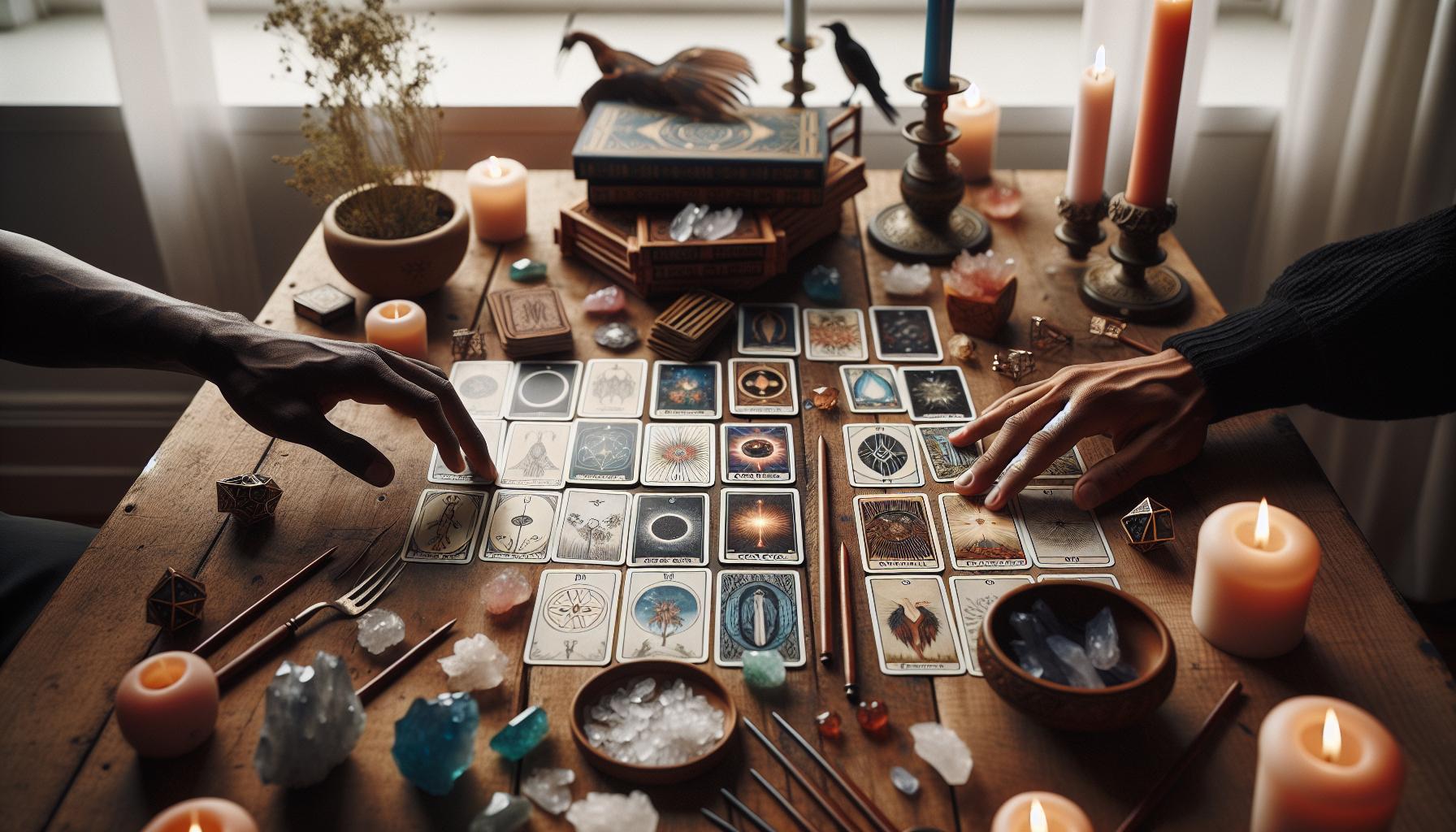
Choosing the Right Tarot Deck for You
Selecting the right tarot deck can feel like an adventure. With countless options available, each deck resonates differently-some with vibrant artwork, others with traditional symbolism. Your deck should not only appeal to you visually but also evoke a connection that enhances your readings. Take a moment to explore various decks; notice which ones draw you in. This instinctive attraction is often rooted in your personal energy and intuition.
When choosing your deck, consider the following factors:
- Art Style: Decks come in various styles, including classic, modern, abstract, or themed (like nature or historical). Pick one that speaks to your aesthetics and feels aligned with your energy.
- Guidebook Insights: Some decks include comprehensive guidebooks that delve into card meanings and spreads. If you are a beginner, a detailed guidebook can be invaluable as it provides context and explanations to deepen your understanding.
- Connection and Comfort: Before committing, hold the deck in your hands and shuffle it. Does it feel good? A positive physical connection can enhance your readings, making it easier to interpret the cards.
- Use Case: Consider how you plan to use the cards. Are you focusing on personal growth, clarifying life decisions, or perhaps engaging in more profound spiritual practices? Different decks can cater to different goals, so choose one that aligns with your intentions.
For example, if you’re interested in exploring your emotional and psychological landscape, the *Wild Unknown Tarot* might resonate with its intuitive imagery and reflective approach. Conversely, if you prefer a whimsical take, the *Mystical Manga Tarot* offers playful illustrations that make readings more enjoyable.
Lastly, don’t hesitate to trust your intuition. There’s no right or wrong choice, only what feels authentic to you. As you explore your options, remember that your deck is a tool for self-discovery and personal connection. Take your time, enjoy the process, and embrace the magical journey of finding the deck that feels just right for you.
How to Formulate Your Question or Focus
When approaching your tarot reading, the way you formulate your question can profoundly impact the clarity and depth of the insights you receive. A well-crafted question not only directs the energy of the reading but also opens the door to more meaningful and actionable guidance. Instead of vague or broad inquiries, think about specifics that resonate with your current life situations, concerns, or aspirations.
Begin by reflecting on the areas where you seek insight. Is it regarding a relationship, career, or personal growth? Once you’ve identified the focus, frame your question in a way that invites exploration rather than a simple yes or no answer. For example, instead of asking, “Will I get the job?” consider rephrasing it to, “What can I do to enhance my chances of getting the job I want?” This approach encourages a dialogue with the cards, providing richer layers of understanding.
Tips for Crafting Your Questions
- Be Specific: Narrow your focus to a particular situation. Instead of asking about your future in general, inquire about a specific aspect, like a project at work or a budding relationship.
- Keep It Open-Ended: Frame questions that allow for exploration. Questions starting with “How,” “What,” or “Why” tend to elicit deeper responses.
- Incorporate Personal Empowerment: Aim for questions that emphasize your agency. Focus on what you can do to influence the situation instead of seeking external validation.
- Use Intuitive Prompts: If you’re struggling to find the right question, consider using prompts such as, “What do I need to know about…?” or “What is blocking me from…?” which can initiate thought and clarify your priorities.
To illustrate this, let’s say you’re transitioning into a new career. Instead of simply asking, “Is this the right career for me?” you might ask, “What do I need to cultivate to thrive in this new career?” This invites the tarot to provide actionable advice and perspective tailored to your growth.
Remember, the right question can transform your reading into a personal development tool rather than just a fortune-telling session. Embracing this reflective practice will deepen your connection with the cards and enhance the value of your insights, facilitating not just understanding but also empowering self-exploration.
Techniques for Purposeful Card Pulling
The act of drawing tarot cards is an intimate practice that can transform your reading experience and deepen your intuition. To pull cards with purpose and intention, it’s important to create a mindset that honors the connection between you and the cards, transforming the act from a mere ritual into a meaningful dialogue with your inner self and the universe.
Start by centering yourself before the reading. Take a few moments to breathe deeply, allowing any distractions or anxieties to fade away. You might light a candle or burn some incense to set the mood, as these small rituals can heighten your focus and spiritual awareness. Reflect on the question you have in mind, ensuring it is specific and empowers you-this aligns your energy with the cards and amplifies the insights you’ll receive.
When it comes to the physical act of pulling the cards, consider employing various techniques to enhance your experience. One effective method is to shuffle your deck while maintaining your focus on your question. There’s no rush here; feel the energy of the cards as you shuffle. Trust your intuition to guide you on when to stop. You may choose to draw a single card for specific guidance or a series of cards, depending on the complexity of your query.
Another technique is a “cut and draw” approach. After shuffling, cut the deck into three stacks and then choose one. This method allows you to engage more actively with the cards by adding an element of choice. As you pick your cards, take a moment to reflect on the imagery and symbolism presented. What feelings do they evoke? What messages do they communicate to you at that moment? This kind of mindfulness in card pulling enriches your capacity to interpret their meanings and connect the insights to your life.
By embracing these techniques, you can approach each reading with an open mind and a receptive heart, turning the experience into a pathway for deeper personal understanding and growth. Remember, the journey of tarot is as unique as you are-trust it and let the cards guide you.
Interpreting Card Meanings for Grand Insights
Interpreting the meanings of tarot cards is a journey into the intricate web of symbols and emotions that can reveal profound insights about your life. Each card is not just a standalone message but an interconnected piece of a larger narrative, reflecting your inner landscape and external circumstances. To unlock these messages effectively, it’s essential to approach card interpretation with both an open mind and a structured framework.
The first step is to familiarize yourself with the key meanings of each card. Start by studying the Major Arcana, which represents significant life themes, and the Minor Arcana, which delves into day-to-day experiences. For beginners, creating a reference guide with essential meanings can be invaluable. For example:
- The Fool: New beginnings, spontaneity, and potential.
- The Lovers: Relationships, choices, and alignment of values.
- Three of Cups: Celebration, friendship, and community.
Once you have a grasp on the basics, consider the contextual layers of interpretation. Each card draws meaning not only from its individual symbolism but also from its position in the spread and its relationship to surrounding cards. For instance, drawing the Ten of Swords next to the Sun can indicate the end of a painful cycle leading to newfound clarity and joy. Your intuition is an invaluable tool here-pay attention to your immediate feelings when you see a card, as these can provide essential context.
As you gain confidence, experiment with more complex spreads beyond simple one-card draws. The Celtic Cross spread, for example, allows for a comprehensive view of a situation by examining various aspects, such as current influences and future implications. This broader perspective enables richer interpretations, significantly enhancing the reading’s depth.
Remember that interpretation is not a rigid practice; it’s fluid and personal. What resonates with one person may differ for another. Keeping a tarot journal can aid this process-document your card pulls, interpretations, and any insights or feelings that arise. Over time, you’ll notice patterns that deepen your understanding and connection to the cards. Embrace this intuitive journey; every reading and each card is a step toward enlightenment and empowerment in your life.
Exploring Different Tarot Spreads
Drawing tarot cards can become a deeply enriching experience, particularly when you know how to use different spreads to your advantage. Each spread is designed to reveal insights from various angles, allowing for a more nuanced understanding of your inquiries or situations. Let’s explore some popular tarot spreads to enhance your reading practice.
One of the simplest yet powerful spreads is the Three-Card Spread. This spread typically represents past, present, and future. When using this layout, focus on a specific question or intention. For example, if you’re pondering a career change, the first card might reveal past influences, the second illustrates your current situation, and the third suggests future possibilities. This straightforward approach is great for beginners as it doesn’t overwhelm with too many cards and maintains clarity in interpretation.
For those seeking a more comprehensive view, the Celtic Cross Spread is invaluable. It consists of ten cards arranged in a specific pattern to delve into the depths of a question. Each position in the Celtic Cross serves a unique purpose, from exploring the present circumstances to revealing external influences and potential outcomes. This spread rewards patience and thoroughness, allowing for an enriched interpretation as you connect the meanings of the cards to the layout’s story.
If you’re interested in specific areas of your life, consider a Relationship Spread. This two-person layout helps understand dynamic interactions between individuals. Typically involving five cards, the spread covers aspects like your feelings, your partner’s feelings, shared desires, and external influences. A real-world example could involve a friend inquiring about their romantic relationship; after drawing the cards, they might discover that both partners share a deep desire for communication, represented by the Page of Swords, while fear of vulnerability is highlighted by the Ten of Wands.
Each tarot spread can be adapted and personalized, encouraging you to embrace your intuition as you learn. It’s essential to remember that your choice of spread should align with your questions and intentions. As you become more comfortable, don’t shy away from experimenting with custom spreads that resonate with your unique journey. This flexibility not only enhances your readings but also strengthens your connection to the tarot as a powerful tool for guidance and growth.
Enhancing Your Intuition During Readings
To truly harness the power of tarot during your readings, tapping into your intuition is essential. Intuition serves as your inner compass, guiding you through the symbolism and meanings embedded within the cards. It’s not just about memorizing definitions; it’s about feeling the energy and resonating with the messages the cards convey. Here are some practical ways to deepen your intuitive abilities.
Begin by creating a serene environment. Your space should be calm and inviting, allowing for deeper concentration and a connection to your inner self. Use items like crystals, candles, or incense to enhance the atmosphere. Taking a few moments to settle into your environment will help ground you and clear your mind. As you shuffle the deck, focus on your breath, allowing any distractions to fade away.
Once you feel centered, engage with the cards beyond their traditional meanings. As you draw each card, notice colors, imagery, and emotions that arise. Ask yourself how the card relates to your question or situation. For instance, if you draw the Three of Cups, not only reflect on its general meaning of celebration or friendship but also consider any personal experiences or memories tied to that imagery. This can lead to profound insights.
Trust your instincts; if something feels significant or resonates deeply, lean into that. Every reader has unique interpretations based on their personal journey. Perhaps a card reminds you of someone in your life or evokes a specific memory-these connections are valuable. Document your insights in a journal after each reading. Over time, you’ll notice patterns and themes that will deepen your understanding and ability to interpret the cards with even greater clarity.
Finally, practice regularly. The more you work with your cards, the sharper your intuition will become. Consider setting aside specific times for readings, and don’t be afraid to experiment with new techniques or spreads. This iterative process will not only enhance your skills but also solidify your confidence in interpreting your readings with heightened intuition. Embrace this personal growth journey, and remember, tarot is as much about your inner wisdom as it is about the cards themselves.
Using Tarot Cards for Personal Growth
Understanding the transformative power of tarot cards can be a profound journey of self-discovery and personal growth. Many see tarot as merely a tool for predicting the future, but its true potential lies in encouraging introspection and fostering emotional awareness. By framing your tarot practice with intention, you can uncover insights that facilitate positive change in your life.
To begin harnessing tarot for personal growth, choose to focus on areas within yourself or your life that feel stagnant or confusing. Whether you are grappling with relationships, career decisions, or self-identity, tarot provides a reflective surface to explore your thoughts and feelings. Start with simple questionnaires or prompts: What am I feeling most uncertain about? What aspect of my life needs nurturing right now? As you make these inquiries and draw cards, observe how the card meanings resonate with your experiences. For instance, drawing the Hermit may suggest a time for introspection, encouraging you to embrace solitude and reflection to gain clarity.
Practice creating a connection between your daily life and the insights gathered from your readings. Consider setting up a “Tarot Journal” where you document not only the cards drawn but your interpretations and emotional responses. This practice encourages a habit of reflection. For example, if you pull the Two of Swords while pondering a difficult decision, reflect on where you may be avoiding conflict or need to make a choice. Over time, this journal becomes a treasure trove of wisdom, showing patterns of growth and areas still needing attention.
Moreover, incorporate the practice of daily card draws into your routine. Selecting a single card each morning allows you to set an intention for the day ahead. Reflect on the card’s symbolism throughout your activities. If you draw the Strength card, you might seek opportunities to exhibit courage and resilience in your interactions or challenges. Embracing this proactive approach not only reinforces your intuitive abilities but can significantly impact your day-to-day mindset.
As your comfort with tarot deepens, explore more complex spreads that address holistic aspects of your life. For instance, a “Mind-Body-Spirit” spread allows you to gain a well-rounded view of your current state and guide your next steps toward personal evolution. Each pull becomes a stepping stone in a larger journey, revealing how interconnected your thoughts, feelings, and actions are.
Ultimately, using tarot for personal growth is about engaging with the cards as a conversation with your inner self. It’s about using their insights as guidance, unlocking potential, and encouraging a more profound understanding of yourself that promotes continuous learning and improvement. Embrace this empowering journey, inviting change, and watch as the cards illuminate your path.
Common Misconceptions About Tarot Reading
Many people view tarot as an arcane art reserved for a select few, often dismissing it as mere fortune-telling or mystical mumbo jumbo. However, embracing tarot opens the door to personal exploration and intuitive development, making it accessible for everyone, regardless of their beliefs. Understanding the common misconceptions surrounding tarot reading can empower you to approach it with an open heart and mind, enriching your experience and enhancing your practice.
One prevalent myth is that tarot cards predict the future with absolute certainty. In reality, tarot serves as a reflective tool that can illuminate current situations, feelings, and potential outcomes based on your choices. It’s about tapping into your intuition and understanding the influences at play in your life rather than foreseeing an unchangeable fate. For example, if you draw the Wheel of Fortune while questioning your job situation, it may suggest changes are on the horizon, encouraging you to consider how your actions can affect your trajectory.
Another misconception is that you must possess a special gift to read tarot cards effectively. While some might feel naturally attuned to the cards, anyone can learn to interpret their meanings through practice and study. Even seasoned readers continually learn and grow in their understanding. Start by familiarizing yourself with the card meanings through books or online resources, and trust your intuition during readings. Documenting your interpretations can help strengthen your intuitive connection over time.
Furthermore, many fear that tarot is associated with negative energy or doom. However, tarot reflects the duality of life-light and shadow, joy and struggle. Each card has its own set of interpretations, which can empower and inspire, even in challenging contexts. For instance, The Tower often symbolizes upheaval but also invites transformation and renewal. Embracing this broader perspective allows for a more nuanced understanding of both your readings and your life experiences.
Lastly, there’s a belief that tarot should be approached with rigid rules and formalities. In contrast, your relationship with tarot should feel personal and organic. You might choose to meditate on a card’s imagery, chant affirmations, or create your own spreads that resonate with your current needs. The goal is to establish a meaningful dialogue between you and the cards, fostering self-discovery without adhering to a strict framework.
By dispelling these misconceptions, you create a welcoming space for exploration and growth. Embrace the magic of tarot as an enlightening journey that invites reflection, nurtures intuition, and empowers you to make informed choices on your path.
Advanced Techniques for Experienced Readers
When navigating the world of tarot, seasoned readers often seek deeper connections with their cards and more nuanced readings. One potent method to enhance your practice is through the integration of symbolism found in both tarot and traditional esoteric systems, such as astrology and numerology. This interdisciplinary approach not only enriches your interpretations but fosters a greater appreciation for the intricate web of meanings surrounding each card.
Leveraging Symbolism in Tarot
Start by examining the astrological associations of each tarot card. For instance, The Fool, often linked with Uranus, embodies spontaneity and new beginnings. When you draw this card while focusing on a decision, consider the element of surprise it might bring. By understanding these connections, you can elevate your readings by discussing the energetic influence of planetary movements and how they resonate with your current circumstances.
Additionally, consider the numbers on each card. The Major Arcana cards are often seen as a journey, progressing from The Fool (0) through to The World (21). Understand how the numerical order relates to your reading. For example, if you pull The Hierophant (5) in a spread, it may suggest a lesson in tradition or faith that echoes through the essence of that number. Notice how incorporating these perspectives not only deepens your readings but helps provide context for the querent.
Advanced Spreads for Clarity
To elevate your readings, experiment with advanced tarot spreads like the Astrological Spread, which corresponds to the 12 houses of astrology. Each position can reveal insights about different life aspects, offering a comprehensive view of challenges and opportunities. Alternatively, the Celtic Cross spread can provide a multi-layered understanding of the querent’s situation, revealing underlying factors and future possibilities.
You can also innovate by creating your unique spread tailored to specific queries. For instance, if exploring career questions, set positions that address passion, obstacles, resources, and potential outcomes. As you develop these spreads, always allow your intuition to guide the card placements and interpretations.
Intuitive Techniques for Connection
Another way to enrich your readings is through the practice of meditative card pulls. Instead of relying solely on traditional meanings, take a moment to breathe and attune to the card’s imagery before interpreting it. Ask yourself what feelings or thoughts arise; these instincts can often lead you to significant insights that may not align with conventional interpretations.
Incorporate creative practices, such as journaling or expressive art, into your tarot routine. After a reading, spend time reflecting on the insights gained. Document your immediate reactions and consider how they manifest in your day-to-day life. By blending intuition with creativity, you create an ongoing dialogue with the cards, fostering a deeper understanding over time.
Closing Thoughts
As you dive into these advanced techniques, remember that the heart of tarot remains in personal connection and intuition. Embrace your ongoing journey of discovery, letting the cards guide you toward deeper self-awareness and clarity. Each reading is a unique opportunity to explore your relationship with the universe, and through practice, you’ll uncover the layers of wisdom hidden within the tarot.
Integrating Tarot into Your Spiritual Practice
When you incorporate tarot into your spiritual practice, you’re not just engaging with a set of cards; you’re embracing a powerful tool for self-discovery and reflection. Each time you draw a card, you create an opportunity to connect deeply with your intuition, guiding your spiritual journey in a meaningful way. The intention behind your card pull can significantly enhance your understanding and interpretation, making it an integral part of your spiritual expression.
One effective way to begin integrating tarot into your daily practice is by establishing a dedicated ritual. This could involve setting aside a specific time each day to pull a card or perform a reading. Start by creating a calming environment: light a candle, burn incense, or play soft music that resonates with you. As you prepare, take a moment to ground yourself. Close your eyes, breathe deeply, and focus on your intentions for the session. This practice can cultivate a sacred space that encourages clarity and insight.
To deepen your experience, consider keeping a tarot journal. This allows you to document your readings, insights, and any intuitive messages you receive during your sessions. Write down the date, the question or focus for your reading, the cards drawn, and your reflections on their meanings. Over time, you’ll notice patterns and themes that can offer profound revelations about your spiritual path. For instance, if you regularly pull the Ace of Cups, it may signal a period of emotional growth or the emergence of new creative endeavors.
In addition to individual readings, you can weave tarot into other spiritual practices, such as meditation or visualization. Before meditating, pull a card and use its imagery as a focal point. Allow the card’s symbolism to guide your meditation, helping you explore its themes in relation to your life. This multidimensional approach not only enriches your understanding of the cards but also enhances your ability to apply their wisdom to your everyday experiences.
Remember, is about personal growth and exploration. There’s no right or wrong way to approach it; trust your instincts and allow your relationship with the cards to evolve. Whether you’re a beginner or an experienced reader, this journey of connecting through tarot can illuminate your path and foster a deeper sense of self-awareness.
Q&A
Q: How can I choose the right tarot spread for my question?
A: Choosing a tarot spread depends on the nature of your question. Simple questions often benefit from one-card pulls or three-card spreads, while more complex inquiries might require a Celtic Cross or a similar multi-card layout. Match your spread’s complexity to the depth of your inquiry for better insights.
Q: What should I do if I don’t feel connected to a tarot card?
A: If you don’t feel connected to a card, take a moment to breathe and reflect on your intuition. Consider exploring its imagery or writing down your initial impressions. Revisit its meaning in conjunction with your question for enhanced understanding and connection.
Q: When is the best time to perform a tarot reading?
A: The best time for a tarot reading is when you feel calm and focused. For heightened intuition, consider reading during a quiet moment-early mornings or under a full moon can be particularly potent. Create a sacred space to enhance your connection to the cards.
Q: How can I cleanse my tarot deck before reading?
A: To cleanse your tarot deck, you can use several methods: smudging with sage, placing the cards under moonlight, or using crystals like selenite. Physically shuffle the cards while setting your intention to clear any lingering energies before your reading.
Q: What are some common mistakes beginners make with tarot cards?
A: Common mistakes include rushing interpretations, not focusing on a clear question, or relying too heavily on guidebooks instead of their intuition. Practice patience and allow the cards to speak to you. Regular reflection on your readings helps in building confidence.
Q: How can I use tarot cards for self-reflection?
A: Tarot cards can serve as a powerful tool for self-reflection. Use them to explore emotions, past events, or personal challenges by pulling cards and journaling your insights. Ask open-ended questions to deepen your understanding and promote personal growth.
Q: Can tarot cards predict the future?
A: While tarot cards can provide insight into potential outcomes, they are not definitive predictors of the future. Use them as a guide for understanding your choices and their consequences, empowering you to influence your life’s direction positively.
Q: How can I enhance my intuition when reading tarot cards?
A: To enhance your intuition while reading tarot, practice mindfulness exercises like meditation. Spend time with your cards, and allow your first impressions to guide interpretations rather than relying solely on textbook meanings. Journaling your experiences also strengthens intuitive insights.
To Wrap It Up
As you embark on your journey of drawing tarot cards with purpose and intention, remember that each card is a doorway to deeper understanding and intuition. By practicing the techniques outlined here, you can transform your readings into profound insights that guide your life choices. Don’t let hesitation hold you back-start pulling cards today and embrace the magic within your grasp!
If you’re eager to dive deeper, check out our guides on “Understanding Tarot Card Meanings” and “Building Your First Tarot Spread” for more strategies to enhance your practice. We invite you to share your experiences in the comments and join our community of fellow tarot enthusiasts. Don’t forget to subscribe to our newsletter for exclusive tips and resources that support your spiritual journey.
Keep exploring, trusting your instincts, and remember: tarot is not just a mystical tool, but a powerful ally in navigating life’s complexities. Your intuition is the key to unlocking its potential!
Get our latest guides, news, and insights highlighted in your Google Search & AI Overviews.