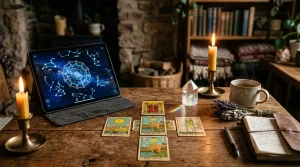
Have you ever been drawn to the mystical world of tarot cards, yet felt unsure about how to start your journey? Tarot reading offers a profound way to access your intuition and gain insight into your life’s questions, whether you’re seeking clarity in love, career, or personal growth. This guide, “How to Learn Tarot Cards Reading: Beginner to Expert Path,” will gently lead you through the essentials of tarot, from understanding each card’s meaning to mastering complex spreads.
Whether you’re just curious about what the cards might reveal or you aspire to read for others, our step-by-step approach will build your confidence and deepen your connection to this ancient art. By exploring different techniques and interpretations, you will not only enhance your readings but also unlock a deeper understanding of yourself. So, let’s embark on this enriching journey together, as we demystify the tarot and embrace its magic, ensuring that everyone can tap into their intuitive abilities-after all, tarot is for everyone.
Understanding the Basics of Tarot Card Reading

Many people are drawn to tarot card reading as a way to seek guidance and understand the deeper currents of their lives. At its core, tarot is a storytelling tool, encouraging intuitive exploration and personal reflection. Each card holds unique meanings that can evoke not only thoughts and feelings but also illuminate paths forward. The beauty of tarot lies in its accessibility; whether you are a skeptic or a devoted believer, tarot can offer insights that resonate personally.
To begin your journey into tarot, familiarizing yourself with the structure of a standard tarot deck is essential. Most decks consist of 78 cards divided into two main sections: the Major Arcana and the Minor Arcana. The Major Arcana includes 22 cards representing significant life events or spiritual lessons, while the Minor Arcana contains 56 cards that reflect everyday experiences and challenges. Understanding the symbolism and themes of these cards can enhance your readings and deepen your connection to them.
When you’re ready to read, it helps to create a calming environment. This can be achieved by lighting a candle, using incense, or playing soft music to set the mood. Once you’re comfortable, shuffle the cards while focusing on your question or the guidance you seek. Feel free to ask open-ended questions that invite exploration rather than yes/no answers. There are numerous spreads-predefined layouts for card placement-that can guide your reading, like the three-card spread (past, present, future) or the Celtic Cross, which offers a deeper analysis.
As you draw cards, take a moment to reflect on their imagery and meanings. Each card’s symbolism can spark intuitive insights that go beyond the textbook definitions. This is where your personal connection with the cards blooms. Keep a journal to document your readings, recording not just the card spread but your thoughts and feelings about the interpretations. Over time, this practice will strengthen your intuitive abilities and enhance your comfort with tarot.
Approaching tarot with an open mind and heart allows you to uncover layers of wisdom that can aid your personal growth. It’s a practice of balance-melding intuition with learned knowledge-and one that can provide a rich source of insight in your life. As you delve into the basics of tarot, remember that every reader’s path is unique, and it’s perfectly okay to forge your own way through this mystical journey.
Essential Tarot Decks for Beginners
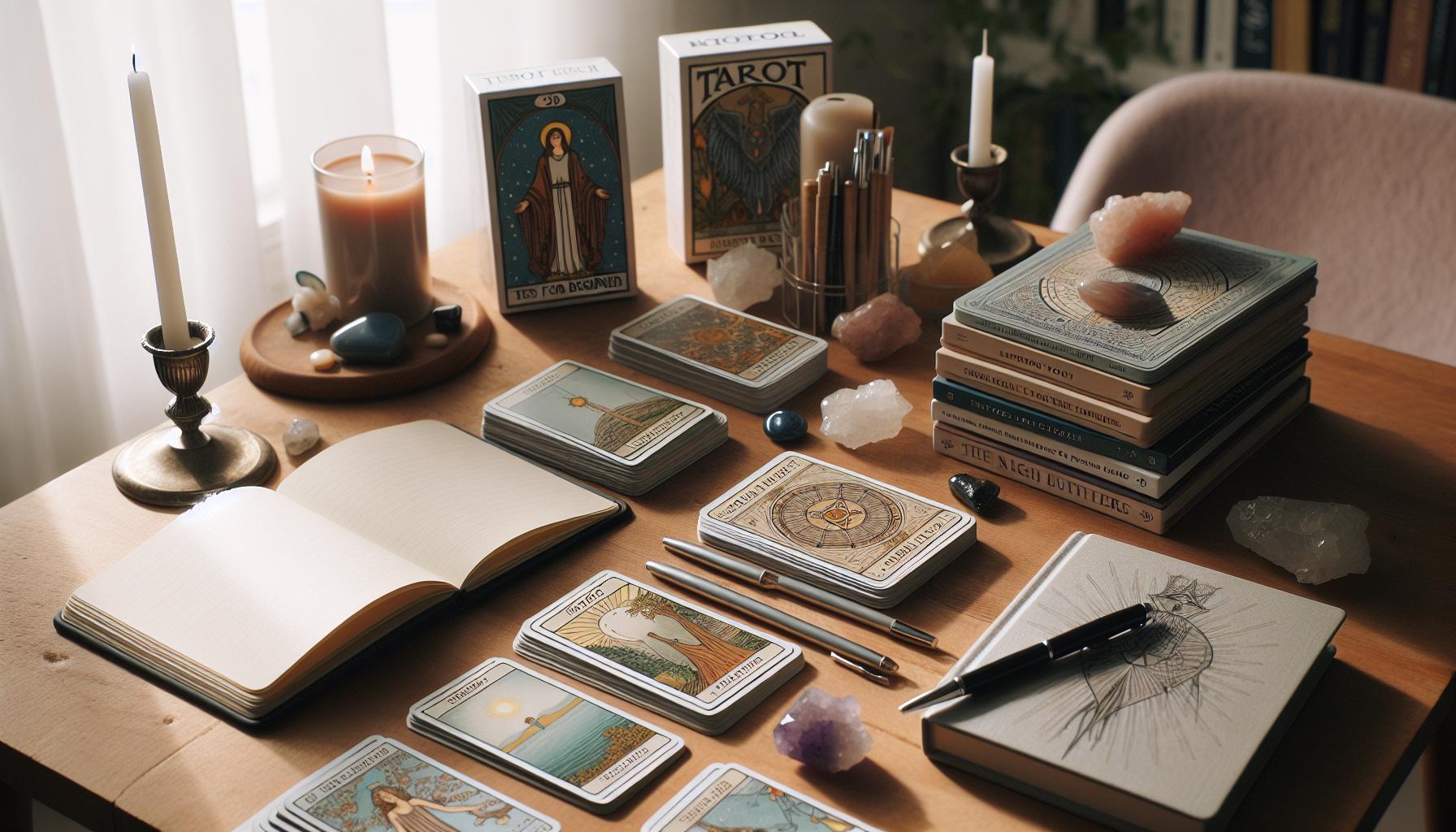
When stepping into the enchanting world of tarot, the choice of your first deck can significantly influence your journey. A good beginner’s deck resonates with your energy, understands your questions, and helps unveil the stories behind the cards. Here are some essential decks recommended for newcomers, along with tips on what to look for, ensuring your first foray into tarot is both enlightening and enjoyable.
Choosing Your First Tarot Deck
To choose the right deck, consider the artwork and symbolism that speaks to you. Some decks are filled with intricate designs and color schemes, while others are minimalist and straightforward. A visually appealing deck can enhance your connection, making it easier to interpret the cards.
- The Rider-Waite Tarot: This classic deck is widely recognized and recommended for beginners because of its rich symbolism and straightforward imagery. Each card features detailed illustrations that represent various interpretations, making it a fantastic starting point.
- The Light Seer’s Tarot: Known for its vibrant artwork and modern interpretations, this deck offers an approachable, positive spin on traditional tarot meanings. It’s great for those who want an uplifting experience while learning.
- The Wild Unknown Tarot: If you prefer a more artistic and abstract approach, this deck might resonate with you. Its black-and-white illustrations encourage deep introspection and personal interpretation.
- The Thoth Tarot: Although it may be a bit more complex, the Thoth deck is filled with rich symbolism and esoteric connections, suitable for those who wish to delve deeper into tarot beyond the basics.
Finding Your Connection
Once you select a deck, take some time to familiarize yourself with it. Lay out the cards, and examine their imagery closely. What feelings do they evoke? What stories do they tell? Write down your thoughts in a journal; this practice nurtures your intuition and strengthens your interpretation skills.
Remember, the most important aspect of choosing a deck is that it feels right for you. Don’t hesitate to explore various options and even bind your reading practices with intuition and your unique experiences. Tarot is a personal journey, and a deck that resonates with you will significantly aid in your growth as a tarot reader, making it not just an educational experience but a truly transformative one.
Decoding Tarot Card Meanings with Confidence
Understanding the meanings behind tarot cards is a pivotal step in your tarot journey. Each card holds a unique story, a blend of imagery, symbolism, and intuition that can guide your readings. It’s essential to approach this exploration with an open heart and mind, allowing your personal interpretations to flourish alongside traditional meanings.
As you dive into the cards, start by familiarizing yourself with their core meanings. A great way to begin is by creating a tarot journal where you can note the essential interpretations of each card. This will not only serve as a reference but will also help deepen your understanding over time. For example, the Ace of Cups often symbolizes new beginnings in emotional or spiritual realms, while the Ten of Swords typically represents endings, often with a feeling of loss or betrayal. Recognizing these themes will aid in your readings.
Breaking down the cards into categories can also be helpful. Consider the suits:
- Cups: Emotions, relationships, and connection.
- Wands: Creativity, passion, and action.
- Swords: Intellect, conflict, and challenges.
- Coins (or Pentacles): Material aspects, health, and practicality.
By grouping cards this way, you can start to see how they interact within spreads and highlight different life areas.
In addition, conducting practice readings with a focus on card combinations can significantly enhance your interpretation skills. For instance, if you draw the Three of Cups together with the Empress, this could illustrate a celebration of creativity or nurturing connections – a time for joy in relationships. Challenge yourself to find personal significance in these combinations, and don’t hesitate to refer back to your intuition; it is just as valid as any text you consult.
Lastly, remember that learning tarot is an ongoing experience. Embrace any confusion or mistakes as part of your growth. Keep your readings flexible, treating each session as a unique inquiry. As you balance your understanding of card meanings with your intuitive insights, you’ll cultivate confidence in your tarot practice, creating a deeper and more meaningful connection with the cards.
Popular Tarot Spreads for Insightful Readings
Choosing the right tarot spread can enhance your readings by providing clarity and insight into specific questions or areas of life. Spreads vary in complexity, catering to both beginners and seasoned readers. Focusing on purpose and context allows you to draw deeper insights and foster personal connections with the cards.
A popular spread for beginners is the Three-Card Spread. This straightforward layout can address past, present, and future influences concerning a question or situation. For example, if you’re contemplating a career change, the first card might represent your past experiences in your current job, the second could highlight your current feelings and challenges, and the third reveals potential outcomes. This simple yet effective spread encourages intuitive understanding and helps build confidence in your readings.
As you gain experience, consider exploring the Celtic Cross, one of the most recognized tarot layouts. This ten-card spread offers a more intricate analysis, revealing not only your current position and relevant challenges but also external influences, hopes, and outcomes. Each position tells a part of the story, allowing you to see the interplay between different aspects of your life. For instance, if you’re facing a decision, the cards may reveal underlying fears, support from others, and the best course of action moving forward. The complexity of this spread encourages a deeper relationship with the cards and promotes a nuanced understanding of the issues at hand.
For advanced practitioners, the Horseshoe Spread may provide a unique perspective. This seven-card spread offers insights into the root cause of a situation, immediate influences, and future challenges. Each card in this layout is positioned to tell a story that maps out dynamic interactions, making it well-suited for in-depth personal explorations or complex queries. In a reading about interpersonal relationships, the cards could reveal hidden motivations and potential outcomes, guiding you toward a clearer path.
Remember, regardless of the spread you choose, your intuition plays a crucial role in interpreting the cards. Embrace the process, stay open to the messages, and allow your unique insights to shape each reading. With practice, you’ll find that the combinations of cards start to speak to you, enhancing both your skill and confidence as a tarot reader.
Building Your Intuition: Trusting Your Inner Voice
Building intuition is a vital aspect of tarot reading, allowing you to form a deeper connection with the cards and interpret their meanings more effectively. Every reader has an inner voice, a compass guiding them through the myriad symbols and stories presented by the tarot. Tuning into this voice can often provide insights that resonate much more than mere textbook definitions of card meanings. It’s not just about what the cards say; it’s about how they make you feel and the ideas they spark in your mind.
One way to strengthen your intuitive abilities is through meditation. Spend some quiet time with your tarot deck, focusing on your breath and allowing your thoughts to settle. As you shuffle the cards, pay attention to any emotions or images that arise. This practice cultivates a receptive mindset, enabling you to better recognize your inner guidance during readings. You might even jot down your thoughts or intuitive hits immediately after a reading to track your progress and insights.
Another effective method is to create a personal connection with each card. Instead of solely relying on traditional interpretations, think about how each card applies to your life experiences. For instance, consider how the *Two of Cups* might reflect a significant partnership in your life or how the *Tower* represents an unexpected change you’ve encountered. By relating the cards to personal stories, you solidify your intuitive understanding and make the meanings more impactful in your readings.
Real-World Application
In practice, let’s say you’re performing a reading and draw the *High Priestess*. Instead of simply stating that this card often represents intuition and hidden knowledge, reflect on how you felt when you first saw it. What did that initial reaction evoke? Perhaps it brought to mind a time when you trusted your gut feeling and the outcome was favorable. Use that personal experience to guide your interpretation-this brings a unique depth to your readings that resonates with both you and your querent.
In essence, building your intuition is about allowing your personal experiences and feelings to inform your readings. Embrace the journey, trust your instincts, and remember that every tarot reader’s path is unique. With dedication and patience, you’ll find your inner voice growing ever stronger, enriching your tarot practice and leading you towards profound insights.
Practice Exercises to Hone Your Tarot Skills
The journey of learning tarot is as enriching as it is insightful. Engaging regularly with your tarot cards through practice exercises can significantly enhance your skills and deepen your understanding. Here are some practical exercises designed to help you hone your tarot abilities, whether you’re just starting or looking to refine your expertise.
One effective way to practice is through daily card pulls. Choose one card each day and take time to reflect on its meaning and how it might relate to your daily life. To begin:
- Shuffle your tarot deck with intention.
- Draw a single card and place it in front of you.
- Spend a few moments studying the imagery and symbols.
- Write down your interpretation and any feelings that arise.
- As the day progresses, notice how the card manifests in your experiences.
This exercise not only familiarizes you with the meanings of the cards but also helps you to form personal connections with them.
Another approach is conducting themed readings. Choose a specific topic or question for a week and focus all your readings on it. For example, you might explore relationships, career, or personal growth. Create simple spreads specifically tailored to these themes, such as:
Three-Card Spread for Relationships
- Card 1: Current state of the relationship
- Card 2: What you bring to the partnership
- Card 3: Advice for improvement
Reflect on each reading and document your insights in a journal. Over time, you’ll build a clearer picture of how specific cards relate to various aspects of life.
Group readings are also an excellent way to practice. They foster a learning environment where you can share interpretations and gain new perspectives. Gather a few friends or fellow enthusiasts and conduct readings for each other. Set a theme for the session, like self-discovery or future aspirations, and take turns reading and interpreting cards. This exercise not only strengthens your reading skills but also encourages collaborative growth.
Lastly, don’t underestimate the power of storytelling. Create a narrative by selecting three or more cards and weaving them into a cohesive story. This technique enhances your ability to interpret the cards in relation to one another, fostering a sense of fluidity and connection in your readings. For instance, combining the Fool, Magician, and Wheel of Fortune could lead you to explore themes of new beginnings, manifestation, and life’s cycles.
By integrating these practices into your routine, you’ll find that your comprehension of tarot deepens and your confidence in reading grows. Embrace the process, keep an open heart, and enjoy the unfolding journey of tarot exploration.
Exploring Advanced Tarot Techniques and Concepts
Exploring the depths of tarot goes beyond simply memorizing card meanings and spreads; it invites you to tap into a world where intuition and symbolism intertwine. As you progress from beginner to advanced reader, you’ll discover techniques that not only enhance your readings but also deepen your spiritual connection. Imagine being able to sense the nuances in a spread, feeling the weight of the cards in context, and weaving intricate narratives that resonate with those you read for.
A powerful advanced technique is the use of intuitive pairing where you connect two or more cards to draw out deeper insights. For example, if you pull the Devil and the Tower, you may explore themes of addiction leading to sudden upheaval. This technique can reveal how the energies of the cards interact, rather than viewing them as isolated entities. Engage in this practice by selecting two cards and asking yourself how they relate to one another. Write down your impressions and any visceral responses they evoke.
Symbolism and Numerology
Integrating symbols and numerology can also elevate your readings. Each tarot card is steeped in rich symbolism that often connects to broader themes and messages. Take, for instance, the High Priestess-her connection to intuition, mystery, and the subconscious can guide you to look beyond surface-level interpretations. Similarly, understanding the numerology behind cards can give you additional layers of meaning. For example, the number 7 often represents introspection and reassessment, which can guide interpretation, especially when linked to a spread focusing on personal growth.
Sophisticated Spreads
As you develop confidence, consider experimenting with sophisticated spreads that address multiple aspects or deep themes. The Celtic Cross is a classic example that examines various facets of a situation, providing a comprehensive overview. To make it more personal, modify the spread to focus on specific themes relevant to the querent’s life. For example, consider adding a card representing future action steps or guidance from their higher self.
Remember, practice is key in mastering these techniques. Create a tarot journal where you document your progress with each method. Note how your interpretations evolve as you weave in intuitive insights and deeper meanings. Reflecting on your experiences not only reinforces your learning but also establishes a unique voice in your readings.
By continuously exploring advanced techniques, you cultivate an enriching dialogue with your tarot deck, one that deepens your understanding and enriches your ability to serve others through your insights. Embrace the unfolding journey, inviting both skepticism and wonder as you chart your path through the magical tapestry of tarot.
Integrating Astrology and Numerology with Tarot
The fusion of astrology, numerology, and tarot creates a powerful trifecta for enhancing your readings. Each area adds depth and meaning, transforming your tarot practice into a multifaceted exploration of both self and universe. By incorporating astrological insights and numerical significance, you can deepen your interpretations and personalize your readings, making them resonate more profoundly with querents.
Applying Astrology to Tarot
Astrology can be an insightful guide when interpreting tarot cards. Each tarot card has connections to specific astrological signs, planets, and elements. For instance, the Major Arcana cards often align with zodiac signs: the Chariot with Cancer, the Emperor with Aries, and so forth. Understanding these affiliations allows you to draw out layers of meaning. For example, if you draw The Lovers, you might consider Gemini’s themes of duality and partnership, enhancing your interpretation regarding relationships or choices in love.
To integrate astrology into your readings, try the following steps:
- Familiarize yourself with the basic associations between the tarot cards and zodiac signs.
- Place emphasis on which astrological influences might be relevant to the querent’s situation.
- Discuss the current astrological transits as they align with the cards drawn.
This approach not only enriches your readings but also adds a cosmic perspective that facilitates a greater understanding of life’s cycles.
Utilizing Numerology in Tarot
Numerology offers another layer of insight to tarot interpretation. Every card has a numerical value that can provide additional meanings. For instance, cards numbered one through ten in the Minor Arcana reflect different stages of a journey, with Ace symbolizing potential and Ten representing completion. Additionally, the numbers can guide you in identifying themes. Numbers associated with the Fool (0) suggest new beginnings, while those linked to the World (21) signify fulfillment and completion of a cycle.
Incorporate numerology in your practice by:
- Calculating the querent’s life path number to see how it relates to their current reading.
- Interpreting card numbers in the context of sequential patterns or recurring themes throughout a spread.
- Exploring the meanings behind specific number combinations drawn in a reading.
This technique can illuminate patterns in the querent’s life, aiding both the reader and the individual in identifying areas needing attention or growth.
Integrating astrology and numerology into your tarot readings is a enriching way to enhance your intuitive skills and offer more comprehensive insights. As you create connections between the cards, numbers, and astrological signs, you’ll not only gain confidence in your interpretations but also empower those you read for to engage deeper with their own narratives. Keep practicing and exploring these relationships; they can unlock profound insights and deepen the spiritual aspect of your tarot journey.
Developing a Personal Tarot Reading Style
Creating a unique tarot reading style is an empowering journey that transforms the way you interact with the cards and the messages they carry. Every reader, no matter their level of experience, has the potential to develop a style that feels authentic and resonant. This process is about embracing who you are, understanding your intuitive flow, and integrating your insights into your practice.
To begin crafting your personal reading style, start by reflecting on what draws you to tarot. What excites you about the cards? Is it the art, the mystery, or the psychological insights? Your enthusiasm will guide your exploration and reveal your natural strengths. For instance, if you find yourself captivated by the storytelling aspect of tarot, you might focus on narrative techniques during your readings, weaving the meanings of the cards into cohesive stories to share with your querents.
As you work with the cards, consider experimenting with various spreads. Whether it’s a classic three-card spread for quick insights or a more complex Celtic Cross for in-depth exploration, find what feels most comfortable and enlightening for you. Don’t hesitate to modify these spreads or even create your own! Innovative personalizations can help build a sense of ownership in your readings and establish connections to your inner voice.
Moreover, trust your intuition as you interpret the cards. Each card’s meaning can vary depending on your current emotional state, the context of the reading, and the querent’s situation. For example, drawing The Tower in a reading could suggest upheaval, but it might also represent necessary change that ultimately leads to growth. Engage with the images and symbols intuitively-ask yourself what resonates, what strikes a chord, or what evokes a feeling. This interaction will not only bolster your confidence but also create a richer experience for the querent.
To enhance your practice, integrate regular self-reflection into your tarot journey. Journaling your readings, responses, and personal insights can illuminate your growth and highlight recurring themes in your interpretations. It’s a powerful way to track how your style evolves over time, providing clarity and deepening your connection to the cards.
Lastly, remember this process is unique to you and should feel liberating, not constricting. Embrace your quirks, interests, and personal beliefs-these elements will manifest in your tarot practice and make it truly yours. Celebrate your individual journey in the world of tarot, knowing that your personal style is a reflection of your path and growth as a reader.
Common Mistakes New Tarot Readers Make
Many new tarot readers embark on their journey filled with excitement and curiosity but often stumble over common pitfalls that can hinder their growth and confidence. Understanding these common mistakes can not only help avoid them but also enhance the reading experience, making it more enjoyable and insightful.
One of the most prevalent mistakes is relying too heavily on guidebooks for interpretations. While these resources are valuable, tarot is fundamentally an intuitive practice. Instead of using a card’s meaning from a book like a script, it’s essential to engage with the imagery and emotions the card evokes in you. For example, if you draw the Three of Swords, while the book may suggest heartbreak, your personal interpretation may lean toward betrayal or the need for healing. Trusting your instincts can lead to deeper, more relatable readings.
Another common error is the reluctance to ask clarifying questions. Tarot readings are dialogues, not monologues. Engaging with the querent about their feelings or the context of their situation can drastically shift the reading’s direction. If someone asks about their career path, digging a little deeper into their fears or expectations can provide more tailored insights that resonate. Always remember to make the reading interactive, as this creates a more supportive and enjoyable environment.
A significant issue for many beginners is second-guessing themselves during a reading. After laying out the cards, it’s natural to feel a twinge of doubt about the connections you’re making. Instead of succumbing to this uncertainty, focus on grounding techniques. Take a moment to breathe deeply, reflect on the visual elements of the cards in front of you, and visualize their meanings aligning with each other. This will not only bolster your confidence but will also encourage a more fluid connection to your intuition, allowing the reading to unfold organically.
Lastly, over-complicating spreads can lead to confusion and overwhelm. New readers often feel the need to use elaborate multi-card spreads, which can muddle the message rather than clarify it. Starting with simpler spreads, like the three-card spread (past, present, future) can provide a clearer narrative and build your confidence. As you become more comfortable, you can gradually introduce more complexity.
By understanding these common missteps, new tarot readers can refine their practice, embrace their intuitive gifts, and foster a fulfilling and enriching reading experience for themselves and others. Remember, every reader makes mistakes; it’s how you learn and adapt that truly matters.
Overcoming Fears and Doubts in Tarot Practice
It’s not uncommon for new tarot readers to experience fears and doubts that can cloud their practice. These feelings often stem from a fear of being wrong, misunderstanding the cards, or even the pressure to deliver profound insights. However, acknowledging these feelings is the first step towards overcoming them. Embracing your journey with tarot is about exploration and personal growth, not perfection.
A practical way to build confidence is to establish a regular practice routine. Set aside dedicated time for your tarot readings, even if it’s just for yourself. Start with simple spreads, such as a daily card pull, to familiarize yourself with card meanings and develop your intuition. Each reading can serve as an opportunity to reflect on how the cards resonate with your current situation. Over time, this helps to ease doubts as you witness how the cards can guide and reflect your experiences.
Trust in Your Intuition is key. Remember, tarot is as much about interpretation as it is about what the cards represent. When you draw a card, allow yourself to pause and observe. What emotions does it evoke? What stories do the images tell you? For example, if you pull the Nine of Cups, while its traditional meaning is often interpreted as wishes fulfilled, it could also evoke feelings of contentment that you might relate to a recent personal achievement. Your unique insights give your readings depth, making them more meaningful and reinforcing your confidence.
Finally, consider sharing your practice with others, whether through reading for friends or joining a tarot community. This interaction not only enriches your understanding but also provides a supportive environment where shared experiences can demystify the process. Remember, everyone has faced doubts and fears when starting out. Hearing others’ stories can remind you that vulnerability is part of the learning process. Embrace it, and you’ll find that through practice, patience, and community, your confidence in reading tarot will flourish.
Continuing Your Tarot Journey: Resources and Communities
Continuing your tarot journey is not just about honing your skills; it’s also about weaving yourself into a vibrant community that shares your passion. Engaging with others on a similar path can enhance your understanding, provide support, and inspire you to explore new dimensions of tarot reading. Remember, tarot is a rich tradition that thrives on shared knowledge and experience, making community an essential part of your journey.
Start by seeking out local or online tarot groups where you can connect with fellow enthusiasts. Social media platforms like Facebook and Instagram feature numerous groups dedicated to tarot reading, where you can ask questions, share insights, and learn from others’ experiences. Participating in these communities can give you access to collective wisdom, enabling you to learn from the varied interpretations and methods of others.
Books and online resources are invaluable tools for deepening your knowledge. Authors like Rachel Pollack and Mary K. Greer have written extensively on tarot interpretation and techniques, making their works great additions to your library. Websites such as Tarot.com offer a plethora of readings and reports, while interactive platforms frequently host workshops and community readings. Engage with these resources to expose yourself to diverse viewpoints and methods that can enhance your practice.
Additionally, consider attending tarot workshops or retreats, which provide immersive experiences and opportunities to practice in a supportive environment. These gatherings often feature experienced readers who can offer personalized guidance and feedback, which is invaluable for both beginners aiming to build confidence and experienced readers looking to refine their skills. It’s not just about learning new techniques; it’s about building relationships that can last a lifetime.
Finally, maintain a journal documenting your tarot readings and reflections. This practice helps you track your growth and insights over time, reinforcing your learning and supporting your ongoing journey. Recording your feelings before and after readings can provide clarity on how your intuition grows. As you continue to explore and connect, you create a rich tapestry of understanding that not only enhances your tarot practice but also celebrates the journey of discovery inherent in each card drawn.
FAQ
Q: What is the best way to start learning Tarot cards for beginners?
A: The best way for beginners to start learning Tarot cards is to choose a deck that resonates with you and familiarize yourself with its imagery. Begin with understanding the basic meanings of the Major and Minor Arcana and practice simple spreads like the three-card spread. Remember, the key is to trust your intuition as you interpret the cards.
Q: How can I improve my Tarot reading skills over time?
A: To improve your Tarot reading skills, consistently practice regular readings, journal your experiences, and reflect on the insights gained. Participate in Tarot communities or workshops, and explore advanced techniques outlined in various resources. The more you engage with the cards, the more your confidence and proficiency will grow.
Q: What common mistakes should I avoid when learning Tarot?
A: Common mistakes include relying solely on memorized meanings instead of trusting your intuition, neglecting to practice, and skipping the exploration of personal interpretations. Avoid rushing; allow your practice to evolve naturally. Refer to the section on Common Mistakes New Tarot Readers Make for deeper insights.
Q: How do I interpret Tarot spreads effectively?
A: To interpret Tarot spreads effectively, start by understanding the position meanings within the spread, then consider the relationship between cards. Look for patterns, symbols, and how they resonate with your question. Utilize resources or sections in your study material to guide your interpretation practice.
Q: Can I integrate other forms of divination into my Tarot readings?
A: Yes, integrating other forms of divination, such as astrology or numerology, can enhance your Tarot readings. This approach adds depth to your insights. Explore how these systems interconnect in your Integrating Astrology and Numerology with Tarot section for comprehensive guidance.
Q: How do I build confidence in my Tarot reading abilities?
A: Building confidence in Tarot reading involves continuous practice and self-affirmation. Start by reading for yourself and gradually extend to friends or family. Reflect on successful readings and embrace mistakes as learning opportunities. The section on Overcoming Fears and Doubts in Tarot Practice can provide additional support.
Q: What resources can support my Tarot learning journey?
A: Valuable resources include books on Tarot theory and practice, online courses, Tarot communities, and blogs dedicated to Tarot insights. Engaging with various formats can enhance understanding. Don’t hesitate to check the Continuing Your Tarot Journey: Resources and Communities section for curated recommendations.
Q: How long does it take to become proficient in Tarot reading?
A: The time to become proficient in Tarot reading varies by individual. With consistent practice and commitment, you can achieve a solid foundation within a few months. Mastery takes years as you deepen your understanding and intuition. Stay patient and enjoy the journey!
In Summary
Thank you for joining this journey into the mystical world of tarot reading! As you delve deeper, remember that each card serves as a mirror to your intuition, guiding your path from beginner insights to expert interpretations. If you’re eager to expand your skills, explore our advanced card spreads, and consider joining our newsletter for exclusive tips and community insights.
Feeling unsure about where to start? Utilize our beginner’s guide that breaks down the meanings of each card, ensuring you build a strong foundation. Don’t forget to check out our resources on common tarot questions to address any lingering doubts and enhance your confidence.
Embrace the magic of tarot, and let your instincts lead you. Join the conversation in the comments below, share your experiences, or connect with fellow seekers. Every reading holds the potential for enlightenment-step boldly into your tarot practice today!
Get our latest guides, news, and insights highlighted in your Google Search & AI Overviews.