Have you ever felt a longing to tap into the wisdom of the tarot, yet found yourself daunted by its mystique? Learning to read tarot cards is not just about divination; it’s a journey of self-discovery and intuition. In this comprehensive training plan, we will demystify the process, guiding you step-by-step from the basics to advanced techniques, whether you’re a curious skeptic or a passionate believer. You’ll gain confidence in interpreting cards, understanding spreads, and unleashing your intuitive abilities. With practical examples and clear instructions, tarot will transform from an enigmatic tool into a meaningful companion on your path to self-awareness and personal growth. Prepare to unlock the secrets of the tarot and discover how it can enhance your life and decision-making. Dive in, and let your intuition guide you on this exhilarating journey!
Understanding Tarot Cards: A Beginner’s Guide
Understanding Tarot cards opens a doorway to self-discovery and intuitive guidance. At their core, Tarot cards are a reflection of our inner thoughts and feelings, serving as tools to tap into the subconscious. As a beginner exploring this rich and intricate world, it’s important to approach learning with an open heart and mind, inviting a flow of intuition and insight. Each deck tells a story, and as you draw cards, you engage in a conversation with the universe about your current life situation.
The Tarot deck consists of 78 cards, divided into two primary sections: the Major Arcana and the Minor Arcana. The Major Arcana comprises 22 cards that symbolize significant life events and transformational journeys. These cards often represent concepts such as the Fool’s journey, from innocence to wisdom, providing powerful insights through characters like The Fool, The Empress, and The Tower. On the other hand, the Minor Arcana, made up of 56 cards, analyzes everyday experiences, categorized into four suits-Cups, Pentacles, Swords, and Wands. Each suit relates to specific aspects of life: Cups represent emotions and relationships, Pentacles symbolize material aspects and work, Swords deal with thoughts and conflict, while Wands correspond to creativity and action.
As you begin your Tarot journey, it’s helpful to create a comfortable space for readings. This could be a quiet corner adorned with intention, where you can focus on your question or area of life where you seek clarity. Start practicing with simple spreads, such as the three-card spread, which can reveal past, present, and future insights related to your query. When interpreting cards, don’t hesitate to rely on your instincts-what stands out to you? What emotions emerge as you visualize the imagery?
Ultimately, understanding Tarot cards is about building a relationship with them. This process encourages a dialogue where the cards become a mirror, reflecting not only the world around you but also your innermost thoughts and potential paths. Embrace this exploration with curiosity, allowing your intuition to grow, and remember: every time you shuffle the deck, you’re inviting magic and insight into your own narrative.
Essential Tarot Card Meanings You Must Know
Understanding tarot card meanings is essential for any budding reader, as each card offers a window into the complexities of life. When you draw a card, you’re not just interpreting a symbol; you’re engaging with a rich tapestry of intuitive knowledge waiting to guide you. Familiarizing yourself with essential meanings can transform your readings from vague to insightful.
Major Arcana Cards
The Major Arcana cards denote significant life themes and spiritual lessons. Here are a few keystone cards you should know:
- The Fool (0): Symbolizes new beginnings, spontaneity, and the courage to embark on new journeys.
- The Lovers (6): Represents love, relationships, and the harmony between opposites. It prompts introspection about your choices in love.
- Death (13): Often misunderstood, this card signifies transformation and change rather than physical death. It encourages letting go of the old to make way for new growth.
- The Tower (16): Indicates upheaval and revelation. This card teaches about the necessity of sometimes shaking beliefs or structures to allow for new perspectives.
Minor Arcana Cards
Divided into four suits-Cups, Pentacles, Swords, and Wands-these cards reflect everyday experiences and challenges.
Cups: Focus on emotions and relationships. For example, the Two of Cups represents partnership and mutual attraction.
Pentacles: Deal with material matters such as work and finances. The Four of Pentacles illustrates holding on tightly to resources, suggesting a need to consider whether this leads to abundance or scarcity.
Swords: Represent thoughts and conflicts, with the Eight of Swords often symbolizing feelings of restriction or being trapped in one’s mind.
Wands: Relate to creativity and action, exemplified by the Ace of Wands, which heralds new projects and the potential for growth through inspiration.
Integrating Meanings into Readings
When you start your readings, keep these meanings in mind, but also allow your intuition to guide you. For instance, if you draw the Seven of Cups, beyond its traditional meaning of choices and illusions, you might feel it resonates with your current indecision regarding a career path. Trust those feelings-they’re as valid as the defined meanings.
As you practice, consider creating a reference guide that outlines these essential meanings. This personalized cheat sheet can bolster your confidence and provide clarity during your readings, enhancing your intuitive connections to the cards. Remind yourself, tarot reading is as much about interpretation as it is about personal resonance; cultivate the practice with openness and curiosity.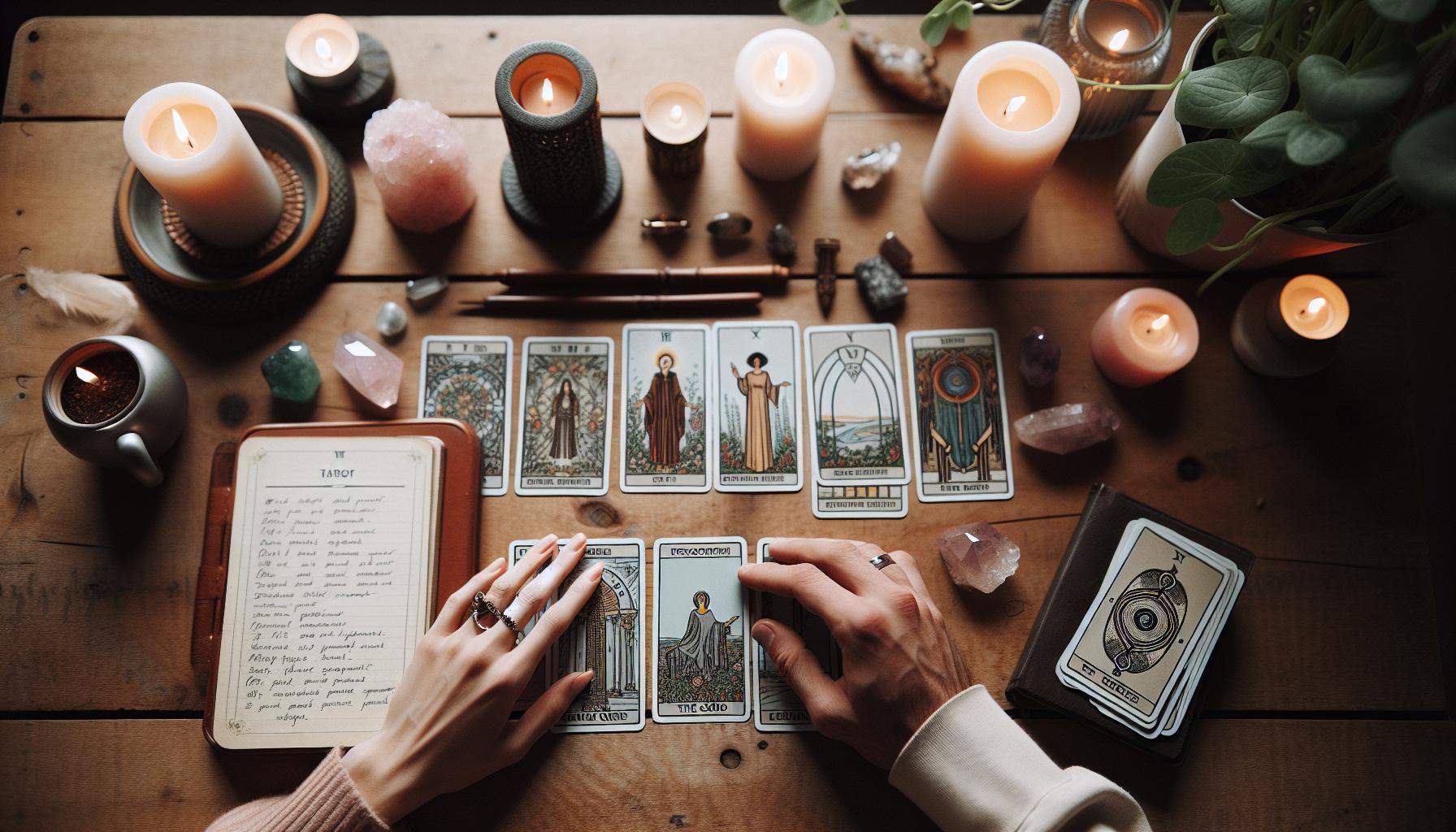
The Major Arcana: Dive into Spiritual Journeys
The journey through the Major Arcana is akin to traversing the path of life itself-each card represents a unique stage of growth and learning. As you begin to delve into the realm of tarot, understanding these powerful cards can illuminate your spiritual and emotional landscape, providing a better grasp of your inner self and your life’s journey. The Major Arcana cards are numbered from 0 to 21 and signify major life events and transformative experiences, making them pivotal in any reading.
The Fool (0)
This card is often the first one to consider for beginners. The Fool represents new beginnings, spontaneity, and the courage to step into the unknown. Picture yourself on a cliff, ready to embark on an adventure without any preconceived notions. When The Fool appears in a reading, it encourages you to embrace new opportunities and remind you that it’s okay to take risks, as growth often requires a leap of faith.
The Lovers (6)
Beyond romance, The Lovers card embodies the importance of choices and harmony within relationships. It prompts introspection about your personal connections and the decisions that lead you toward greater love and fulfillment. When drawn, this card may invite you to reflect on the harmony in your life and consider where you might need to set intentions to foster healthy relationships.
Death (13)
Often misinterpreted, the Death card signifies transformation rather than an ending. It symbolizes the need to release old habits or relationships that no longer serve you. A personal experience can illuminate this: perhaps the end of a job opened the door to a more fulfilling career. When you encounter the Death card, look for areas in your life that might benefit from a shift; it is a clear sign that change is necessary for rebirth.
The Tower (16)
The Tower represents upheaval and revelation, often shaking the foundations of what you believed to be certain. When this card appears, it may indicate a time of chaos or unexpected change. However, this destruction paves the way for new growth, much like how a forest needs fire to regenerate. Embrace this lesson by remaining open to the insights that can arise from moments of turmoil.
By becoming familiar with these cards and their meanings, you create a strong foundation upon which to build your tarot practice. Remember, your intuition plays a crucial role in interpreting these symbols. Rather than relying solely on text, allow your own experiences and feelings to inform your readings. Each encounter with the cards can deepen your connection to their meanings, facilitating personal growth and insight. As you explore the Major Arcana, embrace the notion that tarot is not just a tool for divination; it is a mirror reflecting your journey of self-discovery.
Minor Arcana Insights: Everyday Experiences
The Minor Arcana serves as a rich tapestry of our daily experiences, adding nuance and depth to the broader themes explored in the Major Arcana. This part of the Tarot deck is composed of four suits-Cups, Wands, Swords, and Pentacles-each representing different aspects of life, such as emotions, actions, thoughts, and materiality. As you delve into the Minor Arcana, you’ll discover how these cards offer practical insights for navigating everyday situations.
Understanding the Minor Arcana means tuning into the subtle energies that influence our daily experiences. For instance, the Cups suit relates to emotional situations and relationships. Drawing a card from this suit might highlight a need for emotional balance or indicate a significant relationship that requires nurturing. On the other hand, Wands cards inspire action and creativity, often pointing to initiatives or projects that are coming to fruition. The Swords concern thoughts and challenges; encountering a Swords card might reflect mental struggles or the need for clarity in a decision-making process. Lastly, the Pentacles are all about material aspects and practicalities, shedding light on financial matters or personal security.
Interpreting the Minor Arcana
To effectively interpret these cards, consider the context of your inquiry or situation. Here are some tips for approaching your readings:
- Connect the suit to your question: Each suit can guide you based on the nature of your inquiry. For example, if you’re exploring a relationship issue, focus on Cups.
- Observe the card’s imagery: Pay attention to the symbols and colors in the card. They often reveal deeper meanings related to your question.
- Reflect on personal experiences: Relate the card’s message to your own life. This makes the reading more relevant and personal.
Real-world examples can further illustrate the Minor Arcana’s practical application. If you draw a 3 of Cups while pondering a friendship, it suggests celebration and connection. Alternatively, if the 5 of Pentacles surfaces, it might indicate feelings of lack or struggle in your financial life, prompting you to seek support or reassess your spending habits.
Embracing the Minor Arcana equips you with the tools to understand and navigate everyday challenges. This exploration encourages not just divination but also self-reflection, paving the way for personal growth. As you practice, remember that every card serves as an opportunity to deepen your understanding of life, yourself, and the world around you. The more you engage with these cards, the more attuned you’ll become to their messages and the profound insights they offer for everyday living.
Choosing Your First Tarot Deck: What to Look For
Finding the perfect Tarot deck to begin your reading journey is an exciting and personal step. With the myriad of options available, it can feel overwhelming to choose a deck that resonates with you. Each Tarot deck carries its own unique energy, artwork, and symbolism, which can profoundly influence your reading experience. Consider what draws you in-perhaps it’s the vibrant artwork, the themes presented, or the overall vibe that feels just right.
When selecting your first deck, here are a few helpful pointers to guide your decision-making process:
- Artwork & Imagery: Choose a deck with artwork that speaks to you. Some may prefer traditional designs like the Rider-Waite-Smith, while others might be drawn to more modern or themed decks. The imagery should inspire you and resonate with your personal aesthetic, as it will play a crucial role when interpreting the cards.
- Guidebook: A well-written guidebook can be invaluable for beginners. Look for decks that come with clear explanations of the card meanings and suggestions for spreads. This support can help build your confidence as you learn to read the cards.
- Card Material & Size: The feel of the cards matters. Thicker cards might offer durability, while glossy cards can be easier to shuffle. Additionally, consider the size of the cards; larger cards might be harder to handle for smaller hands. Choose a size that feels comfortable for you.
- Community Feedback: Read reviews or seek recommendations from others who have used the deck. Online tarot communities can provide insights into how the deck performs during readings and how beginner-friendly it is.
It’s helpful to visit a local metaphysical store if possible, where you can physically handle different decks and see how they feel. If that’s not an option, many online retailers offer previews of the cards, which can be a fantastic way to get a sense of the visuals before making a purchase.
Ultimately, the right deck should feel like an extension of you, providing a sense of comfort and excitement each time you engage with it. No matter what you choose, remember that Tarot is a tool for growth and understanding, and your intuition is your best guide in finding the deck that will accompany you on your journey.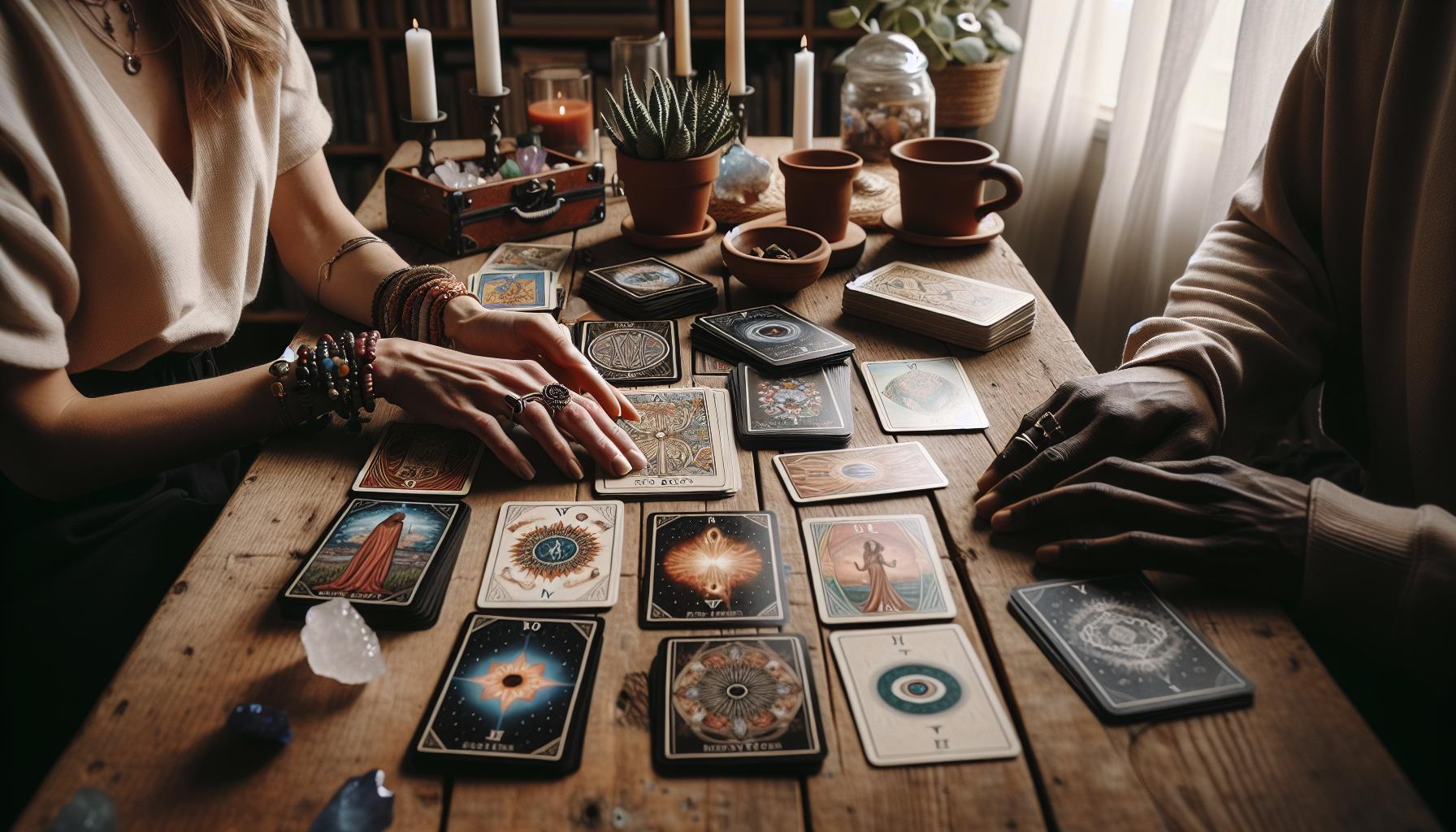
Card Spreads 101: Simple Layouts for New Readers
Understanding how to effectively use tarot spreads is crucial for anyone beginning their tarot journey. A tarot spread is a specific layout you use to lay out the cards when doing a reading. Each position in a spread has a distinct meaning, guiding you to unveil insights and narratives from the cards. This approach not only helps structure your questions but also supports your intuitive interpretations.
One of the simplest and most popular spreads for beginners is the Three-Card Spread. This spread can be used to explore past, present, and future events or influences related to a particular question or situation. It allows for deeper understanding with minimal complexity. To perform this spread:
- Focus on your question: Hold your intention or question in mind as you shuffle the deck.
- Draw three cards: Lay them out from left to right.
– The first card represents the past influences.
– The second card signifies the present circumstances.
– The third card reveals potential future outcomes.
Another effective layout for newcomers is the Celtic Cross Spread. Although it’s slightly more intricate, it offers a comprehensive overview of the question at hand. This ten-card spread covers various aspects of a situation, including hopes, fears, and external influences. Here’s a simplified approach to use it:
- Shuffling and cutting the cards: Focus and shuffle your deck, then cut it to ensure randomness.
- Positioning the cards: Lay them out as follows:
– Card 1: Present situation.
– Card 2: Immediate challenge.
– Card 3: Distant past influences.
– Card 4: Recent past influences.
– Card 5: Best outcome.
– Card 6: Future influence.
– Card 7: Internal influences (emotions/feelings).
– Card 8: External influences (people/situations).
– Card 9: Hopes and fears.
– Card 10: Final outcome.
This spread not only provides a holistic view of the question but also reveals patterns and connections among various aspects of your life.
As you become more comfortable, consider exploring The Five-Card Spread. This versatile layout can address a variety of queries, allowing you to see different facets of an issue or question. Each card in this spread can represent an answer to your query, creating a narrative that helps illuminate your thoughts.
With these foundational spreads, you’ll build confidence in your ability to interpret cards and develop your unique intuitive style. Remember, the key to effective tarot reading lies not just in the spreads but in your connection with the cards and your trust in your intuitive insights. Embrace the process, and you’ll find that each reading will deepen your understanding of yourself and others.
Practical Techniques for Effective Tarot Reading
To truly connect with tarot, one must embrace not just the cards, but the art of reading itself. Each reading is an opportunity for profound insight, and practical techniques can make this journey smoother and more illuminating. Here are some effective strategies to enhance your tarot reading experience, allowing your intuition to shine through the cards.
Establish a Meditative Space
Creating an inviting atmosphere is essential for connecting with the energy of the cards. Find a quiet spot where you won’t be interrupted. Light a candle or burn some incense to set a calming ambiance. Consider playing soft music or nature sounds to elevate your focus. Once comfortable, take a few deep breaths to center yourself. This mindfulness practice prepares you for a heightened receptivity to the messages in the cards.
Ritualize Your Shuffle
Shuffling your deck is more than a mere mechanical task; it’s a sacred act. As you shuffle, visualize your question or intention merging with the cards. This practice not only encourages a deeper connection but also helps you clear your mind, allowing intuitive insights to emerge. You may choose various shuffling techniques-overhand, riffle, or even simply laying the cards face down and mixing them with your hands. Whichever method resonates with you, ensure it feels personal and intuitive.
Reflect and Record
After each reading, take time to reflect on the insights gained. Consider journaling your impressions-what did each card mean to you in the context of your question? How did the cards’ positions relate to your thoughts and feelings? This practice enhances your learning and deepens your understanding of card meanings over time. Keeping a Tarot journal also allows you to track your progress and recognize patterns in your readings.
Engage in Pair Readings
If you have a trusted friend or fellow tarot enthusiast, consider conducting pair readings. This collaborative approach fosters an environment of shared insights, allowing you to discuss interpretations and challenge each other’s perspectives. You may even uncover meanings and nuances that you hadn’t considered before. Pair readings transform the solitary practice into a communal one, enriching your experience and nurturing your intuitive skills.
By incorporating these practical techniques into your tarot practice, you will not only enhance your readings but also embark on a journey of self-discovery and empowerment. Remember, tarot is as much about the connection you forge with the cards as it is about the interpretations you derive. Embrace the process, and let your intuition guide you as you cultivate your unique relationship with this profound tool of insight.
Developing Your Intuition: Trusting Your Inner Guide
Intuition is often described as a guiding voice within us, a subtle nudge or feeling that can lead to profound insights, especially in tarot reading. Developing this inner guide is essential, as it enables you to engage with the cards beyond their surface meanings. Here’s how to cultivate your intuition for deeper, more meaningful readings.
Start with Intentions
Setting a clear intention is a powerful way to tune into your intuition. Before each reading, take a moment to ask yourself what you hope to understand or achieve. This could be a question related to your life or insights into the situation at hand. As you focus on your intention, allow thoughts about your question to emerge naturally. This aligns your energy with the cards and opens your intuitive channels.
Trust Your First Impressions
When you draw a card, the first thought that comes to mind is often the most critical. Instead of overthinking, trust these initial impressions. They can serve as a foundation for deeper exploration but remember that your intuition is just as valid as the traditional meanings associated with the cards. For instance, if you pull the Three of Swords and immediately think of heartbreak, it may resonate personally for you more than the textbook interpretation of sorrow and grief. Embrace these unique connections that arise.
Practice Visualization
Visualization exercises can enhance your intuitive abilities. Close your eyes and visualize a card from your deck. Picture all the details: colors, symbols, and emotions it evokes. Then, without looking at the card, see if you can write down or sketch what stands out or what feelings arise from it. This practice helps bridge the gap between intellect and intuition, allowing you to access insights that may not be apparent in a rational analysis.
Engage with Daily Draws
Incorporate the practice of daily draws into your routine. Each day, select one card and reflect on its meaning in the context of your day ahead. Keep a journal to note how the card’s energy manifests, what feelings it stirs, and any intuitive thoughts that come to you. Over time, this practice will cultivate a deeper connection with your intuitive self and create patterns that reveal how your intuition aligns with your card readings.
By integrating these practices, you’ll gradually learn to trust your instincts and insights more confidently. Remember, every reader experiences a unique relationship with tarot, so be patient as you develop your intuition. Embrace this journey, knowing it’s both a personal and enriching path towards self-discovery and empowerment.
Common Tarot Reading Mistakes and How to Avoid Them
Navigating the world of tarot can be both exciting and daunting, especially for beginners. It’s common to encounter pitfalls along the way, but recognizing and avoiding these mistakes can lead to more insightful and rewarding readings. One frequent error is relying too heavily on the book meanings of cards without allowing personal intuition to influence interpretations. Each reader’s connection with the cards is unique, so it’s essential to blend traditional meanings with your feelings and experiences associated with the imagery. For instance, if you draw the Two of Cups and feel a sense of partnership but also recall a past experience that colors your perspective, honor that emotional response.
Another common mistake is over-complicating readings by pulling too many cards or using advanced spreads before mastering the fundamentals. Beginners should start with simple one-card draws or basic three-card spreads-past, present, future-to build confidence and clarity. This approach allows for focusing on the specific messages of each card without the confusion that a more complex layout might bring. Once you feel comfortable, you can gradually explore more elaborate spreads, deepening your understanding and connection to the cards.
It’s also crucial to maintain an open mindset while reading; skepticism about your abilities can impede your intuition. If you find yourself stuck or doubting your interpretations, take a moment to breathe and recenter. Trust that your insights are valuable, and don’t hesitate to revisit a question if the reading feels off. Journaling your tarot experiences can help track progress and patterns over time, reinforcing your growth and understanding.
Lastly, always remember that tarot is a tool for reflection and insight, not a definitive answer to life’s challenges. Avoid imposing rigid expectations on your readings. Instead, embrace the journey, allowing the cards to guide you rather than bind you. By keeping your approach flexible and grounded, you’ll find that tarot can be an enriching practice, revealing layers of wisdom that resonate on both personal and universal levels.
Advanced Tarot Techniques: Deepening Your Practice
Exploring advanced tarot techniques can immensely enrich your practice, taking you beyond basic readings into deeper realms of insight and intuition. One powerful approach involves deepening your connection with individual cards. Start by creating a dedicated tarot journal. Each time you draw a card, write down your first impressions, feelings, and intuitions. Consider how the imagery speaks to you personally. This practice not only hones your interpretive skills but also builds a rich repository of insights that can guide you in future readings.
Cultivating Symbolic Associations
As you grow comfortable with standard meanings, embrace the unique symbols within your deck. For instance, if you frequently draw the Empress, reflect on symbols of fertility, nature, and creativity. What do these evoke in your life? You might explore journaling prompts like “What does abundance mean to me?” or “Where do I find nourishment?” This personal association with the cards can foster an intuitive reading style that goes beyond rote memorization, allowing insights to surface organically during sessions.
Working with Advanced Spreads
Once you’re familiar with single cards and simple spreads, challenge yourself with advanced layouts. The Celtic Cross is a classic. It offers a comprehensive view of different aspects of a situation, such as underlying influences, immediate challenges, and potential outcomes. Practicing this spread will enhance your ability to synthesize the meaning of multiple cards. As you lay each card, take a moment to contemplate how they interact. For example, how does The Tower in the “future” position influence your interpretation of the Fool in the “past”? The interplay promises profound insights.
Intuitive Development Techniques
Integrating mindfulness into your tarot practice can heighten intuition significantly. Before a reading, engage in a brief meditation. Focus on your breathing, let go of external distractions, and set a clear intention for your session, whether it’s seeking clarity on a specific issue or simply exploring the energies present. This practice can ground you, making it easier to receive messages from the cards. Trust this process-over time, you’ll notice a deeper alignment with your intuitive voice, enhancing every reading you conduct.
By embracing these advanced techniques, you not only deepen your practice but also empower yourself to navigate the intricate tapestry of insights tarot offers. Each reading becomes a journey-infinitely rich, personalized, and reflective of your growth as a reader. Dive deep, stay curious, and let the cards unfold their stories through you.
Integrating Tarot into Daily Life and Mindfulness
Incorporating tarot into your daily life can transform your perspective and enhance mindfulness, creating a rich tapestry of awareness that deepens your understanding of self and the world around you. Each card in your deck carries unique messages and energies that can guide you through everyday experiences, serving as tools for reflection and insight. Whether it’s a simple daily draw or a more elaborate reading, integrating these practices into your routine invites introspection and clarifies your intentions.
One effective approach is to begin your day with a ritual that includes a draw from your tarot deck. As you pull a card, take a moment to set an intention for the day ahead. Reflect on how the card may relate to your experiences or feelings; for example, drawing the Sun might encourage you to embrace positivity and share your energy with others, while the Hermit could suggest a day for inward reflection. This practice not only centers your thoughts but also opens up pathways for intuitive insights throughout your day.
Building a Daily Practice
To cultivate a meaningful daily tarot practice, consider the following steps:
- Set a Routine: Choose a specific time each day for your reading, whether it be morning or before bed, to create consistency.
- Journal Your Insights: Keep a tarot journal where you document your daily draws and any thoughts or feelings that arise. Over time, you’ll notice patterns and deeper connections between yourself and the cards.
- Engage with the Cards: Touch and shuffle your cards frequently. This physical interaction can enhance your intuitive connection and foster a sense of familiarity.
Integrating mindfulness techniques with your tarot readings can amplify their benefits. Before drawing your card, take a few deep breaths and center your thoughts. You might visualize a warm light surrounding you, grounding you in the moment. This simple act of centering not only clears distractions but also primes your intuition to receive messages from the cards.
Mindfulness in Action
Throughout your day, allow the lessons from your tarot practice to resonate with your experiences. If a challenge arises, consider how the energy of your drawn card can provide guidance. For instance, if you draw the Chariot, it may encourage you to harness your determination to overcome obstacles. Embracing this mindset can lead to profound insights and proactive choices that align with your unique life path.
By consistently integrating tarot into your daily life with intention and mindfulness, you empower yourself to navigate the complexities of existence with clarity and confidence. Each card offers a mirror reflecting your inner wisdom, encouraging you to trust your instincts and embrace the journey ahead. As you cultivate this practice, you’ll find that tarot becomes not just a tool for divination, but a cherished aspect of your spiritual growth and personal empowerment.
Resources for Continued Learning and Community Engagement
As you embark on your journey into the world of tarot, connecting with like-minded individuals and utilizing diverse resources can greatly enhance your learning experience. Embracing the community aspect of tarot fosters not just knowledge, but also inspiration and support. Whether you’re a beginner or diving deeper into advanced techniques, there are plentiful avenues for growth and engagement.
Online Forums and Communities
Participating in online forums dedicated to tarot can be an enriching experience. Platforms like Reddit’s r/tarot or Tarot Lounge on Facebook provide safe spaces for sharing readings, discussing interpretations, and seeking advice. Engaging with others allows you to see different perspectives and interpretations, enhancing your understanding of the cards. Remember, tarot is deeply personal, and hearing varied insights can spark new ideas for your readings.
Books and Study Groups
Explore a wide range of tarot literature to expand your knowledge. Start with foundational texts that delve into card meanings and spreads. As you grow your skills, consider joining or forming study groups, either locally or online. These groups can provide structure and accountability in your learning journey. You might choose to study one card per session or practice different spreads together, sharing your insights and experiences.
Online Courses and Webinars
Several seasoned tarot readers and educators offer online courses or webinars that cater to all skill levels. Look for offerings that focus on specific areas such as intuition development, advanced spreads, or tarot in daily life. These structured learning formats often come with interactive components, allowing for real-time feedback and communal learning. Such resources can deepen your practice and spark ideas that resonate with your personal style.
Practice and Mentorship
Nothing beats hands-on experience. Offer to read for friends or family to build your confidence. Additionally, seeking mentorship from experienced tarot readers can provide invaluable insights. They may share techniques and tips that are not often found in books or online. This relationship can be mutually beneficial, creating an opportunity for learning and growth for both parties.
By exploring these resources and engaging with the tarot community, you will cultivate a richer understanding of tarot reading. Each interaction will enhance your intuitive skills and provide support, making the journey more enjoyable and fulfilling. Remember, the path of tarot is not just about the cards; it’s about connecting with the collective wisdom of those who share your passion.
Q&A
Q: What are the best resources for learning to read tarot cards?
A: The best resources include books on tarot fundamentals, online courses, and community forums. Look for beginner guides that cover card meanings, spreads, and intuition development. Consider joining tarot communities for shared experiences and insights. Refer to the section on Resources for Continued Learning for further guidance.
Q: How long does it take to learn tarot reading?
A: Learning to read tarot can take anywhere from a few weeks to several months, depending on your commitment and practice frequency. Setting aside dedicated time each week to study and practice spreads and card meanings will accelerate your learning. Explore different techniques to find what resonates with you.
Q: Can you learn tarot reading online?
A: Absolutely! Many platforms offer comprehensive online courses that include video tutorials, exercises, and community support. Look for courses that break down essential meanings and provide practical techniques. Engaging with online tarot communities can also enhance your learning experience.
Q: How do I improve my tarot reading skills?
A: To improve your tarot reading skills, practice regularly and explore different spreads. Keep a tarot journal to document your readings and reflections. Focus on developing your intuition with each reading, and don’t hesitate to revisit card meanings as needed. The sections on Practical Techniques and Developing Your Intuition offer valuable insights.
Q: What should I do if I make mistakes while reading tarot?
A: Mistakes are a natural part of learning tarot. If you misinterpret a card or spread, reflect on what happened and consider how you can interpret it differently next time. Trust the process, and remember that each reading is an opportunity for growth. Refer to the Common Tarot Reading Mistakes section for guidance.
Q: Are there specific tarot decks recommended for beginners?
A: Yes, beginners should look for decks with clear imagery and straightforward symbolism. Popular options include the Rider-Waite Tarot and the Morgan-Greer Tarot. Choose a deck that resonates with you personally, as a strong connection can enhance your learning experience. Check the section on Choosing Your First Tarot Deck for more tips.
Q: How can I integrate tarot into my daily routine?
A: To integrate tarot into your daily routine, consider pulling a daily card for insights or using quick spreads to clarify daily challenges. Setting a specific time for your tarot practice helps build a habit. Explore the Integrating Tarot into Daily Life section for practical suggestions.
Q: What is the importance of intuition in tarot reading?
A: Intuition plays a crucial role in tarot reading. It allows you to connect the cards’ meanings to the querent’s situation personally. Practicing mindfulness and reflective techniques helps strengthen your intuitive abilities. Visit the Developing Your Intuition section for techniques to enhance this skill.
Concluding Remarks
Congratulations on taking the first steps toward mastering the art of Tarot! Remember, every card carries a message, and your intuition is your most powerful tool. As you dive deeper into your practice, explore our detailed guides like the 3-Card Career Reading which can enhance your understanding of specific situations in your life [[2]].
Curious about the meanings behind the suits? Our article on The 4 Tarot Suits is a fantastic next step to enrich your Tarot knowledge [[3]]. Don’t hesitate to share your experiences or questions in the comments below; your journey is unique, and engaging with our community can deepen your insights.
Ready to enhance your skills? Join our newsletter for more tips, readings, and resources designed just for you. The universe is waiting to reveal its wisdom-embrace it now!
Get our latest guides, news, and insights highlighted in your Google Search & AI Overviews.