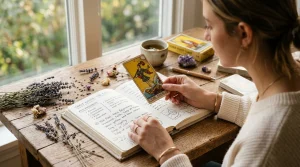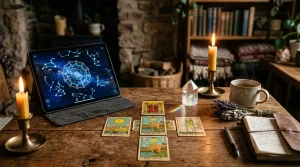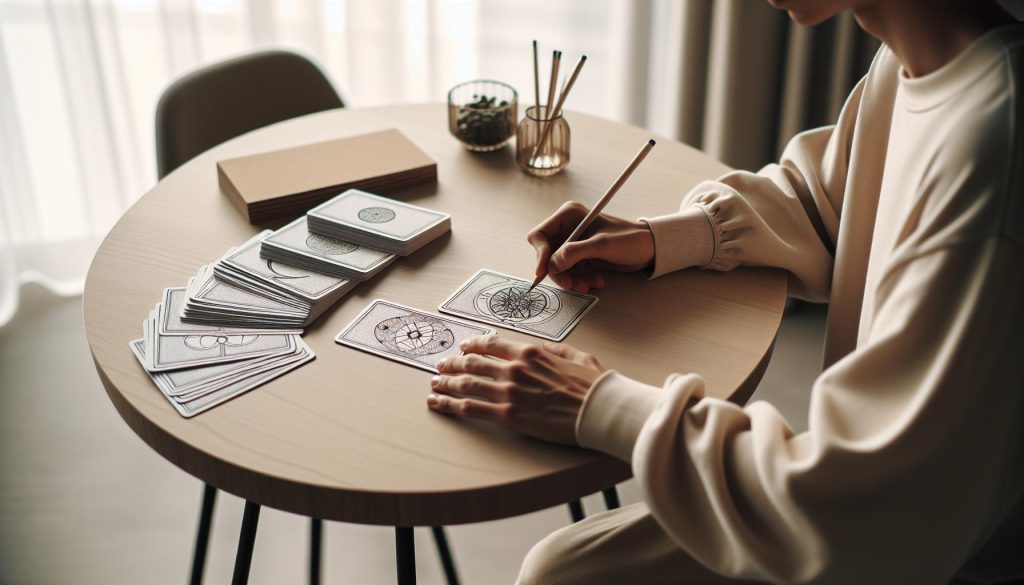
Creating your own tarot cards from index cards is a unique and fulfilling project that not only personalizes your tarot practice but also strengthens your connection to the cards. Did you know that custom cards can hold deeper meanings for you than those bought in a store? This DIY tutorial guides you through the process of making tarot cards that resonate with your own intuition and personal experiences. Whether you’re a curious beginner or a seasoned reader looking to enrich your toolkit, crafting your cards allows for creative expression while enhancing your understanding of tarot’s symbolism. By the end, you’ll see how this simple act can transform not just your readings, but also your journey in exploring spirituality. Let’s get started on this enlightening artistic endeavor that combines practicality with a touch of mysticism, encouraging you to embrace your inner card reader.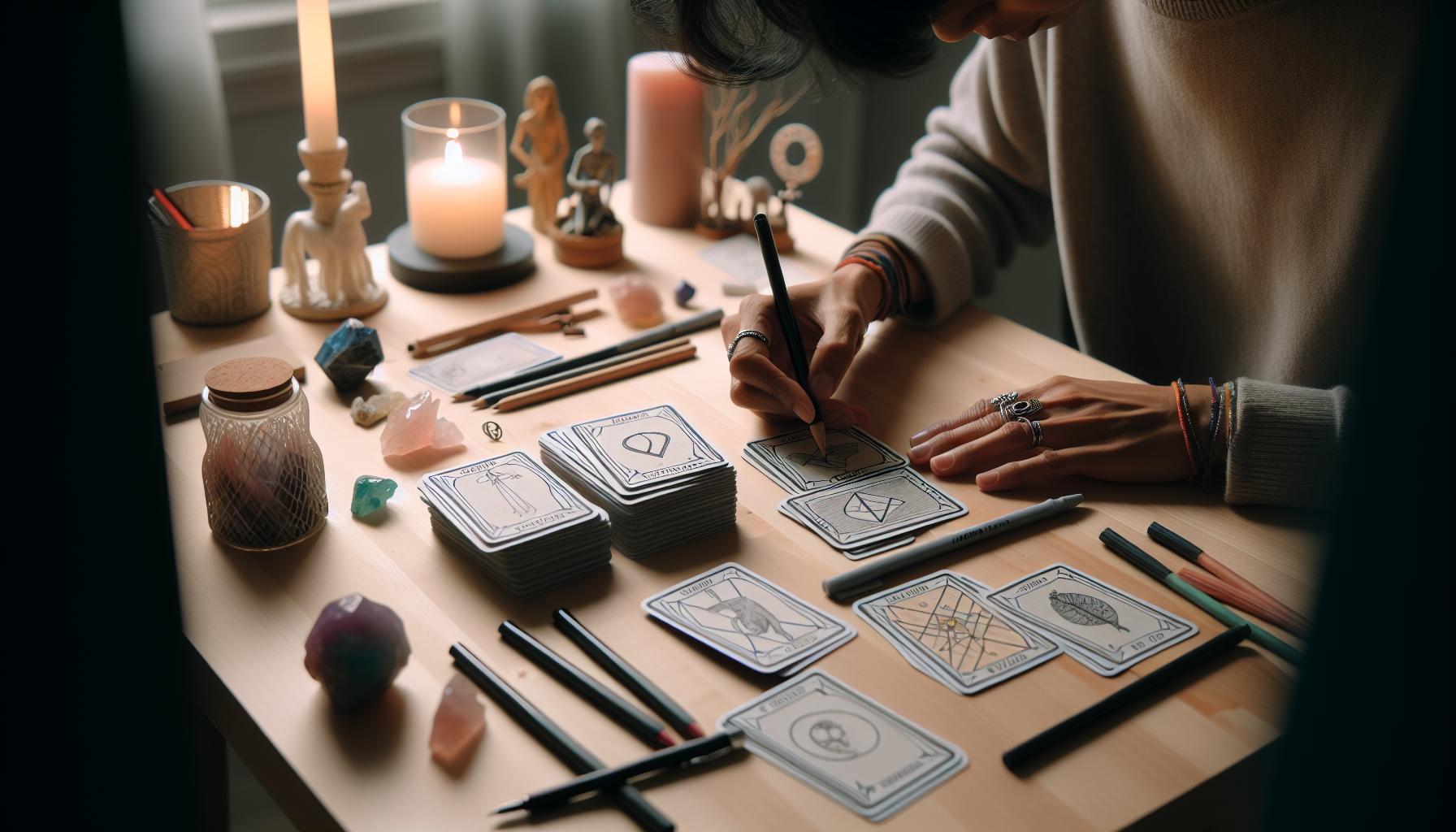
How to Choose the Right Index Cards for Tarot
Choosing the right index cards for your DIY tarot project is crucial to ensure that your deck not only serves its practical purpose but also reflects your personal style and energy. One captivating aspect of creating your tarot cards is the opportunity to select materials that embody the essence of your intuitive practice. Start by considering the thickness and texture of the index cards. You want cards that are sturdy enough to shuffle without bending easily, yet flexible enough to hold up over time. A weight of around 200 to 300 gsm (grams per square meter) is ideal for durability.
Another important factor is the finish of the cards. Matte finish cards can provide a tactile experience, making them easier to handle and write on if you plan to add personal notes or symbols. Glossy finishes, while visually stunning, may result in glare and could be slippery during readings. Before making a final choice, consider how the cards will feel during shuffling and reading.
In addition, pay attention to the size of the index cards. Standard index cards are usually 3″x5″ or 4″x6″, but you might want to choose a size that feels comfortable in your hands. A larger size might provide more space for artwork and keywords, while smaller cards are easier to manage. Ultimately, the best index cards for your tarot deck will be those that resonate with you personally, allowing your intuition to guide you in selecting materials that suit your reading style and spiritual needs. Take your time with this decision, as the physicality of your tarot cards is an extension of your own practice.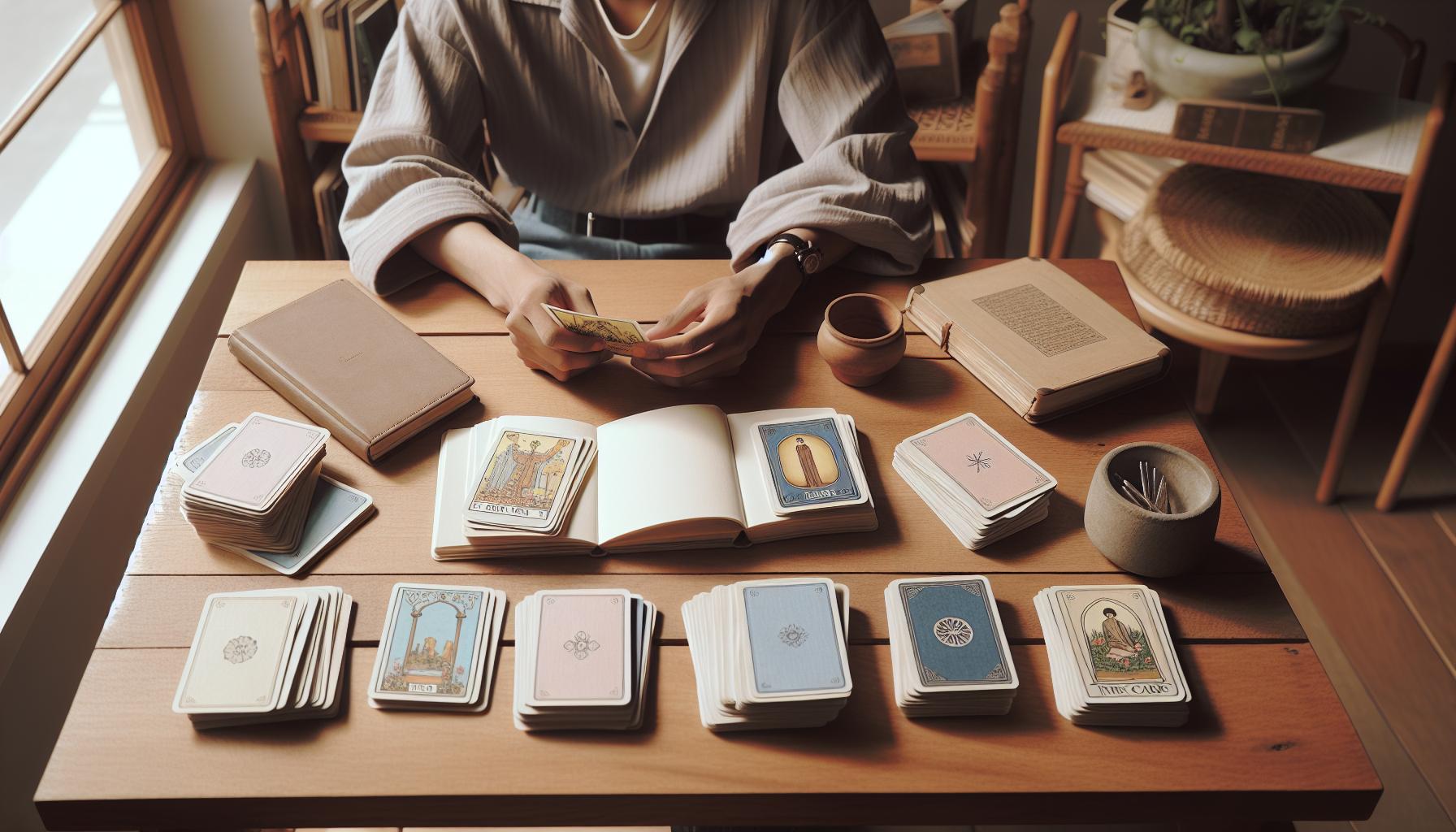
Essential Tools for Your DIY Tarot Project
Creating your own tarot cards can be an exciting and fulfilling project that deepens your connection to the cards and your practice. To get started on your DIY tarot journey, gathering the right tools is essential. Having the right supplies can transform your vision into a tangible deck you can use for readings. Here’s a breakdown of the key tools you’ll need to bring your tarot card designs to life.
Start with high-quality index cards that will serve as the base for your tarot deck. Look for cards that are sturdy yet flexible, typically weighing between 200 to 300 gsm. This weight ensures that your cards can endure shuffling without warping. You might also consider using pre-cut card stock if you prefer a polished finish straight away.
Next, gather your artistic tools. This could include fine-tip pens, colored markers, or paint, depending on your preferred medium. If you plan to incorporate imagery or symbols on your cards, a good set of colored pencils or even watercolor paints can add a personal touch. Remember, the intent behind your artwork is as important as the visual appeal; your designs should resonate with your intuitive practice.
Another essential tool is a protective finish to safeguard your cards after you’ve applied your artwork. A clear sealant spray or laminate can protect your cards from wear and tear, especially if you plan to use them frequently. Consider also having scissors or a paper cutter on hand for trimming your cards to size if you’re working with larger sheets of card stock.
Finally, don’t forget a notebook or easy access to online resources for jotting down meanings, keywords, and notes throughout your creative process. This can help you clarify your thoughts and enhance your connection to each card’s energy as you create. Collecting these essential tools will set a solid foundation for designing a tarot deck that’s uniquely yours. Embrace the process, and enjoy the journey of creation!
Step-by-Step Guide to Designing Your Tarot Cards
Creating your own tarot cards can be a wonderful journey of self-discovery and creativity. Each card becomes a personal reflection of your intuition, beliefs, and aesthetic preferences. To bring your unique deck to life, follow these clear steps designed to guide you through the design process seamlessly.
Start by laying out your vision. Think about the themes and symbols that resonate with you. Are there specific images or messages you want each card to convey? Once you have a concept in mind, outline the 78 cards you’ll include in your deck, from the Major Arcana to the Minor Arcana. This helps you establish a framework and ensures each card has a purpose and meaning rooted in your personal journey.
Next, it’s all about the design. Using the high-quality index cards you’ve gathered, begin sketching your ideas. Don’t overthink this process-allow your intuition to guide your hand. Use fine-tip pens, colored markers, or your chosen medium to bring your sketches to life. When creating images, you might want to incorporate symbols that are significant to you, such as astrological signs, Tarot archetypes, or personal motifs. Layer colors thoughtfully, and remember that vibrant visuals can enhance the energy of each card.
As you complete your designs, ensure that each piece tells a cohesive story. Consider the layout and how different cards will look together, which helps maintain visual harmony in your deck. After finishing your artwork, it’s important to protect your creations. Applying a clear sealant spray or using a laminator will add durability, allowing your cards to withstand wear from constant use! Once sealed, you can trim your cards to ensure uniformity and neatness.
Finally, as you conclude your designing process, take some time to reflect on each card’s meaning and the intention behind your artwork. Document your thoughts in a dedicated notebook to aid in future readings. By infusing each card with intention and meaning, you deepen both your connection to the deck and your intuitive practice. With every step, remember: this journey is just as important as the finished deck, so enjoy the creative process and let your intuition shine!
Creative Ideas for Card Artwork and Symbols
To create artwork for your tarot cards, let your imagination take the lead. Each card is a unique window into your spiritual journey, and the artwork should reflect that personal connection. Consider using a mix of natural elements, cosmic themes, or even abstract designs that resonate with your inner self. Here are some ideas to spark your creativity as you design symbols and illustrations for your cards:
Nature and Elements
The beautiful forces of nature can serve as powerful symbols in your tarot deck. Think about incorporating images of:
- Plants and Flowers: Each plant has its own symbolism (e.g., roses for love, willow for intuition).
- Animals: Infuse animal motifs that resonate with you, such as owls for wisdom or deer for gentleness.
- Celestial Bodies: Stars, moons, and suns can represent cycles, guidance, and enlightenment.
By using these themes, you’ll ground your tarot artwork in the natural world, enhancing the spiritual energy of your deck.
Abstract and Symbolic Art
Sometimes, the simplest designs can have the most impact. Explore the use of abstract shapes and symbols drawn from various traditions. For instance:
- Geometric Patterns: Circles can signify wholeness, while triangles might represent the mind, body, and spirit.
- Personal Symbols: Create or repurpose symbols that are significant in your life, such as a specific sigil or geometric design that feels empowering.
- Color Meaning: Use colors intentionally in your designs-blue for intuition, red for passion, green for healing.
These abstract elements can bring depth to your cards, allowing for personal interpretation that evolves over time.
Storytelling Elements
Consider cards as a canvas for storytelling. Illustrate scenes that depict the meanings of the cards themselves. For example, the Ten of Cups could feature a family under a rainbow, representing joy and harmony, while the Tower might portray a lightning-struck tower with figures escaping, symbolizing upheaval and change. Let each card be a narrative, encapsulating a feeling or lesson. This approach not only enhances the aesthetic appeal but also makes each reading richer and more engaging.
Personalize your tarot journey even further by adding keywords or phrases that resonate with each card’s meaning. These can serve as quick reference points, acting as a guide during readings and reinforcing the intention behind each piece of artwork.
As you create your tarot cards, remember that the most powerful artwork is that which resonates with your spirit. Embrace experimentation and allow your intuition to guide you in this creative endeavor. Your deck should be a true reflection of your experiences and insights, making it a unique tool for personal and spiritual growth.
Incorporating Meaningful Keywords in Your Tarot
Bringing your DIY tarot cards to life means more than just stunning artwork; it also involves the powerful integration of meaningful keywords. These words are essential as they act like anchors, helping you recall each card’s message and enhancing your reading experience. Let’s explore how to effectively incorporate keywords into your tarot deck, transforming each card into a tool for personal reflection and spiritual growth.
Start by brainstorming keywords that resonate with the essence of each card. For example, you might choose “introspection,” “balance,” and “transformation” for The Hermit, Justice, and Death cards, respectively. Make sure these keywords align with your interpretation and emotional connection to the card. This approach not only personalizes your deck but also reinforces the meanings you associate with them. You could use a simple template, writing the keyword at the top or bottom of each card, ensuring it stands out without overshadowing the artwork.
Using Keywords as a Guide
When drafting your keywords, consider creating a small reference guide that outlines key meanings for each card. This could be a useful tool for beginners, providing clarity during readings. For instance, you might group keywords into themes like Major Arcana, Minor Arcana, or even Suits. A table can help visualize this, keeping information organized and accessible:
| Card | Keywords |
|---|---|
| The Fool | New Beginnings, Adventure, Freedom |
| Two of Cups | Partnership, Union, Harmony |
| The Tower | Upheaval, Revelation, Sudden Change |
Referencing these keywords during a reading can help guide your intuition, enabling deeper connections with both the cards and the querent’s situation. You might even consider highlighting the keywords with decorative fonts or colors, creating an aesthetic that complements your artwork, making your cards not only beautiful but also functional.
In your creative journey, remember that the incorporation of keywords should feel organic. Allow yourself to change them as you deepen your understanding of tarot. Regularly reflect on your readings and make adjustments that resonate more with your evolving intuition or experiences. This dynamic process ensures your tarot deck remains a living, breathing reflection of your spiritual path, continually empowering you and anyone who engages with your cards.
Best Practices for Card Sizes and Durability
Creating your own tarot cards opens up a world of personalization and creativity, but it’s essential to consider the size and durability of your cards for a satisfying reading experience. A common aspect many enthusiasts overlook is the balance between ease of handling and the sturdiness of the cards.
Choosing the right size is the first step in the process. Standard tarot cards measure approximately 2.75 x 4.75 inches, making them easy to shuffle and hold. If you’re using index cards, consider cutting them down to this size to ensure your deck feels familiar in your hands. A smaller card can be more challenging to handle, while larger cards might make shuffling cumbersome. For a custom touch, you might even experiment with slightly different dimensions, just remember that consistency across your deck aids in a smoother reading experience.
Durability is another crucial factor. Regular index cards, while easily accessible, might not withstand regular use as well as sturdier materials. To enhance longevity, think about laminating your cards or applying a protective coating. This adds a layer of resistance against wear and tear, ensuring your cards maintain their artwork and keywords effectively. Another approach is to use cardstock, which provides a more substantial feel and better durability compared to standard index cards. This choice can instantly elevate your handmade deck from a simple project to a professional-looking tarot tool.
Lastly, don’t forget about the finish of your cards. A matte finish can provide a subtle texture that feels good to hold and may help reduce glare during readings, whereas a glossy finish enhances color vibrancy but can sometimes create reflections that might distract the reader. Whichever you choose, ensuring your cards are well-made will enrich your tarot practice and make your readings more enjoyable.
Understanding Tarot Spreads: Layouts You Can Create
Creating unique layouts for your tarot card readings can significantly enhance your experience and insight. Understanding spreads-the predetermined layout for card placement-can help you focus your energy and intention while drawing cards from your freshly made index card deck. Each spread has its purpose and can yield different types of wisdom depending on how you position each card.
Start with fundamental spreads, such as the three-card spread. This layout allows for versatile interpretations, like exploring past, present, and future influences on a situation. Simply place three cards in a row, and as you draw each card, reflect on its meaning in relation to the questions or areas of your life you’re exploring. If you’re facing a decision, another simple spread is the decision-making spread, where you draw one card to represent each option and another as the potential outcome.
More Complex Layouts
As you gain confidence, you might want to try more intricate layouts like the Celtic Cross, which is renowned for its depth. This spread consists of ten cards, each symbolizing different aspects of a situation, including your current state, challenges, and potential outcomes. To create this, designate a specific position for each card, allowing for a thorough exploration of various influences at play in your life.
Consider your intuitive connection with the cards as well. After laying out the cards, spend time interpreting them based not only on traditional meanings but also on what they evoke for you personally. A sunset image on your card might remind you of closure or new beginnings, while a card depicting a storm could signify upheaval or emotional turbulence.
Remember, the beauty of DIY tarot is that you can customize spreads that resonate with your specific journey. Feel free to experiment with placements and the number of cards based on the insights you seek. Use your index cards to jot down specific questions or themes for each spread, creating a tailored approach that honors your unique path. This flexibility allows you to make your tarot practice not just a reading tool but a meaningful introspective journey.
Personalizing Your Tarot Deck: Tips and Tricks
Creating your own tarot deck from index cards opens a world of personal expression and connection. The essence of tarot lies not only in the cards but in how they resonate with you. Personalizing your tarot deck transforms it into a unique tool infused with your energy and intention, making every reading a truly personal journey.
One effective way to start personalizing your tarot deck is to select a color scheme that resonates with your vibe. Use vibrant colors to symbolize different emotions or themes, or opt for muted tones for a more introspective feel. Consider creating a specific design for each suit or card type to visually differentiate them, enhancing your intuitive understanding. You can use markers, colored pencils, or even collage techniques with magazine cutouts to decorate your index cards, creating a visual representation of what each card means to you.
In addition to visual elements, incorporating keywords can enhance the connection between the imagery and your readings. For each card, write down a few words that encapsulate its essence-these could be traditional meanings or personal insights garnered through your experiences. For example, under the “Three of Cups,” you might write “celebration” or “friendship,” while the “Tower” could include “sudden change” or “illumination.” This practice not only aids in quick reference but also deepens your connection with the cards.
When it comes to the physical aspects of your cards, consider how the size and durability affect your readings. Opt for cards that feel comfortable in your hands; index cards typically offer a manageable size, but you can trim them for a more personalized fit. You might also laminate your cards for protection, allowing your creations to endure long-term use. Along with sturdiness, think about the tactile feel-smooth surfaces can enhance your intuitive process as you shuffle and draw cards.
Lastly, don’t forget to integrate your intentions when designing your cards. Before you begin, take a moment to set a clear intention for your deck-whether it’s for self-discovery, guidance in relationships, or personal growth. This infusing of intention can be as simple as meditating on your purpose for the deck, or writing it down on a card that represents the deck’s overall theme. When you engage with each card, let your personalized symbols and keywords guide your interpretation, allowing for a rich and intuitive reading experience. Remember, your tarot deck is a reflection of your inner self, and the more you pour into it, the more it will give back.
How to Infuse Intention into Your DIY Tarot
Infusing intention into your DIY tarot cards is a powerful way to enhance the connection between you and your deck. This process transforms each card into a personalized tool for insight and reflection. Begin by establishing a clear purpose for your tarot deck. Ask yourself what you hope to achieve through your readings: Is it self-discovery, guidance in decision-making, or perhaps clarity on relationships? Taking the time to set a specific intention allows your creativity to flow and guides your decisions during the crafting process.
Consider incorporating ritual into your card-making. Before you even pick up your materials, create a sacred space. Light a candle, burn incense, or play soft music that resonates with you. As you create each card, visualize your intention manifesting. For instance, while designing the Two of Cups, you might focus on themes of harmony and partnership. Allow these themes to guide your artistic choices, choosing colors and symbols that evoke feelings related to those qualities.
A tangible way to solidify your intentions is to add corresponding affirmations or keywords onto each card. Reflect on what each card means to you personally, and capture that essence in a few impactful words. For example, for the Hanged Man, you might write “surrender” or “new perspectives”. This not only aids in quick reference but also helps maintain your focus during readings, connecting you back to your original intention.
Finally, remember to engage with your cards regularly once they are complete. Spend time meditating on each card’s meaning and your intentions behind them. You might even conduct a simple reading for yourself, using your deck to explore a question that resonates with your journey. As you shuffle and draw from your personalized tarot deck, let your intentions deepen your understanding of the cards, creating a rich, intuitive reading experience that reflects your inner self and personal growth.
Cleansing and Charging Your Homemade Tarot Cards
is a vital process to ensure they channel the energies and intentions you wish to imbue them with. Just as the materials carry both the potential and the history of their surroundings, releasing any accumulated energies from their creation and environmental influences allows for a clear connection to your personal vibrations. Here’s how to effectively perform this essential practice.
Start by gathering a few supplies that resonate with you energetically. Common options include sea salt, herbs, or crystals. For instance, sage or palo santo can be used for their cleansing properties, while clear quartz amplifies your intentions. To begin, choose a quiet, undisturbed space. Lay your tarot cards out on a clean surface; you might consider placing them in a circle or any configuration that feels right to you.
Next, you can choose from a variety of cleansing methods:
- Smoke Cleansing: Light your sage, palo santo, or incense. Pass each card through the smoke, visualizing the smoke purifying the card of any unwanted energy.
- Sound Cleansing: Use a bell, singing bowl, or even a simple clapping of your hands. As you make sound, visualize the vibrations clearing the cards. This method is particularly beneficial if you feel a strong auditory connection.
- Salt or Earth Method: Bury your cards in a small bowl of salt or clean earth for a few hours to absorb negative energies completely. This method ties your cards to the grounding energy of the earth.
- Sun or Moon Light: Place your cards outside (or near a window) to be bathed in sunlight or moonlight. Each has unique properties: sunlight energizes whilst moonlight imbues calm and intuition.
Once cleansed, it’s time to charge your cards. This is where your intentions come into play. Hold each card in your hands and focus on the purpose it serves for you. You might say a personal affirmation or a simple statement like, “I charge this card with clarity and insight.” This process infuses each card with your energy, enhancing its connection to you and your readings.
It’s beneficial to develop a routine for cleansing and charging your tarot deck, especially after intense readings or if you sense the energy feels off. Regularly engaging in this ritual not only keeps your cards clean but reinforces your bond with them, empowering your intuition and enhancing their effectiveness as a tool for guidance.
Using Your Tarot Cards: Beginners’ Reading Techniques
Connecting with your homemade Tarot cards can be an enchanting experience, especially as a beginner eager to dive into the world of intuitive reading. Engaging with your cards allows you to explore your feelings, seek guidance, and enhance your understanding of life’s various situations. Here’s how to start using your DIY Tarot deck made from index cards.
Begin by establishing a calm and clear reading space. This could be a cozy corner in your home or even a peaceful outdoors environment. It’s essential to create an atmosphere free from distractions so you can focus entirely on your cards and the messages they hold for you. Once you’ve settled into your space, take a moment to center yourself-breathe deeply, relax your mind, and open your heart to what the cards may reveal.
When seeking insights, a simple one-card draw can beautifully introduce you to the Tarot’s wisdom. Shuffle your index cards, then draw one and observe it carefully. Allow your intuition to flow, reflecting on the image, colors, and symbols present. What feelings arise? What thoughts come to mind? Remember that every card has its meanings; for instance, the Sun represents positivity and success, while the Tower may indicate upheaval or revelation. But ultimately, what matters most is your personal interpretation.
As you become more comfortable, consider exploring different spreads. A three-card spread can offer a fuller narrative, representing the past, present, and future. To conduct this, simply shuffle your cards and lay out three in front of you, tracking their meanings as you interpret them in relation to your question or situation. Engage with each card, asking questions like, “What does this card reveal about my past?” or “How does this affect my future decisions?”
Lastly, don’t forget to journal your readings. Writing down your questions, the cards drawn, and your interpretations can significantly enhance your learning process. Over time, you may start to notice patterns and deepen your understanding of how the cards relate to your life. This practice fosters a stronger bond with your Tarot cards and develops your ability to read intuitively-a rewarding journey for all seekers on their spiritual path.
Embrace the adventure, and remember that Tarot is not just a tool for predictions but a powerful way to connect with your inner self and the universe around you.
Advanced Techniques for Custom Tarot Readings
Creating a unique Tarot deck from index cards opens up a realm of possibilities for enhancing your readings with personalized interpretations and innovative techniques. If you’re ready to deepen your practice, consider exploring advanced reading methods that will further connect you with your custom cards and enrich your intuitive insights.
One powerful technique is to practice multi-card readings that go beyond the typical spreads. For instance, you might use a Celtic Cross spread, which involves ten cards and provides a comprehensive view of a situation by examining various aspects, including challenges and outcomes. This layout allows you to engage with the meanings of multiple cards, understanding how they interact with each other. Each position in the Celtic Cross has a distinct purpose, offering structured insight into past influences, present conditions, and potential futures, which can greatly enhance your interpretations.
Another advanced method involves adding astrological associations to your readings. You can create correspondences between the cards you’ve designed and astrological principles-like linking The Fool to Uranus, representing new beginnings and potential. During a reading, ask how these cosmic energies influence the situation at hand. This approach blends areas of spirituality, making your readings richer and more layered. Use index cards to jot down the astrological associations and keep them with your deck for easy reference during sessions.
Intuitive storytelling is also an engaging technique to elevate your readings. Instead of approaching a spread card by card, you can weave a narrative that incorporates the symbolism and personal connections of each card. After laying out your cards, take a few moments to meditate on their positions and meanings. Then, create a story that reflects your current emotional or situational landscape. This method can help you tap into deeper insights and reveal new angles on your questions, transforming your reading into a holistic experience rather than a fragmented one.
Lastly, consider integrating self-care rituals into your reading practice. Before starting a session, incorporate mindfulness practices such as meditation or grounding exercises. Reflect on the intention behind your reading and what you hope to uncover. You might even create a special space for your Tarot practice, adorned with crystals or personal objects that resonate with your energy. These rituals not only add depth to your readings but also foster a nurturing environment that encourages intuitive flow.
By exploring these advanced techniques, you bolster your connection with your DIY Tarot deck and enhance the impact of your readings. With passion and creativity, you can transform the simple act of drawing cards into profound personal exploration, opening doors to wisdom and understanding within your spiritual journey.
Frequently Asked Questions
Q: Can I use any type of index cards to make Tarot cards?
A: Yes, you can use various types of index cards, but choose those that are thick enough to withstand shuffling and handling. Standard 3×5 or 4×6 size cards work well. Consider using colored or textured cards for a more visually appealing deck.
Q: What materials do I need for creating DIY Tarot cards?
A: To make your DIY Tarot cards, gather index cards, markers, colored pencils, or paints for artwork. You might also want a ruler, scissors, and laminate sheets if you wish to protect your cards from wear. Check the section on essential tools for more tips.
Q: How can I design unique artwork for my Tarot cards?
A: For unique designs, draw inspiration from nature, symbols, or personal experiences. Use mixed media like collaging textured papers or photographs along with your drawings. For guidance on incorporating art styles, refer to the section on creative ideas in your project.
Q: What are some tips for effectively writing card meanings?
A: When writing card meanings, keep explanations concise and personal. Include keywords that resonate with you. Reflect on your intuition and experiences related to each card. This will personalize your deck and enhance your readings.
Q: How do I ensure my DIY Tarot cards are durable?
A: To enhance durability, use thicker index cards or laminate them after art application. Additionally, consider adding a protective coating spray once your designs are complete. This will help maintain the quality of the artwork over time.
Q: What is the best way to charge my homemade Tarot cards?
A: To charge your Tarot cards, place them under moonlight or sunlight for several hours. Alternatively, you can hold them while focusing on your intention or use crystals like clear quartz to amplify their energy.
Q: How should I store my hand-made Tarot cards?
A: Store your DIY Tarot cards in a soft bag or box to protect them from dust and damage. You could also separate the major and minor arcana in their own compartments if you prefer to keep organized.
Q: Can I create Tarot spreads using my index card deck?
A: Absolutely! You can design your own Tarot spreads using your index cards. Start with simple layouts, such as a three-card spread for past, present, and future insights, and gradually explore more complex spreads as you gain confidence.
Final Thoughts
Congratulations on crafting your very own tarot cards from index cards! By personalizing these tools, you’re not just creating a deck; you’re enhancing your intuitive journey and preparing for meaningful readings. Remember, the magic of tarot lies in its ability to speak to your subconscious, helping you explore your inner world.
If you enjoyed this DIY project, consider diving deeper into the tarot experience. Check out our guide on how to interpret card meanings or learn about different tarot spreads to get more out of your readings. Want to master the four suits of Tarot? Visit our article on Cups, Wands, Swords, and Pentacles to enhance your understanding even further.
We’d love to hear about your creative process or any insights you gained! Share your thoughts in the comments below, and don’t forget to subscribe to our newsletter for more exciting tutorials and tarot wisdom. Your adventure into the mystical world of tarot is just beginning-embrace it with confidence!
Empowering Affirmations: Curating Spririt Words for DIY Tarot Cards
When creating your own handmade cartomancy system from simple blank index cards, crafting evocative spririt words for diy tarot cards is the single most effective way to anchor instant intuitive meanings without memorizing complex guidebooks.
Here is a curated bank of power words organized by elemental suit to inscribe on your DIY cards:
- Wands (Fire / Ambition): Ignite, Catalyst, Vitality, Courage, Sovereign Will, Bold Expansion. Writing these spirit words instantly communicates dynamic creative energy.
- Cups (Water / Emotion): Devotion, Forgiveness, Emotional Flow, Sacred Sanctuary, Intuitive Truth, Healing Grace. These prompts guide you to feel deeply rather than overthink.
- Swords (Air / Intellect): Discernment, Mental Clarity, Truth-Seeking, Honest Boundary, Strategic Focus, Radical Realism. These anchors pierce through cognitive distortions.
- Pentacles (Earth / Physicality): Abundance, Grounded Roots, Enduring Foundation, Physical Wellness, Generosity, Tangible Legacy. These terms center your material prosperity.
Pairing each spirit word with a simple handwritten symbol transforms an ordinary index card into a potent psychological compass.
Get our latest guides, news, and insights highlighted in your Google Search & AI Overviews.