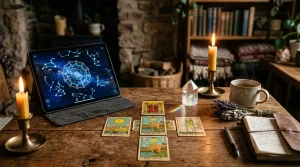
Have you ever felt uncertain about your path in life? Tarot card reading is a powerful tool that can provide insight and clarity, helping you navigate challenges and make informed decisions. By tapping into the symbolism of the cards, you can uncover hidden truths about love, career, and personal growth. Whether you’re a skeptic or a believer, tarot invites you to explore your intuition and reflect on your life experiences. This ancient practice is more than just a mystical art; it’s a way to connect with your inner self and gain valuable perspectives. As you journey through this exploration, you’ll discover how the cards can illuminate your path and empower your choices. Ready to unlock the wisdom of tarot? Let’s dive in and see what insights await you!
Understanding the Basics of Tarot Card Reading
Exploring the world of tarot card reading can be a transformative experience, offering profound insights into your personal journey. At its core, tarot is not just about predicting the future; it’s a tool for self-reflection and exploration. The cards serve as mirrors, reflecting your inner thoughts, feelings, and potential outcomes, ultimately guiding you toward clarity and understanding.
When delving into tarot, it’s essential to grasp the structure of a tarot deck, which typically consists of 78 cards divided into two main categories: the Major Arcana and the Minor Arcana. The Major Arcana, consisting of 22 cards, encompasses significant life themes and lessons, while the 56 cards of the Minor Arcana address everyday events and experiences. Each card is rich with symbolism and layers of meaning, encouraging you to draw on your intuition during a reading. Learning these nuanced interpretations can make your readings more insightful and personal.
Getting started with tarot is as simple as setting your intention. Take a moment to clear your mind and focus on a question or area in your life that you’d like guidance on. Begin by shuffling the cards, tuning into your energy. When you feel ready, draw cards and lay them out in a spread. A usual beginner’s spread is the three-card spread, where you can represent the past, present, and future. As you interpret the cards, allow your intuition to guide you; the imagery and emotions that arise can often reveal what your conscious mind may be overlooking.
Throughout your tarot journey, remember that practice is key. Set aside time regularly to conduct readings for yourself. Each session enhances your understanding of the cards and strengthens your intuitive abilities. Embrace the process-whether you see it as spiritual guidance, self-discovery, or simply a new pastime. Ultimately, tarot reading invites you to explore your inner landscape, revealing pathways to growth, healing, and empowerment.
The Symbolism Behind Key Tarot Cards

The world of tarot is rich with symbolism, each card telling a unique story that resonates with our life experiences. Understanding the meanings behind key tarot cards can open the door to profound insights and personal growth. Every card in the tarot deck, whether from the Major Arcana or Minor Arcana, carries layers of meanings that reflect various aspects of our lives, emotions, and journeys.
Major Arcana Symbols
The Major Arcana cards are particularly significant as they embody pivotal life lessons. For example:
- The Fool: Often represents new beginnings, spontaneity, and adventure. It encourages you to take risks and embrace the unknown without fear.
- The Magician: Symbolizes manifestation, resourcefulness, and power. This card invites you to recognize your abilities and take action to turn your ideas into reality.
- The Empress: Embodies nurturing, abundance, and fertility. Its energy fosters creativity and suggests a time to embrace growth on all levels.
- The Tower: Represents upheaval and sudden change, often signaling the breaking down of old structures to make way for new insights.
Recognizing these symbols helps you connect deeper with your circumstances and draw meaningful insights during readings.
Minor Arcana Insights
The Minor Arcana focuses on daily events and experiences. Each suit-Cups, Pentacles, Swords, and Wands-carries specific themes:
- Cups: Relate to emotions, relationships, and connections. A card like the Two of Cups can indicate partnership and harmony in personal relationships.
- Pentacles: Concern material aspects such as work, finances, and health. The Ten of Pentacles signifies wealth and family legacy, highlighting security and stability.
- Swords: Represent intellect, conflict, and decision-making. The Ace of Swords can signify clarity, new ideas, or moments of truth.
- Wands: Symbolize creativity, action, and ambition. The Three of Wands usually suggests foresight and looking ahead to future opportunities.
Each of these themes facilitates a personalized dialogue between you and the cards, empowering you to find guidance relevant to your specific situation.
As you embark on your tarot journey, consider how these symbolic interpretations resonate with your own experiences. Reflecting on the imagery and meanings allows you to develop a connection with your intuition, making each reading a personal exploration of your path. Engaging with key tarot cards not only demystifies their purpose but also enriches your understanding of life’s complexities, guiding you toward clarity and empowerment.
Different Tarot Spreads and Their Purposes

When diving into the world of tarot, one of the most enlightening aspects can be the variety of tarot spreads and their distinct purposes. A tarot spread is essentially the layout of the cards during a reading, and each arrangement serves as a map that guides your interpretation and insight. Whether you’re seeking clarity on a specific situation, exploring your future, or reflecting on personal growth, choosing the right spread is crucial for unlocking the messages the cards hold for you.
Common Tarot Spreads
Let’s explore some popular tarot spreads, each designed for different inquiries and levels of complexity:
- The One-Card Spread: Ideal for beginners, this simple spread helps to focus on a specific question or theme for the day. Drawing a single card can offer immediate insight or guidance, serving as an effective daily affirmation.
- The Three-Card Spread: This versatile spread allows for more nuanced readings, typically representing the past, present, and future. It’s an excellent choice for examining how past events influence current situations and future outcomes.
- The Celtic Cross: A more complex layout, this ten-card spread provides a comprehensive view of your situation, incorporating influences beyond the immediate environment. It covers aspects like obstacles, external influences, hopes, and fears, making it suitable for deeper inquiries.
- The Relationship Spread: Focused on exploring the dynamics between two individuals, this spread features cards that reflect each person’s feelings, challenges, and the connection between them. It’s particularly useful for both romantic interests and friendships.
Choosing the right spread hinges on what you’re hoping to discover. If you’re just beginning, sticking with the One-Card or Three-Card spreads helps build your confidence as you work to interpret the readings. As your understanding deepens, you can explore intricate spreads like the Celtic Cross or specialized spreads that resonate with your specific questions.
Using Spreads Effectively
When selecting a spread, take a moment to center your thoughts and intentions. Consider what you truly want to learn or understand from the reading. As you shuffle the cards, keep that intention in mind, allowing it to guide your selection.
Real-world application can transform these spreads into powerful tools for self-discovery. For example, if you use a Three-Card Spread and draw cards depicting challenges, current influences, and future possibilities, reflect on how these insights apply to your life. Notice discrepancies or affirmations; this is where your intuition begins to emerge.
By familiarizing yourself with , you enhance your understanding of the cards and, ultimately, yourself. Each layout serves as a unique lens through which you can view your life’s complexities, encouraging an ongoing dialogue between you and the universe as you traverse your spiritual path.
How Tarot Can Guide Personal Decisions

When faced with challenging decisions, many people find themselves at a crossroads, unsure of which path to take. This is where tarot can step in as a guiding light. By tapping into the rich symbolism and intuitive insights embedded in the cards, you can clarify your thoughts and feelings, making informed choices that resonate with your authentic self.
Using tarot for decision-making starts by formulating a clear question. This could be as straightforward as: “Should I accept this job offer?” or “Is this relationship worth pursuing?” Once you have your question, selecting an appropriate spread, such as the Three-Card Spread, allows you to explore the situation from multiple angles. In this spread, you might interpret the first card to represent the past influences leading to your decision, the second card as your current situation, and the third card as potential future outcomes. This structure helps paint a well-rounded picture of your situation.
As you draw and interpret the cards, remember to pay attention to instinctual feelings that arise. For example, if you draw the Two of Swords in a decision-making context, this card suggests a stalemate or indecision. Reflect on what this means for you: are you avoiding making a choice out of fear? Alternatively, if you draw the Ace of Wands, it could signify new beginnings and inspiration, encouraging you to embrace change with enthusiasm.
Moreover, maintaining an open mind during the reading is key. Allow the cards to challenge your preconceived notions. Sometimes, a tarot reading may unveil aspects of your decision that you hadn’t considered-an opportunity to explore your feelings, fears, and deeper motivations. Engaging with the cards in this way transforms the tarot from a mere tool into a companion in your journey toward self-discovery and empowerment.
The magic of tarot lies not only in predicting outcomes but also in illuminating the nuances of your decisions, helping you feel more grounded and confident as you decide your next steps. Embrace this mystical journey-it’s a chance to step into your personal power, guided by the wisdom of the cards and your intuition.
Interpreting a Tarot Reading: Step-by-Step
Understanding how to interpret a tarot reading can unlock profound insights and guidance in your life. Each card drawn during a reading is rich with meaning, and how you weave these meanings together can offer clarity on your current situations and decisions. To make the most of your reading, follow these step-by-step guidelines to enhance your understanding and ability to interpret the cards.
Step 1: Set Your Intention
Before diving into the cards, it’s essential to establish a clear intention or question. This could range from specific inquiries about love or career to broader questions regarding personal growth. Clear intentions set the stage for a focused reading, guiding your interpretation of the cards. For example, you might ask, “What should I focus on for personal growth in the coming months?”
Step 2: Choose Your Spread
Different tarot spreads serve various purposes and can shape your reading’s outcome. A simple and commonly used spread is the Three-Card Spread, where you pull three cards representing the past, present, and future. If you’re looking for more in-depth insight, consider a Celtic Cross spread. Selecting a spread that resonates with your intention is crucial for an effective interpretation.
Step 3: Draw the Cards
As you shuffle the deck, remain mindful and attuned to your energy and the question you’ve posed. Draw your cards with intention, laying them in your chosen spread. Each card holds unique significance, influenced by its position within the spread.
Step 4: Interpret Individual Cards
Take time to reflect on each card’s meaning, both generally and in relation to your question. Use a tarot guidebook for traditional interpretations, but also pay attention to your intuition. Here are a few standard interpretations:
- The Fool: New beginnings, spontaneity, and taking risks.
- The Tower: Sudden upheaval or change, often necessary for growth.
- Queen of Cups: Emotional depth, compassion, and intuition.
Consider what each card evokes in you. What emotions or memories arise? This personal connection enriches your overall interpretation.
Step 5: Weave the Narrative
After interpreting the individual cards, look at the big picture. How do the cards interact with each other? Do they tell a cohesive story, or do some cards contradict others? This narrative can provide deeper insights into your situation. For instance, if you pulled the Five of Cups (representing loss) alongside the Ace of Cups (symbolizing new opportunities in love), it may suggest a recommendation to let go of past heartbreak to embrace new potential.
Step 6: Reflect and Journal
After you’ve interpreted your spread, take some time to reflect. Consider journaling your thoughts and insights to solidify your understanding. How do the cards’ messages resonate with your life? What actionable steps can you take moving forward? Journaling not only captures the session’s essence but also allows you to track your growth and evolving relationship with tarot over time.
By following these steps, you can cultivate a deeper understanding of tarot readings, empowering yourself to tap into your intuition and use this ancient tool effectively. Whether you’re a novice or looking to refine your skills, each reading is a unique journey of self-discovery and empowerment. Embrace the wisdom the cards have to offer and let them illuminate your path.
Exploring Intuition in Tarot Reading
In the realm of tarot reading, intuition serves as a vital compass, guiding both novice and seasoned readers toward profound insights and personal revelations. Each time you draw a card, it’s not just about interpreting its standard meaning; it’s about allowing your intuition to inform and enrich your understanding. This inner voice often captures nuances that traditional interpretations alone might miss, making your tarot experience deeply personal and transformative.
One practical way to cultivate this intuitive connection is to engage with each card on a personal level. Rather than focusing solely on textbook definitions, take a moment to examine the imagery and symbols presented in the card. For example, if you pull the Two of Swords, which typically signifies indecision, reflect on what the imagery evokes for you. Does the crossed swords remind you of a conflict in your life? Does the blindfold speak to a lack of insight or awareness about a decision? By exploring these personal associations, you enrich your reading with layers of meaning unique to your situation.
Additionally, creating a serene environment can enhance your intuitive abilities. Sets aside a quiet corner where you won’t be disturbed. Light a candle or burn some incense to foster a peaceful atmosphere that promotes inner reflection. As you shuffle the deck, breathe deeply, and focus on your intention. Allowing space for your thoughts and feelings will enable your intuition to surface naturally, guiding you as you interpret the spread.
Finally, remember that practice is key. The more you work with tarot, the more attuned you’ll become to your intuitive insights. Consider keeping a tarot journal where you document each reading, not only the card meanings but also your intuitive impressions at that moment. Over time, you’ll likely notice patterns in how your intuition interacts with the cards, enhancing your overall ability to read and interpret tarot, and unlocking deeper paths for personal and spiritual growth.
Common Misconceptions About Tarot Reading
In the world of tarot, misconceptions abound, often overshadowing its rich potential as a tool for insight and personal growth. A common belief is that tarot cards predict the future with absolute certainty. In reality, tarot serves as a mirror reflecting our thoughts, emotions, and decisions. Instead of a set-in-stone prophecy, tarot readings offer guidance and clarity, empowering individuals to navigate their paths with awareness. By understanding this principle, readers can approach tarot with an open mind, viewing it as a supportive ally rather than a definitive oracle.
Another widespread myth is that tarot requires a special gift or psychic ability to interpret the cards effectively. Truthfully, anyone can learn to read tarot with practice and dedication. Each card holds layers of meaning, influenced by personal intuition and context. Beginners are encouraged to start with simple spreads, such as the three-card spread, which can address past, present, and future experiences. As you become familiar with the cards and their associations, you’ll find your confidence growing, leading to deeper insights over time.
Many skeptics question tarot’s legitimacy, fearing it to be mere fortune-telling or a scam. However, it’s crucial to recognize that tarot can also serve as a valuable tool for self-reflection. Engaging with the cards encourages you to explore your feelings and circumstances, often bringing clarity to areas of uncertainty in your life. This self-exploration aspect fosters personal growth and development, allowing you to make informed choices rather than waiting for fate to dictate your actions.
Lastly, some people believe that tarot reading requires strict adherence to traditional meanings and methods. While these can provide a helpful starting point, your unique interpretations and relationships with the cards are just as valid. Embrace the opportunity to personalize your readings-whether it’s by creating your own spreads or interpreting cards based on your experiences. This approach nourishes a genuine connection with the cards, making each reading a unique exploration of your inner world.
By dispelling these misconceptions, you can approach tarot and its potential with excitement and curiosity, discovering how this ancient practice can elegantly entwine with your journey of self-discovery and spiritual exploration.
Enhancing Your Tarot Skills Through Practice
To deepen your connection with tarot and enhance your reading skills, consistent practice is key. Just like any other craft, the more you engage with the cards, the more intuitive and confident you’ll become in your interpretations. Start by setting aside a few minutes each day to draw one card. This simple exercise will help you internalize the meanings and symbolism associated with each card, making it easier to tap into their insights during more elaborate readings.
Establish a Daily Practice
Creating a daily tarot ritual can significantly boost your expertise. Here are some steps to help you cultivate this practice:
- Set your intention: Before you begin, take a moment to focus on what you wish to gain from your practice.
- Choose a deck: Use a deck that resonates with you; your emotional connection to the cards is crucial.
- Draw a card: Pull one card daily and reflect on its meaning in relation to your day or a specific question.
- Journal your insights: Write about your interpretations, feelings, and any connections you feel with the card.
- Review regularly: Go back through your journal entries to see how your interpretations evolve over time.
This routine not only enhances your familiarity with the deck but also strengthens your intuition-key in developing a unique reading style.
Explore Different Spreads
As you grow more comfortable, experiment with different tarot spreads. Start with a 3-card spread that represents the past, present, and future, then branch out to more complex layouts such as the Celtic Cross or even custom spreads. Each arrangement provides varied insights and helps you apply the cards in diverse contexts, aiding your understanding of how they interrelate.
Join a Community
Consider connecting with other tarot enthusiasts. Online forums, local meetups, or tarot classes can provide fresh perspectives and feedback. Engaging with others can spark new ideas, pushing you to explore the cards in different ways. Don’t hesitate to share your experiences, ask questions, and learn from fellow readers. It’s through shared practice that you can truly unlock the richness of tarot.
Through dedication and curiosity, you can transform your tarot readings from mere interpretations into profound insights, guiding your personal journey of discovery and growth. Remember, tarot reading is not just about uncovering answers; it’s about fostering a deeper relationship with yourself and the universe around you. Embrace the journey!
Using Tarot for Self-Reflection and Growth
Harnessing the power of tarot for self-reflection can be an enlightening experience. It allows you to peer into the depths of your soul, uncovering truths that often remain hidden in the daily bustle of life. Each card in a tarot deck represents not just events or archetypes, but aspects of the self that might need attention or nurturing. By creating a sacred space to engage with the cards, you open channels for personal growth and understanding, allowing insights to emerge that can propel you on your journey.
To effectively use tarot for self-reflection, consider developing a thoughtful practice. Start by asking yourself open-ended questions before you draw your cards. For instance, “What do I need to learn about my current feelings?” or “What should I focus on to improve my well-being?” As you choose your cards, pay close attention to your instinctive reactions to each one. Spend time contemplating the imagery and keywords associated with each card. Journal your thoughts as they arise; this practice can catalyze deeper insights and reflection.
Moreover, employing a regular spread specifically designed for self-exploration can enrich your practice. A simple three-card spread might include:
- Current State: What is my present feeling or situation?
- Challenge: What obstacle is blocking my growth?
- Advice: What should I do to move forward?
By interpreting these positions, you create a narrative that speaks to your current life path. Each reading can serve as a mini-therapy session, offering clarity and guidance as you navigate life’s complexities.
Remember, tarot isn’t just about predicting the future; it’s a tool for self-discovery. It encourages you to confront your fears, appreciate your strengths, and understand your desires. With an open heart and mind, you’ll find that each card drawn can lead not only to insight but also to transformative action. Embrace the journey of self-exploration that tarot invites, and you may very well unlock paths you didn’t even know existed.
The Role of Intention in Tarot Readings
The essence of tarot lies not just in the cards themselves, but significantly in the intention behind each reading. Intention sets the stage for the entire tarot experience; it’s like tuning a musical instrument before the performance begins. When you approach a spread with a clear and focused intention, you open a pathway for the cards to communicate insights that align with your needs and questions. Whether you seek clarity in a career choice, guidance in a personal relationship, or insight into a challenging situation, your intention acts as a beacon that directs the energy of the reading.
To harness this power of intention, start by reflecting on what specifically you wish to explore. Are you curious about an area of your life that feels stagnant? Do you have a pressing question that demands clarity? Once you identify your focus, formulate it into a concise statement or question. For example, you might ask, “What steps can I take to improve my well-being?” or “What am I overlooking in my current situation?” This process not only sharpens your focus but also prepares your subconscious to engage with the cards on a deeper level.
Furthermore, consider the environment in which you conduct your reading. Creating a sacred space can enhance your connection to your intention. This could involve lighting a candle, burning incense, or playing soft music that resonates with your desired energy. As you shuffle your deck and lay out your cards, visualize your intention permeating the reading. This practice not only grounds the session in meaningful purpose but also encourages a more profound dialogue between you and the cards.
After drawing your cards, take a moment to meditate on how they relate to your intention. Each card has its own symbolism and meaning, but their interpretation is heightened when viewed through the lens of your specific focus. For instance, if you pull the Two of Swords while inquiring about a relationship, consider how this card’s themes of indecision might reflect your own feelings about the situation. Engaging with the cards in this way will empower you to draw connections that feel authentic and revealing.
Ultimately, remember that the magic of tarot is inherently tied to your openness and sincerity. When you approach your readings with a genuine heart and a clear intention, you invite transformative insights that can illuminate your path forward. Embrace this collaborative dance between your aspirations and the wisdom of the tarot, and watch as the cards guide you toward the self-discovery you seek.
Integrating Tarot with Other Spiritual Practices
can deepen your understanding and enhance your readings, allowing for a holistic approach to self-discovery and personal growth. Just like a musician enriches their sound by layering different instruments, blending Tarot with other modalities creates a symphony of spiritual insight. Here are some practical ways to combine Tarot with various spiritual practices:
1. Meditation and Visualization
Using meditation alongside your Tarot practice can provide clarity and focus. Before a reading, take a few moments to quiet your mind and center your energy. Visualize the question or situation you wish to explore, allowing your intuition to surface. After your Tarot spread, meditate on the meaning of the cards. For instance, if you draw the Ace of Cups while meditating on self-love, sit with the image of the card, visualize what it represents, and feel the energy it brings to your query. This combination can unlock deeper insights and foster emotional alignment.
2. Journaling
Journaling is an invaluable tool for integrating lessons from your Tarot readings. After each session, write down your thoughts on the cards you drew, the meanings you ascribe to them, and any feelings or memories they evoke. You can also document your intentions for the reading and reflect on how the cards provide guidance. This practice not only reinforces your understanding but allows you to track your journey over time. For example, if a recurring card appears in your readings, journaling about its implications can reveal patterns or themes in your life, enhancing your self-awareness.
3. Crystals and Energy Work
Crystals are often used to amplify intentions and energy in spiritual practices, including Tarot. Consider selecting a crystal that resonates with the themes of your reading. For example, if you’re questioning your relationships and draw the Lovers card, you might place rose quartz nearby to encourage love and compassion. You can also hold the crystal while shuffling or laying out your cards, setting the intention for the reading. This integration not only enhances your sensitivity to the cards but also aligns the energy with your higher self or the universe’s guidance.
4. Rituals and Spiritual Ceremonies
Creating rituals around your Tarot practice can enhance its power and significance. Establish a routine for your readings-perhaps a monthly Tarot night under the full moon or a Sunday morning spread to set your intentions for the week ahead. Incorporate elements like candles, incense, and sacred symbols to create a charged atmosphere. Each ritual can be tailored to resonate with specific intentions, making your Tarot experience more meaningful. By treating your readings as sacred rites, you cultivate a profound connection to your spiritual path.
Integrating these practices can transform your Tarot readings from simple card interpretations into a robust, multi-dimensional exploration of self. As you experiment and find what resonates with you, remember that the journey itself is where the real magic lies. Trust in your intuitive abilities and know that with each reading, you are uncovering layers of wisdom and understanding that can illuminate your path forward.
Frequently asked questions
Q: What insights can I gain from a tarot card reading?
A: A tarot card reading can provide insights into personal challenges, guidance for decision-making, and clarity on emotional issues. It highlights potential paths and encourages self-reflection. Each card drawn reveals messages that can help you understand your life and relationships better. Explore more about interpreting a tarot reading in our article.
Q: How does tarot help in decision-making?
A: Tarot helps in decision-making by offering clarity and perspective on your current situation. The cards can highlight your options and the consequences of each choice, allowing you to weigh them thoughtfully. Using specific spreads for choices, like the Three Card Spread, can enhance this clarity.
Q: Can anyone read tarot cards effectively?
A: Yes, anyone can learn to read tarot cards effectively with practice and patience. Familiarity with card meanings, personal intuition, and consistent practice can enhance your reading skills. Beginners can start by exploring the basics and gradually integrating intuition into their readings.
Q: How often should I have a tarot reading?
A: The frequency of tarot readings varies by individual. Many find monthly readings beneficial for ongoing guidance, while others may choose to consult the cards during significant life changes. It’s essential to follow your intuition about when you need insight.
Q: What is the significance of card positions in a tarot spread?
A: Each card’s position in a tarot spread offers specific insights related to the queried topic. For instance, in a Celtic Cross Spread, positions can represent your past, present, and potential outcomes. Understanding these positions can deepen your interpretation of the reading.
Q: How do I connect with my intuition during a tarot reading?
A: Connecting with your intuition during a tarot reading involves quieting your mind, focusing on the question, and allowing your feelings to guide the interpretation. Consider keeping a tarot journal to document your thoughts and develop your intuitive skills over time.
Q: What common misconceptions exist about tarot readings?
A: Common misconceptions include the belief that tarot predicts the future in a fixed way or conveys specific outcomes. In reality, tarot serves as a tool for insight and guidance, reflecting possibilities and personal growth rather than predetermined fate.
Q: How can I use tarot for self-reflection?
A: Tarot can be a powerful tool for self-reflection by prompting introspection and emotional exploration. Consider drawing a single card daily to reflect on its meaning in your life or using spreads designed for self-discovery. This practice encourages mindfulness and personal growth.
The Way Forward
As you embark on your journey of tarot card reading, remember that each card holds a unique message that can illuminate your path and guide your decisions. By connecting with your intuition, whether through a simple Yes or No Tarot reading or a comprehensive 3-card spread, you unlock the insights needed to navigate life’s complexities. Don’t miss the opportunity to delve deeper into your spiritual gifts-explore our detailed guides on Yes or No Tarot readings and 3-Card Tarot spreads to enhance your experience.
Ready to take the next step? Join our community of explorers by signing up for our newsletter for exclusive tips on tarot practices and personalized readings that resonate with your unique journey. Your path is waiting to be revealed, so don’t hesitate to dive deeper and uncover the magic that tarot has to offer. Share your thoughts in the comments below and inspire others with your discoveries. Remember, tarot is not just a reading-it’s a powerful tool for self-discovery and transformation. Embrace this magical journey today!
Get our latest guides, news, and insights highlighted in your Google Search & AI Overviews.