Have you ever felt drawn to the mystical allure of cards but found yourself confused between the vibrant world of Oracle cards and the structured depths of Tarot? You’re not alone! Many seekers and curious minds alike wonder about these two powerful tools for insight and guidance. While both Oracle and Tarot cards serve as pathways to self-discovery and clarity, they each have unique structures, purposes, and energies. Understanding these differences can enhance your intuitive practices and deepen your spiritual journey. Whether you’re a seasoned reader or just beginning to explore, this exploration of Oracle and Tarot cards will illuminate their distinct qualities, helping you choose the right deck for your personal exploration and growth. Dive in with us to uncover the magic behind these powerful tools-your journey of discovery awaits!
What’s the Difference Between Oracle Cards and Tarot Cards?
When exploring the realm of divination cards, a common question arises: how do Oracle cards differ from Tarot cards? While both serve as tools for self-reflection and guidance, their structures, interpretations, and purposes are distinct.
Oracle cards are typically more flexible and varied than Tarot. Each Oracle deck is designed by an individual creator, incorporating unique themes, artwork, and messages. This versatility means that the number of cards in an Oracle deck, as well as the interpretation of those cards, can vary widely-one deck might contain 40 cards focused on self-empowerment, while another could feature 60 cards revolving around nature spirits. In contrast, a traditional Tarot deck consists of 78 cards, divided into the Major and Minor Arcana, each with fixed meanings, historical significance, and a structured way to draw insights from them.
The reading style also distinguishes these two types of cards. Tarot readings often involve specific spreads that dictate how the cards are laid out and interpreted, connecting them in ways that reveal deeper narratives or patterns. A common spread is the Celtic Cross, which can offer layered insights into the querent’s past, present, and future. Oracle cards, however, can be drawn freely-sometimes even a single card can serve as a standalone message for reflection. This makes Oracle cards especially appealing to beginners or those looking for a more spontaneous approach to card reading.
Ultimately, both Oracle and Tarot cards hold the potential for profound insights and personal revelations. Whether you prefer the structured tradition of Tarot or the open-ended creativity of Oracle decks, each can enhance your spiritual practice and help you navigate life’s journey.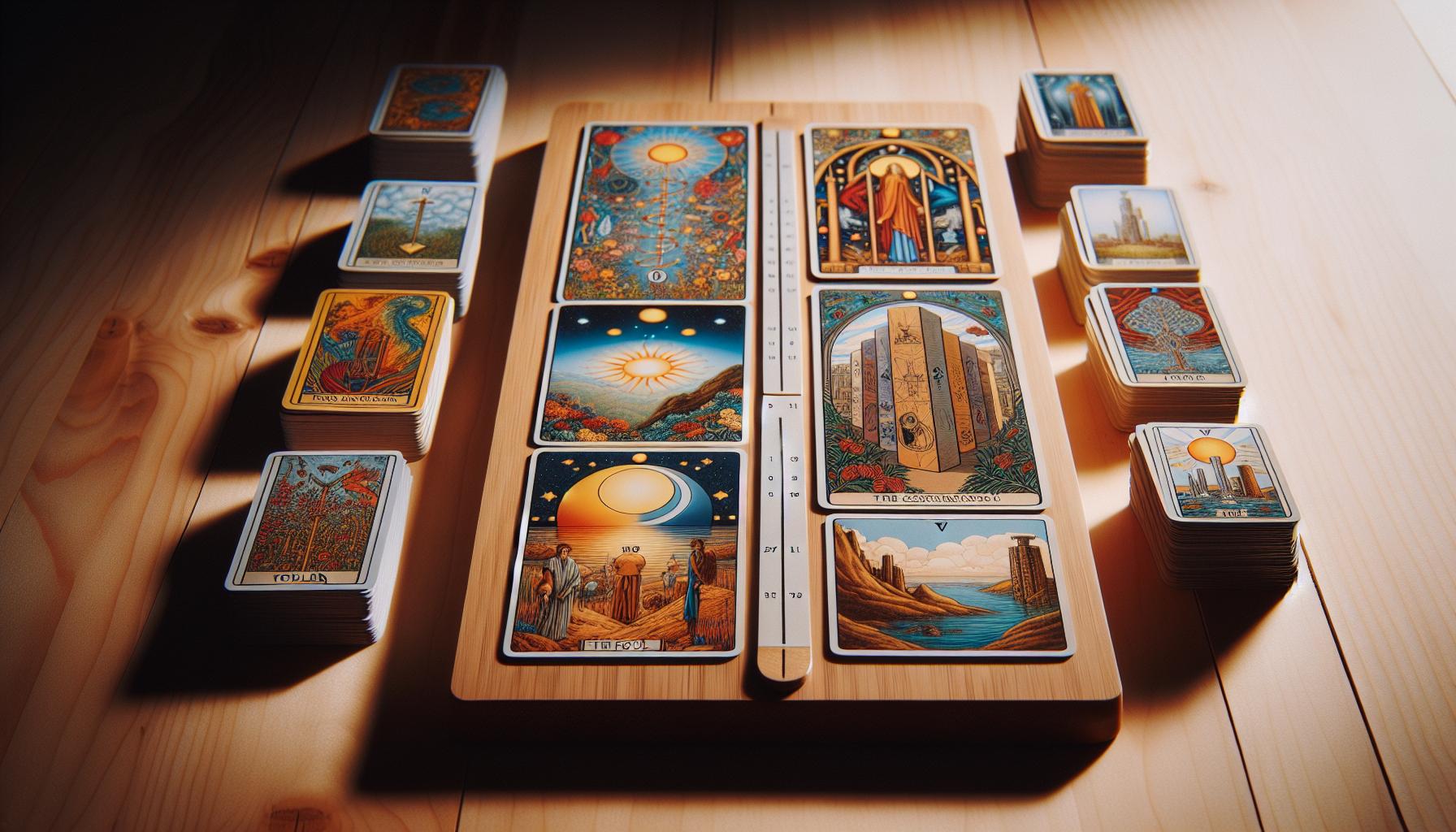
Understanding the Basics of Oracle and Tarot Cards
Exploring the mystical world of cards can be an enlightening experience, whether you’re a seasoned seeker or just beginning your journey. Both Oracle and Tarot cards serve as potent tools for introspection and personal growth, yet they carry distinct characteristics that set them apart. Understanding these differences can empower you to choose the method that resonates most with your spiritual practice.
Oracle cards are incredibly versatile, often designed by individual creators who infuse their personal interpretations, themes, and artwork into each deck. You might find decks focused on love, empowerment, or even specific spiritual traditions. This variability means no two Oracle decks are alike, and the number of cards can range widely-from 30 to over 100. Each card typically features a unique message or affirmation, allowing for a more fluid and personal interpretation. This freedom makes Oracle readings particularly engaging for those who prefer a more intuitive approach. For instance, if you pull a card that depicts a serene landscape, the message could encourage you to find tranquility in your life or to take time to reconnect with nature.
In contrast, Tarot cards are structured with a standardized set of 78 cards, divided into the Major and Minor Arcana. Each card has a specific meaning and a rich historical context, which can be vital for deeper readings. Tarot card layouts, such as the three-card spread or the Celtic Cross, help to create a narrative that connects past, present, and future insights. For example, in a three-card spread, the first card might represent your past influences, the second your current situation, and the third your potential outcome. This structured format can provide a comprehensive view of your life circumstances, enabling you to reflect on patterns and possibilities.
Whether you gravitate toward the creative freedom of Oracle cards or the historical depth of Tarot, both decks offer a pathway to understanding yourself better. Embracing either-or both-can enrich your spiritual toolkit, inviting clarity and wisdom into your everyday life. Remember, the journey of self-discovery is personal, and the cards are there to support you as you navigate your unique path.
Exploring the Structure: Deck Composition and Design
Exploring the intricate design and composition of Oracle and Tarot cards reveals the unique qualities that make each deck special, offering insights into how they can be effectively used for spiritual growth and guidance. While both serve as powerful tools for introspection, their structures reflect very different philosophies and approaches to divination.
Oracle cards are known for their flexibility and creativity. Each deck is often a personal expression of the creator’s vision, and there are virtually no standard rules governing the number of cards or themes. You might encounter a deck with just 30 cards, while others boast over 100, each infused with distinct artwork and messages. The themes can vary widely; some decks focus on enhancing self-love, while others may center on healing, nature, or even specific spiritual traditions. This diversity fosters a unique reading experience where individual interpretation plays a significant role. For instance, if you draw an Oracle card featuring a vibrant butterfly, it might symbolize transformation and liberation, encouraging you to embrace positive changes in your life.
In contrast, Tarot cards adhere to a defined structure consisting of 78 cards divided into the Major and Minor Arcana. The Major Arcana-22 cards-focuses on significant life events and spiritual lessons, while the Minor Arcana-56 cards-delves into day-to-day experiences. Each Tarot card bears deep historical meanings and numerological significance, creating a rich tapestry of interpretations. Common layouts or spreads, such as the Celtic Cross, provide a framework to interpret these messages in relation to your life. For example, when using a three-card spread, the first card may represent your past, the second the present, and the third the potential future, allowing a narrative to emerge from your inquiry.
Understanding these structural differences is crucial for selecting the right deck that resonates with your personal journey. Oracle cards invite intuitive, free-form exploration, perfect for those who enjoy a more personal connection and less structured reading. Conversely, Tarot cards offer a more traditional, narrative-driven approach that can appeal to those who seek to connect with historical wisdom and structured guidance. Regardless of which you choose, embracing the qualities of each can enrich your spiritual exploration and enhance your intuitive abilities.
Interpreting Messages: Reading Styles and Techniques
The beauty of Oracle and Tarot cards lies not just in their artistic designs, but in the personal connections we form with them. Each card draws from a well of symbolism, allowing for messages that resonate deeply with our current situations and feelings. Whether you’re new to card reading or have years of experience, understanding how to interpret the messages from these decks can transform your spiritual practice and enhance your intuitive abilities.
When working with Oracle cards, the reading style is often much more fluid and personal. There are no rigid structures; you can choose a single card for daily guidance or create a multi-card spread that intuitively speaks to you. For instance, if you pull an Oracle card titled “Embrace Change,” consider the feelings and thoughts that come to mind. Reflect on recent life transitions or areas where you might feel stuck. The freedom to interpret the cards based on your personal experiences invites deeper insights and a more profound connection to your journey.
In contrast, Tarot readings typically involve a more structured approach due to the card system’s established meanings. Each card within the Major and Minor Arcana carries distinct interpretations based on its position within a spread, such as the popular Celtic Cross or Three-Card Spread. For example, if you draw the Tower card, it may indicate upheaval; however, its position in a spread could provide nuances-perhaps it signifies an ending in the past, cautioning against fear of change and highlighting the potential for growth afterward. Understanding not just the meanings of individual cards but their relationships to one another is essential for a rich Tarot reading.
To enhance your reading experience, it’s helpful to establish a calm and mindful environment. Light a candle, diffuse essential oils, or play soft music-whatever makes you feel centered and open. As you shuffle the cards, set an intention or pose a question that guides your interpretation. This practice can deepen your connection to the cards and amplify your insights. Remember, both Oracle and Tarot cards are tools for reflection and understanding; the most important voice in your readings is your own intuitive sense of what resonates.
Ultimately, whether you gravitate towards the creative expression of Oracle cards or the structured tradition of Tarot, both avenues provide valuable pathways for exploring your inner self and the world around you. Embrace the uniqueness of your spiritual journey, and allow these cards to be companions along the way.
The Purpose and Usage of Oracle vs. Tarot Cards
In exploring the unique roles of Oracle and Tarot cards, it’s fascinating to see how each serves as a distinct tool for self-reflection and guidance. While both types of cards can illuminate your path, they approach the process from different angles, catering to various spiritual and personal needs. Understanding these differences can enhance your card reading experience, allowing you to choose the right deck for your journey.
Oracle cards are renowned for their flexibility and creativity. Typically, they have no specified structure, and each deck can be as varied as the imagination of its creator. This freedom invites users to engage with the cards in a more personal and intuitive manner. For example, you might choose an Oracle card for daily inspiration or use several cards to receive insights about specific life questions. The messages tend to focus on empowering and uplifting themes, encouraging self-exploration and emotional reflection. A reading might reveal guidance on embracing change or nurturing self-love, tailored to your current emotional state or the challenges you face.
On the other hand, Tarot cards encapsulate a rich tradition with defined structures and meanings. The Tarot deck consists of 78 cards divided into the Major and Minor Arcana, each card symbolizing different archetypes and narratives. This structured approach allows for in-depth readings that often delve into core life challenges and insights into past, present, and future influences. Specific spreads, such as the Celtic Cross or Three-Card Spread, help contextualize the cards within your question, providing a comprehensive view of the situation. For example, if you draw the Death card, it could signify transformation and the end of a chapter, depending on its placement and surrounding cards.
When deciding which type of card to use, consider your intention. If you seek straightforward, empowering messages that can adapt to your daily life, Oracle cards might be your best choice. Conversely, if you are interested in exploring deeper psychological patterns and life’s complexities, Tarot may guide you through those intricate layers. Both styles have valuable contributions to spirituality and self-awareness, and the choice ultimately rests on your personal preference and the nature of your inquiries.
Similarities Between Oracle Cards and Tarot Cards
Both Oracle and Tarot cards are rich tools for introspection and personal growth, yet they share several similarities that make them appealing to card readers and spiritual seekers alike. At their core, both types of cards are designed to facilitate a deeper connection with one’s intuition and provide insights into various life situations. They serve as conduits for self-discovery, allowing individuals to reflect on their thoughts, feelings, and experiences in a tangible way.
One of the most significant similarities is their reliance on symbolism. Each card, whether from an Oracle or Tarot deck, encapsulates layers of meaning that can invoke personal interpretations. For example, a card drawn may resonate differently based on an individual’s current emotional state or life circumstances. This aspect encourages card users to trust their intuition and perception, enhancing self-awareness and personal growth. Additionally, both decks often encourage a meditative state during readings, fostering a sacred space where users can tune into their inner guidance.
Moreover, both Oracle and Tarot cards can be utilized in similar ways during readings. Readers can ask specific questions or focus on particular themes, drawing cards to reveal insights and guidance. They offer pathways for exploring personal challenges, navigating emotions, and even planning for future endeavors. Whether using a simple one-card draw or a more complex spread, both types of cards invite users to delve into their subconscious, promoting healing and clarity.
In terms of community and sharing, Oracle and Tarot cards have cultivated vibrant communities. Readers often share their experiences, spreads, and insights online, creating a collective wealth of knowledge. This community aspect not only enriches an individual’s practice but also reinforces the idea that these tools are accessible to everyone, regardless of their level of expertise. By engaging with others, readers can find inspiration and develop their understanding of the cards, enhancing their ability to interpret messages with clarity and confidence.
Popular Oracle Card Decks You Should Know
Exploring the colorful world of oracle cards reveals a vibrant tapestry of decks, each with its unique style and intention. These decks can range from whimsical to deeply profound, catering to various spiritual journeys and preferences. Whether you’re a seasoned reader or a curious beginner, knowing popular oracle card decks can help you find the right fit for your intuitive practice.
One celebrated favorite is The Wild Unknown Animal Spirit Oracle by Kim Krans. This deck uses animal imagery to convey messages of guidance, empowerment, and connection to nature. Each card offers stunning illustrations and an accompanying guidebook that delves into the symbolism of each animal. Many users appreciate its focus on animal wisdom, making it suitable for those seeking a more grounded approach to their readings.
Another highly regarded deck is The Moonology Oracle Cards by Yasmin Boland. This deck emphasizes the power of the lunar cycles and its influence on our lives. Each card corresponds to a phase of the moon, teaching users how to align their energies with lunar rhythms. It’s an incredible choice for readers interested in astrology and cosmic guidance, fostering a deeper connection with the universe and their personal cycles.
For those drawn to a more soothing and uplifting experience, The Universe Has Your Back Deck by Gabrielle Bernstein delivers messages of positivity and encouragement. With its beautiful artwork and affirmations, this deck is designed to inspire self-love and confidence in one’s intuition. It’s particularly appealing for readers who are looking for an accessible and supportive tool to instill hope and clarity during challenging times.
Lastly, The Keepers of the Light Oracle Cards by Kyle Gray highlights divine beings, such as ascended masters and angels, providing users with spiritual guidance and support. Each card features a beautiful illustration accompanied by a message that encourages users to tap into their innate wisdom and spiritual power. This deck is an excellent choice for anyone seeking to deepen their connection with the spiritual realm while receiving practical wisdom for everyday life.
Incorporating any of these decks into your practice can enhance your readings and serve as a bridge to your intuition. Take time to explore which deck resonates most with you, as the right oracle cards can offer profound insights and encouragement on your spiritual journey. Remember, each deck carries its energy and will support you uniquely, so trust your instincts when choosing the one that calls to you.
A Closer Look at Tarot Card Spreads and Layouts
Every tarot reader knows that the layout of your cards can significantly influence the reading’s depth and clarity. Tarot spreads are essentially blueprints that organize how cards are interpreted, allowing you to focus on various aspects of the question at hand. From simple three-card spreads to complex layouts like the Celtic Cross, each configuration is designed to yield insight into different areas of your life or specific queries.
Understanding Popular Tarot Spreads
Some common spreads include:
- Three-Card Spread: This straightforward layout can represent the past, present, and future or highlight other thematic insights, such as mind, body, and spirit. It’s ideal for beginners who want to grasp card meanings without feeling overwhelmed.
- Celtic Cross: A classic choice for in-depth readings, this spread consists of ten cards. They offer a comprehensive view of a situation, covering factors like external influences, hopes, and potential outcomes. This spread is great for complex questions and situations.
- Decision-Making Spread: When facing a choice, you can dedicate one card to each option and another to reveal the potential outcome of each path. This method encourages clarity and helps you weigh your options carefully.
Choosing the right spread can enhance your intuitive ability during readings. For a beginner, start with the three-card spread to get comfortable with interpreting card positions and their meanings. As your confidence grows, experiment with more intricate spreads to dive deeper into your readings.
Reading Example: The Three-Card Spread
Imagine you’re pulling cards to ask about a new job opportunity. You draw the Ace of Pentacles, The Chariot, and the Four of Swords.
- Ace of Pentacles suggests new beginnings and opportunities, often tied to material success.
- The Chariot speaks to victory through determination and self-control, highlighting that success is within reach if you push forward.
- Four of Swords indicates a need for rest and reflection, cautioning against rushing into the decision without careful thought.
This combination indicates that while the opportunity looks promising, it’s crucial to take a moment to reflect before committing fully, ensuring you approach the new venture with energy and focus.
By incorporating these structures, readers can find clarity amidst the complexity of tarot readings. Trust in your intuition and the messages from your deck, and remember-no matter which spread you use, it’s about fostering a connection with your own guidance and wisdom. Each reading can be a unique experience, offering insights that resonate with your personal journey and help you navigate life’s many paths.
Who Should Use Oracle or Tarot Cards?
Using oracle or tarot cards can be a transformative experience for anyone willing to explore their intuition and understand their life’s path better. These tools are accessible for all, regardless of your spiritual background or belief system. Whether you’re a curious beginner or a seasoned practitioner, both types of cards offer unique advantages suited to different needs and preferences.
Individuals looking for guidance without a strict framework often gravitate towards oracle cards. These decks allow for greater creative expression and flexibility. Each oracle deck varies widely in theme and message, making them suitable for those who prefer an open-ended approach to their spiritual exploration. For instance, someone interested in affirmations or inspirational insights may find oracle cards align more closely with their intention. On the other hand, tarot cards offer a structured system, making them ideal for those who appreciate a more traditional format with defined meanings-perfect for those who enjoy deep dives into their questions and situations.
Professionals in fields like life coaching, counseling, or spiritual mentorship may also find value in both types of cards. Tarot provides a robust psychological framework to explore client issues, aiding in deeper discussions about past patterns and future possibilities. Oracle cards, however, can be used to inspire creativity and provide affirmations, which can be particularly beneficial in motivating clients in a practical, uplifting way.
Overall, anyone curious about their personal growth, seeking clarity in their life choices, or desiring a deeper connection with their inner self can benefit from utilizing oracle or tarot cards. The key is to choose the deck that resonates most with you-one that evokes a sense of comfort and connection-and to trust in your ability to interpret the messages you receive. Remember, the journey of using these cards is as enriching as the insights you will gain.
Personalizing Your Spiritual Journey with Card Reading
Exploring your inner landscape through card reading can be a deeply personal and transformative experience. While Oracle and Tarot cards may seem similar at first glance, they each offer unique pathways for self-discovery and spiritual growth. Personalizing your journey with these tools begins by understanding how they can resonate with your intuition and inner voice, leading to a richer, more meaningful practice.
When you engage with Oracle cards, you embrace a flexible and often more personal approach. Every deck varies significantly, not just in artwork or theme but also in the messages they convey. For instance, you might choose an Oracle deck focused on animal spirits or one centered around affirmations. This diversity allows you to select cards that align closely with your personal goals or emotional state on any given day. Try pulling a single Oracle card in the morning for clarity and inspiration, or use multiple cards in a reading reflecting on your day, allowing the unique messages to guide your reflections.
In contrast, Tarot offers a structured format, rich with symbolism and traditional meanings that can deepen your understanding of complex situations. As you grow comfortable with Tarot’s structure, you can begin to personalize even further by creating your spreads tailored to your specific questions or themes. For example, instead of a traditional three-card spread for past, present, and future, you might design a spread that focuses solely on aspects of love or career development, helping to clarify the nuances of your life’s journey.
To develop your intuitive abilities within card reading, start by journaling your reflections after each session. Write down your feelings about the cards drawn, any intuitive hits you experienced during the process, and how the reading relates to your life. Over time, this practice can enhance your understanding of the cards and their meanings in the context of your experiences, making your readings feel increasingly relevant and insightful.
Ultimately, both Oracle and Tarot cards serve as mirrors reflecting your inner truths and aspirations. By tuning into what resonates with you-be it the openness of Oracle decks or the structured wisdom of Tarot-you lay the groundwork for a spiritual practice that is not only personal but also powerful in guiding you through life’s complexities. Embrace the journey, remain open to what the cards reveal, and trust in your ability to interpret their messages, knowing that each reading brings you one step closer to profound self-awareness.
Choosing the Right Deck for Your Needs
Choosing the right deck for your intuitive journey can transform your experiences with Oracle and Tarot cards. Each deck has its unique energy, art style, and theme that can resonate differently with every reader. Understanding these nuances is essential, especially if you’re starting on this path or looking to deepen your practice.
When selecting a deck, consider what draws you in. Do you find yourself captivated by the imagery of nature, mythology, or perhaps specific spiritual concepts? For instance, if you feel a strong connection to animals, an Oracle deck featuring animal spirits may provide a nurturing space for your intuition to flourish. Alternatively, if you are interested in traditional symbolism, a Tarot deck with rich historical imagery might resonate more profoundly with you.
Additionally, reflect on your reading style and what you hope to achieve. Oracle cards typically offer diverse messages without a rigid structure, making them excellent for daily guidance and personal reflections. On the other hand, Tarot cards are often favored for their depth and structured interpretation, suitable for exploring complex questions about your life path.
Here are some practical steps to help you find your ideal deck:
- Research and Explore: Visit local shops or online retailers to browse different decks. Look for reviews or watch unboxing videos to get a feel for what resonates with you.
- Consider Your Intent: Think about what you want from the cards. Daily inspiration? Deep dives into your psyche? This clarity can guide your choice.
- Trust Your Instincts: Sometimes, your intuition knows best. If a deck speaks to you, it’s likely the right one for your journey.
As you journey deeper, allow yourself to experiment. You might discover that certain decks serve you better at different times in your life, and that’s perfectly okay. Embrace the learning process, and remember that there’s no wrong choice-each card reading is an opportunity to connect with your inner wisdom.
Common Misconceptions About Oracle and Tarot Cards
Many people often confuse oracle cards with tarot cards, leading to a variety of misconceptions about their purpose, structure, and use in spiritual practices. One common belief is that tarot cards are more profound or serious than oracle cards, but the reality is that both can be meaningful tools for introspection and guidance, depending on your personal connection and approach.
One misconception is that you must follow strict rules and meanings with tarot cards while oracle cards are more flexible and open to interpretation. While it’s true that tarot decks typically consist of 78 cards divided into the Major Arcana and Minor Arcana with specific meanings, many modern oracle decks also have structured themes or concepts that guide the readings. Both types of cards can offer profound insights, but it ultimately depends on how you feel drawn to each system.
Another misunderstanding is the idea that tarot cards are inherently better for beginners because of their established system. In fact, many new users find oracle cards to be more approachable. Oracle decks often come with clear instructions and messages, making them accessible for those just starting their spiritual journey. They can provide relatable affirmations and insights without the layered complexity that some tarot systems have.
It’s also common to hear that only psychics or highly intuitive individuals can effectively use these cards. This notion can discourage many from even trying. The truth is that anyone can learn to use oracle or tarot cards. Each reading is a unique experience, and even skeptics can find value in the reflective practice that card reading encourages. Developing your intuitive skills is a journey that can be empowering and transformative, whether you identify as a beginner or an advanced practitioner.
Overall, understanding these misconceptions can help you approach your card reading practice with openness and curiosity, focusing on what resonates most with your spiritual path. Whether you choose oracle or tarot cards, embracing their power for personal reflection and guidance is what truly matters.
Navigating Your Intuition: Developing Your Own Reading Style
Navigating your intuition is an exciting part of using either oracle or tarot cards, and developing a reading style that feels uniquely yours can transform the experience into a deeply personal journey. The key here is to trust your inner voice-after all, the cards are tools to connect with that voice, offering guidance rather than dictating outcomes. As you explore your reading style, remember that there are no strict rules; the focus should be on what resonates with you.
Start by getting familiar with the decks you have, whether they’re tarot or oracle. Spend time with each card, noting your initial reactions, feelings, and thoughts. You might choose to journal these impressions, which can sharpen your intuitive skills. For example, if you pull a card that depicts a landscape, ask yourself what emotions or memories it evokes. Listening to these signals can enhance your understanding and connection to the cards.
As you grow more comfortable, consider incorporating different reading environments to see how they influence your intuition. You might find that a quiet, well-lit space makes you more receptive, while soft music could help you relax. Experiment with how different setups affect your readings, adjusting aspects like lighting, sound, or even scents-you might find that certain elements help you align better with your intuition.
Next, try various spread techniques, which can guide the focus of your readings. For beginners, simple three-card spreads can be illuminating, where you might interpret each card as representing the past, present, and future. As you advance, complex layouts like the Celtic Cross might intrigue you, but always use whatever feels comfortable at the moment. Trusting your intuition will guide you in decisions on which spreads to use or when to create your layout.
Lastly, don’t shy away from sharing your insights with others. Engaging in a community-be it through social media, local groups, or classes-can deepen your connection to your practice. Discussing readings and interpretations can spark new ideas and adventurous approaches you may not have considered before. Remember, your intuition can be nurtured and developed, and the more you practice, the more confidently you will navigate your spiritual journey with either oracle or tarot cards.
FAQ
Q: What are the main differences between oracle cards and tarot cards?
A: Oracle cards are more flexible in design and number, typically with 40-60 cards that can focus on various themes. Tarot cards, on the other hand, contain 78 cards with a fixed structure including Major and Minor Arcana. This structure provides a consistent narrative, whereas oracle decks allow for diverse interpretations and creative freedom.
Q: Can beginners use oracle cards or tarot cards?
A: Yes, beginners can easily use both oracle and tarot cards. Oracle decks often come with simpler guidance, making them accessible for newcomers. Tarot decks may require more study due to their structured meanings and interpretations. Choosing a deck that resonates with you is essential, regardless of experience.
Q: How do you interpret oracle card readings compared to tarot?
A: Oracle cards invite more intuitive interpretations, often focusing on personal insight and reflection. Tarot readings rely on established meanings and symbolisms from each card’s position within a spread. Engaging with both can enhance your understanding and offers varied insights into your questions.
Q: What purposes do oracle cards and tarot cards serve?
A: Both oracle and tarot cards serve as tools for guidance, reflection, and spiritual growth. While oracle cards often facilitate broader themes and personal empowerment, tarot cards provide deep insights into specific life situations, often examining the past, present, and future. You can choose based on your need for broader inspiration or structured inquiry.
Q: Are oracle cards more intuitive than tarot cards?
A: Generally, yes. Oracle cards promote personal interpretation and emotional resonance, allowing readers to connect more intuitively. Tarot cards have specific meanings and spreads that require a more analytical approach. Beginners might find oracle cards less intimidating and easier for developing their intuition.
Q: How many cards are typically in an oracle deck versus a tarot deck?
A: An oracle deck can contain anywhere from 40 to over 100 cards, depending on the theme and creator. In contrast, a tarot deck has a standard count of 78 cards, categorized into Major Arcana (22 cards) and Minor Arcana (56 cards). This difference influences how each deck is used and read.
Q: Can you mix oracle and tarot cards in a reading?
A: Yes! Combining oracle and tarot cards can enrich your reading experience. Oracle cards can provide broader insights and personalized guidance, while tarot cards offer structured narratives. This blend can lead to a deeper understanding of your questions and situations.
Q: What should I consider when choosing between oracle and tarot cards?
A: Consider your intention and comfort level. Choose oracle cards for general themes and more flexible readings, especially if you’re a beginner. Opt for tarot cards if you seek structured guidance and deeper insights. Exploring both can enhance your spiritual journey. For more details, check sections on choosing the right deck in the main article.
Concluding Remarks
Understanding the unique qualities of oracle and tarot cards is just the beginning of your journey into the mystical world of card reading. Whether you’re drawn to the structured narratives of tarot or the intuitive freedom of oracle cards, both tools can enrich your spiritual practice and daily life. Ready to dive deeper? Explore our guides on the best oracle card decks and practical tips for readings to enhance your experience further.
Don’t forget to subscribe to our newsletter for the latest insights and resources that empower your intuition. Have questions or experiences to share? We’d love to hear from you in the comments! Your adventure with these cards can lead to profound self-discovery and clarity, so take your time, trust your instincts, and let the cards guide you on your path.
Get our latest guides, news, and insights highlighted in your Google Search & AI Overviews.