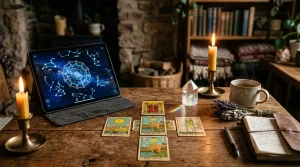
Many people think of tarot cards solely as tools for fortune telling, but their use extends far beyond predicting the future. In reality, tarot cards serve as mirrors for self-reflection, guiding us to explore our inner landscapes and illuminating paths for personal growth. Whether you’re facing difficult decisions, seeking clarity, or simply want to deepen your understanding of yourself, tarot invites you into a rich conversation with your intuition.
Each card-rich with symbolism and meaning-offers unique insights into your life’s journey, helping you navigate challenges and celebrate victories. As you discover how to harness the power of tarot in your everyday life, you’ll learn to trust your intuitive abilities and uncover the wisdom that lies within you. Join us as we delve deeper into the multifaceted purposes of tarot cards, beyond mere predictions, and uncover how they can empower you on your personal quest.
What Do Tarot Cards Represent? Understanding the Symbols
Understanding the symbols in Tarot cards is essential for unlocking their wisdom and insight. Each card carries a rich tapestry of meanings, drawing upon a variety of symbols that resonate on both a personal and universal level. For instance, the imagery of the Fool card often represents new beginnings and the adventurous spirit, illustrated by a carefree figure standing at the edge of a cliff. This depiction encourages us to embrace the spontaneity of life and trust in the journey ahead.
Symbols in Tarot serve as powerful tools for interpretation and reflection. Common elements include colors, numbers, and archetypal figures. For example, the color red in the Wands suit signifies passion and action, while the suit itself represents creativity and energy. Understanding these symbols enhances your Tarot reading, allowing you to connect deeper with both the cards and your intuition.
When interpreting a reading, consider how the symbols relate to your current life situation. A card showing a locked door may reflect obstacles in your path, urging you to find alternative solutions. This approach to symbolism not only aids in personal insight but also fosters a collaborative dialogue between you and your cards. Engaging with the meaning of each symbol can illuminate paths for growth, decision-making, and self-discovery.
In summary, Tarot symbols invite you to explore the layers of your experiences. By understanding their meanings, you empower yourself to uncover the hidden insights they offer, turning your Tarot practice into a meaningful journey towards clarity and self-awareness.
How Tarot Cards Facilitate Self-Reflection and Personal Growth
Exploring the depths of self-awareness is a journey many of us embark on, yet it can be difficult to navigate alone. This is where Tarot cards shine as a powerful tool for self-reflection and personal growth. Each card drawn serves as a mirror, reflecting our innermost thoughts, feelings, and motivations, providing us with insights that can lead to transformative changes in our lives.
Tarot encourages us to ask deeper questions about our lives and ourselves. When you pull a card, consider not just its traditional meaning but also how it resonates with your current situation. For example, drawing the Eight of Swords may initially suggest feelings of entrapment or limitation, yet it can also prompt a valuable reflection on the ways in which we might be holding ourselves back. By recognizing these patterns, we can begin to formulate actionable steps to break free and embrace new possibilities.
Utilizing Tarot for personal growth is about creating a dialogue with the cards. Start with a simple spread, like a three-card layout that addresses your past, present, and future. This structure not only offers clarity but also fosters a deeper understanding of your evolving narrative. For instance, the past card might highlight unresolved issues, while the present could point to ongoing challenges, and the future can inspire hope by indicating what you can strive towards. This coherent framework allows you to see connections and transitions in your life, aiding in your development.
In addition, integrating journaling into your Tarot practice amplifies its effectiveness. After a reading, spend time documenting your thoughts and feelings. Write down any revelations or questions that arise. This act of recording allows you to expand on your intuition and observe your growth over time. Reflecting back on previous entries helps to solidify insights gained and track your journey of evolution, making the process feel not just significant, but deeply personal.
By embracing Tarot as a companion on your self-exploratory path, you open yourself up to a world of potential for healing and growth. Whether you’re a skeptic or a seasoned reader, Tarot invites you to explore your inner landscape with curiosity and compassion, reminding you that the most important answers often lie within.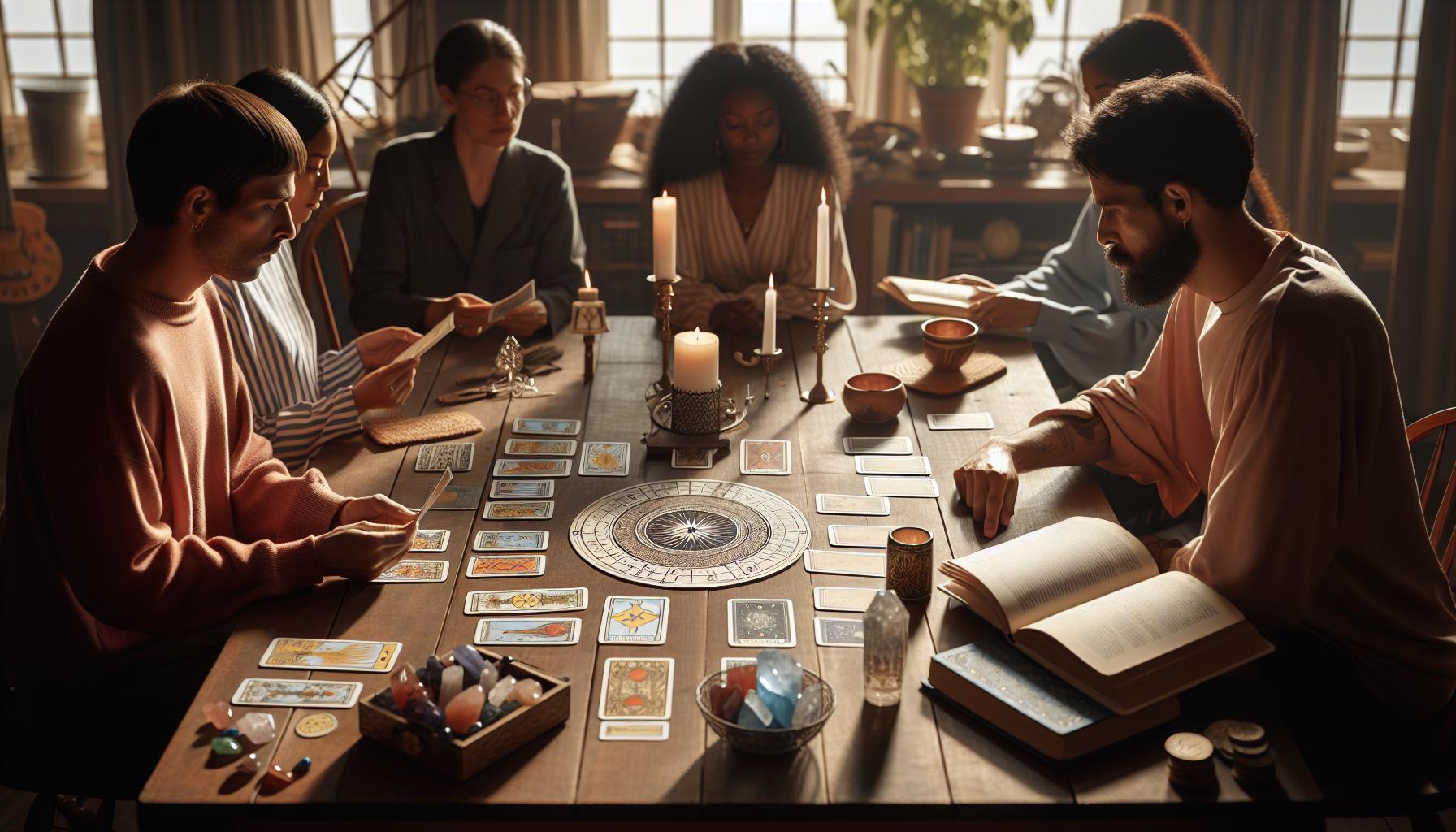
Exploring Different Tarot Spreads: Choosing the Right One
Choosing the right tarot spread can significantly enhance your reading experience, helping you uncover layers of insight that may not be immediately visible. With a multitude of spreads to select from, understanding their unique purposes is essential. Whether you’re a novice or looking to deepen your practice, knowing how to align your questions with the appropriate spread can lead to clearer guidance and more meaningful connections with your cards.
A popular choice for beginners is the Three-Card Spread, which offers a straightforward approach to exploring different facets of a situation. Each card represents an aspect: the first card may depict the past influences, the second highlights the present situation, and the third points to potential future outcomes. For example, if you’re grappling with a decision about a career change, this spread can clarify what past experiences have led you to this point, your current feelings about the change, and where this path could lead if you choose to act.
For those seeking more depth in their readings, the Celtic Cross spread is particularly informative. This classic ten-card layout provides a comprehensive overview, addressing various influences such as your current situation, immediate challenges, and external influences. It offers a holistic view and allows for intricate revelations about how different elements of your life interconnect. Imagine laying out the spread and discovering how external circumstances may deter you from your goals, or perhaps unveil hidden motivations that propel you to act.
Types of Tarot Spreads
When exploring different tarot spreads, consider the following types and their uses:
- Daily Draw: A single card to reflect on each day.
- Relationship Spread: Examine dynamics between two people.
- Career Path Spread: Focus on work-related questions.
- Intuitive Guidance Spread: Seek insight into personal growth and development.
Each spread serves distinct needs, making it crucial to determine what you wish to explore before drawing cards. This thoughtfulness enables you to approach your reading with intention, welcoming deeper insights and connections that can aid in your journey. Remember, the goal of a tarot reading is not only to seek answers but also to foster a dialogue with your intuition, promoting self-discovery and personal empowerment.
Selecting a spread doesn’t have to be daunting-start where you feel most comfortable and allow your practice to evolve. Trust your instincts, explore your questions, and enjoy the rich tapestry of insights that tarot offers.
Tarot as a Tool for Decision Making and Clarity
In times of uncertainty, many people turn to tarot as a valuable tool for making decisions and gaining clarity. The imagery and symbolism found in tarot cards can serve as a mirror, reflecting your internal landscape and helping illuminate the paths before you. By engaging with the cards, you’re not merely seeking predictions; you’re opening a dialogue with your intuition, which can lead to profound insights about your choices and their potential consequences.
When using tarot for decision-making, it’s helpful to approach the reading with a specific question or situation in mind. This focused intention primes the cards to provide relevant guidance. For instance, if you’re contemplating a career move, you might ask, “What should I consider before making this change?” A simple three-card spread can reveal layers of insights: the first card might showcase past experiences that influence your current state, the second can shed light on your present feelings regarding the change, and the third can indicate future implications.
Consider the following easy steps to harness the power of tarot for clarity:
- Set Your Intention: Clearly define what decision you’re facing. Write it down to keep your focus sharp.
- Choose Your Spread: Select a spread that resonates with your query. For beginners, the Three-Card Spread works effectively. More advanced users might opt for a Celtic Cross, which offers a broader perspective.
- Draw Your Cards: Shuffle your deck while contemplating your question. This process connects your energy with the cards.
- Interpret the Cards: Reflect on the meanings of each card in the context of your question. Allow your intuition to guide you-sometimes, the emotional response the cards evoke is just as important as their traditional meanings.
- Reflect on the Insights: After interpreting the cards, take a moment to ponder how their messages resonate with your current situation and choices.
This method transforms tarot into a practical tool for uncovering hidden truths and gaining confidence in your decisions. Remember, the goal of a tarot reading is not to dictate your choices but to empower you with insights that help you navigate your journey with clarity and intention. Embrace the practice with an open heart-you may find the cards revealing not just the path ahead, but also parts of yourself you didn’t realize were influencing your decisions.
Using Tarot for Emotional Healing and Support
Engaging with tarot can be a powerful means of emotional healing and support, addressing feelings of grief, anxiety, or confusion that often accompany life’s challenges. The rich symbolism within the cards provides a unique lens through which individuals can explore their emotional landscapes, uncovering insights and fostering a deeper understanding of their experiences. For those seeking solace or clarity, tarot serves not just as a divinatory tool but as a supportive companion in the journey of self-discovery and healing.
When using tarot for emotional support, consider starting your session by centering your thoughts on the feelings you wish to explore. Whether it’s sadness from a recent loss or the stress of a major life change, approaching the cards with this intention can help focus the reading. A simple yet effective spread to consider is the three-card layout: the first card may represent your current emotional state, the second card can highlight underlying factors impacting your emotions, and the third can offer guidance on how to navigate through these feelings.
Here’s a straightforward approach to harnessing tarot for emotional healing:
- Set Your Intention: Clearly articulate what emotions you want to delve into. This could be as simple as stating, “I want to understand my feelings about this situation.”
- Select Your Spread: Beginners may benefit from the Three-Card Spread, while more experienced users might explore the Process Spread, which can detail the stages of emotional healing.
- Draw Your Cards: As you shuffle, melodically express your intention. This builds a connection between your energy and the cards.
- Analyze the Cards: Reflect on the imagery and symbolism of each card. Allow your intuition to speak-how does each card resonate with your emotional state? For instance, the Six of Cups might evoke nostalgia, urging you to confront past joys or pains.
- Journal Your Thoughts: After your reading, jot down your reflections. Writing can help crystallize insights and emotions evoked during the session, serving as a valuable tool for ongoing healing.
Through this reflective process, tarot becomes not only a mirror reflecting our internal states but also a guiding light towards healing. The insights gained can often lead to profound revelations about oneself and one’s emotional patterns, ultimately paving the way for healing and personal growth. Whether you are a steadfast believer in tarot’s magic or a curious skeptic, approaching it with an open heart can uncover newfound pathways to emotional support and resilience.
Incorporating Tarot into Spiritual Practices and Rituals
The integration of tarot into spiritual practices and rituals can enrich your spiritual journey, offering tools for reflection, intention setting, and deeper connection with your intuition. Rather than viewing tarot solely as a means of foretelling the future, consider it a versatile ally in cultivating self-awareness and spiritual growth. Each card holds unique symbolism that can guide meditations, enhance rituals, or even ground your spiritual experiences in everyday practice.
Using Tarot in Rituals
Incorporating tarot cards into rituals adds an element of intention and personalization. For example, when preparing for a new moon ritual focused on setting intentions, you might draw a card that represents what you wish to manifest. This card can serve as a focal point for your meditation. The Ace of Pentacles might inspire you to concentrate on material prosperity, encouraging you to visualize abundance while you meditate on the intentions you wish to set.
Additionally, you can create spreads specifically designed for different rituals, such as a Monthly Reflection Spread to assess progress toward your goals. A simple layout could involve pulling three cards: the first for what you’ve learned, the second for obstacles you faced, and the third for guidance going forward. This not only enriches your understanding of the past month but also strengthens your spiritual path.
Tapping into Intuition
Tarot is a powerful tool for enhancing your intuition. Begin by pulling a card before meditating to explore its meaning. For instance, if you pull the High Priestess, invite her energy into your meditation space. Reflect on what this card signifies for you: intuition, mystery, or inner wisdom. As you meditate, allow the symbolism of the High Priestess to guide you in listening more deeply to your inner voice.
Creating a ritual around tarot can also involve journaling your insights after readings. Record thoughts on how the cards connect to your life. This process not only reinforces your understanding of the symbols but also deepens your spiritual practice by bridging the gap between the tarot and your day-to-day existence.
Enhancing Spiritual Growth
If you’re looking to deepen your spiritual practice, consider dedicating a weekly “Tarot Tuesday,” where you engage with a specific practice around cards. This could include pulling a card each week and using it as a theme for exploration. Reflect on how it appears in your life and what lessons it imparts. Encapsulating your findings in a dedicated tarot journal can help chart your growth over time.
Ultimately, by allowing tarot to be part of your spiritual rituals and daily practices, you create a sacred space for self-discovery and connection with the universe. Whether you’re a curious newcomer or a seasoned practitioner, inviting tarot into your spiritual framework invites a tapestry of meaning and insight, nurturing your journey toward personal growth and understanding.
The Role of Intuition in Tarot Readings
The ability to tap into your intuition can significantly enhance your tarot readings, transforming them from simple card interpretations into profound insights. Each card drawn during a reading resonates with energetic vibrations that can offer guidance related to your current life situations. Yet, it’s not just about symbols or meanings; it’s about how you relate these elements to your own experiences and feelings. Your instincts and intuitive understanding meld together to create a unique narrative that the cards reveal.
When you approach a tarot reading, consider setting aside time for reflection before you begin. This can involve grounding techniques like deep breathing or even journaling about your current thoughts and emotions. Once you feel centered, start drawing cards. As you do, take a moment to close your eyes and invite any intuitive feelings or images that arise during the process. For example, if you pull the Empress, you might immediately think of themes of creativity or abundance. Yet, your unique intuition may reveal personal connections, such as a memory or feeling triggered by the image of the Empress that inspires a completely different perspective on your question.
Building Your Intuition
Developing your intuitive skills can be a gradual process, but several practices can help. Try incorporating card-of-the-day routines, where each morning you pull a card and spend a few minutes contemplating its significance. Ask yourself questions like, “What does this card mean for me today?” or “How can I harness this energy as I go about my day?” Keeping a tarot journal is also beneficial; note down your interpretations and any intuitive insights, reflecting on how your understanding evolves.
Consider conducting readings for friends or practicing with various spreads based on your comfort level. Start with simple three-card spreads: one for the past, one for the present, and one for the future. Watch how your intuitive responses to the cards unfold alongside your interpretations. The more you practice, the more confidence you will build in your intuitive abilities.
Trusting Your Guidance
One of the most significant hurdles individuals face is trusting their instincts. Remember that tarot is not only about predefined meanings but also about personal interpretation. Embrace the spontaneous thoughts and feelings that arise as you engage with the cards. For instance, if a certain card brings up a strong emotional response, pay attention to that feeling-it may hold the key to your next insight.
Finally, remind yourself that your intuition is a muscle, one that strengthens with use. As you explore tarot, remain open to the unexpected. Over time, you will find that your ability to intuitively connect with the cards leads not only to deeper personal understanding but also to richer, more meaningful readings for yourself and others. Embrace this magical journey, knowing that with every spread, you are inviting both guidance and insight into your life.
Debunking Myths: Tarot Beyond Fortune Telling
Many people perceive tarot as a mystical tool purely for predicting the future, but this is just one aspect of its rich, multifaceted history and purpose. In reality, tarot cards serve a vast array of functions, extending far beyond simple fortune telling. They can be powerful instruments for self-discovery, reflection, and guidance on various life aspects, allowing us to delve deeper into our personal narratives and understand our inner selves.
The misconception that tarot is solely about predicting the future can overshadow its capacity to foster personal growth. For instance, a tarot reading can illuminate an individual’s current emotional state, uncover hidden desires, or highlight recurring patterns in their lives. When drawing cards, the imagery often resonates with the reader’s circumstances, prompting introspection and offering clarity on decisions. Take the example of pulling the *Two of Swords*, which may signify emotional conflict or indecision. Instead of focusing solely on what might happen next week, one could explore what internal battles are at play and how to address them.
Utilizing Tarot for Self-Exploration
Through structured spreads, like the popular three-card spread, individuals can explore their past, present, and potential future. This creates a unique narrative that emphasizes personal agency, encouraging readers to reflect on their choices and consider alternative paths. Rather than seeing future predictions as fixed endpoints, tarot encourages a more fluid understanding of life, enhancing one’s ability to navigate challenges with greater awareness.
Myth of Prediction vs. Guidance
Importantly, many tarot practitioners view their role not as forecasters but as guides. A well-intentioned reading may provide insights into emotional blocks or unacknowledged fears, prompting conversations around healing and empowerment. When someone pulls the *Tower* card, commonly associated with upheaval, it’s an opportunity to discuss the transformative power of change instead of simply anticipating disaster.
In this way, tarot serves as a mirror reflecting your thoughts and emotions, encouraging thoughtful dialogue about your experiences. By reframing tarot’s purpose from fortune-telling to guidance and reflection, we open ourselves to a more meaningful and enriching use of this ancient practice. The journey of using tarot can be a profound exploration of self, bridging the gap between the mundane and the mystical, and inviting personal empowerment through understanding and insight.
How to Prepare for a Tarot Reading: Tips for Success
Preparing for a tarot reading can enhance your experience significantly, allowing you to derive deeper insights and clarity. An important aspect to consider is your mindset; approaching the reading with openness can lead to meaningful revelations. It’s beneficial to establish a clear intention or question you’d like to explore. This doesn’t mean you need an answer to everything, but having a focus can guide your reading, making it more relevant to your current life situation.
Before you begin, create a comfortable and quiet space that feels sacred to you. This environment allows you to connect more deeply with the cards and yourself. You might consider lighting a candle, burning incense, or playing soft music to enhance your atmosphere. Ground yourself physically and mentally-take a few deep breaths and set aside any distractions or doubts.
As you shuffle the deck, pay attention to your thoughts and feelings. You can ask the cards to help you clarify your question or situation. For example, if you’re dealing with a tough choice, you might ask, “What do I need to understand about my options?” This primes your intuition for a more tailored interpretation of the outcomes associated with the cards drawn.
After drawing the cards, allow them to speak to you without preconceived notions. Look at the imagery and consider how it relates to your situation. For instance, the Three of Pentacles might suggest collaboration and teamwork when pondering a career decision. Reflect on what resonates with you and how the imagery connects to your question. Whether you’re just beginning or are more experienced, remember that your interpretation and feelings are valid and vital to the reading’s outcome.
In summary, successful tarot readings are grounded in intention, mindfulness, and openness. By preparing your space, setting your focus, and connecting with your intuition, you’ll create a receptive environment for meaningful guidance. Each reading can unveil layers of insight that help you navigate your path with greater confidence and clarity.
Finding Your Tarot Deck: A Guide to Personal Connection
Finding a Tarot deck that resonates with you is a deeply personal journey that can enhance your reading experience and spiritual practice. Much like a favorite book or piece of art, your Tarot deck should evoke a sense of connection and enthusiasm. The process of choosing your deck allows you to explore themes, imagery, and styles that speak directly to your intuitive self.
When you begin your search, consider the artwork and symbolism of various decks. There are countless styles ranging from traditional to contemporary, abstract to highly detailed. A good starting point is to think about what imagery resonates with you personally. For example, if you are drawn to nature, you may find a deck like the Wild Unknown Tarot appealing, which features stunning illustrations of animals and plants. Alternatively, if you prefer classic symbolism, the Rider-Waite-Smith Tarot is foundational and widely accessible, with rich iconography that leads to deep interpretations.
To connect with a deck beyond its aesthetic, it’s beneficial to physically handle the cards. Visit local shops or online stores where you can flip through the cards, feel their texture, and see them in person before making a decision. You may find that a deck feels particularly ‘right’ in your hands, perhaps because of the card stock or the way the artwork draws you in. This tactile experience is invaluable; intuition often guides us in ways words cannot articulate.
Once you’ve chosen a deck, take time to bond with it. Spend a few quiet moments simply holding the cards, shuffling them, and getting to know the energy they carry. You might also consider conducting a simple one-card draw each day to establish a routine of reflection and engagement. This practice not only familiarizes you with the deck but also helps build a trusting relationship, paving the way for deeper insights in your readings.
In summary, selecting a Tarot deck is about finding a tool that resonates with your inner self and makes your intuitive practice feel enriching and fulfilling. Allow yourself the space to explore and experience different decks, and trust that the right one will evoke an exciting connection, enhancing your abilities to interpret and understand the cards in meaningful ways.
Understanding the History and Evolution of Tarot
The journey of Tarot cards is steeped in mystery, evolving through various cultures and purposes over the centuries. Initially, Tarot cards were not designed for divination but were created in the 15th century as playing cards in Europe. The earliest decks, such as the Visconti-Sforza Tarot, featured intricate artwork and symbolic imagery, reflecting the values and interests of the Italian nobility of that time. By the late 18th century, interest in these cards shifted dramatically when they began to be used for fortune-telling and spiritual exploration, leading to the rich tapestry of Tarot we recognize today.
Over the years, different schools of thought emerged around Tarot, intertwining it with mysticism, psychology, and spirituality. The Tarot deck is typically divided into two main parts: the Major Arcana, representing significant life lessons and karmic influences, and the Minor Arcana, which deals with everyday experiences. This framework allows readers to gain insights into their lives by reflecting on symbols and themes displayed in the cards, making Tarot a multifaceted tool for personal growth and self-discovery.
As the Tarot gained popularity, it also became a subject of scholarly and psychological exploration. Notably, Carl Jung saw Tarot as a means of exploring the unconscious mind, using its rich symbols to tap into deeper emotional currents. This perspective helped solidify Tarot’s place not merely as a tool for prediction but as a means for introspection and self-understanding.
Today, Tarot is embraced globally, transcending its origins to become a versatile tool used for various applications, from personal insight to group rituals and community gatherings. Many now view Tarot as a bridge connecting the ordinary with the spiritual, fostering community and dialogue about life’s complexities and mysteries. This evolution reflects a broader acceptance and recognition of the power of Tarot in modern spirituality, demonstrating that these cards are much more than mere fortune-telling instruments; they are gateways to self-reflection and personal empowerment.
Community and Connection: Sharing Tarot Experiences
Engaging with Tarot can create deep connections and a sense of community among its users. Sharing experiences not only enriches individual understanding but also fosters a supportive environment where insights can flourish. When practitioners gather-whether in person or online-they often exchange stories about their readings, share interpretations, and reflect on personal journeys. This collective aspect of Tarot moves it beyond mere divination; it becomes a collaborative exploration of the human experience.
Creating a Supportive Space
When sharing Tarot experiences, it’s vital to cultivate a space of openness and respect. This not only honors the diverse interpretations that each person brings but also enhances learning. Consider hosting or joining a Tarot circle, either locally or virtually, where participants can pull cards for one another and discuss the results. These interactions can lead to profound insights, as different perspectives illuminate various meanings. As you share your readings, highlight the emotions and thoughts that arose during the session, enabling others to connect their own experiences to yours.
Workshops and Group Readings
Participating in workshops or group readings can further deepen community ties. These events often feature guided sessions where participants can explore specific themes or spreads, such as relationship dynamics or career paths. For instance, you might host a group reading centered around the Three of Cups, a card embodying joy, celebration, and friendship. Each participant could reflect on how this card resonates with their own lives, fostering a sense of unity and understanding. By sharing insights and learning from each other, everyone involved can enhance their intuitive abilities while building lasting relationships.
- Host Regular Gatherings: Establish a routine meeting time for Tarot enthusiasts to come together. This can be a monthly meetup where everyone brings a deck and a question, ensuring regular connection.
- Online Forums and Social Media: Leverage platforms like Instagram or Facebook groups to share readings, ask questions, and learn together. This allows for broader participation and access to varied perspectives.
- Book Recommendations: Share resources that have helped you, such as books on Tarot history, interpretation techniques, or spreads, encouraging others to expand their knowledge.
By fostering community and connection through sharing Tarot experiences, you create not just a support network but also a platform for personal growth and spiritual exploration. Each reading becomes a thread in the larger tapestry of shared human experience, reminding us that we are all on this journey together. Embrace the magic of collaboration, and watch how your understanding of Tarot-and of yourself-grows exponentially.
FAQ
Q: How can Tarot cards help with decision-making?
A: Tarot cards can provide clarity in decision-making by presenting different perspectives on a situation. Each card can represent possible outcomes, helping you weigh options thoughtfully. Use spreads like the Three-Card Spread to explore past, present, and potential future scenarios related to your decisions.
Q: What is the role of intuition in using Tarot cards?
A: Intuition plays a crucial role in Tarot readings. As you interpret the cards, trust your instincts to guide the connections and meanings you draw. This personal intuition enhances the overall reading experience, allowing for deeper insights and a more authentic connection to the energy of the cards.
Q: Can Tarot be used for emotional healing?
A: Yes, Tarot can be an effective tool for emotional healing. It can help you reflect on feelings and uncover subconscious patterns. Use a spread focused on emotions to identify triggers and gain insights into how to navigate your emotional landscape more effectively.
Q: How can beginners start using Tarot for personal growth?
A: Beginners can start by keeping a Tarot journal. Document your readings, thoughts, and feelings associated with each card. Reflect on how the cards relate to your personal experiences, fostering a deeper understanding of yourself and facilitating personal growth over time.
Q: What are some common misconceptions about Tarot cards?
A: A common misconception is that Tarot is solely about predicting the future. In reality, Tarot serves many purposes, including self-reflection, guidance, and emotional insight. Debunk these myths by seeing Tarot as a tool for empowerment rather than fortune telling alone.
Q: How do different Tarot spreads affect readings?
A: Different Tarot spreads provide unique insights based on their structure. For instance, a Celtic Cross Spread offers a comprehensive overview, while a Three-Card Spread is quick and focused. Choose a spread that aligns with your intentions for clarity and better results.
Q: Why do people incorporate Tarot into their spiritual practices?
A: Many people use Tarot as a means of connecting with their spiritual selves. It can enhance meditation, clarify intentions in rituals, and serve as a medium for exploring deeper spiritual questions. Incorporating Tarot promotes mindfulness and assists in developing a personal spiritual path.
Q: How can I find a Tarot deck that resonates with me?
A: Selecting a Tarot deck is a personal journey. Browse different decks online or at local shops to see artwork and themes that resonate with you. Trust your intuition when choosing; the right deck will feel inviting and comfortable, helping you connect more deeply during readings.
Closing Remarks
As we’ve explored, Tarot cards serve as a powerful tool for self-reflection and personal growth beyond mere fortune telling. Whether you seek clarity on life choices or insight into your emotions, Tarot can illuminate your path! If you’re eager to dive deeper into Tarot’s rich meanings, check out our comprehensive guides on Tarot card definitions and the significance of reversed cards that can enhance your readings and understanding.
Don’t miss the chance to engage with your intuition further-consider signing up for our newsletter for daily insights or explore our free online Tarot reading for an immediate glimpse into your current energies. Remember, Tarot is for everyone, and your journey towards self-discovery starts today! Share your experiences with us in the comments below or keep exploring the vast resources available to empower your spiritual practice. Together, let’s unlock the magic that lies within!
Get our latest guides, news, and insights highlighted in your Google Search & AI Overviews.