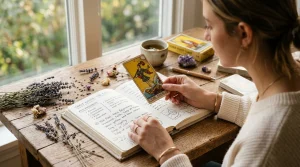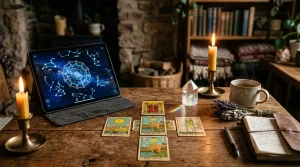
Have you ever felt a deep pull towards understanding yourself or seeking guidance in your life? Tarot can be that powerful tool, offering insights into your unique journey, from personal growth to decision-making. In “How to Tarot: Everything You Need to Get Started Today,” you’ll discover how to unlock the magic of Tarot, no matter your experience level. Whether you’re a curious skeptic or a passionate believer, this guide will empower you to connect with your intuition and learn to read the cards with confidence. By the end, you’ll not only grasp the meanings behind the cards but also develop the skills to interpret them in context, helping you navigate life’s challenges and embrace your destiny. So, if you’re ready to explore the mystical world of Tarot and unleash your inner guide, let’s embark on this transformational journey together!
Understanding the Tarot: A Beginner’s Guide
The world of Tarot is rich with symbolism and depth, making it a unique tool for self-discovery and guidance. Whether you’re curious about your future, seeking clarity on a current situation, or even just exploring your intuitive abilities, Tarot provides a beautiful blend of art and insight. At its core, Tarot comprises a set of 78 cards, each one holding its own story, meaning, and potential direction for reflection.
To start understanding Tarot, familiarize yourself with the two main types of cards: the Major Arcana and the Minor Arcana. The Major Arcana consists of 22 cards that represent major life events or spiritual lessons, such as The Fool or The World. Each of these cards acts as a powerful archetype, reflecting significant themes in our lives. In contrast, the Minor Arcana, made up of 56 cards divided into four suits-Cups, Wands, Swords, and Pentacles-addresses everyday experiences and situations, offering a more nuanced view of our daily lives.
When approaching your Tarot journey, consider beginning with a straightforward spread. For beginners, the Three-Card Spread is particularly effective. This simple layout invites you to explore the past, present, and future related to a specific question. As you draw each card, take a moment to reflect on its imagery and meaning, allowing your intuition to guide your understanding.
As you delve deeper, keep in mind that Tarot is not about predicting a fixed future but rather about gaining insight into your circumstances. Each reading can reveal various outcomes based on the decisions you make. Embrace this journey with an open heart and mind, and trust that you have the intuition to interpret the messages meant for you. Remember, there are no right or wrong approaches in Tarot-only pathways to greater awareness and personal growth.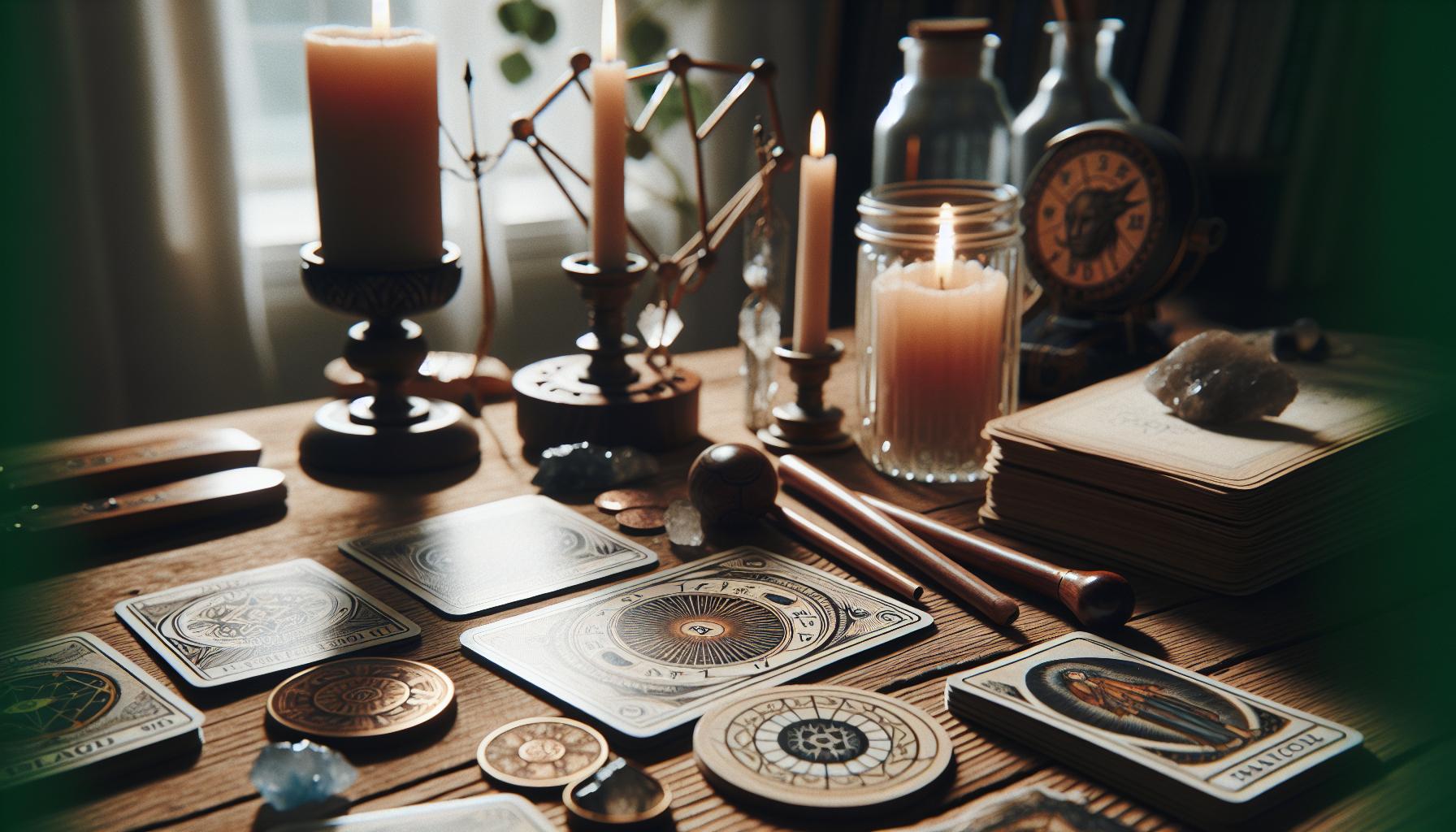
The History and Meaning of Tarot Cards
The origins of Tarot cards are as intriguing as the symbols and insights they offer. Believed to have emerged in the 15th century, Tarot began as a simple card game in Italy, used for entertainment among the nobility. Over the centuries, however, these humble playing cards transformed dramatically in purpose and meaning. By the 18th century, occultists began to associate Tarot with mysticism, divination, and esoteric knowledge, paving the way for the Tarot we recognize today-an invaluable tool for understanding the self and the universe.
In practicality, Tarot consists of 78 cards divided into the Major and Minor Arcana. The Major Arcana holds 22 cards, depicting significant life events and spiritual lessons, such as The Fool, which symbolizes new beginnings and innocence, and The World, representing completion and fulfillment. Conversely, the Minor Arcana encompasses 56 cards that reflect everyday experiences. These are categorized into four suits: Cups (emotion and relationships), Wands (creativity and action), Swords (thoughts and conflict), and Pentacles (material aspects and resources). Together, these cards offer a rich tapestry of meanings, reflective of the human experience.
Understanding Tarot also requires recognizing its transformative purpose. Each card can evoke different meanings depending on the context of the question at hand, allowing readers to explore various facets of their lives or concerns. Whether questioning a relationship, career path, or personal challenge, Tarot serves not as a crystal ball predicting an unchangeable fate but as a mirror reflecting current influences and choices. The imagery and symbolism invite deep intuition and insight, encouraging users to delve into their personal narratives and aspirations.
For anyone beginning their Tarot journey, it is beneficial to approach the cards with curiosity and an open mind. Historical interpretations are as varied as the decks themselves, so do not be afraid to explore different meanings and styles. Embrace your unique connection to the cards, as their true magic often lies in the personal insights they inspire. Remember, while the history of Tarot is layered and complex, your relationship with it can be simply personal and profound, guiding you on a journey of self-discovery and empowerment.
Choosing Your First Tarot Deck
When venturing into the world of Tarot, choosing your first deck can feel both exciting and daunting. With countless options available, the diversity of themes and artistry can be overwhelming. The right deck is not just a collection of cards; it’s an extension of your intuition and personal journey. Opt for a deck that resonates with you personally, whether it sparks joy or evokes curiosity. Consider the imagery, symbolism, and overall aesthetics-these elements will influence your connection with the cards.
One popular choice for beginners is the Rider-Waite Tarot deck, recognized for its rich symbolism and traditional imagery. This deck provides insightful guidance and has a wealth of resources available to help interpret its meanings. Another option is the Wild Unknown Tarot, which features minimalist designs and a modern touch. The straightforward imagery can be ideal for those who appreciate clean lines and a less cluttered approach to readings.
It’s important to hold a few decks in your hands, if possible. Pay attention to how the cards feel and how their designs resonate with you. A comfortable connection will enhance your reading experience, allowing your intuition to flow more freely. Consider exploring different themes and styles:
- Classic Styles: Traditional decks that honor historic designs.
- Modern Interpretations: Innovative designs that may use contemporary aesthetics.
- Artistic Decks: Unique artwork that expresses personal understanding or cultural elements.
Additionally, some decks cater to specific interests or spiritual beliefs, allowing for a more tailored approach to your readings. Remember, you don’t need to rush the decision. Take your time exploring different options, and trust that the right deck will resonate with your soul when you find it. As you embark on this transformative journey, the deck you choose can serve as a powerful tool for self-reflection and insight. Embrace this early step in your Tarot practice with openness and curiosity, and you’ll discover a practice that is both enriching and empowering.
Essential Tarot Spreads for Beginners
Embracing the world of Tarot can feel like diving into a rich tapestry of intuition, symbolism, and personal insight. One of the greatest tools a beginner can wield is the Tarot spread. These predetermined layouts not only help to structure a reading but also provide context and depth to the messages conveyed by the cards. Whether you seek clarity in relationships, personal growth, or day-to-day guidance, there are simple spreads that can serve as your compass on this journey.
One-Card Spread
The One-Card Spread is the simplest yet profoundly effective. Perfect for beginners, this spread allows you to focus on a specific question or theme. By drawing a single card, you receive a snapshot of guidance or insight related to your inquiry. For example, if you pull the Two of Cups, it may suggest a deepening connection in a relationship. This straightforward approach aids in building confidence and familiarity with card meanings.
Three-Card Spread
Moving forward, the Three-Card Spread offers more complexity while remaining accessible. Each card represents a different time frame: past, present, and future. This layout allows for greater narrative depth and can reveal the progression of a situation or emotional journey. For instance, you might draw the Fool in the past position, suggesting a carefree beginning, followed by the Tower in the present, indicating upheaval or revelation, and finally the Star in the future position, symbolizing hope and healing.
Celtic Cross Spread
As you grow more comfortable, consider the Celtic Cross Spread. This layout is one of the most popular and comprehensive, using ten cards to explore various aspects of a situation-from challenges and influences to external factors and outcomes. Each position has a specific meaning, providing clarity and a thorough understanding of complex questions. While this spread may seem daunting at first, it richly rewards those willing to learn its intricacies.
Tips for Creating Your Own Spreads
Finally, don’t hesitate to create your own spreads! Start with just a few positions that resonate with your questions. Perhaps you want to look at the emotional, spiritual, and practical aspects of a situation. As you gain experience, your unique spreads can reflect your personal style and intuitive understanding of the cards. Participate in your practice creatively; Tarot is about connection, not just convention.
Remember, each reading is an opportunity for reflection and growth. Lean into your intuition, and don’t be afraid to explore different spreads that align with your questions or themes. The beauty of Tarot lies not only in the cards but in the journey of self-discovery they facilitate. Embrace the practice with an open heart, and let the magic of the Tarot guide you toward greater understanding.
How to Interpret Tarot Card Meanings
Understanding opens up a world of insight and guidance. Every card in the Tarot deck carries its own unique symbolism and message, which can shift and evolve depending on the context of the reading. To interpret these cards effectively, begin by familiarizing yourself with both the traditional meanings and your intuitive feelings about each card. This blend of knowledge and intuition is where the magic of Tarot truly happens.
Start by breaking down the fundamental meanings of each card. The Tarot consists of 78 cards divided into the Major Arcana, which represents significant life themes, and the Minor Arcana, which delves into day-to-day experiences. For example, the *Fool* in the Major Arcana symbolizes new beginnings and potential, while the *Five of Cups* in the Minor Arcana can indicate disappointment and the need for healing. Creating a personal journal to jot down your interpretations and emotions can be a great tool as you build your understanding.
Utilizing Symbolism and Imagery
As you interpret cards, pay close attention to the imagery and symbols depicted. Each element serves a purpose and can deepens the meaning you derive. For instance, the *Eight of Pentacles*, showcasing an artisan at work, speaks to diligence and skill development. Consider what resonates or feels relevant in your current situation-this personal connection enhances the reading’s accuracy.
Context Matters
The position of the cards in a spread can dramatically alter their meanings. For instance, the *Tower* in an upright position often signifies sudden upheaval; however, in a reversed position, it may suggest a fear of change or avoidance of necessary chaos. Always consider the surrounding cards and reflect on how their energies interact. Establishing a narrative thread helps clarify the reading and strengthens your intuitive insights.
Practice and Reflection
Finally, the best way to hone your interpretive skills is through consistent practice. Try daily draws, focusing on a single card to explore its meaning in your life. Ask yourself questions: What does this card reveal about my current emotions? How can its lessons guide my day? Recording your reflections will deepen your understanding and create a resource to revisit over time.
By blending traditional interpretations with personal intuition and contextual understanding, you transform Tarot from a mere tool into a profound partner on your journey of self-discovery and growth. Embrace the process, stay curious, and trust in your evolving insights-Tarot is here to guide you, not to intimidate you.
Connecting with Your Intuition in Tarot
Connecting with your intuition is a pivotal aspect of reading Tarot. Many people find that their initial instinct about a card can be more enlightening than a textbook definition. The beauty of Tarot lies in its personal interpretation, urging us to engage deeply with our feelings and experiences. When you draw a card, take a moment to observe your immediate reaction. What emotions arise? Do certain images or symbols resonate with personal memories? Trusting these instincts can lead to powerful insights that might not emerge from standard interpretations alone.
One effective method for enhancing your intuitive connection is to create a sacred space for your readings. This can be as simple as a quiet room with a comfortable seat, or a small altar adorned with objects that hold personal significance, such as crystals, candles, or meaningful artwork. As you prepare, set an intention for your reading. This focused mindset opens a channel for your intuition to flow freely. You might also meditate for a few minutes beforehand, allowing the mind to quiet and creating a receptive state for intuitive messages.
Utilizing your journal is another valuable technique for strengthening your intuition. After each reading, write down not just the card meanings, but also your feelings and thoughts during the reading process. Reflect on any recurring themes or symbols that crop up. This can help to reveal patterns over time, further sharpening your intuitive skills. You might even draw a card a day and keep a daily log of your reflections-over weeks and months, this practice fosters a deepening understanding of not just the cards but of yourself as well.
As you practice, remember that striving for perfection can stifle intuition. Let go of the need to always arrive at a “correct” interpretation. Embrace mistakes as learning opportunities and view each reading as a chance to deepen your connection to your inner voice. The goal is not to become a flawless reader, but rather to develop a trusting relationship with your intuition, allowing it to guide you through the mysteries of the Tarot. By grounding your practice in personal meaning and reflection, you transform your readings into dynamic conversations with the cards that resonate both personally and universally.
Practicing Tarot: Rituals and Techniques
Creating a meaningful practice around Tarot can transform your readings from mere card pulls into a rich, personal experience. To cultivate this deeper connection, consider establishing a series of rituals that honor both the cards and your intuition. Rituals add a layer of intention, making each reading feel sacred and significant, whether you’re a beginner or an experienced reader.
One effective technique is to set a reading environment that resonates with you. Find a space where you feel comfortable and safe. This could be a cozy corner of your home or a spot in nature. Surround yourself with items that inspire you-candles, crystals, or soothing music can enhance your focus. Light a candle to signify the start of your practice and to symbolize clarity and enlightenment. As you settle into your space, take a moment to breathe deeply and ground yourself, clearing your mind of distractions.
Engaging in a daily card draw can be a powerful way to familiarize yourself with the Tarot. Each morning, draw a card and reflect on its imagery and meaning. Ask yourself how it might relate to your day ahead. Keep a journal of these daily reflections. Over time, you’ll begin to notice trends and themes, helping you build a personal connection with the cards. This method is not just about interpretations; it’s about listening to your thoughts and feelings in relation to the card’s message.
Equally important is understanding the role of intention-setting in your readings. Before beginning, articulate what you want to gain from your session. Are you seeking clarity on a specific situation, or are you simply looking to deepen your understanding of the cards? Clear intentions can guide your interpretation and intuition, making your readings more focused and insightful. For instance, if you’re pulling cards about a relationship, frame your question to reflect your feelings rather than simply asking for a prediction. This encourages a conversation with the cards rather than a one-sided inquiry.
Finally, don’t forget to create a personal ritual for closing your reading. This can include thanking the cards, jotting down insights in your journal, or engaging in a few moments of meditation to internalize the messages received. Ending your session mindfully reinforces the lessons learned and helps you to develop a consistent practice that feels both respectful and rewarding.
Through these rituals and techniques, you’ll find that practicing Tarot becomes a holistic part of your life. Embrace the process, and remember, there are no wrong paths-only the unique journey you create with the cards.
Advanced Reading Techniques for Tarot Practitioners
Understanding advanced reading techniques can elevate your tarot practice, allowing you to tap into the deeper layers of meaning and nuance that cards can offer. One powerful method to explore is the use of *combination readings*, where you interpret two or more cards together. This technique enhances your readings by revealing interactions and dynamics between the cards. For instance, drawing the Tower and the Star together may suggest turbulent change followed by hope and healing, offering a narrative of transformation.
Deepening Contextual Interpretations
To further enrich your readings, consider incorporating *contextual factors* such as the questioner’s circumstances or current emotional state. Tailoring your interpretations to these factors can provide clarity. For example, if someone asks about a job opportunity and you draw the Ace of Pentacles alongside the Eight of Swords, you might emphasize the potential for new beginnings stifled by self-doubt. This contextual focus not only personalizes the reading but may also guide the querent in overcoming fears.
Utilizing Symbolism and Intuition
Each tarot card is layered with symbolism that can be unlocked through intuitive exploration. When doing a reading, take a moment to engage with the imagery before proceeding. Ask yourself what jumps out at you. Does the color evoke a specific emotion? Do any symbols resonate with your personal experiences or insights? By allowing your intuition to guide your interpretations, you forge a stronger connection with the cards and the querent’s journey. For example, if you pull the Hermit, you might feel drawn to the light of the lantern-a reminder for the seeker to look within for guidance.
Experimenting with Advanced Spreads
Once you’re comfortable, try your hand at *advanced spreads* that delve deeper into specific themes or complex situations. The *Celtic Cross* spread is a classic choice, offering insights into the past, present, future, and obstacles. Alternatively, the *Astrological Spread* can provide context based on zodiac signs, revealing influences from the cosmos on the querent’s life. When using these spreads, ensure to focus on synthesizing meanings from multiple cards to capture a cohesive picture.
Through these advanced techniques, your tarot readings can transform from basic pulls to insightful conversations that encourage growth and understanding. Embrace the journey of intuition and symbolism, and remember – each reading is a unique story waiting to unfold.
Common Tarot Reading Mistakes to Avoid
Mistakes can occur in any practice, and tarot reading is no exception. Understanding common pitfalls can enhance your experience and help you connect more profoundly with your intuitive abilities. One prevalent error is over-reliance on traditional meanings. While it’s helpful to know the established interpretations of each card, every reading is unique and influenced by the questioner’s situation. If you pull the Lovers card in a career reading but only focus on its romantic implications, you may miss the nuances of partnership and collaboration that may be critical to the context.
Another common mistake is engaging in hit-or-miss card pulling. This often happens when a reader doesn’t ground themselves before a reading. Taking a moment to center your mind helps create a clearer channel for intuition to flow. It’s as simple as taking several deep breaths or holding your deck while setting a clear intention for the reading. This practice can lead to more meaningful insights and connections with the querent’s energy.
Moreover, neglecting the querent’s feelings can lead to inaccurate assessments. The tarot cards are not just a tool for divination; they are a medium for communication and understanding. When a querent seeks guidance, they expect empathy and resonance with their emotions. Be attentive to their reactions and feelings during the reading, asking follow-up questions to deepen your insights. This approach not only enriches the experience for both of you but also cultivates trust in your intuitive abilities.
Lastly, ignoring reversed cards can limit the depth of your readings. Many readers dismiss reversed cards as negative, but they often indicate a need for awareness, caution, or reflection. For instance, if you pull the Five of Cups reversed, consider the potential for recovery and hope rather than solely focusing on loss. Allow reversed cards to offer a fuller narrative, enriching the story that unfolds during your readings. By being mindful of these common mistakes, you can approach tarot with a more open heart and a clearer mind, allowing for intuitive growth and profound revelations.
Understanding Reversed Cards in Tarot
can seem daunting at first, but they offer deep insights that enrich your readings. Reversed cards often symbolize a different perspective or a need for introspection, serving as reminders that not everything unfolds as we expect. When you turn a card upside down, it’s like flipping an idea on its head, inviting you to explore underlying issues or potential growth areas. For beginners, embracing the reversed meanings can provide clarity and inspiration, rather than solely focusing on negativity.
Interpreting Reversed Card Meanings
Incorporating reversed cards into your practice involves recognizing that their meanings can be nuanced. Here are a few typical interpretations:
- Reflection and Awareness: A reversed card may indicate a need to look inward. For instance, the High Priestess reversed could suggest that you’re ignoring your intuition or inner voice, calling for a period of self-reflection.
- Challenges and Delays: The Tower reversed often points to resistance to change or fear of upheaval. This can indicate that while a transformation is necessary, you may be stalling or resisting it.
- Growth and Recovery: Cards like the Five of Cups reversed can represent healing from past losses. Instead of dwelling on what was lost, this position encourages you to recognize opportunities for recovery and moving forward.
These interpretations highlight the rich, layered meanings that reversed cards can introduce, enhancing the narrative of your reading.
Practical Tips for Reading Reversed Cards
To effectively work with reversed cards, start by adjusting your mindset. Here are some practical strategies:
- Ground Yourself: Before beginning a reading, take a moment to center your thoughts. This clarity will help you interpret reversals more intuitively.
- Question Context: Always consider the context of the question when interpreting a reversed card. What is the situation at hand? How might the reversed meaning apply?
- Engage with Your Intuition: Use your intuitive feelings about the card. Even a card traditionally viewed as negative can lead to positive insights when placed in reverse. Explore the emotions connected to the card and how they relate to the querent’s situation.
- Seek Balance: When a reversed card appears, look for a balanced interpretation. What lessons can it impart? What caution does it advise?
By integrating these strategies, you can cultivate a more profound understanding of reversed cards, transforming what could feel like obstacles into powerful reflections or guidance. Embrace the ebb and flow of tarot’s language; the unexpected messages from reversed cards often reveal the most valuable insights on the querent’s path.
Tarot and Personal Growth: A Spiritual Journey
Exploring the world of Tarot can be a transformative journey, offering insights that extend far beyond mere predictions. It acts as a powerful tool for personal growth and self-discovery. Each card serves as a mirror, reflecting your inner thoughts, emotions, and challenges. This profound connection allows you to engage with your instincts, encouraging you to delve deeper into your beliefs and aspirations.
When you incorporate Tarot into your spiritual journey, you begin to recognize patterns in your life that may have previously gone unnoticed. For example, drawing the Fool card might symbolize new beginnings and the courage to take risks. This encourages you to embrace changes without fear. Alternatively, if the Death card appears, it can signal the end of a chapter, urging you to let go of the past to make way for renewal and transformation. A snippet of your own experiences during a reading can foster deep reflection; consider how past decisions have shaped your present state.
Integrating Tarot into Your Daily Life
To truly harness the benefits of Tarot, consider incorporating it into your daily routine:
- Morning Card Draw: Begin your day by drawing a single card. Reflect on its meaning and how it might influence your day ahead.
- Journaling: Document your readings, noting how the cards resonate with your daily experiences. This practice enhances self-awareness.
- Monthly Spreads: Engage in more comprehensive spreads, such as the Celtic Cross, at the start of each month to set intentions and track your progress.
Engaging with Tarot is not about predicting the future but rather about fostering a greater understanding of oneself. It encourages you to ask meaningful questions and pursue insights that promote emotional healing and clarity. Techniques such as meditation before a reading can enhance your connection with the cards, allowing your intuition to guide you through the interpretations.
Embracing Tarot as a spiritual practice encourages authenticity and fosters resilience. For skeptics, remember that your journey with Tarot is personal and can coexist with rational insights. The cards invite you to explore your thoughts and feelings openly, transforming every reading into an opportunity for growth and enlightenment. Whether you are facing challenges or celebrating achievements, Tarot offers the wisdom of your inner self, guiding you on a path of continuous discovery.
Exploring Different Tarot Deck Themes and Artwork
When delving into the world of Tarot, one of the most enchanting aspects is the rich variety of themes and artwork found in different decks. Each Tarot deck not only serves as a tool for divination but also reflects the creator’s artistic vision, cultural background, and the intended energy of the cards. Exploring these distinct styles can deepen your connection to the cards and enhance your intuitive readings.
Many thematic decks draw inspiration from various sources, such as mythology, folklore, or contemporary art, allowing you to choose one that resonates with your personal journey. For instance, a classic Rider-Waite deck features straightforward imagery rooted in traditional symbolism, which is often recommended for beginners due to its accessibility. In contrast, decks like the Wild Unknown Tarot embrace minimalist artwork and animal symbolism, appealing to those who connect more with nature and simplicity.
As you begin to explore different Tarot decks, consider how the artwork speaks to you. Pay attention to colors, imagery, and the emotions that arise when you browse through potential decks. An effective way to assess a deck is to perform a simple one-card draw from it; notice how the card’s message resonates with you. Additionally, think about what you hope to achieve with your Tarot practice. If you’re seeking guidance on emotional healing, you might choose a deck focused on self-care themes, while a deck rich in historical references may provide deeper insights into your past.
Integrating a new deck into your practice can be an exciting phase of your Tarot journey. Here are a few tips to help you acclimate to a new Tarot deck:
- Familiarization: Spend time handling the cards, observing the details, and connecting with the artwork.
- Personal Interpretation: Write down your impressions of each card. This personal lens can enhance your readings.
- Deck-Specific Spreads: Explore or create spreads that align with the deck’s theme. This adds a personal touch to your readings.
Ultimately, the choice of Tarot deck is deeply personal. It can serve as a reflection of your journey and serve as an anchor in your spiritual practice, inviting exploration, understanding, and growth. Whichever deck you choose, embrace the unique language it offers, and let it guide you on your path of self-discovery.
Frequently asked questions
Q: How do I start reading Tarot cards for beginners?
A: To start reading Tarot cards, first choose a deck that resonates with you. Familiarize yourself with the meanings of the cards and practice basic spreads, such as a three-card spread for past, present, and future. Connect with your intuition during readings to enhance your insights.
Q: What should I focus on when learning Tarot?
A: Focus on understanding each card’s meanings, symbolism, and positions in a spread. Practice interpreting cards in context with each other. Deepening your connection to your intuition will also enhance your readings and confidence.
Q: How often should I practice Tarot reading?
A: Ideally, practice Tarot reading daily or weekly to build your skills and confidence. Set aside time to do readings for yourself or others, and keep a Tarot journal to record your insights and progress over time.
Q: Can I use Tarot for questions about the future?
A: Yes, Tarot can be used to explore potential future outcomes based on your current path. Frame your questions thoughtfully and keep in mind that Tarot provides guidance rather than definitive predictions.
Q: What are some common mistakes beginners make with Tarot readings?
A: Common mistakes include not shuffling the cards properly, misinterpreting the spread, or being overly attached to specific outcomes. It’s important to approach each reading with an open mind and a willingness to learn from each experience.
Q: How do I build my intuition while reading Tarot?
A: To build your intuition in Tarot, spend time meditating and reflecting on the cards daily. Trust your first impressions during readings, and allow your feelings and thoughts to guide your interpretations.
Q: Why is it important to connect with my Tarot deck?
A: Connecting with your Tarot deck enhances your readings by creating a bond that fosters understanding and closeness with the cards. Consider spending time with your deck through rituals like cleansing or ritualistic readings.
Q: What resources can I use to improve my Tarot skills?
A: Utilize books, online courses, and communities focused on Tarot. Engaging in discussions and sharing experiences with other Tarot enthusiasts can significantly enrich your understanding and skills. Check our section on Practicing Tarot: Rituals and Techniques for additional guidelines.
To Wrap It Up
Congratulations on taking your first steps into the mystical world of tarot with “How to Tarot: Everything You Need to Get Started Today”! You now have the foundational knowledge to explore your intuition and deepen your connection with the cards. Remember, tarot isn’t just about divination; it’s a powerful tool for self-reflection and guidance in every area of your life, from career to relationships.
Don’t stop here! Dive deeper into your tarot journey by exploring our comprehensive guides on the different tarot suits, including the significance of Cups, Wands, Swords, and Pentacles-essential knowledge for every reader. Check out our 3-Card Tarot Reading tool for quick insights tailored to your questions or situations. Ready to gain more confidence in your readings? Consider signing up for our newsletter, where we share expert tips, exclusive resources, and community stories that inspire.
Embrace the magic today! The tarot is yours to interpret-if you have questions, share your thoughts, or even your experiences below. Your insights could spark a vibrant discussion within our community. Thank you for being here, and may your tarot journey be filled with discovery and empowerment!
Get our latest guides, news, and insights highlighted in your Google Search & AI Overviews.