Tarot cards, with their rich imagery and profound symbolism, have captivated hearts and minds for centuries. But where do they truly come from? Understanding the origins of tarot not only deepens your appreciation for this mystical tool but also enhances your ability to connect with its insights. As you journey through the fascinating history of tarot-from its mysterious beginnings in 15th-century Europe to its evolution as a guide for self-reflection-you’ll uncover the layers of meaning and cultural significance behind each card. Whether you’re a curious newcomer or a seasoned reader, exploring the roots of tarot invites you to enhance your practice and intuition, making the cards even more relatable and powerful. Join us as we unravel this enchanting tale and discover how the past informs your present readings, allowing tarot to serve as a bridge to your inner wisdom.
The Origins of Tarot: Uncovering Ancient Roots
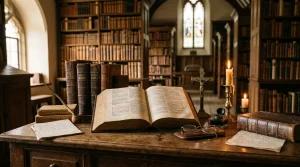
The earliest known origins of tarot cards can be traced back to the 15th century in Europe, particularly in Italy, where they were first created as playing cards. These early decks, known as “tarocchi,” were made for entertainment rather than divination. The imagery often included elaborate illustrations reflective of the culture and time, featuring nobles, mythology, and a host of allegorical themes. However, the significance of tarot would soon evolve beyond mere gameplay, marking the beginning of its journey into the spiritual realm.
As tarot began to spread across Europe, it gradually integrated influences from mysticism, Kabbalah, and various esoteric traditions. By the late 18th century, figures like Antoine Court de Gébelin and Adam McLean championed tarot as a tool for divination and self-reflection, proposing that the symbols contained deep mystical meanings. This perception laid the groundwork for a spiritual renaissance surrounding tarot, transforming it into a revered practice for personal insight and foresight.
The tarot deck itself, typically comprising 78 cards, is divided into the Major and Minor Arcana. The Major Arcana consists of 22 cards representing significant life themes and spiritual lessons, while the Minor Arcana contains 56 cards that delve into everyday experiences. Each card in the tarot deck carries unique symbolism and meaning, reflecting universal archetypes that resonate across cultures and epochs. Through this lens, tarot serves not only as a reflection of one’s journey but as a vivid tapestry of human experience, connecting us to our past while guiding us toward our future.
In modern contexts, tarot continues to grow in popularity. As more people seek avenues for personal growth and self-discovery, tarot stands out as an accessible tool for introspection, offering profound insights into personal and spiritual dilemmas. For those curious about exploring tarot, understanding its origins can deepen your appreciation of its artistry and wisdom, welcoming both skeptics and believers into a broader conversation about the human experience.
The Evolution of Tarot Decks Through History
The journey of tarot decks through history is a captivating tale of transformation and adaptation. Initially emerging in the 15th century as mere playing cards in Italy, these early decks, known as “tarocchi,” served primarily as entertainment. The artistic designs of these cards were rich in allegorical imagery, often depicting the nobility, mythological figures, and intricate scenes from daily life. As society evolved, so too did the purpose and perception of these decks, leading to their eventual embrace as tools of divination and spiritual exploration.
From Play to Prophecy
The transition from playing cards to divinatory tools began in the late 18th century, sparked by influential figures in the esoteric community. Pioneers like Antoine Court de Gébelin believed that tarot cards held deep mystical significance, rooted in ancient wisdom. This belief catalyzed a broader spiritual renaissance, as tarot became associated with Kabbalistic principles and other mystical traditions. Over time, these decks were reimagined, with more elaborate designs and specific themes, reflecting the personal and cultural beliefs of their creators.
The Birth of Iconic Decks
The evolution of tarot decks can be seen in the creation of several iconic variants, each expressing unique artistry and symbolism. One such example is the Rider-Waite-Smith deck, introduced in 1909, which popularized a standardized set of imagery that many contemporary decks still draw from today. Its accessible illustrations provided clear visual cues that made tarot readings more intuitive for beginners. As tarot gained popularity, various artists and spiritualists began to craft their own interpretations, leading to an explosion of diverse decks catering to a multitude of preferences and spiritual practices.
The Modern Renaissance
Today, the tarot landscape is vibrantly diverse, reflecting a wide range of cultural influences and artistic styles. From the romantic and whimsical to the dark and introspective, there is a tarot deck for everyone. This proliferation not only supports personal exploration but also encourages a deeper dialogue within spiritual communities. More importantly, modern tarot has become a gateway for many to connect with their intuition, facilitating personal growth and self-reflection in a world that increasingly seeks meaning and connection.
Whether you are a skeptic or a devoted practitioner, illustrates a broader narrative about humanity’s quest for understanding and introspection. Each card, infused with layers of meaning and heritage, invites an exploration of both the self and the greater mysteries of life, making tarot a timeless companion on our individual journeys.
Key Symbolism in Tarot Cards Explained
Understanding the messages within tarot cards requires delving into their rich symbolism-each card is a universe unto itself, filled with deeper meanings waiting to be explored. From the colorful depictions of human experiences to the intricate details that reflect universal truths, tarot cards serve as mirrors reflecting our inner world. Each image not only tells a story but also connects us to archetypal energies, allowing for profound insights into our life’s journey.
The imagery on tarot cards can often appear complex, yet each element serves a purpose. For instance, the Fool, commonly representing new beginnings, features a carefree figure on the edge of a cliff, symbolizing potential and spontaneity. The inclusion of a small dog signifies loyalty and instinct, reminding us to trust our intuition as we embark on new adventures. Similarly, the Empress embodies fertility and abundance, depicted with lush vegetation, which represents growth and nurturing. This interplay of images encourages the reader to unlock personal interpretations, taking into account their own life circumstances and feelings.
When engaging with tarot, it’s beneficial to recognize some common symbols that appear repeatedly in various decks. Colors, for instance, carry their own vibrations. Red often signifies energy and passion, while blue typically embodies tranquility and introspection. Furthermore, the suits of the Minor Arcana each have their associated elemental symbolism: Cups represent water and emotions, Wands signify fire and action, Swords denote air and intellect, and Pentacles relate to earth and material concerns. Understanding these associations enhances one’s ability to interpret the cards in any reading, whether pursuing guidance for a specific question or engaging in a broader self-reflection exercise.
As you explore tarot symbolism, allow yourself to feel and intuit beyond just textbook meanings. Meditation on specific cards can lead to discoveries unique to your experiences. Ask questions like: What emotions do I feel when I view this card? How does it relate to my current situation? Embrace the uncertainty and the mystery-this is where the true magic of tarot lies. By acknowledging both the practical and mystical aspects of tarot, you create a richer tapestry in your readings, making the experience more personal and fulfilling.
The Role of Tarot in Different Cultures
The rich tapestry of tarot’s history is interwoven with the cultural threads of various societies, each contributing unique interpretations and practices. Initially, tarot cards emerged in 15th-century Europe as playing cards, but they were quickly adopted into divinatory practices. This evolution was not uniform; different cultures adapted tarot to fit their spiritual frameworks, infusing the cards with local symbolism and meaning.
In Italy, tarot became associated with allegorical meanings, such as virtue and fortune, reflecting the Renaissance’s fascination with humanism. The Visconti-Sforza tarot deck, one of the oldest surviving examples, showcases art that is both beautiful and enlightening, filled with cultural motifs of the time. As tarot spread throughout Europe, its portrayal varied significantly; the French tarot decks introduced the well-known suits and imagery that solidified the modern format we recognize today.
Beyond Europe, tarot found its way into other cultural traditions, particularly during the occult revival of the late 19th and early 20th centuries. In this period, figures like A.E. Waite and Pamela Colman Smith created decks that merged traditional tarot with esoteric knowledge from Kabbalah and astrology, creating a rich symbolic system. This melding sparked interest in tarot among various spiritual seekers, leading to its integration into practices like the Hermetic Order of the Golden Dawn, which viewed tarot as a vital component of Western mystery traditions.
Moreover, in contemporary spiritual circles, tarot has transcended its origins, becoming a universal tool for self-exploration and personal empowerment. It is embraced not just by those seeking divination but also by individuals looking for guidance and introspection in a busy modern world. This adaptability has allowed tarot to resonate across cultures, making it a bridge that connects varied beliefs, practices, and insights into the human experience.
By exploring how different cultures interpret and utilize tarot, practitioners can deepen their understanding of the cards, seeing them as more than simple fortune-telling tools but as mirrors reflecting the diverse tapestry of human spirituality.
How Tarot Became a Tool for Divination
As the enigmatic allure of tarot deepens, many seekers find themselves asking how these beautifully illustrated cards transitioned from mere playing cards to profound tools for divination. Initially used for entertainment in the 15th century, tarot found its sacred calling over the centuries, gradually woven into the fabric of spiritual practice and personal exploration. The transformation from gaming sets into vehicles of divination reflects humanity’s everlasting quest for insight into the unseen realms of existence.
The pivotal shift occurred during the late 18th century, influenced by a surge of interest in mysticism and the occult. Thought leaders and esoteric practitioners began to attach deeper meanings to the cards, viewing them not just as a means of chance, but as a gateway to understanding life’s mysteries. Figures like Antoine Court de Gébelin were instrumental in promoting the idea that tarot was rooted in ancient wisdom, suggesting connections to Egypt and other ancient cultures. This period marked the beginning of a rigorous association of tarot with astrology, numerology, and Kabbalistic teachings, allowing the cards to be utilized for introspection and guidance.
Key Factors in the Evolution of Tarot as a Divination Tool
- Symbolism and Structure: The shift towards using tarot for divination was facilitated by the rich symbolism within the cards. Each card was imbued with layered meanings, often reflecting archetypes that resonate with a wide range of human experiences. For instance, the Fool card symbolizes new beginnings and potential, inviting readers to consider aspects of their lives that require fresh perspectives or bold steps.
- Establishment of Spreads: As practitioners honed their skills, the development of card spreads became a significant aspect of tarot reading. Specific layouts, such as the popular Celtic Cross or Three-Card Spread, were designed to facilitate thorough interpretations. A spread’s arrangement allows readers to explore the complexities of past influences, current challenges, and future possibilities, creating a narrative thread that guides the seeker’s understanding.
- Accessibility and Community: The 20th century saw tarot’s democratization-moving from secretive circles of the occult into public consciousness. Books, workshops, and eventually online resources offered accessible guidance, breaking down barriers that once kept tarot knowledge within esoteric communities. This widespread availability encouraged new enthusiasts to explore their intuitive abilities, shifting perspectives about tarot from something reserved for the mystical elite to an everyday tool for reflection and personal growth.
In modern practice, tarot acts as a mirror, reflecting not just destinies or fortunes, but the inner layers of our consciousness. Whether you’re a curious skeptic or a devoted believer, approaching tarot with an open heart and mind can foster profound insights, guiding you through life’s twists and turns. Each card pulled and interpreted serves as a reminder of the rich tapestry of choice, action, and circumstance that shapes our journeys. Embracing this ancient practice can empower you to uncover the wisdom that lies within, bridging the arcane and the accessible.
Famous Tarot Decks and Their Stories
Tarot decks have captivated countless seekers and enthusiasts over the centuries, each featuring unique artwork and symbolism that tell their own rich stories. From the visually striking Visconti-Sforza deck, one of the earliest known tarot decks from the 15th century, to the modern artistry of the Rider-Waite-Smith deck that influenced generations of readers, each deck offers a gateway into the deeper layers of our collective consciousness.
The Visconti-Sforza deck, created for the noble families of Italy, was originally intended for play. However, its intricate illustrations, depicting allegorical figures, marked it as a significant cultural artifact. Many believe this deck laid the groundwork for the tarot’s transformative journey into the realm of divination and spiritual exploration. Each card was originally hand-painted, imbuing it with a sense of personal touch and historical value.
Among the most iconic tarot decks is the Rider-Waite-Smith deck, designed in 1909 by artist Pamela Colman Smith under the guidance of occultist A.E. Waite. This deck revolutionized tarot reading with its detailed imagery and accessible symbolism. For example, the imagery on the Ace of Cups captures the essence of emotional fulfillment and spiritual rebirth, making it easier for readers, especially beginners, to connect with and interpret the cards. The Rider-Waite-Smith deck’s wide accessibility helped solidify tarot as not just a mystical tool, but a source of personal insight for anyone willing to engage with it.
Other notable decks include the Thoth Tarot, created by the famous occultist Aleister Crowley, known for its complex symbolism and vibrant artwork that draws on various mystical traditions, and the Marseilles deck, which highlights a more historical approach to tarot with traditional European imagery. Each of these decks carries its own philosophy and interpretation, inviting readers to explore diverse methods of connecting with the tarot’s wisdom.
In understanding these famous tarot decks, one begins to realize that they are not merely tools for divination; they are reflections of cultural shifts, artistic expressions, and philosophical underpinnings. Whether you resonate with the historical significance of the Visconti-Sforza, the vivid imagination of the Rider-Waite-Smith, or the esoteric depths of the Thoth Tarot, there is a deck out there that can speak to your soul. Engaging with these cards can be a profound journey of self-discovery, helping you unlock insights that might just be waiting in the archetypal imagery.
The Revival of Tarot in Modern Spirituality
In recent years, tarot has experienced a remarkable resurgence, finding a place within modern spirituality and self-exploration. No longer confined to mystical or esoteric circles, tarot is now embraced by a diverse community that includes both skeptics and spiritual seekers alike. This revival is not just a trend; it’s a powerful testament to the growing desire for introspection, guidance, and connection in a complex world. The cards serve as a mirror, reflecting our inner thoughts and feelings, and providing a supportive framework for personal insight.
The accessibility of tarot today is greatly enhanced by online resources, apps, and vibrant communities that promote the practice. Numerous social media platforms host lively discussions, spread tutorials, and personal stories, transforming tarot into an interactive experience. Users are encouraged to share their readings and interpretations, which fosters a communal learning environment. Whether you are a beginner or a seasoned reader, everyone can find their place in the tarot narrative. This inclusivity helps demystify the cards, making them approachable tools for anyone looking to enhance their self-awareness.
Modern tarot reading often emphasizes personal growth and reflection, inviting practitioners to engage with the cards as catalysts for change. Many people report using tarot during transformative life moments, like career changes or relationship shifts, allowing the cards to guide their introspection. For instance, drawing the Two of Pentacles might prompt a reevaluation of work-life balance, while the Empress encourages nurturing creativity and abundance. These interactions facilitate a deeper understanding of oneself, bridging the gap between intuition and intellect.
Moreover, tarot’s revival intersects with a broader cultural movement toward holistic practices, such as mindfulness, meditation, and self-care. As individuals seek alternative pathways to healing and understanding, tarot offers a framework that honors both the mystical and the mundane. Its ability to blend symbols and narratives makes it a versatile tool for exploring complex emotions and decisions, empowering individuals to embrace their unique journeys. Whether tapping into ancient traditions or drawing from contemporary ideals, tarot remains an ever-evolving art that resonates deeply with the human experience.
Understanding Major and Minor Arcana
In the realm of tarot, understanding the distinction between the Major Arcana and Minor Arcana is fundamental for any practitioner, whether you’re just beginning your journey or honing your skills as a seasoned reader. The Major Arcana consists of 22 cards that delve into the significant life themes and spiritual lessons we encounter. These cards capture pivotal moments in our lives, representing deep, transformative experiences. For example, The Fool embodies new beginnings and adventures, encouraging us to take risks and embrace the unknown. In contrast, The World signifies completion and fulfillment, highlighting the significance of achieving our goals. Each card within the Major Arcana tells a powerful story, urging reflection on the larger narrative of our existence.
The Minor Arcana, comprising 56 cards, offers a more detailed look at the day-to-day experiences and challenges we face. It is divided into four suits-Cups, Pentacles, Swords, and Wands-each corresponding to different aspects of life. Cups often symbolize emotions and relationships; for instance, the Ace of Cups represents new emotional beginnings, such as love or creativity. Pentacles focus on material aspects and practical matters, like finances and health; the Three of Pentacles reflects teamwork and collaboration in achieving tangible results. Swords relate to thoughts and conflicts, with cards like the Eight of Swords representing feelings of restriction or confusion. Finally, Wands are all about action and inspiration, as seen in the Six of Wands, which celebrates victory and recognition.
By blending insights from the Major and Minor Arcana, you can gain a holistic understanding of your reading. For instance, if you draw The Empress from the Major Arcana alongside the Two of Wands from the Minor Arcana, it may suggest a fertile creative period where planning meets nurturing, guiding you toward fruitful outcomes in your endeavors.
As you explore these cards, it’s crucial to approach them with an open heart and mind. Each reading is an opportunity for reflection and growth, encouraging you to engage with your intuition actively. Remember, the tarot is not merely a tool for divination; it serves as a mirror to our inner selves, helping us navigate the complexities of our personal journeys. Embrace the wisdom within these cards, and allow them to unfold the stories of your life in ways that resonate deeply with your spirit.
Using Tarot for Personal Growth and Reflection
Engaging with tarot can be a transformative journey, not only for divination but as a profound tool for personal growth and reflection. Each card acts like a mirror, revealing insights into our inner selves, emotions, and situations we face on a daily basis. This practice invites introspection and encourages you to explore your thoughts and feelings in a structured yet intuitive way.
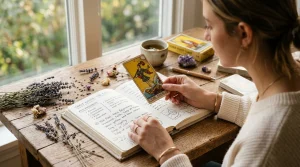
One effective approach is to incorporate daily or weekly tarot pulls into your routine. Start by selecting a card each day, allowing yourself to sit quietly and reflect on its imagery and symbolism. Ask open-ended questions such as, “What do I need to focus on today?” or “What lesson can I learn from this card?” For example, drawing the Ace of Cups might encourage you to explore new emotional connections, while the Tower could prompt you to confront necessary upheavals in your life. Keeping a tarot journal can enhance this practice; jot down your thoughts on the drawn card and how it resonates with your current experiences.
Additionally, consider integrating tarot readings that focus on specific themes or challenges you’re facing. Utilize spreads like the three-card spread to explore your past, present, and future regarding a personal issue. This spread could help illuminate how past experiences shape your current state and possible outcomes. For instance, if you pull the Five of Pentacles in the past position, it might acknowledge feelings of hardship, while the Ten of Cups in the future position could signify a journey toward emotional fulfillment and stability.
Cultivating a connection with your cards means allowing them to guide your personal exploration with empathy and compassion. Rather than viewing the tarot as a rigid prediction tool, embrace its potential for deeper understanding and growth. Each reading is an opportunity to listen to your intuition, encouraging a relationship with your inner wisdom that nurtures self-discovery. As you embark on this journey, remember that tarot is accessible to everyone, regardless of belief-it’s about engaging with your story and unlocking your potential.
Debunking Myths: Common Misconceptions About Tarot
Many people harbor misconceptions about tarot, often viewing it through the lens of superstition or misunderstanding. This can create barriers to fully appreciating the rich history and potential of tarot as a tool for insight and guidance. One of the most prevalent myths is the idea that tarot cards are inherently linked to fortune-telling or predicting the future. While many use tarot for predictive purposes, its true power lies in self-reflection and personal growth. Tarot serves as a mirror, reflecting your current state, challenges, and opportunities for development, rather than a crystal ball that reveals fixed outcomes.
Another common myth is that tarot requires a special mystical gift to interpret. In reality, anyone can learn to read tarot cards with practice and openness. The key is to develop your intuition and engage meaningfully with the imagery and symbols found in the cards. Beginners often feel overwhelmed by the number of cards and their meanings, but focusing on one card at a time can build confidence. Start by choosing a card and contemplating its imagery and personal relevance before integrating it into broader readings.
Additionally, many believe that tarot is exclusively for the spiritual or esoteric elite. However, tarot is accessible to everyone, regardless of spiritual beliefs or religious backgrounds. It can be a versatile tool used for personal exploration, decision-making, or simply for fun. Embracing this more inclusive perspective allows for greater participation and exploration within the tarot community.
Ultimately, approaching tarot with curiosity rather than judgment opens the door to deeper understanding. Engage with your cards, ask questions, and pay attention to patterns that emerge in your readings. Remember, the cards provide insights, but the interpretation is a personal journey that encourages self-discovery and empowerment. Through this process, you can leverage tarot not only as a divination tool but as a supportive guide in navigating life’s complexities.
A Beginner’s Guide to Reading Tarot Cards
To begin your journey into tarot reading, it’s essential to understand that this practice is not just about the cards, but also about your intuition and connection to the symbols they represent. Each card in a tarot deck tells a story, mirroring aspects of our inner world and the situations we face. As a beginner, your task is to decipher these stories and apply their insights to your life.
Start with a basic understanding of the two main categories of tarot cards: the Major Arcana and the Minor Arcana. The Major Arcana consists of 22 cards that represent significant life themes and lessons, while the Minor Arcana has 56 cards that delve into everyday experiences. Familiarizing yourself with these cards and their meanings is a practical first step. You can use resources like tarot guidebooks or online platforms to explore card interpretations, but remember to also trust your intuition as you form personal connections with the cards.
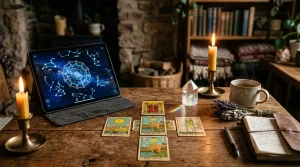
When you’re ready to read, choose a tarot spread that suits your inquiry. The three-card spread is an excellent place for beginners to start. This simple layout can represent the past, present, and future or any three aspects of a single question. After shuffling and laying out the cards, take a moment to observe their imagery. Ask yourself questions: What emotions does each card evoke? What stories do you feel they are telling?
As you begin interpreting, remember to focus on the following tips:
- Take Notes: Keep a tarot journal where you document your readings, thoughts, and insights. This practice will not only track your progress but also enhance your intuition over time.
- Practice Regularly: The more you engage with your deck, the more comfortable you will become. Consider dedicating time each week to pull cards and reflect on their meanings.
- Be Open-Minded: Interpretation can be both intuitive and logical. Allow yourself to explore the blend of traditional meanings and your unique interpretations.
Finally, approach each reading with an open heart. Engage with your cards as if they were wise friends offering guidance rather than an ultimate truth. Over time, you’ll discover that tarot isn’t just a tool for divination; it’s a pathway to deeper self-awareness and understanding. Embrace the magical journey-your intuition is your most powerful guide in the world of tarot.
Exploring Advanced Tarot Techniques for Practitioners
To truly unlock the potential of tarot, advanced techniques can elevate your readings from simple interpretations to profound journeys of discovery. Consider incorporating various methods that not only enhance your connection with the cards but also deepen your intuitive understanding of their messages. One compelling approach is the use of elemental associations. Each card can be linked to one of the four elements-earth, air, fire, and water-which can provide insight into the energies at play during your reading. For example, cards from the Suit of Pentacles (earth) might indicate stability, while those from the Suit of Wands (fire) may suggest dynamic action.
Integrating Numerology
Another advanced practice is integrating numerology into your readings. Each tarot card has a number that can reflect deeper meanings. For instance, the number 3 often symbolizes creativity and growth, which can influence your interpretation of cards like the Three of Cups, representing celebration and community. By analyzing the numerical significance, you can uncover additional layers of meaning in your readings, thereby enriching the narrative that unfolds.
Exploring Thematic Spreads
Developing thematic spreads also offers a distinct way to approach your readings. Instead of the standard past-present-future layout, create spreads focused on specific themes like love, career, or personal growth. A love spread could include positions for how you see your partner, what challenges you face together, and potential outcomes. This targeted approach not only clarifies your inquiries but also allows the cards to speak on a deeper, more personal level.
Keeping a Reflection Journal
Finally, keep a reflection journal to track your insights and evolving interpretations over time. Write down your readings, the feelings they evoke, and any recurring symbols or themes. This practice not only helps retain your intuitive growth but also builds a personal tarot lexicon-one that resonates uniquely with your experiences. As you revisit these entries, patterns may emerge that inform future readings, making your connection with the tarot even more profound.
By embracing these advanced techniques, you can transform your tarot practice into a holistic tool for self-exploration and personal development, inviting deeper revelations with every reading.
FAQ
Q: What is the historical significance of tarot cards?
A: Tarot cards have a rich history dating back to the 15th century, initially used for playing games in Europe. They evolved into tools for divination by the late 18th century, intertwining with occult practices and spiritual exploration. Their significance lies in their use for self-reflection and guidance, as detailed in the section on The Evolution of Tarot Decks Through History.
Q: How did tarot cards transition from games to divination tools?
A: The transition of tarot cards from gaming to divination began in the 18th century when mystics and occultists recognized their symbolic depth. They started assigning meanings to cards, using them for insights and guidance in personal and esoteric contexts, as explored in How Tarot Became a Tool for Divination.
Q: Are all tarot decks the same in their origins?
A: No, not all tarot decks share the same origins. Various cultures and traditions have produced unique decks, influenced by local art and symbolism. For example, the Marseille deck represents early European designs, while the Rider-Waite deck introduced modern imagery and interpretations, highlighted in Famous Tarot Decks and Their Stories.
Q: What role did tarot cards play in different cultures?
A: Tarot cards have played diverse roles across cultures, often seen as tools for both entertainment and divination. In some societies, they served as educational tools, while in others, they facilitated spiritual practices. This multifaceted role is discussed in The Role of Tarot in Different Cultures.
Q: How can I start learning about the history of tarot cards?
A: To learn about the history of tarot cards, start by reading introductory books on tarot, exploring online resources, or participating in workshops. Engaging with communities focused on tarot can provide practical insights and discuss historical contexts, especially in the Beginner’s Guide to Reading Tarot Cards section.
Q: What are some common misconceptions about tarot cards?
A: Some common misconceptions about tarot cards include the belief that they predict the future or hold divination powers. In reality, they serve as reflective tools, helping individuals understand their situations and choices. This is addressed in the section on Debunking Myths: Common Misconceptions About Tarot.
Q: Why are tarot cards considered a tool for self-discovery?
A: Tarot cards facilitate self-discovery by prompting introspection and reflection. Each card’s symbolism can evoke personal insights, guiding users in their journeys of growth and understanding. This aspect is emphasized in Using Tarot for Personal Growth and Reflection.
Q: What is the significance of Major and Minor Arcana in tarot?
A: The Major Arcana represents significant life themes and spiritual lessons, while the Minor Arcana focuses on daily experiences and challenges. Understanding their differences enhances tarot reading depth and interpretation, further elaborated in Understanding Major and Minor Arcana.
In Retrospect
Now that we’ve explored the fascinating history of tarot cards, it’s clear that their journey from a mere playing card game to a profound spiritual tool has much to teach us about our own paths. Understanding where tarot comes from enriches your readings and deepens your connection to this ancient practice. If you’re eager to dive deeper, check out our in-depth guide on the 4 tarot suits to enhance your readings or try out a 3-card tarot reading for immediate insights into your life.
Embrace the magic of tarot-why not discover how to interpret your own readings? Join our newsletter for expert tips, or explore our resources on tarot card meanings to refine your intuitive skills. Remember, whether you’re a curious beginner or a seasoned reader, tarot holds insights for everyone. Share your thoughts or experiences in the comments below; we love hearing from you! Your journey into the world of tarot is just beginning-let’s continue it together.
Get our latest guides, news, and insights highlighted in your Google Search & AI Overviews.