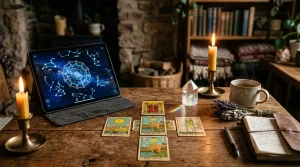
Have you ever felt the urge to consult the cards but didn’t know where to start? Pulling tarot cards for yourself is a rewarding way to gain insights and clarity about your life. This self-reading practice can empower you, offering valuable guidance whether you’re seeking answers about love, career, or personal growth. In this guide, we’ll explore how to effectively pull tarot cards for yourself, allowing you to tap into your own intuition and connect with the deeper meanings of the cards. Whether you’re a curious beginner or looking to enhance your existing practice, these tips will demystify self-readings, helping you discover new perspectives and make confident decisions. Get ready to embark on a journey of self-discovery and empowerment through the art of tarot!
How Tarot Can Transform Your Self-Discovery
Engaging with tarot can be a profound catalyst for self-discovery, lighting the path to understanding your inner self and navigating life’s complexities. Each card holds a mirror to your experiences, emotions, and thoughts. When you pull a card, you invite the wisdom of symbolism and archetypes into your personal narrative, offering insights that can shift your perspective, clarify your intentions, and highlight areas for growth.
As you embark on this journey, start by reflecting on the questions or themes that resonate with your current state. For example, if you feel stuck in a job that doesn’t fulfill you, you might draw cards that speak to career paths and personal satisfaction. This approach transforms a simple card pull into a dialogue with your higher self, encouraging introspection and deeper understanding. Each card’s imagery and message serve as prompts that stimulate thoughts and feelings you may not have consciously recognized.
To deepen your self-discovery, practice setting clear intentions before each reading. What are you hoping to uncover or learn? This focused mindset can enhance the relevance of the insights you gain. Additionally, recording your thoughts in a tarot journal after each reading can solidify your experience, allowing you to track patterns and themes over time. This documentation not only strengthens your connection with tarot but also builds your confidence in interpreting the cards, revealing how your interpretations evolve as your understanding of yourself grows.
Ultimately, tarot is more than a predictive tool; it’s a supportive guide that nurtures your journey of self-exploration. Each reading is a stepping stone towards embracing your authenticity and understanding the layers of your being, transforming challenges into opportunities for growth and insight.
Understanding Different Tarot Decks
Choosing the right tarot deck is a vital step in your self-reading journey, as the deck you connect with can profoundly influence your intuitive insights and experience. With countless decks available, each with its own unique artwork, themes, and symbolism, can enhance your practice. For beginners, a traditional Rider-Waite-Smith deck is often recommended due to its iconic imagery and easy-to-understand symbolism. The vivid illustrations can spark connections and insights that resonate deeper, making it an excellent choice for self-discovery.
As you explore your options, consider what themes resonate with you personally. Some decks draw on mythology, while others may focus on fantasy, nature, or even pop culture. For instance, the Wild Unknown Tarot features striking, nature-based illustrations that might appeal if you feel drawn to the natural world. Alternatively, the Tarot of the Mystical Cats may be perfect for cat lovers, blending whimsical art with universal themes. Your connection to the artwork can facilitate a more profound interaction with the cards, allowing your intuition to flourish.
Moreover, each deck carries its own energy, which can affect your readings. You may notice that some decks feel more uplifting and positive, while others may bring a more serious or reflective tone. It’s beneficial to spend time with a few decks to see which one resonates most profoundly with you. This might mean holding them, shuffling the cards, or even doing a sample reading to gauge how comfortable you feel. Remember, there’s no wrong choice; follow your instincts and select the deck that feels most aligned with your personal journey.
Lastly, keep in mind that your relationship with your tarot deck can evolve. As you grow in your practice and your insights deepen, you may find yourself gravitating toward different decks that reflect your current state of being or explore new aspects of your journey. Embrace this fluidity; tarot is a tool designed to adapt to your exploration of self, inviting a richer, more nuanced understanding of your inner landscape.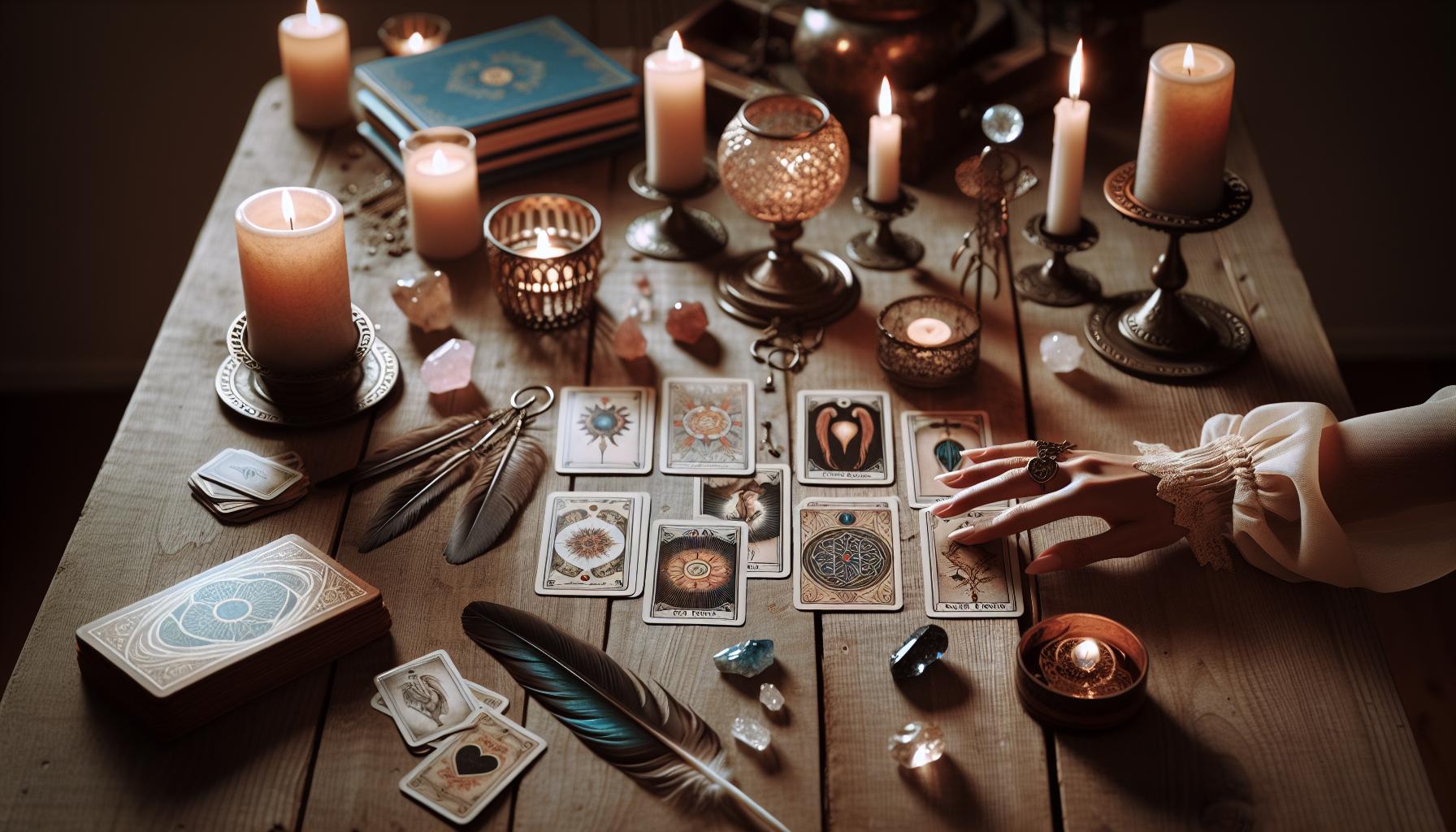
The Basics of Tarot Card Spreads
Discovering how to harness the power of tarot spreads can elevate your self-reading experience to new heights. A tarot spread is simply the arrangement of cards in a specific layout, each position holding a particular meaning that contributes to the overall message. Understanding various spreads is essential to tap into the cards’ wisdom and gain deeper insights into your questions and intentions. Beginners often feel overwhelmed by the options available, but remember: each spread serves a different purpose and can guide you in your journey of self-discovery.
One of the simplest and most popular spreads for beginners is the Three-Card Spread. This versatile layout can address various aspects of your inquiry-such as past, present, and future, or situation, action, and outcome. To perform this spread, shuffle your deck while concentrating on your question, then draw three cards. Place them from left to right, and as you interpret each card, consider how their meanings intertwine to tell your story. This method encourages you to connect the dots intuitively, enhancing your understanding of unresolved issues or upcoming challenges.
As you gain confidence, you might explore more complex spreads like the Celtic Cross, which provides a comprehensive look at your situation, clarifies underlying influences, and highlights potential outcomes. This ten-card layout can offer profound insights, but beginners may want to study its positions carefully before diving in. It’s helpful to consult resources that detail the significance of each position, so you feel more grounded as you navigate the complexities of this layout.
When selecting a spread, consider your current needs or questions. Are you seeking clarity on immediate concerns, or do you wish to explore broader life themes? A well-chosen spread not only enhances your reading experience but also aligns with your evolving self-discovery journey. Always remember that the essence of tarot lies in the connection and conversation it fosters between you and your inner self-allow your intuition to guide you as you unfold the mysteries within the cards.
Choosing the Right Spread for You
Choosing the right tarot spread can be the key to unlocking deeper insights during your self-readings. With a multitude of layouts available, each serving a unique purpose, it’s essential to select a spread that resonates with your current inquiry. A well-chosen spread not only aligns with your question but also enhances your connection with the cards and your intuition.
Start by considering what you want to explore during your reading. Are you looking for clarity on a specific event or decision? If so, simpler spreads like the Three-Card Spread might be ideal. This spread can be applied to various areas such as past, present, and future, allowing you to draw meaningful connections between the cards. Shuffle your deck, focus on your question, and draw three cards. As you interpret each, think about how they interact, providing a comprehensive look at your situation.
For those aiming for a deeper analysis, the Celtic Cross is a powerful spread that consists of ten cards, covering different aspects of your inquiry including obstacles and underlying influences. While it may seem intimidating due to its complexity, it can offer profound insights. Take your time to learn the significance of each position, and don’t hesitate to refer to guides or resources that detail their meanings.
As you become more comfortable with tarot, you may find that your needs evolve, leading you to tailor your readings accordingly. Experimenting with various spreads will not only improve your reading skills but also enhance your self-discovery journey. Ultimately, the right spread is one that speaks to you and feels natural-trust your intuition and allow it to guide your journey through the cards.
Preparing Your Space for a Reading
Creating a welcoming and sacred space for your tarot reading is crucial for tapping into your intuition and fostering a deeper connection with the cards. Consider this: the environment can significantly affect your mindset and sensitivity to the messages that arise during your session. By preparing your space thoughtfully, you cultivate an atmosphere rich with clarity and inspiration, allowing the magic of tarot to unfold more freely.
Begin by selecting a quiet, comfortable location where you won’t be disturbed. This could be a cozy corner of your living room, a designated meditation space, or even a serene outdoor spot. Once you’ve chosen your location, take a few moments to declutter the area. Clear away any distractions-both physical and mental-so you can focus solely on your reading.
To enhance the ambiance, consider adding personal touches that resonate with you. Soft lighting, such as candles or fairy lights, can create a calming atmosphere. Incorporating elements like crystals, incense, or your favorite aromatic oils can further elevate the energy of your space. For instance, lavender or sandalwood scents are known for their calming properties and can help set the tone for a reflective session.
As you begin your reading, take a moment to ground yourself. This may involve taking deep breaths, visualizing roots anchoring you to the earth, or even reciting a personal affirmation. Doing so not only centers your mind but also helps you to focus on the specific questions or intentions you wish to explore. Remember, the goal is to feel safe and open, inviting the wisdom of the tarot to flow through you without hindrance.
Setting Intentions for Your Tarot Session
Setting clear intentions before a tarot reading can transform your session into a powerful tool for self-discovery. When you approach the cards with specific thoughts or questions in mind, you open the door to deeper insights and reflections. Just like a compass guides a traveler, your intentions help direct the flow of the reading, allowing you to navigate the myriad messages the cards might offer.
Begin by taking a moment to reflect on what you’re seeking to understand during this session. Are you looking for clarity about a relationship, guidance on a career choice, or insight into your emotional well-being? Offering the universe a clear question can help focus your energy. For example, rather than asking a vague question like “What do I need to know?” you might specify, “What can I do to improve my self-care practices?” This specificity gives the tarot a clear target, enhancing the relevancy of the insights you receive.
Once you have your question, consider writing it down or visualizing it as you shuffle the cards. This act alone helps solidify your intention and signals to your subconscious that you are prepared for the messages to unfold. Remember that setting intentions isn’t just about asking questions; it’s also about fostering a mindset open to receiving whatever insights the tarot may reveal. Embrace a spirit of curiosity and respect, allowing the cards to lead you where you need to go, even if it’s outside your initial expectations.
An effective practice is to accompany your intention setting with a short meditation or a few deep breaths. This grounding technique will center your mind and body, ensuring that you’re in a mental space conducive to reflection. By combining a clear intention with a calm mindset, you cultivate a space where the wisdom of the tarot can reveal itself with clarity and purpose.
Interpreting Cards: Beginner-Friendly Tips
To truly harness the power of the tarot, interpreting the cards in a meaningful way is essential. As a beginner, this might seem daunting, but with a few friendly tips and a confident approach, you can uncover profound insights about yourself and your situation. Remember, the beauty of tarot lies in its personal significance, so trust your intuition while exploring the messages the cards convey.
Start by familiarizing yourself with the basic meanings of the cards. Each card in the tarot deck, whether from the Major or Minor Arcana, carries a symbolic meaning. To aid your interpretation, you can create a simple cheat sheet or refer to a tarot guidebook. For instance, the Ace of Cups often represents new emotional beginnings, while the Tower signifies upheaval or sudden change. By knowing these key meanings, you can begin forming a narrative around the cards you draw.
When you pull a card, take a moment to observe how it resonates with your intention or question. Reflect on your first impressions and emotional reactions to the imagery and colors. These immediate feelings can offer valuable insights, often reflecting your subconscious understanding of the situation. Try asking yourself questions like, “What does this card remind me of in my life?” or “How does this card connect to my question?” For example, if you draw the Three of Swords, which symbolizes heartbreak, consider how it relates to your current emotional state or decisions.
Keep a tarot journal to document your insights and thoughts. This practice not only tracks your progress as a reader but also deepens your connection to the tarot. Write down the card’s imagery, your intuitive feelings, and any notable patterns you observe over time. This process turns your tarot readings into a reflective practice, reinforcing your understanding and enhancing your intuitive skills.
Lastly, remember to be gentle with yourself and embrace the learning journey. Mistakes are part of the process, and every reading is an opportunity for growth. As you grow more comfortable interpreting the cards, allow your interpretations to evolve and expand beyond traditional meanings. Tarot is as personal as it is mystical, and your unique insights are what make your readings truly powerful.
Deepening Your Intuition with Tarot
To truly connect with the tarot and deepen your intuition, it’s essential to approach each reading with an open heart and mind. The cards do more than provide answers; they serve as a bridge to your inner wisdom and subconscious insights. Cultivating this intuitive bond allows you to interpret the cards through a personal lens, making each reading a unique exploration of your thoughts and feelings.
Start by creating a peaceful environment that allows for reflection. This could mean lighting a candle, playing soft music, or even meditating for a few moments before you begin. Establishing a calming atmosphere helps center your thoughts and intentions. Once you feel grounded, shuffle your deck while focusing on your question or the insights you seek. Notice any thoughts or feelings that arise during this process; these initial impressions are often your intuition speaking.
As you begin to draw cards, pay close attention to the imagery and symbols that resonate with you personally. For example, if you pull the Two of Pentacles, which often signifies balance and juggling multiple priorities, reflect on how this theme plays out in your life. Ask yourself, “What areas of my life need more balance?” or “Am I managing my responsibilities effectively?” These reflective questions help you draw connections between the card’s meaning and your current situation, creating a more intuitive understanding of the reading.
To further enhance your intuitive abilities, consider journaling your readings. Document not only the cards you drew but also your impressions and the emotions they evoked. Over time, you’ll likely notice themes and patterns that can guide your future readings and deepen your overall understanding of the tarot’s messages. For instance, if you frequently draw the Empress card, you might explore what aspects of nurturing or creativity are prominent in your life. This practice provides clarity and reinforces the significance of your intuitive revelations.
Remember, developing your intuition with tarot is a journey. Be patient with yourself and trust that every reading contributes to your growth. Embrace the magic of the cards while allowing your interpretations to be as individual as you are; it’s this personal connection that transforms your tarot sessions into meaningful conversations with your inner self.
Common Mistakes in Self-Reading
Embarking on a self-reading journey with tarot can be both enlightening and overwhelming. It’s easy to get carried away in the mystique of tarot cards, but common pitfalls can hinder your growth. Recognizing and avoiding these mistakes can enhance your readings and deepen your connection with the cards.
One of the most frequent errors is over-reliance on guidebooks. While learning card meanings is important, rigidly sticking to definitions can limit your intuition. For instance, if you pull the Tower card, which is often associated with sudden upheaval, don’t just dwell on the negative connotations. Instead, consider how the themes of transformation and rebuilding might relate to your current circumstances. Allow yourself to explore personal interpretations based on your feelings and context. Trust that your intuition can offer insights beyond standard definitions.
Another common misstep is neglecting to clear your mind before a reading. If you’re preoccupied with stress or distractions, your readings may feel muddled or unclear. Before shuffling your cards, take a moment to breathe deeply and center yourself. You might try a short meditation or engage in a grounding activity. When you’re calm and focused, your insights will be clearer and more profound.
In addition, many readers struggle with asking leading questions. Instead of posing questions that steer the reading toward a desired outcome-like “Will I get that job?”-frame your inquiries in a more open-ended way, such as “What do I need to know about my career path?” This shift invites a broader exploration of possibilities and perspectives, allowing the cards to guide you in unexpected but valuable directions.
Finally, it’s crucial to avoid the trap of overthinking your readings. Second-guessing your interpretations can lead to confusion and self-doubt. Instead, write down your first impressions and feelings about the cards, and refer back to them later. By documenting your thoughts, you can track your intuitive growth and develop confidence in your readings.
By recognizing these common mistakes and approaching your tarot practice with openness and curiosity, you cultivate a deeper intuitive connection to the cards, turning each reading into a valuable dialogue with your inner self.
Advanced Techniques for Experienced Readers
Engaging with tarot at a deeper level opens up a rich tapestry of insights and self-discovery. Experienced readers often find themselves ready to embrace more nuanced techniques that enhance their personal practice. This exploration not only amplifies their intuitive abilities but also invites a greater connection to the cards and the energies they represent.
One powerful technique involves creating tailored spreads that reflect your current life circumstances. While classic spreads like the Celtic Cross are valuable, custom layouts can address specific questions or themes in your life. For instance, if you are navigating a significant life change, consider arranging cards in a circle, representing the cyclical nature of change, with each card symbolizing a stage of your journey. This approach can yield insights that resonate more intimately with your personal narrative.
Integrating astrological correspondences is another advanced method for enriching readings. Each tarot card is associated with astrological signs or planets, which can deepen the interpretation. For example, using the Empress to anchor your understanding of Venus energy can enhance themes of love, beauty, and abundance. By calling on these connections, you can layer meanings that resonate on both a tarot and astrological level, offering a more comprehensive insight into your questions.
When working through advanced interpretations, consider employing the Rider-Waite-Smith symbolism as a guide while also allowing your intuition to steer the process. Each card is a portal filled with dense imagery and meaning. As you pull a card, pause and visualize the scene-what stands out, what emotions arise? Writing down your impressions before consulting a guidebook helps establish your personal relationship with the cards, reinforcing that no one knows your journey better than you do.
Lastly, don’t underestimate the power of group readings or community sharing sessions. Engaging with others can provide fresh perspectives and interpretations, enriching your understanding of the cards. Frame a reading session where everyone contributes to interpreting one another’s cards. This collaborative effort not only enhances learning but also fosters a supportive environment for spiritual practice.
By embracing these advanced techniques, you honor your growth as a tarot reader and deepen the transformative power of the cards in your self-discovery journey. Remember, tarot is as much about the journey within as it is about the cards themselves-each pull, a step towards greater understanding of your universe.
Recording Your Insights: Keeping a Tarot Journal
Recording your insights through a tarot journal can transform your practice from a casual hobby into a powerful tool for self-discovery. This journal not only serves as a record of your readings but also becomes a safe space for personal reflection and growth. Many seasoned tarot readers will attest that capturing their thoughts and emotions surrounding each card helps unveil deeper layers of meaning over time.
To start, consider the following elements to include in your tarot journal:
- Date of Reading: Document the date of each reading to track your progress and see how insights evolve over time.
- Spread Used: Note the type of spread you chose, whether it’s a simple three-card draw or a more complex layout.
- Question or Intention: Write down the question you asked or the intention you set for the reading. This helps contextualize the insights you gain.
- Card Meanings and Imagery: Describe the cards drawn, focusing on their traditional meanings and any personal interpretations that arise. Pay attention to symbols or images that stand out to you.
- Emotions and Insights: Document your emotional reactions during the reading. What did you feel when you pulled each card? How do these feelings relate to your current life situations?
- Reflection: After some time, revisit past entries to see if any patterns emerge or if your interpretations have changed-this can deepen your understanding of both yourself and the cards.
Using your journal as a mirror for self-reflection can enhance your intuition and connection to tarot. For instance, if you frequently pull the Two of Swords when navigating a relationship decision, jot down recurring themes or feelings associated with this card. Over time, you might discover that the card serves as a gentle nudge to confront choices you’ve been avoiding. This level of engagement reveals that each reading is not just a mere exercise but a pathway to greater clarity and insight.
Incorporating regular journaling into your tarot practice helps solidify your personal relationship with the cards. Even if you’re a beginner, committing to this practice fosters a sense of accountability and growth. Remember, there are no strict rules-your journal is a personal reflection of your journey with tarot. Allow it to be a space for learning, experimentation, and deepening your connection to your inner self. By making this effort, you not only enhance your tarot skills but also cultivate a profound sense of awareness and understanding that enriches your entire spiritual practice.
Integrating Tarot Into Your Spiritual Practice
Incorporating tarot into your spiritual practice can create a profound shift in how you understand yourself and your life path. Tarot acts as a mirror, reflecting your inner thoughts, feelings, and experiences. Whether you’re a skeptic or a seasoned practitioner, the beauty of tarot lies in its ability to offer insights that can enhance your intuition and self-awareness. To effectively integrate tarot into your spiritual routine, you’ll find that consistency and intention are key.
Begin by establishing a dedicated space for your tarot practice. This environment should feel safe and inviting, free from distractions. Consider surrounding yourself with items that resonate with you, such as crystals, candles, or meaningful objects that inspire you. The energy of your space plays a significant role in how effectively you connect with the cards, so take the time to make it your personal sanctuary.
Setting intentions for your readings helps to create a clearer focus. Before you start, take a moment to breathe deeply and center yourself. You might find it helpful to write down your intention or question before drawing cards. This focus can guide your interpretation and provide clarity as you reflect on the insights gained from your reading.
When interpreting the cards, allow yourself to engage intuitively. Begin with the traditional meanings, but don’t hesitate to explore your personal associations with each card. For instance, if you draw the Tower, it might symbolize upheaval in your life-yet for someone else, it could represent a powerful opportunity for transformation. Keeping a tarot journal can be invaluable here; record your thoughts and feelings post-reading to track your evolving relationship with the cards and your personal growth.
Moreover, consider integrating tarot with other spiritual practices. You might pair tarot readings with meditation, using the cards to direct your mindfulness practice. For example, spending time meditating on the imagery of the card you draw can deepen your understanding of its message. Some practitioners also find it beneficial to incorporate tarot into rituals, using the cards to symbolize aspect of intention-setting or manifestation.
By approaching tarot not just as a tool for fortune-telling, but as an integral part of your spiritual journey, you invite a magical clarity that can significantly enhance your self-discovery process. Embrace this journey with an open heart, and remember that every card drawn is a step closer to understanding yourself on a deeper level.
FAQ
Q: How can I prepare myself mentally to pull tarot cards for a reading?
A: To prepare mentally, take a few deep breaths and clear your mind of distractions. Focus on your intention for the reading. Create a calm atmosphere by dimming lights or lighting a candle, aligning your energy with the spiritual realms. This cultivates clarity and intuition during your session.
Q: What should I do if I pull a card I don’t understand?
A: If you pull an unfamiliar card, don’t panic. Take a moment to observe your feelings and thoughts about it. Refer to a guidebook or your notes on card meanings. Trust your intuition; often, your personal interpretation will emerge through reflection and context from your reading.
Q: How often should I pull tarot cards for self-readings?
A: There’s no fixed frequency for self-readings; it depends on your needs. Beginners may benefit from pulling cards weekly to build confidence and understanding. As you become more attuned, feel free to draw cards whenever you seek insight or clarity on a specific issue.
Q: What is the best time of day to conduct a tarot reading for myself?
A: The best time for a tarot reading varies by individual, but many find that early mornings or evenings, when the mind is calm, work well. Choose a time when you can concentrate without interruptions, allowing for a deeper connection to your intuition and the cards.
Q: How can I enhance my intuition while reading tarot for myself?
A: To enhance intuition, practice mindfulness and meditation regularly. Journaling about your experiences and feelings connected to the cards can deepen your understanding. Additionally, try intuitive exercises, like free-writing after a reading, to capture insights that may arise.
Q: Should I conduct tarot readings for others as a beginner?
A: While it’s okay to read for others as a beginner, ensure you feel confident in your interpretations. Start with close friends or family who can provide supportive feedback. Use your readings to improve and gain experience, but practice self-compassion if challenges arise.
Q: What rituals can I incorporate into my tarot practice?
A: Incorporating rituals can enhance your tarot practice. Consider cleansing your cards with sage or using crystals to charge them. You might also create a regular reading space that feels sacred to you. Rituals help establish a deeper connection to your practice and intentions.
Q: How can I know if I’m interpreting the cards correctly?
A: There’s no one “correct” interpretation of tarot cards; it varies by reader. Trust your instincts and feelings associated with each card. If it resonates with your question or situation, it’s likely meaningful. Keep a journal of your readings to track your insights and growth over time.
Insights and Conclusions
As you embark on your journey of self-discovery through Tarot, remember that each card pulled is a step toward deeper insight and understanding. Use the tips shared in “How to Pull Tarot Cards for Yourself” to confidently interpret the messages meant for you. Don’t hesitate to explore related techniques like a 3-Card Tarot Love Reading to refine your skills further or check out our Tarot Card Definitions for a more comprehensive understanding of each archetype.
Ready to take the next step? Join our newsletter for exclusive readings and insights, or explore our community forum to share your experiences and ask questions. The magic of Tarot is just a card away-engage with your intuition and let the cards guide you. Dive deeper into your spiritual journey today!
Get our latest guides, news, and insights highlighted in your Google Search & AI Overviews.