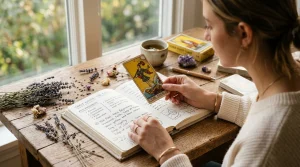
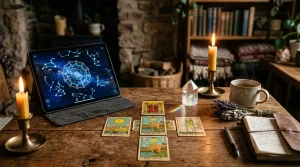
Have you ever wished for a deeper understanding of yourself and the world around you? Tarot reading can unlock this insight, providing a powerful tool for self-reflection and guidance. In “How to Read the Tarot for Yourself: Self-Reading Secrets,” you’ll embark on a journey that demystifies the art of Tarot. Whether you’re a curious skeptic or a seasoned seeker, this guide is designed to empower your intuitive abilities through practical techniques and meaningful interpretations. Discover how to connect with your cards on a personal level, enhance your decision-making, and navigate life’s challenges with clarity and confidence. As you turn the pages, you’ll learn how to weave Tarot into your daily life, enriching your spiritual practice while fostering self-awareness. Prepare to explore the secrets of self-reading that will ignite your curiosity and inspire your path forward.
How to Begin Your Tarot Journey at Home

Starting your Tarot journey at home can be a deeply enriching experience that opens the door to self-discovery and spiritual insight. The wonderful thing about Tarot is that it is accessible to everyone, regardless of their prior knowledge or belief system. As you embark on this path, remember that the most important aspect of Tarot is your personal connection to the cards and your intuition.
To kick off your journey, consider creating a dedicated space for your Tarot practice. This doesn’t have to be elaborate-a small table or corner in your home can serve as your sanctuary. Ensure the space is calm and free from distractions. You might want to adorn it with items that inspire you, such as crystals, candles, or meaningful symbols. This creates an atmosphere conducive to focusing inward and engaging with the cards more deeply.
Once your space is set, take some time to choose a Tarot deck that resonates with you. There are many styles available, ranging from traditional Rider-Waite-Smith to more artistic interpretations. Don’t hesitate to explore and find one that feels right; the visual appeal of the cards can make a significant difference in your connection to them. As you shuffle and work with your deck, allow your intuition to guide you. If possible, hold the deck at your heart and focus on what attributes you hope to explore or understand through your readings.
As you start practicing self-readings, take a moment to familiarize yourself with the meanings of the cards. Consider keeping a Tarot journal to document your thoughts, interpretations, and evolving understanding of each card. Include not only traditional meanings but also personal insights gained through your readings. This practice will not only deepen your comprehension but also enhance your intuition over time.
Incorporating a daily Tarot ritual can significantly aid in your growth. Whether it’s drawing a single card each morning for guidance or using more complex spreads as you advance, consistency helps build confidence. Start small-one card can provide a wealth of insight, helping you reflect on your day ahead or areas in your life needing attention. The key is to approach your readings with an open heart and mind, welcoming whatever messages the cards might reveal.
By weaving these practices into your daily life, you will cultivate a richer relationship with your Tarot cards and gain profound insights into your personal journey. The adventure of Tarot awaits-trust your intuition and enjoy the process!
Essential Tarot Deck Selection Tips
Choosing the right Tarot deck is a crucial step in your journey toward self-reading, influencing not just your connection with the cards but also the depth of your insight. With so many options available, it can be overwhelming; however, this process can also be an exciting exploration of your intuition and personal preferences. The deck you select should not only resonate with your aesthetic sensibilities but also feel like a tool that complements your spiritual journey.
Start by considering what draws you to Tarot in the first place. Are you looking for a deck that offers traditional symbolism and meanings, such as the Rider-Waite-Smith, or are you more inclined toward a modern, artistic interpretation? Each deck carries its own energy and visual language. Spend time browsing through different decks, visiting shops or online portals where you can see the cards. Pay attention to your visceral reactions-certain images or styles might evoke a strong emotional response, signaling a potential fit.
Additionally, consider the guidebook that accompanies the deck. Some decks come with comprehensive guidebooks that offer detailed interpretations and insights, while others may be more minimalist. An informative guidebook can be particularly helpful for beginners, as it provides context and additional layers of meaning for each card. However, if you feel confident in your intuitive abilities, a less instructional deck might allow you more freedom to interpret based on your feelings about the imagery.
As you evaluate different decks, think also about the size and card stock. A deck that feels good in your hands is essential for shuffling and reading effectively. If possible, see how it feels to spread the cards out-do you enjoy the texture and how they move? This tactile experience can enhance your connection to the deck and facilitate clearer readings.
Lastly, don’t be afraid to revisit your choice. As your practice deepens and evolves, you might find that you resonate with additional decks or styles. Some readers cultivate a small collection, using different decks for various types of inquiries or moods. Trust your intuition throughout this process-your ideal Tarot deck is the one that calls to you and helps you feel empowered in your readings. Embrace this exciting step as part of your unique Tarot journey.
Understanding Tarot Card Meanings for Self-Reading
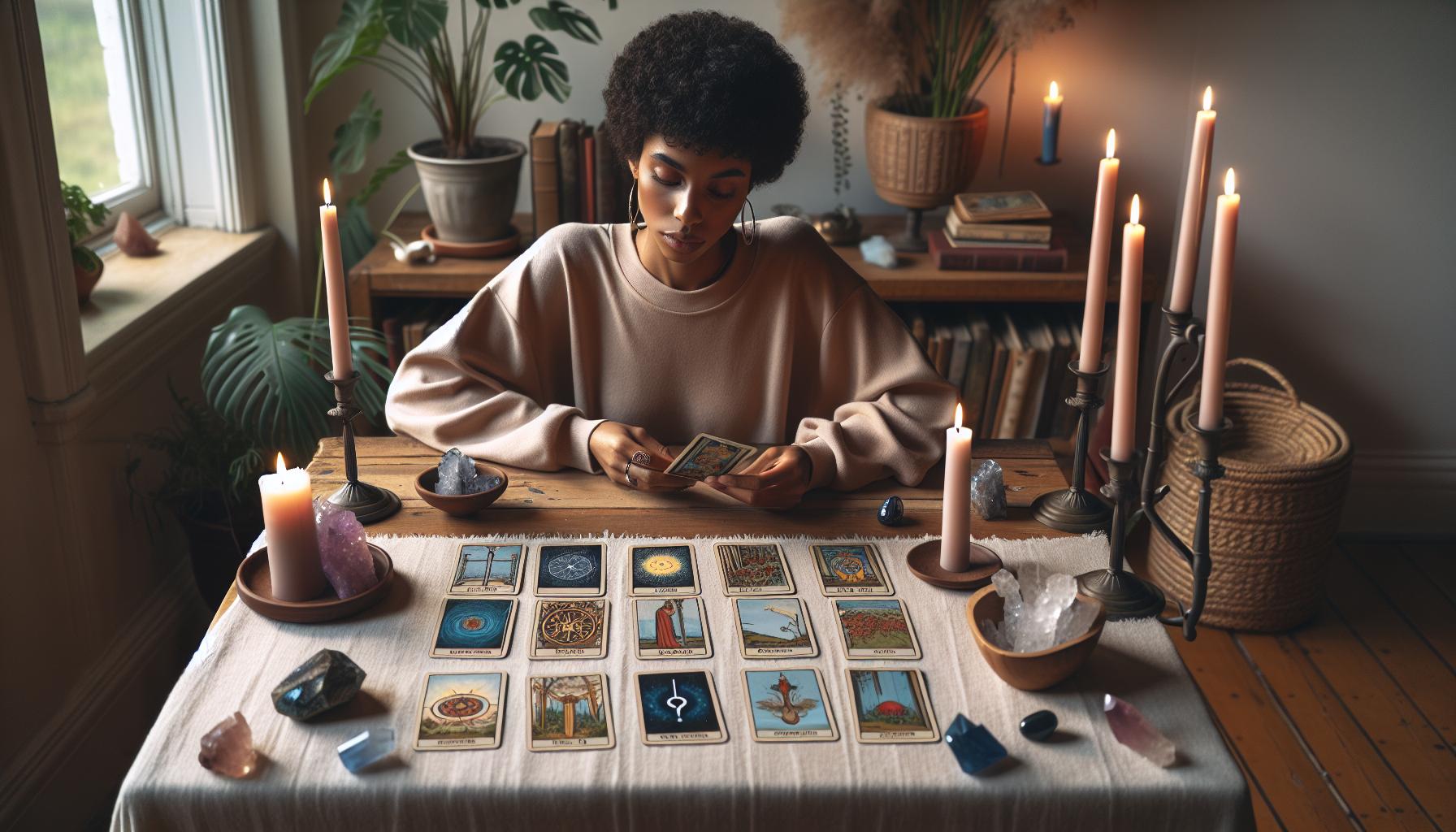
Understanding the meanings of Tarot cards is key to unlocking the powerful insights they offer. Each card serves as a guide, presenting themes and energies that resonate with life experiences. When embarking on self-reading, the secret lies not just in memorizing card meanings but in forming a personal connection with each symbol and its narrative.
The first step is to familiarize yourself with the core meanings of each card. A typical Tarot deck consists of 78 cards, divided into two main categories: the Major Arcana and the Minor Arcana. The Major Arcana cards represent significant life events or lessons, while the Minor Arcana reflects everyday situations. You might begin by focusing on fundamental meanings, such as:
- The Fool: New beginnings, adventure, and spontaneity.
- The Magician: Manifestation, resourcefulness, and power.
- The Empress: Abundance, nurturing, and fertility.
- Five of Cups: Loss, grief, and focusing on what’s missing.
- Two of Pentacles: Balance, adaptability, and managing priorities.
Consider keeping a Tarot journal where you jot down your thoughts on each card. Reflect on experiences that resonate with the themes presented, and how they manifest in your life. Over time, you’ll find personal interpretations emerging-allow this to be fluid, as meanings can shift based on your intuition and context of a reading.
As you grow comfortable with the basic meanings, experiment by pulling cards daily and observing how they relate to your current situation. For beginners, a simple one-card draw can provide profound insights into your day. When you draw a card, ask yourself questions like: What does this card signify in my present life? What guidance does it provide? This practice enables you to integrate the cards into your daily life, enhancing your understanding of their messages.
For more advanced self-readers, intricate spreads can deepen your exploration. Consider the Celtic Cross or the Three-Card Spread, which can provide comprehensive insights into different aspects of your situation, such as past influences, present circumstances, and future outcomes. As you interpret the cards in relation to one another, pay attention to how their meanings interact, creating a dialogue that reveals deeper stories.
Embrace the journey of discovering Tarot meanings as an evolving process. Recognize that there’s no right or wrong interpretation; it’s about what resonates with you in your unique context. Every time you read, you’ll build confidence in your intuitive abilities, as you learn to trust your feelings and insights. Remember, the cards are not merely tools; they are mirrors reflecting the landscape of your soul, guiding you toward growth and clarity.
The Art of Developing Your Intuition with Tarot

Developing intuition with Tarot is a transformative journey that invites you to trust your inner voice while navigating life’s complexities. As you immerse yourself in the rich symbolism of the cards, you’ll discover that intuition isn’t just a mystical gift-it’s a natural aspect everyone can cultivate. Start with a foundational practice: engaging deeply with each card. Rather than simply memorizing meanings, spend time reflecting on how the imagery and symbolism resonate with your personal experiences.
Connecting with the Cards
Begin by selecting a few cards each day to study. You might pull a card in the morning to set the tone for your day, or choose a card that intuitively calls to you. Ask yourself open-ended questions such as:
- What emotions does this card evoke in me?
- What memories or experiences does it remind me of?
- How does this card reflect my current situation?
Keep a Tarot journal to document your insights, as this practice reinforces your developing connection with the cards and their meanings. Over time, you’ll notice patterns emerge-specific cards may consistently reflect certain feelings or situations in your life, deepening your understanding of their significance.
Trusting Your Inner Wisdom
As you gain comfort, start incorporating intuitive practices into your readings. In a self-reading, choose a spread that feels right, but allow your intuition to guide your interpretation. For instance, if you draw the Two of Swords, notice where your thoughts wander. Rather than recalling textbook definitions, focus on what the image feels like for you in the moment-does it evoke conflict or indecision? Perhaps it represents a choice you face.
Practice mindfulness during your readings. Breathe deeply and clear your mind to foster a state of receptivity. Intuition often whispers during moments of stillness, so allow yourself to be open to whatever insights arise.
Embracing Mistakes as Learning Opportunities
It’s essential to approach your intuitive journey without self-judgment. Mistakes or unexpected readings are simply stepping stones toward deeper understanding. Reflect on challenging readings-what felt off? Use these experiences to refine your approach, reshaping how you connect with the cards and your intuition over time.
Ultimately, developing your intuition with Tarot is about fostering a supportive relationship with yourself and the cards. By embracing your unique insights, you create a sacred space where wisdom can flow freely, guiding you toward clarity and empowerment in your life. Remember, the journey is yours-there are no wrong turns, only paths to self-discovery.
Popular Tarot Spreads for Self-Reflection
Exploring Tarot spreads is an exciting way to deepen your self-reflection and enhance your understanding of the paths that lie ahead. Each spread serves a unique purpose, allowing you to tap into different aspects of your life, whether you seek clarity on a specific issue or a broader understanding of your current circumstances. For those embarking on their Tarot journey, certain spreads stand out as accessible yet profoundly insightful.
One of the most favored layouts among newcomers is the Three-Card Spread. This simple yet versatile spread helps you explore past, present, and future influences related to a question or situation. As you lay down the cards, focus on the following meanings:
- First Card: Represents your past experiences or the roots of the current situation.
- Second Card: Reflects your present emotions or circumstances.
- Third Card: Offers insight into potential outcomes or future possibilities.
For example, if you’re grappling with a career decision, you might draw the Six of Cups in the first position, indicating nostalgia or a return to past influences. The Three of Pentacles in the center might suggest collaboration and teamwork in your current role, while the future card, the King of Swords, could point towards embracing logic and clear communication to navigate the journey ahead.
Another popular option is the Celtic Cross, which may seem complex initially but offers comprehensive insights into various aspects of your life. This ten-card spread examines your current situation, challenges, and hopes, providing a nuanced narrative connecting the different facets of your existence. Here’s a brief overview of its layout:
- 1. Present Position: Where you currently stand.
- 2. Immediate Challenge: What’s blocking you?
- 3. Distant Past: Influence of previous events on your current situation.
- 4. Recent Past: Events leading up to the present.
- 5. Best Outcome: What to strive for.
- 6. Immediate Future: What’s coming next.
- 7. Your Power: What you can do to help yourself.
- 8. External Influences: People or circumstances affecting your situation.
- 9. Hopes and Fears: Your innermost desires and anxieties.
- 10. Final Outcome: The likely result based on current energies.
When interpreting this spread, inhabit the perspective of each card while remaining attentive to patterns and connections. Maybe the Devil appears in your challenge position, hinting at unhealthy attachments you must confront.
For a quick daily reflection, consider the Single Card Draw. Each morning, pull a card to set your intentions or themes for the day. This practice not only promotes mindfulness but also encourages a regular, reflective habit that can be illuminating over time.
Embrace these spreads as tools for exploration. Engaging with them through thoughtful questions and journaling will transform your Tarot practice into a wellspring of insight, guiding you in the quest for self-understanding. The key is to approach your readings with an open heart and mind, allowing the cards to speak to you in meaningful ways.
Creating a Sacred Space for Your Readings
Creating a nurturing environment for your Tarot readings is essential for connecting deeply with your intuition and the cards themselves. Think of your sacred space as a canvas where the energies of the cards can flourish and resonate. Even a small, quiet corner in your home can become a powerful sanctuary for reflection and insight.
Start by choosing a location that feels peaceful and free from distractions. It could be a corner of your room, a dedicated table, or even a comfortable chair by a window. Once you’ve settled on a spot, infuse the area with elements that resonate with you. Consider incorporating items such as:
- Candles: The soft glow of candles can create a warm atmosphere and symbolize illumination.
- Crystals: Select crystals that enhance clarity and intuition, such as amethyst or clear quartz, to place around your reading area.
- Altar Items: Personal touches like photographs, meaningful tokens, or artwork can significantly enhance your space.
- Textiles: A soft cloth or shawl can not only ground the area but also serve as a comfortable surface for your cards.
Next, it’s important to clear the energy of your sacred space. You might choose to smudge with sage, burn incense, or simply take a few deep breaths to center yourself. As you prepare your space, think about your intentions for the reading. This could involve setting a specific question or simply inviting whatever message the cards may hold for you.
A unique practice to deepen this process is to establish a ritual before each reading. This could be as simple as lighting a candle and saying a few words of gratitude or intention. For example, you might say, “May these cards reveal the insights I need to navigate my path.” Engaging in this brief ritual helps signal to your mind and spirit that you are entering a sacred and focused time.
Creating this safe and inviting space allows the intuitive messages of the Tarot to come through clearly. Remember, it’s your connection to the cards that matters most. The goal is to cultivate a setting that feels personal and special, making your self-readings a cherished practice.
Steps to Prepare for a Successful Self-Reading
To ensure a fulfilling self-reading experience, you can follow a few intentional steps that help align your energy with the Tarot and invite clarity and insight into your practice. This process is not just about the mechanics of reading the cards; it’s about creating a personal ritual that enhances your intuition and fosters a deeper connection with the cards.
Start by setting an intention for your reading. Think about what you hope to gain from this session. It could be clarity on a specific situation, guidance on personal growth, or simply an exploration of your current emotional state. Your intention acts like a compass, directing the energy of the reading. A simple statement, like “I seek guidance in my career path,” can set a clear focus.
Next, ensure your cards and materials are ready. This includes your Tarot deck, a notebook for jotting down insights, and perhaps a pen or any additional tools you like to incorporate, such as crystals or oracle cards. If you’re using a new deck, take a moment to connect with it-shuffle the cards while thinking about your intention, or even conduct a small cleansing ritual. This could involve lightly tapping each card or laying them out in a spread to feel their energy.
Once you have set your intention and prepared your materials, it’s time to choose a Tarot spread that aligns with your question. For beginners, a three-card spread can be a great starting point. It can represent the past, present, and future or different facets of the situation. As you lay out the cards, keep your intention in mind, allowing the energy to flow into each card placement.
Lastly, create a calm, focused mindset before diving into the reading. You might want to take a few deep breaths, meditate for a minute, or even engage in a brief grounding exercise, such as visualizing roots extending from your feet into the earth. This helps clear your mind and prepares you to receive the messages from the Tarot without distraction or judgment.
By following these steps, you’ll create a structured yet fluid approach to your self-readings, allowing insights to unfold naturally and enriching your journey with Tarot.
Interpreting Your Reading: Connecting the Cards
When you immerse yourself in a Tarot reading, the connection between the cards can reveal profound insights, much like a conversation where each voice adds depth to the discussion. Understanding how to interpret these connections can transform your self-reading into a powerful dialogue with your inner self. The key lies in examining how the cards relate to one another, as well as the overall theme of your spread.
To begin, consider the cards’ positions and their meanings. Each card plays a unique role depending on where it is placed in the spread. For instance, in a three-card spread where the cards represent past, present, and future, the influences of the past can shape present decisions and future outcomes. Take a moment to reflect on how the narrative unfolds as you look at each card. Are there recurring symbols or themes? Do any cards evoke a strong emotional reaction or connection? These feelings can guide you to deeper interpretations.
Next, focus on the interactions between cards. Look for both harmony and contrasts. If a Major Arcana card appears alongside several Minor Arcana cards, it may indicate significant energies at play in the mundane aspects of your life. For example, if The Empress (representing abundance and nurturing) sits next to the Eight of Swords (symbolizing restriction), it could suggest a struggle to manifest your nurturing qualities due to limiting beliefs. Consider what each card might be saying about your situation in relation to the others.
Building the Big Picture
After analyzing the individual connections, step back and look at the entire spread as a whole. What story do the cards collectively tell? Ask yourself open-ended questions: What themes emerge? How do the cards relate to your initial intention? This broader perspective helps to integrate the insights, offering a more comprehensive understanding of your life’s current chapter. Pay attention to any “aha!” moments as you piece together the messages.
Lastly, trust your intuition. Your personal experience shapes how you interpret the cards. Engage in dialogue with your intuition: what does your gut feel about the associations you are making? Write down your intuitive hits alongside the analytical interpretations; this creates a record of your evolving understanding and connection to the Tarot. There are no wrong interpretations when it comes to personal readings-allow yourself the freedom to explore various meanings, and notice how they resonate.
Utilizing these techniques will enhance your interpretive skills and deepen your connection to your Tarot practice, turning self-readings into enlightening journeys of self-discovery.
Common Self-Reading Mistakes and How to Avoid Them
When embarking on your Tarot self-reading journey, it’s easy to get caught up in the excitement and potential of the cards. However, many beginners fall into common pitfalls that can cloud their interpretation and diminish the reading’s effectiveness. Being aware of these mistakes is the first step to deepening your understanding and connection with the Tarot.
One frequent mistake is rushing through the interpretation of the cards. Each card has rich symbolism and a unique story to tell, and taking the time to reflect on each one is crucial. Rather than flipping cards and jumping to conclusions, allow yourself to sit with the imagery and messages. Write down your initial impressions, and revisit them after reviewing all the cards to see how your understanding has evolved.
Another common error is relying solely on book meanings for card interpretations. While it’s helpful to use resources to understand traditional meanings, these should serve as a starting point rather than the definitive answer. The Tarot speaks to you personally, and your intuition is vital in weaving those meanings into your unique context. Strive to find connections between the cards and your life experiences without feeling restricted by standardized interpretations.
Additionally, many readers ignore the importance of setting an intention before a reading. Without a clear purpose, the messages may become muddled. Spend a moment in quiet reflection, and think about what you hope to gain from the reading. This intention acts as a compass, guiding your interpretation and making the reading more impactful.
Lastly, don’t be afraid to make mistakes! Tarot is a powerful tool for self-discovery, and each reading is a learning opportunity. Embrace any confusion or unexpected outcomes as part of your growth. Keep a journal to track your readings and insights-this practice will not only help clarify your thoughts but also document your progression over time. Remember, your relationship with the Tarot is uniquely yours, and every experience is valuable.
Integrating Tarot into Your Daily Life
can be a transformative experience, bringing clarity and insight to your routine. By incorporating card readings into your everyday activities, you can cultivate a deeper connection with yourself and navigate life’s challenges with greater ease. One simple way to start is by pulling a single card each morning. This practice serves as a guiding light for your day, inspiring reflection and encouraging you to align your actions with the wisdom of the Tarot.
You can take this a step further by creating mini-readings around specific themes or questions relevant to your daily experiences. For example, if you’re contemplating a significant decision at work, lay out a three-card spread focusing on the past, present, and future regarding that situation. Allow yourself the time to interpret each card, considering their meanings both in traditional contexts and how they resonate with your current circumstances. This not only deepens your understanding of the Tarot but also enhances your intuitive abilities.
Sustaining a Tarot journal is another powerful method for integration. Dedicate a notebook to your daily draws and insights, recording the cards and your reflections on their relevance to your life. Over time, you may notice patterns and themes emerging that offer profound insights into your personal growth. Additionally, use your journal to track your questions and the outcomes, creating a rich history of your Tarot journey that can illuminate your future readings.
Lastly, consider creating a sacred space in your home dedicated to your Tarot practice. This could be a small altar or a cozy reading nook where you can reflect and engage with your cards without distraction. Fill this space with objects that inspire you-crystals, candles, or meaningful photographs. This intentional setup can help anchor your practice and make your Tarot readings feel more special and significant.
By weaving Tarot into the fabric of your daily life, you not only enhance your self-awareness but also empower yourself to face the world with a stronger, more intuitive perspective. Remember, Tarot is a tool for exploration and connection; the more you engage with it, the more you’ll uncover its endless depths and insights.
Advanced Techniques for Intuitive Readings
When delving into the more nuanced aspects of Tarot reading, developing your intuition is essential for deepening your connection with the cards. Unlike merely memorizing card meanings, intuitive reading involves tapping into your inner voice and recognizing the unique messages the Tarot offers you in a moment. This approach can transform a reading from a superficial exercise into a profound dialogue with your subconscious.
Engaging All Your Senses
To enhance your intuitive skills, start by engaging your senses during readings. Set the scene by incorporating elements that resonate with you-soft lighting, calming scents, or soothing sounds. As you shuffle the cards, pay attention to the sensations and emotions that arise. Do some cards feel heavier or lighter in your hands? Are you drawn to specific images or colors? These feelings can guide your interpretation.
Practice Visualization: Close your eyes and visualize yourself in a place where you feel safe and inspired. Picture the cards being spread out in front of you. What images and feelings come to mind? This mental exercise helps strengthen your intuitive responses and can lead to unexpected insights during actual readings.
Reading with Intentions
One effective technique for intuitive readings is setting clear intentions before each session. Ask yourself what you wish to explore or understand better. Write down your questions or intentions on a piece of paper and place it under your deck as you begin. This practice creates a focused energy that guides the cards to unfold their messages relevant to your inquiry.
When interpreting the cards, don’t be afraid to stray from traditional meanings. For instance, if you draw the Tower card-often associated with disruption and chaos-tune into how it resonates with your current life situation. It could symbolize a necessary breakdown of old beliefs or the liberation that comes from letting go. Trust your gut feelings; they often lead to the most insightful revelations.
Group Dynamics and Collective Energy
Another advanced technique involves reading with others or participating in Tarot circles. This communal approach allows for the exchange of perspectives and interpretations. When you discuss your insights with other readers, you may discover angles you hadn’t considered. It also builds a sense of shared energy, which can enhance frequency levels, making it easier to access intuitive guidance.
To practice this, schedule regular meet-ups where each participant can share their readings and reflections. You might even try collaborative spreads where each person contributes their unique interpretations to a collective question. The richness of shared experiences can deepen everyone’s understanding and reinforce the idea that Tarot is a personal and communal journey.
By immersing yourself in these advanced techniques, not only do you cultivate your intuitive abilities, but you also make Tarot a deeply personal tool for insight and guidance. Remember, the magic of Tarot lies not just in the cards themselves but in your interpretation, making each reading a uniquely personal experience.
Using Tarot for Decision Making and Guidance
Making decisions can often feel overwhelming, but using Tarot as a guiding tool can bring clarity and insight. The beauty of Tarot lies in its ability to illuminate various paths and possibilities, helping us make choices that resonate with our true selves. By turning to the cards, you can tap into your subconscious mind, allowing deeper understanding and perspective on the situations you face.
Begin by framing a specific question or decision you want guidance on. For example, if you’re contemplating a career move, ask, “What should I consider before making this change?” Once you’ve clarified your question, select a Tarot spread that suits your inquiry. Simple three-card spreads-representing the past, present, and future-can be particularly effective for decision-making.
As you lay out the cards, take a moment to absorb their imagery and meanings. The first card might represent what you’ve learned from past experiences, the second card signifies your current situation, and the third offers insight into potential outcomes. It’s essential to embrace intuitive interpretation here; the cards might trigger feelings or thoughts that align with your personal experiences.
Trusting Your Intuition
While Tarot offers rich symbolism, your intuitive responses play a critical role in decision-making. Allow yourself the freedom to interpret the cards through your lens. For example, drawing ‘The Two of Swords’ may prompt you to reflect on a decision that you are currently avoiding. Instead of relying solely on the card’s meaning-conflict or indecision-consider how this relates to your situation. Are you resisting a choice out of fear? This reflection is where Tarot truly shines, guiding you to uncover hidden truths.
Embrace the act of journaling your findings. After your reading, write down the insights surfaced during your session. How do the cards connect with your feelings and thoughts regarding your decision? This practice not only solidifies your understanding but also provides a reference for future readings. Over time, you may find patterns emerging that can further refine your decision-making process.
Transforming Decisions into Goals
Using Tarot for decision-making isn’t just about finding the right answer; it’s about empowering yourself to take action. Use the insights from your reading to formulate a plan. If the cards suggest a direction, outline specific steps you can take to move forward. For instance, if ‘The Chariot’ appears, it may encourage you to harness your willpower and drive to pursue your goal.
Engaging with Tarot in this way transforms the cards from mere divination tools into practical sources of wisdom. By integrating Tarot into your decision-making practice, you cultivate confidence in your choices and clarity in your path, making not only more informed decisions but also aligning your life more closely with your true desires.
Q&A
Q: What is the best way to set an intention for a Tarot reading?
A: To set an intention for your Tarot reading, take a moment to ground yourself and reflect on what you truly seek insight into. Clearly articulate your question or intention, either aloud or in writing. This focus will guide your interpretation, aligning you with the guidance of the cards. Explore “Creating a Sacred Space for Your Readings” in the main article for deeper insights.
Q: How can I choose the right Tarot spread for self-reading?
A: Selecting the right Tarot spread depends on your question’s complexity. For general insights, a simple three-card spread works well. For more detailed inquiries, consider a Celtic Cross spread. Always choose a spread that resonates with your current situation and comfort level. Check out “Popular Tarot Spreads for Self-Reflection” for more options.
Q: Why is it important to trust my intuition when reading Tarot?
A: Trusting your intuition is vital in Tarot reading because it facilitates a deeper connection with the cards and their meanings tailored to your situation. Your intuition helps generate personal insights that go beyond textbook definitions, making your readings more relevant and impactful. Learn more about “The Art of Developing Your Intuition with Tarot” in the main article.
Q: How do I deal with difficult or contradictory messages in my Tarot reading?
A: When confronted with difficult or conflicting messages in your Tarot reading, take a moment to breathe and reflect. Consider how each card’s meaning relates to your question and context. Sometimes, these messages highlight areas that require attention or change. Refer to “Interpreting Your Reading: Connecting the Cards” for practical tips on navigating complex readings.
Q: What common mistakes should I avoid during self-readings?
A: Common mistakes in self-reading include over-interpreting every card, being too attached to a specific outcome, and allowing external influences to sway your understanding. Approach your reading with an open mind and a clear focus to enhance your experience. For more guidance, see “Common Self-Reading Mistakes and How to Avoid Them.”
Q: How can I integrate Tarot into my daily routine?
A: To integrate Tarot into your daily routine, dedicate time each morning or evening for a quick one-card pull. Use this card for reflection throughout your day, allowing its message to inform your actions and thoughts. This consistent practice enhances your intuitive abilities. Explore “Integrating Tarot into Your Daily Life” for more ideas.
Q: When is the best time to perform a Tarot reading for myself?
A: The best time for a Tarot reading is when you feel calm and focused, free from distractions. Many readers find early mornings or quiet evenings most conducive for introspection. Align your readings with lunar phases or significant life events for added depth. Consider creating a ritual around your readings for consistency.
Q: How can I improve my Tarot reading skills over time?
A: To improve your Tarot reading skills, practice regularly by doing self-readings and comparing interpretations with traditional meanings. Join Tarot communities or workshops to share insights and learn from others. Documenting your readings in a journal can also help track your growth and enhance understanding. Check “Advanced Techniques for Intuitive Readings” for further development strategies.
In Conclusion
As you embark on your journey to read the Tarot for yourself, remember that the cards are a mirror reflecting your inner wisdom. Trust your intuition and experiment with different spreads, like the insightful 3-Card Tarot Reading, to deepen your understanding of your life’s path. Don’t hesitate to revisit this guide as you refine your skills-Tarot is a personal practice meant to evolve with you.
Ready to take the next step? Explore our 3-Card Tarot Love Reading for heartfelt insights into your relationships, or delve into your professional life with the 3-Card Tarot Career Reading. Join our community today by signing up for our newsletter to stay updated and continue growing your intuitive practice. Share your experiences and insights in the comments-let’s create a supportive space where learning and sharing abound. Your journey with Tarot promises to be enlightening, and the time to start is now!
Get our latest guides, news, and insights highlighted in your Google Search & AI Overviews.