Have you ever felt a nagging curiosity about tarot cards, perhaps envisioning a path to deeper self-awareness or guidance? Reading your own tarot can be a powerful tool for reflection and insight, yet many newcomers stumble over common pitfalls. Understanding how to interpret the cards can unlock the potential they hold, transforming your intuitive abilities. In this guide, we’ll navigate the essentials of tarot reading-highlighting key meanings and practical techniques. You’ll learn to trust your intuition, avoid common mistakes, and cultivate a deeper connection with the cards. Whether you’re a skeptic or a seasoned seeker, this journey aims to empower you in harnessing the wisdom of tarot cards, making the mystical accessible to all. Let’s delve into the art of reading your own tarot and discover how it can illuminate your path.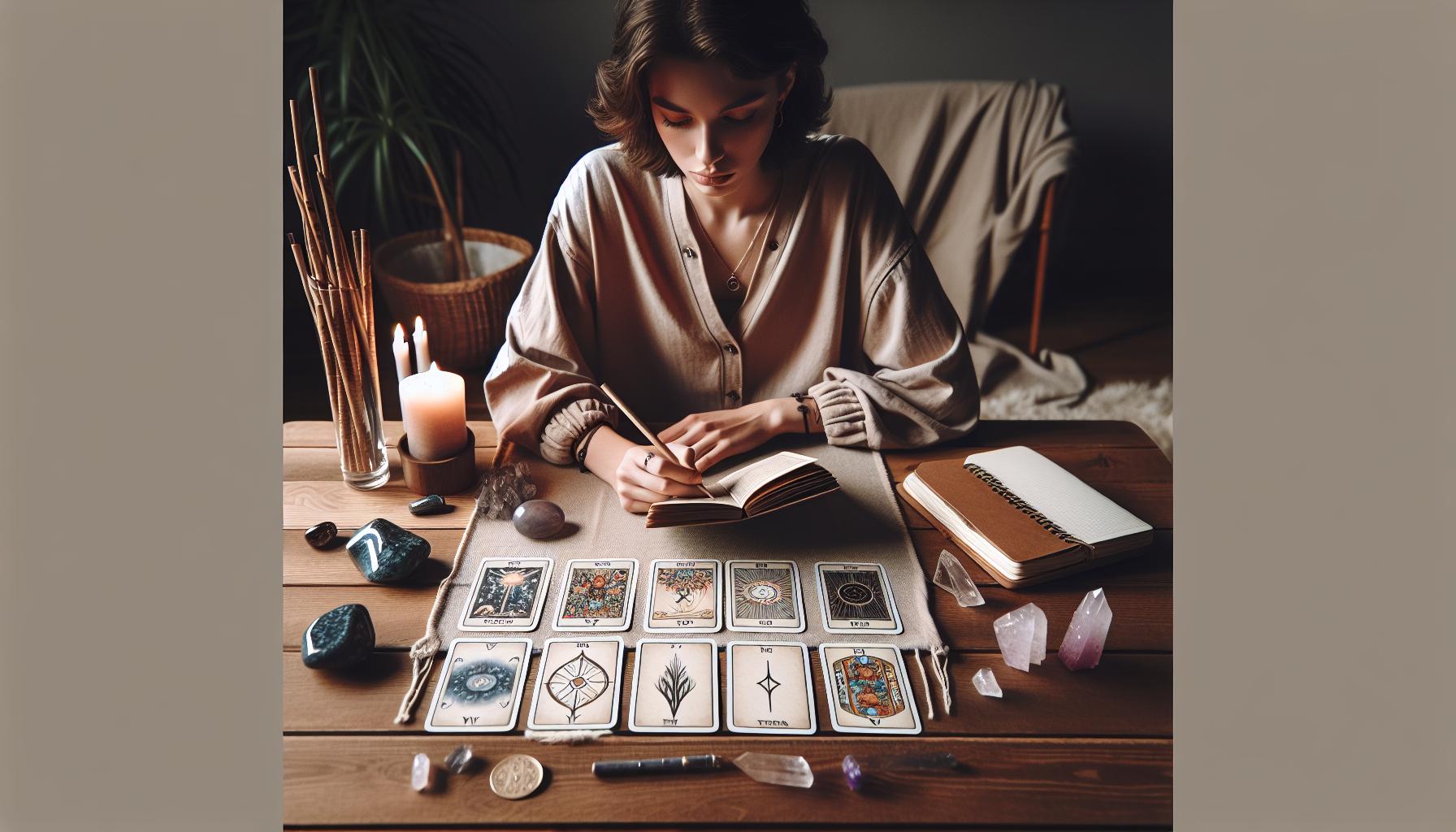
How to Get Started with Tarot Reading
Starting your journey into tarot reading can be both exciting and daunting. Imagine sitting down with a deck of cards that not only serve as a tool for divination but also as a mirror reflecting your inner thoughts and feelings. Engaging with tarot invites you to explore your intuition and connect deeply with your emotions. To begin this journey, it’s essential to approach your readings with an open mind, curiosity, and a willingness to explore the messages the cards convey.
Before you shuffle the deck, take a moment to center yourself. This may involve closing your eyes, taking deep breaths, or even meditating. Establishing a calm, focused state prepares you to receive the insights that will unfold during your reading. As you draw cards, be mindful of your intentions. Frame a specific question or theme for your reading; this focused approach can unlock deeper meanings in the cards you reveal.
Understanding basic card meanings is essential, but don’t be afraid to rely on your intuition as well. Every card has traditional interpretations, yet personal insights can often provide richer, more relevant meanings in the context of your life. For instance, the Fool may suggest new beginnings traditionally, but for you, it could represent a leap of faith you’re contemplating in your career. Reflect on the imagery and emotions each card evokes. Take notes on your impressions and any personal connections they bring up, as this practice will strengthen your intuitive skills over time.
As you gain confidence, start experimenting with simple tarot spreads. The three-card spread, focusing on the past, present, and future, is a fantastic place to start. This straightforward layout allows for immediate clarity and insight into your situation. Remember to approach your readings with kindness towards yourself-it’s a learning process. While some readings will resonate deeply, others may feel less impactful. Embrace this journey of personal growth and exploration, knowing that each reading brings you a step closer to mastering your tarot skills.
Understanding Tarot Cards: A Brief Overview
The world of tarot cards is rich and intricate, offering a unique blend of symbolism, intuition, and storytelling that speaks to every individual’s deep-seated emotions and experiences. Each card represents a facet of life-emotions, challenges, archetypes, and universal themes. Understanding these elements can unlock profound insights into your life’s journey and decision-making processes. For beginners, it’s crucial to grasp that tarot isn’t just about predicting the future; it’s a tool for self-reflection and personal growth.
When you consider the structure of a traditional tarot deck, it consists of 78 cards divided into two main parts: the Major Arcana and the Minor Arcana. The Major Arcana contains 22 cards that depict significant life events or spiritual lessons, while the Minor Arcana comprises 56 cards that reflect everyday circumstances. These cards are further divided into four suits-Wands, Cups, Swords, and Pentacles-each of which relates to different aspects of life, such as creativity, emotions, intellect, and material issues. Familiarizing yourself with some key cards can provide a solid foundation for your readings.
To effectively read tarot cards, approach each card with curiosity and an open heart. Reflect on the imagery, colors, and emotions evoked by the cards drawn in a reading. Each card’s meaning can vary based on the context of your inquiry and the other cards surrounding it. For example, drawing the Tower card may traditionally signify chaos or upheaval. Still, in the context of a question about personal growth, it could suggest a necessary breakdown of old beliefs to pave the way for new opportunities. Keeping a tarot journal to record your interpretations and feelings about each reading can enhance your understanding over time.
Lastly, trust your intuition. While there are basic meanings associated with each card, your personal insights and feelings are equally important in interpreting their significance. Tarot reading is deeply personal, and the more you practice, the clearer your intuition will become. Engage with the cards regularly, ask questions, and allow the wisdom of the tarot to guide you on your path. Whether you’re skeptical or a seasoned enthusiast, remember that tarot reading is an inclusive practice intended for everyone, nurturing your inner voice and illuminating your life’s journey.
Choosing the Right Tarot Deck for You
Choosing the right tarot deck is one of the most personal and empowering steps in your tarot journey. With countless designs and interpretations available, finding a deck that resonates with you can enhance your readings significantly. Consider starting with these helpful tips to ensure you select a deck that feels right for you.
Firstly, explore deck themes and artwork. Tarot decks come in a variety of artistic styles, from traditional designs like the Rider-Waite-Smith to modern, abstract interpretations. The imagery should evoke emotions and connect with you on some level. Spend time browsing through options, whether in a bookstore or online, and pay attention to how different decks make you feel. A deck that resonates emotionally will be more effective in your readings.
Next, think about the symbolism and interpretations present in the deck. Some decks adhere closely to traditional interpretations of the cards, while others may introduce unique symbolism that reflects contemporary themes or personal philosophies. Researching a deck’s guidebook can offer insights into its specific meanings and may help you choose one that aligns with your personal beliefs and reading style.
Additionally, consider the size and quality of the cards. A deck that feels comfortable in your hands is crucial, especially for shuffling and spreading. Larger cards may be visually stunning, but if they are unwieldy for your hands, they can turn a reading into a chore. Opt for a deck that you feel physically comfortable with, as this will make your readings more enjoyable and intuitive.
Finally, don’t hesitate to trust your intuition. Sometimes you may feel a strong attraction to a deck simply because it resonates with your energy. This gut feeling can be an excellent guide. You might also consider borrowing decks from friends or using digital versions before making a purchase, allowing you to experience different styles and interpretations without commitment.
In summary, selecting your tarot deck is an exploration of personal resonance, artistic style, and intuitive appeal. The right deck will not only enhance your ability to read but will also enrich your spiritual connection and personal growth through tarot.
Setting the Perfect Space for a Reading
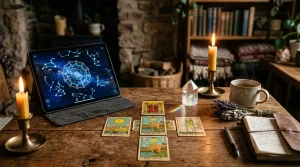
Creating a sacred space for your tarot reading is essential for fostering clarity, intuition, and connection with the cards. When you carve out a dedicated area, you signal to yourself and the universe that this time is special and worthy of your focus. A calm environment can dramatically enhance your readings, helping you tune into the energy of the moment and the messages awaiting you.
Start by choosing a space that feels comfortable and quiet, free from distractions. This could be a corner of your room, a cozy chair, or even outside in nature. The key is to create a setting that allows you to feel at ease. You might want to add elements that promote tranquility, such as soft lighting, comfortable cushions, or a warm blanket. Consider playing soft music or nature sounds in the background to enrich the atmosphere.
Once you have your location established, you can personalize it further. Here are some tips to make it uniquely yours:
- Use altars or crystals: Set up a small altar with items that resonate with you, such as candles, crystals, or sacred symbols. Crystals like amethyst or clear quartz can amplify your intuition.
- Incorporate scents: Aromatherapy can enhance your experience. Use essential oils or incense that you find soothing, like lavender or sandalwood, to create a calming aroma.
- Your preferred tools: Keep your tarot deck, journal, and any other tools you like (such as a pendulum or oracle cards) within reach. Having everything organized can help you feel more centered and prepared.
- Personal touches: Add personal items like photos or mementos that hold significance for you. These can deepen the connection to your intuition and guide you in your readings.
Finally, before you begin your reading, take a moment to ground yourself. You might want to meditate, take deep breaths, or even light a candle as a ritual to signal the start of your session. Clearing your mind of distractions allows you to focus on the cards and the guidance they offer, making for a more profound and insightful reading experience. This intentional space will empower you to embrace your readings with confidence and clarity, guiding you along your tarot journey.
Basic Tarot Spreads for Beginners
Taking the plunge into tarot readings can be both exhilarating and daunting, especially when selecting your first spreads. Basic tarot spreads serve as the foundation for your reading practice, allowing you to gain clarity on specific questions or themes in your life. Let’s explore a few straightforward spreads that can guide you on your journey and help you avoid common pitfalls.
Three-Card Spread
One of the simplest yet most effective spreads for beginners is the three-card spread. This layout can provide a clear past-present-future narrative. For instance, when you draw your cards, interpret the first card as influences from the past, the second as present circumstances, and the third as possible future outcomes. This way, you can start to build a narrative around your situation, allowing the cards to guide your understanding and intuition.
Two-Card Spread
If you’re looking for clarity on a specific question, a two-card spread is perfect. Use the first card to represent options or challenges, and the second card to symbolize guidance or potential outcomes. For example, if you’re considering a job change, the first card might reflect your current job situation while the second suggests the potential new role’s influence on your life. This straightforward approach helps prevent overwhelm and keeps your reading focused.
One-Card Draw
For those who feel unsure about multiple cards, a one-card draw can offer daily guidance. Simply shuffle the deck while focusing on a question or topic, then draw a single card. Reflect on its meaning and how it applies to your day or situation. This practice not only builds your confidence but also strengthens your intuitive skills as you learn to interpret the cards in real-time.
Common Mistakes to Avoid
As you begin your tarot journey, it’s easy to trip over common mistakes. One primary pitfall is overcomplicating spreads. Starting with simple layouts allows you to focus on the cards’ meanings without being overwhelmed by multiple interpretations. Additionally, ensure you approach your readings with an open mind rather than seeking definitive answers. Tarot is about guidance, not fortune-telling.
With practice and patience, using these basic spreads will enhance your confidence and deepen your connection to the cards. Trust yourself, and remember that tarot is an invitation to explore your inner landscape, guiding you through life’s questions and uncertainties. Embrace the process, and enjoy the journey!
Interpreting Tarot Card Meanings with Confidence
Interpreting tarot cards can feel daunting, but with a bit of practice and understanding, you can approach it with confidence and clarity. Each card is rich with symbolism and meaning, providing insights that resonate with your personal experiences. Remember, the way you interpret the cards should reflect your unique intuition and life perspective. This allows for more meaningful readings that truly speak to you.
To begin interpreting card meanings, start by familiarizing yourself with the basic themes of each card. The Major Arcana, which represents significant life lessons and spiritual insights, contrasts with the Minor Arcana, which focuses on everyday events. Create a simple reference guide, summarizing key themes of each card may help anchor your memory. For example, The Fool signifies new beginnings and spontaneity, while Death, despite its intimidating name, represents transformation and the end of a cycle leading to new growth.
Once you have a grasp of the card meanings, practice pulling a few cards at random to interpret together. Look for connections and narratives that emerge from them. Consider asking specific questions for each reading to frame your interpretations more clearly. For instance, if you pull The Lovers and The Two of Cups, the story may revolve around a significant relationship that promotes harmony and partnership in your life. Pay attention to your feelings and thoughts as you interpret-your intuition is a powerful tool in guiding your understanding of what the cards mean in the context of your life.
Moreover, it’s crucial to avoid the common mistake of adhering too strictly to traditional meanings. While studying the standard interpretations can provide a framework, embrace the personal context that each card holds for you. Keeping a tarot journal can be invaluable; jot down your interpretations and how the cards relate to your questions or life events. Over time, you’ll develop a deeper understanding and intuition that will strengthen your reading abilities.
Ultimately, trust in yourself and your intuitive guidance as you explore the fascinating world of tarot. Each reading is a dialogue between you and the cards, offering a path for personal reflection and growth. Embrace this journey, and let the experience unfold naturally and beautifully.
Common Mistakes to Avoid in Tarot Reading
When embarking on your journey with tarot, it’s easy to make a few common mistakes that can hinder your growth and understanding. Many beginners feel overwhelmed by the vast amount of information and traditional interpretations, often leading them to pitfalls that can diminish their confidence. Recognizing these missteps is vital to cultivating a fulfilling tarot practice.
One prevalent mistake is relying too heavily on traditional card meanings without allowing for personal interpretation. While each card has established interpretations, your intuitive insights are equally important. For example, when pulling The Tower, while you might initially associate it with chaos or upheaval, consider how it might reflect a necessary change or epiphany in your own life context. Embrace the dialogue between your intuition and the traditional meanings to create readings that resonate deeply with you.
Another frequent error is asking overly vague or broad questions. For instance, instead of asking, “What will happen in my future?” consider refining your question to something more specific, like “What should I focus on in my career over the next month?” This clarity helps direct the energy of the reading, making the subsequent insights much more actionable and relevant.
Overthinking card spreads can also be a stumbling block. Beginners often get caught up in complex layouts, believing that more cards mean better insights. Instead, start simple. The three-card spread-past, present, future-can offer profound insights without overwhelming you. This simplicity allows you to focus on the key messages of your cards clearly.
Lastly, neglecting the practice of reflection can stifle your growth. After each reading, take a moment to journal about your interpretations, how they felt at the moment, and any realizations you might have had. This practice not only consolidates your learning but also helps you track your intuitive development over time.
By being aware of these common traps, you empower yourself to cultivate a richer, more intuitive tarot practice. It’s about nurturing a relationship with the cards that feels authentic to you-one filled with exploration, understanding, and personal growth.
Enhancing Your Intuition While Reading
To truly connect with your tarot deck, tapping into your intuition is essential. Intuition is that gut feeling or inner voice that can guide interpretations and deepen insights during a reading. Harnessing this inner guidance can transform your tarot practice from a simple card draw to a profound self-exploration tool. Here are some helpful approaches to enhance your intuitive abilities while reading.
Start by developing a personal relationship with your cards. Spend time with them outside of formal readings: shuffle, pull cards randomly, and reflect on their imagery. Look at the colors, symbols, and patterns; consider what they evoke for you personally. This daily engagement builds familiarity and opens pathways for intuitive insights. For example, if the Ace of Cups appears, you might associate its overflowing cup with abundance, love, or new beginnings based on your own experiences, rather than relying solely on traditional meanings.
Another effective way to enhance your intuition is to maintain a journal dedicated to your tarot practice. After each reading, jot down your thoughts, feelings, and any unexpected revelations. Revisit these entries to notice patterns or repeated themes, which may point to your intuitive growth. For instance, if you consistently pull the Hermit card during periods of reflection or solitude, it might signal a need for introspection or that you’re at a crossroads in your life. Recognizing these patterns helps you trust your gut feelings more.
Creating a conducive environment for your readings is also vital. A calm, clutter-free space allows you to focus and disconnect from distractions. Consider lighting a candle or burning incense to set a tranquil mood. As you create your space, take deep breaths and visualize the connection between you and your cards, inviting guidance from your intuition. This atmosphere can help quiet the mind and open the heart, making it easier to hear your inner voice.
Lastly, practice makes perfect. Engage in readings regularly, whether it’s a daily draw or a deeper spread weekly. Trust that your interpretations will evolve as you become more comfortable with the cards and your intuitive insights. Approach each session with curiosity and openness, as if you are having a conversation with an old friend. The more you practice, the more your intuitive abilities will flourish, allowing you to truly embrace the magic and wisdom of tarot.
Advanced Techniques for Seasoned Readers
To deepen your tarot reading practice, seasoned readers can explore advanced techniques that enhance understanding and interpretation. These methods not only refine your readings but also unite intuition and intellect, allowing you to explore complex situations with clarity and depth.
One particularly enriching technique is the use of numerology in your readings. Every tarot card corresponds to a number, which can add another layer of meaning. For example, when interpreting a spread, consider the numerological significance of the cards drawn. A combination of cards that reduce to the number 7 might highlight introspection and spiritual development, emphasizing themes of solitude and reflection throughout your reading.
Another powerful approach is working with reversals. While many readers choose to read cards in their upright positions, exploring their meanings in reverse can reveal obstacles, hidden influences, or internal struggles. For instance, the Tower reversed might indicate avoidance of necessary change or fear of transformation. This nuance can provide a more holistic understanding of your situation, guiding you to address deeper issues.
Developing a story from your spread can also elevate your readings. Instead of viewing each card as a standalone message, weave them into a narrative that examines the relationships and transitions between ideas. For instance, if you draw the Empress, the Eight of Swords, and the Fool, consider how the themes of creativity and nurturing may shift into feelings of entrapment before evolving into a leap of faith. This storytelling approach can help visualize the energy of your situation and identify potential paths forward.
Lastly, integrating meditative practices prior to a reading can enhance your connection with the cards. Spend a few moments in quiet reflection, focusing on your breath and allowing your mind to settle. Visualize the energies surrounding you and your query. This grounding practice helps to align your mental state, fostering a deeper channel for intuitive insights and guiding your interpretations as you engage with the cards.
By incorporating these advanced techniques, you can refine your tarot practice, moving beyond basic interpretations to a profoundly insightful, intuitive journey tailored to your personal growth and understanding.
Resources to Further Your Tarot Journey
Finding the right resources can elevate your tarot reading experience, offering new insights and deepening your understanding of the cards. Whether you’re a novice seeking foundational knowledge or an experienced reader looking to refine your skills, a variety of tools and materials are available to support your journey.
One of the best starting points is to engage with quality blogs, websites, and tarot communities online. Blogs often provide articles and tutorials that discuss card meanings, spreads, and intuitive practices. Websites like Astrology Answers offer daily tarot readings and interpretations that can help develop your understanding of various cards in different contexts. Joining online forums or social media groups dedicated to tarot can foster connections with fellow tarot enthusiasts, allowing for shared experiences and insights.
Books also serve as invaluable resources. Consider classic texts such as “The Tarot Bible” by Sarah Bartlett, which covers card meanings, spreads, and practical exercises. Alternatively, “Seventy-Eight Degrees of Wisdom” by Rachel Pollack delves into the deeper psychological and spiritual themes of tarot, encouraging readers to develop a personal connection with their cards. Seeking recommendations from experienced readers can also lead you to lesser-known, yet enriching texts.
Listening to podcasts or watching YouTube channels focused on tarot can provide diverse perspectives and techniques that enhance your practice. These platforms often feature interviews with seasoned tarot readers and discussions on topics ranging from beginner tips to advanced techniques, making them accessible regardless of your current skill level.
As you explore these resources, it’s essential to cultivate your intuition and practice regularly. Pulling daily cards for meditation or journaling about your readings can help you blend the theoretical knowledge with practical experience, guiding you to avoid common mistakes and develop a deeper, more confident understanding of your tarot journey. Remember, tarot is not just about the cards; it’s also about personal reflection and growth, making your journey uniquely yours.
Debunking Myths About Tarot Reading
Many people harbor misconceptions about tarot reading, often influenced by pop culture and dramatic portrayals. Understanding these myths is crucial for anyone looking to read their own tarot cards confidently and sincerely. One prevalent myth is that tarot is purely predictive; however, it’s more about guidance and insight into your current circumstances rather than fixed future outcomes. Tarot readings provide a mirror to reflect your possibilities and behaviors, helping uncover patterns in your life that can inform your decisions.
Another common belief is that you need to be a psychic or have special powers to read tarot cards effectively. In reality, anyone can learn to read the cards with practice and an open mind. Start by familiarizing yourself with the meanings of the cards and their symbolism. For instance, the Magician card represents manifestation and resourcefulness, inviting you to recognize your potential to shape your reality. Practice regularly and trust your intuition-over time, your interpretations will develop naturally.
Many also think tarot is inherently negative or associated solely with doom and gloom. This couldn’t be farther from the truth! Each card carries both positive and challenging aspects, providing a holistic view of situations. The Death card, for instance, signifies transformation and endings, but it also heralds new beginnings. It’s important to approach each reading with an open heart and a willingness to embrace the full spectrum of what the cards reveal.
Lastly, some people feel they must follow strict rituals and rules to conduct a valid reading. While setting your space and intentions can enhance your practice, there’s ample room for personal interpretation and flexibility. Find what feels right for you-whether that’s lighting candles, using crystals, or simply sitting in a quiet space with your cards. The most important aspect is to create a comfortable environment where you can connect deeper with your intuition and the meanings of the cards.
By dispelling these myths, you’ll be better equipped to explore your tarot journey with authenticity and confidence. Remember, tarot is a tool for self-discovery and empowerment, making it accessible to everyone who feels called to explore its insights.
Frequently asked questions
markdown
Q: What are the best practices for a beginner reading tarot cards?
A: Start simple with basic spreads and easy-to-understand decks. Set your intuition by asking clear questions and grounding yourself before readings. Remember, practice regularly to build confidence and familiarity with card meanings. For more structured guidance, check out the "Basic Tarot Spreads for Beginners" section of our article.

Q: How do I interpret tarot cards intuitively?
A: Trust your gut feelings and emotions while interpreting cards. Look at the imagery and consider what each aspect suggests to you personally. Combining your insights with traditional meanings will enhance your readings. For tips on interpreting meanings confidently, refer to the "Interpreting Tarot Card Meanings with Confidence" section.

Q: Why do people struggle with reading their own tarot cards?
A: Many find it challenging because personal biases can cloud judgment. Step back emotionally to focus on the message rather than your feelings about the situation. Establishing a ritual or meditative space may help to clarify your mind before readings.

Q: What common mistakes should I avoid in tarot reading?
A: Avoid over-analyzing each card and allowing fear or expectation to influence your reading. Another common mistake is using only one type of spread; explore different layouts to gain varied perspectives. Check our article's "Common Mistakes to Avoid in Tarot Reading" for a comprehensive list.

Q: When is the best time to read tarot cards?
A: Any time can be a good time for tarot readings, but setting an intention or choosing a phase of the moon can enhance your practice. Listening to your intuition will guide you-for instance, reading during personal transitions can provide extra clarity.

Q: How can I improve my tarot reading skills quickly?
A: To improve quickly, practice regularly and seek feedback from fellow readers. Journaling your readings and insights helps track your growth. Also, consider studying card meanings and experimenting with different decks and spreads, as outlined in our article.

Q: Why is card positioning important in tarot readings?
A: Card positioning adds context and depth to readings, as each position has a specific meaning that influences interpretation. Understanding layouts helps in providing a structured narrative to your reading, which can enhance clarity. For more, see the "Basic Tarot Spreads for Beginners" section.

Q: How do I know if I'm reading the tarot cards accurately?
A: Confidence in your readings comes with practice. Reflect on the relevance of the insights gained and how they align with your question or situation. Seeking feedback from trusted sources can also validate your interpretations. Be mindful that accuracy improves over time as you connect with your cards.
To Wrap It Up
Now that you’ve learned how to read your own tarot cards and avoid common mistakes, it’s time to put your newfound knowledge into action! Remember, the key to insightful readings lies in understanding the meanings of each card and trusting your intuition. Don’t hesitate to revisit the foundational concepts we discussed; they are invaluable in building your confidence as a reader.
For a deeper dive, check out our guides on 3-Card Tarot Readings and Daily Tarot Draws to enhance your practice and discover new spreads that resonate with your questions. If you’re seeking quick answers, our Yes or No Tarot Reading can provide instant clarity.
Join our community and subscribe to our newsletter for ongoing tips and exclusive resources. Your tarot journey is just beginning, and we’re here to support you every step of the way! Feel free to share your experiences or ask any lingering questions in the comments below. Every inquiry enriches our collective wisdom!
Get our latest guides, news, and insights highlighted in your Google Search & AI Overviews.