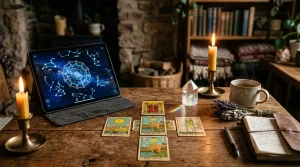
Setting up your tarot cards can be a transformative and empowering ritual that connects you to your intuition and the universe. Did you know that the way you prepare your cards can significantly enhance their clarity and effectiveness in readings? Whether you’re a complete beginner or an experienced reader, establishing a preparation ritual not only grounds your energy but also invites the guidance of the tarot into your life.
Many newcomers may feel unsure or overwhelmed by the process, but it doesn’t have to be daunting. This guide will walk you through essential steps to create a sacred space and approach your cards with confidence. By understanding the importance of intention and ritual in your practice, you’ll unlock the potential of each reading, allowing for deeper insights and clearer messages. Ready to deepen your connection with tarot? Let’s explore how to prepare your cards and set the stage for a powerful reading experience!
Choosing the Right Tarot Deck for You

When it comes to selecting a tarot deck, the process can be as personal as the rituals that follow. Each deck tells a story, and finding one that resonates with you is essential for developing a meaningful connection. The art on the cards, the emotions they evoke, and the themes they explore all contribute to your reading experience. Therefore, exploring different decks can feel like an exciting journey of self-discovery.
Start by considering what draws you in. Are you captivated by vibrant imagery, or do you prefer something more subdued and classical? Take your time to browse various decks, perhaps visiting a local metaphysical shop or exploring online platforms. Look for a deck that reflects your personality or your current life phase. Some decks are designed with specific themes, such as nature, mythology, or cultural references, which can deepen your understanding of the cards during readings.
Considerations for Your Choice
Here are a few factors to think about while choosing your tarot deck:
- Art Style: Choose a style that you find visually appealing and that helps you connect with the imagery.
- Theme: Consider if you resonate more with traditional Rider-Waite imagery or if a contemporary or themed deck aligns better with your energy.
- Size and Quality: Ensure the cards feel good in your hands; a comfortable size makes shuffling and drawing cards easier.
- Guidebook: A well-written guidebook can enhance your understanding of the cards, especially if you are a beginner.
Once you have chosen your deck, the next step is to establish a bond. Spend some time with your cards before any readings, allowing your intuition to guide you as you shuffle and lay them out. This personal engagement not only builds familiarity but also sets the foundation for trusting your readings. Whether you are a seasoned tarot reader or just beginning, the right deck can act as a powerful tool in your tarot journey, inviting clarity and insight into your readings.
Essential Tools for Your Tarot Ritual

To embark on your tarot journey, gathering a few essential tools can significantly enhance your rituals and readings. These items create an atmosphere that supports clarity and connection while inviting divine insights into your practice. Each tool serves its purpose, helping to center your focus and align your energy with the cards.
One of the most important tools is a tarot cloth or mat, which not only protects your cards but also creates a dedicated space for your readings. Choose one that resonates with you-this could be a cloth with symbolic patterns or colors that hold personal meaning. When you lay out your cards on this cloth, it marks that area as sacred and helps in setting the intention for your reading.
Another invaluable tool is a journal. Keeping a tarot journal allows you to document your readings, interpretations, and any insights that arise. By reflecting on your past readings, you will track your growth and deepen your understanding of the cards. Consider starting each entry with the date, the spread used, and your initial feelings or questions. Then, record the cards pulled and your interpretations, any patterns you notice, and how the reading resonates with your personal life.
Candles and crystals can also play a vital role in your rituals. Lighting a candle during your readings can help illuminate your intentions and create a calming atmosphere. Crystals like amethyst or clear quartz are known to enhance intuition and focus. Placing these crystals near your reading space can channel positive energy and support your connection with your cards and higher self.
Lastly, don’t overlook the power of incense or essential oils. The right scents can elevate your ritual to new heights. Consider fragrances like sandalwood for grounding or lavender for relaxation. As the aroma fills your space, it signals your mind that it’s time to enter a contemplative state, making it easier to receive messages from the cards.
Incorporating these essential tools into your tarot rituals fosters a deeper connection with yourself and the cards, enhancing your intuitive abilities and making your readings more meaningful. Each item enriches your experience, allowing your personal style to shine through as you embark on your exploration of tarot.
Setting the Energy: Creating Your Sacred Space
Creating a sacred space for your tarot practice isn’t just about setting up a physical area; it’s about cultivating an environment that enhances your spiritual connection and opens the door to intuition. This space becomes a sanctuary, allowing you to delve into your readings with clarity and focus. The atmosphere you create can significantly affect your connection to the cards and the messages they offer.
Start by choosing a location that feels right for you-somewhere quiet, where you won’t be disturbed. This could be a corner of a room, a dedicated altar, or even outside in nature. Once you have your spot, begin by cleansing the area. You might light sage or palo santo to smudge the space, inviting positive energies and dispelling any negative ones. As you move the smoke around, visualize your intentions filling the space, making it ready for your tarot journey.
After cleansing, it’s time to set the mood. Lighting candles can create a warm ambiance and symbolize the illumination of your path. Opt for colors that resonate with your intentions: white for purity, red for grounding, or purple for intuition. Arrange your tarot cloth or mat in the center, ensuring it feels inviting and sacred. As you lay out your cards, take a moment to breathe deeply, focusing on releasing any distractions. This simple act of grounding will help align your energy with the insights you seek.
Next, consider incorporating elements that inspire you-crystals, flowers, or items that hold personal significance. Crystals such as lapis lazuli can foster clarity, while rose quartz evokes love and compassion. You might place your journal nearby to document your thoughts and reflections post-reading. When all is in place, sit quietly for a few moments, allowing yourself to tune into the vibrations of your sacred space. This practice not only prepares you for your tarot session but also deepens your relationship with the cards and your intuition, turning your readings into profound explorations of self and spirit.
A Step-by-Step Preparation Ritual
Creating a preparation ritual for your tarot readings can transform your practice from a simple activity into a deeply enriching experience. Rituals serve as anchors that ground us, allowing for a connection to the cards that goes beyond mere interpretation. This method not only enhances the clarity of your readings but also builds a bridge to your intuition. Here’s a step-by-step guide to help you cultivate a profound preparation ritual.
Start by setting your intentions. Before you even touch the cards, take a meditative moment to reflect on what you seek from this session. Are you looking for guidance, clarity, or emotional healing? Write down your intentions in a journal, which serves as both a record and a way to focus your mind. This will help you articulate your goals clearly when you begin your reading.
Next, gather your tarot deck and any essential tools you wish to use. These can include:
- Tarot Cloth: A special cloth can enhance the sacredness of your space.
- Candles: The light symbolically represents enlightenment and clarity.
- Crystals: Select crystals that resonate with your intentions, such as amethyst for spiritual insight or citrine for abundance.
- Incense or Essential Oils: Use these to refresh the air and invoke specific energies.
Once you have everything in place, begin the physical setup of your space. Lay out your tarot cloth and arrange your tools thoughtfully. As you do this, maintain a quiet mind; feel free to play soft music or nature sounds in the background to encourage relaxation. Lighting a candle at this point can be a lovely addition; as the flame flickers, visualize it dissolving any remaining distractions.
Now, it’s time to cleanse your tarot deck. This step is essential to remove any lingering energies from past readings. You can do this through various methods, such as passing the cards through the smoke of burning sage or holding them under running water (just be cautious if your cards are delicate). Another effective method is to place them in a bowl of salt for a few hours, which absorbs stagnant energy. Remember, the goal is to reset the cards to their pristine state before your current reading.
Finally, take a moment to center yourself. Sit quietly, breathe deeply, and let go of any tension. Close your eyes, imagine a bright light surrounding you, and invite positive energies to fill your space. This connection allows you to enter a receptive state, and when you feel ready, shuffle your cards while focusing your intent. Embrace the connection with your cards and acknowledge the messages they may convey.
This step-by-step preparation ritual not only guides you in setting up your reading but also deepens your relationship with tarot, helping you to access your intuition with greater ease and confidence. Each time you perform this ritual, you’re inviting in not just the spirits of the tarot but also your own inner wisdom.
Cleansing Your Tarot Cards: Techniques and Tips
Cleansing your tarot cards is a vital practice that ensures they remain a clear conduit for intuitive messages. Just like any tool used for spiritual work, tarot cards can absorb energies from their surroundings and past readings. This is why dedicating time to cleanse them is essential. Whether you’re a novice or an experienced reader, these cleansing techniques will help you maintain a strong, vibrant connection to your deck.
One of the simplest and most effective methods is smudging with sage or other cleansing herbs. As you pass each card through the smoke, visualize any stagnant or negative energy being lifted away. Set the intention that your cards are being purified and prepared for insightful readings. If sage isn’t available, other herbs like sweetgrass, palo santo, or even incense can serve the same purpose.
Another technique involves using water. You might hold your cards under running water, with the gentle flow symbolically washing away unwanted energies. If your cards are delicate or you worry about water damage, consider placing them in a bowl of natural salt for a few hours. Salt is known for its purifying properties and can absorb excess energy that has collected over time.
Alternative Cleansing Techniques
- Sound Cleansing: Utilize bells, singing bowls, or even your own voice to create a soothing sound around your cards. The vibrations can help dispel any lingering energies.
- Moonlight Bathing: Place your cards under the moonlight overnight, especially during a full moon. The moon’s energy is thought to cleanse and rejuvenate, making it a perfect choice for enhancing your cards’ vibrancy.
- intentions and Visualization: As a more meditative approach, hold your cards and speak or think positive affirmations while envisioning a white light enveloping them. This reinforces your intention to keep the cards clear and brings your energy into harmony with them.
After cleansing, it’s beneficial to charge your cards with your current energy and intentions. This can be as simple as shuffling the deck while focusing on your specific question or area in your life that you want clarity on. Remember, the relationship you build with your tarot deck involves mutual respect and care, and these cleansing rituals will strengthen that bond, allowing for more accurate and insightful readings.
Understanding Your Intuition: Trusting Your Instincts
Understanding your intuition is a crucial step in developing your tarot reading skills. Intuition isn’t just a mystical concept; it’s a natural human ability to connect with your inner self, and tapping into this energy can transform your tarot practice. When you learn to trust and enhance your intuitive insights, your readings will become more meaningful and clearer, allowing you to effectively convey the messages of the cards.
Start by creating an atmosphere conducive to intuition. This could be a quiet space where you feel comfortable and safe. Some practitioners find that lighting a candle or burning incense can help set the mood. As you sit with your tarot deck, take a moment to center yourself through breathing exercises. Inhale deeply, filling your lungs, and exhale slowly, releasing any tension. This simple practice can help you connect with your inner voice, making it easier to interpret the cards during your readings.
To further cultivate your intuitive skills, practice with single-card pulls. Ask a question and draw a card, then take a moment to reflect. Instead of immediately looking up the card’s traditional meanings, jot down what feelings, impressions, or stories come to mind. This reflection encourages you to listen to your gut reactions and personal associations. Over time, you will notice that your intuitive responses will grow stronger and more precise, allowing you to weave your insights seamlessly with the established meanings of the cards.
Another effective method for strengthening your intuition is to keep a tarot journal. Document your readings, thoughts, and any intuitive hits you receive. This not only helps track your development but also builds a relationship with your deck. Review your entries to identify patterns in your intuition-what feelings often arise with specific cards or spreads? This process of self-exploration enhances your overall intuition, empowering you to trust what you feel when performing readings.
Remember, building intuition is a journey, not a destination. Embrace it with curiosity and patience, and celebrate the small victories along the way. Each reading is a step toward a deeper understanding of yourself and your connection with the universe, and your intuitive voice is an essential guide on that path.
Basic Tarot Card Spreads for Beginners
When it comes to exploring the world of tarot, selecting the right spreads can significantly enhance your understanding and connection with the cards. For beginners, starting with foundational spreads designed to provide clarity and insight is essential. These simple layouts allow you to grasp the meanings of the cards and encourage your intuitive abilities to bloom.
One of the most popular spreads for newcomers is the Three-Card Spread. This versatile layout can be used to address past, present, and future situations, or to explore a specific question. Here’s how to set it up:
- Shuffle Your Deck: Focus on your inquiry as you shuffle.
- Draw Three Cards: Place them in a row from left to right.
- Interpret the Cards:
– The first card represents the past and the influences that have shaped your current situation.
– The second card reflects the present, highlighting your current circumstances and challenges.
– The third card points toward the future, offering guidance or potential outcomes based on your current path.
Another excellent choice for beginners is the Celtic Cross Spread. While it may seem more complex, it’s a fantastic way to dive deeper into any situation. This 10-card spread provides a detailed analysis of factors at play. Each position in the layout has a specific meaning, from the central issue to external influences and hopes or fears. For a basic setup:
- Select and shuffle your deck with intention.
- Lay out the cards in a cross and a vertical line, utilizing the following positions:
– Card 1: Current situation
– Card 2: Challenges
– Card 3: Subconscious influence
– Card 4: Past influences
– Card 5: Future possibilities
– Card 6: Your approach
– Card 7: External influences
– Card 8: Hopes and fears
– Card 9: Outcome
- Take your time with interpretations, allowing each card and its position to speak to you.
Lastly, if you’re looking for quick insights, the Single-Card Pull is invaluable. Ask a specific question, draw one card, and reflect on its message. This practice not only bolsters your interpretation skills but also nurtures your intuition over time.
By utilizing these spreads, you create a structured approach that can ease any feelings of uncertainty and build confidence in your tarot journey. Remember, tarot is as much about your personal connection and interpretation as it is about the card meanings. Embrace the process, be patient with yourself, and let each reading reveal the insights you seek.
Interpreting the Cards: Key Meanings and Insights
Interpreting tarot cards is where the magic truly happens. Each card carries unique meanings, shaped by centuries of tradition, personal interpretation, and intuition. Understanding these key insights not only enhances your readings but also deepens your connection with the cards themselves. Whether you’re reading for yourself or someone else, the meanings you derive can provide clarity and guidance, making your tarot practice a powerful tool for self-discovery and reflection.
To get started, it’s vital to familiarize yourself with the core meanings associated with each card. For example, the Fool often represents new beginnings, spontaneity, and a leap of faith. In contrast, the Death card, which can appear intimidating to novices, signifies transformation and the end of a cycle rather than a literal end. Here are some common cards and their basic interpretations:
- The Empress: Abundance, fertility, and nurturing.
- The Hermit: Introspection, searching for inner guidance.
- The Tower: Sudden change, upheaval, breaking down old foundations.
- The Star: Hope, inspiration, and a sense of renewal.
As you familiarize yourself with these meanings, start to practice interpreting them in the context of spreads. Consider how each card interacts with the others. For instance, if the Two of Cups (representing partnership) appears alongside the Devil (which might indicate unhealthy patterns), it may suggest a need to reassess a relationship dynamic. Embrace the process of connecting the dots between your cards-this practice will enhance your ability to intuitively relay the messages each spread holds.
Intuition plays a crucial role in tarot readings. It’s not just about memorizing meanings; it’s about integrating your thoughts, feelings, and experiences into your interpretations. Even a card that typically carries a negative connotation can become a positive symbol depending on the reading’s context and the querent’s circumstances. Therefore, always allow room for your personal insights. Ask yourself: What emotions does this card evoke for me? How does its imagery resonate with the question at hand?
As you grow more comfortable with interpretations, challenge yourself to explore deeper layers. Try considering the numerological or elemental associations of the cards, or how their positions in the spread alter their meanings. This nuanced approach elevates your readings from surface-level insights to profound revelations. Remember, tarot is an evolving journey, and with each reading, you will find yourself gaining more confidence in your intuitive abilities.
Advanced Rituals: Enhancing Your Readings
Creating a deeper connection with your tarot readings can take your practice to new heights, transforming everyday insights into profound revelations. Advanced rituals can enhance clarity, focus, and intuition, turning your tarot sessions into a deeply personal journey.
One effective method is to incorporate *thematic spreads*. Instead of standard layouts, consider crafting a spread that aligns with your current emotional or spiritual state. For example, if you’re navigating a significant life transition, you might create a five-card spread representing the past, present, future, challenges to overcome, and internal guidance. This tailored approach adds layers to your reading, making it more relevant and insightful.
Working with Crystals and Elements
Integrating crystals into your tarot rituals can amplify your energy and intention. Each crystal has unique properties that resonate with specific cards or themes. For example, clear quartz can enhance clarity and amplification, while rose quartz fosters love and compassion. Place these crystals on or around your tarot cards during a reading to support and enhance the energy flow. Similarly, consider incorporating natural elements like water, earth, fire, and air. Use candles for fire to symbolize illumination, or a bowl of saltwater to invite cleansing energies. This multi-sensory approach can deepen your connection to the cards and make your readings more impactful.
Incorporating Meditation
Before laying out your cards, spend a few moments in meditation to center your thoughts and intentions. This practice allows you to quiet the noise of the outside world, opening pathways to your intuitive insights. Visualize a light surrounding you and your cards, fostering a sacred space that nurtures clarity and understanding. After your reading, revisit this meditative state to reflect on the messages received, allowing for deeper integration of the insights gained.
Journaling Your Insights
Finally, maintain a tarot journal dedicated to documenting your readings, insights, and the emotions attached to each session. This practice not only tracks your growth but also reveals patterns you may not notice in the moment. Reflecting on past readings can illuminate how you’ve evolved, providing valuable context for future explorations. Write down not just the card meanings but also your intuitive responses and feelings about each reading; this will assist in honing your skills and reinforcing your confidence in using the cards.
By weaving these advanced rituals into your tarot practice, you can cultivate a profound relationship with your tarot cards, unlocking deeper layers of meaning and nurturing your intuitive journey. Remember, tarot is a personal exploration, and every enhancement you make can lead to richer experiences and insights. Embrace the possibilities!
Maintaining Connection: Daily Tarot Practices
Every day offers a fresh opportunity to dive deeper into your tarot practice, and maintaining a daily connection with your tarot cards can enhance your intuition, provide ongoing insights, and enrich your personal growth. By incorporating a few simple practices into your routine, you create a harmonious relationship with your cards, allowing their wisdom to resonate through your daily life.
Begin each day by pulling a single card as a focus for your intentions. This simple act serves as both a reminder and a guide, encouraging reflection on its meaning throughout your day. For example, if you draw The Empress, let her message of abundance and nurturing influence your interactions and decisions. To deepen this practice, jot down your insights in a dedicated journal. Record how the card interplays with your experiences as your day unfolds, noting any surprises or synchronicities that arise.
Another powerful daily practice is integrating a brief tarot meditation. Find a quiet space, hold your favorite card, and allow yourself to connect with it visually and intuitively. Ask open-ended questions such as, “What message do you have for me today?” or “How can I harness your energy in my life right now?” The time spent in this meditative state fosters a heightened awareness of your intuition, making it easier to recognize guidance and clarity when it presents itself.
Consider also setting a routine for cleansing and refreshing your cards. Regularly dedicate a moment to energetically cleanse your deck, whether through smudging with sage, placing them in moonlight, or using saltwater or crystals. This not only ensures your cards remain vibrant and clear but also reinforces the intention behind your practice, solidifying your connection to the energies at play.
Lastly, be open to spontaneous readings throughout your week. If a question arises, shuffle your cards and see what insights they offer. This practice not only demystifies the reading process but also nurtures a sense of trust in your intuitive abilities. As you continually engage with your tarot deck, remember that the journey is personal; embrace each card as both a guide and a companion on your path of discovery.
By weaving these daily practices into your life, you empower yourself to live with awareness and purpose. Tarot isn’t just a tool-it’s a partner in your journey, ready to illuminate the path ahead with wisdom and compassion.
Overcoming Common Tarot Reading Fears
Stepping into the world of tarot can stir a mix of excitement and apprehension. Whether you’re new to reading or have some experience under your belt, it’s common to encounter fears that can hinder your connection with the cards. Understanding and overcoming these common fears is crucial for cultivating a fulfilling tarot practice.
One prevalent fear is the apprehension of misinterpretation. Many readers worry they’ll draw a card and completely misunderstand its meaning, leading to confusing or misleading insights. The key here is to remember that there are no absolute answers in tarot; your interpretation is deeply personal and context-dependent. Start by familiarizing yourself with the meanings of the cards, but also trust your instincts. For instance, if you pull the Tower, traditionally seen as chaotic, you might interpret it as an opportunity for necessary change based on your current situation. Embrace the idea that tarot is as much about intuition as it is about textbook definitions.
Another common fear is the concern about what others might think, particularly if you’re reading for someone else. It’s essential to create a safe space where both you and the querent feel comfortable. Begin with a simple approach: explain that tarot is a tool for guidance rather than a definitive prediction of the future. This transparency can ease anxiety on both sides. For example, if you’re reading for a friend, set an intention to explore possibilities and insights rather than expecting concrete answers. This shift in perspective can help reduce pressure and make for a more enjoyable experience.
Many beginners also fear that they’re somehow “not allowed” to read tarot or that their abilities won’t be sufficient. Remember, everyone starts somewhere. Instead of focusing on perfection, aim for authenticity. Start with simple spreads, perhaps a daily draw of one card to focus your energies. Invite a sense of play into your practice-allow curiosity to lead rather than self-doubt. Celebrate the small victories, like identifying a card’s significance in a real-world context, as these affirmations build your confidence over time.
Incorporate practical steps into your preparation ritual to help mitigate these fears. For instance, consider forming a personalized grounding practice before reading, such as lighting a candle or taking a few deep breaths to center your thoughts. This act reinforces your connection with the cards and serves as a reminder that it’s okay to feel nervous. Over time, as you engage more with your tarot deck, you’ll likely find that these fears begin to dissipate, revealing a deeper, more confident intuition ready to guide you on this enriching journey. Tarot is a spectrum of possibility; each reading is a chance to grow and learn together with your cards.
Celebrating Your Journey: Tracking Growth with Tarot
Recognizing and celebrating your progress in tarot reading can significantly enhance your practice and connection to your intuition. As you embark on this journey, keep a journal to track your readings, reflections, and personal growth. Documenting your experiences not only provides clarity but also serves as a tangible reminder of how far you’ve come. Consider noting the date, the cards drawn, your feelings during the reading, and any insights gained. Over time, you’ll be able to look back and see patterns in your readings, deepening your understanding of both the cards and yourself.
Utilizing tarot spreads designed specifically for reflection can be a powerful method for tracking growth. For instance, a simple three-card spread can illuminate your past, present, and future relationship with tarot. In your journal, after each reading, write down your interpretations. How did your feelings shift from the past card to the present? What potential outcomes does the future card suggest? Reflecting on these questions helps you connect with your intuition, enabling you to witness your own development as a reader and a person.
Celebrating Milestones
As you gain confidence, set specific milestones to celebrate your achievements in tarot reading. Maybe you’ve successfully interpreted complex cards that once puzzled you, or perhaps you’ve read for friends and received positive feedback. Recognizing these moments, no matter how small, reinforces your journey. Consider creating your own rituals to honor these milestones-lighting a candle, sharing your progress with a supportive friend, or even treating yourself to a new tarot deck. Each celebration strengthens your relationship with the cards and your inner voice.
Sharing Your Journey
Finally, connecting with a community can be immensely rewarding. Whether through social media platforms, local meetups, or online forums, sharing your experiences fosters a sense of belonging and collective growth. Engaging with other readers allows you to exchange insights, understand diverse interpretations, and gain inspiration for your practice. Remember, every tarot reader’s journey is unique, and embracing your individuality while learning from others can immensely enrich your own tarot experience.
Tracking your growth with tarot is not simply a practice; it’s a vibrant journey of self-discovery and empowerment. Embrace it fully, enjoy the process, and acknowledge the beauty in your evolution as both a reader and a person.
Faq
Q: How do I choose the best space for tarot readings?
A: To choose the best space for tarot readings, look for a quiet, comfortable area with minimal distractions. Create an inviting atmosphere by using soft lighting, comfortable seating, and items that resonate with your intuition. A personal touch can enhance spiritual connection during readings.
Q: What should I wear when performing a tarot ritual?
A: Wear comfortable, loose-fitting clothing that makes you feel at ease. Many prefer to wear natural fabrics that let energy flow freely. Incorporating colors that resonate with your intention (such as calming blues or insightful purples) can deepen your connection during the ritual.
Q: How often should I cleanse my tarot cards?
A: It’s recommended to cleanse your tarot cards after each reading or when you feel they’ve absorbed negative energy. Techniques like smudging with sage, using crystals, or simply placing them under moonlight are effective methods to refresh their energy and maintain clarity.
Q: Can I set up tarot cards for someone else?
A: Yes, you can set up tarot cards for someone else. Ensure you have their permission and set intention for the reading to focus on their energy. Creating a sacred space and using cleansing rituals can help align the cards to their specific queries or circumstances.
Q: Why is the preparation ritual important for tarot reading?
A: The preparation ritual is crucial as it helps set your mental focus and energy alignment for an accurate reading. It allows you to remove distractions, channel your intuition, and create a sacred space that respects both the cards and the reading’s purpose.
Q: How can I enhance my intuition during tarot readings?
A: To enhance your intuition, practice mindfulness through meditation or breathing exercises before readings. Consistently connecting with your card meanings and journaling your experiences will build confidence. Remember, trust your instincts – they guide you to interpret the cards effectively.
Q: What tools can I use to enhance my tarot preparation ritual?
A: Essential tools include candles, crystals, and incense to create a spiritual ambiance. Additionally, a notebook for insights and a small bowl of water can symbolize clarity. Each tool should resonate with your personal ritual, enhancing your experience and connection to the tarot.
Q: How do I maintain a connection with my tarot deck?
A: To maintain a connection with your tarot deck, alter your approach to daily readings, mix up your spreads, and always cleanse them. Create rituals that integrate your deck into your everyday life, like daily draws or journaling, to enhance your relationship with the cards.
Wrapping Up
Now that you have a solid understanding of how to set up your tarot cards with intention, it’s time to put your newfound knowledge into action. Remember, each reading is a journey into your intuition, so don’t hesitate to experiment and find what resonates best for you. If you have any lingering questions or need clarity, check out our related articles on interpreting tarot card meanings and exploring different spreads for beginners.
Ready to deepen your practice? Consider signing up for our newsletter for ongoing insights and exclusive tips. And if you’re curious about enhancing your tarot rituals, explore our comprehensive guide on tools that can elevate your readings-your tarot journey awaits!
Feel free to share your experiences in the comments below; we’d love to hear how your rituals unfold. Embrace the magic of tarot; it’s not just a tool, but a means to connect with your inner wisdom. Remember, every card tells a story, and you are the author of your own narrative.
Get our latest guides, news, and insights highlighted in your Google Search & AI Overviews.