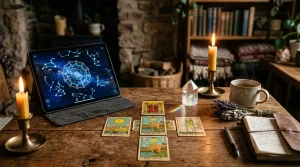
Have you ever felt the pull of intuition but weren’t sure how to harness it? Tarot reading offers a unique way to tap into your inner guidance, providing insights that can illuminate your path. In this guide, we’ll walk you through essential opening rituals and steps for starting a tarot reading, whether you’re a curious newcomer or an experienced seeker.
By understanding how to create a sacred space and set your intentions, you can cultivate a deeper connection with the cards and your intuitive self. We’ll explore practical techniques, real-life examples, and tips that demystify the process, making it accessible for everyone. Together, let’s embark on this journey of self-discovery, inviting clarity and wisdom from the Tarot into your life. Keep reading to unlock the magic waiting in those cards, as we guide you through every step of the way.
How to Create a Sacred Space for Tarot Reading

Creating a sacred space for your tarot reading is essential for enhancing intuition and focus. This space serves as a personal sanctuary where you can connect deeply with the cards and the energies surrounding you. Just as a painter needs a clean canvas, a tarot reader requires a dedicated environment that feels inviting, calming, and empowering.
To begin, find a quiet nook in your home-this could be a corner of a room or even a whole room dedicated to your practice. Cleanse the area of clutter, ensuring it feels open and inviting. You might want to add elements that resonate with you spiritually: crystals, plants, or artwork that inspires you. The presence of items like candles can also add a gentle ambiance, helping you to focus and enter a meditative state.
Consider these elements to enrich your sacred space:
- Lighting: Soft lighting or candles can create a warm atmosphere conducive to introspection.
- Comfort: A comfortable chair or cushion will help you settle in for your reading.
- Personal Touches: Include objects that have personal significance, whether they are spiritual tools, photos, or meaningful books.
To further establish this sacred space, consider performing a cleansing ritual using sage, palo santo, or crystals to clear the energy before each reading. This ritual can help to set an intention for your readings, inviting clarity and insight. As you light your candles or incense, take a few deep breaths to center yourself and visualize a protective barrier around your space, ensuring that only positive energies can enter. This not only strengthens your connection with the tarot but also fosters a sense of safety and trust in your intuitive abilities.
By thoughtfully creating your sacred space, you invite a deeper connection to the tarot, transforming each reading into a profound exploration of insights and revelations that resonate with your journey.
Essential Tools and Decks for Effective Readings
The right tools and deck can significantly enhance your tarot reading experience, fostering deeper connections and insights. At its core, tarot is not just about the cards; it’s about creating a ritual and a mindful practice that resonates with you. A chosen deck acts as a partner in your divination journey, each card infused with your unique energy and intention.
When selecting a tarot deck, consider your personal preferences and the art that speaks to you. There are countless decks available, from traditional Rider-Waite-Smith to more modern interpretations like the Wild Unknown Tarot. Each deck comes with its unique style, symbolism, and emotional resonance. Spend time shopping around, either online or at local metaphysical stores. Look at the imagery, the colors, and the overall vibe of the deck. If you’re drawn to certain themes or artwork, trust that instinct.
In addition to your tarot deck, a few essential tools can enrich your practice. Here are some recommendations:
- Tarot Journal: Documenting your readings helps track your progress and insights. Note down your interpretations, intuitive flashes, and even your emotional responses during readings.
- Cleansing Tools: Items like sage, palo santo, or crystals can clear the energy of your deck and space. Regular cleansing helps maintain the integrity of your readings.
- Crystals: Many tarot readers use crystals to enhance their intuition. For example, amethyst promotes calmness and clarity, while clear quartz is known for amplifying energy.
- Intention Setting Tools: Whether it’s a small altar or a specific candle, having items that help you set your intentions before a reading can deepen your focus.
Remember, there’s no ‘one size fits all’ when it comes to tarot tools-what matters is what resonates with you. As you grow in your practice, you may also want to explore additional resources, such as tarot books or online courses, to deepen your knowledge of card meanings and reading techniques. With the right tools and your own intention, you’ll be well-equipped to embark on meaningful tarot explorations.
Beginner’s Guide to Tarot Card Meanings

Understanding tarot card meanings is essential for anyone looking to dive into the world of tarot reading. Each card in a tarot deck has its own unique symbolism and message that can offer profound insights into a situation. As you begin your journey, remember that the meanings can vary based on context, intuition, and the specific question at hand. By familiarizing yourself with basic interpretations, you can unlock the many layers of wisdom within each spread.
Major Arcana and Minor Arcana
Tarot cards are divided into two main categories: the Major Arcana and the Minor Arcana. The Major Arcana consists of 22 cards representing significant life events and spiritual lessons, such as The Fool, The Lovers, and Death. Each of these cards carries a weighty message and often highlights pivotal moments in one’s life. For example, drawing The Fool may suggest new beginnings, spontaneity, or a leap of faith, while The Tower often indicates sudden change and upheaval.
On the other hand, the Minor Arcana is made up of 56 cards that reflect day-to-day events and experiences. These cards are further divided into four suits: Cups, Pentacles, Swords, and Wands. Each suit relates to different aspects of life-Cups deal with emotions and relationships, Pentacles focus on material aspects and career, Swords relate to thoughts and challenges, and Wands represent creativity and action. Understanding the themes of these suits will help you interpret the cards in context.
Using Keywords for Quick Reference
As a beginner, using keywords can be a helpful strategy for recalling card meanings. Here’s a brief guide to get started:
- Cups: Emotions, relationships, intuition, love
- Pentacles: Wealth, career, life changes, health
- Swords: Thoughts, conflict, truth, challenges
- Wands: Passion, inspiration, action, growth
When reading, it may also be helpful to keep a basic reference list of card meanings on hand. This list can grow alongside your practice, with notes based on your personal insights and experiences.
Practice Makes Perfect
The best way to become fluent in card meanings is through practice and reflection. Conduct daily readings for yourself or friends, focusing on capturing your initial impressions. Over time, create a tarot journal where you can document spreads, intuitive thoughts, and the evolving meanings of each card as you experience them in different contexts. This approach not only builds confidence but also deepens your understanding of how intuition guides your interpretations.
Embrace the journey and allow yourself to connect with the cards in a way that feels genuine to you. Tarot is a tool for exploration and self-discovery, and as you develop your intuitive skills, the cards will begin to speak to you in personal and transformative ways.
Step-by-Step Opening Ritual for Tarot
Creating a dedicated opening ritual for your tarot reading not only grounds your practice but also enhances your connection to the cards. This ritual establishes an intentional space, allowing you to invite insight and clarity into your readings. Here’s a simple, step-by-step guide to help you set the stage for a meaningful tarot session.
Start by finding a quiet and comfortable space where you can focus without distractions. You might want to clear the area physically and energetically. Consider cleansing your space with sage, incense, or by simply waving your hands in the air while visualizing any negativity dissipating. This act helps to create a calm atmosphere conducive to reading.
Next, gather your tarot deck and any other items you wish to include in your ritual, such as crystals, candles, or a journal. Place these tools in a layout that feels harmonious. Light a candle to symbolize illumination and understanding, and if you like, play soft background music or nature sounds to further enhance the environment.
Now, take a moment to sit quietly and breathe deeply. Inhale through your nose, holding for a moment, then exhale through your mouth. As you do this, set a clear intention for your reading. For example, you might say to yourself, “I invite guidance and clarity regarding [specific situation or question].” This step personalizes your reading and opens your mind to receiving insights.
Once you feel ready, shuffle your tarot cards while keeping your intention in mind. As you shuffle, you may wish to ask a specific question or simply state your desire for guidance. Allow your intuition to guide you – you might feel drawn to stop shuffling at a particular moment, or a card may leap from the deck, signaling that it wants your attention.
After shuffling, lay out the cards in your chosen spread. Remember, choosing the right spread can influence the insights you receive. Popular options include the three-card spread for past, present, and future insights, or more advanced spreads like the Celtic Cross for comprehensive readings. Trust your instincts in selecting the layout that feels right for your question.
Completing your opening ritual with a moment of gratitude grounds your reading. Thank the universe, your intuition, or any deities you resonate with for the guidance you’re about to receive. This not only enhances the energy of your reading but also helps to foster a sense of respect for the process and the wisdom that comes through it.
With this ritual in place, you’re now ready to delve into the cards with confidence and clarity, ready to interpret the messages they bring forth. Remember, your intuition is a powerful guide, so trust it throughout your reading journey.
Choosing the Right Tarot Spread for You
Selecting the appropriate tarot spread can significantly influence the depth and clarity of your reading. Different spreads cater to various questions and concerns, allowing the cards to reveal insights tailored to your intention. Whether you are a beginner or an experienced reader, understanding your needs and the nature of your inquiry will guide you in choosing the right layout.
For those just starting, the three-card spread is a fantastic option. It is straightforward and versatile, providing insight into the past, present, and future concerning a specific question or situation. As you lay down three cards from left to right, reflect on your inquiry as each position unfolds: the first card may represent the influences from the past, the second reveals the current situation, and the third offers guidance on what lies ahead. This spread is an excellent way to develop your reading skills and foster a deeper connection with the cards.
As you become more comfortable, consider exploring more complex spreads. The Celtic Cross is a popular choice that can offer a comprehensive view of a situation, with ten positions that cover various aspects like challenges and future actions. Using this spread requires patience and practice, but it can yield profound insights when you’re ready to dive deeper. Remember, the key is to trust your intuition when selecting a spread; sometimes, you may feel a pull towards a specific layout that resonates with your question.
Lastly, don’t shy away from experimenting. Creating your own unique spread based on a particular theme or question can provide personal insights that pre-defined spreads might not uncover. Consider what you want to explore and how many cards feel right-there’s no one-size-fits-all approach in tarot. Always keep in mind that your connection to the cards and your intention behind the reading are what truly matter. Embrace your intuition throughout this journey, and you’ll find the right spread will emerge clearly.
How to Channel Your Intuition During a Reading
To fully embrace the art of tarot reading, tapping into your intuition is crucial. Each card has its own energy, symbolism, and meaning, but your unique interpretation adds a personal layer that can’t be found in books. When you approach a reading, remember that your intuition is a powerful tool that can guide you through the intricate tapestry of meanings and messages hidden within the cards.
Begin by creating a calm and focused environment. Before laying out your cards, take a few moments to breathe deeply and center yourself. Closing your eyes and visualizing a light surrounding you can be incredibly helpful. This simple practice not only clears your mind but also opens your heart, allowing intuitive insights to flow more freely. As you shuffle the deck, feel the texture and weight of the cards; notice how they connect with your energy. Ask a specific question, or simply open yourself to whatever guidance the universe wishes to share.
When it comes time to interpret the cards, let go of any expectations. Instead, focus on what you feel as you lay them out. Pay attention to the images, colors, and even the order in which the cards appear. Your emotional responses to specific cards can provide valuable clues. For example, if you pull the Tower card, your instinct might urge you to consider themes of upheaval or transformation based on recent experiences in your life. Embrace these sensations and allow your understanding to evolve organically, rather than rigidly adhering to textbook meanings.
Finally, keep a journal of your readings and intuitive impressions. This documentation serves as both a reflection of your evolving skills and a repository for your intuitive connections. Over time, you may notice patterns or recurring themes, which can enhance your readings. Each card and reading is a journey into your own inner world, and the more you practice, the deeper your understanding will grow. Remember, there’s no right or wrong way to interpret the cards; it’s all about what resonates with you in that moment. Trust your instincts, and let your intuition be your guide.
Interpreting the Cards: Tips and Techniques
To unlock the deeper meanings of tarot cards, it’s essential to know that interpretation is a blend of traditional knowledge and personal intuition. Each tarot card carries its own symbolism, but how it resonates with you in a given moment can lead to unique insights. For instance, consider the imagery on a card-colors, figures, and positions all contribute to the story being told. Instead of relying solely on memorized meanings, invite your feelings and thoughts into the reading process.
As you lay out the cards, start by taking a few deep breaths to ground yourself. Pay attention to the first impressions each card makes on you. What emotions arise? Do any memories come to the surface? This initial reaction can guide your interpretation. If a card like the Two of Swords appears, think of what conflicts or choices are present in your life. The imagery-perhaps depicting a figure blindfolded with crossed swords-might suggest a need for reflection or searching for clarity amidst confusion. Allow your intuition to weave its interpretation into the card’s established meaning.
Practical Techniques for Interpretation
Interpreting cards effectively often involves a few practical techniques. Here are some strategies to enhance your readings:
- Card Positioning: Understand the spread you’re using. Each position usually has a specific meaning, influencing how you interpret the cards. For instance, in a three-card past, present, future spread, the first card (past) sets the stage for the context of the other two.
- Storytelling: Think of the reading as a story. What narrative do the cards create together? Look for connections between cards that highlight themes or lessons.
- Symbolism Exploration: Dive into the symbols present in each card. Research their traditional meanings, but don’t shy away from your personal associations. Maybe a certain flower on the card recalls a memory of a loved one, enriching your understanding.
- Mirror Technique: Sometimes, the cards can act as mirrors to your own life. During a reading, ask yourself: “How does this resonate with me?” This reflection can bring profound clarity.
By regularly practicing these interpretation techniques, you will build confidence over time. Each reading becomes a dance between the structured meanings of the cards and your intuitive responses. Keep in mind that there is no singular “correct” interpretation; trust that the insights you gain are valid and meaningful in your practice. The beauty of tarot lies in its personal connection, allowing for growth and understanding to flourish with every reading.
Enhancing Your Readings with Journaling
Journaling can be a transformative practice for anyone interested in enhancing their tarot readings. Not only does it provide a space for reflection, but it also helps to solidify your intuitive insights and track your growth over time. When you document your experiences, you’re creating a personal archive of your journey with tarot, which can enhance your understanding and deepen your connection to the cards.
To begin, consider setting up a dedicated tarot journal. This can be a simple notebook or a beautifully bound journal that inspires you. Each time you perform a reading, take a moment to write down the following elements:
- Date and Time: This helps you track patterns and the evolution of your readings over time.
- Question or Focus: Document the question you asked or the intent behind your reading. This will help you contextualize your insights later.
- Cards Drawn: List the cards you drew, along with initial impressions or feelings associated with each card.
- Personal Interpretations: Reflect on what each card means to you in your current context. Include any connections to your life, emotions, or thoughts that arise during the reading.
- Outcomes or Reflections: After some time has passed, revisit your readings and note any developments related to your initial question. This can reveal the clarity or guidance from the cards as events unfold.
As you become comfortable with this practice, consider exploring additional journaling techniques. For example, you might include daily pulls-drawing one card each morning to set the tone for the day. Write about how that card manifests in your experiences throughout the day. This practice strengthens your connection to the card’s energy and enhances your intuitive abilities.
Don’t hesitate to include sketches, symbols, or quotes that resonate with your readings. The journal is yours-make it a reflection of your unique journey with tarot. Celebrate insights, acknowledge challenges, and allow your tarot journal to become a tool for spiritual growth and self-discovery. By regularly reviewing your entries, you’ll not only see the evolution of your tarot practice but also witness your personal growth through the lens of the cards.
Common Mistakes to Avoid in Tarot Reading
As you embark on your tarot journey, it’s easy to fall into common pitfalls that can hinder your progress or lead to confusion in your readings. Being aware of these mistakes can empower you to approach your tarot practice with clarity and confidence. One significant mistake is seeking definitive answers rather than self-reflection. Tarot is a tool for introspection, encouraging you to explore your thoughts and feelings rather than providing straightforward solutions. Remember, the cards reflect your inner world and suggest possibilities rather than dictating fixed outcomes.
Another frequent misstep is neglecting the importance of intention. Before each reading, set a clear purpose or focus for your session. This can be as simple as a question or a theme, which will direct your energy and enhance the relevance of the messages you receive. Without intention, readings can feel scattered or unfocused, leading to interpretations that may not resonate deeply with your situation.
Over-reliance on guidebooks also poses a challenge. While it’s beneficial to have resources at hand, it’s essential to trust your intuition. Your unique perspective and feelings associated with the cards can often lead to insights that a traditional interpretation might overlook. To foster this connection, practice interpreting cards based on your immediate impressions first, and then check guidebooks for additional layers when needed. This balance between intuition and traditional wisdom will deepen your understanding of the cards.
Lastly, avoid the habit of skipping the grounding process. Tarot can stir up powerful emotions and thoughts, making it vital to ground yourself before and after a reading. Incorporate breathing exercises, meditate briefly, or journal your thoughts to integrate the messages and prevent feeling overwhelmed. These practices not only help you manage your emotional state but also maintain the sacredness of your tarot space.
In summary, embracing the subjective nature of tarot, setting intentions, trusting your intuition, and grounding yourself can significantly enhance your tarot readings. By being mindful of these common mistakes, you can cultivate a more enriching and empowering tarot practice.
Advanced Techniques: Intuitive and Psychic Readings
The journey into intuitive and psychic readings can transform your tarot practice from a simple card interpretation session to a deeply personal exploration of insights and revelations. Embracing your intuition is essential; it allows you to feel the energy surrounding the cards and the querent, facilitating a richer reading experience that goes beyond textbook meanings. When you trust your instincts, you open the doorway to a form of guidance that resonates at a soul level.
To enhance your intuitive abilities, start by creating an atmosphere conducive to psychic exploration. This means grounding yourself through meditation or breathwork before a reading. Focus on your energy and intentions-clear your mind of distractions and open your heart to the messages the universe may offer. Grounding can be as simple as placing your hands over your heart and taking several deep breaths, visualizing roots connecting you to the Earth, stabilizing and centering your energy.
As you shuffle your deck, pay attention to the cards that fall out or stick together. These are often significant messages that your intuition is urging you to consider. For example, if you are asking about a relationship and three cups cards jump out, your intuition might lead you to explore themes of connection, emotional fulfillment, or even potential obstacles in love. Keep a journal handy during your readings to record any flashes of insight you receive, no matter how vague they may seem at first. Over time, you will begin to notice patterns and themes that deepen your understanding of your intuitive voice.
While performing readings, you might find it helpful to integrate the use of crystals or other tools that align with your intention. Certain crystals, like amethyst or clear quartz, can enhance psychic abilities, while herbs like sage or lavender can assist in creating a sacred space. Remember, the goal is to cultivate an environment where your intuition can flourish.
When interpreting the cards, attempt to go beyond conventional meanings. Allow your thoughts and feelings associated with each card to guide you. If a card reminds you of an experience or feeling, share that connection with the querent. For instance, the appearance of The Tower may typically signify upheaval, but if you feel it’s more about liberation while reading for someone who needs change, confidently share that insight. Your unique perspective can often illuminate the reading in ways that a standard interpretation cannot.
The beauty of intuitive and psychic readings lies in their personal and transformative nature. Each session presents an opportunity to refine your skills, connect with inner guidance, and possibly aid others in their spiritual journeys. Trust that every reading, no matter how it unfolds, is a step towards sharpening your intuitive practice and developing a deeper trust in your abilities.
Building Confidence as a Tarot Reader
is a journey filled with discovery, intuition, and connection. It’s essential to remember that every reader, no matter their skill level, started somewhere. Embracing this truth can help ease the pressure of achieving perfection. Your unique perspective and life experiences contribute to your readings, making them authentically yours.
One of the most effective ways to boost your confidence is through practice. Start by reading for yourself regularly. Create a schedule where you pull a card each day and reflect on its meaning or how it relates to your current circumstances. You might set a simple intention, like seeking clarity on a particular area of your life. Over time, you’ll grow more familiar with card meanings and develop a sense of how they resonate with different situations, ultimately guiding you in readings for others.
When you transition to reading for others, begin with friends or family who are supportive and open-minded. Use simple spreads, such as a three-card layout for past, present, and future scenarios. This approach provides structure, making interpretations feel more manageable. Remember, you don’t need to know every card’s meaning perfectly; your intuition will often guide you to the insights that are most relevant.
Listening to your inner voice is crucial. If you feel drawn to a specific interpretation of a card, trust that instinct. For instance, if you pull The Fool while asking about a job opportunity and feel it symbolizes a fresh start, express that connection. Clients value your unique insights, so sharing your feelings about the cards can deepen their experience. Keeping a tarot journal can also be a tremendous asset; jot down your thoughts, feelings, and observations after each reading to track your progress and build a treasure trove of insights you can revisit.
Finally, cultivate a sense of community. Joining local tarot groups or online forums can provide support, encouragement, and shared wisdom. Hearing others’ experiences can remind you that uncertainty is a common part of the learning process. Celebrate small victories and acknowledge improvements, no matter how minor they may seem. Each reading is not just about predicting the future; it’s an opportunity to connect deeply with yourself and others through the art of tarot. As you continue to learn and grow, so too will your confidence as a reader.
Caring for Your Tarot Deck and Spiritual Practice
Caring for your tarot deck is as much about nurturing the cards as it is about deepening your spiritual practice. Each deck carries its own energy, reflecting the unique insights and vibes of the reader. Therefore, treating your deck with respect can enhance your intuitive connection and the accuracy of your readings. Here are essential tips to ensure your tarot deck remains a vibrant tool in your spiritual journey.
Start by establishing a sacred space for your deck. Choose a special box or bag-perhaps something that resonates with you, like a silk pouch or a wooden box adorned with symbols of protection. This dedicated space not only keeps the cards safe from physical damage but also helps to honor them spiritually. When you’re ready to read, take a moment to center yourself. Gently touch each card and make a conscious effort to connect with their energy before beginning your reading.
Regular cleansing of your tarot deck is also vital. Just as we can absorb energy from our environments, so too can our cards. Simple methods like smudging your deck with sage or placing it in moonlight during a full moon are effective practices. You can also use crystals like selenite or clear quartz, known for their cleansing properties, by placing the cards over or around them. These rituals keep your deck charged and free from unwanted influences, allowing for clearer readings.
Maintaining a tarot journal can be invaluable in your practice. Record your readings, note the cards drawn, and reflect on their meanings in the context of your questions and situations. Over time, this journaling practice will reveal patterns and insights that deepen your understanding of the cards. It also serves as a way to honor your deck’s journey with you, allowing you to track how your relationship with the cards evolves.
Finally, be sure to give yourself grace as you navigate your spiritual practice. Every reader makes mistakes or pulls cards that seem puzzling at times. Accept these as part of your learning process. Embrace the unique personality of your tarot deck, and take joy in the journey of discovery it offers. By caring for your deck and fostering a nurturing spiritual practice, you build a foundation that supports and strengthens your intuitive abilities.
Frequently asked questions
“`markdown
Q: What is the best way to prepare for a Tarot reading?
A: The best preparation for a Tarot reading includes creating a *sacred space*, using essential tools, and setting a clear intention. Consider *raising your energy* through meditation and grounding exercises to enhance your connection during the reading. Check out our section on [creating a sacred space for Tarot readings](#creating-a-sacred-space-for-tarot-reading) for more tips.
Q: How can I use my intuition during a Tarot reading?
A: To effectively use your intuition during a Tarot reading, begin by calming your mind and focusing on your question. Allow yourself to *feel* the energy of each card and trust your gut feelings about their meanings. For more detailed guidance, refer to our article on [channeling your intuition during a reading](#channeling-your-intuition-during-a-reading).
Q: What tools do I need for a Tarot reading?
A: Essential tools for a Tarot reading include a Tarot deck, a journal for notes, and possibly crystals for energy enhancement. Setting the stage with *candles or incense* can also help create a more focused environment. Explore our section on [essential tools and decks for effective readings](#essential-tools-and-decks-for-effective-readings).
Q: How can I choose the right Tarot spread?
A: Choosing the right Tarot spread depends on your question and intention. Common spreads include the *three-card spread* for past, present, and future insights or the *Celtic Cross* for comprehensive readings. Find more on selecting appropriate spreads in our section on [choosing the right Tarot spread for you](#choosing-the-right-tarot-spread-for-you).
Q: What common mistakes should I avoid when starting Tarot readings?
A: Common mistakes include rushing the interpretation of cards, not grounding yourself before readings, and failing to ask clear questions. Taking time to familiarize yourself with the deck can also be beneficial. Read more in our segment on [common mistakes to avoid in Tarot reading](#common-mistakes-to-avoid-in-tarot-reading).
Q: How do I cleanse my Tarot deck before a reading?
A: You can cleanse your Tarot deck by *shuffling the cards while visualizing releasing any stagnant energy*, using sage or incense smoke, or placing them in moonlight overnight. Regular cleansing ensures your cards remain spiritually charged. For more preservation tips, visit our section on [caring for your Tarot deck and spiritual practice](#caring-for-your-tarot-deck-and-spiritual-practice).
Q: Can I read Tarot for myself?
A: Yes, you can read Tarot for yourself! Just ensure you’re in the right mindset and maintain objectivity when interpreting the cards. It may help to use a *different spread* or be particularly mindful of your biases. For deeper insights, check our guidance on [interpreting the cards](#interpreting-the-cards-tips-and-techniques).
Q: How important is it to have a ritual before a Tarot reading?
A: Having a ritual before a Tarot reading is important as it helps *center your energy*, focus your intention, and create a *sacred space* for the session. Rituals enhance the depth of your reading and can improve intuitive insights. Explore our comprehensive steps in the [step-by-step opening ritual for Tarot](#step-by-step-opening-ritual-for-tarot).
“`
The Way Forward
Congratulations on embarking on your journey into tarot reading! You’ve learned the foundational steps and sacred rituals that will enhance your intuitive practice, paving the way for deeper insights and personal growth. Whether you’re just starting out or looking to refine your skills, remember that each reading is a unique reflection of your own path.
Ready to dive deeper? Explore our guide on Tarot Card Definitions for in-depth meanings of the cards or try a 3-Card Tarot Love Reading to gain clarity in your relationships. Don’t hesitate to reach out for a personalized consultation to further enrich your understanding and connection to tarot.
Your voice matters! Share your experiences or questions in the comments below, and join our community of seekers who are just as passionate. Sign up for our newsletter to receive tips, updates, and insights as you continue your tarot adventure. The magic is waiting for you-let’s unlock it together!
Get our latest guides, news, and insights highlighted in your Google Search & AI Overviews.