Tarot reading is more than just a mystical practice; it’s a powerful tool for self-discovery and insight. Did you know that many people turn to Tarot not only in times of crisis but also for guidance in daily life? Whether you’re seeking clarity in relationships, career choices, or personal growth, learning to read Tarot can enhance your intuition and empower your decision-making.
In this guide, we’ll explore essential skills for every Tarot reader, from the basics of card meanings to the art of connecting with your intuition. You’ll discover practical tips, real-life examples, and structured approaches that cater to all skill levels. Embrace the magic of Tarot as an accessible avenue for exploration and empowerment. Regardless of your current beliefs, this journey invites you to deepen your understanding and find your unique connection with the cards. Let’s embark together on this transformative journey into the world of Tarot!
Choosing Your Tarot Deck: Finding the Right Fit
Choosing the right tarot deck can be a transformative step in your tarot journey. With a plethora of styles, themes, and interpretations available, the process can feel overwhelming. However, it’s essential to remember that each deck carries its unique energy and narrative, and finding a deck that resonates with you can enhance your intuitive readings.
When selecting a tarot deck, start by considering the artwork and themes that draw you in. Do you feel a connection to traditional imagery, or are modern interpretations more appealing? A deck that captures your interest will more likely inspire you to engage with its cards regularly. Look for decks that speak to your personal experiences, interests, or spiritual beliefs. For instance, if you have a passion for nature, you might find a deck that features earth-centric illustrations more attuned to your energy.
Once you’ve narrowed down your choices, take the time to handle the decks physically. The weight, texture, and size of the cards can influence your connection. Shuffle a few cards if possible, as the feel of the deck in your hands can inform your decision significantly. Generally, a deck that feels comfortable and flows well during readings will help enhance your practice.
As you contemplate your selection, consider how the deck’s guidebook aligns with your understanding of tarot meanings. Whether you prefer a deck with in-depth explanations or a more minimalist approach, make sure it complements your learning style. Some decks, like the Rider-Waite-Smith, come with rich symbolism that supports various interpretations, while others might present unique meanings that encourage creative thinking.
Incorporating personal intuition into your selection process cannot be overstated. Meditate briefly on each potential deck, asking your inner self which one feels best for you. Remember, the ideal tarot deck is one that resonates with both your heart and mind, affirming your unique intuitive path. Each card is a doorway to self-discovery, and choosing the right deck can set the tone for your exploration into the world of tarot.
Understanding Tarot Card Meanings: Key Interpretations
Understanding the intricate meanings behind tarot cards is essential for anyone venturing into the world of tarot reading. Each card carries layers of symbolism, reflecting both universal themes and personal interpretations. Rather than memorizing definitions, embrace the story each card tells, as this will enrich your readings and enable you to connect more deeply with the messages the cards convey.
To start, focus on the two main categories of tarot cards: the Major Arcana and the Minor Arcana. The Major Arcana consists of 22 cards that signify significant life events and spiritual lessons. Each card, such as The Fool or The World, embodies profound themes-like new beginnings or completion-that resonate deeply with the human experience. In a reading, the appearance of a Major Arcana card often signals a pivotal moment requiring attention and introspection.
The Minor Arcana, on the other hand, encompasses 56 cards divided into four suits-Cups, Pentacles, Swords, and Wands. Each suit relates to different aspects of life-emotions (Cups), material aspects and work (Pentacles), thoughts and challenges (Swords), and creativity and action (Wands). For example, encountering the Three of Cups might suggest a celebration or the joy of community, while the Two of Swords could indicate a need to make a difficult decision.
When interpreting cards, you might adopt a few practical strategies to enhance your understanding:
- Context Matters: Always consider the context of the question being asked and how the cards relate to one another in the spread.
- Personal Associations: Reflect on your intuitive reactions and personal experiences connected to each card. What emotions or memories do certain cards invoke for you?
- Symbolism and Imagery: Pay attention to colors, numbers, and symbols on the cards. For instance, the color blue often signifies tranquility and emotions.
- Utilize Guidebooks: Don’t hesitate to consult the guidebook that comes with your deck, especially if you’re new to tarot. These resources can offer interpretations and insights that may resonate with you.
With practice, your ability to read cards intuitively will grow. Consider setting up small practice sessions, either reading for yourself or others. Here’s a simple example: draw three cards and interpret them in relation to past, present, and future aspects of a specific inquiry, weaving together the individual meanings and your intuitive insights.
Ultimately, the journey of mastering tarot card meanings is an ongoing process. Engage with the cards regularly, allowing your interpretations to evolve over time as you deepen your understanding and connection to this profound tool for guidance and enlightenment.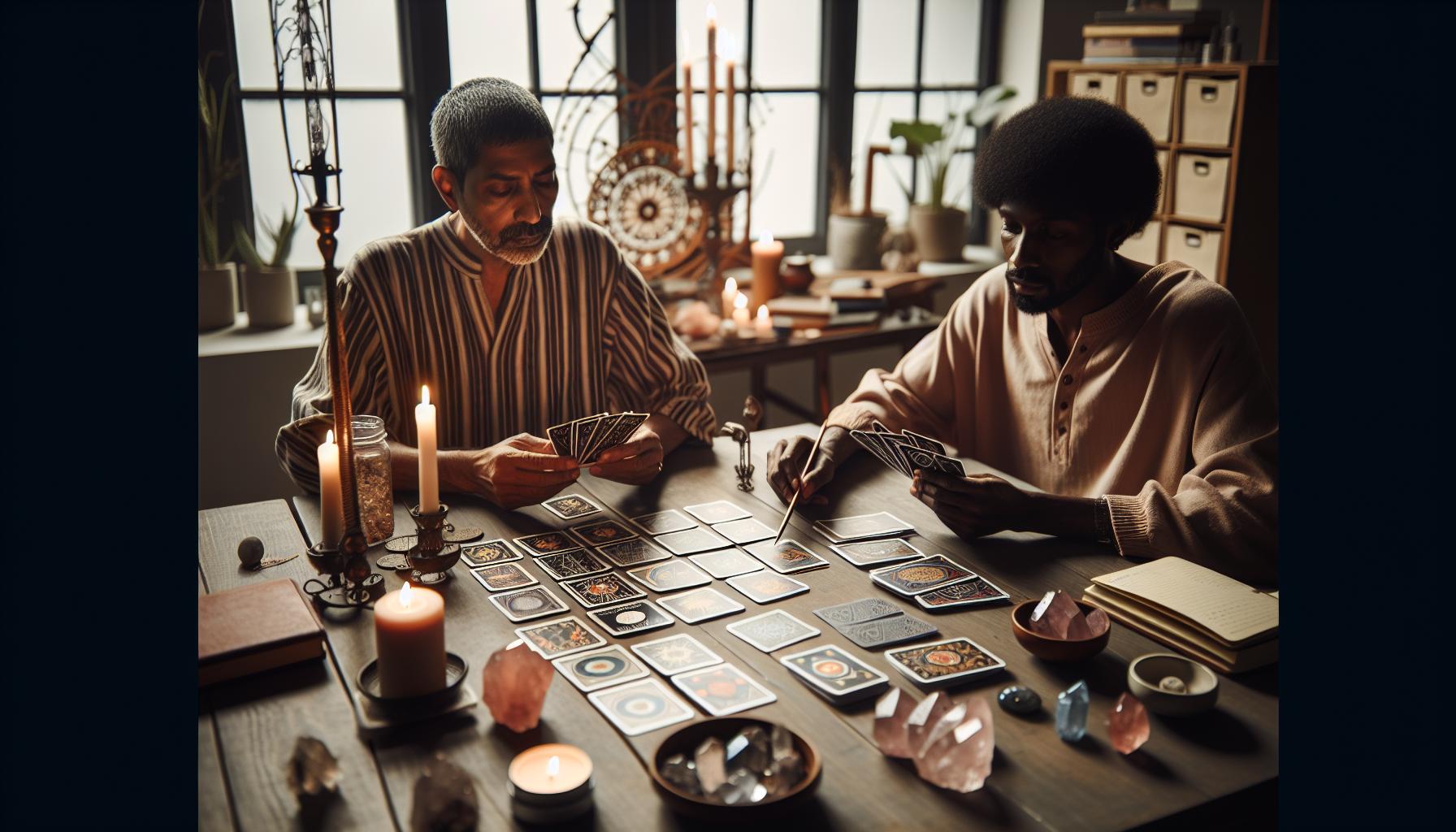
Mastering Tarot Spreads: Layouts for Every Question
When embarking on your tarot reading journey, mastering the various layouts is crucial. These layouts, known as spreads, allow you to structure your readings based on the questions at hand. Each spread serves a unique purpose, helping to unveil insights about different aspects of life. By learning to select and use these spreads effectively, you can enhance your ability to provide meaningful guidance, whether for yourself or others.
A popular starting point is the Three-Card Spread. This versatile layout can cover various topics, such as past, present, and future; mind, body, and spirit; or specific challenges and actions. To use this spread, simply draw three cards and place them side by side. For example, if you’re inquiring about a career decision, the first card might represent past influences, the second your current situation, and the third the potential result if you pursue different paths. This layout encourages clear and concise interpretations while offering a comprehensive view of the situation.
As you gain confidence, you might explore the Celtic Cross Spread, which provides a deeper dive into complex questions or situations. This ten-card spread examines multiple layers of a question, including the person’s current state, challenges, past influences, and potential outcomes. Setting it up involves careful positioning. Here’s a quick outline of positions in this spread:
- Card 1: Present Situation
- Card 2: Challenges
- Card 3: Past Influences
- Card 4: Future Influences
- Card 5: Conscious Influences
- Card 6: Unconscious Influences
- Card 7: Advice
- Card 8: External Influences
- Card 9: Hopes and Fears
- Card 10: Outcome
Creating a spread tailored to your questions takes practice and imagination. Consider custom spreads that fit particular situations or inquiries you face. For instance, if pondering a new relationship, design a five-card spread focusing on aspects like emotional connection, attraction, challenges, and potential growth.
Ultimately, the magic of tarot spreads lies in their ability to guide and inspire. By practicing different layouts, you enhance your intuitive skills and deepen your connection to the cards. Remember, the best spread is the one that resonates with you, allowing your unique insights and interpretations to shine through.
Developing Intuitive Skills in Tarot Reading
To truly excel in tarot reading, developing your intuitive skills is essential. Intuition is often described as a gut feeling or an inherent understanding that transcends logical thinking. It is the voice within that guides you, helping you interpret the cards beyond their traditional meanings. Each reader has a unique intuitive style, and embracing this personal connection can significantly enhance your readings.
To cultivate your intuition, start by creating a regular tarot practice. This could involve daily draws where you pull a card and reflect on what it means to you personally. Consider journaling your thoughts and feelings about each card, noting any images or symbols that resonate deeply. Over time, this practice of storytelling with the cards helps forge a stronger bond between your intuition and the tarot.
Another effective technique is to meditate on the cards. Choose one card to focus on during your meditation sessions. Analyze the imagery, colors, and symbols, allowing your subconscious mind to draw connections that might not be immediately apparent. This helps to open up a dialogue between you and the deck, enhancing your ability to sense subtle cues during your readings.
Engaging with the cards in a tactile way can also evoke intuitive responses. Shuffle your deck while concentrating on your question or situation. Pay attention to the sensations you feel in your hands-certain cards may feel warmer or heavier, signaling their importance in the reading. Trust these feelings as they often reflect your inner knowledge.
As you grow, try to blend your intuitive insights with standardized meanings. For instance, if you pull The Lovers while asking about a career move, see how the card’s themes of partnership and choice meld with your personal feelings about the job. This combined approach not only solidifies your interpretations but also empowers you to trust your instincts more deeply.
Remember, intuition isn’t something reserved for a select few; it’s a skill that develops with practice and patience. The more you engage with your cards and your inner voice, the stronger your intuitive skills will become, paving the way for deeply insightful tarot readings that speak to the heart of the matter.
Navigating the Challenges: Common Obstacles and Solutions
Navigating the world of tarot reading can be both exhilarating and challenging, especially when faced with common hurdles that may arise during your journey. Understanding these obstacles is the first step toward overcoming them and deepening your practice. Many beginners often feel overwhelmed by the sheer amount of information available, from card meanings to complex spreads. It’s important to remember that reading tarot is an evolving practice; give yourself permission to learn at your own pace.
One prevalent challenge is the fear of misinterpreting the cards. This anxiety can lead to second-guessing your insights or hesitance to offer readings altogether. A practical way to counter this is by establishing a routine that includes daily card draws. This will allow you to gradually familiarize yourself with each card’s imagery and meaning. Consider keeping a tarot journal, where you can document your interpretations and the feelings they evoke. Over time, this will build your confidence and reinforce your intuition, making it easier to trust your insights during readings.
Another common issue is the struggle to connect with clients or the questions posed during a reading. A good strategy is to set a clear intention before each session. Spend a few moments grounding yourself; breathe deeply and focus on the energy you wish to bring into the reading. This practice not only helps you attune to the client’s needs but also fosters a deeper connection with the cards. If you find it difficult to engage with a particular question, don’t hesitate to explore related areas-ask open-ended questions that allow for more fluid interpretations.
Lastly, maintain an open dialogue with your intuition. It’s perfectly normal to encounter moments of doubt where you feel less connected to the cards. To remedy this, incorporate meditation or visualization techniques into your routine. Picture yourself in a serene space, surrounded by the energy of your cards, and allow your mind to wander freely. This practice can ignite your creativity and reestablish your intuitive flow, transforming those challenging moments into opportunities for growth.
By recognizing and addressing these common obstacles, you’ll create a more fulfilling tarot practice that supports your growth as a reader. Embrace every experience, good or bad, as part of your unique journey in the mystical world of tarot.
Building Your Tarot Reading Ritual: Creating Sacred Space
Creating a sacred space for your tarot reading can significantly enhance the experience, both for you and your clients. This environment acts as a canvas for your intuitive insights, allowing the energies around you to flow freely. Whether you’re reading for yourself or others, establishing a dedicated space where you can connect and focus is foundational to a meaningful practice.
Begin by choosing a quiet location where you won’t be disturbed. This might be a special corner of a room or a dedicated altar if you have the space. The key is to make it personal and inviting. Gather items that resonate with you: crystals, candles, incense, or anything that holds spiritual significance. Each of these elements can amplify the energy in your space and help in tuning into the mystical aspects of reading. For instance, using amethyst can foster clarity and connection, while lavender can promote relaxation and peace.
Next, consider the ambiance. Lighting is crucial: soft, warm light can create a cozy atmosphere, making it ideal for introspection and openness. Playing soft music or nature sounds in the background can also help ground you and set the tone for your session. You might even choose to have a specific playlist dedicated to your tarot rituals, allowing the music to act as a mental cue for entering a reading state.
Before starting your reading, establish a clear intention. Take a few moments to ground yourself: close your eyes, breathe deeply, and visualize the energy of the space surrounding you. You might want to perform a simple ritual such as lighting a candle or burning sage to cleanse the area, inviting in positive energy while dispelling any negativity. This practice not only prepares the space physically but also mentally aligns you with your purpose, creating a profound connection between you and the cards.
Finally, ensuring your tarot deck is well-cared for within this sacred space adds to the reverence. Consider a special cloth to lay your cards on or a box to keep them safe when not in use. Personal touches make all the difference, transforming a simple reading into a unique, intimate experience. As you develop this sacred space, you may notice your intuitive abilities sharpen and your reading sessions become more profound, reflecting the magical connection that can arise from intentionality and mindfulness in your tarot practice.
Enhancing Your Readings with Symbolism and Imagery
To transform a tarot reading from a simple card pull into a profound experience, understanding and utilizing the symbolism and imagery of the cards is essential. Each tarot card is a canvas rich with meaning, laden with symbols that tell stories, convey emotions, and reflect energies. By tapping into these visual cues, you enhance not only your interpretations but also the connection you create with the querent.
Begin by familiarizing yourself with the distinct imagery on each card. Take the time to absorb the details-colors, figures, backgrounds, and symbols. For instance, the vibrant red of the Wands often conveys passion and action, while the tranquil blues of the Cups reflect emotions and intuition. Make a list of symbols that resonate with you and their meanings. Here’s a quick guide to some common symbols in tarot:
- Roses: Often symbolize love and beauty.
- Water: Represents emotions and the subconscious.
- Mountains: Suggest challenges or obstacles.
- Sun and Moon: Indicate balance between conscious and unconscious or action and introspection.
When reading, don’t just rely on traditional interpretations; allow your intuition to guide you. For example, if you pull the Two of Swords, which often depicts a figure blindfolded with crossed swords, your intuition may prompt thoughts about indecision or the need to confront hidden truths. Ask yourself questions: What feelings does this imagery evoke? What personal experience relates to these symbols? This practice helps deepen your understanding and provides a richer narrative for your reading.
Moreover, consider how to incorporate symbolic items into your readings. You might include crystals that align with the card’s meanings, such as amethyst for intuition or citrine for abundance. The presence of these items can magnify the reading’s energy and significance. Creating a visual tableau alongside your cards or integrating collages of images that resonate with the themes of your reading can illuminate your insights further.
Always remember, tarot reading is as much about emotion and intuition as it is about symbols and their meanings. By embracing the layers of imagery within the tarot, you foster a deeper connection not just with the cards, but also with the insights they reveal. This approach not only enhances your readings but also nurtures your growth as a reader, empowering you to explore the depths of both the cards and yourself.
Practicing with Real-Life Tarot Readings: Step-by-Step Guides
Practicing tarot through real-life readings can deepen your connection with the cards and enhance your intuitive skills. The following step-by-step guide will not only provide a structure for your readings but also empower you to explore the insights that tarot offers.
Begin by creating a calm environment. Choose a space where you feel comfortable and free from distractions. Light a candle or burn some incense to set the mood. This ritual can help you and the querent (the person receiving the reading) feel more relaxed and open to the experience.
Next, focus on the question or intention behind the reading. It’s essential to have a clear inquiry, whether it’s about a specific situation, emotions, or future possibilities. Encourage the querent to express their question aloud, as this vocalization can anchor the energy of the reading. For beginners, simple questions like “What do I need to know right now?” can be effective.
When it comes to selecting your cards, you can utilize a variety of spreads. A beginner-friendly choice is the three-card spread, which typically represents the past, present, and future. Shuffle the deck thoroughly while maintaining focus on the question, and then draw three cards. Lay them out in a row.
As you interpret the cards, begin with the first card (past). Reflect on how its meaning relates to the querent’s past circumstances. What energies or events led them to their current situation? Move on to the second card (present), which will illuminate their current state of affairs. Acknowledge the emotions and contexts surrounding this card’s imagery. Finally, analyze the third card (future). Discuss potential outcomes, noting that this aspect is fluid and influenced by the querent’s actions and decisions.
Example of a Three-Card Spread Reading
Imagine that a querent pulls the following cards:
- The Lovers (past)
- The Hangman (present)
- The Sun (future)
In this reading, you might discuss how the Lovers card signifies meaningful relationships, indicating that past choices in love have significantly shaped the querent’s current life. The Hangman in the present position could suggest a period of waiting or contemplation, urging the querent to shift their perspective before moving forward. Lastly, the Sun for the future foretells positivity and success, indicating that if the querent embraces the insights from the previous cards, brighter days are ahead.
Throughout the reading, actively listen to your querent’s thoughts and feelings regarding the interpretations. Encourage them to engage with the cards and share their impressions. This dialogue not only enriches the reading but also empowers the querent to connect their personal experiences with the imagery of the cards.
Finally, wrap up the session by offering a moment of reflection. Invite the querent to think about how they can integrate the insights gained into their lives. This process fosters a deeper understanding of tarot as a tool not just for divination, but for personal growth and self-reflection-a journey that all readers can continually embark upon.
Integrating Tarot with Other Spiritual Practices
Incorporating tarot into other spiritual practices can create a powerful synergy that enriches your personal and intuitive journey. Many practitioners find that aligning tarot with meditation, astrology, or other divinatory tools enhances the depth of their insights and personal growth. For example, using tarot imagery during meditation can help ground your thoughts and open you up to deeper intuitions. As you meditate, select a card that resonates with your current emotional state or intention. Visualize that card and let it guide your thoughts or feelings, allowing you to access the wisdom it represents.
Astrology is another rich avenue for integration. You can track astrological transits and use tarot to explore their implications in your life. Pull a card for each major transit and interpret its meaning in light of what you know about the astrological influence. This not only highlights how external influences might play out in your personal circumstances but also deepens your understanding of both systems. You might find that the themes of certain transits echo the messages in your tarot cards, creating a resonant experience for reflection and action.
Adding practices like journaling can also be invaluable. After a tarot reading, write down your thoughts, feelings, and interpretations in a journal. This helps solidify insights gained during your reading and fosters a deeper connection with the cards over time. You could even set up a ritual where you draw a card daily and write about its significance as it unfolds in your experiences, tracking patterns and insights as the days progress. This practice not only enhances your connection to tarot but encourages an ongoing dialogue with your inner self.
Lastly, many tarot readers find value in combining their readings with affirmations or intent-setting rituals. After a reading, create affirmations inspired by the cards. For instance, if you draw The Chariot, an affirmation could be, “I am strong and capable of overcoming obstacles.” Reciting affirmations in conjunction with your tarot practice can reinforce the messages you receive and help manifest new realities in your life. Embracing these holistic approaches supports a well-rounded spiritual practice that honors both the intuition of tarot and the insights from other disciplines.
Evolving as a Tarot Reader: Advanced Techniques and Growth
As you delve deeper into your tarot practice, the journey of evolving as a tarot reader becomes both an exciting and transformative experience. Embracing advanced techniques can significantly enhance your intuitive abilities, deepen your readings, and build your confidence as a practitioner. It’s essential to keep an open mind and engage with the cards regularly to allow your understanding to grow organically.
One powerful method for personal growth in tarot reading is to experiment with different spreads and card positions. For instance, if you typically use a three-card spread (past, present, future), try branching out to a Celtic Cross or a more complex layout that allows for deeper insights and broader context. Consider the personal significance of each card position and how it may change the reading’s narrative. By doing so, you not only gain a richer understanding of the spread but can also learn how to adapt your interpretations based on the context of the question asked.
Engaging in community discussions with other tarot enthusiasts can enhance your skills tremendously. Seek out online forums, local meet-ups, or tarot workshops where ideas can be exchanged. Sharing your interpretations and allowing others to provide their perspectives can help identify blind spots in your reading practice or unveil new ways to understand the imagery on the cards. Collaborative learning promotes an atmosphere of growth and respect, and can be a source of inspiration that might lead you to discover previously unexplored techniques or interpretations.
Additionally, consider setting specific goals for your tarot journey. This could involve focusing on mastering the meanings of the court cards or learning to correlate tarot readings with astrological transits as previously discussed. Writing these goals down can serve as a roadmap to track your progress and provide motivation as you work through them. As you accomplish these objectives, reflect on how they impact your readings and decision-making processes, reinforcing your growth as a reader.
Finally, never underestimate the power of self-reflection. After each reading, take a moment to journal your thoughts about the session. Document the sensations, insights, and emotions that arose during the reading, and contemplate how the interpretation fit both your understanding of the cards and the context of the querent’s inquiry. Over time, you will notice patterns in your intuitive interpretations, and you may uncover deeper messages woven through your interactions with the tarot. Embrace this evolution; it is all part of becoming a confident and insightful tarot reader.
Tarot Ethics: Navigating Client Relationships with Integrity
Navigating the delicate waters of client relationships requires a strong ethical foundation in tarot reading. Your role as a tarot reader isn’t just about interpreting cards; it’s also about building trust and ensuring the well-being of your clients. Recognizing the power of the insights you provide is essential. A reading can deeply impact a person’s emotions and decisions, so prioritizing integrity is crucial.
As you approach each reading, consider establishing clear boundaries. Begin by discussing the purpose of the reading, setting the tone for a respectful and safe environment. Transparency about what clients can expect ensures they feel secure in sharing their thoughts and concerns. Avoid making definitive predictions about the future, as this can lead to disillusionment. Instead, focus on guidance and options available to them, empowering them to make their choices.
Maintaining confidentiality is another pivotal aspect of professional ethics. Clients should feel assured that their personal stories and revelations remain private. This trust fosters a deeper connection and encourages openness during readings. If you ever intend to share insights for educational purposes, ensure that you do so in a way that respects the identity of the individual involved, helping to protect their privacy.
It’s also important to recognize your limits as a reader. While you can offer insights and perspectives, you are not a substitute for professional help such as therapy or medical advice. If a client’s concerns extend into areas beyond your expertise, gently recommend they seek additional support. This approach not only safeguards your clients but also upholds the integrity of the tarot practice as a whole.
Ultimately, a successful tarot reader is one who combines intuition with ethical principles. By fostering honesty and respect within your client relationships, you can create an environment where healing and growth flourish. The insights gained from the cards can lead to transformative experiences when guided by a commitment to ethical practices. Embrace this responsibility; it is integral to your journey as a tarot reader.
Exploring the Future of Tarot: Trends and Innovations
In the evolving world of tarot, trends and innovations are reshaping how the cards are perceived and utilized. As more people seek guidance and clarity, the tarot community is adapting to include modern practices while honoring its rich traditions. One notable trend is the integration of digital tools in tarot readings. Apps and online platforms are emerging, making readings accessible to a broader audience. Whether through virtual tarot readings or interactive apps that offer personalized insights, technology is allowing individuals to engage with tarot in innovative ways.
Another significant shift is the movement towards inclusivity within tarot communities. Over the years, more decks have been created that reflect diverse cultures, gender identities, and belief systems, broadening the perspectives represented in tarot. This inclusivity not only enriches personal practices but also fosters a deeper sense of community among practitioners. Many readers are now incorporating personal experiences and social issues into their readings, addressing topics such as mental health, self-care, and empowerment. This trend promotes a deeper connection with the cards, as they become tools for dialogue and reflection rather than mere fortune-telling instruments.
Blending Tarot with Other Practices
Many readers are now exploring how tarot can intertwine with other spiritual practices, such as astrology, mindfulness, or even art therapy. By combining tarot with these modalities, readers can enhance their intuitive insights and provide more holistic guidance. For instance, pairing tarot card interpretations with astrological transits can help clients better understand the influences on their lives. Similarly, using mixed media art during readings allows individuals to express their thoughts visually, creating a richer, multi-sensory experience.
As the tarot landscape continues to expand, focusing on ethical practices remains pivotal. Today’s readers emphasize client empowerment, encouraging individuals to take active roles in their journeys rather than relying solely on predictions. This shift underscores a growing awareness of the responsibility that comes with reading the cards. Practitioners now prioritize the emotional well-being of their clients, using tarot as a tool for self-discovery and growth rather than merely a means to forecast the future.
By embracing these trends and innovations, the future of tarot reading is bright. Tarot will continue to evolve, welcoming seekers from all walks of life, while deepening its roots in empowerment, community, and personal growth. Whether you are a seasoned practitioner or new to the cards, there has never been a better time to explore the diverse paths tarot has to offer.
Q&A
Q: How can I improve my intuition for Tarot reading?
A: To enhance your intuition, practice regularly with your cards and pay attention to your gut feelings during readings. Journaling your thoughts and insights can also strengthen your connection with the cards. Try meditation or mindfulness exercises to open your mind and explore the deeper meanings behind each card.
Q: What are the most common mistakes beginners make in Tarot reading?
A: Beginners often misinterpret card meanings or rely too heavily on guidebooks instead of their intuition. It’s common to approach readings with doubt or fear of being wrong. Focus on trusting your instincts and developing a personal understanding of the cards, as outlined in “Understanding Tarot Card Meanings” from the article.
Q: When is the best time to do a Tarot reading?
A: The best time for a Tarot reading is when you feel relaxed and focused. Some find it helpful to read during specific moon phases, like the New Moon for new intentions or the Full Moon for reflection. Creating a ritual around your readings can enhance your spiritual connection, as discussed in “Building Your Tarot Reading Ritual”.
Q: How should I interpret reversed Tarot cards?
A: Reversed cards often indicate blocked energies or a different perspective on the card’s upright meaning. It can signify caution, inner conflict, or a need for change. Refer to interpretations for each card while considering your intuition; develop your unique interpretive style, as mentioned in “Enhancing Your Readings with Symbolism and Imagery”.
Q: Can Tarot be used for decision-making?
A: Yes, Tarot can be a valuable tool for decision-making by providing insights and perspectives you may not have considered. Create a spread that addresses your choices and reflect on the cards’ meanings in relation to your situation. This approach can deepen your understanding of various outcomes, as highlighted in “Mastering Tarot Spreads”.
Q: What should I do if my Tarot readings seem off?
A: If you feel your readings are inaccurate, revisit your intuition and the meanings of the cards. Examine your mindset and emotional state before readings, as they can influence outcomes. Regular practice and self-reflection will help you grow as a reader, and you might find insights in “Navigating the Challenges” for overcoming obstacles.
Q: How do I create a safe space for Tarot readings?
A: To create a safe space, clear your reading area of distractions and negativity. Use items like candles, crystals, or incense to enhance the atmosphere. Ground yourself with a short meditation before starting your reading. This ties into the principles discussed in “Building Your Tarot Reading Ritual”.
Q: What kind of questions should I ask during a Tarot reading?
A: Ask open-ended questions that encourage deeper reflection, such as “What do I need to know about my current situation?” This allows for exploration of possibilities rather than simple yes/no answers. Explore different question formats in your readings for richer insights, as mentioned in “Mastering Tarot Spreads”.
Future Outlook
Thank you for joining us on this journey to uncover the essential skills needed for tarot reading. As you deepen your understanding of card interpretations and spreads, remember that each reading is an opportunity to connect with your intuition and provide meaningful insights, whether you’re a beginner or looking to refine your craft. Don’t hesitate to explore our 3-Card Tarot Career Reading for guidance on your professional path, or try your hand at our Instant Yes or No Tarot Reading for quick answers to pressing questions.
Ready to take your skills to the next level? Sign up for our newsletter for exclusive tips, resources, and insights directly to your inbox, and become part of a vibrant community of tarot enthusiasts. We invite you to share your experiences below-what techniques resonate with you? Your journey in tarot doesn’t stop here; continue exploring and enhancing your skills to cultivate a rewarding practice. Remember, tarot is for everyone, and we’re here to support you every step of the way!
Get our latest guides, news, and insights highlighted in your Google Search & AI Overviews.