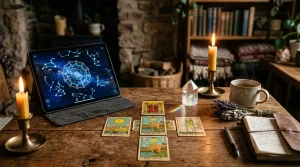
Are you curious about how to connect with your inner wisdom through tarot? Reading tarot for yourself can be incredibly empowering, yet many stumble into common pitfalls that blur the insights these cards can provide. Understanding the fundamentals of self-reading is essential, as it can foster deeper self-awareness and clarity in your life decisions.
In this guide, we’ll explore key strategies to enhance your tarot reading practice and avoid mistakes that could hinder your intuitive journey. Whether you’re a curious beginner or a seasoned practitioner, you’ll find practical tips to build your confidence and refine your technique. Discover how to interpret the cards in a way that feels authentic to you, leading to richer and more meaningful readings. Your tarot experience can be transformative-let’s dive in and unlock the potential of the cards together!
Understanding Tarot: Basics for Self-Reading
Understanding the Tarot can feel like peering into a vast cosmic mystery, but at its core, it serves as a powerful tool for self-reflection and insight. Ready to embark on this journey of personal discovery? Whether you’re a newcomer or have dabbled with cards before, the key to successful self-reading lies in building your own unique connection with the Tarot. This connection fosters understanding, enabling you to interpret the cards as mirrors reflecting your inner thoughts and feelings.
At the foundation of Tarot reading is the idea that every card is rich with symbolism and meaning. Beginners should start with the major themes of the cards: for instance, the Fool signifies new beginnings and potential, while the Tower often represents sudden change or upheaval. Rather than relying solely on traditional interpretations, allow your intuition to guide you. For example, if you draw the Empress, you might feel connected to nurturing energy or creativity-personalize the meanings based on your context and emotions.
When you’re ready to dive deeper into self-reading, set a clear intention for your session. What question or aspect of your life do you wish to explore? Formulating a specific inquiry can help you focus and receive clearer, more meaningful guidance from the cards. It’s also helpful to maintain a calm environment free of distractions; perhaps light a candle or play soft music to create a sanctuary for your practice.
As you become more familiar with the cards, you might encounter common pitfalls such as seeking overly literal answers or allowing biases to cloud your interpretations. Approach your readings with an open heart and mind, acknowledging your personal feelings without judgment. Embrace the fluidity of the process-Tarot reading is as much about the journey of discovery as it is about finding answers. Keep a journal to document your readings and reflections; this practice not only tracks your growth but also enhances your understanding of patterns in your life.
In this enriching exploration of the Tarot, each card drawn may reveal truths that resonate deeply within you. By developing your intuition and engaging sincerely with the practice, you turn the Tarot into a reliable companion on your path of self-discovery, illuminating aspects of yourself that may have remained hidden.
Choosing Your Tarot Deck: Finding Your Perfect Match
Finding the right Tarot deck can be a transformative experience, akin to discovering an old friend who speaks your language. With countless options available, it’s essential to choose a deck that resonates with your personal style and spiritual needs. Each deck comes with its own interpretations and artwork, which can deeply influence your readings and connection to the cards.
When selecting a Tarot deck, consider the artwork and symbolism that draws you in. Look for images that resonate emotionally; colorful and intricate illustrations can enhance your intuitive understanding. Many beginners gravitate towards popular decks like the Rider-Waite-Smith, known for its approachable imagery and straightforward interpretations. Alternatively, you may feel a strong connection to more modern or themed decks that align with your interests-be it nature, fantasy, or cultures. Spend time exploring different decks online or at local shops; see how the cards make you feel when you hold them.
Practical Steps for Choosing a Deck
- Research: Look at images of the cards online or in stores. Pay attention to how the images make you feel.
- Consider the Guidebook: A good companion guidebook can enhance your understanding of the cards and provide deeper context.
- Trust Your Instincts: If a deck calls to you, even if you don’t understand why, it’s worth exploring. Your intuition is a powerful guide.
- Think About Use: If you plan to read for yourself regularly, choose a deck that feels right-consider the size, card material, and comfort in your hands.
Your Tarot deck is a sacred tool, an extension of your intuition and your insight. When you invest time into selecting a deck that feels right, you set the stage for deeper connections in your readings. Remember, the journey of Tarot reading is profoundly personal; there’s no single “correct” choice. Allow your choices to evolve as your practice deepens-don’t hesitate to explore multiple decks over time, each offering unique pathways into the mysteries you seek to uncover.
Preparing for a Reading: Setting Intentions and Space
Creating a sacred space and setting clear intentions before a tarot reading can profoundly enhance your experience, making it more insightful and connected. When you approach a reading with a focused mindset and a calm environment, you invite clarity and intuition to flow. This preparation not only enhances your connection to the cards but also supports your overall reading practice, helping you avoid common pitfalls that many beginners face.
Start by choosing a quiet, comfortable place where you won’t be disturbed. This could be a cozy corner of your home or a spot in nature. Clearing the space is essential; consider lighting a candle or burning incense to signify the start of your reading. These simple gestures can create a welcoming atmosphere that encourages relaxation and openness. As you settle in, take a few deep breaths to center yourself. With each inhale, envision drawing in positivity and insight; with each exhale, let go of distractions and tension.
Next, it’s important to set your intentions for the reading. This process can be as simple or elaborate as you wish. You can state your intention out loud or write it down in a journal. Whether seeking clarity on a specific issue or asking for guidance in your life’s path, being clear about what you hope to achieve can deepen your connection with the cards. For example, if you seek understanding around a relationship, you might articulate your intention as: “I am open to insights regarding my relationships and how I can foster deeper connections.”
Finally, consider incorporating some intuitive practices into your preparation. Using crystals, like amethyst or clear quartz, can enhance your energetic field and clarity of thought. You might also keep a journal nearby for jotting down insights or feelings that arise during your reading. With these elements in place-an inviting space, strong intentions, and supportive tools-you’ll be better equipped to receive and interpret the messages of the tarot, paving the way for enriching self-discovery and insight.
Common Mistakes in Tarot Reading for Yourself
When embarking on the journey of self-reading with tarot, it’s essential to recognize that even the most seasoned readers make mistakes. The comforting truth is that these missteps can lead to valuable learning experiences-if you know what to watch for. One common pitfall is seeking confirmation rather than genuine insight from the cards. Self-readers often approach a draw with a particular outcome in mind, skewing their interpretations to align with their desires. Instead, aim to engage with the cards openly. For instance, if querying about a troubling relationship, avoid framing the question to receive answers that only reassure you. Instead, consider a broader inquiry like, “What do I need to know about my relationship at this time?” This approach invites unexpected insights and encourages authentic reflection.
Another frequent mistake is failing to establish a personal connection with the card meanings. Many beginners rely too heavily on traditional interpretations or a guidebook, which can lead to a mechanical understanding of the cards. Each reader has unique experiences and emotions that can shape their interpretation. To cultivate this connection, practice daily or weekly draws, paying attention to how different cards resonate with your life. If you draw the Tower during a period of personal upheaval, reflect on how its themes of disruption and awakening apply to your situation. The more you engage with the symbolism personally, the richer your readings will become.
Timing also plays a vital role in self-readings, and ignoring it can lead to confusion and frustration. Reading for the same question repeatedly without allowing time for events to unfold can muddy your intuition. Instead, allow space for the energies around your inquiry to shift. If you find yourself drawn to a question that has been asked recently, it might be more beneficial to reflect rather than pull additional cards. Consider setting a time frame-like a week or a month-before revisiting a previous reading on the same topic. This practice can help you observe how situations evolve, grounding your readings in real experiences instead of cyclical questioning.
Lastly, don’t overlook the importance of grounding and closure at the end of your readings. This step is often missed, leading to lingering energies that can cloud your mind. After completing a reading, take a moment to jot down your insights or feelings in a journal. Engaging in a brief meditation or gratitude practice can also help you integrate the wisdom you’ve received from the cards, making it easier to carry into your daily life. By avoiding these common mistakes, you’ll build a confident, intuitive tarot practice that supports your journey of self-discovery and growth.
Card Meanings: A Guide to Interpreting Your Draws
Every tarot card is a gateway to deeper understanding, and interpreting their meanings can transform your self-reading experience from mere card pulling to profound self-discovery. The key to unlocking this potential lies in a personalized approach to the card meanings, which allows you to tune into your intuition and evoke the rich symbolism that resonates with your life. Instead of strictly adhering to traditional definitions, consider how each card speaks to your current situation. This will foster a more organic connection that reflects true understanding.
When interpreting cards, begin by considering the imagery and symbolism on each card. Asking questions can guide your interpretation. For example, if you draw the Ace of Cups, think about the emotions it evokes. Questions like, “What new emotional beginnings am I experiencing?” or “Where can I open my heart more fully?” can provide clarity. This practice encourages intuitive responses rather than rote recitation from guidebooks, ultimately allowing the cards to reflect your unique journey.
As you progress, it’s beneficial to group cards by theme or suit when interpreting complex spreads. A simple table can help streamline your insights, categorizing cards into areas of meaning. Below is an example of how you might structure this:
| Card | Meaning | Personal Reflection |
|---|---|---|
| The Lovers | Partnership, union, choices | Am I honoring both sides of my relationships? |
| The Empress | Fertility, nurturing, abundance | How do I nurture my passions and creativity? |
| The Devil | Temptation, addiction, materialism | What habits are holding me back from my goals? |
This framework encourages reflection on how each card’s narrative relates to your life, enhancing your connection and interpretation skills. Remember, the tarot is not just about rigid meanings; it’s a conversation with your inner self. By engaging in this dialogue, you foster a reading practice that is both enlightening and deeply personal.
Lastly, don’t be afraid to adapt interpretations based on your learning journey. Over time, certain cards may take on different meanings as your experiences evolve. This adaptability is crucial and reflects your growth not only as a tarot reader but also as an individual. Embrace the fluidity of these meanings, allowing your intuition to guide you as you uncover layers of insights unique to each reading. This approach not only enriches your tarot practice but also empowers you to navigate life with deeper self-awareness and confidence.
Effective Tarot Spreads for Self-Discovery
Using tarot as a tool for self-discovery can be a transformative experience, allowing you to explore your inner landscape and clarify your thoughts and emotions. Choosing the right spreads can maximize this potential. A well-structured tarot spread not only guides your reading but also helps you focus on specific areas of your life, making the process more meaningful and insightful. Here are some effective spreads tailored for self-exploration that you can easily incorporate into your practice.
Single Card Pull
The simplest yet profoundly insightful method is the single card pull. This spread is excellent for beginners as it requires no complex layout. Simply shuffle your deck and draw one card to reflect on a specific question or area in your life. For instance, if you’re seeking guidance on a personal challenge, you might ask, “What do I need to understand about this situation?” The card will serve as a prompt for deep reflection. To enhance your engagement, take a moment to journal about your thoughts after interpreting the card.
Three-Card Spread
The three-card spread allows for a deeper exploration of past, present, and future influences. Each position can reveal different layers of your question or situation, helping you connect dots in your personal narrative.
| Position | Description | Example Question |
|---|---|---|
| Card 1 | Past influences affecting your current state | What past experiences shape my current feelings? |
| Card 2 | Current situation or challenge | What is the central issue I am facing now? |
| Card 3 | Future guidance or advice | What should I focus on moving forward? |
This spread offers a narrative structure that flows, helping to uncover how past experiences influence present circumstances and future possibilities.
Personal Growth Spread
For those looking to enhance self-awareness and personal development, this five-card spread focuses on different aspects of your growth:
- What am I currently learning?
- What is holding me back?
- What strengths can I leverage?
- What new perspective do I need?
- What steps should I take next?
This layout encourages a holistic view of your journey, promoting self-reflection and actionable insights. Each card provides an opportunity to delve into specific areas that impact your growth, fostering an empowering connection to your inner self.
By utilizing these spreads, you can embrace the tarot as a supportive tool in your journey of self-discovery. Remember, the key to effective tarot reading lies in your willingness to reflect deeply on the cards and how they resonate with your experiences. As you practice, trust your intuition and let each reading unfold naturally, guiding you toward newfound clarity and understanding.
Developing Your Intuition: Trusting Your Instincts
Trusting your instincts is essential in tarot reading, especially when navigating your unique path of self-discovery. Every card you pull can evoke intuitive nudges, sparking feelings or thoughts that may not always be clear. Your intuition, that subtle whisper of inner wisdom, is a powerful ally in interpreting the cards and understanding their messages.
Begin by creating a calm, open environment for your readings. This allows you to center yourself and quiet any external distractions. As you shuffle the deck, focus on your question or intention. Notice how your body reacts to the cards-do certain ones resonate more energetically? This visceral response can be an invaluable lead into your intuitive insights.
When interpreting the cards, strive to blend traditional meanings with your personal impressions. For instance, if you pull the Ace of Cups, you might think of new beginnings in love or emotional fulfillment. But if you sense a personal connection to creativity during your reading, allow that feeling to guide your understanding.
Incorporating practices such as journaling can further enhance this connection. Write down your impressions, feelings, and any unexpected thoughts that arise during your readings. Over time, you’ll notice patterns in your intuition that align more closely with your experiences, reinforcing your confidence as you develop your psychic abilities. Remember, there is no right or wrong in intuition; it’s about exploration and connection.
As you practice, be gentle with yourself. It’s common to feel unsure at times, especially when starting out. Acknowledge those feelings but don’t let them deter you. Trust that, with experience, your intuitive voice will grow stronger, guiding you toward clarity and personal insight during your tarot journeys.
Journaling Your Readings: Tracking Growth and Insights
Documenting your tarot readings is more than just keeping a log; it’s a transformative practice that encourages self-reflection and growth. By recording your thoughts and insights during each reading, you can create a personal archive of your journey with tarot. This practice not only enhances your understanding of the cards but also lets you trace your emotional and intuitive development over time.
To begin journaling effectively, you might want to establish a dedicated tarot journal. Choose a notebook that resonates with you, perhaps something beautifully bound or simply a blank journal that invites creativity. Start each entry with the date, your intentions for the reading, and the specific question or focus. This context is invaluable when revisiting your notes in the future.
As you document your readings, consider including the following elements:
- Card Layout: Describe the spread you used and the position meanings.
- Card Interpretations: Note down your initial thoughts on each card drawn, blending traditional meanings with your personal insights.
- Feelings and Intuition: Record any emotions or intuitive hits that arise during the reading.
- Reflection: After some time has passed, revisit the reading to see how your insights have unfolded in real life. This can be especially revealing.
One practical approach is to look back at past entries after a few weeks or months. Reflect on how your interpretations might have changed or developed as you gained more experience with the cards. For example, if you drew the same card multiple times but pulled different meanings from it at various points in your life, this could indicate a shift in your personal growth or circumstances.
Remember, there’s no strict format to follow-your journal should be a space of freedom and exploration. You might choose to write stories, create artwork, or even include photographs that resonate with particular readings. Embrace this creativity, as it can deepen your connection to your readings and enhance your understanding of the messages you receive. Keeping a journal is not just about avoiding mistakes in readings; it’s about honoring your journey, acknowledging your progress, and celebrating the wisdom that unfolds through this mystical practice.
Working with Reversals: Expanding Your Understanding
Understanding how to interpret reversals in your tarot readings can be a transformative aspect of your practice. Many readers shy away from reversed cards due to uncertainty about their meanings; however, working with them can deepen your insight and enhance your understanding of situations that may need your attention. When a card appears reversed, it often signifies a different perspective or an underlying theme that might not be immediately apparent with a card in its upright position.
When interpreting reversed cards, consider what the card typically represents in a straightforward reading. For example, if you draw The Lovers upright, it usually indicates harmony and partnerships. Reversed, however, it might suggest disharmony, choice fatigue, or miscommunication in relationships. This shift invites you to explore the nuances of your situation-ask yourself questions like, “What obstacles am I facing?” or “How can I address this imbalance?”
As you integrate reversals into your self-readings, it’s beneficial to remember a few practical tips:
- Context is Key: Always assess the surrounding cards to understand how the reversed card interacts with them. The cards can provide crucial context that helps clarify the message.
- Intuition Matters: Pay attention to your intuition when encountering reversals. Sometimes, the reversed meaning will resonate more strongly with your personal experience than the traditional interpretation.
- Use Reversals to Reflect: Consider if the reversed card reveals something internal, such as self-doubt or negative patterns. This reflective approach can be a powerful tool for self-discovery.
Practicing with reversals regularly will strengthen your connection to your deck and your intuition. Start by intentionally drawing a few cards reversed during your readings, even if you’re unsure. Make note of the feelings and thoughts that arise. Over time, you may find that embracing these reversed meanings leads to profound insights and a more comprehensive understanding of your journey. Remember, tarot is a dialogue with your subconscious; the more you engage with it, the clearer your pathway to self-awareness becomes.
Avoiding Overwhelm: Simplifying Your Tarot Practice
Feeling overwhelmed by the complexity of tarot is a common experience, especially for those new to reading for themselves. It’s easy to become bogged down by the vast array of card meanings, spreads, and interpretations. However, simplifying your practice can make tarot more accessible and enjoyable. By focusing on essential elements and gradually building your confidence, you can create a tarot practice that feels both meaningful and manageable.
One effective approach to simplify your tarot readings is to start with a limited deck. Instead of diving into all 78 cards at once, select a few that resonate with you. This could mean using cards that symbolize key themes in your life or those you feel particularly drawn to. By limiting your focus, you allow yourself to deepen your understanding of these specific cards without the pressure of memorizing every meaning. As you grow more comfortable, you can gradually expand your deck to include additional cards.
Establishing a consistent reading routine can also help reduce overwhelm. Designate a specific time each week to sit with your cards. This routine allows you to enter a focused mindset where tarot can serve as a guiding tool rather than a source of anxiety. When you sit down to read, remind yourself that it’s okay to seek simple clarity. For example, ask one clear question, draw a single card, and reflect on its meaning in relation to your question. This focused approach can lead to more profound insights without the confusion of multi-card spreads.
Lastly, consider incorporating journaling into your practice. Keeping a tarot journal where you document your thoughts, interpretations, and feelings about each reading can greatly enhance your understanding while providing a reflective space. Each entry can be simple-just note the date, the cards drawn, and your thoughts on their meanings. Over time, you’ll start to see patterns and insights emerge from your reflections, reducing the feeling of being overwhelmed and reinforcing your intuitive skills.
Simplifying your tarot practice not only makes it less daunting but also allows you to enjoy the journey of self-discovery that tarot offers. Embrace the experience as a personal dialogue, where each reading is an opportunity to connect with your inner wisdom and learn more about your life’s unique path. With patience and practice, you can demystify tarot and make it an empowering tool in your everyday life.
Navigating Emotional Blocks: Reading with Confidence
Emotional blocks can feel like a heavy veil that obscures your ability to connect with your tarot cards and truly interpret their messages. Many readers experience uncertainty, self-doubt, or fear when approaching their decks, especially during periods of emotional turmoil. It’s crucial to recognize that these feelings are entirely normal and part of the journey. By developing a strategy to navigate these emotional barriers, you can not only boost your confidence but also enhance the richness of your readings.
One effective way to address emotional blocks is to establish a grounding ritual before each reading. This could be as simple as taking a few deep breaths, visualizing a protective light surrounding you, or even holding a grounding stone like hematite or obsidian. Allow yourself to release any distracting thoughts or feelings that might linger. Acknowledging your emotions without judgment creates a safe space for your intuition to flourish.
Another key practice is to focus on self-affirmations. Before you draw your cards, remind yourself of your strengths and the intention behind your reading. For instance, say to yourself, “I trust my intuition,” or “I am open to the messages my tarot cards have for me.” This positive reinforcement creates a supportive mindset that encourages clarity and confidence as you interact with your cards.
Additionally, consider using a specific spread designed to address emotional clarity. A simple three-card spread, with positions for “What do I need to release?”, “What can help me move forward?”, and “What is my inner strength?” can provide profound insights. This structure allows you to delve into your feelings while maintaining a sense of control over the reading process.
Real-World Example
Imagine you are feeling anxious about a significant life choice. After grounding yourself and affirming your confidence, you draw three cards. The first card reveals an obstacle (perhaps the Ten of Swords, indicating endings), the second offers guidance (like the Star, symbolizing hope and renewal), and the last highlights your inner strength (maybe the Strength card, showcasing your resilience). Each of these insights can help you untangle your emotions and see a clearer path forward.
Navigating emotional blocks doesn’t have to be daunting. Embrace each reading as an opportunity for personal growth and self-discovery. Remember, it’s perfectly okay to feel vulnerable-this is often where the deepest insights reside. With practice and patience, you’ll find yourself not just reading the cards, but also building a more profound connection with your inner self. Trust the process; your intuition is a strong ally that will guide you through the noise and into clarity.
Deepening Your Practice: Advanced Techniques and Tips
As you journey deeper into the world of tarot reading, it’s essential to refine your techniques and expand your understanding. Advanced practices can illuminate your readings, providing deeper insights and enhancing your intuitive abilities. Here are several strategies to elevate your tarot practice.
Embrace the art of specific intention-setting. Before each reading, take a mindful moment to articulate your question or focus. Are you seeking clarity on a relationship, career path, or personal growth? Write your intention down or verbally express it, allowing it to resonate within you. This focused approach will guide your readings, helping you to interpret the cards with greater context and clarity.
Experiment With Different Spreads
Using a variety of tarot spreads can also deepen your understanding. Instead of relying solely on the classic three-card spread, explore complex layouts such as the Celtic Cross or the Tree of Life spread. Each spread serves a distinct purpose, and experimenting with them can uncover different layers of meaning. For instance, the Celtic Cross can provide a comprehensive overview of your current situation and future potential, while a simple two-card spread can help clarify options or choices.
Integrate Symbolism and Intuition
Equipping yourself with knowledge of tarot symbolism enhances your readings. Each card is rich with imagery-colors, numbers, and symbols-that can provide additional layers of meaning. Spend time interpreting these elements as you work with the cards. When drawing a card, don’t just focus on its standard interpretation; close your eyes and visualize what that card evokes for you personally. For example, if you draw the Queen of Cups, consider her nurturing aspect, but also reflect on how the image and colors resonate with your current feelings or situations. This will deepen your intuitive responses.
Documenting Your Journey
Start a tarot journal to track your readings and reflections. Documenting your thoughts not only provides a historical record of your insights but also allows you to spot patterns over time. Note down the questions you asked, the spreads you used, and the reflections you have for each reading. Over time, this practice can reveal recurring themes in your life and how your relationship with the cards evolves. It could be as simple as a bullet-point list, or you might choose to write reflective essays on specific spreads or readings.
Working With Reversals
If you’re ready to add yet another layer to your practice, consider working with reversed cards. Traditionally, reversed cards can indicate blockages, internal struggles, or challenges associated with the card’s upright meaning. However, they can also suggest a more nuanced view of your question. For instance, when the Tower appears reversed, it may depict avoiding disaster or resisting change. This perspective can prove invaluable in self-readings when you want to explore the depths of your situation.
As you explore these advanced techniques, remember that tarot is ultimately about building a relationship with your intuition and the cards. Each reading is a unique opportunity for growth. Embrace your journey with an open heart, and allow these practices to enhance your experience. The more you practice and reflect, the more confident you’ll become as a self-reader, unlocking the profound wisdom tarot has to offer.
Frequently asked questions
Q: How can I start reading Tarot cards for myself?
A: To start reading Tarot for yourself, choose a deck that resonates with you, and familiarize yourself with the card meanings. Prepare a quiet space for your readings and set a clear intention. Begin with a simple spread, like a three-card draw, to explore your current situation and insights.
Q: What are some common mistakes when doing Tarot readings for myself?
A: Common mistakes include asking vague questions, not grounding your energy, or interpreting cards based on fear rather than intuition. Consult the “Common Mistakes in Tarot Reading for Yourself” section for deeper insights on avoiding these pitfalls and improving your self-readings.
Q: How do I interpret multiple Tarot cards together in a reading?
A: When interpreting multiple cards, consider their individual meanings and how they relate to each other. Look for themes, emotions, or narratives connecting the cards. Context matters-analyzing their positions in a spread can reveal deeper insights about your inquiry.
Q: Can I trust my intuition when reading Tarot cards?
A: Yes, trusting your intuition is essential in Tarot reading. Your instincts often reveal personal insights and unique interpretations that resonate with your situation. Practice regularly to strengthen your intuitive abilities, as highlighted in the “Developing Your Intuition” section of the article.
Q: What should I avoid when asking questions in Tarot readings?
A: Avoid yes/no questions or overly broad inquiries. Instead, frame your questions to promote reflection and insight, such as “What do I need to know about my current path?” This encourages more meaningful guidance during your reading.
Q: How can I get better at self-Tarot readings over time?
A: Improving your self-Tarot readings involves regular practice, journaling your insights, and reflecting on past readings. Incorporate various spreads and themes, as outlined in the “Effective Tarot Spreads for Self-Discovery” section, to deepen your understanding and grow your skills.
Q: Should I use reversed Tarot cards in my readings?
A: Using reversed cards can add depth to your readings by highlighting shadow aspects or internal conflicts. Explore this in the “Working with Reversals” section for tips on how to integrate reversals into your readings effectively.
Q: How can I maintain a positive mindset during Tarot readings?
A: To maintain positivity during your readings, set a clear intention and focus on self-discovery rather than prediction. Create a supportive environment and remind yourself that Tarot is a tool for guidance, helping you explore possibilities rather than defining your fate.
Final Thoughts
Now that you’ve uncovered how to read Tarot for yourself and sidestep common pitfalls, it’s time to put your newfound skills to practice. Remember, every card you draw is a unique doorway to self-discovery and insight. Trust your intuition to guide you as you explore the profound messages the cards hold. For deeper meanings behind each card, check out our comprehensive guide on Tarot Card Meanings or learn essential spreads in our Tarot Reading Basics.
Don’t let uncertainty hold you back-jump in and start your journey now! Have questions or insights? Share your thoughts in the comments below, and connect with others on this enlightening path. Subscribe to our newsletter for ongoing tips and resources designed to enhance your Tarot practice. Remember, Tarot is not just a tool; it’s a companion in your journey of self-exploration-embrace it!
Get our latest guides, news, and insights highlighted in your Google Search & AI Overviews.