Have you ever felt a sense of uncertainty about your path, longing for guidance that feels both mystical and practical? Tarot can serve as a powerful tool to illuminate your spiritual journey, offering insights that resonate deeply with your intuitive self. In “How to Use the Tarot: Transform Your Spiritual Practice,” we will explore how to harness the wisdom of the cards to enhance your daily life and personal growth.
Whether you’re a curious beginner or a seasoned reader seeking new depths, this guide aims to demystify the tarot. You’ll learn techniques to interpret the cards, understand different spreads, and confidently ask the right questions during your readings. Each section of the guide is thoughtfully designed to empower you, no matter your beliefs or experience level. Together, we can unlock the transformative potential of tarot, helping you navigate life with clarity, intention, and a connection to your inner wisdom. Dive in, and let’s embark on this enlightening journey together!
How Tarot Can Enhance Your Spiritual Journey
Embracing the Tarot can be a profound way to enhance your spiritual journey, offering insights and guidance that resonate deeply with your inner self. Many people find that consulting the Tarot reveals patterns and themes in their lives, providing clarity during times of uncertainty. Each card in the Tarot deck serves as a mirror, reflecting your emotions, experiences, and aspirations. By engaging with these cards, you can cultivate a deeper awareness of your spiritual path and the energies surrounding you.
One practical way to incorporate Tarot into your spiritual practice is by establishing a regular reading routine. This can be as simple as pulling a daily card to set your intentions or using specific spreads for deeper exploration. For example, a three-card spread can represent your past, present, and future, helping you see how your experiences shape your current situation and potential outcomes. By reflecting on the meanings of these cards and your personal interpretations, you develop a stronger connection with your intuition, which is essential for spiritual growth.
Moreover, Tarot invites you to explore your inner landscape. When you face challenges or decisions, the cards can guide you to uncover hidden motivations and beliefs. For instance, if you draw the Eight of Swords, it may prompt you to examine feelings of entrapment or fear, encouraging you to consider what truly holds you back. This process not only fosters self-reflection but also empowers you to take actionable steps toward transformation, making the Tarot a vital tool for personal development.
Ultimately, the beauty of Tarot lies in its versatility. Whether you’re a seasoned practitioner or a curious beginner, integrating Tarot into your spiritual journey can illuminate your path, offering guidance, clarity, and a deeper connection to yourself. You’ll find that as you explore the cards, you cultivate both self-awareness and spiritual insight, inviting magic into your everyday life.
Understanding Tarot Cards: The Basics
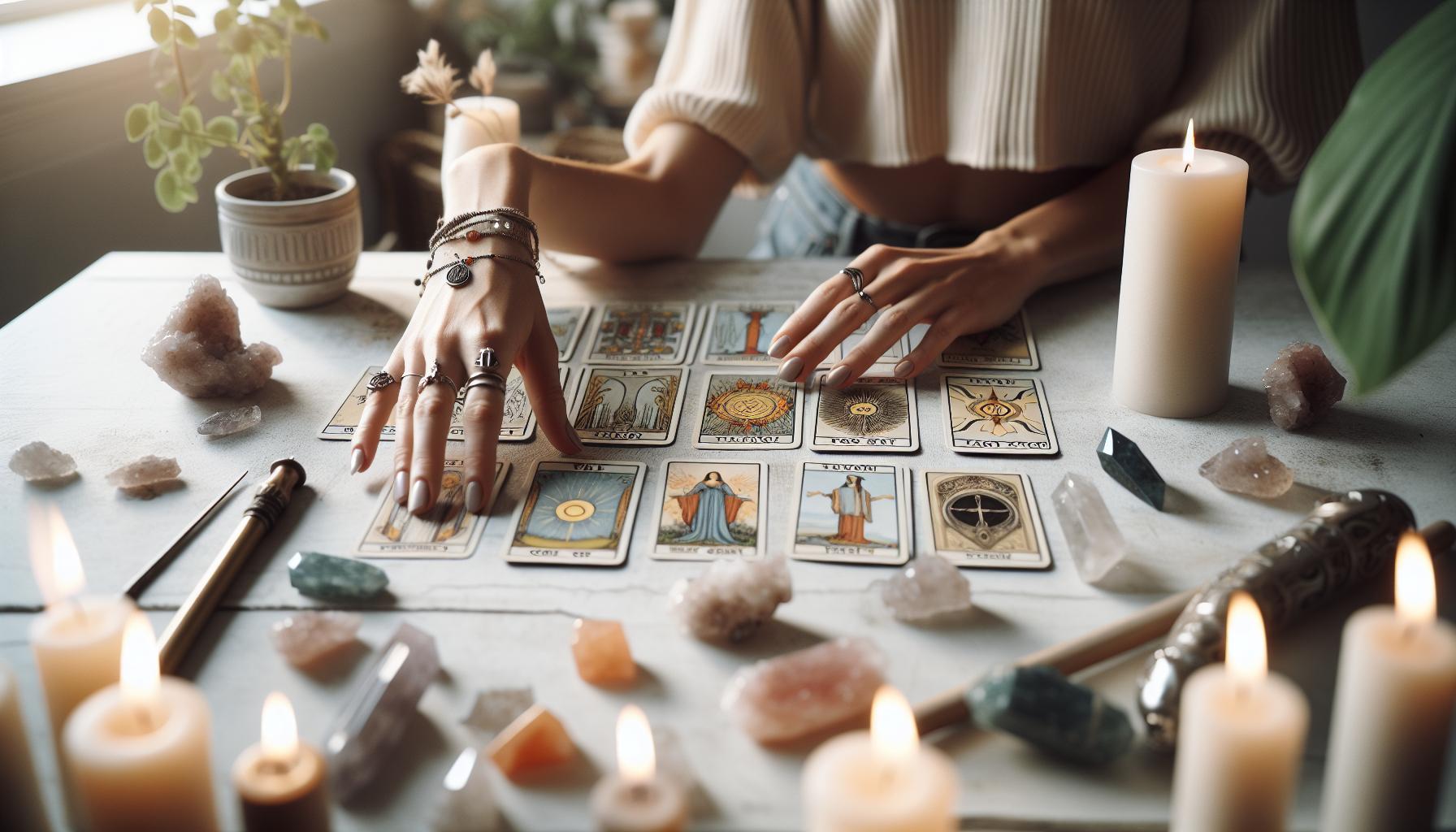
Understanding Tarot cards is like opening a door to a deeper understanding of yourself and your spiritual journey. At its core, Tarot is a deck of 78 cards, each rich with symbolism and potential meaning. This intricate system is divided into the Major Arcana, consisting of 22 cards that reflect significant life lessons and spiritual themes, and the Minor Arcana, featuring 56 cards that delve into day-to-day experiences and challenges.
When you begin your Tarot journey, it’s essential to familiarize yourself with the basic structure and meanings of the cards. Each card is imbued with specific imagery and traditional interpretations that can form the foundation of your readings. Here are some fundamental concepts to grasp:
- The Major Arcana: Represents pivotal life events, spiritual lessons, and profound insights. Cards like The Fool symbolize new beginnings, while The Death card signifies transformation and the end of a cycle.
- The Minor Arcana: Comprises four suits (Cups, Pentacles, Swords, and Wands) that reflect various aspects of life, from emotions and relationships to challenges and creativity.
- Numerical Significance: Each number in the Tarot adds its own layer of meaning. For instance, cards numbered Ace through Ten represent a journey from potential (Ace) to completion (Ten).
As you interact with the cards, pay attention to the symbolism. For example, drawing the Two of Cups in a reading could indicate a blossoming partnership, while the Five of Swords may suggest conflict and the need to reassess your approach to a situation. Taking the time to reflect on your feelings and thoughts while viewing each card deepens your intuitive connection.
Another practical tip for beginners is to start keeping a Tarot journal. Write down the cards you draw, your impressions, and how the readings resonate with your life experiences. This practice not only builds your understanding of the Tarot but also enhances your intuitive abilities over time. Remember, each reading is a personal conversation between you and the cards, encouraging you to listen and interpret what they reveal about your spiritual path. Engage openly with the process, and allow the magic of Tarot to illuminate your journey.
Choosing the Right Tarot Deck for You
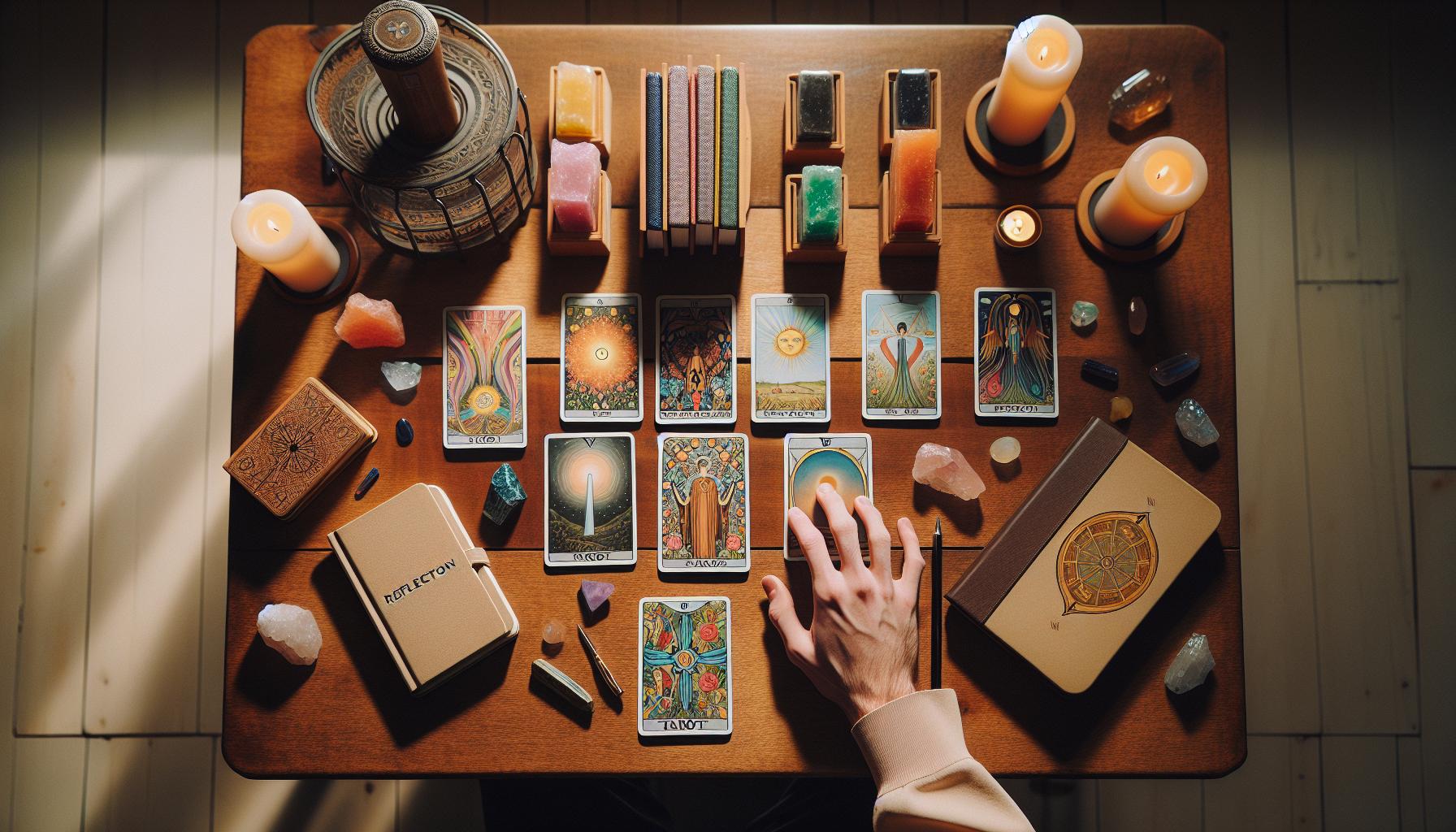
Choosing a Tarot deck can feel like embarking on a personal quest, as each deck carries its own energy and style, potentially influencing your readings. The right deck can resonate with your intuition, helping you connect more deeply with the cards and enhancing your spiritual practice. Start by considering the artwork and themes that draw you in.
Consider Your Connection to Imagery
Every Tarot deck presents a unique artistic interpretation of the cards. Some decks, like the Rider-Waite-Smith, feature traditional imagery that many find comforting and familiar. Others may have modern, abstract, or culturally specific interpretations. Take time to browse through different decks, either online or in metaphysical stores, and see which ones evoke a sense of curiosity or inspiration. If a deck’s artwork speaks to you, it’s likely to enhance your understanding and relationship with the cards.
Explore Themes and Specializations
Different decks may focus on particular themes or aspects of life, such as love, spirituality, or even pop culture. For example, some decks incorporate elements from mythology, while others might focus on animal spirits or nature. Consider what themes are most meaningful to you. Are you drawn to mythological stories? Or perhaps you’re seeking a deck that emphasizes emotional exploration? Look for a deck that aligns with your spiritual interests.
Practical Considerations
When choosing a Tarot deck, think about the size and material of the cards. Some decks are larger, which might be challenging for smaller hands or if you plan to read professionally. Card stock can also vary; choose one that feels comfortable to shuffle and handle. If possible, look for decks that come with a guidebook, especially if you’re a beginner. A well-written guide can help demystify card meanings and provide insights on different spreads.
Listen to Your Intuition
Ultimately, the best way to choose your Tarot deck is to trust your instincts. You may find that a particular deck calls to you in subtle ways-whether it’s the colors, the symbolism, or even the energy that exudes from the cards. Spend time with your top choices, visualizing how you might work with each deck. This decision is deeply personal; engaging with your intuition is the key to finding not just a deck, but a partner in your spiritual journey.
Each deck will offer you a different experience, and as you progress on your Tarot journey, you might find yourself drawn to multiple decks over time. Embrace the exploration, and allow the Tarot to grow with you.
Essential Tarot Spreads for Beginners
Embarking on your Tarot journey doesn’t have to be overwhelming. One of the best ways to begin is to familiarize yourself with a few essential spreads that will enhance your readings and spiritual practice. Each Tarot spread serves a specific purpose, allowing you to glean insights about different aspects of your life. Whether you are seeking clarity on a situation or looking to deepen your self-understanding, these spreads can guide and support you.
Three-Card Spread
The three-card spread is perfect for beginners. It’s simple and provides a quick yet insightful look into a question or situation. The basic format addresses:
- Past: What has led me to this situation?
- Present: What is happening now?
- Future: What can I expect moving forward?
For example, if you’re pondering a career decision, shuffle your deck while focusing on your question, then draw three cards. Each card provides a layer of understanding relative to its position. This spread encourages you to reflect on how past experiences shape the present and influence future choices.
Mind, Body, Spirit Spread
This spread helps you achieve balance across different facets of your being. In this layout, three cards represent:
- Mind: Your current intellectual state or beliefs.
- Body: Your physical health and vitality.
- Spirit: Your emotional and spiritual well-being.
By examining each area, you can identify imbalances and areas needing attention. For instance, if you draw a card in the body position suggesting fatigue, you may realize it’s time to nurture your physical self through rest or exercise.
One-Card Draw
A one-card draw is an excellent approach for daily reflection. Pulling a single card each morning can set a tone for your day and offer insights into challenges or opportunities. Ask yourself, “What do I need to focus on today?” This simplistic approach encourages mindfulness and helps integrate Tarot into your daily routine without feeling daunting.
Open-Ended Question Spread
For those inclined toward deeper inquiry, try an open-ended question spread. This layout usually consists of four cards positioned around a central question. Each card represents different dimensions of the query, such as thoughts, feelings, external influences, and potential outcomes. This spread can work wonders in complex situations, providing layers of perspective to help highlight underlying issues and relationships.
As you explore these spreads, remember that your intuition is your greatest ally. Take notes on how each card resonates with you in relation to the spread’s focus. With practice, you’ll not only enhance your understanding of the Tarot but also develop a more profound connection to your spiritual journey. Embrace the exploration, and let each spread guide you toward personal transformation and awareness.
Interpreting Tarot Cards: Key Meanings
Understanding the meanings behind Tarot cards can profoundly enhance your spiritual journey and intuitive practices. Each card carries a wealth of symbolism, inviting layers of interpretation that reflect both personal experiences and universal themes. As you delve deeper into the Tarot, you will find that these meanings not only offer insights during readings but can also resonate with various aspects of your life and experiences.
Begin with the Major Arcana, which comprises 22 cards representing significant life lessons and themes. For instance, the Fool symbolizes new beginnings and the courage to take risks, urging you to embrace a fresh start. In contrast, the Death card, often misunderstood, signifies transformation and the end of one phase to make way for another, encouraging you to release what no longer serves you. As you learn these key meanings, try reflecting on them through your own life’s narrative-how have these themes appeared in your journey?
Next, explore the Minor Arcana, which consists of 56 cards divided into four suits-Cups, Pentacles, Swords, and Wands. Each suit corresponds to different areas of life. Cups represent emotions and relationships, where the Two of Cups can indicate a harmonious partnership, while the Five of Cups reflects feelings of loss or disappointment. Understanding the elemental associations (Water for Cups, Earth for Pentacles, Air for Swords, Fire for Wands) will further deepen your interpretations, linking the cards to elemental energies and their inherent qualities.
To interpret the cards meaningfully, practice by engaging with them daily. For example, draw a card each morning and contemplate its message throughout the day. Ask questions like, “How does this card reflect my current emotional state?” or “What theme should I focus on today?” Taking note of your initial feelings and thoughts about each card can cultivate your intuition. This process transforms card meanings into personal symbols that resonate more deeply than rote memorization.
As your confidence grows, consider developing a personal lexicon of meanings based on your experiences. Each interpretation may evolve over time, shaped by life events and personal growth. Remember, Tarot is as much about the journey as it is about the outcome. Embrace the flexibility in your interpretations, and allow each reading to reflect your unique path and deeper understanding of the spiritual messages that resonate with you. This practice invites a nurturing relationship with the Tarot, reinforcing that it is a tool for empowerment and self-discovery.
Developing Your Intuition with Tarot
The path to is akin to unfolding a beautiful, intricate flower. Each layer reveals another facet of understanding, deepening your connection to the cards and the messages they convey. Trusting your intuition is vital; it empowers you to draw insights that resonate, allowing each reading to feel personal and authentic.
Start by creating a nurturing environment for your practice. Set aside a quiet space where you feel comfortable and can focus without distractions. Light a candle or burn some incense-something to signify the sacred time you’re carving out for yourself. Then, draw a card from your deck with the intention of tapping into your intuition. As you look at the card, notice the immediate feelings, colors, or symbols that stand out to you. Ask yourself, “What does this card evoke within me?” This practice encourages a personal connection with the imagery, which can lead to profound insights.
Daily Practices to Enhance Intuition
Incorporating Tarot into your daily routine can significantly build your intuitive skills. Try these simple exercises:
- Card of the Day: Pull one card each morning and journal about its significance. How does it relate to what you might encounter in the day ahead?
- Free Association: Look at a card and write down the first words or thoughts that come to mind without filtering yourself. This spontaneous reaction often reveals your intuition at work.
- Visual Meditation: Spend a few minutes meditating on one card. Allow your mind to wander and see what messages bubble up. Don’t rush; let the images speak to you.
To further enhance this connection, consider reading for others occasionally. This not only gives you practice but also exposes you to different interpretations and viewpoints. As you share your insights, you may find that your intuitive capabilities expand, allowing you to see beyond the surface meanings of the cards.
Finally, embrace the ebb and flow of your intuitive journey. Trust that as you engage with Tarot and reflect on your experiences, your skills will flourish. Each reading will teach you something new, fostering a deep sense of personal empowerment and spiritual growth. Remember, the Tarot doesn’t just reveal external truths; it mirrors the internal world, guiding you to profound self-discovery and heightened intuition.
Incorporating Tarot into Daily Meditation
Integrating Tarot into your daily meditation practice can create a profound synergy, enhancing both your understanding of the cards and your overall spiritual journey. By linking the intuitive insights from Tarot with the reflective calm of meditation, you cultivate a space for deeper self-awareness and personal growth. This practice allows you to unlock the messages and possibilities that the universe presents, melding your spiritual aspirations with tangible daily rituals.
Begin your meditation by choosing a quiet space where you can sit comfortably without distractions. You may want to create a calming atmosphere by lighting a candle or playing soft music to elevate your mood. Once you’re settled, select a card from your deck. Instead of rushing through a reading, take a moment to absorb the imagery and energy of the card. Let its colors, symbols, and narratives resonate within you. Reflect on the following questions: *What emotions does this card stir? What meanings feel relevant to my current life situation?* This initial telepathic connection with the card can illuminate areas in your life needing attention.
To deepen this experience, consider these meditation techniques:
- Focused Breathing: As you meditate on the card, focus on your breath. Inhale deeply, envisioning the energy of the card filling your spirit, and exhale, releasing any tension or doubt.
- Guided Imagery: Visualize the scene of the card unfolding as you meditate. Allow yourself to step into the imagery, interacting with its elements. What story is unfolding, and what role do you play in it?
- Affirmation Creation: Once you feel a connection, create a personal affirmation inspired by the card. For instance, if you draw The Empress, affirm, *I embody abundance and creativity in my life.*
Regular incorporation of Tarot into your meditation can help you cultivate a rich, layered relationship with the cards. By keeping a journal to document your experiences after each session, you’ll start to notice patterns and evolutions in your thoughts and feelings over time, leading to richer insights and understanding.
Ultimately, this fusion of Tarot and meditation encourages a more profound exploration of your subconscious mind. The cards serve as mirrors that reflect your inner landscape, guiding you toward understanding your desires, fears, and potential paths. Engage in this practice with openness, and you’ll likely find that each session adds a new dimension to your spiritual practice, enriching your life with clarity, purpose, and wisdom.
Using Tarot for Self-Reflection and Insight
Using Tarot as a tool for self-reflection can reveal profound insights about your inner self and life’s journey. The very act of drawing a card or laying out a spread invites you to pause and contemplate where you are and where you want to go. Each card you select offers a lens through which to examine your thoughts, feelings, and behaviors, aligning your current experiences with the deeper patterns governing your life.
To harness the power of Tarot for self-reflection, choose a quiet moment when you can concentrate fully on your reading. Shuffle your cards with intention, allowing them to absorb your energy and questions. As you draw a card, take time to examine not only the imagery and symbolism but also your immediate reactions. What emotions does this card evoke? What aspects of your current life does it resonate with? Write down these reflections. Consider using a journal to document daily insights, such as feelings triggered by different cards or how their messages connect with your experiences.
Practical Techniques for Self-Reflection
Here are several practical methods you can use with Tarot to facilitate deeper self-understanding:
- Daily Draw: Select a single card each day to focus your thoughts. Take note of how its meanings manifest in your daily experiences, helping you to see the card’s relevance in a tangible way.
- Question-Driven Spreads: Create a simple three-card spread where the first card represents past influences, the second focuses on the present, and the third looks to future possibilities. This method can provide clarity about your current challenges and the lessons to be learned.
- Theme Reflection: Choose a theme such as ‘love,’ ‘career,’ or ‘personal growth.’ Draw several cards regarding this theme, and analyze how each reflects different aspects of the situation, promoting a deeper understanding of what you may need to change or accept.
Incorporating these techniques helps you build a personal dialogue with your Tarot deck, enhancing insights and guiding your personal growth. Over time, you may start to notice how specific cards consistently emerge during moments aligned with certain challenges or themes in your life. This dynamic interaction fosters a nurturing environment for self-discovery, empowering you to confront fears, embrace your strengths, and align with your authentic self. Embrace this journey with openness and curiosity, allowing your Tarot practice to illuminate the path toward greater understanding and personal transformation.
Overcoming Common Tarot Misconceptions
Many people approach Tarot with a mix of curiosity and trepidation, often influenced by myths and misconceptions that can obscure its true purpose and power. One of the most common misunderstandings is the belief that Tarot is purely mystical or fortune-telling, often seen as a means to predict the future or uncover secret knowledge. However, the essence of Tarot lies in its ability to facilitate personal insight, reflection, and understanding. It serves as a powerful tool for introspection, helping individuals connect with their inner wisdom rather than delivering fated predictions.
Another prevalent myth is the idea that one must be a gifted psychic or possess supernatural abilities to read Tarot cards effectively. In reality, anyone can learn to read Tarot. It is less about mystical prowess and more about developing intuition, understanding card meanings, and forming a personal relationship with your deck. By approaching the cards with openness, you can cultivate your innate intuitive skills over time. Regular practice, such as setting up daily draws or engaging in simple spreads, allows you to strengthen your connection and enhance your interpretative abilities.
Some individuals also fear that Tarot is a tool of negative or dark energy. While certain cards may carry challenging meanings, the practice of reading Tarot is about balance and understanding the full spectrum of human experience-joys and sorrows alike. Each card can reveal lessons and insights that promote growth and healing. Approaching your reading with an open heart and mind will help you harness the potential for positive transformation rather than succumbing to fear.
To navigate these misconceptions, embrace the process of learning and exploring Tarot as a journey rather than a destination. Here are a few tips to help you cultivate a constructive mindset around your Tarot practice:
- Start with Education: Read books or attend workshops to demystify Tarot. Understanding the foundational meanings of each card can build your confidence.
- Practice Regularly: Like any skill, reading Tarot improves with practice. Make it a daily ritual to draw cards and reflect on their meanings.
- Document Your Journey: Keep a Tarot journal where you record your readings, thoughts, and experiences. This will help you see patterns and develop deeper insights over time.
- Stay Open-Minded: Allow your interpretations to evolve as you learn. Each reading can offer something new based on your current life context.
By dispelling these myths, you can approach Tarot with confidence and clarity, transforming it into a supportive ally on your spiritual path. Whether you are a skeptic or a believer, the value of Tarot rests within your experiences and insights, inviting you to explore the profound depths of your own soul.
Building a Personal Tarot Practice for Transformation
Creating a personal Tarot practice can be a transformative journey, allowing you to explore your inner landscape, gain insights, and deepen your spiritual understanding. Establishing this practice is about making Tarot a consistent part of your routine, thereby enriching your life with newfound clarity and purpose. It’s essential to approach this with an open heart and a willingness to learn, as your relationship with Tarot will evolve over time.
Begin by setting a dedicated space for your Tarot practice. This doesn’t need to be elaborate; a small, quiet corner where you can concentrate will suffice. Consider lighting a candle or using crystals to create a calming atmosphere that invites introspection. This physical space symbolizes the sacredness of your practice, helping to distinguish it from your daily activities.
Once your space is ready, incorporate a daily or weekly ritual to draw cards. Start with a simple one-card draw to reflect on your current emotional state or situation. A card forecast such as this not only helps you engage with the symbolism of the card but also encourages a dialogue with your inner self. For instance, if you draw the Empress, reflect on themes of nurturing and abundance in your life. Ask yourself questions like, “Where can I invite more creativity or care?” Use a Tarot journal to document your thoughts and insights, gradually building a tapestry of your personal growth.
As you gain confidence, explore different spreads that resonate with your intentions. For example, a three-card spread can represent the past, present, and future regarding a specific question or area of your life. Lay the cards out from left to right, reading each in relation to the others. This method not only showcases the interconnectedness of your experiences but also reveals the underlying patterns guiding your journey.
Lastly, don’t shy away from integrating other spiritual practices into your Tarot routine. Meditation, affirmations, or even simply sitting in silence with the cards can enhance your intuitive abilities. Over time, as you nurture this practice, you’ll find that Tarot becomes a trusted tool in understanding yourself and navigating life’s complexities, inviting transformation and deeper spiritual insight.
Q&A
Q: How can Tarot help in meditation?
A: Tarot can enhance meditation by providing focus. Use cards as meditation tools to explore specific themes or questions. For instance, draw a card to represent your intention, then meditate on its imagery and meanings. This practice deepens self-awareness and encourages insight into your spiritual journey.
Q: What should I do before my first Tarot reading?
A: Before your first reading, set a clear intention. Ground yourself by taking deep breaths and asking what you wish to learn. Familiarize yourself with the cards and their meanings. Establishing a calm environment also helps create a sacred space for accurate readings.
Q: Can Tarot be used for everyday decision-making?
A: Yes, Tarot can be a tool for everyday decision-making. Draw a card related to a specific decision to gain clarity on your options. This practice encourages reflection on your intuition and can guide you by illustrating different outcomes and perspectives.
Q: How often should I use Tarot for self-reflection?
A: Using Tarot weekly or monthly can be beneficial for self-reflection. Consistent practice helps deepen your understanding of the cards and your own patterns. For beginners, start with a simple spread to engage with how your thoughts and feelings evolve over time.
Q: What is the importance of shuffling Tarot cards?
A: Shuffling Tarot cards is essential as it infuses your energy into the deck. It ensures that the cards are mixed, promoting randomness and a more authentic reading experience. Take a moment to think about your question or intention while shuffling to strengthen the connection.
Q: How can I create a Tarot ritual for spiritual growth?
A: To create a Tarot ritual, set a specific time and space dedicated to the practice. Begin with grounding techniques, engage in a card spread, and reflect on your readings. Incorporate journaling about your insights and feelings to track your spiritual growth over time.
Q: What are some common myths about Tarot?
A: Common myths about Tarot include the belief that it predicts the future or should only be used for negative situations. In reality, Tarot is a reflection tool, offering guidance and insights rather than definitive fate. It’s about understanding yourself and your choices more deeply.
Q: Is Tarot suitable for all spiritual beliefs?
A: Yes, Tarot is welcoming to all spiritual beliefs. It can complement various practices, whether mystical or secular. The cards serve as a visual language that can adapt to your personal spiritual philosophy, enhancing your exploration and understanding of your inner self.
Explore more on how to deepen your Tarot practice and enrich your spiritual journey!
To Conclude
As you embark on your journey with the Tarot, remember that each card is not just a symbol, but a window into your intuition and the universe’s wisdom. Whether you’re a curious beginner or an experienced reader, this practice can deepen your spiritual connection and enhance everyday decision-making. Ready to explore further? Check out our guides on “Understanding Tarot Card Meanings” and “Advanced Tarot Spreads” to expand your skills today!
Don’t hesitate-dive into a daily card reading this week and notice how it transforms your perspective. Share your experiences in the comments below; your insights could inspire someone else on their path!
Finally, if you enjoyed this content, subscribe to our newsletter for exclusive resources and tips that will keep your Tarot practice flourishing. Together, let’s unveil the magic that lies within each card, guiding you every step of the way. Your intuition is waiting to be discovered!
Get our latest guides, news, and insights highlighted in your Google Search & AI Overviews.