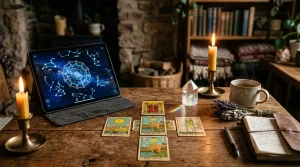
Many people seek guidance from tarot readings, wondering, “Is tarot accurate for my questions?” This inquiry highlights a universal desire for clarity in uncertain times. Understanding the accuracy of tarot is essential, as it can greatly influence your confidence in making decisions based on these readings.
While tarot can seem mystical, it’s fundamentally a tool for intuition and self-reflection. Whether you’re a skeptic or a believer, the truth about tarot’s accuracy can help you unlock valuable insights into your life. Through this article, we will delve into how tarot works, the nuances of its interpretations, and tips for maximizing its effectiveness in answering your burning yes or no questions. Let’s embark on a journey to reveal the truth about tarot readings and discover how they can empower you with knowledge and clarity.
Understanding Tarot Reading: The Basics Explored
Understanding Tarot reading begins with recognizing that it’s more than just card flipping; it’s a unique blend of intuition, symbolism, and personal reflection. When you encounter a Tarot deck, you’re stepping into a universe of archetypes that resonate deeply with human experiences and emotions. Each card carries its own narrative and significance, often reflecting the collective consciousness and individual journeys of those who seek insight.
As you delve into Tarot, it’s important to grasp the basic structure of the system. A standard deck consists of 78 cards divided into the Major and Minor Arcana. The Major Arcana, comprising 22 cards, addresses significant life events and spiritual lessons, while the Minor Arcana, with 56 cards, pertains to day-to-day events and challenges. This duality ensures that readings can offer insights into both profound life changes and everyday dilemmas, allowing readers to navigate their paths more effectively.
To get started, consider developing a basic understanding of the meanings of the cards. Here are a few key cards and their implications:
- The Fool (0): New beginnings, adventure, and spontaneity.
- The Lovers (VI): Relationships, choices, and personal beliefs.
- The Tower (XVI): Sudden change, upheaval, and revelation.
When preparing for a reading, create a conducive atmosphere. This can include quiet lighting, reflective music, or incense-whatever helps you focus and feel connected. As you lay out your cards, remember that your interpretation is influenced by your intuition and life experiences. For example, if you pull the Ten of Swords, which often signifies betrayal or loss, consider how it resonates with your current situation-could it represent a need to let go of past pain to move forward?
This understanding sets the stage for deeper exploration into how Tarot can provide clarity and guidance in your life. Whether you’re a skeptic or a believer, embracing the journey of Tarot can enhance your personal insights and foster a deeper understanding of the universal themes we all navigate.
How Tarot Works: Unveiling the Mystical Process
The process of Tarot reading is as much about connection and intuition as it is about the cards themselves. When you draw a card, you’re not just looking at its surface meaning but tapping into a rich tapestry of symbols and archetypes that resonate with your life experiences and questions. Each card brings its own narrative, inviting both the reader and the querent to explore deeper meanings and insights based on their unique context.
To begin, consider how Tarot operates on a psychological and symbolic level. The cards function as mirrors, reflecting back aspects of your subconscious. For instance, pulling the Queen of Cups during a reading may highlight your emotional intelligence and nurturing qualities, but it might also urge you to connect with your intuitive side. This self-reflection is supported by the unique blend of imagery and symbols that each Tarot card possesses, encouraging both the querent and the reader to engage with their inner thoughts and feelings.
Moreover, the power of Tarot is heavily influenced by the context of the reading. Different spreads offer various perspectives, whether it’s a simple three-card spread or a more elaborate Celtic Cross layout. Each spread is designed to tackle specific questions or situations, allowing for a comprehensive exploration of the issues at hand. For instance, a relationship spread might focus on the dynamics between partners, while a career-focused spread could shed light on professional obstacles and pathways forward.
Ultimately, the accuracy of Tarot readings often stems from the synergy between the reader’s intuition and the querent’s openness. A reader who approaches the cards with confidence and compassion can guide participants through the reading, helping them find clarity and insight in the interpretations. Remember that Tarot is not about predicting an unchangeable future but about illuminating the paths available and empowering individuals to make informed choices based on their personal journey.
Common Misconceptions About Tarot Accuracy
Many people approach Tarot with a mix of wonder and skepticism, leading to common misconceptions, particularly about its accuracy. One prevalent belief is that Tarot cards predict the future with absolute certainty, as if they were set in stone. In reality, Tarot serves more as a tool for guidance and introspection rather than a crystal ball. The effectiveness of a reading largely depends on the reader’s intuition and the querent’s openness, with interpretations that reflect personal circumstances rather than fixed outcomes.
Another misunderstanding arises from the idea that a reader needs to be a gifted psychic for Tarot to work effectively. While some readers may indeed possess heightened intuitive abilities, many simply rely on their knowledge of the cards and their meanings, coupled with their ability to connect emotionally with the querent. For instance, a skilled reader might pull the Fool, which often symbolizes new beginnings or adventures. Instead of saying “You are going to travel,” they might explore what embarking on a new journey means for the querent’s life, thereby encouraging personal exploration and decision-making.
To help dispel myths about accuracy, it’s important to recognize the role of context in Tarot readings. A card drawn in a particular spread can have different meanings based on the question posed or the circumstances surrounding the querent’s life. For example, the Tower card might suggest upheaval in one spread but signal necessary change in another. This highlights the importance of engaging with the symbolism of each card in relation to the querent’s situation.
Ultimately, accuracy in Tarot is about resonance rather than prediction. It invites reflection and dialogue, opening doors to deeper understanding and clarity. By fostering an open-minded approach, both readers and querents can experience enriching insights, transforming their misconceptions into empowering truths about their life’s journey.
The Role of Intuition in Tarot Readings
When engaging with Tarot, the power of intuition can transform readings from mere interpretations of cards to profound, personalized insights. Intuition acts as a bridge between the symbolic language of the cards and the emotional landscape of the querent’s life. This intuitive connection allows readers to tap into deeper meanings that go beyond the traditional definitions of each card.
Understanding your intuitive process is crucial for effective Tarot reading. Start by creating a calm environment before the reading. Remove distractions and center yourself through deep breathing or meditation. Once grounded, consider your querent’s question. As you shuffle the cards, pay attention to your feelings and any sensations that arise. You might notice specific images or themes that resonate more strongly during the reading. Trusting these intuitive nudges can lead to richer, more meaningful interpretations.
Moreover, it’s essential to recognize that different readers may interpret the same card in unique ways based on their intuition. For example, the Two of Cups, commonly associated with partnership, could inspire thoughts of reconciliation for one reader, while another might feel it signals a time for self-love and reflection. Engaging in discussions post-reading can further illuminate these intuitive insights. Encourage querents to share their feelings and thoughts in response to the reading; this collaborative dialogue often uncovers layers of meaning that you both might not have initially considered.
In summary, nurturing your intuitive abilities is intrinsic to effective Tarot practice. By creating a receptive atmosphere, trusting your feelings, and facilitating an open conversation with your querent, you can enhance the accuracy and relevance of your readings. This approach not only validates the querent’s experiences but also empowers them to navigate their path with clarity and confidence. Remember, Tarot is not just about the cards; it’s about the connections we build through intuition and insight.
Types of Tarot Spreads and Their Purposes
Tarot spreads are essential tools for organizing insights and facilitating a cohesive narrative within a reading. Different spreads serve unique purposes, each designed to address specific queries or to explore various aspects of a situation. Understanding these spreads can enhance the clarity and accuracy of your readings, making it easier for both the reader and querent to navigate the messages conveyed by the cards.
Single Card Spread
This simple yet powerful spread involves drawing just one card. It is ideal for quick guidance or to gain a focused perspective on a particular question or decision. Whether asked daily for personal insight or in response to spontaneous queries, a single card can resonate deeply, offering a concise message. For instance, drawing the Fool might encourage embracing new opportunities with courage and an open mind.
Three Card Spread
The three-card spread allows for a more nuanced exploration. Traditionally, each position can represent the past, present, and future, but other interpretations can involve aspects like situation, action, and outcome or body, mind, and spirit. This versatility makes it suitable for those looking to uncover layers of meaning in their circumstances. For example, a spread revealing the Seven of Swords in the past position may indicate a history of deceit, while the upright Ace of Pentacles in the future suggests a new, prosperous opportunity on the horizon.
Four Card Spread
Often used for delving deeper into specific questions, the four-card spread can provide insight into the influences surrounding a choice or event. Common frameworks for this spread can include examining obstacles, external influences, the querent’s feelings, and the potential outcome. When utilizing this spread, if the Tower appears as an obstacle, it may signal that a significant upheaval must be confronted to find clarity.
Cross and Circle Spread
A staple for those who seek to understand complex situations, this spread utilizes seven or more cards and can cover multiple dimensions of a single issue. Each card’s placement elucidates various influences, root causes, and probable outcomes. This broad scope can yield comprehensive insights into intricate dynamics, vital for situations demanding careful contemplation.
Utilizing the right spread can dramatically enhance the accuracy of your Tarot reading by structuring the inquiry and illuminating specific areas that require attention. Encourage exploration of different spreads to find what resonates most with your intuitive process, and remember that practice enhances your connection with the cards, deepening your insights over time. Through these spreads, Tarot becomes not just an exploration of fate, but a collaborative dance between intuition and interpretation.
Psychological Insights: Why Tarot Feels Accurate
The accuracy of Tarot readings often feels strikingly poignant for many individuals, and this phenomenon can be understood through various psychological lenses. One compelling aspect is the concept of confirmation bias, where individuals tend to favor information that confirms their existing beliefs or feelings. During a Tarot reading, when cards resonate with a querent’s situation or deep-rooted emotions, it can create a powerful sense of validation. For example, if someone pulls the Two of Cups while inquiring about a relationship, they might feel an instant connection to the idea of partnership and harmony, reinforcing their hopes and desires.
Moreover, the Barnum effect plays a significant role in why Tarot insights often feel eerily accurate. This psychological phenomenon refers to people’s tendency to accept vague or general statements as personally meaningful. Tarot interpretations can often sound remarkably specific despite being broadly applicable. A card like the Seven of Swords, which speaks to themes of stealth or caution, might evoke a specific situation in someone’s life, making the reading feel tailored uniquely to them, regardless of its generic nature.
The Power of Metaphor and Symbolism
Tarot is rich with metaphor, which taps deeply into our subconscious. Each card is steeped in imagery and meaning that resonates on multiple levels. This symbolic language allows for a nuanced interpretation that can align with a querent’s experiences and emotions. When someone draws the Tower card, it can represent an impending change or upheaval pertinent to their current life phase-interpreting this metaphor may enable the querent to confront underlying fears or expectations.
Additionally, it’s essential to recognize the role of intuition during a reading. Both the reader and querent engage their intuition as they navigate through the cards’ meanings and how they apply to real-life scenarios. Intuition acts as a bridge between the tangible world and the subconscious, fostering a deeper understanding of personal circumstances. This intuitive interplay enhances the sense of accuracy because it allows for a customized reading experience that resonates with the querent’s unique situation and feelings.
Ultimately, the impression that Tarot readings are accurate results from a combination of psychological factors and the inherent structure of the Tarot itself. Through understanding these elements, individuals can appreciate how Tarot serves not only as a tool for divination but also as a means of personal exploration, reflection, and insight. Embracing this process can empower both readers and querents, facilitating a deeper connection to their inner wisdom and guiding them through various life challenges.
Real-Life Experiences: Tarot Success Stories
Every Tarot reader has stories that illustrate the transformative power of the cards, often leading people to profound realizations and unexpected paths in life. These real-life experiences highlight not only the accuracy but also the spiritual guidance offered through Tarot readings. Let’s explore a few compelling success stories that showcase how Tarot can resonate deeply with individuals, helping them navigate their unique challenges and aspirations.
One poignant example comes from a client named Sarah, who approached Tarot in a time of personal crisis. Struggling with a career decision, she felt overwhelmed and lost. During her reading, she drew the Eight of Pentacles, symbolizing dedication and mastery in her work. The reader encouraged her to reflect on her passions and talents, which led Sarah to consider a creative field she had always loved but never pursued. Inspired and empowered by the reading, she took the leap and enrolled in an art class, ultimately leading her to a fulfilling career change that transformed her life.
In another instance, a young man named Jake sought clarity on his tumultuous relationship. The reading unveiled the Lovers card, emphasizing choices and deep connections. As the reader unpacked the meanings, Jake realized that the reading wasn’t just about his current partner but also about choices he needed to make for his own growth. This prompted him to engage in open dialogue, leading to a healthier relationship dynamic. The clarity he gained helped him navigate his love life with newfound confidence, illustrating how Tarot can illuminate paths not previously considered.
These stories highlight how Tarot acts as a mirror to our inner selves, reflecting our truths and sparking meaningful change. The accuracy of Tarot readings often stems from their ability to evoke personal insights, allowing individuals to tap into their intuition and address issues they may have overlooked. Regular clients often report that the cards consistently resonate with their life circumstances, suggesting that the intuition shared between reader and querent plays a significant role in the reading’s effectiveness.
Ultimately, real-life success stories like these reinforce that Tarot is not merely fortune-telling. Instead, it serves as a powerful tool for self-exploration and personal development. Whether one approaches Tarot with skepticism or belief, each story reveals the potential for healing, clarity, and a deeper connection to one’s life journey. Embracing these experiences can encourage others to open their minds and hearts to the possibilities that Tarot can offer.
Skepticism in Tarot: Addressing Doubts Honestly
Skepticism toward Tarot is common, stemming from its mystical nature and the myriad interpretations drawn from simple card spreads. Many individuals approach a Tarot reading with a blend of curiosity and doubt, often questioning how a stack of cards can offer wisdom or guidance about their lives. It’s important to recognize this skepticism as a natural part of any experience that challenges conventional understanding. Instead of dismissing these feelings, consider them as an opportunity to engage more deeply with the practice.
A constructive way to address these doubts is to encourage a personal exploration of Tarot. Approach a reading with an open mind, but also with healthy skepticism. Start by asking specific questions that matter to you. This focus can help ground the reading and make the insights feel more relevant. For instance, if you’re uncertain about your career path, draw cards that may speak directly to your professional situational context, such as “What skills should I develop?” or “What opportunities should I pursue?” This structured inquiry can help frame the reading, providing clarity while allowing for intuitive responses from the Tarot.
Moreover, it’s essential to understand that Tarot readings often reflect the subconscious insights of the querent, the person seeking guidance. This means that the connection between reader and querent plays a crucial role in the reading’s efficacy. For example, during a session, if the High Priestess card appears, it might not just signify intuition and mysteries, but it may also prompt the querent to meditate on their inner voice and how it guides their choices. This interaction illustrates that the cards serve more as catalysts for self-reflection rather than definitive predictive tools.
Ultimately, the accuracy of Tarot isn’t about predicting fixed futures but unveiling paths and possibilities that lie ahead. A skeptical approach can be beneficial, fostering a critical examination of results while still inviting the magic of possibility into your life. Remember, Tarot sessions can be as much about the quest for understanding as they are about fate; allow your intuition to guide you through this process. Embrace the experience, and let it illuminate the layers of your own personal narrative.
Improving Accuracy: Tips for Readers and Querents
When seeking accuracy in Tarot readings, both readers and querents can play an essential role in enhancing the effectiveness of the experience. The clarity of the questions posed, the state of mind during a reading, and the approach to the cards can greatly influence the outcome. Here are a few strategies that can help both parties improve the accuracy of their Tarot sessions.
Clarify Your Intentions
Before a reading takes place, it’s vital for querents to reflect on their intentions. Specific, focused questions yield clearer insights. Instead of asking vague questions like “What will happen to me?”, try framing it in a more concrete way, such as, “What should I focus on in my career over the next six months?” This specificity guides the reading and allows the reader to tap into the querent’s energy more effectively.
- Define your question: Think about what you genuinely want to know.
- Stay open: Be prepared for unexpected answers; they may hold the key to your insights.
- Be honest: Ensure that your question reflects your true feelings or concerns.
Maintain an Open Mind
For both readers and querents, approaching a reading with an open mind can significantly affect its outcome. While having an agenda can be useful, being too rigid can limit the messages that come through. Sometimes, the cards may reveal insights about areas of life that you might not have considered. Allow space for interpretation and trust that the cards can lead to unexpected yet beneficial paths.
Connect with the Cards
Readers should feel a personal connection with their Tarot deck, and it’s beneficial for querents to understand this relationship too. Before starting a reading, spend a moment to shuffle the cards while focusing on the question at hand. This connection not only energizes the deck but also aligns the reader and querent’s intentions with the energy of the cards.
Practice and Reflection
For readers looking to improve their accuracy, consistent practice is key. Conducting regular readings, even for yourself, reinforces your intuitive abilities and deepens your understanding of the cards. After readings, take time to reflect on the effectiveness and the relevance of the insights gleaned. Keeping a Tarot journal can help track your interpretations over time and identify patterns or strengths in your readings.
- Keep a Tarot journal: Document your readings, interpretations, and feelings about each session.
- Seek feedback: Engage with other readers or querents to discuss interpretations and improve your perspective.
- Experiment with different spreads: Different card arrangements can reveal varied insights and depths.
These practices can nurture a deeper understanding of Tarot as both a spiritual tool and a means of personal exploration. The interaction between the reader and querent creates a dynamic that can lead to profound insights. By cultivating an attitude of curiosity and openness, both can embark on a journey that enhances the accuracy and relevance of Tarot readings.
Connecting with Your Deck: Personalizing Your Readings
When it comes to Tarot readings, the connection you form with your deck can significantly enhance the accuracy and depth of your readings. Each Tarot deck carries its own energy, and as a reader, nurturing a personal relationship with your cards can reveal profound insights. Whether you’re a beginner or an experienced practitioner, there are practical ways to deepen your connection and interpret the messages the cards hold for you.
Start by treating your Tarot deck as more than just a tool; think of it as a partner on your spiritual journey. Spend quality time with your cards outside of readings. Shuffle them regularly, meditate with them, or simply allow yourself to explore their artwork. This practice not only helps you become familiar with the imagery but also allows you to tap into the energy of each card. You might even consider performing a daily draw, where you pull a single card to reflect on its message, which can build a sense of intimacy and understanding over time.
Incorporating rituals into your reading process can also strengthen your bond with your deck. You might create a sacred space for your readings-this could be as simple as lighting a candle or incensing the area with your favorite scent. When you sit down to read, take a moment to set your intentions and clear your mind. You could say a few words of gratitude to your deck, acknowledging its guidance and the wisdom it offers. Remember, the more you respect and honor your cards, the more they can speak to you in meaningful ways.
Additionally, personalizing your Tarot readings can make all the difference. Keep a Tarot journal to document your impressions and the interpretations you derive from each session. Write down your thoughts on the cards and how they relate to your life experiences. Over time, you’ll begin to see patterns that resonate with you personally, enhancing your readings’ relevance and accuracy. For example, if you frequently pull the Three of Cups, you might explore its implications for community and celebration in your life.
Lastly, don’t hesitate to infuse your personality and intuition into your readings. Each reader has unique insights and feelings that may arise during a session. Trust these instincts, as they can guide you toward interpretations that might not be evident through traditional meanings alone. By fostering this personal connection with your Tarot deck, you open the door to richer, more intuitive readings that resonate deeply and bring clarity to your life’s questions.
The Future of Tarot: Trends and Changing Perceptions
The landscape of Tarot reading is evolving, with contemporary trends reshaping how both practitioners and enthusiasts engage with this ancient divination tool. One fascinating shift is the increasing acceptance of Tarot in mainstream culture. No longer relegated to dark, mystical corners, Tarot is now embraced as a tool for personal growth and self-reflection. This shift has encouraged a more diverse range of practitioners-from seasoned experts to casual hobbyists-creating a vibrant community that values inclusivity and shared experiences.
One key trend is the rise of online Tarot platforms and communities. These digital spaces allow readers to connect, share insights, and learn from one another, breaking geographical barriers. For example, virtual Tarot circles and social media groups foster open dialogue about interpretations, techniques, and the philosophical underpinnings of Tarot. This communal learning not only demystifies the reading process but also encourages collaborative exploration of card meanings and spreads, making the practice more accessible to those new to Tarot.
Additionally, there’s a growing emphasis on blending Tarot with other spiritual practices and modalities, such as mindfulness, yoga, and holistic healing. This integrative approach enriches the Tarot experience, allowing seekers to find deeper meanings through a well-rounded spiritual toolkit. The practice of combining Tarot readings with guided meditation, for instance, invites users to internalize the messages from their cards, promoting clarity and a stronger personal connection to the insights gained.
As Tarot continues to gain popularity, it also faces scrutiny, especially from skeptics. This presents an opportunity for Tarot enthusiasts to engage in meaningful conversations around its value and accuracy. Rather than shying away from criticisms, readers can address doubts openly by sharing stories of personal transformation and validation achieved through their Tarot experiences. Whether one views Tarot as a mystical art or a psychological tool, the core remains-it’s about self-discovery and empowerment.
Ultimately, the future of Tarot lies in its adaptability and the diverse ways people find meaning in the cards. By embracing everything from traditional readings to modern interpretations and hybrid practices, the Tarot can continue to evolve as a relevant and transformative practice for many. So, whether you’re a believer or a curious skeptic, there’s a place for you in the ever-expanding world of Tarot.
Exploring Alternatives: Tarot vs. Other Divination Methods
Exploring various divination methods sheds light on how Tarot compares to other practices, such as astrology, runes, and I Ching. Each system offers a unique perspective but can also evoke similar questions about accuracy and insight. For many, understanding what sets Tarot apart from these alternatives is key in choosing which path aligns best with their personal journey.
One of the most intriguing aspects of Tarot is its blend of symbolism and storytelling. Each card tells a story, encouraging users to tap into their intuition and personal experiences. In contrast, astrology relies heavily on celestial movements and their potential influences on personality and life events. While both Tarot and astrology aim to provide insights and guidance, Tarot offers a more immediate personal interpretation through its visual imagery and the reader’s intuition.
Common Methods of Divination
- Astrology: Uses celestial positions to interpret personality traits and predict life events.
- Runes: A set of symbols from ancient alphabets, each with its own meaning, drawn and interpreted during readings.
- I Ching: An ancient Chinese text offering wisdom through a hexagram casting and interpretation, focusing on philosophical guidance.
Despite their differences, these methods can synergize beautifully. For example, many practitioners incorporate astrological insights into their Tarot readings to deepen the analysis. Understanding planetary influences can enhance the context of a Tarot spread, allowing for a more comprehensive reading experience.
Additionally, many people find that combining these practices can bolster their confidence in their intuitive abilities. By exploring how different forms of divination communicate insights, individuals can create a more enriched spiritual routine. Whether you prefer the visual allure of Tarot or the cosmic wisdom of astrology, the goal remains the same: to navigate the complexities of life with greater understanding.
Ultimately, the best method for you is the one that resonates most deeply with your intuitive sense. Experimentation is key; many find that certain techniques feel more accurate or meaningful at different times in their lives. Embrace the journey of exploration, and remember that each practice can serve as a tool for personal growth and clarity.
Frequently asked questions
Q: How accurate are Tarot readings compared to other forms of divination?
A: Tarot readings can be quite accurate, often depending on the reader’s skill and the querent’s openness. They provide deep psychological insights, similar to other divination methods like astrology or runes, but many prefer Tarot for its direct symbolism and intuitive connection. Explore more about Tarot’s unique strengths in our main article.
Q: Can Tarot readings predict the future?
A: Tarot readings are generally not definitive predictions but rather reflections of potential outcomes based on current circumstances. They help highlight possibilities and suggest paths, allowing you to navigate your future. Check out the section on “How Tarot Works” for more insights.
Q: What influences the accuracy of a Tarot reading?
A: The accuracy of a Tarot reading depends significantly on the reader’s intuition, the clarity of the question posed, and the energy during the session. A strong connection with the Tarot deck also enhances the reading. For tips on improving accuracy, see our “Improving Accuracy” section.
Q: Why do some people feel that Tarot readings are not accurate?
A: Skepticism towards Tarot readings often arises from misunderstandings of its purpose or expectations of absolute certainty. Tarot is more about guidance than fixed answers, and addressing these doubts can enhance the experience. Dive into our “Skepticism in Tarot” section for a thorough discussion.
Q: How can I increase the accuracy of my Tarot readings?
A: To improve accuracy, focus on formulating clear, specific questions and establish a calm, open mindset. Familiarity with the cards and personal connection play vital roles too. Consider practicing regularly to refine your skills, as discussed in our “Improving Accuracy” tips.
Q: Do experienced Tarot readers have more accurate readings?
A: Generally, experienced Tarot readers are likely to offer more insightful readings due to their familiarity with card meanings and intuitive interpretations developed over time. However, personal connection to the cards is also crucial. Explore our “Connecting with Your Deck” section for a deeper understanding.
Q: Can Tarot readings help with decision-making?
A: Yes, Tarot readings can serve as a helpful tool for decision-making. They provide perspective on various options and highlight possible consequences, empowering you to make informed choices. For practical examples of decision-making with Tarot, refer to our real-life experiences section.
Q: What should I look for in a Tarot reader to ensure accuracy?
A: When seeking a Tarot reader, look for someone with experience, positive reviews, and a style that resonates with you. A good reader should foster a comfortable environment, encouraging honest communication. You can learn more about choosing the right reader in our article.
Closing Remarks
As we uncover the truth behind the accuracy of tarot reading, it’s clear that the insights offered can be both profound and personal. Your journey with tarot is unique, providing you the chance to explore your intuition and gain clarity on your life’s path. Now that you understand the nuanced nature of tarot, why not deepen your experience? Check out our free 3-Card Tarot Career Reading to gain focused insights into your professional journey, or explore our Daily Tarot Reading to set the tone for each day with guidance from the universe [[1]](https://www.astrologyanswers.com/tarot/3-card-career/) [[2]](https://www.astrologyanswers.com/tarot/daily-tarot-reading/).
Don’t let uncertainty hold you back! Take the next step in your tarot exploration today. Sign up for our newsletter for exclusive tips and readings, or consider a personal consultation to delve deeper into your experiences. Remember, tarot is a tool for everyone, whether you’re a beginner or well-versed in its magic. Share your thoughts in the comments below, and let’s continue this mystical journey together!
Get our latest guides, news, and insights highlighted in your Google Search & AI Overviews.