Have you ever felt the urge to explore the depth of your own intuition? Doing tarot readings for yourself can be a powerful way to gain insights and clarity in your life. This guide, “How to Do Tarot Readings for Yourself: Master Self-Reading,” will help you unlock the secrets of the tarot, making it accessible for both beginners and seasoned readers alike. With its rich imagery and symbolism, tarot not only reflects your thoughts and feelings but also provides guidance on your path forward. You’ll learn how to interpret the cards, create meaningful spreads, and foster a deeper connection with your inner self. Whether you’re seeking answers about relationships, career choices, or personal growth, self-reading empowers you to tap into your intuitive wisdom. Let’s embark on this enlightening journey together, where you’ll gain confidence in your ability to read the cards and embrace the magic within you. Prepare to see the cards as a mirror reflecting your soul’s journey!
How Tarot Can Enhance Self-Discovery
Exploring one’s inner landscape can be both thrilling and daunting, and tarot serves as a powerful tool in this journey of self-discovery. Each card acts as a mirror, reflecting not only our current situations but also our hidden desires and fears. Engaging with tarot prompts profound questions: What truths lie beneath the surface? How can past experiences inform present decisions? By giving voice to what may be unarticulated in everyday life, tarot can help reveal our authentic selves.
When you draw cards, consider them conversation starters. For example, if you pull The Fool, it may invite you to explore new beginnings in your life, urging you to take risks and embrace spontaneity. The act of interpreting cards encourages critical thinking and personal insight, allowing you to connect various themes throughout your life. Think of your readings as journal entries-each session contributes to a larger narrative of who you are and what you aspire to become.
To enhance self-discovery further, set a specific intention before your reading. This aim could be as broad as understanding your life path or as focused as examining a recent conflict. After your reading, take time to reflect on the insights gained. You might find journaling these discoveries helpful, integrating them into a broader framework of personal growth.
Lastly, create a ritual around your tarot practice. Whether it involves lighting a candle, choosing a dedicated space, or invoking a sense of peace with deep breaths, a sacred space facilitates deeper connection and clarity. Engaging with tarot in this thoughtful manner can transform your self-exploration into a sacred journey, revealing the layers of your identity while nurturing both your intuition and understanding of self.
Choosing the Right Tarot Deck for You
Finding the right tarot deck can profoundly influence your self-reading experience. With countless options available, it’s essential to choose a deck that resonates with your personal style and intuition. A deck that speaks to you visually and emotionally will foster a more engaging and meaningful connection during your readings. When selecting your deck, take into account the art, symbolism, and themes that draw you in; these elements can facilitate deeper insights.
To begin this journey, consider the following tips for choosing your perfect tarot deck:
- Research Different Decks: Explore various styles, from traditional Rider-Waite-Smith illustrations to modern interpretations like the Wild Unknown or the Cosmic Slumber Tarot. Notice which imagery evokes feelings or thoughts in you.
- Understand Your Goals: Are you looking for a deck that focuses on healing, guidance, or shadow work? Some decks cater to specific themes, enhancing the self-discovery process aligned with your intentions.
- Physical Experience: If possible, handle the decks in person. Pay attention to how they feel in your hands. A deck should feel comfortable and inviting, encouraging you to draw cards frequently.
- Explore Reviews and Recommendations: Delve into communities or forums where tarot enthusiasts share experiences and recommendations. This can provide insights into decks that have worked well for others.
- Follow Your Intuition: Ultimately, trust your gut. When you see a deck that sparks your curiosity or resonates on a deeper level, it might be the one for you. Pay attention to the subtle nudges from your intuition.
Once you’ve acquired your deck, spend time getting to know it. You might want to shuffle the cards while meditation, reflecting on their imagery and meanings. This gentle interaction will cultivate a personal bond, making your readings feel more like a conversation with a trusted friend. Remember, tarot is not just about card meanings; it’s about your unique perspective on the cards and how they relate to your life’s narrative. Embrace this journey of exploration and enjoy the unfolding story that tarot has to offer you.
Understanding the Basics of Tarot Cards
Getting started with Tarot can feel like stepping into a vast and mysterious landscape. Each card is rich with symbolism and potential, inviting you to explore your inner world and uncover deeper truths about your life and experiences. At its core, Tarot consists of 78 cards divided into two main sections: the Major Arcana and the Minor Arcana. Understanding these cards is fundamental to unlocking the insights they offer.
The Major Arcana comprises 22 cards that speak to significant life themes and spiritual lessons, such as The Fool, The Lovers, and The World. Each of these cards represents major milestones or shifts in consciousness, often reflecting profound emotional and spiritual growth. For instance, drawing The Fool might signify new beginnings or the need to embrace a more spontaneous and carefree approach to life.
In contrast, the Minor Arcana consists of 56 cards divided into four suits: Cups, Pentacles, Swords, and Wands. Each suit corresponds to different aspects of human experience. Cups relate to emotions and relationships, Pentacles deal with material aspects and career, Swords symbolize thoughts and conflict, and Wands represent creativity and action. This division allows for a nuanced understanding of day-to-day matters and personal dynamics. For example, drawing a card from the Cups suit may prompt reflection on a relationship’s emotional state, while a Pentacles card may urge you to assess your financial situation.
To effectively read your Tarot cards, familiarize yourself with their meanings, but also trust your intuition during readings. Start with simple spreads, like a single card draw or a three-card spread, where you can ask specific questions. As you grow more comfortable with your cards, let your personal experiences and feelings shape your interpretations. Keep in mind that Tarot is not just about predicting the future but fostering self-awareness and guiding you to make informed choices.
Below are some basic steps to enhance your understanding of Tarot:
- Study Card Meanings: Use resources-books, websites, or Tarot courses-to learn the meanings of each card. Consider keeping a Tarot journal to document your interpretations and personal insights.
- Practice Regularly: Engage in daily or weekly readings to reinforce your learning. Reflect on card draws and contemplate their significance in your life.
- Trust Your Intuition: Beyond traditional meanings, your intuition plays a vital role. Allow your personal experiences and feelings to shape what each card signifies for you.
- Join a Community: Engaging with fellow Tarot enthusiasts can provide support and varied perspectives, helping you deepen your understanding.
Embrace the mystery of each card and the stories they tell, allowing your journey into Tarot to unfold naturally. This practice is a personal exploration, inviting you to connect with your intuition while discovering profound insights into your life’s path.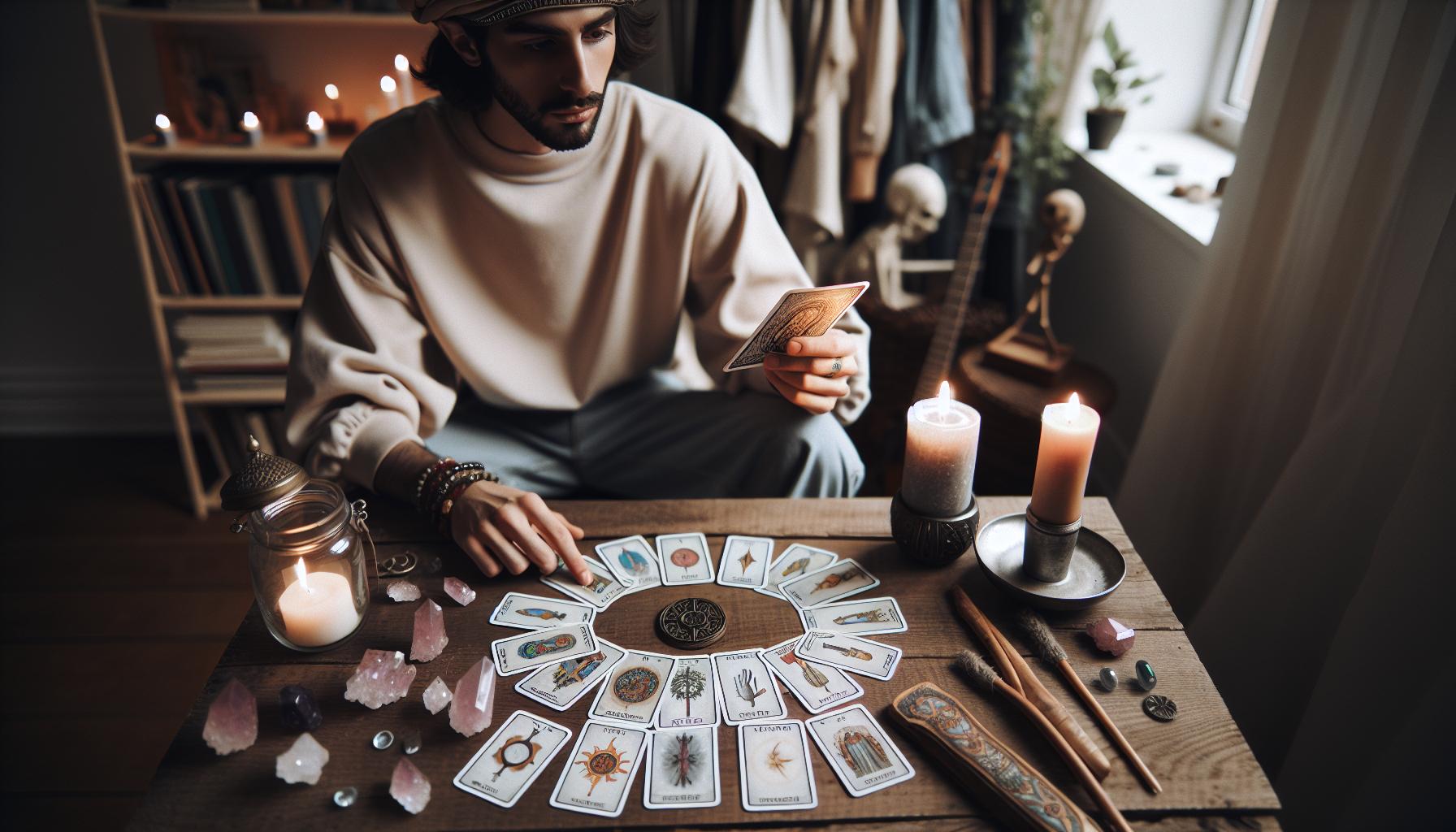
Essential Tarot Spreads for Self-Reading
Getting comfortable with Tarot often involves understanding various spreads that can guide your self-readings. Each spread can serve a different purpose, allowing you to delve deeper into your emotions, decisions, and spiritual journey. Let’s explore some essential Tarot spreads, ranging from beginner-friendly to more advanced options, to enhance your self-reading practice.
One-Card Draw
The simplest yet highly effective spread is the one-card draw. Perfect for beginners, it allows you to focus on a single question or area of your life. Simply shuffle your deck while concentrating on your query, then draw one card. This method provides immediate insight and encourages you to reflect on its message throughout the day. For instance, if you draw The High Priestess, you might consider how you can tap into your intuition and inner wisdom in a current situation.
Three-Card Spread
Moving on to the three-card spread, this option provides a bit more depth. It can represent various timelines-past, present, and future-or different aspects of a single issue. To utilize this spread, think of a specific topic. For example, if you’re contemplating a career change, you might ask, What have I learned from my current job? What is my present state regarding this change? What potential awaits me? Drawing cards like The Chariot in the present position can indicate newfound determination and control over your career path.
Cross Spread
For those ready to dive deeper, the cross spread offers a more complex view. It’s often related to decision-making processes and consists of five cards. Position one is your current situation, two represents obstacles, three indicates past influences, four reveals future possibilities, and five provides advice. By laying out the cards in this manner, you create a narrative of your journey, allowing you to analyze how different factors impact one another. For example, drawing The Tower in your obstacles position could highlight significant changes or disruptions that you need to navigate before moving forward.
Using Spreads to Encourage Introspection
No matter the spread you choose, remember that the goal is to encourage introspection and personal growth. Consider keeping a Tarot journal to document each reading, noting your interpretations and any personal revelations that arise. This practice helps solidify your understanding of the cards and can illuminate patterns over time.
Embrace these spreads as tools for reflection and growth. Each card drawn can lead you to profound insights, armed with the knowledge that your intuition can guide your understanding. Trust yourself, and allow the Tarot to assist you on your path of self-discovery.
Interpreting Your Tarot Cards with Confidence
To interpret your Tarot cards with confidence, it’s essential to blend intuition with an understanding of the card meanings. Each card carries layers of symbolism that can resonate differently depending on your personal experiences and the context of your question or reading. Whether you’re drawing a single card for daily guidance or engaging with a more complex spread, here are some key approaches to enhance your interpretative skills.
One of the most effective methods is to start with the basic meanings of the cards, grounding your interpretation in established symbolism. For example, the Two of Cups typically embodies themes of partnership, connection, and love, while the Five of Swords might suggest conflict or betrayal. As you familiarize yourself with these meanings, allow your intuitive feelings to guide you. Pay attention to the emotions evoked by the card and how they relate to your situation-this personal insight is what transforms basic meanings into profound personal messages.
In addition, consider contextualizing your readings. When you lay out your cards, think about the spread you are using and what each card represents within that structure. For instance, in a three-card spread representing past, present, and future, you might draw the Empress in the past position, indicating a time of nurturing and growth that influences your current situation. Reflect on how these narratives connect and inform one another to develop a cohesive story that resonates with your life.
Finally, keep a Tarot journal to track your interpretations and insights over time. This not only aids in memorizing card meanings but also reveals patterns in your readings. You might find that a particular card appears when you experience certain feelings or face specific challenges, illuminating your personal relationship with the cards. Over time, this practice builds confidence as you witness how your intuitive interpretations develop alongside your understanding. Remember, there is no single “right” way to interpret Tarot; your personal voice in these readings makes them uniquely powerful.
Common Mistakes in Self-Readings to Avoid
When engaging in self-readings, it’s easy to fall into a series of common traps that can cloud your interpretations or lead to frustration. Acknowledging these pitfalls can greatly enhance your experience and deepen your understanding of the Tarot. Here are several frequent mistakes to avoid, ensuring your self-exploration journey remains insightful and rewarding.
Overthinking Card Meanings
One of the biggest hurdles many beginners face is getting caught up in the rigid definitions of the cards. While it’s valuable to know the traditional meanings, allowing yourself to be flexible and intuitive is essential. For instance, if you draw the Three of Swords, which typically symbolizes heartbreak, pause to reflect on your current emotional state. This card may also represent necessary change or growth in a different context, like moving past an old relationship. Trust your instincts rather than fixating solely on textbook interpretations.
Asking Leading Questions
The way you phrase your questions can significantly influence your reading. Avoid leading or biased questions like “Will I find my soulmate soon?” Instead, try to ask open-ended questions, such as “What should I focus on to invite love into my life?” This subtle shift encourages more nuanced insights from the cards. Keep your inquiries broad to allow the Tarot to guide you in unexpected directions.
Ignoring the Context of the Spread
Each Tarot spread serves a distinct purpose and provides context for your reading. A common mistake is to disregard the positions of the cards within the spread. For example, in a past-present-future spread, the placement tells a story. If you mistakenly interpret a future card as current advice, it might skew your understanding. Take the time to consider how each card interacts within the spread, painting a fuller picture.
Failing to Reflect Emotionally
After reading, many people rush to catalog the card meanings without truly absorbing the message. It’s crucial to give yourself space to connect emotionally with what you’ve drawn. Reflect on this: how do the cards resonate with your personal experiences? Keeping a Tarot journal can be a vital tool here, allowing you to explore not just the meanings but also your reactions and feelings. Documenting your insights can illuminate patterns and deepen your intuitive understanding.
By being mindful of these common mistakes, you can enhance your self-reading practice and foster a more meaningful connection with the Tarot. Embrace your journey with openness and curiosity, and remember that each reading is a step toward greater self-awareness and empowerment.
Developing Your Intuition for Tarot Readings
Building your intuition in Tarot readings is a journey marked by self-exploration and personal growth. This process is not merely about memorizing card meanings; it’s about allowing your innate understanding to inform and guide your interpretations. A powerful way to nurture your intuitive skills is through consistent practice, and embracing the narrative that unfolds during each reading. Each card drawn is a stepping stone, inviting you to delve deeper into your psyche and emotions.
Start by setting a clear intention before each reading. This could be a question or a general area of focus, such as relationships or career choices. As you shuffle the cards, allow your mind to quiet, tuning into your body’s responses. Notice any feelings, thoughts, or images that arise-these impressions are essential hints from your intuition. When you lay out the cards, resist the urge to rely strictly on traditional meanings; instead, observe how each card resonates with your current situation and emotions. For example, drawing the Five of Cups may typically signal loss or regret, but it could also prompt insights about hope and resilience as you reflect on your personal experiences of healing.
To enhance your intuitive development, consider journaling your insights after each reading. Record not only the card meanings but also your emotional reactions and any intuitive hits you experienced. Over time, you’ll notice patterns-perhaps certain cards trigger distinct feelings or memories that deepen your understanding. Engaging with your intuition in this reflective way fosters a richer connection to the Tarot, transforming your practice from a mechanical task into a vibrant dialogue with your inner self.
Lastly, be open to the serendipity of your readings. Sometimes, the most profound insights emerge unexpectedly while interpreting cards in a spread. For example, if you draw the High Priestess in a position that usually signifies conscious thoughts, it might suggest exploring your subconscious, urging you to listen to that inner voice. Trust in this process and remain curious. The beauty of Tarot lies in its ability to reveal layers of meaning and wisdom within you, guiding you towards greater clarity and self-awareness.
Journaling Your Tarot Insights for Growth
Capturing your tarot insights through journaling is not merely a record-keeping task; it’s a transformative practice that deepens your understanding of each reading and enriches your personal growth. Writing down your thoughts after a reading allows you to connect the abstract meanings of the cards with your personal experiences and emotions. As you reflect on the narratives that emerge, you may find threads of wisdom that were previously invisible to you.
Begin by dedicating a specific journal to your tarot practice. Choose a notebook that resonates with your style-a beautiful blank canvas that invites you to explore your thoughts. Each time you conduct a reading, take a moment to document essential details. Write down the date, the question you focused on, and the cards drawn. This sets the stage for your reflections.
Next, delve into interpreting the significance of each card. Ask yourself questions like: What emotions did the card evoke? How does the card’s imagery relate to my current situation? For instance, if you draw the Two of Cups, consider its implications for your relationships; does it reflect a new connection or the deepening of an existing bond? Details like these can be pivotal in illuminating your path forward.
After documenting your interpretations, reflect on any intuitive insights that surfaced during the reading. Did a specific card prompt a memory or a feeling? Write those down too. Over time, you’ll start identifying patterns in your responses-perhaps certain cards consistently evoke particular feelings or resonate with distinct life experiences. This ongoing dialogue between you and your journal creates a rich resource for both self-discovery and future readings.
Lastly, revisit your entries periodically. This practice not only reinforces your learning but also allows you to track your personal evolution. As you gain clarity about how specific cards influence your life, your confidence in your intuitive abilities will flourish. Embracing this journaling practice can illuminate the subtleties of your unique tarot journey, transforming it from a simple reading into a profound exploration of your inner world.
Deepening Your Tarot Practice: Advanced Techniques
To truly enrich your tarot journey, embracing advanced techniques can open new doors of understanding and personal transformation. Often, the initial stages of tarot reading focus on memorizing the meanings of the cards and practicing basic spreads. However, expanding your practice through nuanced approaches can deepen your connection with the cards and enhance your intuition, making self-readings a more profound experience.
One effective method is to delve into *card combinations*. Instead of viewing each card in isolation, consider how they interact with one another. For example, when the Devil appears alongside the Two of Cups, it may suggest a relationship tainted by unhealthy patterns or dependencies. Analyzing the energy between cards can provide a richer narrative than interpreting them singly. Make use of a simple chart or reference sheet to help keep track of common pairings and their meanings, enhancing your ability to read complex situations.
Another advanced technique is incorporating *thematic spreads*. Instead of traditional layouts, create spreads based on your current emotional state or life themes. For instance, a spread focused on personal empowerment could include cards representing your strengths, challenges, and necessary actions. A theme-oriented approach allows you to address specific issues directly, providing clarity and direction.
Don’t overlook the power of *visualization during readings*. Before you draw cards, take a few moments to meditate and set your intention. Visualize the question you want clarity on, and imagine the outcome you desire. This practice not only aligns your energy with your reading but also enables you to tap into deeper insights as you interpret the cards.
Lastly, remember to engage with the broader narrative of your tarot journey by embracing *divinatory writing*. Explore writing longer interpretations or stories based on your readings, interweaving insights and personal reflections. Over time, these narratives can reveal patterns or themes in your life, helping you see connections that may not have been immediately clear during individual readings. This technique is not just about the cards but about weaving them into the fabric of your lived experiences, solidifying your growth.
By integrating these advanced techniques into your practice, you can transform each reading into a deeper exploration of your inner self, paving the way for authentic self-discovery and empowerment.
Embracing Shadow Work Through Tarot
Engaging with your shadow self is a profound process that can lead to significant personal growth and understanding, and tarot offers a unique gateway into this exploration. The concept of shadow work, popularized by psychologist Carl Jung, involves confronting the parts of ourselves that we often ignore or suppress-our fears, insecurities, and unresolved traumas. Tarot can facilitate this deep dive by helping to illuminate these hidden aspects, allowing for healing and integration.
To start this journey, you can use specific tarot spreads that focus on shadow work. A simple yet powerful spread might involve three cards: the first representing your shadow aspect, the second revealing the underlying belief or fear associated with it, and the third offering guidance on how to embrace or integrate this part of yourself. For instance, if the Moon appears as your shadow card, it may indicate illusions or anxieties that keep you from seeing your true self. The second card could be the Eighth of Swords, showcasing feelings of being trapped by your own thoughts. The final card, perhaps the Sun, could suggest that facing these fears will ultimately lead to clarity and joy.
Another effective technique is to journal your insights immediately after a reading. Write down your feelings and interpretations of the cards, particularly focusing on how they relate to aspects you might typically avoid. This practice not only solidifies your revelations but also helps to track patterns over time. By revisiting your entries, you can see how your understanding of your shadow evolves, creating a map of personal growth.
Ensure you approach this practice with compassion. Shadow work is not about punishment or self-criticism; it’s about understanding and accepting the whole of who you are. Consider setting aside a special time in a comfortable, sacred space for your readings. Light a candle, use calming scents, or play soft music to create an atmosphere conducive to introspection. This ritual can help you feel safe as you confront and embrace the complexities of your inner world.
Ultimately, utilizing tarot for shadow work invites a dialog between you and your deeper self, nurtures your intuition, and fosters a more integrated and authentic identity. This ongoing exploration through tarot not only enhances your readings but deepens your relationship with all aspects of your being, empowering you to move through life with greater awareness and resilience.
How to Reflect and Integrate Reading Results
Reflecting on your tarot readings is a crucial step in the self-discovery process. Each card brings forth unique insights, and taking the time to integrate these lessons into your life can significantly enhance your personal growth. Consider this: just like a photograph captures a moment in time, your readings capture insights that can shift perspective and inspire action. By consciously reflecting on these readings, you allow the messages of the tarot to resonate within you, turning understanding into wisdom.
One effective way to process your readings is to establish a reflective practice immediately after your session. Find a quiet space and allow yourself a few moments to breathe and center your thoughts. Ask yourself key questions such as: *What did I feel when I saw this card? What emotions or memories does it evoke for me?* Write down your responses in a dedicated tarot journal. This practice not only helps clarify your thoughts but also creates a record of your emotional responses and realizations over time.
Integrating Insights Into Daily Life
Once you’ve reflected, the next step is integration. Consider how the insights gleaned from your reading can apply to your current situation. Try creating actionable steps based on the guidance you’ve received. For example, if a reading emphasized self-care through the appearance of the Empress, set aside time in your week specifically for activities that nourish you, whether that’s a relaxing bath, a walk in nature, or indulging in a creative project. By translating insights into tangible actions, you make the guidance practical and relatable to your life.
Creating Rituals for Regular Reflection
Incorporating rituals can deepen your connection to the tarot. Create a routine where you reflect on previous readings weekly or monthly. During this time, pull a card from your deck as a ‘theme’ for what you want to focus on in your reflections. This card can serve as a lens through which you view all your past readings, prompting further insights. You might even choose to meditate on this card, allowing your intuition to guide you beyond the traditional interpretations.
Your journey with tarot is deeply personal and unique, so be patient and compassionate with yourself. The insights you gain will unfold over time, enhancing your understanding and relationship with both the cards and your inner self. Remember, the goal is not perfection, but rather a deeper engagement with the layers of meaning that tarot illuminates in your life.
Creating a Sacred Space for Your Readings
Creating a dedicated space for your tarot practice can profoundly enhance your readings and connect you more deeply with the cards. This area becomes a sanctuary where your spirit can relax, your intuition can flow, and the messages of the tarot can emerge without distractions. Designing a sacred space isn’t just about physical placement; it’s also about setting the intention that this particular spot is for your inner exploration and growth.
Begin by choosing a location in your home that feels comfortable and inspiring to you. Find a quiet corner, a cozy nook, or even a whole room, if possible. Consider adding a few personal touches like your favorite crystals, candles, or meaningful artwork to create an uplifting atmosphere. You might want to include elements that resonate with you, such as fresh flowers, essential oils, or incense-these can help stimulate your senses and enhance the meditative quality of your space.
Setting the Mood
Lighting plays a crucial role in creating ambiance. Soft, warm lighting can help you feel relaxed, while a single candle can symbolize illumination, encouraging clarity and insight during your readings. Feel free to turn off electronic devices to minimize distractions. Instead, play gentle background music that soothes you or enjoy the silence as a means of deepening your focus.
Incorporating rituals into your space can also help cultivate its sacredness. Before you start your reading, take a moment to center yourself-perhaps light a candle, set an intention for your session, or take a few conscious breaths. This acts as a signal to your mind and spirit that you are entering a special space for reflection and insight. Some practitioners find it helpful to visualize a protective light surrounding their space, creating a safe environment where they can explore their innermost thoughts and feelings freely.
Ultimately, the goal of your sacred space is to empower your tarot practice. By nurturing a supportive and intentional environment, you lay the groundwork for deeper self-discovery. Your space should reflect your personality-let it evolve as you do, becoming a mirror of your journey with tarot as you unfold more layers of wisdom from the cards. Remember, this practice is entirely yours-embrace what feels right, and allow your intuition to guide the process.
Q&A
Q: What are the best practices for setting intentions before a tarot reading?
A: Setting intentions is crucial for effective self-readings. Before you draw cards, take a moment to focus on your question or area of concern. Write it down or say it aloud. This clarity helps to guide the reading and connect you with your intuition. Refer to the section on Creating a Sacred Space for Your Readings for tips on enhancing this practice.
Q: How do I create a sacred space for my tarot readings at home?
A: To create a sacred space, choose a quiet area, free from distractions. Use candles, crystals, or incense to enhance the ambiance. Personalizing the space with items that resonate with you can deepen your connection to the cards. Consider referring to the Creating a Sacred Space for Your Readings section in our article for more insights.
Q: What should I do if I feel confused about a card’s meaning during a reading?
A: If you’re confused about a card’s meaning, take a deep breath and ground yourself. Reflect on your intuition-what feelings or thoughts come up? Consulting comprehensive tarot resources or journaling your Tarot insights can also help clarify meanings over time.
Q: How can I improve my intuition for tarot self-readings?
A: Improving your intuition involves regular practice. Start by keeping a tarot journal where you record your interpretations and insights. Over time, reflect on patterns or recurring themes that emerge during your readings. This enhances your connection with the cards and your intuition.
Q: What tarot spreads are best for beginners doing self-readings?
A: For beginners, simple spreads like the three-card spread (past, present, future) or a single-card draw for daily guidance are ideal. These spreads help ease you into reading, focusing on specific areas without overwhelming complexity. Explore more in the Essential Tarot Spreads for Self-Reading section.
Q: Why is journaling important after a tarot reading?
A: Journaling after a reading helps you reflect on the insights you’ve gained and tracks your progress over time. This practice reinforces your understanding of card meanings and reveals how your interpretations evolve. Check the Journaling Your Tarot Insights for Growth section for additional techniques.
Q: How can I avoid common mistakes in self-tarot readings?
A: To avoid mistakes, ensure you approach readings with an open mind and avoid leading questions. Trust your instincts rather than relying solely on resources. Familiarize yourself with the Common Mistakes in Self-Readings to Avoid section for helpful tips to enhance your practice.
Q: When is the best time to do a tarot self-reading?
A: The best time for a tarot self-reading is when you feel a strong emotional pull or curiosity about a situation. Creating a consistent schedule, such as weekly or lunar cycles, can also align your practice with your personal rhythms. This ensures you’re in the right mindset for clear insights.
Wrapping Up
Ready to take your tarot journey to the next level? By mastering self-readings, you unlock the power to explore your inner landscape, gain clarity, and navigate life’s challenges intuitively. Dive into our 3-Card Tarot Career Reading to gain insight into your professional path, or check out our Daily Tarot Reading for a daily dose of guidance. Don’t hesitate-acting now empowers your intuition and strengthens your practice.
If you’re eager to build on what you’ve learned, consider signing up for our newsletter for exclusive tips and resources on tarot readings. Remember, every reader started where you are now; embrace the magic and share your experiences with us in the comments below. Your journey is unique, and we’re here to support you every step of the way. The world of tarot awaits-discover more and transform your readings today!