Have you ever wondered how many cards are in a standard Tarot deck? You might be surprised to learn that a full deck contains 78 cards, divided into the Major and Minor Arcana. This knowledge is fundamental for anyone looking to delve into the world of Tarot, whether you’re just starting or aiming to enhance your readings. Understanding the structure of the deck can empower your intuitive abilities and deepen your connection with each card’s unique energy. As you explore the importance of each card, you’ll find that Tarot isn’t just a tool for divination; it’s a pathway to self-discovery and insight. Let’s uncover the significance of the Tarot deck’s composition and how it can guide you on your spiritual journey!
What Is a Standard Tarot Deck?
A standard tarot deck typically consists of 78 cards, a combination of the Major and Minor Arcana that has captivated the hearts and minds of seekers for centuries. This unique structure not only provides a rich tapestry of symbolism but also serves as a tool for introspection, guidance, and divination.
The Major Arcana features 22 cards that hold profound significance, representing key life themes and spiritual lessons. Cards like The Fool and The Magician invite reflection on journey and potential, often serving as the centerpiece of more in-depth tarot readings. On the other hand, the Minor Arcana consists of 56 cards, divided into four suits: Cups, Pentacles, Swords, and Wands. Each suit contains 14 cards, numbered from Ace to Ten, with the addition of court cards (Page, Knight, Queen, and King) that provide insight into interpersonal dynamics and everyday situations.
Understanding the structure of a tarot deck is the first step towards harnessing its power for personal growth or exploration. When contemplating a reading, consider how the balance between these two segments of the deck provides a holistic perspective on your questions or situations. For those just beginning their tarot journey, grasping the basic categories and meanings of the cards lays a strong foundation for deeper exploration. Embracing this intricate framework invites a more profound connection with the cards and cultivates your intuitive abilities, making tarot a welcoming practice for everyone, regardless of their experience level.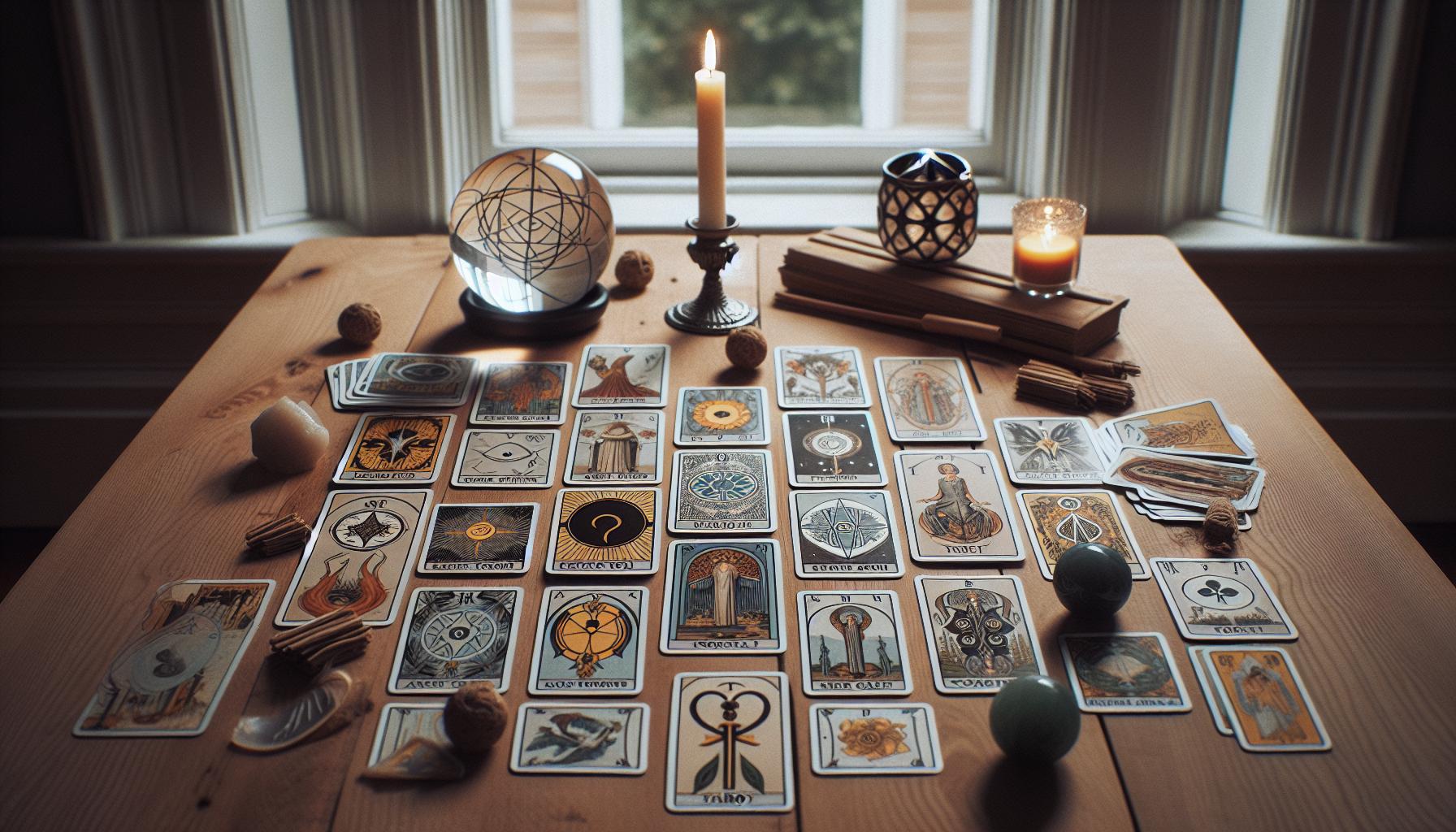
The Structure of a Traditional Tarot Deck
A traditional tarot deck comprises 78 cards divided into two distinct sections: the Major Arcana and the Minor Arcana. This unique structure allows for a rich landscape of symbolism and meaning that is pivotal for any tarot reading. The Major Arcana, consisting of 22 cards, represents significant life lessons and universal themes. Each card, such as The Fool or The World, acts as a key to understanding major shifts in your personal journey, offering insights into your soul’s lessons and life path.
On the other hand, the Minor Arcana includes 56 cards, further segmented into four suits: Cups, Pentacles, Swords, and Wands. Each suit captures different aspects of daily life and personal experience. For instance, Cups deal with emotions and relationships, while Swords often speak to conflict and thought processes. Each suit is made up of 14 cards, including numbered cards from Ace to Ten and four court cards (Page, Knight, Queen, and King) that represent different personality traits and dynamics in various situations.
When approaching a tarot reading, understanding this dual structure is essential for interpreting the cards effectively. The Major Arcana can provide a broader overview of your circumstances, while the Minor Arcana offers more specific insights into everyday situations and challenges. This interplay allows for a more nuanced reading, helping you to connect the dots between significant life events and current day-to-day experiences. This makes the tarot a powerful tool for not just reflection, but also for cultivating awareness and navigating life’s complexities with greater clarity.
If you’re new to tarot, grasping the basic structure can be incredibly empowering. Consider starting with a few key cards from each section, familiarizing yourself with their meanings and how they relate to your own life. This foundational knowledge helps cultivate your intuitive skills and builds confidence, enabling you to engage meaningfully with the cards as tools for personal growth and understanding. Embrace the journey, and remember that tarot is a practice accessible to all, regardless of where you begin.
Understanding the Major Arcana Cards
The Major Arcana comprises 22 cards that encapsulate powerful archetypes and profound lessons on the human experience. These cards are not tied to everyday events, making them distinct from the Minor Arcana. Instead, they focus on major life themes, spiritual evolution, and personal growth, acting as significant milestones along your journey. Whether you draw The Fool or The World, each card offers a message that can resonate deeply, urging you to reflect on your past experiences and present circumstances.
Key Cards and Their Meanings
Each Major Arcana card plays a unique role in a reading. Here are a few pivotal examples:
- The Fool (0): Symbolizing new beginnings and adventures, The Fool encourages you to take a leap of faith and embrace spontaneity.
- The Magician (I): This card represents resourcefulness and mastery, reminding you that you have the tools to create your desired reality.
- The High Priestess (II): A symbol of intuition and mystery, she invites you to trust your inner voice and seek deeper understanding.
- The World (XXI): This card signifies completion and achievement, indicating that you have successfully come full circle in a significant aspect of your life.
Using the Major Arcana in Readings
When incorporating the Major Arcana into your readings, consider their positions and how they interact with Minor Arcana cards. For instance, a spread highlighting several Major Arcana cards may suggest that you are navigating significant life changes or confronting important lessons. It can also be useful to consider if these cards relate to both past and future experiences, offering insights into how your journey ties together.
If you’re new to tarot, focus on understanding the meanings of the Major Arcana first. Create a simple spread, perhaps a three-card layout where each card represents the past, present, and future. This approach makes it easier to connect the overarching themes presented by the Major Arcana to your personal narrative.
The beauty of the Major Arcana lies in its universal themes and lessons, inviting you to delve deeper into self-discovery and spiritual growth. By engaging with these cards, you not only gain insights into your present circumstances but also unlock a deeper understanding of your life’s journey and the opportunities that lie ahead. Remember, tarot is about personal interpretation and connection, allowing you to harness the magic within yourself.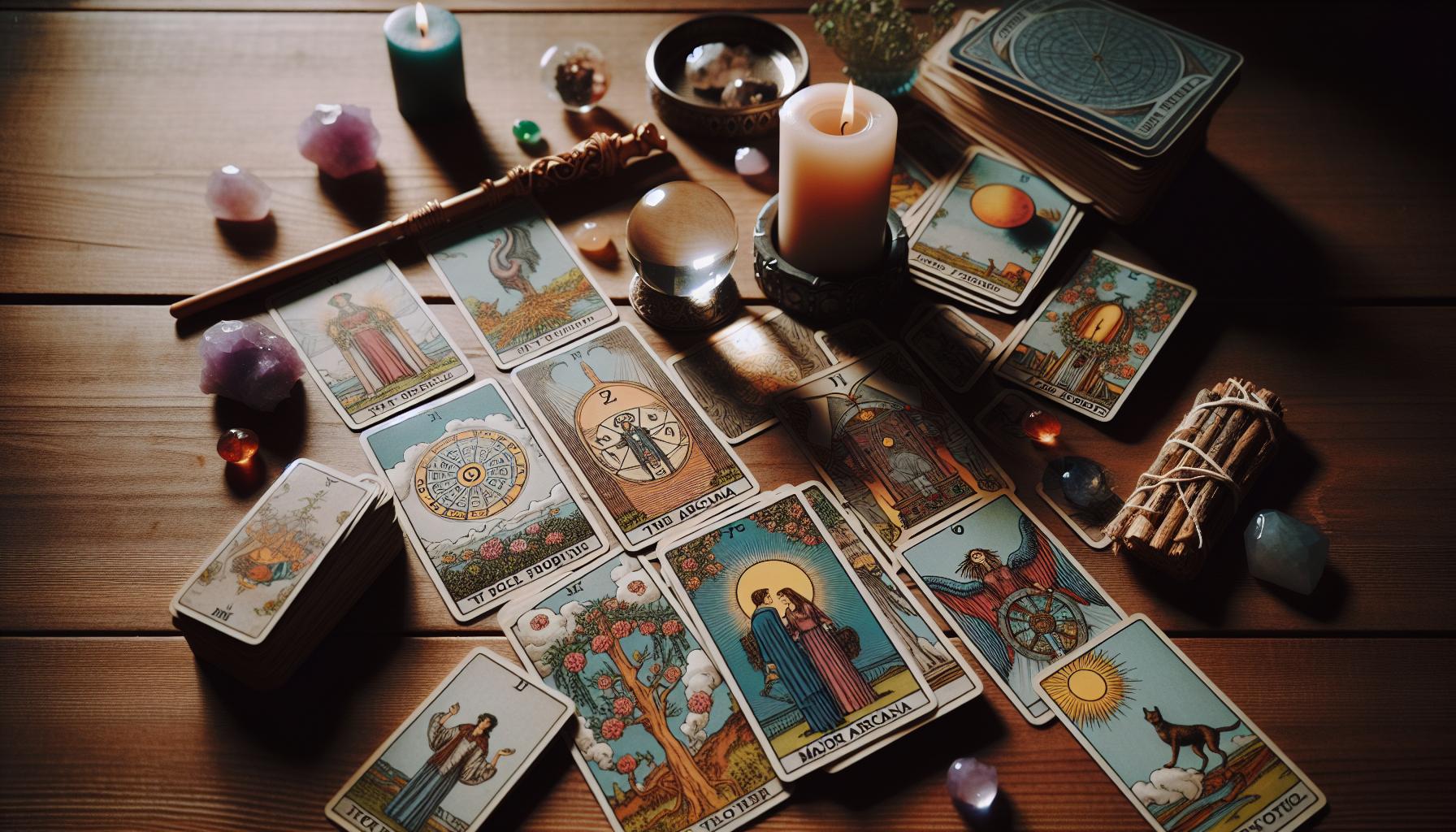
Exploring the Minor Arcana Categories
The Minor Arcana is a fascinating realm within a standard Tarot deck, consisting of 56 cards that delve into the nuances of everyday experiences and challenges. While the Major Arcana reveals the grand themes and significant turning points in our lives, the Minor Arcana provides a more detailed exploration of our daily journey. These cards are divided into four suits: Cups, Pentacles, Swords, and Wands, each offering insights into different aspects of our lives.
- Cups: This suit is associated with emotions, relationships, and connections. It can highlight feelings of love, joy, and harmony, as well as address conflict and emotional struggles. For example, drawing the Two of Cups often symbolizes partnership and mutual respect.
- Pentacles: Focused on material aspects, this suit relates to finances, work, and material resources. It encourages a practical mindset and emphasizes the relationship between our efforts and tangible outcomes. The Eight of Pentacles, for instance, embodies hard work and dedication to craft.
- Swords: Representing the realm of intellect, thoughts, and challenges, Swords can often indicate conflict, anxiety, and decisions. The Four of Swords might suggest the need for rest and reflection amidst mental strain.
- Wands: This suit embodies creativity, passion, and action. It motivates us to pursue our ambitions and nurtures our spirit. The Ace of Wands, a card of new beginnings, inspires us to harness our creative energy and take that bold first step.
Understanding these categories equips you to navigate your readings with greater clarity. Each suit resonates with certain aspects of life, allowing you to reflect on the messages and advice that emerge during a reading. For beginners, it may be helpful to start by familiarizing yourself with the meanings of each suit and some key cards within them. Consider a simple card pull where you draw one card from each suit to gain a comprehensive overview of your current situation, blending the emotional, material, intellectual, and creative dimensions of your life.
The Minor Arcana encourages you to engage deeply with your everyday experiences, offering rich insights into how you can align your actions with your desires. By exploring these suits, you not only gain practical guidance but also strengthen your intuitive abilities, making Tarot a powerful tool for self-discovery and personal growth.
Variations in Tarot Decks: What to Know
Variations in Tarot decks are vast and fascinating, offering something for everyone’s taste and intuition. While a standard Tarot deck typically consists of 78 cards, including the 22 Major Arcana and 56 Minor Arcana, there are numerous alternatives that can cater to different themes, artistic styles, and personal energies. This diversity allows readers to find a deck that resonates deeply with their own spiritual paths and reading styles.
One of the popular variations is the Lenormand deck, which consists of only 36 cards. Unlike Tarot, which offers a large abstract symbolism, Lenormand cards provide straightforward imagery and meanings. This deck focuses more on day-to-day events and offers practical insights rather than deep psychological or spiritual themes, making it a favorite for those who prefer clarity and directness in their readings.
Another notable example is oracle decks, which can vary in the number of cards and themes. Unlike Tarot, oracle decks are not bound by any set system or structure. They may feature 40, 50, or even 100 cards, each with its own unique messages or themes. This flexibility allows for a broader range of interpretations and can be tailored more to the reader’s personal preferences or the specific question at hand. For instance, a deck focused on animals might feature cards depicting different species, symbolizing various traits to consider during a reading.
When choosing your first deck, consider what resonates most with you. This may involve looking at the artwork, the vibe of the creator, or even how the imagery reflects your personal experiences. Some readers thrive using traditional decks, such as the Rider-Waite-Smith, while others find profound connections with themed decks-like those centered around mythology, pop culture, or nature themes.
Ultimately, whether you choose a standard Tarot deck or explore variations, the key lies in how comfortable and connected you feel with the cards. Each deck, no matter how different, serves the fundamental purpose of guiding you through understanding your life’s journey and enhancing your intuitive abilities. Engaging with various decks can not only enrich your reading experience but also empower you to find your unique voice in the world of Tarot.
How Tarot Cards Are Used in Readings
When it comes to Tarot readings, the purpose of the cards goes beyond mere divination; they serve as a powerful tool for introspection and guidance. Each card in a standard Tarot deck, typically consisting of 78 cards-22 Major Arcana and 56 Minor Arcana-holds unique meanings that can be interpreted in relation to the question at hand or the life circumstances of the querent.
During a reading, cards are drawn and arranged in specific layouts called spreads, which inform how the reading unfolds. Common spreads include the three-card spread for past, present, and future insights or the Celtic cross spread, which offers a comprehensive overview of challenges and possible outcomes. Each position in a spread corresponds to particular areas of life or aspects of a question, helping to create a narrative that provides deeper understanding. For instance, if one draws the Fool in the position representing the past, it might suggest a time of new beginnings or a carefree spirit that influences the querent’s current situation.
The process of interpreting the cards is both intuitive and analytical. A reader may begin by observing the imagery and symbolism on each card-colors, figures, and numbers all contribute layers of meaning. For novices, trusting initial feelings about the cards can yield authentic insights. An example might include interpreting the Three of Cups as a celebration or joyful reunion, which can resonate differently based on the context of the querent’s question.
As readers gain experience, they often find that combining traditional interpretations with personal intuitions enhances their readings. By asking open-ended questions like, “What do I need to know right now?” readers encourage the cards to reflect the querent’s current state. A beginner might start with a simple question and jot down immediate thoughts or feelings about the cards before delving into structured interpretations, which builds confidence in their intuitive abilities. With practice, the magical interplay of symbolism and personal intuition can transform a reading from a simple card draw into a profound exploration of life’s mysteries, accessible to both skeptics and believers alike.
Ultimately, Tarot is about connection-both to oneself and to the energies surrounding each situation. Engaging with the cards can illuminate paths and inspire action, bridging the mystical and the practical in everyday life.
Popular Tarot Decks and Their Features
Among the myriad of Tarot decks available, some have forged a distinct place in the hearts of both budding and seasoned readers. Popular Tarot decks often reflect unique artistic styles and thematic storytelling that resonate with personal intuition and spiritual journeys. They can empower readers by aligning with their energies and offering deeper insights into their life situations. Let’s explore a selection of beloved Tarot decks and their standout features.
Classic Choices
The Rider-Waite Tarot remains the most widely recognized deck, celebrated for its rich imagery and clear symbolism. Created in 1909, each card’s illustration conveys an intuitive message that is foundational for beginners. The deck’s images allow readers to engage deeply with each card’s meaning, such as the highly suggestive imagery of the Two of Swords, embodying conflict and choices. This deck suits those who appreciate traditional interpretations and prefer a grounded approach to reading.
The Thoth Tarot, designed by Aleister Crowley, offers a more esoteric journey, filled with abstract art and complex symbolism that appeals to those wanting to delve into the mystical aspects of Tarot. This deck is known for incorporating astrological and Kabbalistic elements, making it appropriate for intermediate to advanced readers looking for a deeper understanding of their readings. The Death Card, often feared, is embraced in Thoth as a symbol of transformation rather than an ending, illustrating the deck’s unique perspective.
Modern Favorites
For a more contemporary take, the Wild Unknown Tarot provides a striking, minimalist aesthetic with hand-drawn illustrations of nature and animals. This deck is perfect for those attracted to a more intuitive, earthy reading style. Its imagery speaks to deeper emotional experiences, making it ideal for readers focusing on personal growth or introspection. Cards like the Ace of Cups invite readers to explore themes of love and emotional beginnings in a fresh, engaging way.
The Starman Tarot, inspired by the late David Bowie, combines vivid colors and surreal imagery, appealing to those who thrive on creativity and self-expression. This deck transcends traditional gender roles and archetypes, making it a fabulous choice for readers interested in exploring identity and transformation. Each reading can feel like a journey through a dream, where even the Seven of Wands spurs conversations about individuality and standing out amidst chaos.
Tips for Choosing Your Deck
When selecting a Tarot deck, consider what resonates with you personally. Visit local metaphysical shops or browse online to see the artwork of various decks. Ask yourself:
- Does the imagery speak to your intuition?
- Do you prefer traditional symbolism or modern interpretations?
- What themes or stories excite you?
Turning to community reviews can also provide perspective on how others connect with each deck.
Engaging with your Tarot deck shouldn’t feel intimidating-let your intuition guide you. These popular selections provide a wonderful starting point to explore the diverse world of Tarot. Remember, Tarot is about your unique connection to the cards, turning personal insights into transformative readings.
The History and Evolution of Tarot Cards
The journey of Tarot cards is as rich and colorful as the artwork they bear. Originating in the 15th century as mere playing cards in Europe, Tarot has evolved dramatically into a revered tool for divination and self-reflection. While a standard Tarot deck typically consists of 78 cards, this number invites a deeper exploration into how the structure and purpose of these cards have transformed over centuries.
Initially, Tarot decks were primarily used for games, particularly “Tarocchi” in Italy. It wasn’t until the 18th century that Tarot cards began to shift towards their mystical interpretations, largely influenced by scholars and occultists like Antoine Court de Gébelin, who linked the cards to ancient Egyptian wisdom. This reinterpretation set the stage for Tarot’s emergence as a tool for spiritual insight and personal growth. The standard structure of a Tarot deck divides into two main segments: the Major Arcana, consisting of 22 cards that symbolize major life themes, and the Minor Arcana, comprising 56 cards that reflect day-to-day experiences.
As Tarot gained popularity, various styles and traditions emerged, each adding unique elements and meanings. For instance, decks like the Rider-Waite introduced imagery that conveyed deeper symbolism, making it easier for practitioners to connect with the cards intuitively. This artistic evolution has led to a vast array of decks available today, catering to diverse tastes and spiritual beliefs, allowing readers to find a deck that resonates personally.
Understanding the history and evolution of Tarot not only enriches your appreciation for the art but also enhances your readings. By recognizing how the Tarot has transitioned from playing cards to spiritual guides, you can cultivate a deeper connection with your deck. Whether you’re a beginner or a seasoned reader, embracing this historical context empowers you to navigate your Tarot journey with confidence. Remember, every time you shuffle and draw cards, you’re partaking in a tradition that spans centuries, inviting both wisdom and insight into your life.
Tips for Choosing Your First Tarot Deck
Choosing your first Tarot deck can be an exciting journey filled with intuition and personal connection. With a standard deck comprising 78 cards, it’s essential to select one that resonates with you on a deeper level. The visual and thematic elements of the deck will play a significant role in how you interpret and connect with the Tarot’s messages. Here are some tips to help you make the perfect choice.
Consider Your Aesthetic Preferences
Tarot decks come in a dazzling array of artistic styles, from colorful and whimsical to dark and moody. Browse through various decks to find one that captures your imagination. Look for artwork that feels inviting and reflects your personality. A deck that resonates with you visually will enhance your connection to the cards, making readings more meaningful.
Understand the Themes and Symbolism
Each Tarot deck can have unique themes and symbolism that may align with different spiritual practices or beliefs. Some decks draw heavily on traditional symbols, while others feature modern representations or thematic illustrations. Familiarize yourself with the meanings of the cards and choose a deck that aligns with your interest in the Tarot’s history or your personal spiritual path. For instance, if you’re drawn to natural elements, a deck that emphasizes nature and organic imagery might be suitable.
Seek Reviews and Recommendations
Before making a purchase, read reviews from other users. Many Tarot enthusiasts share their insights and experiences online, detailing how they connect with specific decks. Websites like tarot.com offer valuable perspectives on different decks, assisting you in making a well-informed decision. Seeking recommendations from friends who practice Tarot can also provide insights into which decks might suit your needs.
Experiment with Samples
If possible, handle a few decks in person at bookstores or metaphysical shops. Spreading the cards in your hands will give you a sense of their quality and usability. Alternatively, many online retailers offer images of the cards and sample readings. Experimenting with spreads from a few different decks can help you determine which one feels most intuitive and comfortable for you.
With these tips, choosing your first Tarot deck can become a rewarding exploration rather than a daunting task. Remember that the best deck for you is one that feels like a true reflection of your soul. Embrace the journey, and enjoy every moment of discovery with your Tarot cards.
Common Myths About Tarot Decks
Many people have misconceptions about Tarot, often viewing it through a mystical lens that can seem daunting. One prevalent myth is that Tarot cards are purely about fortune-telling or predicting the future. In reality, they serve primarily as tools for self-reflection and personal insight. When you use a standard Tarot deck, which typically contains 78 cards, each shuffle and spread invites you to explore your own intuition, desires, and situations more deeply, rather than focus solely on foreseeing events.
Another common belief is that certain decks are “cursed” or carry negative energy. This myth can stem from misunderstandings surrounding the symbolism and imagery in various decks. It’s essential to remember that the energy of a deck is influenced more by the user’s intentions than by the cards themselves. A Tarot deck should feel like a personal extension of yourself, allowing you to form a stronger connection through your unique interpretations and insights.
Some also think that you need to possess a special gift or be spiritually gifted to read Tarot. This is far from the truth. Anyone can learn to read Tarot, and it often becomes clearer with practice and open-mindedness. Beginners can look for decks with guidebooks or online resources that explain the meanings and potential interpretations of each card. By starting with a standard deck and gradually becoming familiar with its language, you can cultivate your intuitive abilities over time.
In the world of Tarot, it’s crucial to be open-minded and forgiving towards your understanding of the cards. Embrace the process of learning and allow your experiences to shape your approach. Tarot is for everyone, and breaking through these myths can empower you to engage with the cards confidently and enjoyably. Whether you seek guidance in challenging situations or simply wish to explore your inner thoughts, recognizing the truth about Tarot will enrich your journey.
How Many Cards Are in Other Types of Decks?
When exploring the world of divination and card reading, it’s important to recognize that not all decks conform to the 78-card structure found in standard Tarot decks. Other types of card decks can vary significantly in number and purpose, each offering its unique style of guidance and interpretation.
For instance, Oracle decks typically have anywhere from 30 to 65 cards, depending on the theme and intention behind the deck. These decks are often less structured than Tarot and can be focused on various concepts-such as nature, angels, or affirmations. The flexibility of Oracle decks allows for a diverse range of messages, often encouraging more free-form exploration and interpretation.
Another popular choice is the Lenormand deck, which contains 36 cards. Unlike Tarot, which includes Major and Minor Arcana, Lenormand cards are generally used for specific, straightforward readings. Each card represents distinct symbols and meanings that provide clarity on specific questions or situations, making them excellent for focused queries.
Finally, there are playing card decks, commonly used for cartomancy, that typically comprise 52 cards. Readers interpret these cards using traditional card meanings and spreads, translating everyday playing cards into insightful revelations about life events.
In summary, while a standard Tarot deck is composed of 78 cards with a rich symbolism system, other types of decks offer beautiful variations, serving different purposes and allowing intuition to flow in diverse ways. This variety opens up numerous avenues for readers, whether they prefer the structured depth of Tarot or the adaptable insights from Oracle and Lenormand decks.
Unlocking the Mysteries: Beginner Reading Tips
Getting started with Tarot can seem daunting, but it’s important to remember that every reader’s journey is unique. One captivating aspect of Tarot is that it not only serves as a tool for divination but also as a mirror reflecting our internal thoughts and feelings back to us. Beginner readers often find comfort in knowing that, while there are traditional meanings associated with each card, intuition plays a crucial role in interpreting readings.
To unlock the mysteries of your Tarot deck, begin by familiarizing yourself with the card meanings. Focus on memorizing the basic interpretations of the 22 Major Arcana cards and the four suits of the Minor Arcana (Cups, Pentacles, Swords, and Wands). Each suit represents different aspects of life: Cups relate to emotions, Pentacles to material aspects, Swords to intellect and conflict, and Wands to inspiration and action. Without overwhelming yourself, try setting aside a few minutes each day to review a card or two. You might even keep a journal, jotting down what resonates with you personally.
Start with Simple Spreads
When practicing readings, start with simple spreads. One of the most accessible is the Three-Card Spread. This can represent the past, present, and future regarding your question or situation. By asking a specific question, shuffle your deck while focusing your intention. Draw three cards and lay them from left to right. Take a moment to reflect on how each card relates to your query and overall life context. This not only encourages clarity but also builds your confidence as you interpret the meanings.
Practice, Reflect, and Trust Your Intuition
Remember, Tarot is as much about intuition as it is about the cards themselves. With each reading, reflect on your feelings and thoughts during the process. Ask open-ended questions to push your understanding further, such as “What does this card tell me about my current journey?” or “How can I best address the challenges I face?” Be gentle with yourself-mistakes are part of the learning process, and every reading has something to teach you.
Embrace the magic of Tarot with patience and openness. As you continue to explore, your readings will deepen in complexity and insight, and you’ll discover the unique ways your intuition communicates. Ultimately, Tarot is a tool of empowerment, helping you navigate life’s mysteries while connecting you to your inner voice.
FAQ
Q: How many cards are in a standard Tarot deck?
A: A standard Tarot deck typically contains 78 cards, which are divided into two main sections: the Major Arcana (22 cards) and the Minor Arcana (56 cards). Understanding this structure is fundamental for any Tarot reading. For more details, check out the section on the structure of a traditional Tarot deck.
Q: What is the difference between Major and Minor Arcana in Tarot?
A: The Major Arcana consists of 22 cards representing significant life themes and spiritual lessons, while the Minor Arcana has 56 cards that reflect day-to-day events and experiences. This distinction is crucial for interpreting Tarot readings effectively. Explore more in the section about understanding the Major Arcana cards.
Q: Are there variations in the number of cards across different Tarot decks?
A: Yes, while most standard Tarot decks have 78 cards, there are variations. Some themed decks may include extra cards or alternate illustrations. Familiarizing yourself with these variations can enhance your readings. Learn about this in the variations in Tarot decks section.
Q: How are Tarot cards typically organized?
A: Tarot cards are organized into four suits in the Minor Arcana-Cups, Pentacles, Swords, and Wands-each containing 14 cards. The organization helps to draw connections between cards during readings. For organizing tips, visit the section on exploring the Minor Arcana categories.
Q: How can I choose my first Tarot deck based on the number of cards?
A: When choosing your first Tarot deck, opt for a standard 78-card deck for a comprehensive learning experience. However, if you’re drawn to a specific theme, consider decks with additional cards. Tips for choosing are discussed in the section on tips for choosing your first Tarot deck.
Q: What should beginners know about the number of cards in Tarot decks?
A: Beginners should understand that most Tarot decks have 78 cards, including the Major and Minor Arcana. Familiarizing yourself with the card count is essential for reading effectively. For more foundational tips, refer to the unlocking the mysteries: beginner reading tips section.
Q: Why is knowing the number of cards important for Tarot readings?
A: Understanding the number of cards in a Tarot deck helps you grasp the depth and variety of interpretations available during readings. Each card has unique meanings that influence the outcome of a reading. Dive deeper into how Tarot cards are used in readings for insights.
Q: Can Tarot decks have fewer or more than 78 cards?
A: Yes, while the typical Tarot deck has 78 cards, some decks may include fewer or additional cards, especially those created for specific themes or purposes. This can impact how readings are interpreted. Check out the variations in Tarot decks for examples.
Final Thoughts
Now that you know a standard Tarot deck contains 78 cards, you’re on your way to deepening your understanding of this mystical practice! Whether you’re just starting out or looking to refine your skills, exploring card meanings and spreads can enhance your readings. Ready to dive deeper? Check out our comprehensive guide on Tarot card meanings and learn how each card can speak to your unique journey.
Don’t stop here! Experience the power of daily insights with our Tarot Card of the Day, designed to provide you with timely guidance. Additionally, consider signing up for our newsletter to receive expert tips and resources right in your inbox.
Remember, the magic of Tarot is available to everyone, regardless of your experience level. Share your thoughts or questions in the comments below-let’s explore this journey together! Engage more, learn more, and embrace the wisdom of Tarot as a valuable tool in your personal growth.