Have you ever felt lost or uncertain about the path ahead? Tarot cards offer a powerful tool for self-discovery and guidance, helping you tap into your intuition and uncover hidden insights. These ancient symbols are not just for mystics; they can be valuable to anyone seeking clarity or direction. In this article, we’ll demystify Tarot, breaking down its fascinating components-from the Major Arcana cards that signify profound life lessons to the practical spreads that can illuminate your everyday questions. Whether you’re a curious skeptic or a spiritual seeker, understanding Tarot can enhance your inner journey. Dive in and discover how these cards can empower you to navigate the complexities of your life with confidence and insight.
What Are Tarots and Their Origins?
From their intriguing designs to the rich tapestry of meanings they convey, tarot cards have captivated minds and hearts for centuries. Originating in the 15th century as a simple card game called tarocchi in Italy, the cards gradually evolved into a profound tool for divination and self-reflection. Today, people from all walks of life-whether seasoned mystics or curious beginners-embrace tarot as a means to gain insight, guidance, and comfort in their journeys.
The historical roots of tarot are as fascinating as the cards themselves. Initially, tarot decks were not intended for fortune-telling but rather used for playing games. It wasn’t until the late 18th century that tarot began to be closely associated with mysticism and metaphysics, largely due to the work of French occultists and scholars who infused the cards with deeper esoteric meanings. This transformation led to the creation of iconic decks, such as the Tarot de Marseille and the Rider-Waite-Smith, which remain popular today.
The structure of a typical tarot deck comprises 78 cards, divided into two main sections: the Major Arcana and the Minor Arcana. The Major Arcana consists of 22 cards that represent significant life events and spiritual lessons, while the Minor Arcana, divided into four suits (Cups, Pentacles, Swords, and Wands), explores everyday experiences and challenges. Each card embodies distinct imagery and narratives that invite personal interpretation, making tarot a unique blend of art, psychology, and spirituality.
As you embark on your tarot journey, remember that the true power of tarot lies not just in the cards themselves but in your relationship with them. Each reading is a conversation-a dialogue that invites you to explore your intuition and connect with your inner wisdom. Whether you seek clarity on a specific dilemma or broader insight into your life’s direction, the journey into the world of tarot is accessible, inviting, and empowering for everyone.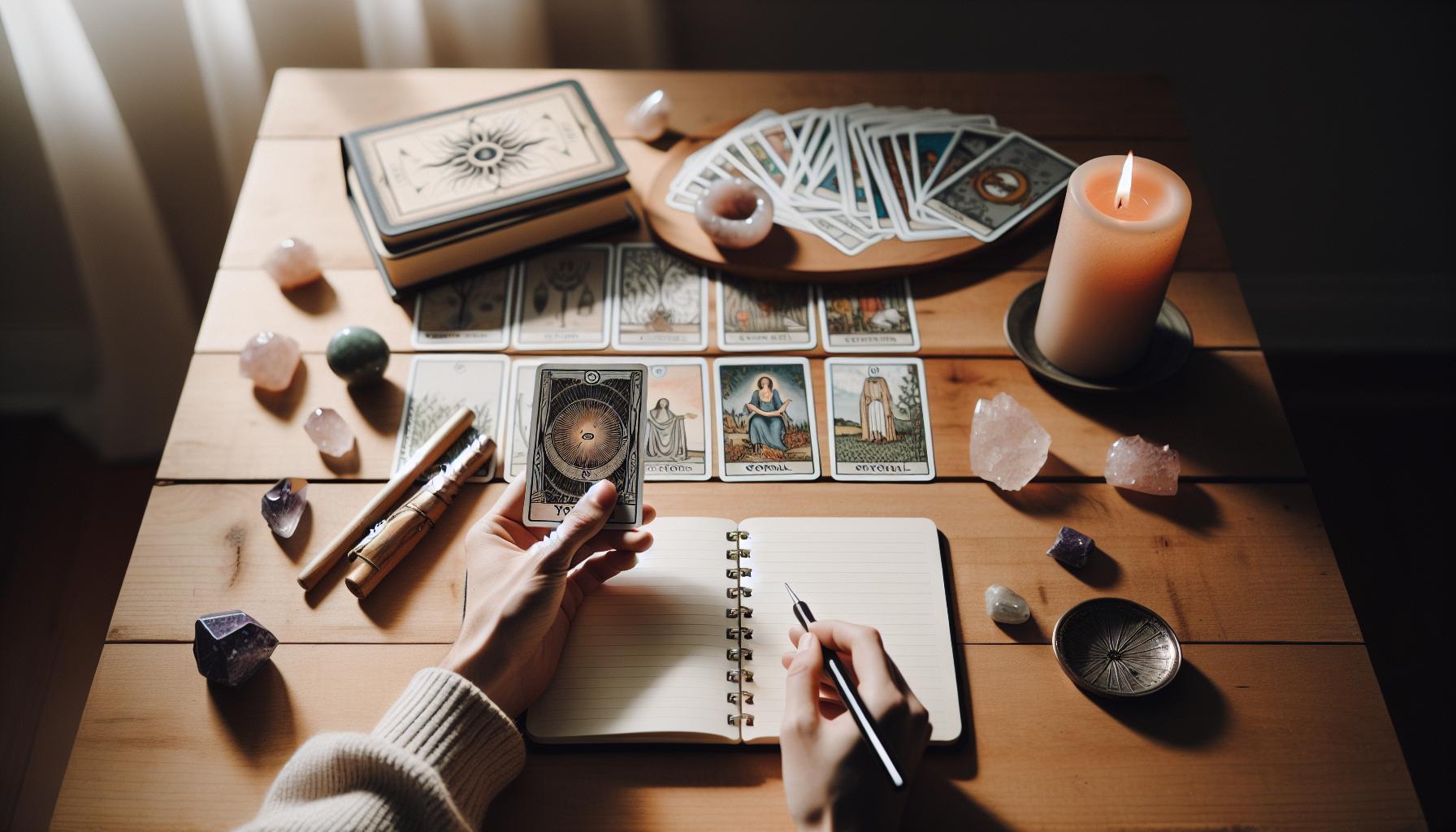
Understanding Tarot Cards: A Beginner’s Guide
In the mystical realm of tarot, each card presents a world of meanings, inviting you into deeper self-awareness and reflection. The journey into understanding tarot cards can be both exhilarating and daunting for beginners. At its core, tarot serves as a mirror to your inner self, showcasing your thoughts, feelings, and the energies surrounding you. By understanding the fundamentals, you can unlock the empowering potential of these cards.
To begin, it’s essential to familiarize yourself with the basic structure of tarot, which consists of 78 cards split into two main sections: the Major Arcana and the Minor Arcana. The Major Arcana includes 22 cards that symbolize significant life themes, spiritual lessons, and transformative experiences-think of cards like The Fool, The Lovers, or The World. Each card reflects profound aspects of human existence and can guide you through periods of change and growth. The Minor Arcana, on the other hand, delves into daily experiences and influences. This section is divided into four suits: Cups, Pentacles, Swords, and Wands. Each suit captures different facets of life-Cups relate to emotions and relationships, Pentacles to material matters, Swords to thoughts and conflict, and Wands to creativity and action.
Understanding the imagery and symbolism within each card is vital. Each tarot card has rich iconography that tells a story. For instance, The Hermit represents introspection and enlightenment, often depicted with a lantern guiding the way through darkness. Beginners should take time to observe these images and consider what they resonate with on a personal level. A helpful exercise is to keep a tarot journal where you jot down your impressions and feelings about each card as you encounter them during readings or study sessions.
When you feel ready to read the cards, start with simple spreads. The three-card spread is a popular choice for beginners, allowing you to explore a situation’s past, present, and future. By laying the cards in a row, you can connect the interpretations to form a narrative. Trust your intuition as you read the cards together; remember, there are no rigid rules-this is your personal journey.
Lastly, practicing mindfulness and being open to the messages of the tarot will enhance your connection with the cards. Tarot reading is not merely about predicting the future; it’s an opportunity for self-reflection and guidance. Embrace the process with curiosity and patience, and you will discover that each reading is a conversation with your inner wisdom, encouraging growth and understanding. The world of tarot is indeed for everyone, offering pathways for skeptics and believers alike to explore the depths of their own psyche.
The Structure of a Tarot Deck Explained
The tarot deck is a fascinating tool, intricately designed to facilitate self-discovery and insight. At its core, it consists of 78 cards that together represent a tapestry of human experience and emotions. Understanding the composition of a tarot deck is essential for any beginner who wishes to unlock the profound wisdom it offers.
Divided into two primary sections, the tarot deck includes the Major Arcana and Minor Arcana. The Major Arcana comprises 22 cards that embody significant life archetypes and spiritual lessons. Each card in this group, such as The Fool, Death, and The World, symbolizes powerful themes like new beginnings, transformation, and completion. These cards often indicate pivotal moments in one’s life journey, guiding the reader through essential lessons and self-realizations.
In contrast, the Minor Arcana consists of 56 cards, which delve into the nuances of daily experiences. This section is further segmented into four suits: Cups, Pentacles, Swords, and Wands. Each suit represents different aspects of life:
- Cups: Associate with emotions, relationships, and intuition.
- Pentacles: Concern material aspects such as money and work.
- Swords: Reflect thoughts, challenges, and conflicts.
- Wands: Relate to creativity, action, and spiritual growth.
Each suit contains cards numbered from Ace to Ten, along with four court cards: Page, Knight, Queen, and King. These cards offer further insights into specific situations and the roles individuals may play in them.
Understanding the structure of the tarot deck empowers you to approach your readings with greater confidence. As you familiarize yourself with the imagery and symbolism within each card, consider keeping a journal to document your reflections and interpretations. This practice will enhance your connection to the cards and deepen your intuitive understanding.
With a clear grasp of the tarot’s structure, you’re well on your way to exploring its rich landscapes of meaning. Embrace the journey, and remember that each card is not just a reflection of external circumstances, but also a mirror to your own inner world.
Popular Tarot Spreads for Beginners
Engaging with tarot can be a profound and transformative experience, especially when you start working with specific spreads designed to focus your inquiries and enhance your readings. For beginners, choosing the right spread is crucial for building confidence and understanding the messages conveyed through the cards. Here are some popular tarot spreads that cater to novices, giving you a solid foundation for your tarot journey.
One-Card Spread
The simplest and most accessible of all spreads, the one-card spread is perfect for quick insights or answers to specific questions. To perform this spread, shuffle your deck while concentrating on your question. Pull a card, and reflect on its meaning. This spread encourages you to trust your intuition, making it an excellent starting point for beginners.
Three-Card Spread
A step up in complexity, the three-card spread allows for a more nuanced exploration. Traditionally, each card represents a different aspect of your query: the past, present, and future. Alternatively, you could interpret them as situation, action, and outcome. This format provides insights that cover a broader perspective, enabling you to see the progression of events and the potential consequences of your actions.
Celtic Cross Spread
While this spread may seem intimidating at first, it is incredibly insightful and worth the effort. The Celtic Cross consists of ten cards that explore various facets of a situation: from your current challenge to your influences, hopes, fears, and the potential outcome. It paints a comprehensive picture and helps you analyze a situation in depth. As you gain experience, you’ll appreciate its depth and the interconnections it reveals between the cards.
Daily Draw Spread
For those looking to integrate tarot into their everyday life, a daily draw can be a meaningful practice. Each day, pull one card and use it as a theme or guiding principle for your day. Reflect on how that card’s energy plays out in your experiences, helping you cultivate a deeper relationship with the cards and developing your intuitive skills.
Utilizing these simple yet effective spreads aligns with your personal tarot journey, allowing you to explore and uncover insights that resonate with you on a spiritual level. As you practice, remember to keep a tarot journal documenting your pulls, interpretations, and reflections. This practice not only helps deepen your understanding but also enhances your intuitive abilities, allowing you to grow more confident in your readings. Embrace the magic of tarot and its potential to illuminate your path!
Interpreting Tarot Card Meanings: The Basics
Learning to interpret tarot card meanings is a journey that blends intuition, knowledge, and personal experience. Each card in a tarot deck is rich with symbolism and can tell a different story depending on its position in a spread and the context of your question. As you embark on this mystical path, remember that there is no one “right” way to interpret the cards; rather, it’s about connecting with the energies they convey and trusting your gut feelings.
To begin with, let’s explore the two main categories of cards in a standard tarot deck: the Major Arcana and the Minor Arcana. The Major Arcana consists of 22 cards that represent significant life events and spiritual lessons, such as The Fool (new beginnings) and The Tower (sudden change). In contrast, the Minor Arcana consists of 56 cards divided into four suits: Cups, Pentacles, Swords, and Wands. Each of these suits reflects different areas of life-Cups deal with emotions and relationships, Pentacles represent material aspects and work, Swords connect to thoughts and conflict, and Wands signify creativity and action.
When interpreting a card, start by examining its imagery and considering what emotions or thoughts it evokes. Ask yourself questions like: What does this card remind me of? How does it relate to my current situation? For instance, pulling the Two of Cups may suggest a partnership or harmony in relationships, while the Five of Swords could indicate conflict or a need to reassess competitive situations.
Basic Interpretation Steps
To help you navigate your initial interpretations, consider following these steps:
- Examine the imagery: Look closely at the symbols, colors, and actions depicted in the card.
- Reflect on traditional meanings: Familiarize yourself with the common keywords and themes associated with each card.
- Consider the context: Think about the question you asked and how the card might answer it.
- Trust your intuition: Let your feelings guide you, as your personal connection to the card is invaluable.
By combining structured meanings with your awareness, you will start to develop your unique interpretation style. Keep in mind that tarot reading is as much about the questions you ask as it is about the cards you draw. With practice, patience, and reflection, you’ll find that the meanings will become clearer and your readings will deepen in insight, reinforcing the connection between your inner wisdom and the energies of the tarot.
How to Conduct Your First Tarot Reading
There’s a unique magic in the moment you decide to conduct your first tarot reading. Whether you’re drawn to tarot for personal insight, guidance, or simply curiosity, the experience can be profoundly fulfilling and illuminating. Start by creating a calm environment where you feel comfortable and free from distractions. Light a candle or incense, play soft music if you like, and gather your tarot deck, a journal, and a pen. This space will serve as your sacred area for reflection and connection.
To begin the reading, first, take a few moments to ground yourself. You might close your eyes and take deep breaths, focusing on the intention behind your reading. What questions do you seek answers to? Consider whether you want to explore a specific issue, such as relationships or career decisions, or if you’re looking for general guidance. Formulate your question in a clear, open-ended manner, such as “What should I focus on for growth this month?” This clarity helps the cards guide you effectively.
Next, shuffle your tarot deck while concentrating on your question. As you shuffle, allow your thoughts and emotions to intermingle with the cards. When you feel ready, draw the number of cards specified by your chosen spread. For beginners, a simple three-card spread-representing the past, present, and future-is a great starting point. Place the cards in front of you, allowing their energy to settle.
Now, it’s time to interpret the cards. For each card, consider their traditional meanings, but also look at the imagery and your personal intuition. Here are some steps to follow:
- Look at Each Card: Observe the symbols, colors, and any emotions that arise. What do these elements convey to you?
- Read the Meanings: Consult your tarot guidebook for the conventional interpretations of each card, but don’t hesitate to integrate your intuition.
- Connect the Cards: Reflect on how the cards relate to your question and to each other. Look for themes or patterns that might offer deeper insights.
- Write it Down: Document the reading in your journal. Writing can help clarify your thoughts and serve as a reference for future reflections.
After you finish interpreting the cards, take a moment to reflect on the entire reading. What insights have emerged? How do you feel about the information you’ve received? Remember, tarot is a tool for self-reflection and growth; it’s perfectly okay if some aspects of the reading resonate more than others. Trust in your journey and allow the experience to enhance your understanding of yourself and your circumstances.
Finally, always close your reading with gratitude. Thank the cards and your intuition for the guidance received. This ritual reinforces your connection with the tarot and prepares you for future readings. Each session will build your confidence and deepen your intuitive skills, opening up more meaningful conversations with the cards.
The Role of Intuition in Tarot Reading
The heart of tarot reading lies in the delicate dance between structure and intuition. While the traditional meanings of the cards provide a framework for understanding, it’s your inner voice that truly brings the reading to life. Many beginners find themselves relying heavily on established interpretations, but as you grow more comfortable with your deck, you’ll discover the profound insights that arise from your instincts.
Intuitive reading is akin to storytelling; it requires you to tap into the emotions, symbols, and energies presented by the cards. When interpreting a spread, allow your mind to wander beyond the prescribed meanings. Instead of asking, “What does this card mean?” consider, “What feelings does this card evoke for me right now?” For example, if you draw the Two of Cups, a card often associated with partnerships, take a moment to reflect on your personal experiences with relationships. How do the images on the card resonate with your current life situation?
Building Your Intuitive Skills
To nurture your intuition, start with small exercises that foster personal connection with the cards. Try these techniques during your readings:
- Free Association: Look at a card and jot down the first words or images that come to mind. Don’t filter your thoughts; let them flow freely.
- Personal Journaling: Keep a tarot journal where you document your interpretations and feelings about each card. Note how your perspectives change over time.
- Mindfulness Practices: Engage in meditation or breathing exercises before readings to clear your mind, making space for intuitive thoughts.
By treating your intuition as a muscle to be exercised, you’ll find it becomes easier to access during readings. Over time, this approach will pave the way for a more profound and dynamic interpretation of the tarot.
Embracing the Mystical Journey
Approach your readings with a sense of curiosity and wonder. Remember, the more relaxed and open you are, the more your intuition can guide you. If a card seems to “speak” to you-perhaps its colors are particularly vibrant or its imagery resonates with an emotion you’ve been feeling-allow yourself to explore that connection without hesitation. This is where the magic of tarot truly lies. Combining the cards’ wisdom with your unique perspective will deepen your understanding and enrich your readings, making each session a vibrant tapestry of intuition and insight.
Common Myths and Misconceptions About Tarot
Many people are drawn to tarot, but misconceptions often cloud their understanding. One of the most widespread myths is that tarot is inherently linked to fortune-telling or predicting the future with absolute certainty. In reality, while tarot can provide insights into possible future paths based on current energies and choices, it’s primarily a tool for self-reflection and personal growth. Rather than serving as a crystal ball, tarot encourages individuals to explore their feelings, thoughts, and situations, promoting empowerment and clarity.
Another common misconception is that tarot is solely for the mystical or spiritual elite. In truth, tarot is accessible to anyone, regardless of their background or beliefs. Many practitioners emphasize that everyone has intuitive abilities, and tarot can serve as a bridge to enhancing that intuition. Beginners are encouraged to approach their readings with curiosity rather than intimidation, allowing their unique perspectives to unfold through the cards.
Decoding the Myths
Several myths can mislead newcomers in their tarot journey. Here are a few key misconceptions to clarify:
- Tarot is evil or has dark associations: This belief stems from its use in occult practices, but tarot itself is neutral and can be a positive force for insight.
- Only professionals can read tarot: Anyone can learn to read tarot. It’s about practice, patience, and personal connection with the cards.
- You must memorize all card meanings: While understanding basic meanings helps, intuitive reading is more about your connection to the imagery and feelings evoked.
- Tarot can change your fate: Tarot offers guidance, but the choices you make will shape your destiny. It empowers you to take action rather than dictate outcomes.
Embracing the Journey
Understanding these myths opens the door to a more enriching experience with tarot. Instead of viewing it through a lens of fear or skepticism, embrace it as a tool that can enhance your self-awareness and decision-making. Approach each reading with an open heart and mind, and allow the cards to inspire personal insights rather than prescribe fixed futures. This mindset not only demystifies tarot but also transforms it into a valuable ally on your life’s journey.
Using Tarot for Self-Reflection and Growth
Using tarot as a tool for self-reflection and growth can be a transformative experience, unlocking deeper insights into your life and guiding you toward personal empowerment. One of the unique aspects of tarot is its ability to serve as a mirror, reflecting your inner thoughts and feelings back at you. In this way, each card drawn offers an opportunity to explore your subconscious, helping you understand the motivations behind your emotions and actions.
When you approach a tarot reading with the intention of self-discovery, you create a space for honest introspection. Begin by framing your inquiries thoughtfully. Questions like “What can I learn from my current situation?” or “How can I better align with my values?” can lead to profound revelations. For instance, if you draw the Eight of Cups, which symbolizes abandoning the unfulfilling to pursue deeper experiences, it may prompt you to consider what aspects of your life feel stagnant or unfulfilling. This card encourages you to turn inward and reflect on what truly matters to you.
To facilitate deeper self-reflection, consider using simple spreads like the three-card layout: one card for your past influences, one for the present, and one for future possibilities. This structure allows you to create a narrative that connects your experiences, providing clarity on your current path. While interpreting the cards, focus on the imagery and your initial reactions-this can reveal personal interpretations that resonate more than traditional meanings.
Lastly, integrating regular tarot practice into your routine can enhance your journey of growth. Dedicate time weekly or monthly to reflect on your insights through journaling. Documenting your readings not only tracks personal progress but also solidifies your understanding of the cards and their meanings. This practice encourages ongoing self-discovery, turning tarot into a trusted guide for navigating life’s challenges and opportunities, reinforcing that growth is a continuous journey rather than a destination.
Exploring Advanced Tarot Techniques
As your journey with tarot deepens, exploring advanced techniques can unlock new layers of understanding and insight. Whether you’re looking to refine your skills or bring a fresh approach to readings, advanced methods offer powerful tools for both personal intuition and professional practice.
Combining Tarot with Other Divination Tools
Many seasoned tarot practitioners enhance their readings by integrating other divination methods. This could include astrology, numerology, or the I Ching, providing a multifaceted perspective on the queries at hand. For instance, before a tarot session, consider calculating your client’s life path number using numerology. Drawing cards through the lens of this number can yield unique insights relevant to their life journey.
Advanced Card Spreads
While beginners often start with simpler spreads, exploring more complex layouts can enrich your readings. Consider the Celtic Cross, a ten-card spread that dives deep into the nuances of a situation. Each position of this spread holds specific meanings, guiding you to uncover the broader narrative. Start with:
- Position 1: Present situation
- Position 2: Challenge
- Position 3: Past influences
- Position 4: Future potential
- Position 5: Conscious thoughts and beliefs
- Position 6: Unconscious emotions
- Position 7: External influences
- Position 8: Hopes and fears
- Position 9: Overall outcome
This spread provides a comprehensive view and can be particularly helpful for exploring complex life questions or decisions.
Developing Intuition Through Symbolism
Advanced tarot practice often focuses on enhancing intuition. Spend time studying the symbolism of each card and how it relates to your personal experiences. Begin with a daily card draw; not just interpret its traditional meaning but also reflect on how its imagery resonates with your current life circumstances. Ask yourself questions like: “What memories or feelings does this card evoke?” This practice encourages a deeper connection with the cards, allowing your readings to become more intuitive and personal.
Tarot and Visualization Techniques
Incorporating visualization into your tarot practice can deepen your readings significantly. When you draw a card, close your eyes and visualize its imagery in great detail. Picture the colors, symbols, and emotions it evokes. Invite signs or messages related to your question to emerge. This process not only aids in interpretation but can also lead to new connections and insights that transcend traditional meanings. As you develop this method, you’ll find your readings transforming into rich narratives that speak uniquely to you or your querent.
By embracing these advanced techniques, you create a personalized tarot practice that not only elevates your readings but also fosters a deeper connection with your intuition and the universe around you. Remember, each step in your tarot journey allows you to explore not just the cards, but also the wisdom within yourself.
The Ethical Considerations of Tarot Reading
Engaging with tarot can be an inspiring journey, but it comes with responsibilities that every reader must consider. The power of insight offered by the cards can be profound, and it’s essential to approach readings, whether for yourself or others, with a strong moral compass. Understanding and respecting ethical considerations can enhance both your practice and the experiences of those you read for.
One key ethical principle is informed consent. Always ensure that the person receiving the reading understands what tarot is and what to expect. It’s crucial to clarify that the readings are not absolute predictions but rather a reflection of possibilities and perspectives. This transparency helps manage expectations and fosters trust. Additionally, offer the option to decline the reading without feeling pressure; respect their autonomy.
Also important is sensitivity to the subjects at hand. Many people seek tarot readings during challenging times, such as personal crises or emotional upheaval. Be empathetic as you interpret the cards, taking care to deliver insights gently. Avoid making definitive statements about serious matters such as health or life-changing decisions. Instead, focus on empowering them to think through their options and feelings. Phrasing interpretations in a way that invites contemplation rather than imposing endings or solutions can facilitate a constructive dialogue.
Moreover, maintaining boundaries is crucial. As a reader, you should strive to stay within the scope of the reading. If inquiries delve into areas you’re uncomfortable with, such as legal matters or mental health crises, it’s both ethical and professional to redirect the querent to appropriate professionals. Encourage holistic approaches, suggesting they consult with licensed therapists or counselors if their concerns go beyond what tarot can address.
Lastly, keep in mind that anonymity and confidentiality are foundational aspects of any tarot practice. If you conduct readings for others, assure them that their vulnerabilities and revelations will be kept private. This trust promotes a safe space for exploration and ensures that the personal nature of the experience respects the querent’s dignity.
In essence, nurturing a respectful and responsible approach to tarot not only enhances the experience for all involved but also establishes you as a thoughtful practitioner. As you continue to grow in your practice, always let your ethical values guide your interpretations and interactions, reinforcing the idea that tarot is a tool for empowerment and healing, accessible to everyone.
Integrating Tarot into Daily Life and Decision-Making
Incorporating tarot into your daily routine can be a transformative experience, providing clarity and insight into your personal and professional decisions. Imagine starting each day with a moment of reflection, drawing a card to guide your actions and mindset. This simple practice can help you align your intentions with your choices, whether you’re facing a significant life decision or merely seeking direction in your daily tasks.
Everyday Rituals with Tarot
Integrating tarot into everyday life doesn’t require profound rituals; it can be as straightforward as setting aside a few minutes each morning. Select a card and meditate on its meaning in the context of your day. For example, if you draw The Empress, think about nurturing aspects in your work or relationships. Consider how you can embody creativity and abundance throughout your day. This practice fosters a sense of empowerment and can guide your decisions more intuitively.
- Create a Daily Draw: Spend a few moments each morning to draw a single card. Reflect on how its significance can influence your day.
- Weekly Reflective Spread: At the start of each week, do a three-card spread focusing on challenges, lessons, and opportunities. This gives you a broader view of the week ahead and helps you plan your responses.
- Journal Your Insights: Maintain a tarot journal where you document your daily or weekly draws. Note the insights, feelings, and events that correspond with the readings to see patterns and growth over time.
Decision-Making and Tarot
Tarot can also be a valuable tool for decision-making. When faced with a choice, try using a decision-making spread such as the classic three-card spread. Position the cards to represent different aspects of your choices: one for potential outcomes, another for emotions involved, and a third for practicalities. This method allows you to view your options through a new lens, clarifying feelings and potential results associated with each path.
Consider this example: If you are deciding between two job offers, lay out the cards to distinguish the energies of each position. The cards might illuminate the aspects of each role, helping you weigh emotional satisfaction against financial stability, or work-life balance. This insight creates a more comprehensive understanding of what each choice entails.
Ultimately, as you welcome tarot into your daily life and decision-making processes, remember to trust your intuition. The cards serve as a mirror for your thoughts and feelings, guiding you toward your own understanding. This journey is as much about discovering your inner voice as it is about the symbols on the cards, empowering you to make choices that resonate with your true self. The more you practice, the more naturally these insights will flow into your life.
Frequently Asked Questions
Q: What is the purpose of using tarot cards?
A: The purpose of tarot cards is to provide insight and guidance in various areas of life, including love, career, and personal growth. They serve as a tool for reflection, helping users tap into their intuition and gain clarity on their current situations or dilemmas.
Q: How do I choose a tarot deck for beginners?
A: Choosing a tarot deck involves finding one that resonates with you. Look for decks with imagery that speaks to your intuition. Many beginners prefer decks with clear symbolism and detailed guidebooks, such as the Rider-Waite-Smith deck, due to its widespread use and availability of resources.
Q: Can tarot cards predict the future?
A: Tarot cards do not predict the future with certainty but provide insights into potential outcomes based on current circumstances. They highlight possibilities and encourage reflection, allowing users to make informed decisions rather than relying solely on predictions.
Q: How often should I do a tarot reading?
A: How often to do a tarot reading depends on personal preference and need. Some find weekly readings beneficial for ongoing situations, while others may use them during specific moments of uncertainty. Regular reflection can enhance intuition and clarity.
Q: What should I ask during a tarot reading?
A: During a tarot reading, focus on open-ended questions like “What do I need to know about my current relationship?” Avoid yes/no questions to encourage deeper insights. Tailor your questions to specific situations for more relevant guidance.
Q: Is there a right or wrong way to interpret tarot cards?
A: There is no absolute “right” or “wrong” way to interpret tarot cards, as each person’s intuition and experience play a significant role. However, understanding traditional meanings enhances accuracy. Combining intuition with established interpretations creates a more personalized experience.
Q: How can tarot cards aid in personal development?
A: Tarot cards aid in personal development by encouraging self-reflection and offering new perspectives on challenges. They can help identify patterns, strengths, and areas for growth, making them a powerful tool for personal insight and transformation.
Q: Are tarot readings just for spiritual practices?
A: While often associated with spiritual practices, tarot readings can also be used for psychological insight and decision-making. They bridge the spiritual and practical, providing clarity and fostering personal growth in everyday life.
Closing Remarks
Now that you’ve uncovered the essentials of Tarot, you’re well on your way to unlocking its mysteries. Remember, each Tarot card holds rich meanings and lessons that can guide you on your journey. Whether you’re looking to enhance your intuition, engage in personal reflection, or seek guidance on your path, Tarot is a tool for everyone-beginner or expert.
To deepen your understanding, explore our detailed guides on the Major Arcana’s meanings [3] and try a free reading to experience its magic firsthand [2]. If you have any questions or want to share your experiences, leave a comment below or check out our community discussions. Your Tarot journey is just beginning-don’t hesitate to dive deeper today!
Get our latest guides, news, and insights highlighted in your Google Search & AI Overviews.