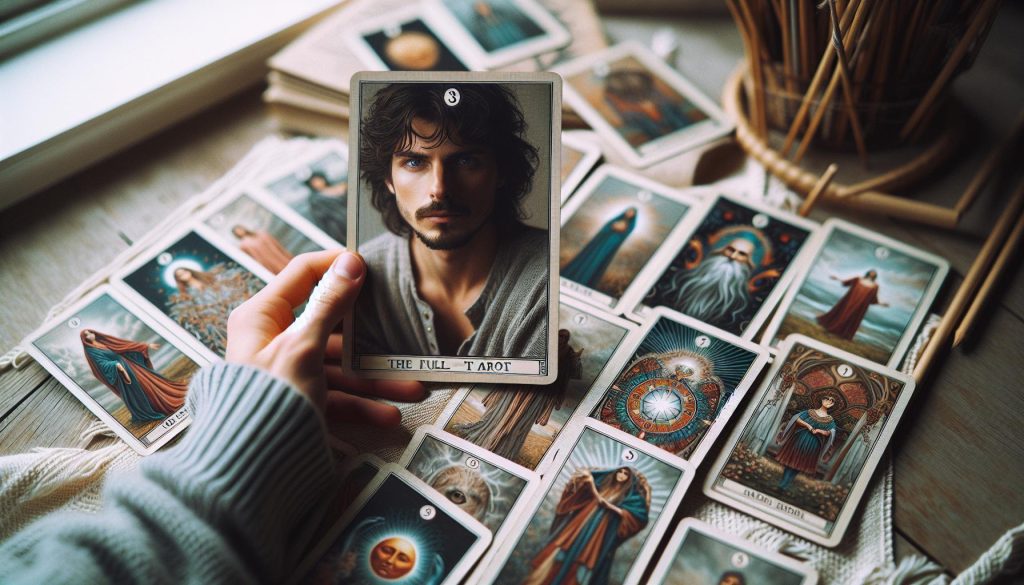
The Tarot is a fascinating tool for self-discovery, storytelling, and guidance, consisting of 78 cards divided into the Major and Minor Arcana. Understanding the sequence of these cards not only enriches your readings but also deepens your intuition. Whether you’re a curious beginner or a seasoned reader, learning the order of the Tarot cards can illuminate the themes and lessons they offer, helping you navigate your life’s journey with clarity and confidence. As you explore the full deck sequence, you’ll uncover how each card connects, enhancing your ability to read and interpret the stories the cards reveal. Dive in, and discover how this ancient system can speak to your current experiences and intentions!
Understanding the Structure of a Tarot Deck
Understanding the Tarot deck can feel like stepping into a mystical world, but it’s also a rich tapestry of symbols and meanings that can illuminate your life’s journey. At its core, a standard Tarot deck consists of 78 cards, divided into two main sections: the Major Arcana and the Minor Arcana. Each card serves as a guide, reflecting different aspects of the human experience, from profound life lessons to everyday challenges.
The Major Arcana comprises 22 cards, numbered from 0 to 21, representing significant life events or spiritual lessons. Cards like The Fool (0) symbolize new beginnings, while The World (21) speaks to completion and fulfillment. These cards often evoke deep, archetypal themes, making them central to any Tarot reading. In contrast, the Minor Arcana, which consists of 56 cards, covers the more mundane aspects of life, divided into four suits: Cups, Pentacles, Swords, and Wands. Each suit represents different facets of life-emotions, material aspects, thoughts, and creativity, respectively.
When looking at the layout of a tarot deck, the arrangement of these cards in a reading can deeply influence their meanings. A common format is the three-card spread, which explores past, present, and future influences. As you grow more comfortable with the structure of the deck, you’ll find that understanding the relationships between the cards can enhance your intuitive insights.
To bring clarity to your readings, consider creating a reference guide for card meanings, perhaps starting with key indicators like upright versus reversed positions. This approach not only aids interpretation but also builds your confidence as you learn to recognize the patterns and stories each card presents. Remember, the Tarot is as much about the connection you build with the deck as it is about the cards themselves; trust your intuition, and allow the wisdom of the cards to guide you on your journey.
The Major Arcana: Key Cards Explained
The Major Arcana offers a profound journey into the archetypal themes that shape our lives. Comprised of 22 cards, each one serves as a powerful symbol of the human experience, encompassing experiences of growth, challenge, and transformation. Understanding these cards enhances not just your reading skills but also your personal insight.
The Key Players of the Major Arcana
When you delve into the Major Arcana, you’ll encounter cards rich with meaning that can illuminate different aspects of your life. Here are some key cards to focus on:
- The Fool (0): Symbolizes new beginnings and the carefree energy of starting a new journey. This card invites you to take leaps of faith.
- The Magician (I): Represents manifestation and the power of creativity. It encourages you to harness your skills to create your reality.
- The High Priestess (II): Embodies intuition and the subconscious. She reminds you to listen to your inner voice and trust your instincts.
- The Empress (III): Signifies abundance and nurturing. This card reflects fertility, motherhood, and the beauty of nature.
- The Tower (XVI): A card of upheaval and revelation. Though it can be daunting, it often leads to necessary change and clarity.
- The World (XXI): Represents completion and fulfillment. It signifies the successful completion of a cycle, offering a sense of wholeness.
In readings, the presence of a Major Arcana card suggests that you’re facing significant life themes or spiritual lessons. For instance, drawing The Fool in a past position might indicate a time when you embraced change, while The World’s appearance in a future context signifies a forthcoming resolution or culmination of efforts.
Interpreting the Cards
To deepen your understanding, consider the context of the spread and the relationships between the cards. When the Major Arcana appears alongside Minor Arcana cards, it can offer a clearer narrative. For example, if The Emperor (IV) appears with several Cups cards, it might indicate that structure and authority are influencing emotional matters.
As you engage with these key cards, remember to reflect on personal connections to their meanings. Keeping a tarot journal can be a valuable practice; jot down your insights, question your reactions, and track how the energies of these cards manifest in your life.
Embrace the journey of discovery that the Major Arcana offers, and allow these powerful symbols to guide your understanding of the life experiences that shape who you are. The more you engage, the more accessible their wisdom will become, supporting your intuitive development along the way.
The Minor Arcana: Suits and Significance
The Minor Arcana is where the day-to-day experiences and nuances of life unfold, comprising 56 cards divided into four suits: Cups, Pentacles, Swords, and Wands. Each suit is imbued with its own symbolism and represents different aspects of our journey. Understanding these suits enriches your readings by providing a more detailed narrative that complements the overarching themes presented by the Major Arcana.
Cups represent emotions, relationships, and matters of the heart. They help you navigate feelings and connections with others. The card of Two of Cups, for example, often signifies harmony and partnership, while the Five of Cups can indicate feelings of loss and the importance of recognizing what remains rather than focusing solely on what has been lost.
Pentacles are grounded in the material world, reflecting issues related to wealth, work, and health. These cards encourage you to assess your practical concerns and how they influence your life. The Ace of Pentacles symbolizes new beginnings in financial or physical matters, suggesting the potential for growth and abundance, while the Ten of Pentacles indicates stability and legacy.
Swords, with their sharp edges, delve into the realm of intellect, conflict, and challenges. They guide you in navigating mental and communicative aspects of life. The Three of Swords, for instance, often represents heartbreak or emotional pain, prompting introspection and healing. Conversely, the Six of Swords suggests a journey towards calmer waters, indicating a transitional phase.
Wands embody creativity, passion, and action. They inspire you to pursue your goals and express your individuality. The Three of Wands indicates expansion and foresight, urging you to look forward and plan for what’s to come. On the other hand, the Nine of Wands speaks to resilience and perseverance, reminding you that challenges can be overcome with determination.
The significance of the Minor Arcana lies not only in individual card meanings but also in their ability to create stories through their combinations in readings. Practicing spreads using these cards can enhance your intuition and understanding, as you observe how different suits interact with one another. For example, if you draw several Wands alongside a Cup card, it may highlight how your passions and actions are currently influencing your emotional landscape.
By approaching the Minor Arcana with curiosity and a willingness to explore both the light and shadow aspects of each suit, you open pathways to deeper insights and a richer tarot experience. Embrace the intricate web of meanings, and allow them to guide you through the myriad of life’s situations and decisions.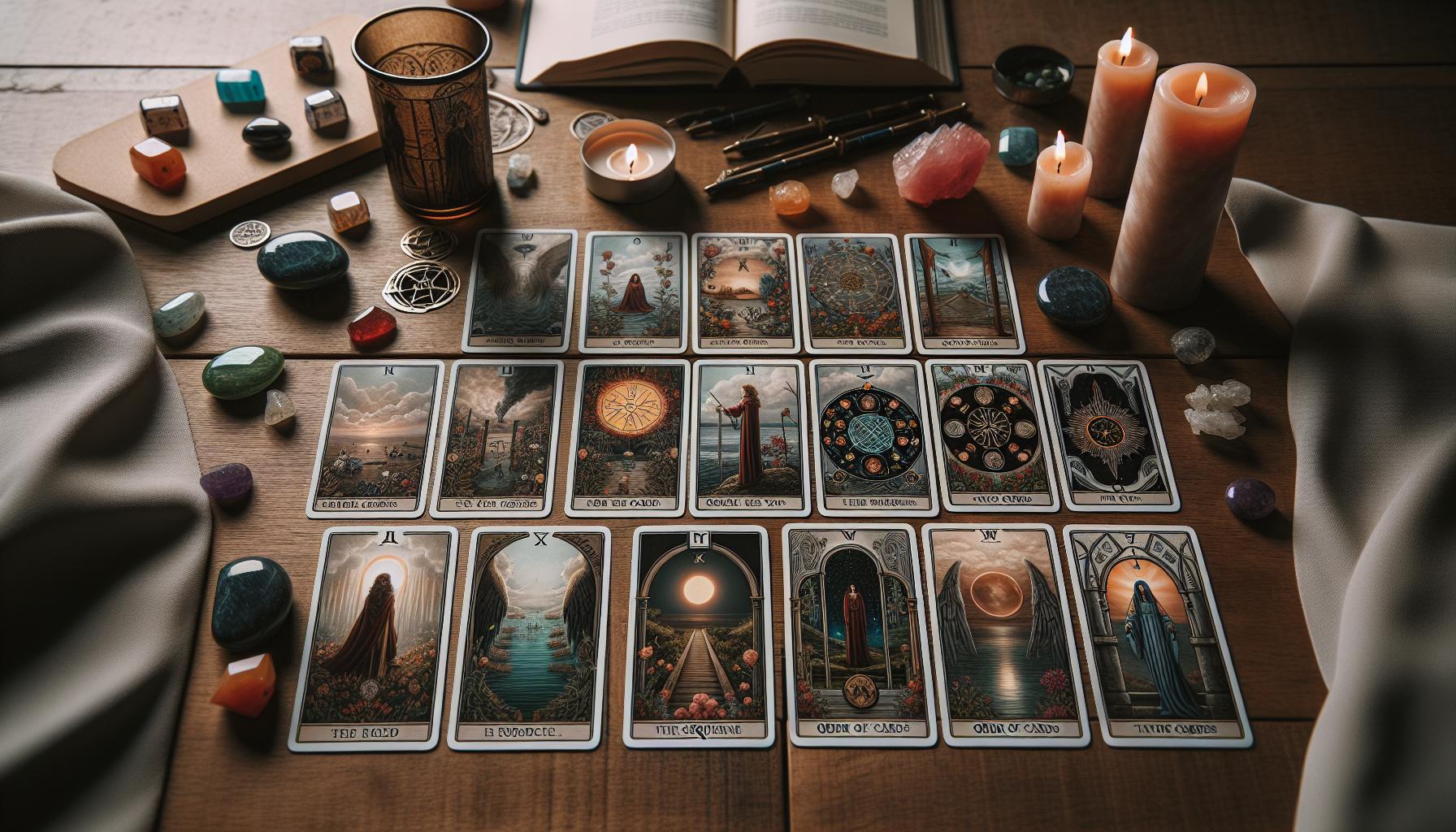
The Full Tarot Sequence: Order of Cards
Understanding the sequence of the tarot cards is essential for both novices and seasoned readers, as it provides a clear framework through which to interpret the energy and messages of the tarot. The tarot deck consists of 78 cards, divided into the Major Arcana and the Minor Arcana. The Major Arcana, with its 22 cards, represents significant life themes and spiritual lessons, while the Minor Arcana, comprising 56 cards, delves into the details of daily life through four suits: Cups, Pentacles, Swords, and Wands.
The full sequence begins with the Fool, numbered zero, who embodies new beginnings and spontaneity. This journey progresses through each card, reflecting the evolution of experiences that anyone can encounter. For instance, the High Priestess (II) symbolizes intuition and the subconscious, while the Empress (III) celebrates fertility and abundance. The path leads through trials and triumphs, culminating in The World (XXI), which signifies completion and fulfillment.
Here’s a simple overview of the Major Arcana sequence:
| Card Number | Card Name | Keywords |
|---|---|---|
| 0 | The Fool | New beginnings, adventure |
| I | The Magician | Manifestation, resourcefulness |
| II | The High Priestess | Intuition, mystery |
| III | The Empress | Fertility, femininity |
In contrast, the Minor Arcana’s sequence allows for more detailed readings by reflecting everyday challenges and lessons. Each suit holds a sequential path numbered from Ace to Ten, followed by Page, Knight, Queen, and King. For example, in the Suit of Cups, the Ace signifies the start of emotional fulfillment, while the Ten depicts joyous connections.
Understanding and memorizing this order can initially seem daunting. A good way to internalize the sequence is to create flashcards of each card, noting their meanings and the order they appear in. This method reinforces your memory through repetition and visual association. You might also practice by randomly drawing cards from your deck and attempting to arrange them in sequence, which can be a fun exercise to deepen your connection to the deck.
Familiarity with the full tarot sequence encourages a richer interpretation of your readings, allowing you to weave together the narratives presented by both the Major and Minor Arcana. Embrace each card’s story and how it interacts with the others, enriching your spiritual toolbox and enhancing your intuitive abilities.
Exploring Card Meanings: Quick Reference Guide
Understanding the nuances of tarot card meanings is key to unlocking the full potential of your tarot readings. Each of the 78 cards carries a unique set of interpretations that can illuminate different aspects of your life. Whether you’re a novice grappling with your first deck or a seasoned reader looking to refine your skills, having a quick reference guide at your fingertips can enhance your intuitive understanding and enrich your readings.
To help you navigate this journey, here’s a concise reference for the Major and Minor Arcana, showcasing essential keywords and themes. You might find it useful to keep this guide handy during readings or to familiarize yourself with the cards you regularly encounter.
### Major Arcana Quick Reference
| Card Number | Card Name | Keywords |
|---|---|---|
| 0 | The Fool | New beginnings, adventure |
| I | The Magician | Manifestation, resourcefulness |
| II | The High Priestess | Intuition, mystery |
| III | The Empress | Fertility, femininity |
| IV | The Emperor | Authority, structure |
| V | The Hierophant | Tradition, spiritual guidance |
| VI | The Lovers | Relationships, choices |
| VII | The Chariot | Determination, control |
| VIII | Strength | Courage, patience |
| IX | The Hermit | Introspection, solitude |
| X | Wheel of Fortune | Cycles, change |
| XI | Justice | Fairness, truth |
| XII | The Hanged Man | New perspectives, surrender |
| XIII | Death | Transformation, endings |
| XIV | Temperance | Balance, moderation |
| XVI | The Tower | Sudden changes, chaos |
| XVII | The Star | Hope, inspiration |
| XVI | The Moon | Illusion, intuition |
| XX | Judgment | Rebirth, inner calling |
| XXI | The World | Completion, wholeness |
### Minor Arcana Quick Reference
The Minor Arcana is divided into four suits, each representing different facets of life. Here’s a snapshot of the suits along with their core themes:
- Cups: Emotions, relationships, intuition.
- Pentacles: Material aspects, career, finances.
- Swords: Thoughts, challenges, conflict.
- Wands: Creativity, action, passion.
Within each suit, the cards range from Ace to Ten, followed by the Court Cards (Page, Knight, Queen, King).
For instance, the Ace of Cups signifies the potential for new emotional beginnings, whereas the Ten of Swords can indicate a painful ending but also the promise of a new dawn. When interpreting these cards, consider not just their individual meanings but also how they relate to one another within your spread.
By familiarizing yourself with these meanings, you can approach readings with confidence, allowing the cards to guide you in understanding your situation more deeply. When reading for yourself, try to blend these meanings with your intuition-how does each card resonate with you personally? This practice empowers you to develop a more rich and meaningful connection with the cards and their messages.
How Card Numbers Influence Interpretation
Understanding the significance of card numbers in Tarot can elevate your readings from basic interpretations to profound insights. Each number within the Tarot deck, whether from the Major or Minor Arcana, carries its own energy and symbolism, influencing how we perceive the messages conveyed by the cards. For instance, the numbers in the Major Arcana, which range from 0 to 21, illustrate a journey of spiritual development and personal growth. The Fool, numbered 0, symbolizes new beginnings and infinite potential, while The World, numbered 21, signifies completion and fulfillment, representing the culmination of that journey.
In the Minor Arcana, the numbers within each suit provide context to the card’s meaning. The Aces typically represent potential and new beginnings, while numbers towards Ten often convey a sense of conclusion or fulfillment within that suit’s theme. For example, the Ace of Cups invites emotional renewal, suggesting fresh opportunities in relationships, while the Ten of Cups indicates a state of emotional abundance and happiness. Understanding this numerical progression allows you to see not just individual card meanings, but also their connected sequences that narrate a larger story.
The influence of numbers extends beyond simple interpretations; it enriches the narrative of your readings. You might discover patterns in a set of readings that lead you to themes of new beginnings or closure. When you encounter multiple cards of the same number, such as several Threes, look for emerging themes of collaboration or creativity, as Threes often represent synthesis and communication. Applying this framework not only enhances your readings but also your intuitive connections with the cards, encouraging a deeper exploration of how they reflect your life’s current energies.
As you incorporate the significance of card numbers into your practice, take time to reflect on how these numerical meanings resonate with your questions or situations. Keep a journal of your readings noting how the numbers play a role in different spreads and what insights they reveal. This practice fosters a greater understanding of the interplay between numbers and card meanings, ultimately enhancing your Tarot journey.
Symbolism in Tarot: Icons and Imagery
The enchanting world of Tarot is rich with symbols and imagery that convey deep meanings and emotional narratives. Each card serves as a visual metaphor, connecting the reader with universal themes and personal experiences. For those new to Tarot, understanding the symbolism can transform readings from simple interpretations to profound insights. The vivid imagery found in each card captures the essence of its message, making it accessible for both skeptics and believers.
In the Major Arcana, the symbols carry significant weight. For example, The Empress often depicts nature, fertility, and abundance through her lush surroundings, suggesting a nurturing environment. Conversely, The Tower, which is typically illustrated as a lightning-struck structure, represents chaos and sudden upheaval, calling attention to the transformative power of disruption. Each image is carefully crafted to reflect key themes such as growth, challenge, and enlightenment, inviting you to explore your interpretation based on personal context.
The Minor Arcana also offers layers of imagery across its four suits: Cups, Pentacles, Swords, and Wands. Each suit embodies different elements of life-emotional depth in Cups, material concerns in Pentacles, conflict in Swords, and creativity in Wands. Within these categories, specific symbols act as cues. For instance, in the Ace of Cups, the overflowing cup symbolizes emotional abundance and new beginnings in relationships, while the imagery of a single sword in the Ace of Swords indicates clarity and decisive action. Recognizing these symbols can enhance your readings, providing nuanced insights that resonate with your life experiences.
As you delve deeper into the Tarot, consider keeping a visual journal where you sketch or note the symbols that resonate with you. Reflect on how they relate to your life, as this practice fosters a stronger connection to your intuition and the cards themselves. By engaging with the images on a personal level, you create a dynamic dialogue between yourself and the Tarot, nurturing a more profound understanding of the messages they convey in various contexts. Remember, the magic of Tarot lies not only in its structured meanings but also in how these symbols spark your creativity and insights.
Tarot Spread Basics: How to Lay the Cards
Laying out Tarot cards is an essential skill that transforms a simple reading into a rich tapestry of insight and guidance. Each spread-whether a single card draw or a more complex arrangement-serves as a framework that helps to focus the reading on specific questions or themes, enabling a deeper connection with the cards and their meanings.
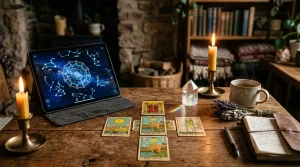
To start, choose a spread that aligns with your intention. For beginners, the three-card spread is an excellent choice. It typically represents the past, present, and future, providing a clear narrative to follow. Position the cards from left to right, with the first card representing past influences, the second card revealing the current situation, and the third card illuminating potential outcomes. This format makes it easy to see how past events shape the present and what paths are available moving forward.
Once you have selected your spread, here’s a straightforward process to lay your cards effectively:
- Prepare the Space: Find a quiet, comfortable area where you can focus. Arrange your cards in a way that feels inviting and sacred. Some readers like to use a cloth or special mat to create a defined space for their cards.
- Formulate Your Question: Before drawing your cards, think about the question or theme you want to explore. This clarity will help direct the energy into your reading.
- Shuffle and Draw: As you shuffle your cards, visualize your question. Trust your intuition to guide your hand as you draw the cards. Even for a spread like the three-card layout, you can pull cards one at a time or all together, depending on your comfort level.
- Lay the Cards: Place the cards face up on your reading surface according to your chosen spread layout. Ensure there’s enough space between them to allow for interpretation notes later.
- Engage with Each Card: Start interpreting each card based on its position and meaning. Look for connections between cards, noting how they interact with each other. This synergy is where profound insights often arise.
Example of a Simple Three-Card Spread
| Position | Meaning | Card Interpretation |
|---|---|---|
| 1. Past | Influences that have shaped your situation | Example: The Six of Cups – Nostalgia and past relationships |
| 2. Present | Your current circumstances | Example: The Eight of Pentacles – Hard work and diligence |
| 3. Future | Potential outcomes and paths ahead | Example: The Star – Hope and inspiration |
Engaging with Tarot spreads can build your confidence in reading while deepening your intuition. Each layout is an opportunity to weave a story that resonates with your experience, validating your feelings and guiding you through uncertainties. Remember, the beauty of Tarot lies in its ability to mirror your inner landscape, helping you navigate life’s journey, whether you are a seasoned reader or just beginning to explore its magic.
Best Practices for Reading Tarot Cards
Reading tarot cards can feel magical and mysterious, but it’s also a skill that can be cultivated through practice and intuition. Whether you’re a beginner or looking to deepen your understanding, adopting a few best practices can enhance your readings and connect you more meaningfully with the cards.
Start by embracing a relaxed mindset. Before diving into a reading, take a moment to center yourself. This can involve simple breathing exercises or a brief meditation to clear your mind of distractions. Setting an intention for your reading creates a sacred space for the insights to come forth. Developing this atmosphere of calm not only enhances your focus but also allows your intuition to flow freely.
When interpreting the cards, remember that their meanings can be nuanced and context-dependent. While every tarot card carries traditional interpretations – such as The Fool representing new beginnings or The Tower symbolizing upheaval – the specific question and the unique energies surrounding your reading will influence how you apply these meanings. Consider creating a reference table for common cards and their meanings, including how different cards may interact based on their positions in your spread. This allows you to develop a more intuitive grasp as you gain experience.
Engage thoroughly with each card. Rather than rushing through interpretations, take time to observe the imagery and symbols present. Ask yourself questions about how the card relates to your query, like “What feeling does this card evoke?” or “How might this represent a challenge or an opportunity in my life?” Each card tells part of a larger story, and deeper insights often emerge through these reflective questions. You may find it beneficial to journal your interpretations after readings, allowing you to revisit and recognize personal growth over time.
Finally, be open to the process and patient with yourself. Mistakes will happen, and readings may not always resonate immediately. Trust that development comes with practice, and over time, your comfort with the cards – and your intuition – will naturally enhance. Embrace this journey of exploration, allowing each reading to be a stepping stone toward greater understanding. Tarot is not just about predicting the future; it’s also about connecting with your inner self and gaining clarity about your path forward.
Common Misconceptions About Tarot Usage
Misunderstandings about Tarot can be as plentiful as the cards in a deck. Many people hold preconceived notions that can distort the essence of what Tarot represents. One common misconception is that Tarot readings are solely about predicting the future. While insights about potential outcomes can emerge from a reading, the deeper purpose of Tarot lies in self-reflection and personal growth. It serves as a tool for exploring your current situation, desires, and fears, guiding you towards clarity rather than dictating your fate.
Another prevalent myth is that the cards possess mystical powers and can foresee events with absolute certainty. In reality, the power of Tarot resides in your interpretation and intuition. The cards are symbolic mirrors reflecting the energies and choices in your life; they indicate possibilities, not certainties. For instance, drawing the Death card doesn’t signify an actual death but denotes transformation and the end of a cycle, prompting you to consider what needs to be released in your life.
Many skeptics also believe that you need to be psychic to read Tarot effectively. While heightened intuition can enhance your readings, anyone can learn the art of Tarot. Familiarity with the card meanings and symbols, along with personal reflection and practice, allows anyone to connect with the cards. Starting with basic spreads, such as a three-card past, present, future layout, can help build confidence. Even seasoned readers understand that each card’s context and their unique interpretations play a crucial role in the reading process.
Lastly, some may think that Tarot is rigid and unyielding, bound to traditional interpretations. This narrow view overlooks the evolving nature of Tarot. Readers are encouraged to adapt the meanings and incorporate their personal experiences and insights. For example, a reader may associate the Two of Cups with a different relationship aspect based on their life experiences. Embracing your unique relationship with the cards can enhance your readings, making them more relevant and profound. The journey of Tarot reading is ultimately about dialogue-between you and the cards, and most importantly, between you and yourself.
The Evolution of Tarot Decks Through History
The history of Tarot decks is as rich and varied as the meanings contained within each card. Originating in the 15th century as a simple playing card game in Europe, Tarot began as a form of entertainment without any mystical connotations. Gradually, however, the cards caught the attention of mystics and scholars, leading to a profound evolution into the divinatory tool we know today. A captivating aspect of Tarot is how each deck reflects the cultural and esoteric traditions of its time, continuously shaping and reshaping the understanding of its symbolism and purpose.
From Playing Cards to Esoteric Symbols
Initially, Tarot decks comprised four suits-Wands, Cups, Swords, and Pentacles-just like traditional playing cards. The major shift occurred with the introduction of the Major Arcana, which consists of 22 key cards designed to convey deeper life lessons and spiritual revelations. This addition fundamentally changed the way Tarot was perceived. Early decks such as the Visconti-Sforza Tarot were hand-painted and richly illustrated, yet they were still used mainly for play. As interest grew among occultists during the Renaissance period, the cards became the focus of spiritual practices, connected to concepts like astrology, alchemy, and Kabbalah.
Modern Deck Innovations
In the 20th century, Tarot underwent another transformative phase, leading to the creation of myriad decks inspired by diverse cultural themes and artistic styles. The Rider-Waite-Smith deck, published in 1909, set a new standard with its imagery, incorporating symbolism that connected the cards to the spiritual journey of the individual. This deck’s influence persists, as many contemporary Tarot readers still utilize it for its accessible imagery and deep symbolism. Other notable decks, such as the Thoth Tarot by Aleister Crowley and the Marseille Tarot, offer unique interpretations and artistic representations that invite users to explore Tarot in personal and culturally relevant contexts.
A Living Tradition
Today, Tarot is embraced by a broad audience, including both believers and skeptics. The evolution of Tarot decks reflects a dynamic interplay between tradition and innovation, making it a versatile tool for introspection and guidance. As new decks emerge, often designed to resonate with specific communities or modern themes, they reaffirm the idea that Tarot is not a static practice but a living tradition that adapts to the times. Whether you are drawn to a classic deck or a contemporary reinterpretation, the essence of Tarot-guiding introspection and expanding personal understanding-remains timeless.
By appreciating the evolution of Tarot, readers can better understand not only the decks themselves but also their potential for personal growth and enlightenment. Each deck, with its unique story and style, invites you to embark on your own journey, fostering a deeper connection to yourself and the world around you.
Getting Started with Your First Tarot Reading
Starting your journey with Tarot can feel both thrilling and daunting. The beauty of Tarot lies not just in its intricate visuals and symbols, but also in its accessibility to all-whether you’re a curious skeptic or a seasoned spiritual seeker. As you prepare for your first reading, remember this is an opportunity for personal reflection and growth, a moment to connect with the energies that surround and influence your life.
Before you begin, choose a Tarot deck that resonates with you. This might be a classic like the Rider-Waite-Smith or a contemporary design that speaks to your aesthetic. Take time to shuffle and familiarize yourself with the cards. As you engage with them, notice how each card’s imagery and symbolism evokes different feelings or thoughts. This connection is essential, as your intuition will guide you throughout your reading.
When it comes to laying out your cards, consider starting with a simple spread, like the three-card spread. This involves drawing three cards, where you can assign each a specific purpose: past, present, and future. As you place each card, observe how they relate to one another and to your life’s journey. For instance, if you draw the Three of Cups in the present position, it might suggest a celebration or community support that’s currently influencing your situation.
As you interpret the cards, remember that they will often reflect your own inner wisdom and subconscious thoughts. Each Tarot card possesses layered meanings, so rather than relying solely on traditional interpretations, listen to your inner voice. If a particular image or symbol stands out, explore what message it conveys to you personally. This is a dialogue between you and the cards-allow it to flow naturally.
Finally, approach your first reading with a sense of curiosity rather than expectation. It’s completely normal to feel unsure of your interpretations at first. Keep a journal of your readings to track your thoughts and the evolving significance of the cards over time. This practice not only strengthens your intuitive abilities but also fosters a deeper understanding of the Tarot’s narrative. Enjoy the journey, and remember: Tarot is a tool for empowerment and insight, waiting to reveal the truths within yourself.
Faq
Q: What is the order of the Tarot cards in a full deck?
A: A full Tarot deck consists of 78 cards, divided into the 22 Major Arcana and the 56 Minor Arcana. The Major Arcana cards are numbered from 0 (The Fool) to 21 (The World), while the Minor Arcana is divided into four suits: Cups, Pentacles, Swords, and Wands, each containing cards numbered from Ace to Ten, plus four Court cards. Explore the full sequence further in the article on The Full Tarot Sequence: Order of Cards.
Q: Why is the order of Tarot cards important?
A: The order of Tarot cards is essential because it reflects their thematic journey and interpretation. Understanding their sequence helps decipher readings more accurately, revealing connections and transitions within the querent’s life. Dive deeper into this structure in the section Understanding the Structure of a Tarot Deck.
Q: How do I memorize the order of Tarot cards?
A: To memorize the order of Tarot cards, use mnemonic devices or flashcards to visualize each card’s position. Practice regularly with different spreads, starting with the Major Arcana and gradually incorporating the Minor Arcana. Consistent practice will strengthen your memory and reading skills!
Q: Are there variations in the order of Tarot cards across different decks?
A: Most Tarot decks follow the same numbering system, but some may have unique interpretations or variations in card imagery. However, the foundational order generally remains consistent across traditional decks. Review your specific deck’s guidebook for any differences.
Q: How can the order of Tarot cards affect a reading?
A: The order of Tarot cards can significantly influence the reading by establishing narratives and themes. Cards that appear later may emphasize outcomes or lessons while earlier cards can highlight challenges or past influences. Each position holds vital interpretative keys in spreads, like Tarot Spread Basics.
Q: What are the themes of the Major Arcana in their order?
A: The Major Arcana cards convey profound life themes and lessons, such as beginnings, challenges, and enlightenment. For instance, The Fool signifies new beginnings, while The World represents completion and fulfillment. Understanding each card’s theme enhances your interpretation during readings.
Q: Can understanding the order of Tarot cards improve my intuition?
A: Yes, understanding the order of Tarot cards can enhance your intuition by providing context for their meanings. As you familiarize yourself with the sequences, you’ll begin to intuitively connect card placements to specific life scenarios and personal narratives, bolstering your overall interpretative skills.
Q: What resources are available for learning Tarot card order?
A: Many online resources, courses, and books focus on Tarot learning, including guides that detail the card orders and their meanings. Websites like Astrology Answers offer various articles that can help refresh your knowledge and skills. Start with Exploring Card Meanings: Quick Reference Guide for easy access to card significances.
The Way Forward
Now that you’ve explored the full sequence of Tarot cards, you have a solid foundation to deepen your understanding of each card’s unique symbolism and how they influence your readings. Remember, whether you’re just starting out or looking to refine your skills, the insight these cards offer is invaluable. Don’t wait to apply your newfound knowledge-dive into a practice reading today and experience the magic firsthand!
For more guidance, check out our comprehensive Tarot resources, such as the 3-Card Career Tarot Reading to explore your professional paths, or take a moment for a Daily Tarot Reading to receive inspiration for your day. And if you have questions or want to share your experiences, drop a comment below or connect with us!
Empower your intuition and embrace the journey of Tarot-your next step awaits! Explore more today and uncover the mysteries that lie ahead.
Get our latest guides, news, and insights highlighted in your Google Search & AI Overviews.