Did you know that each of the 78 tarot cards carries its own unique message and symbolism, making them powerful tools for introspection and guidance? Whether you’re a curious newcomer or an experienced reader, understanding the meanings behind each card is essential for unlocking the insights tarot can provide. This quick reference guide is designed to demystify the tarot, empowering you to connect with your intuition and enhance your readings. By grasping the fundamental meanings of the Major and Minor Arcana, you can navigate your personal journey more effectively, addressing questions, concerns, and aspirations with greater clarity. Each card tells a story, and as you explore their implications, you’ll discover the rich tapestry of lessons and wisdom they offer. So, let’s dive in and unveil the mysteries of tarot together, helping you cultivate a supportive practice that resonates with both your spiritual path and everyday life.
Understanding the Major Arcana Cards and Their Meanings
Understanding the Major Arcana is essential for anyone looking to dive deep into the realm of Tarot. These cards, often viewed as the heart of the Tarot deck, symbolize profound life lessons and stages of personal development. There are 22 Major Arcana cards, each with unique meanings and stories that reflect the human experience. As you engage with these cards, you’ll find they encapsulate archetypal themes such as birth, transformation, and spiritual enlightenment, serving as a guide on your journey through life.
When interpreting the Major Arcana, it’s helpful to consider their significance within the context of a reading. Each card carries a vibration that can reflect current challenges, aspirations, or deep-seated fears. For instance, The Fool represents new beginnings and adventures, urging you to embrace spontaneity and trust in the journey. Conversely, The Hermit encourages introspection and solitude, reminding us of the importance of looking inward for guidance. Understanding these contrasting energies can offer a balanced perspective on where you stand in your life and what choices may lie ahead.
Key Themes of the Major Arcana include:
- Life Lessons: Each card represents a lesson or insight aimed at personal growth.
- Spiritual Journey: They depict stages in a journey that resonates with every individual, often referred to as “The Fool’s Journey.”
- Power of Choice: Major Arcana cards emphasize the importance of choices that shape our destinies.
Recognizing that these cards are not just mere symbols but gateways to understanding your life’s path will enhance your Tarot practice. Whether you are a beginner or an experienced reader, taking the time to study each Major Arcana card will unlock deeper insights and encourage a more intuitive connection to the readings you perform.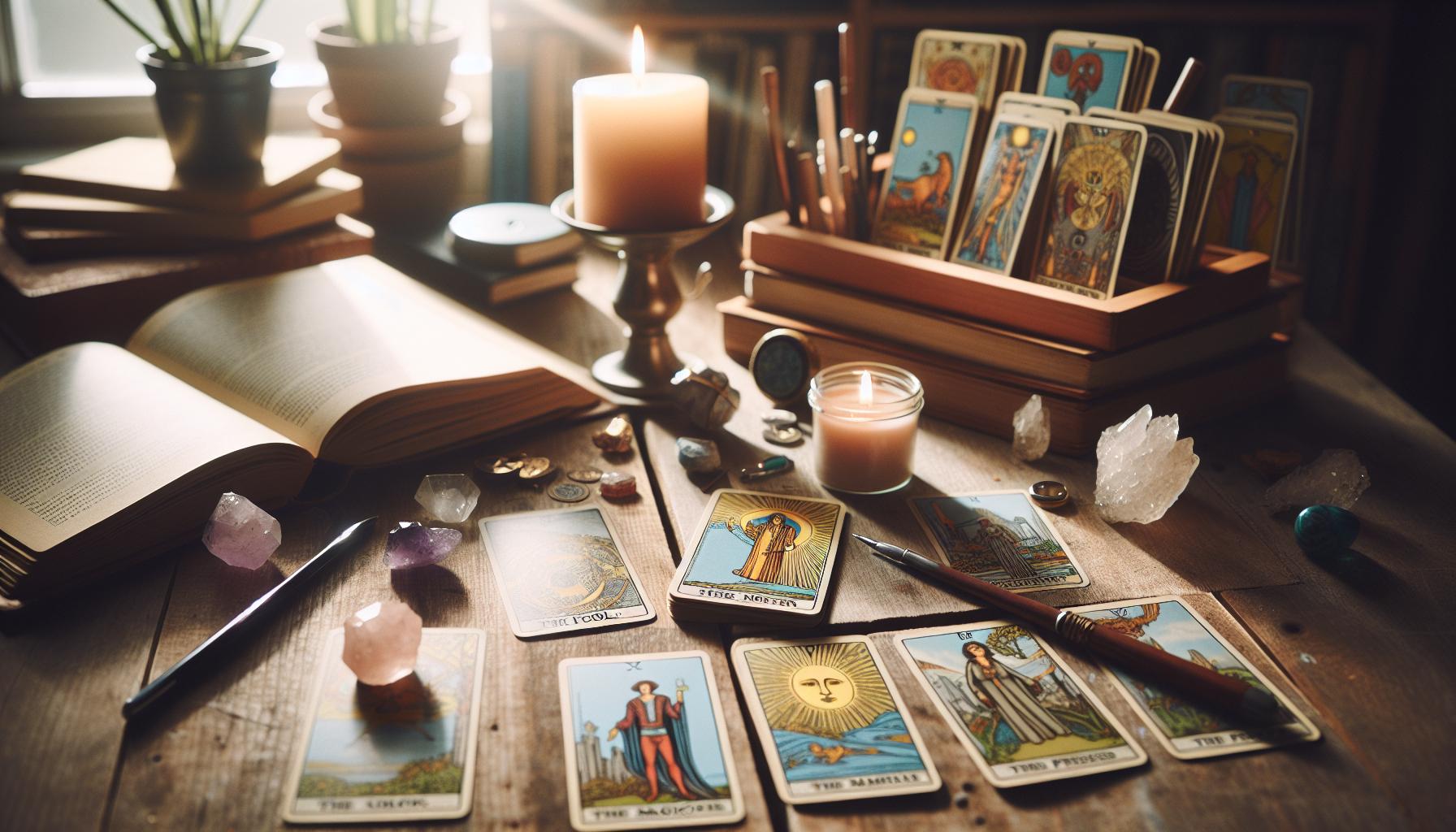
Exploring the Minor Arcana: Suits and Their Significance
The Minor Arcana is often considered the practical side of Tarot, representing the daily experiences and nuances of life. Comprising 56 cards, this section of the deck is divided into four suits: Cups, Wands, Swords, and Pentacles. Each suit not only reflects various aspects of existence but also resonates with specific themes and elements, offering profound insights into our personal journeys.
Cups
Cups symbolize emotions, relationships, and connections. With a focus on the heart and intuition, they align with the element of water. Cards within this suit often explore themes of love, family, and personal fulfillment. For example, the Two of Cups signifies partnership and emotional balance, representing a mutual bond, whether in romance, friendship, or a collaborative effort. Engaging with Cups prompts reflection on how our emotional well-being influences our choices and interactions.
Wands
Wands embody creativity, action, and inspiration, aligning with the element of fire. This suit encourages personal expression and represents our ambitions. The Three of Wands often suggests that efforts are coming to fruition, urging you to expand your horizons. When you draw from this suit, consider how your passions align with your goals-what sparks your spirit? This introspection can ignite your motivation and creativity.
Swords
Swords are associated with thoughts, challenges, and conflict, representing the element of air. This suit often deals with intellect and the difficult decisions we face. For instance, the Eight of Swords can indicate feelings of restriction, asking you to recognize how your mindset may be limiting your choices. Understanding the messages of Swords fosters mental clarity and encourages proactive strategies in overcoming obstacles.
Pentacles
Pentacles represent the material world, encompassing finances, career, and practical matters, associated with the element of earth. This suit is grounded in reality, often highlighting themes of security and stability. The Four of Pentacles reflects a desire to hold on to possessions, signifying either security or fear of loss. Engaging with this suit invites reflections on your relationship with money and your aspirations for abundance and security.
- The suits together offer a comprehensive look at different aspects of life.
- Understanding the elements associated with each suit can enhance your readings.
- When interpreting Minor Arcana cards, consider not just the individual cards but how they relate to one another within a reading.
By exploring the Minor Arcana, you can deepen your understanding of the everyday scenarios and emotional landscapes that affect us all. Whether you’re a novice or seasoned reader, these suits provide valuable insights and practical frameworks to navigate your life experiences more effectively.
Decoding Tarot Card Combinations: How They Work Together
Understanding how tarot cards interact with one another can reveal deeper meanings and insights that a single card cannot convey. Much like the chapters of a story, the combination of cards can create a rich narrative that informs your reading and adds layers of context. When interpreting tarot combinations, it’s essential to look not only at the individual meanings of the cards involved but also how they communicate with each other based on their positions and the questions posed.
For example, consider drawing the Two of Cups alongside the Three of Swords. Individually, the Two of Cups often represents partnership and emotional connections, while the Three of Swords typically symbolizes heartbreak or betrayal. Together, these cards could suggest a relationship that, while built on mutual respect and love, is currently facing challenges or hurt. This combined interpretation encourages you to explore the dynamic between joy and pain in relationships, prompting a more profound self-reflection on emotional resilience and healing.
To effectively decode tarot combinations, start by paying attention to the suits and elements of the cards. Cards from the same suit often emphasize related themes. For instance, two cards from the Wands suit might highlight a strong theme of creativity and ambition in your life, while combining a Swords card with a Pentacles card could signal a struggle between your thoughts and your material concerns.
Here are a few practical tips to enhance your understanding of card combinations:
- Look for patterns: Identify repeated symbols, numbers, or themes among the cards drawn.
- Consider the position: If using a spread, the placement of the cards can influence their meanings. For example, a card in a future position might suggest potential development, while one in the past can reveal underlying influences.
- Utilize associative meanings: Think about how the cards relate on a thematic level. For example, how does the energy of cups (emotions) influence the pragmatics of pentacles (material matters)?
By embracing this approach, you can develop a more nuanced understanding of not just individual cards, but the rich, interconnected stories they tell when combined. This practice encourages you to tune into your intuition, allowing you to draw on your personal insights and experiences for deeper interpretations. Tarot reading, after all, is an art as much as it is a skill, engaging both your intellect and your intuition.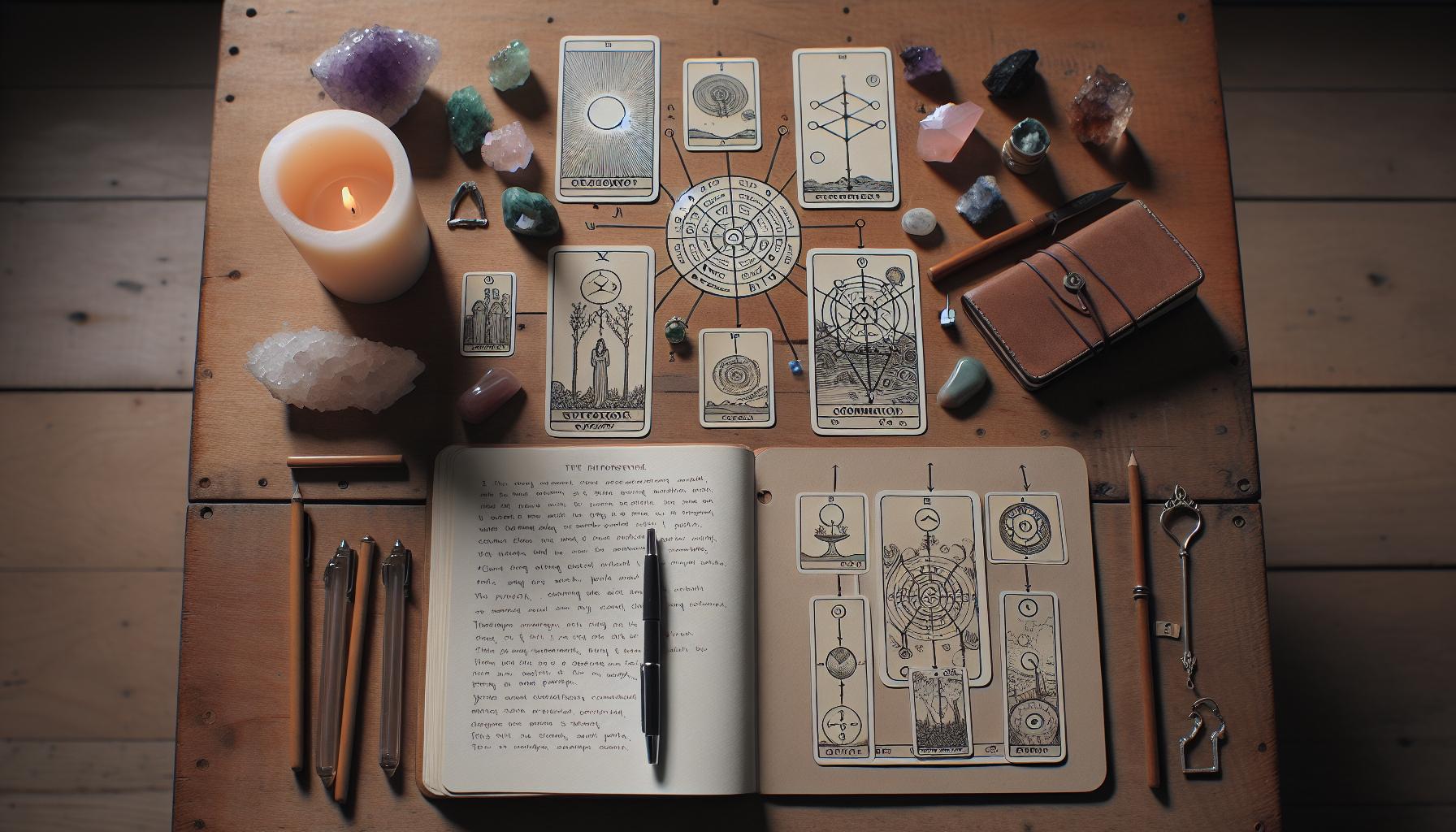
The Fool’s Journey: A Narrative Through the Cards
The journey of the Fool is the heart of the Tarot, encapsulating the full range of human experiences, growth, and spiritual evolution. Beginning as the first card in the Major Arcana, the Fool signifies new beginnings, innocence, and boundless potential. This card symbolizes the start of a quest filled with both challenges and rewards, inviting you to embrace life with open arms and an adventurous spirit.
As you explore each card that follows the Fool, you engage in a narrative rich with wisdom. Each Major Arcana card represents pivotal lessons and archetypes that resonate with our personal journeys. For example, the Fool quickly encounters the Magician, who embodies manifestation and the power of focused intention-a reminder that you hold the tools to shape your reality. Following this, the High Priestess introduces the theme of intuition and inner knowing, encouraging a balance between external action and internal wisdom as you navigate life’s complexities.
The interconnectedness of these cards creates a tapestry of meaning. By recognizing how the Fool’s journey unfolds from card to card, you can gain insights into your own path. For instance, when the Fool encounters the Tower, representing sudden upheaval and revelation, it serves as a cautionary tale about the unpredictable nature of change. Such experiences are essential for growth, allowing for transformation and the discovery of deeper truths.
This narrative is not just a spiritual metaphor; it’s a practical guide to understanding your life’s phases. As you meditate on each card along the Fool’s journey, consider journaling your reflections on how these lessons resonate with your personal experiences. Engaging with this archetypal journey allows you to approach Tarot not just as divination, but as a profound tool for self-discovery and personal empowerment. Embrace the Fool’s spirit of exploration, and let it lead you towards deeper insights and meaningful transformations in your life.
Common Tarot Spreads and Their Interpretations
Understanding different tarot spreads is essential for any reader looking to enhance their intuition and interpretation skills. Each spread has its unique purpose and reveals various insights based on the cards drawn. A well-chosen spread can provide clarity on specific questions or situations, allowing for deeper self-reflection and guidance.
Three-Card Spread
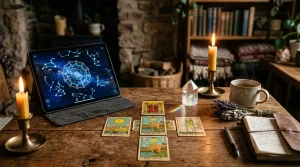
The Three-Card Spread is perfect for beginners. It offers a simple yet profound insight into the past, present, and future of a situation or question. Here’s how to interpret it:
- Card 1: Represents the past influences or lessons relevant to the situation.
- Card 2: Reflects the present circumstances and feelings.
- Card 3: Indicates potential outcomes or future developments.
For example, if someone draws the Chariot in the present position, it suggests movement and determination, pointing to a time to harness their willpower to overcome obstacles.
Celtic Cross Spread
The Celtic Cross is a classic advanced spread that provides an in-depth analysis of a question, making it valuable for more complex situations. This ten-card layout includes:
- Card 1: The situation.
- Card 2: The challenge.
- Card 3: The past.
- Card 4: The future.
- Card 5: The conscious influence.
- Card 6: The subconscious influence.
- Card 7: How you see yourself.
- Card 8: How others see you.
- Card 9: Hopes and fears.
- Card 10: The outcome.
In this spread, the Fool in the outcome position might indicate a new beginning, suggesting potential for adventure and growth if the querent takes risks.
Daily Draw
A Daily Draw involves pulling a single card at the start of the day, allowing for a quick insight into what to expect or focus on. This practice enhances your connection with the cards and builds your intuitive skills over time. For instance, drawing the Strength card can emphasize the importance of courage and compassion throughout the day.
Engaging with these common spreads will deepen your understanding of each card and its meanings, ultimately fostering a stronger intuitive reading practice. Celebrate your unique journey with tarot, and remember that interpretation evolves as you grow in your connection to the cards.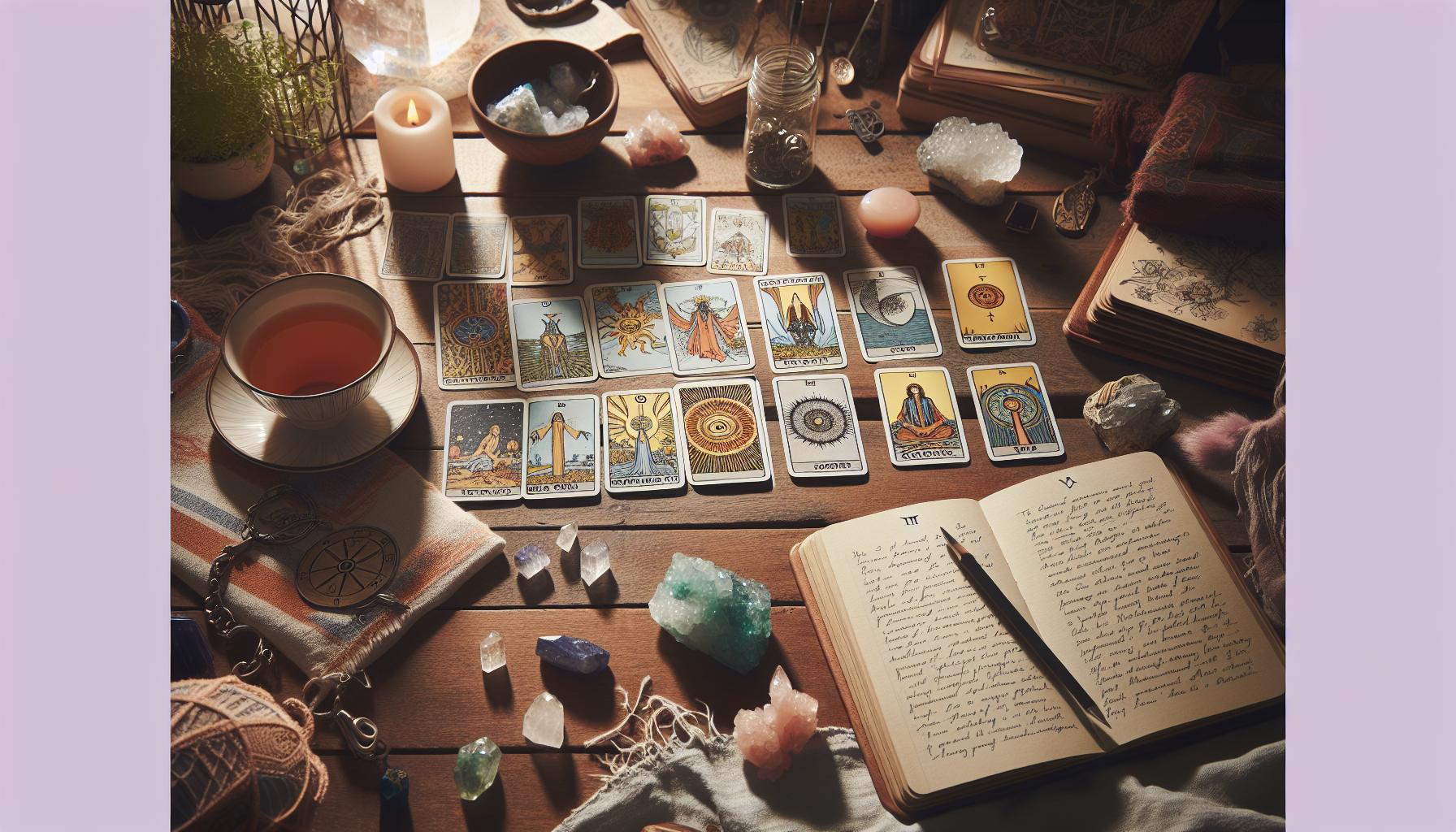
Using Tarot for Daily Guidance: Pulling a Card a Day
Pulling a card each day can be a transformative practice that brings clarity and intention into your life. This simple yet powerful ritual allows you to connect with the tarot on a deeper level, offering insights that can guide your thoughts and actions throughout the day. By approaching this practice with an open heart and mind, you’ll find unique messages tailored to your current experiences and needs.
Start your day by setting a peaceful atmosphere. Whether it’s with a cup of tea in hand or in the quiet of your favorite nook, take a moment to center yourself. Shuffle your deck while focusing on an intention or question you have in mind. This could be as simple as asking, “What should I focus on today?” or “What lesson do I need to learn?” Once you feel ready, draw a single card from the deck.
Once the card is drawn, take time to interpret its meaning. Look at both the imagery and the traditional meanings associated with the card. For instance, if you draw the Ace of Cups, it may signal new emotional beginnings or the need to express feelings openly. Reflect on how the card’s message relates to your life. Ask yourself questions like, “How does this resonate with what I am experiencing?” or “What action can I take to embrace this energy today?”
Using tarot as a daily guide helps cultivate an intuitive understanding of the cards over time. By consistently engaging with them, you foster a relationship that enhances your personal growth and self-awareness. As you start to see patterns and connections in your daily draws, you’ll become more confident in your interpretations and decision-making, allowing tarot to be a supportive ally in your journey through life.
With practice, this daily routine can become a source of inspiration, reminding you to stay attuned to your inner voice and aspirations. The cards are here for everyone-regardless of your beliefs or background-and their wisdom is waiting to be discovered. Whether you’re a beginner or an advanced reader, this practice helps bridge the gap between the mystical and the everyday.
Tarot Readings for Self-Reflection and Personal Growth
Exploring your inner landscape through tarot can be a profoundly transformative experience, allowing for self-reflection and personal growth. Each card in the deck serves as a mirror, reflecting different aspects of your psyche, emotions, and life circumstances. By engaging with the imagery and symbolism of the cards, you can unearth insights that reveal your true desires, fears, and potentials.
When conducting a tarot reading focused on self-reflection, consider using a simple three-card spread. This spread typically represents your past, present, and future. Begin by formulating a gentle question that encourages introspection, such as, “What do I need to understand about my current situation?” Shuffle your deck while focusing on this inquiry, then draw three cards.
As you interpret each card, pay attention to how they resonate with your personal experiences. For example, if you draw the Three of Swords in the past position, it may symbolize past heartbreak or emotional pain that still lingers. In the present, drawing the Strength card might suggest you are currently developing resilience and courage in the face of challenges. Finally, if the Star card appears in the future position, it can offer a glimmer of hope, indicating healing and renewed optimism ahead.
Reflecting on these cards, ask yourself questions like:
- What lessons can I glean from my past experiences?
- How can I harness the strengths I have developed to better navigate my current challenges?
- What visions do I have for my future, and how can I align my actions to reach those aspirations?
Through this process, trust your intuition to guide you. Each reading becomes a conversation not just with the cards, but with your own inner voice, cultivating a deeper understanding of who you are and what you wish to become. Embrace this practice regularly, and you’ll find that tarot becomes an invaluable ally in your pursuit of self-growth and clarity.
The Role of Intuition in Tarot Reading
The ability to trust and tap into your intuition is one of the most vital aspects of tarot reading. Each card holds multiple meanings, influenced by the context of the reading and the energies at play. While understanding traditional interpretations is essential, it is your intuition that truly brings the cards to life. When you approach the tarot, allow yourself to connect with the imagery and symbols on a deeper level. Notice what emotions arise and how the cards resonate with your current experiences.
As you shuffle the deck, take a moment to breathe and ground yourself. This is when the magic begins. Your intuitive insights may emerge as vivid images, sudden thoughts, or even feelings in your body. For example, if you draw the Two of Cups while thinking about a relationship, your intuition might guide you to reflect on balance and harmony, suggesting a need for open communication with your partner. Pay attention to these feelings, as they can provide profound guidance beyond the surface meanings of the cards.
Enhancing Your Intuitive Skills
To cultivate your intuition further, consider keeping a tarot journal. Document your readings, focusing on the feelings and thoughts that arise during each session. Over time, you’ll build a personal reference of how certain cards speak to you, enhancing your ability to interpret them intuitively. You can also practice daily pulls, drawing one card each morning to explore its meaning throughout the day. Ask yourself reflective questions, such as, “How does this card relate to my current situation?” or “What can I learn from its message?”
Remember, there is no right or wrong way to feel about a card. Your intuition may lead you to different interpretations than a tarot manual provides, and that is not only okay, it’s encouraged! Each reader’s connection to the cards is unique, and the more you trust your inner voice, the stronger your tarot practice will become. Embrace this journey with openness and curiosity, and allow yourself to grow alongside the wisdom of the tarot.
Advanced Tarot Techniques: Reversals and Court Cards Explained
When exploring the depths of tarot, understanding the nuances of reversals and court cards can elevate your readings from basic interpretations to profound insights. Reversed cards, for example, can signify a blockage, internal conflict, or the need for a different perspective. They challenge readers to delve deeper into the energies surrounding their questions. Consider a reversed Strength card; rather than embodying courage and control, it may suggest fear, self-doubt, or a struggle with personal power. A practical approach when dealing with reversals is to ask yourself: “What is being resisted or overlooked in this situation?”
Court cards, on the other hand, represent personalities or archetypes within the tarot. Each of the four suits has its own court cards-Page, Knight, Queen, and King-symbolizing different stages of maturity, influence, and engagement with the world. For example, the Page of Cups might embody youthful curiosity and emotional exploration, while the King of Swords represents authority, clarity, and intellectual mastery. When these cards appear in a reading, reflect on the qualities they embody. Are they indicative of a person in your life, or do they represent aspects of yourself that are coming forward? Understanding their traits can provide valuable context for the overall message.
To enhance your readings, consider incorporating both reversals and court cards in your practice systematically. Start with a simple spread that includes one card from each category. For instance, pulling a reversed court card might reveal the need to reassess how you express those archetypal energies in your life. You could also create a quick reference guide for yourself that outlines the typical meanings of each court card and their reversed forms. This allows for a more intuitive read while you become attuned to the subtleties of each card’s energy.
Lastly, embrace the diversity of interpretation. Tarot is a personal journey, and engaging with reversals and court cards is an opportunity to connect with your intuition on a deeper level. Whether you see a reversed card as a warning or a lesson depends significantly on your internal compass and the context of your reading. As you practice, you’ll find that both reversals and court cards offer rich layers of meaning that can transform your tarot experience into a deeply personal and navigational tool.
History and Origins of Tarot: A Brief Overview
The rich history of tarot can captivate anyone interested in its mystical allure. At its core, tarot originated in the 15th century in Europe, primarily as a card game known as tarocchi. Initially, these decks were not used for divination but rather as a source of entertainment among the aristocracy. It wasn’t until the late 18th century that tarot began to be associated with mysticism and occult practices. This shift occurred as scholars and occultists started exploring the deeper meanings behind the cards, linking them to ancient wisdom, Kabbalistic traditions, and astrology. Thus, the tarot emerged as a tool of insight and reflection, evolving from mere play to profound spiritual guidance.
The structure of tarot decks features two main components: the Major Arcana and the Minor Arcana. The Major Arcana comprises 22 cards that symbolize significant life events and spiritual lessons, such as The Fool, The Lovers, and The World. Each of these cards tells a story, reflecting the journey of the self through various stages of growth and discovery. While the Major Arcana holds a narrative depth, the Minor Arcana, consisting of 56 cards divided into four suits, represents everyday influences and situations. Each suit corresponds to different aspects of human experience, such as emotions, actions, thoughts, and material aspects.
Tarot’s revival in the 20th century further popularized its use in psychological and spiritual contexts, particularly with the works of influential figures like Carl Jung, who recognized its potential as a tool for self-reflection. Tarot readings began to be a means for people to explore their inner selves, tapping into intuition and subconscious awareness. Today, tarot is embraced globally, transcending cultural boundaries, with diverse interpretations and practices. From simple yes/no readings to intricate spreads, the versatility of tarot allows individuals to connect with its wisdom uniquely and personally.
Incorporating tarot into your spiritual practice can be an enriching experience. Whether you view the cards as a pathway to intuition or as a means of storytelling, the key lies in your approach. Start by familiarizing yourself with the meanings of the cards, perhaps by keeping a journal of your readings. This ongoing practice will not only deepen your understanding of the tarot but also enhance your confidence in using it as a guide in your life. As you delve into this captivating world, remember that tarot is not just a mystical tool; it is a reflection of your journey, insights, and personal growth.
Overcoming Common Challenges in Tarot Reading
Navigating the world of tarot can be a thrilling yet daunting experience. Many beginners and even seasoned readers often encounter common obstacles that can hinder their confidence or clarity when interpreting the cards. One of the most prevalent challenges is the overwhelming array of meanings associated with each card. To overcome this, it’s essential to start with a solid foundation. Engage in regular practice and refer to reliable resources that outline the primary interpretations of each card. Keeping a Tarot journal can also aid in your development, enabling you to record your thoughts and insights during readings, making the meanings resonate more deeply over time.
Another frequent difficulty is the fear of misinterpreting the cards. Remember that tarot isn’t an exact science; it thrives on intuition and personal interpretation. When you draw cards, take a moment to connect with your feelings and thoughts about what you see. Ask yourself questions like, “What emotions arise as I look at this card?” or “How does this relate to my current life situation?” This approach encourages a more intuitive reading method, allowing your personal experiences and feelings to guide you rather than strict definitions.
Sometimes, readers find themselves facing information overload, especially when learning about different spreads. Rather than diving into complex patterns or advanced techniques immediately, start with a few simple spreads such as a one-card pull or a three-card spread. These simpler structures provide clear insights and are less intimidating, allowing you to build confidence as you gradually explore more intricate layouts.
Lastly, it’s crucial to acknowledge and embrace self-doubt. Many people question their abilities or feel insecure about their readings. Recognize that these feelings are normal. Engage in positive affirmations or group discussions about tarot that foster support and encouragement. Surrounding yourself with a community, whether online or in-person, can provide valuable insights and solidarity, helping you feel less isolated in your journey. Ultimately, remember that the art of tarot reading is not just about accuracy; it is about fostering a deeper connection with yourself and your intuition.
Embracing Diversity: Tarot in Different Cultures and Practices
Delving into the rich tapestry of tarot, one quickly discovers that its roots and interpretations can vary widely across different cultures and spiritual practices. This diversity offers a broader perspective, enriching the tarot experience and allowing practitioners to resonate with various meanings and traditions. For example, while the Rider-Waite-Smith deck is predominantly used in Western contexts, decks from regions such as Japan, India, and Africa bring unique symbols and stories that reflect their local beliefs and histories.
In many Eastern traditions, tarot is often viewed through the lens of mindful reflection and meditation. In countries like Japan, fortune-telling decks are less about predictions and more about understanding oneself and one’s path. The emphasis on intuition aligns beautifully with practices like Zen meditation, where silence and awareness lead individuals to their truth. This perspective allows practitioners to utilize tarot as a tool for self-discovery rather than an oracle for the future.
African and Indigenous practices also showcase how tarot can integrate local mythologies and spiritual beliefs. Some decks incorporate ancestral figures and cultural symbols, bridging the mystical with the familiar. For instance, the use of animal symbols in tarot readings can be profoundly meaningful, as they connect to nature and the wisdom within it. This kind of tarot reading not only honors the cards but also the rich heritage they stem from, inviting a deeper spiritual dialogue that encompasses community and tradition.
Moreover, acknowledging these diverse practices fosters a sense of inclusivity within the tarot community. Practitioners are encouraged to explore and even create their own decks that reflect their personal journeys or cultural narratives. Whether beginner or experienced, tapping into the myriad interpretations of tarot enhances the learning process, making space for each reader’s unique insights and experiences.
Remember, the heart of tarot lies not just in the cards themselves but in the connection and meaning we create through them, transcending borders and uniting seekers across the globe.
Q&A
Q: What are the basic meanings of each Tarot card?
A: Each Tarot card conveys unique meanings influenced by its symbolism. Major Arcana cards represent significant life events, while Minor Arcana cards reflect everyday situations. To explore all card meanings, refer to detailed guides like the one on [Astrology.com](https://www.astrology.com/tarot/card-meanings) for insights on how they relate to your life.
Q: How do the suits in the Minor Arcana influence readings?
A: The four suits of the Minor Arcana-Wands, Cups, Swords, and Pentacles-each represent different aspects of life: creativity and action, emotions and relationships, thoughts and conflict, and material concerns. Understanding these suits helps in interpreting the broader context during readings. For specific meanings, check sections on Minor Arcana in your guide.
Q: Can Tarot card meanings vary based on context?
A: Yes, the meanings of Tarot cards can change depending on their position in a spread, surrounding cards, and the question asked. Context adds depth, highlighting different aspects of a situation. It’s essential to consider these factors for accurate interpretations in your readings.
Q: What is the significance of reversed Tarot cards?
A: Reversed Tarot cards often indicate blockages, avoidance, or the opposite of their upright meanings. For instance, a reversed Fool may suggest foolishness or recklessness. Embracing reversals adds complexity to readings, allowing for deeper insight into challenges faced.
Q: How can beginners start learning Tarot card meanings effectively?
A: Beginners should start with familiarizing themselves with the 22 Major Arcana cards and their meanings, then gradually explore the Minor Arcana suits. Utilize resources like [City Tarot](https://citytarot.com/tarot-card-meanings/) for structured learning and practice daily card pulls for hands-on experience in interpreting meanings.
Q: Why is intuitive interpretation important in Tarot readings?
A: Intuitive interpretation connects the reader’s knowledge of the cards with their personal insights and feelings during a reading. It promotes a deeper and more meaningful understanding, allowing for personalized messages that resonate with the querent. Practice developing your intuition alongside traditional meanings.
Q: What should I do if I struggle to understand Tarot card combinations?
A: If you’re struggling with card combinations, start by focusing on the individual meanings of each card, then explore how they might interact based on their themes. Try guided spreads specifically designed for combination interpretation, as this can simplify the process and enhance clarity in readings.
Q: How do cultural variations affect the interpretation of Tarot cards?
A: Cultural variations can significantly influence Tarot interpretations, reflecting different symbolism, beliefs, and practices. Adapting to diverse cultural contexts enhances understanding and accessibility of Tarot, offering readers broader perspectives and richer insights. Explore various cultural approaches to Tarot for a holistic view.
The Conclusion
Now that you’ve delved into the meanings behind each tarot card, you have a powerful tool at your fingertips to navigate life’s complexities with confidence and intuition. Remember, every tarot reading is an opportunity for self-discovery, helping you tap into your inner wisdom and guiding you on your path forward. Don’t stop here! Explore our articles on the four tarot suits to deepen your understanding of how each card interacts with the others in your readings.
Feeling curious? Our free daily tarot reading can offer you insights each day-perfect for honing your intuition! If you have questions or thoughts about your tarot practice, share them in the comments below. Join our community and subscribe to our newsletter for tips and exclusive content that will enhance your tarot journey. Embrace the magic of tarot; it’s an enlightening path waiting for you to explore.
Get our latest guides, news, and insights highlighted in your Google Search & AI Overviews.