Have you ever wondered what secrets lie within the Tarot cards? More than just a tool for divination, Tarot serves as a powerful guide for self-reflection, offering insights into our thoughts, emotions, and the paths we choose. By tapping into the symbolism and rich imagery of each card, you can uncover hidden truths and navigate life’s challenges with clarity and confidence. Whether you’re seeking guidance on a pressing decision or simply curious about your life’s journey, understanding Tarot’s purpose can reveal layers of meaning behind your circumstances. This exploration not only strengthens your intuition but also encourages personal growth. So, if you’re ready to unlock the mysteries of Tarot and harness its transformative power, keep reading to discover how these cards can illuminate your path and empower your decisions.
The Mystical Origins of Tarot Cards
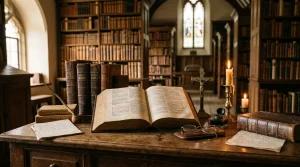
The journey of tarot cards is as mystifying as the divinatory insights they offer. Originating in the late 14th century, tarot cards were initially used for playing games, notably in Italy. It wasn’t until the 18th century that they began to be associated with mysticism and spiritual guidance. This transformation was fueled by a blend of esotericism, Kabbalah, and the burgeoning interest in the occult during the Enlightenment. Tarot cards are woven into a rich tapestry of cultural influences and spiritual traditions, making their origins a captivating tale of evolution.
The earliest tarot decks, such as the Visconti-Sforza, were intricately painted each card depicting vibrant and detailed imagery. As time passed, the decks diversified and developed unique symbolism. The Major Arcana, which includes cards like The Fool and The Magician, began to encapsulate archetypal themes of human experience, while the Minor Arcana, composed of four suits, reflected the various elements of daily life. Each card became a tool for introspection and a visual guide to understanding the complexities of existence.
Today, tarot is embraced by a diverse array of practitioners, from casual users exploring their intuition to serious students of esoteric traditions. The connection between the practitioner and the cards is often deemed sacred-reflected in the way practitioners shuffle, draw, and interpret the cards. This hands-on interaction allows each reader to weave their personal experiences and insights into the readings, creating a dialogue between the cards and the seeker that transcends mere fortune-telling.
Understanding the mystical origins of tarot invites one’s curiosity and respect for its multifaceted nature. It’s not just about divination; it’s about exploring the depths of one’s self and the universe. Whether you approach tarot with skepticism or belief, its rich history and profound symbolism offer opportunities for personal insight and growth. Embrace the journey of discovery, and allow the cards to reveal their wisdom.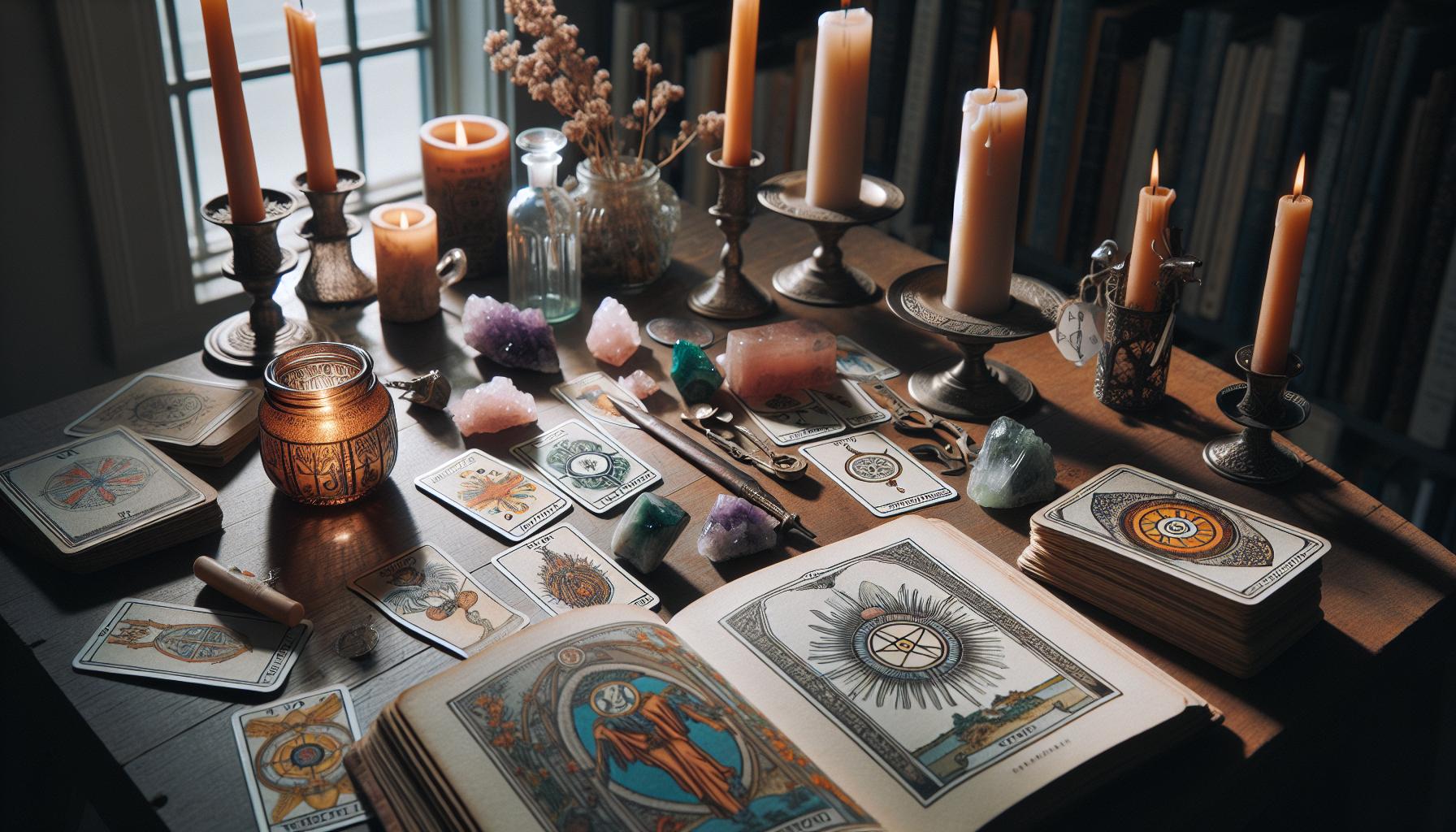
Understanding the Major Arcana: Key Concepts
The Major Arcana serves as the heart of the tarot deck, consisting of 22 cards that depict significant life lessons, spiritual journeys, and key archetypes. Each card encompasses powerful imagery and rich symbolism, inviting deeper introspection and understanding. For those seeking insight through tarot, grasping the meanings and themes of the Major Arcana is essential, as these cards often provide profound guidance on pivotal life events and emotional growth.
To better appreciate these cards, it’s helpful to categorize the Major Arcana into three stages, often referred to as the Fool’s Journey. The journey begins with The Fool, symbolizing new beginnings and potential, and progresses through various experiences-encounters that impart wisdom and understanding. Each subsequent card reveals different aspects of human existence, from the High Priestess, embodying intuition and hidden knowledge, to The World, representing completion and fulfillment. By recognizing this journey, practitioners can relate their personal experiences to the cards, enhancing their readings.
When interpreting the Major Arcana, it’s important to consider the overarching themes represented by each card:
- Major Life Themes: These cards reflect significant spiritual lessons and transformative events.
- Archetypal Characters: Each card depicts a character or archetype, representing different human experiences and emotions.
- Intuitive Insights: Engage with the imagery and feelings evoked by each card to draw personal connections during readings.
For example, if you draw The Tower, you might reflect on current upheaval in your life, interpreting it not solely as chaos but as a necessary upheaval that clears the way for renewal and growth. Conversely, The Lovers card can highlight the importance of relationships or choices related to love, urging you to consider your connections and the harmony within them.
Navigating the Major Arcana not only enriches your tarot practice but also encourages a dialogue between you and your inner self. By exploring these key concepts, you’re invited to embrace your intuitive abilities, discovering how the cards can illuminate the path ahead. No matter your experience level, the Major Arcana offers endless possibilities for personal growth and reflection, reminding you of the deeper narratives that shape your life.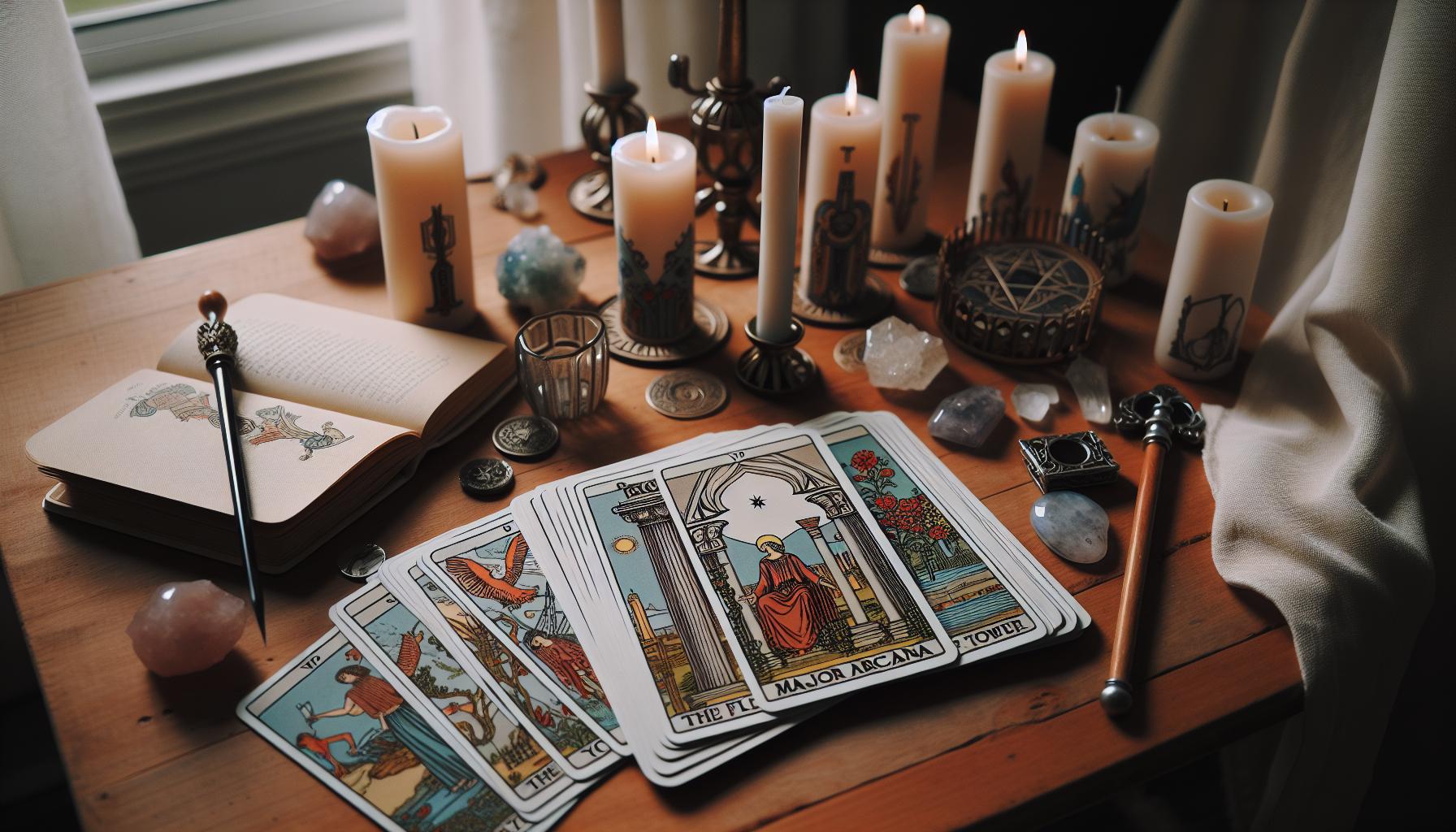
Exploring the Minor Arcana: Elements and Symbols
The Minor Arcana is where tarot readings often delve into the everyday aspects of life, providing rich insights through the lens of four elemental suits: Cups, Pentacles, Swords, and Wands. Each suit carries its own unique symbolism and meaning. By understanding these elements, you can enhance your tarot practice and gain clarity in diverse aspects of your life, from emotions and relationships to career and challenges.
Cups represent the element of water and govern emotions, intuition, and relationships. They reflect your inner world and interpersonal connections. For instance, a Cups card like the Two of Cups symbolizes partnership and mutual attraction, encouraging you to explore deepening your relationships or the importance of collaboration in your life.
In contrast, the Pentacles are associated with the earth element and focus on material aspects such as finances, work, and health. These cards invite you to reflect on your physical reality and everyday matters. A card such as the Four of Pentacles might suggest themes of security and holding on tightly to what you have, perhaps signaling a need to let go or share your resources for even greater abundance.
Swords, linked to the element of air, signify thoughts, intellect, and conflict. They often present challenges or decisions that require clarity and rationale. For example, drawing the Eight of Swords may indicate feelings of restriction or self-imposed limitations, urging you to confront your fears and seek liberation from negative thought patterns.
Finally, the Wands are tied to fire and embody inspiration, action, and ambition. They represent creativity and the drive to pursue your passions. A card like the Ace of Wands may inspire you to embark on a new venture, infusing you with the motivation to take bold steps towards your goals.
Understanding how these suits and their respective elements connect with your life enriches your interpretation of the Minor Arcana. When engaged in a reading, reflect on how the energies of these cards resonate with your current circumstances and emotional landscape. By tapping into these symbols, you can gain deeper insights, not just about your questions but about yourself and your journey. The Minor Arcana serves as a powerful tool for personal reflection, offering everyday wisdom to navigate the complexities of life with confidence and clarity.
How Tarot Cards Work: The Mechanics Explained
To truly grasp the transformative power of Tarot cards, it’s essential to understand how they function within a reading. At their core, Tarot cards serve as a bridge between the conscious mind and the subconscious. They provide insights by tapping into your intuition, drawing on the rich symbolism embedded in each card. It’s not merely about predicting the future; it’s about exploring possibilities, gaining clarity, and fostering personal insight.
When you shuffle and draw cards, you initiate a conversation with your inner self. Each card symbolizes a particular aspect of human experience, resonating with universal themes of life. For example, drawing the Ten of Pentacles might reflect themes of legacy and stability, prompting reflection on your relationships with family and wealth. This interplay of intuition and symbolism encourages you to consider your current life circumstances and emotional landscapes through a new lens.
Here’s how the mechanics typically unfold in a reading:
Shuffling the Deck
The process begins with shuffling the cards, which signifies intention. You might ask a specific question or focus on a situation you want to understand better. The act of mixing the cards integrates both your energy and inquiry, setting the tone for the reading.
Choosing a Spread
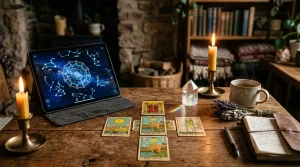
Next, the way in which cards are laid out, known as a spread, plays a crucial role. Common spreads include the three-card layout (past, present, future) or the Celtic Cross (which offers deeper insights into various aspects of life). Each position in a spread has its own significance, guiding the interpretation.
Interpreting the Cards
As you uncover the cards, their unique meanings interconnect based on their position and the surrounding cards. For instance, if you draw the Lovers alongside the Tower, it may indicate a significant choice regarding a relationship, potentially hinting at upheaval followed by transformation.
This dynamic interplay not only offers clarity about your questions but also encourages self-reflection and growth. Realistically, Tarot is about generating insights that inspire action, enabling you to confront fears or embrace opportunities with newfound understanding. Remember, the power lies not just in the cards themselves but in your ability to connect, interpret, and apply the insights they provide to your life.
Ultimately, whether you view Tarot as a mystical tool or a psychological mirror, its mechanics encourage a deeper connection to your intuition. Embrace the process, allowing it to guide you towards greater self-awareness and empowerment in your daily life.
The Purpose of Tarot Readings: Insights and Guidance
Tarot readings are more than just divination; they serve as powerful tools for personal insight and growth. When you sit down with a deck of Tarot cards, you’re inviting a dialogue between your conscious mind and the deeper layers of your psyche. Each card drawn acts as a reflection of your current state, desires, and challenges, often revealing intuitive insights that can guide your decisions.
At the heart of Tarot’s purpose lies the ability to create clarity. By framing a question or focusing on a concern, you create a space for reflection. For instance, drawing the Star card in a reading may inspire hope and healing, encouraging you to trust in the process of life, while the Tower might signify an impending change, urging you to prepare for transformation. This symbolism not only identifies your emotions but also frames your path forward in a constructive light.
Gaining Perspective
One of the most empowering aspects of Tarot readings is their capacity to shift your perspective. In moments of uncertainty, the cards can unveil alternative viewpoints or aspects of a situation that may not be immediately apparent. Consider a person who is struggling with a career decision. A reading that includes cards like the Chariot and the Two of Wands may suggest that taking proactive steps and broadening their horizons could lead to significant progress. Thus, Tarot facilitates a deeper understanding of how to navigate life’s complexities.
A Path to Self-Discovery
Ultimately, the guidance derived from Tarot readings encourages you to engage with your own inner wisdom. Whether you’re a skeptic or a devoted believer, the process invites questions that stimulate self-reflection. You might find value in journaling your thoughts after a reading or discussing the insights gained with a friend. The goal is to cultivate a connection that empowers you to take charge of your life’s narrative, transforming confusion into clarity and hope.
By embracing Tarot as a means of understanding and dialogue, you foster a mindset open to growth and enlightenment. Each reading, regardless of its outcome, weaves together the threads of experience, intuition, and insight, illuminating a path forward. Tarot is here to remind us that the journey to self-discovery is both an adventure and a profound opportunity for development.
Different Tarot Spreads: Choosing the Right Layout
Choosing the right tarot spread can transform your reading experience, providing deeper insights tailored to your specific questions or challenges. Each spread is like a map, guiding you through the intricate landscapes of life and illuminating paths you may not have considered. Whether you’re seeking clarity on a situation, exploring personal growth, or contemplating future possibilities, understanding various spreads can help you unlock the full potential of your tarot journey.
One of the simplest yet most effective layouts for beginners is the Three-Card Spread. This straightforward format allows you to focus on past, present, and future influences connected to your query. For instance, if you draw the Eight of Cups for the past, the Strength card for the present, and the Wheel of Fortune for the future, it might indicate a journey of emotional withdrawal leading to inner strength before confronting inevitable changes. This spread encourages reflection on how past experiences shape our present and how they influence future outcomes.
As you progress, Celtic Cross spreads offer a more comprehensive view, growing in complexity. This ten-card layout provides insights into your situation’s central issue, challenges, past influences, future possibilities, and personal attitudes. For example, drawing the Lovers in the position of your conscious mind reveals a focus on relationships or choices, while the Tower in the future position might suggest upheaval or significant change ahead. While this spread may seem daunting, it offers rich layers of interpretation that can profoundly deepen your understanding.
For those seeking a more spiritual approach, Daily Draws or Single-Card Pulls can serve as a powerful practice. Pulling a single card each day encourages mindfulness and reflection, allowing you to interpret the card’s message in the context of your daily life. Consider the Ace of Pentacles appearing when you’re launching a new project; it could signify fresh opportunities and the manifestation of your goals in the material world.
To choose the right spread, start by asking yourself what you want to gain from the reading. Are you looking for quick insights, in-depth analysis, or spiritual guidance? As you explore the different layouts, keep a notebook to record your readings and reflect on their meanings and outcomes. This practice not only enhances your understanding but also builds your intuitive skills, fostering a dialogue between you and the wisdom of the Tarot. Each spread serves as a unique lens, enabling you to explore diverse aspects of your life with clarity and purpose.
Intuitive Interpretations: Tapping into Your Insight
Unlocking your intuitive powers when reading Tarot cards can feel like diving into a vast ocean of understanding. Each card is rich with symbolism and meaning, and tapping into that can provide insights that resonate deeply with your personal situation. By learning to trust your instincts and interpretations, you can transform a Tarot reading into a powerful tool for reflection and guidance.
To cultivate your intuition, begin by immersing yourself in the imagery and stories each card tells. Allow your mind to wander and make connections that might not be immediately obvious. For instance, if you draw the Two of Swords, rather than only reflecting on its definitions of indecision and balance, think about a recent conflict in your life that might mirror this struggle. What emotions arise? How does this card’s symbolism resonate with your experience? Engaging in this imaginative dialogue can foster a deeper understanding of the cards and enrich your readings.
Another practical tip is to create a personal connection with specific cards. Consider keeping a Tarot journal where you document your interpretations of each card after a reading. You might find that certain symbols, colors, or themes appear in your life more frequently and take on unique meanings. By noting these connections, you boost your confidence and create a resource that reflects your intuitive growth.
Remember that Tarot reading should be a blend of structured knowledge and personal insight. Whether you are a beginner or more advanced in your practice, always nurture the dialogue between your intellectual understanding of the cards and your intuitive interpretations. This balance will not only enhance your readings but will also empower you to embrace the magical journey Tarot offers.
Common Misconceptions About Tarot: Debunking Myths
The world of Tarot is often shrouded in mystery, leading to a variety of misconceptions that can deter people from exploring its potential. One of the most common myths is that Tarot cards are inherently mystical or that their meanings are fixed and unchanging. In reality, Tarot serves not as a crystal ball predicting the future but as a reflective tool that opens a dialogue between the reader and their intuition. A card drawn today might resonate differently tomorrow, depending on the individual’s experiences and mindset.
Another widespread belief is that Tarot readings must be performed by an expert or a psychic, which can be intimidating for beginners. The truth is that anyone can learn to read Tarot cards and connect with their meanings. Start small-familiarize yourself with one card a day. As you engage with its imagery and themes, write down your impressions and personal associations. This practice builds your intuition and makes the Tarot feel more accessible. Remember, it’s not about divining the future; it’s about tapping into your inner wisdom and providing insights that can guide you.
People often think that Tarot is only for those in crisis or seeking answers. Yet, Tarot can be beneficial for personal growth and reflection at any time. Many use it as a daily practice to check in with themselves, identify areas for improvement, or simply gain clarity on their thoughts and feelings. Consider using a simple three-card spread to represent the past, present, and future, allowing for a holistic view of your situation that promotes self-awareness rather than dependence on the cards.
Ultimately, Tarot is about empowerment and understanding. Debunking these misconceptions opens the door for individuals to explore this ancient art with curiosity and confidence. Embrace Tarot not as a source of fear or superstition, but as a friend that helps illuminate your path, encouraging you to trust your own intuition along the way.
Using Tarot for Personal Growth and Reflection
Engaging with Tarot can be a transformative journey, one that offers profound insights into our personal growth and self-reflection. Many people underestimate the power of a simple card reading. Frequently, the process can illuminate patterns in our behavior, reveal previously hidden desires, or encourage a deeper understanding of our emotional landscape. The magic lies not only in the cards themselves but also in how they prompt us to explore our inner world, fostering a stronger connection with our intuition.
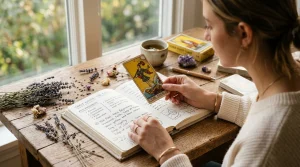
To harness the full potential of Tarot for personal growth, consider integrating a daily card draw into your routine. This practice allows you to reflect on the meaning of the card throughout your day. Ask open-ended questions such as, “What does this card reveal about my current situation?” or “How can I apply its energy to improve my perspective?” For instance, pulling The Fool card, often representing new beginnings and spontaneity, might encourage you to embrace opportunities and take creative risks in your life, nudging you towards a more adventurous mindset.
Additionally, you can use Tarot spreads designed specifically for self-reflection. A popular choice is the “Three-Card Spread,” where each card represents the past, present, and future. This layout provides a comprehensive snapshot of your journey, enabling you to identify recurring themes and lessons you may otherwise overlook. As you interpret the cards, pay close attention to your initial emotional reactions-these are often clues to your subconscious thoughts and feelings.
Finally, journaling your Tarot experiences can greatly enhance your journey of personal growth. After each reading, take time to write down your interpretations, feelings, and any insights that arise. Over time, you’ll uncover trends in your reflections, allowing you to track your progress and celebrate your evolution. Embrace this practice not as a rigid structure but as a flexible tool that supports your growth-allowing for adjustments as your understanding deepens and your needs change.
By using Tarot in this way, not only will you build a deeper connection with the cards, but you’ll also cultivate a richer relationship with yourself. Remember, Tarot is not a definitive guide to your future; it’s a mirror reflecting your thoughts, emotions, and potential pathways-encouraging you to embrace your journey with clarity and confidence.
How to Start Reading Tarot: A Beginner’s Guide
Stepping into the world of Tarot can be an exciting and transformative adventure. With 78 cards rich in symbolism, each draw has the potential to reveal deep insights about your life and path. Whether you’re curious about your future, seeking clarity on a decision, or interested in personal reflection, learning to read Tarot offers a unique way to harness your intuition and explore your inner landscape.
To begin your Tarot journey, you’ll first need a deck. Choose one that resonates with you; there are numerous styles, from traditional Rider-Waite to more modern or artistic interpretations. Trust your gut-the right deck feels like a conversation waiting to happen. Once you have your cards, take some time to familiarize yourself with them. Study the meanings of each card, starting with the Major Arcana, which represents significant life themes, and then the Minor Arcana, which deals more with daily events and experiences.
After you’re comfortable with the card meanings, start practicing by performing simple readings. A great way to do this is with a One-Card Draw. Ask a question or simply explore what guidance the Universe has for you today. Pull a card and reflect on its meaning. Ask yourself questions like “What does this card reveal about my current situation?” or “How can I apply its energy in my life?” As you engage with each card, jot down your reflections; over time, you’ll identify patterns and personal interpretations that deepen your understanding.
In addition to one-card draws, try incorporating spreads into your readings. A Three-Card Spread can provide insight into your past, present, and future concerning a specific issue. This format helps you piece together the narrative of your question and allows you to see how experiences shape your current reality and influence future possibilities. Don’t be afraid to let your intuition guide you in interpreting the cards; your unique insights are just as valuable as traditional meanings.
Lastly, embracing a journaling practice alongside your readings can enhance your experience. Record your readings, feelings, and interpretations. Over time, you may notice growth in your intuitive abilities and a deeper connection to the messages of the cards. Remember, this journey is about exploration and self-discovery. The Tarot is not a definitive map of your future but a mirror reflecting your thoughts and feelings. Enjoy the process, and celebrate each step you take on this magical path.
Advanced Tarot Techniques: Enhancing Your Practice
Exploring advanced techniques in Tarot can significantly deepen your practice, facilitating a richer connection with the cards and enhancing your readings. As you become more comfortable with fundamental skills, integrating these advanced strategies can unlock a deeper understanding of both the cards and yourself. One powerful approach is to utilize Thematic Spreads that align with specific life areas, such as relationships, career, or personal growth. By asking targeted questions, you create a narrative that reflects your experiences and aspirations.
Embracing Intuitive Techniques
Another effective method is to blend traditional meanings with your intuition. When laying out the cards, take a moment to pause and observe their imagery and symbols. Questions like, “What emotions arise when I see this card?” or “How does this imagery resonate with my current situation?” can lead to profound insights. Consider maintaining a Tarot Journal where you document these intuitive impressions alongside the standard interpretations. Over time, this practice not only sharpens your intuitive skills but also allows you to trace your personal development and changing perspectives.
Incorporating Elemental Correspondence
Understanding the elemental correspondences-Fire, Water, Earth, and Air-within the Minor Arcana can also enhance your readings. Each element represents different aspects of life:
- Fire
- Water
- Earth
- Air
- Water
By considering the elemental presence in your spreads, you can identify which areas are over- or under-represented in your life, guiding your focus for growth.
Real-Life Application: Example Spread
Try a Four-Element Spread where each card represents one of the four elements:
| Element | Card Position | Interpretation |
|---|---|---|
| Fire (Wands) | Inspiration | What fuels your passion? |
| Water (Cups) | Feelings | What emotions are you experiencing? |
| Earth (Pentacles) | Resources | What material aspects need attention? |
| Air (Swords) | Thoughts | How are you addressing conflict or challenges? |
By reflecting on each card’s message within its elemental context, you enhance your understanding of the energies at play in your life.
Integrating these advanced techniques invites a more profound interaction with the Tarot. Remember that Tarot is a personal journey; trust in your process, embrace your intuition, and allow the cards to guide you towards greater self-discovery and insight.
Real-Life Tarot Reading Examples: Lessons from the Cards
Every Tarot reading is a unique journey, revealing insights that may otherwise remain hidden. For instance, consider a client seeking clarity about a turbulent relationship. During a three-card spread focusing on the past, present, and future, the Three of Swords appears in the past position, signaling heartbreak and emotional pain. The imagery of this card often represents betrayal or sadness, providing the individual with a clear reflection of their past struggles. The present card, The Lovers, suggests a crisis of choice-was the bond worth the risk of pain? This pivotal moment invites deep introspection about values and priorities within the relationship.
As the reading progresses, the future card drawn is the Two of Cups. This card embodies connection, unity, and the potential for emotional healing. Its presence suggests that focusing on open communication and shared values can guide the relationship towards a more harmonious and fulfilling direction. Through this session, the individual not only gains clarity about their emotional turmoil but also receives actionable advice on nurturing the connection moving forward.
The power of Tarot is anchored in its ability to offer not just predictions, but practical guidance. Another example might involve a seeker interested in career transitions. Using a Career Path Spread, the seeker lays out cards representing their current situation, obstacles, strengths, and potential outcomes. Drawing the Eight of Pentacles in the current position highlights skills and dedication, urging the seeker to hone their craft. Meanwhile, the Five of Wands surfaces in the obstacles position, hinting at competition or conflicts within their work environment. Recognizing these dynamics can empower the individual to navigate challenges wisely.
When the potential outcome card reveals the Wheel of Fortune, the reading proposes that change is inevitable and often cyclical. This card encourages embracing the ebb and flow of life, suggesting that luck may change favorably if the seeker remains proactive and adaptable. Through these real-world situations, Tarot becomes a mirror reflecting not just the potential paths available, but also revealing internal landscapes that require attention and care. Readers learn that Tarot readings serve as both guidance and affirmation, helping them respond to life’s challenges with greater confidence and insight.
Q&A
Q: What is the purpose of Tarot cards?
A: The purpose of Tarot cards is to provide insight and guidance into various aspects of life. They serve as a tool for self-reflection, helping individuals explore their thoughts, feelings, and decisions, enhancing personal growth and spiritual understanding.
Q: How can Tarot cards help with decision-making?
A: Tarot cards aid decision-making by offering different perspectives and highlighting potential outcomes. Through a reading, you can uncover subconscious influences, align with your intuition, and gain clarity, empowering you to make more informed choices.
Q: What are common misconceptions about Tarot cards?
A: Common misconceptions include the belief that Tarot predicts the future or that it requires psychic abilities. In reality, Tarot is a guiding tool based on interpretation and intuition, focusing on insights rather than fixed predictions. Learn more in our “Common Misconceptions About Tarot” section.
Q: Can anyone learn to read Tarot cards?
A: Yes, anyone can learn to read Tarot cards! With practice and an open mind, you can develop your intuition and understanding of card meanings. Starting with a simple guide, like our “How to Start Reading Tarot,” will ease you into this empowering practice.
Q: Why do different Tarot spreads matter?
A: Different Tarot spreads help tailor the reading to specific questions or situations. Each layout, from simple three-card spreads to complex Celtic crosses, serves a unique purpose, providing deeper insight based on your inquiry’s complexity.
Q: How do Tarot cards work psychologically?
A: Tarot cards work psychologically by tapping into your subconscious. The imagery and symbolism resonate with your inner thoughts, allowing for personal reflection and revelations. This process can reveal your emotions, desires, and potential paths forward.
Q: What should I consider when choosing a Tarot deck?
A: When choosing a Tarot deck, consider the artwork, symbolism, and personal resonance. A deck that speaks to you will enhance your connection during readings and facilitate a deeper understanding of the Tarot’s messages.
Q: How can Tarot contribute to personal growth?
A: Tarot can significantly contribute to personal growth by encouraging introspection and self-awareness. Regular readings can help identify patterns, clarify life goals, and foster a deeper understanding of your emotions and life choices, guiding you on your growth journey.
Closing Remarks
As you delve into the fascinating world of Tarot, remember that these cards are more than mere tools; they serve as mirrors to your inner self. They can provide clarity, insight, and guidance on your life’s journey, whether you seek direction in love, career, or personal growth. Don’t let your curiosity stop here! Explore our free resources on 3-Card Tarot Career Readings or get instant answers with a Yes or No Tarot Reading to empower your decision-making today.
Have lingering questions or want to share your tarot experiences? We encourage you to leave a comment below and connect with our community. If you’re ready to take your practice further, consider signing up for our newsletter for exclusive tips on enhancing your tarot journey. Remember, each card reveals a new layer of storytelling, waiting for you to uncover its wisdom. Embrace the magic of Tarot-it’s a sacred tool that belongs to everyone, skeptics and believers alike!
Get our latest guides, news, and insights highlighted in your Google Search & AI Overviews.