Have you ever felt the call of tarot, intrigued by its intricate symbols and mysterious allure? Tarot cards are more than just a tool for fortune-telling; they offer profound insights into our lives, emotions, and choices. Understanding what these cards mean can empower you to unlock hidden messages and gain clarity on your journey. Whether you’re seeking guidance in relationships, career paths, or personal growth, each card holds the potential to reveal deep truths and spark your intuition. In this exploration of tarot meanings, you’ll learn how to interpret the symbolism and themes that resonate with you personally, making tarot accessible and relevant in your everyday life. So, let’s delve into this fascinating world together-your insights await!
Understanding Tarot Cards: A Beginner’s Guide
Exploring the world of Tarot cards might seem daunting at first, but it is a transformative experience filled with insight and self-discovery. Each card in the Tarot deck is infused with symbolism, history, and meaning, serving as a mirror to our inner thoughts and emotions. When we first approach Tarot, it’s essential to understand that these cards can help us tap into our intuition, guiding us through questions and decisions in our lives.
At its core, the Tarot deck consists of 78 cards, divided into two main categories: the Major Arcana and the Minor Arcana. The Major Arcana, comprising 22 cards, represents significant life events and spiritual lessons, while the Minor Arcana focuses on day-to-day experiences through four suits: Cups, Wands, Swords, and Pentacles. Each suit carries its own themes and interpretations, reflecting aspects of our lives such as emotions (Cups), creativity and action (Wands), intellect and conflicts (Swords), and material matters (Pentacles) [[1]].
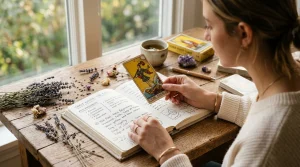
When beginning your Tarot journey, it’s helpful to familiarize yourself with the meanings of each card. A straightforward approach is to start with a daily card draw. This practice encourages you to engage with one card each day, noting its imagery, keywords, and how it resonates with your current life situation. Over time, this will enhance your ability to interpret the cards during a reading and build your confidence in your intuitive capabilities.
Remember, there are no “right” or “wrong” interpretations; what matters most is what the cards mean to you personally. Trust your instincts, and embrace the messages as they come. As you delve deeper, you’ll find that the Tarot becomes not just a tool for divination, but a companion in your personal growth and reflection. Whether you’re exploring the cards for fun or as a serious practice, keep an open heart and mind-after all, Tarot is here to guide you, not to tell you what to do.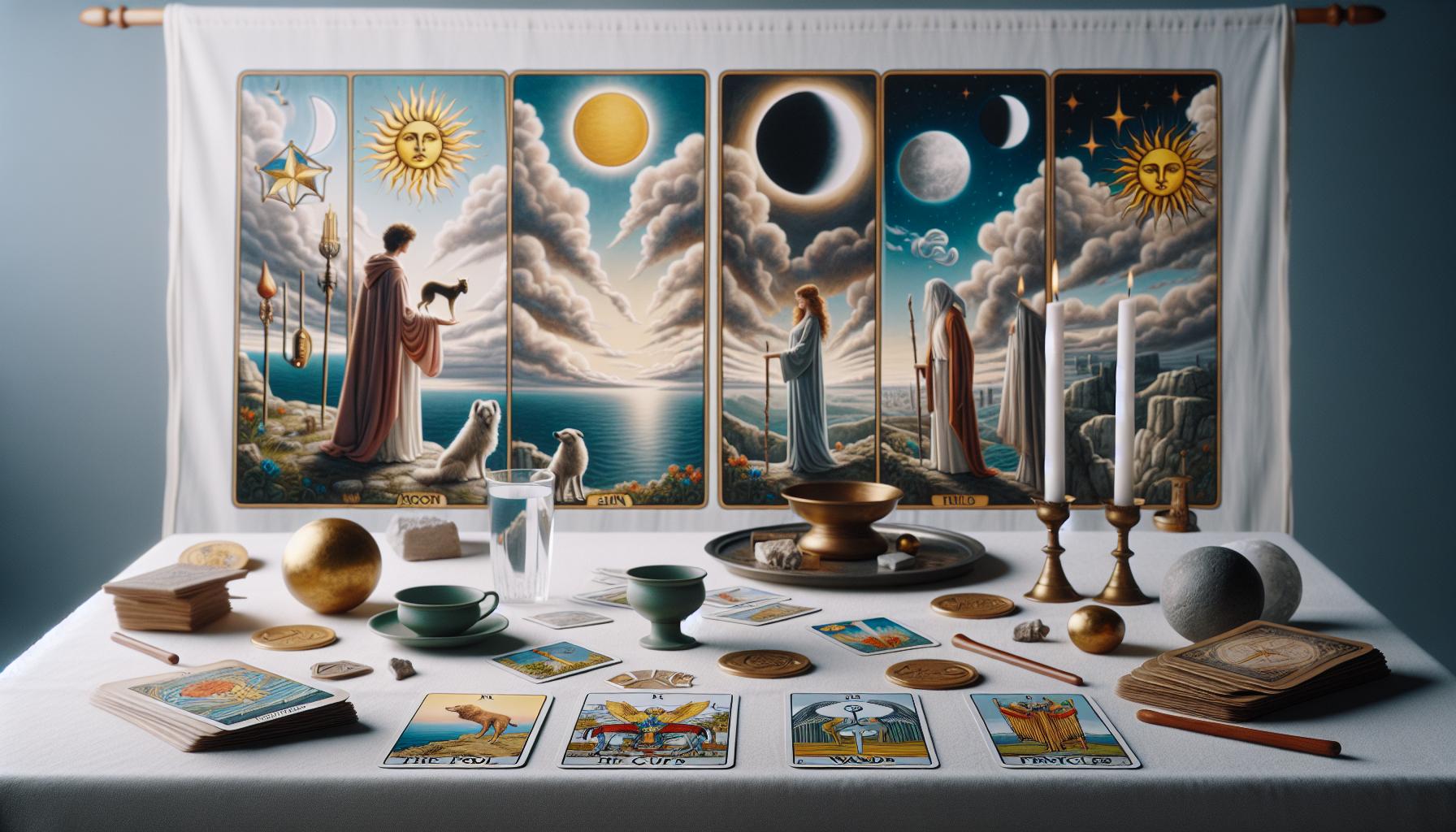
The Symbolism of Major Arcana Cards
The Major Arcana cards, consisting of 22 powerful symbols, represent the core lessons and significant spiritual themes of the Tarot. Each card in this section tells a unique story, encapsulating the journey of life, from the innocent beginnings of The Fool to the profound insights of The World. Understanding these archetypes allows you to tap into their wisdom and unlock their hidden messages, creating a deeper connection with your intuitive self.
The Major Arcana Cards
- The Fool (0): Represents new beginnings, spontaneity, and taking risks. It encourages you to embrace the unknown with an open heart, signaling a time for adventure and growth.
- The Magician (I): Symbolizes manifestation and resourcefulness. This card is a reminder that you have the tools and skills necessary to create your reality.
- The High Priestess (II): Embodies intuition, mystery, and the subconscious. She urges you to trust your inner voice and explore your inner world.
- The Empress (III): Represents fertility, abundance, and nurturing energy. This card invites you to connect with nature and embrace creativity.
- The Emperor (IV): Stands for authority, structure, and stability. He encourages you to take charge and establish order in your life.
- The Hierophant (V): Symbolizes tradition and spiritual guidance. This card often points you towards learning from mentors or adhering to established conventions.
- The Lovers (VI): Represents love, harmony, and decisions. This card highlights the importance of relationships and the balance between dualities.
- The Chariot (VII): Signifies willpower, determination, and overcoming obstacles. It suggests the need for focus and control to achieve your goals.
- Strength (VIII): Embodies courage, inner strength, and compassion. This card reminds you that vulnerability is a strength, and resilience will get you through tough times.
- The Hermit (IX): Represents introspection and solitude. This card encourages retreat and self-discovery, guiding you to seek inner wisdom.
- Wheel of Fortune (X): Symbolizes cycles, change, and destiny. It serves as a reminder that life is ever-changing, urging you to adapt to new circumstances.
- Justice (XI): Stands for fairness and accountability. This card prompts you to consider the consequences of your actions and seek balance in decisions.
- The Hanged Man (XII): Represents surrender and new perspectives. This card calls for patience and the willingness to let go of control.
- Death (XIII): Signifies transformation and endings. Rather than a literal death, it denotes significant change and the opportunity for rebirth.
- Temperance (XIV): Embodies harmony and balance. This card encourages moderation and the blending of opposites.
- The Devil (XV): Represents temptation, materialism, and restriction. It invites introspection on what holds you back and urges liberation from destructive patterns.
- The Tower (XVI): Symbolizes upheaval and revelation. This card often indicates a sudden change that lays the groundwork for growth and new understanding.
- The Star (XVII): Represents hope, inspiration, and serenity. This card encourages renewal and offers reassurance in times of despair.
- The Moon (XVIII): Embodies intuition, dreams, and the subconscious. It guides you to explore your emotions and face the fears that lurk below the surface.
- The Sun (XIX): Symbolizes joy, success, and vitality. This card radiates positivity and encourages you to celebrate life and its achievements.
- Judgement (XX): Represents reflection and awakening. It urges you to assess your past and make choices that align with your true self.
- The World (XXI): Signifies completion, fulfillment, and wholeness. This card indicates that you’ve come full circle and are ready to embark on new adventures.
As you explore each card, consider how their meanings resonate with your own experiences. For instance, drawing The Empress may invite you to nurture yourself or a project, while The Tower could indicate that an unexpected shift is needed in your life. By engaging with these intricate symbols, you not only learn the surface-level meanings but also develop a personal relationship with the cards, enhancing your intuitive reading abilities. Let the stories of the Major Arcana guide you on your path, making the complexities of life more understandable and enriching.
Exploring the Minor Arcana: Suits and Meanings
The Minor Arcana, composed of 56 cards, plays a crucial role in expanding the narrative of the Tarot beyond the life’s major lessons encapsulated in the Major Arcana. This section is divided into four suits-Cups, Pentacles, Swords, and Wands-each offering its own unique perspectives on daily life, relationships, ambitions, and challenges. Understanding these suits can empower you to tap into the more nuanced aspects of your experiences and the questions you seek to answer through Tarot.
Cups: Emotion and Connection
The suit of Cups is all about emotions, relationships, and connections. It represents our emotional landscape and often delves into themes of love, intuition, and creativity. For example, drawing the Two of Cups might signify a budding partnership or reconciliation, emphasizing mutual respect and emotional exchange. In contrast, the Three of Cups typically celebrates friendship and unity, hinting at joyful gatherings and shared celebrations.
Pentacles: Material Aspects and Stability
Next, the suit of Pentacles relates to the material world-finances, work, and physical wellbeing. It is grounded in practicality and signifies prosperity and stability. When you encounter the Ace of Pentacles, it suggests a new financial opportunity or the potential for growth in your career. Alternatively, the Five of Pentacles may indicate feelings of lack or insecurity, urging you to seek support and community during challenging times.
Swords: Intellect and Challenges
Swords symbolize the realm of thoughts, conflicts, and challenges. This suit’s themes often involve intellectual pursuits, truth, and sometimes turmoil. The Ace of Swords presents a breakthrough or clarity of thought, perhaps suggesting the beginning of a new perspective or a sharp insight. Conversely, the Ten of Swords often marks a painful ending or betrayal, reminding you of the necessity of facing difficulties head-on to pave the way for healing.
Wands: Action and Creativity
Lastly, the suit of Wands is associated with inspiration, passion, and the pursuit of goals. It embodies the energy of creativity and the drive to take action. The Three of Wands, for instance, signals expansion and foresight-it’s a call to look beyond the present and plan for the future. Meanwhile, the Seven of Wands is a testament to perseverance, urging you to stand your ground despite opposition.
Each suit’s cards carry powerful messages that can provide insight into your daily life. By familiarizing yourself with their meanings, you can enhance your Tarot readings, gaining clarity and navigating the complexities of your journey. For beginners, it’s helpful to reflect on the messages these cards convey and consider how they resonate with your current experiences. As you advance in your practice, try weaving together the messages from various suits to construct a more comprehensive understanding of the situations at hand.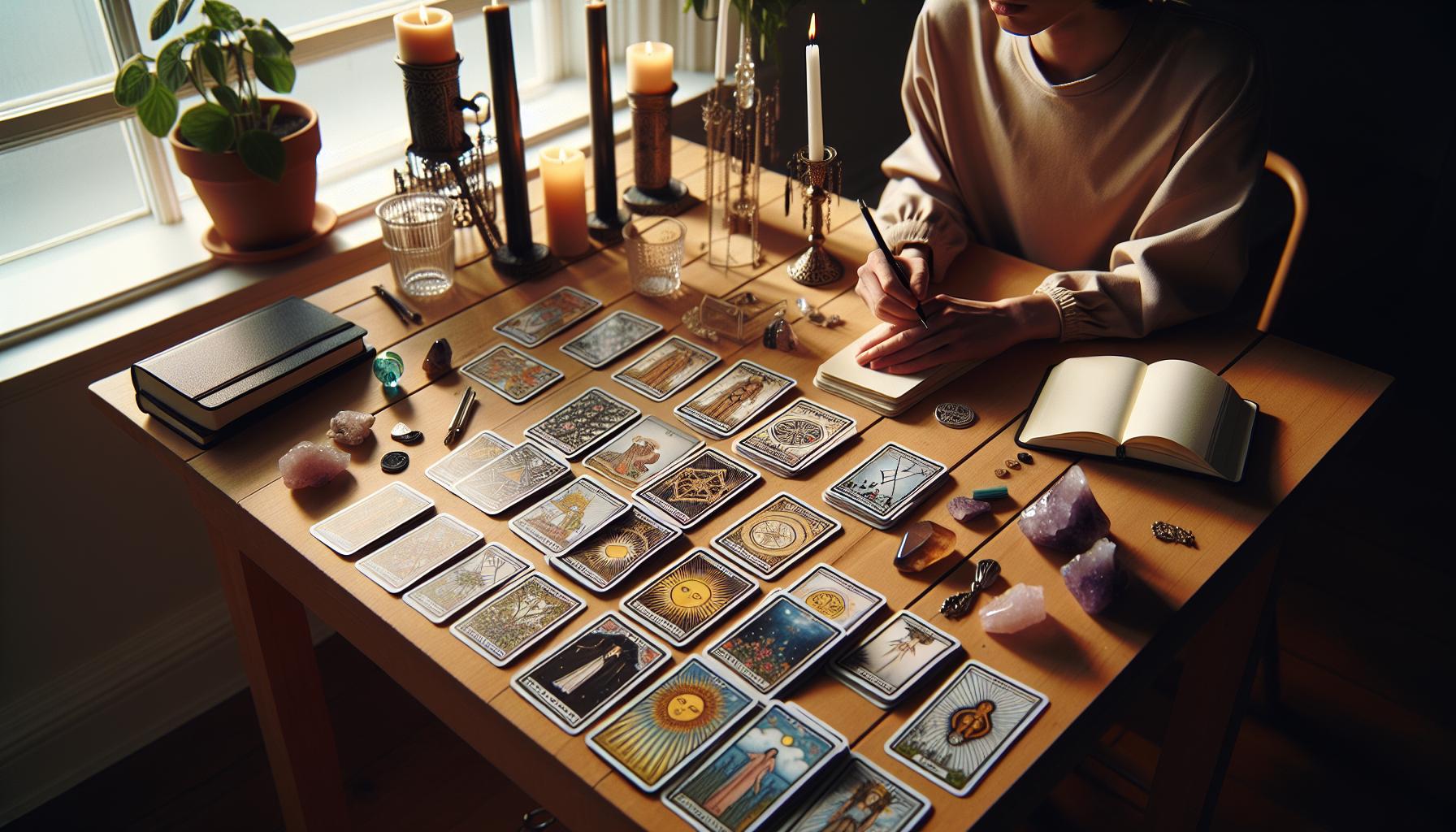
How to Read Tarot Spreads: Step-by-Step
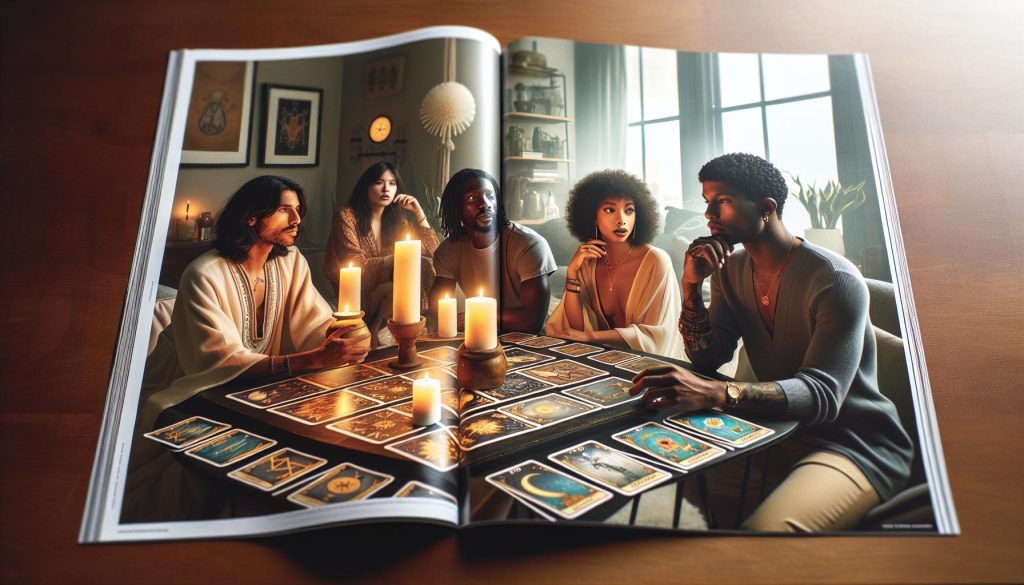
To truly harness the power of Tarot, understanding how to read spreads is essential. A spread is simply the layout of cards used in a reading, and each position in the spread offers different insights into your question or situation. Getting comfortable with various spreads and their purposes can greatly enhance your interpretative skills and deepen your connection with the cards.
Start by setting your intention. Before you shuffle the cards, take a moment to ground yourself and focus on your question or the area of your life you wish to explore. This might be a specific issue or a general inquiry about what you need to know right now. As you shuffle, let your thoughts flow freely, allowing your intuition to guide your connection with the deck.
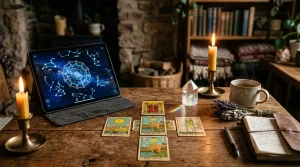
Once you’re ready, choose a spread that resonates with your inquiry. For beginners, the Three-Card Spread is a straightforward option that allows for a clear overview. Each card represents a different aspect of your question-typically the past, present, and future. If you’re feeling adventurous, try the Celtic Cross Spread, which offers a more detailed exploration with ten positions representing various elements of your situation, from your current challenges to the potential outcome.
After laying out your cards, begin interpreting their meanings based on their positions. Look at each card individually, considering its symbolism and how it fits within the context of your question. For example, if you draw the Knight of Wands in the present position when asking about a career decision, it might suggest a surge of creative energy that encourages you to take bold steps forward. However, always reflect on the cards as a collective narrative. How do they interact with one another? For instance, if that Knight appears alongside the Five of Swords (often related to conflict), you may need to balance enthusiasm with caution to avoid potential disagreements.
Finally, trust your intuition as you continue to practice. The meanings of Tarot cards can be deeply personal, and the more you engage with them, the more you’ll discover how they relate to your experiences. Whether you jot down your readings in a Tarot journal or share insights with others, each session offers opportunities for growth and reflection. Embrace the magic, and remember-Tarot is a journey, not just a destination.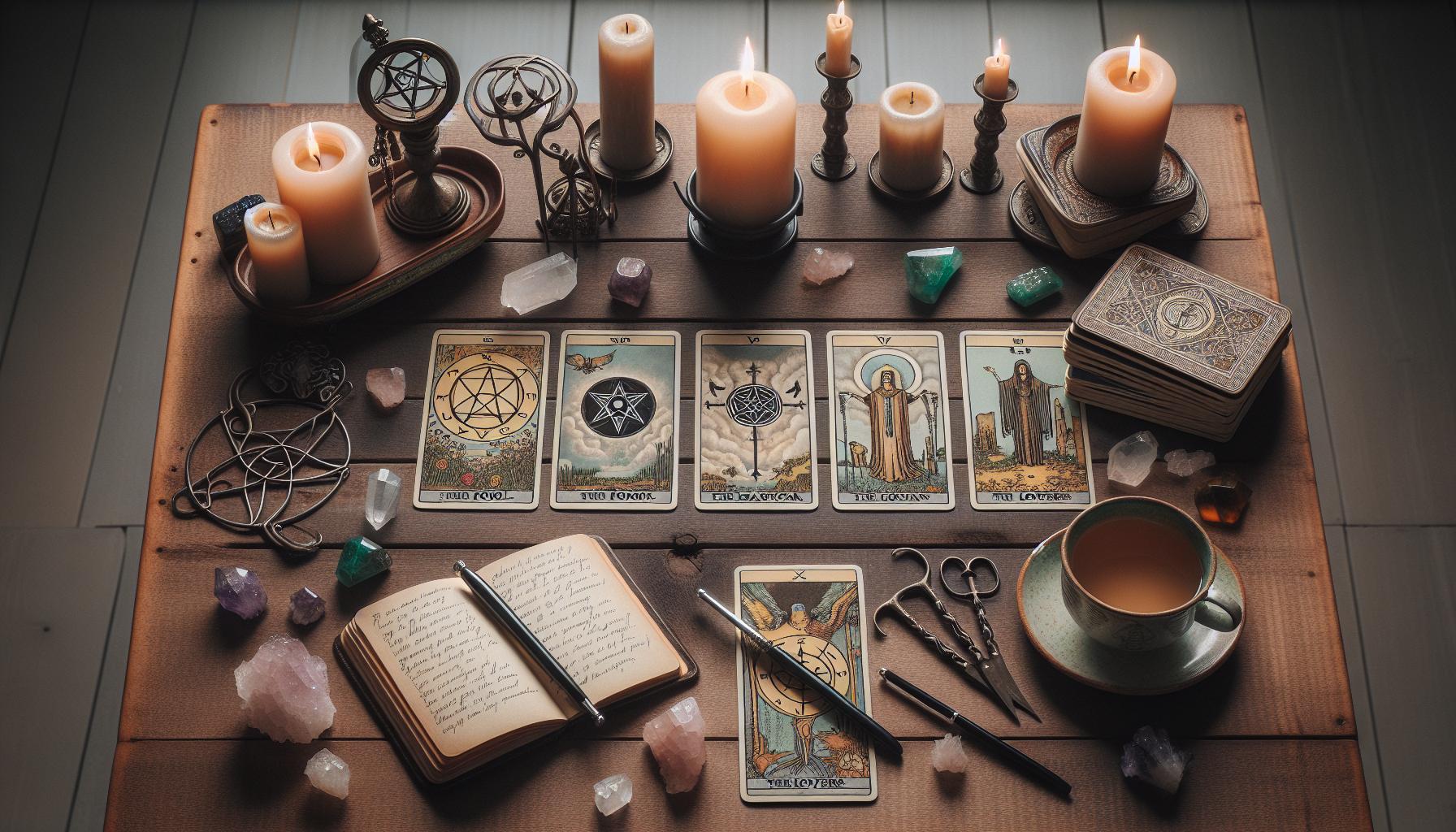
Common Tarot Spreads and Their Purpose
Understanding the layout of Tarot spreads is key to unlocking the rich messages contained within the cards. A Tarot spread refers to the arrangement of cards drawn during a reading, where each position has specific meanings that correspond to different aspects of your question or situation. Familiarizing yourself with common spreads can greatly enhance your interpretive skills, allowing you to decode your readings with clarity and depth.
The Three-Card Spread
Among the most popular starting points is the Three-Card Spread, ideal for beginners. This simple layout invites you to explore the past, present, and future concerning your query. For example, if you ask about a relationship, the first card may reveal past influences, the second card can shed light on your current feelings, and the third might suggest potential future developments. By focusing on these individual timeframes, it creates a cohesive narrative that helps you understand your journey.
The Celtic Cross Spread
For those looking for a deeper dive, the Celtic Cross Spread offers a comprehensive analysis. It consists of ten positions and is designed to uncover multiple layers of a situation. The first two cards provide insights into your current challenge and its root cause, while the subsequent cards illustrate past influences, future possibilities, and the ultimate outcome. This spread can be particularly revealing when dealing with complicated issues, revealing how different elements-like external influences and even your own hopes and fears-affect your path.
Other Notable Spreads
Additional spreads can cater to specific queries or needs. Consider trying the Relationship Spread, which uses a predetermined number of cards to explore dynamics between two people, or a Career Spread that focuses on professional decisions. Each spread serves a unique purpose, helping you frame your questions and interpret the cards in relation to your life’s context.
Embracing Your Intuition
As you experiment with various spreads, it’s essential to remember that the meanings of the cards can be deeply personal. Trust your intuition as you read, allowing the energy of the cards and your own feelings to guide your understanding. Engaging with the Tarot in a heartfelt way brings forth its true magic, transforming each session into a meaningful dialogue between you and your inner self. Whether you’re using the spreads for personal reflection or guidance, the goal is to foster self-awareness and clarity through the journey.
Unlocking Your Intuition: Tips for Daily Readings
To truly connect with the wisdom of Tarot, developing your intuition is essential. Every reading offers a unique opportunity to tap into not only the card meanings but also your inner voice guiding you along your journey. Start each day with intention. Before your daily reading, find a peaceful space where you can clear your mind, allowing yourself to be present. Take a few deep breaths, and as you exhale, visualize any distractions floating away. This grounding practice opens the door to deeper insights.
As you delve into your cards, remember that each card has its traditional meanings, but your interpretation can evolve. Consider keeping a Tarot journal, where you can note the cards drawn each day along with your personal reflections and feelings. Over time, patterns will emerge, helping you tune into your unique intuitive style. For instance, if you draw The Fool, which often symbolizes new beginnings, reflect on what fresh starts might be relevant in your life. Do you feel ready for a change? Taking a moment to explore your emotions about the card’s context creates a richer reading experience.
Daily Reading Techniques
- Keep It Simple: Start with a single card each morning. Ask yourself what guidance you need for the day ahead. This method helps you focus on a specific aspect of your life and encourages clarity.
- Use Spreads Wisely: If you feel comfortable, incorporate simple spreads like the Three-Card Spread to draw connections over a longer period. This approach broadens your understanding by illuminating past influences, present dynamics, and future possibilities.
- Embrace Challenges: Don’t shy away from difficult cards. For example, The Tower may indicate unexpected change or upheaval, but it can also be a transformative moment, paving the way for growth. Exploring the deeper implications of these cards can foster resilience and insight.
Trusting your intuition is an evolving journey. When you encounter uncertainty, approach the cards with curiosity rather than judgment. Each reading is a conversation with your inner self, full of possibilities and revelations. Remember, it’s not about predicting the future but rather empowering you to make informed decisions that resonate with your authentic self. With each reading, you’re not just decoding symbols; you’re nurturing a profound connection to your inner guidance.
Interpreting Card Combinations for Deeper Insight
Understanding how cards interact when drawn together can significantly enhance your readings. Each card’s meaning can shift based on the cards around it, creating a rich tapestry of insights that reflect complex situations. For instance, if you pull The Lovers alongside The Tower, the combination may suggest a tumultuous relationship that is undergoing a significant change. This dynamic interplay invites you to look deeper, encouraging you to explore not just the individual meanings but also the story woven between them.
To master interpreting card combinations, consider a few practical techniques that can clarify their collective message. Start by examining the core meanings of each card. Write them down separately, and then contemplate how they relate to each other. Ask questions like, “How does the challenge presented by this card affect the opportunity presented by that one?” For example, pairing the Two of Swords (indecision) with the Ace of Wands (new beginnings) might indicate that a choice needs to be made before pursuing exciting new ventures.
Getting Started with Combinations
- Contextual Relevance: Always think about the overall context of your reading. The situation at hand will heavily influence how cards interact.
- Emotional Flow: Pay attention to the emotional tone of card combinations. Do they evoke harmony, conflict, or tension? This can guide your interpretation.
- Symbolic Imagery: Look for visual themes or symbols that connect the cards. This might reveal underlying patterns or themes relevant to your question.
As you gain confidence in interpreting combinations, you can experiment with more complex spreads and relationships. For example, a three-card spread revealing Past, Present, and Future can show how past influences affect current decisions and shape future developments. This layered reading encourages you to consider not only the immediate implications but also the longer-term effects on your journey.
Balancing intuition with traditional meanings allows for a richer understanding of tarot. Every reading is an opportunity to engage in a dialogue, both with the cards and your own intuition. Remember, there are no strict rules; your unique interpretations will emerge with practice and reflection, making your tarot experience deeply personal and transformative.
The History of Tarot: From Mystical Roots to Modern Use
The origins of Tarot are steeped in mystery and fascinating historical shifts. Initially, Tarot cards appeared in the 15th century as a simple card game in Europe-an entertainment for noble circles. However, their destiny transformed dramatically in the 18th century when mystics and scholars began to connect these cards to deeper esoteric meanings and spiritual practices. This shift laid the groundwork for Tarot as a tool for divination, allowing individuals to tap into their intuition and the subconscious.
From Gaming Cards to Divination Tools
The earliest decks, like the Visconti-Sforza, contained richly illustrated cards predominantly featuring the Minor Arcana, which focused on day-to-day experiences. The trump cards, or Major Arcana, were progressively infused with allegorical images that conveyed rich spiritual narratives. Each card began to symbolize specific life lessons or archetypes, creating a bridge between the material and spiritual realms. For instance, The Fool represents new beginnings, adventure, and the courage to take risks, inviting seekers to embrace uncertainty and potential.
As Tarot moved into the modern age, the mystique surrounding it grew. Notable figures, such as Antoine Court de Gébelin in the 18th century, claimed that Tarot held ancient wisdom linking it to Egyptian mysticism. These associations, while debated by historians, further fueled interest in Tarot for self-discovery and personal growth. This transition highlighted Tarot’s role as a therapeutic tool, enabling users to reflect on their lives and thoughts, making it accessible to those seeking spiritual answers-whether skeptics or seasoned practitioners alike.
The Modern Tarot Renaissance
Today, Tarot continues to evolve, driven by a diverse community that embraces its use for personal insight, creativity, and connection. Contemporary readers often use it not only for fortune-telling but also as a means of storytelling and emotional healing. Each card, laden with symbolism, invites introspection. For example, pairing The Empress, symbolizing abundance and nurturing, with The Hanged Man can suggest a need to pause and reassess how you create and receive love and support.
The resurgence of Tarot reflects a greater societal trend towards holistic wellness and self-care. People are increasingly viewing these cards as mirrors of their inner landscapes, offering guidance rather than fixed predictions. Engaging regularly with Tarot through journaling or community readings can deepen understanding and encourage a sense of empowerment, reminding us that we are each capable of navigating our journeys with intuition and insight.
In summary, from its playful beginnings to its modern role as an instrument for personal reflection and growth, Tarot persists as a captivating blend of art, psychology, and spirituality. Whether you are just beginning your Tarot journey or have years of experience, embracing the history behind the cards can enhance your readings and enrich your relationship with the symbols and lessons they hold.
Demystifying Tarot: Addressing Common Misconceptions
Many people have misconceptions about tarot cards, often seeing them as mysterious tools for predicting the future or fated outcomes. However, this perspective overlooks the true essence of tarot: it is a method of self-reflection, insight, and personal growth. The cards serve as mirrors, reflecting your inner thoughts and feelings while empowering you to explore your life from different angles. Recognizing that tarot does not dictate your fate, but rather helps you navigate the choices before you, is a crucial first step in demystifying this powerful practice.
One widespread myth is that tarot is solely a fortune-telling device. In reality, while some might use tarot to gain foresight about potential events, its primary purpose is to stimulate your intuition and foster greater understanding of your current situations. For instance, if you draw the Three of Swords, often associated with heartbreak or sorrow, it can prompt you to examine emotional wounds and lead to healing through self-awareness rather than predicting doom. This card can encourage dialogue about your feelings and highlight paths toward recovery and self-empowerment.
Another common belief is that only experts can read tarot cards. In truth, anyone can learn to interpret the cards! Start with simple spreads-like the three-card spread, which often represents your past, present, and future. With practice, you’ll develop personal meanings for each card, enhanced by your own experiences and insights. Embrace the cards as a language of symbols and archetypes that speak uniquely to you. Remember, the more you read, the more attuned you’ll become to the nuances of your interpretation.
It’s also important to address the fear that tarot cards may somehow reveal dark secrets or bring negative energies into your life. This notion can be daunting, but the truth is that the cards reflect your current state and facilitate a dialogue with your subconscious. By understanding that you have control over the meanings and insights you extract, you can engage with tarot in a way that feels safe and affirming. Whether you’re seeking clarity on a decision or guidance through emotional turmoil, approaching the cards with an open mind and heart can lead to transformative insights that encourage growth and personal empowerment.
Ultimately, freeing tarot from its stereotypical perceptions opens up a world of potential for exploration and understanding. It’s an invitation to deepen your relationship with yourself and navigate life’s complexities with confidence. Embrace the journey with tarot; it’s not about predicting the future but unlocking the hidden messages within yourself.
Enhancing Your Practice: Tarot Journaling Techniques
Keeping a tarot journal can be a transformative practice that enhances your understanding of the cards and deepens your connection to your intuitive self. By documenting your readings, thoughts, and feelings, you create a personal archive that allows you to track your progress, recognize patterns, and gain insights over time. The act of writing can also clarify your thoughts and feelings, serving as a therapeutic outlet for reflection and growth.
One effective technique to kick start your tarot journaling practice is to begin each entry with a specific question or intention. Consider what you wish to explore-whether it’s a situation in your life, an emotional state, or a general inquiry about your path forward. Following your card draw, note down each card’s position in the spread, its imagery, and initial impressions. This grounding approach not only captures your immediate reactions but also lays the foundation for deeper analysis later.
Key Elements to Include in Your Journal
To maximize the benefits of your tarot journaling, consider incorporating the following elements:
- Date of reading: Track when you performed the reading for future reference.
- Question/Intent: Clearly state your intention or question to focus your reading.
- Card Draws: List the cards drawn along with their positions and any reversed meanings.
- Initial Impressions: Record your gut feelings and interpretations about each card.
- Deeper Reflection: After some time, revisit your entries. How do your interpretations shift as you gain insights?
Another powerful technique is to create a “card of the day” practice. Each morning, pull a card and write about its potential influences on your day. Consider how its themes might manifest in your experiences or decisions throughout the day. At the day’s end, reflect on your entries-did the card resonate? How did it guide your choices or thoughts? This method encourages you to actively engage with the symbolism of the cards in real time and reinforces the habit of journaling.
Finally, remember that there’s no one “right” way to keep a tarot journal. Your entries can include sketches, quotes, or even dreams related to the card meanings you explore. Embrace your personal style; let your journal become a safe space for experimentation. As you consistently document your tarot journey, you’ll find clarity and encouragement in your personal growth, emerging as a more confident and intuitive reader.
Using Tarot for Personal Growth and Reflection
Tarot is more than just a tool for divination-it can serve as a powerful instrument for personal growth and self-reflection. Each card in the Tarot deck carries its own unique message, and by engaging with these cards, you can uncover insights that illuminate your inner world. Whether you seek clarity in moments of confusion or guidance in your everyday life, the cards can act as mirrors reflecting your thoughts, fears, and aspirations.
To begin harnessing Tarot for personal growth, consider incorporating a variety of spreads into your practice. A Three-Card Spread, for instance, can help you explore your past, present, and future regarding a specific issue. The first card might highlight past influences, the second could reveal your current situation, and the third may point toward future possibilities. When interpreting these cards, think about how they relate to your feelings and experiences, creating connections that resonate with your personal journey.
Another effective method is the “Card of the Day” practice, where you pull one card each morning. As you contemplate its meaning, ask yourself how its themes might manifest throughout your day. Did the card represent a challenge you faced, or did it highlight an opportunity for growth? Reflecting on its relevance at the end of the day can deepen your understanding of both the card and yourself.
It’s also beneficial to document your experiences and insights in a Tarot journal. This practice not only helps to articulate your thoughts but also allows you to track your progress over time. Include the card drawn, your interpretations, and any emotions or situations that arose during the day. By revisiting your entries, you’ll often discover patterns that reveal how you’ve changed and what you’ve learned.
Utilizing Tarot for personal reflection invites a deeper relationship with your intuition. The consistent practice of engaging with the cards encourages you to listen to your inner voice and recognize the wisdom it holds. This journey is about exploration and understanding, welcoming both skeptics and believers alike into the transformative space that Tarot can provide. Remember, there are no fixed answers; the beauty of Tarot lies in the questions it prompts and the personal insights it fosters.
Frequently asked questions
Q: What are the key meanings of Tarot cards?
A: Tarot cards convey a range of meanings, often reflecting life experiences and emotions. Major Arcana cards represent significant life themes, while Minor Arcana cards focus on daily events. For deeper insights, familiarize yourself with card symbolism and connect your feelings during readings. Explore more in our section on The Symbolism of Major Arcana Cards.
Q: How can I interpret reversed Tarot cards?
A: Reversed Tarot cards often indicate internal conflicts or blocked energies. They can suggest the need for introspection or highlight aspects of a situation that require attention. To understand reversals better, refer to our article on Everything About Reversed Tarot Cards for detailed insights and practical approaches to reading them.
Q: What should I do before my first Tarot reading?
A: Before your first reading, create a calm environment and clear your mind. Focus on your intentions-what you wish to understand or accomplish. It helps to ask open-ended questions to gain deeper insights. For step-by-step guidance, check our How to Read Tarot Spreads: Step-by-Step section.
Q: Can Tarot cards help with decision-making?
A: Yes, Tarot cards can aid in decision-making by providing new perspectives on situations. They encourage you to reflect on your choices and the emotions tied to them. Consider using Tarot as a journaling tool for deeper reflection, as explained in our Enhancing Your Practice: Tarot Journaling Techniques section.
Q: How do I choose a Tarot deck that resonates with me?
A: Choosing a Tarot deck is a personal journey. Look for a deck whose artwork and symbolism speak to you. Reading reviews and exploring various styles can help. Visit local shops to handle the decks or explore images online before you buy. For more on starting out, see our Understanding Tarot Cards: A Beginner’s Guide.
Q: What is the difference between Major Arcana and Minor Arcana cards?
A: Major Arcana cards symbolize significant life events, spiritual lessons, and profound themes, while Minor Arcana cards pertain to everyday occurrences and challenges. Understanding their differences enhances your readings and insights. Delve into this topic in our Exploring the Minor Arcana: Suits and Meanings section.
Q: What does it mean to perform a Tarot spread?
A: A Tarot spread refers to the layout of cards drawn during a reading, each position having its significance. Tarot spreads help to organize thoughts and focus on specific areas of your life. For various types of spreads and their purposes, explore Common Tarot Spreads and Their Purpose.
Q: How can I enhance my intuition while reading Tarot cards?
A: To enhance your intuition, practice mindfulness and listen to your inner voice. Journaling your feelings about each card helps strengthen your connection. Regular reading practice and reflection on outcomes can also deepen your intuitive insights. Learn more about tapping into your intuition in Unlocking Your Intuition: Tips for Daily Readings.
Insights and Conclusions
As we conclude our exploration of what Tarot cards mean and how they unlock hidden messages, it’s clear that these mystical tools can offer profound insights into our lives. Whether you’re a novice eager to start your journey or an experienced reader deepening your understanding, remember that each card holds a unique story awaiting your discovery. If you’re curious about how specific Tarot cards predict good luck, check out our article on the six Tarot cards that symbolize fortune here.
Feeling inspired? Take the next step! Consider joining our community by signing up for our newsletter to receive regular updates, tips, and exclusive content that will enhance your Tarot reading practice. And if you’re wondering which Major Arcana card embodies your current energy, explore our fun quiz here.
Don’t let your curiosity end here! Dive deeper into the world of Tarot by exploring related articles and resources, and share your thoughts in the comments below. Each reading is a chance to connect with your intuition and discover pathways of growth and understanding. Embrace the journey-your Tarot adventure awaits!
Unveiling the Subconscious: How to Read Tarot What Is Hidden Behind the Surface
While many consult cards for practical life milestones, the true transformative power of cartomancy lies in reading tarot what is hidden beneath conscious awareness. When situations feel opaque, deceptive, or emotionally blocked, specialized cards act as searchlights illuminating the unseen.
The primary archetypes that signal hidden dynamics include:
- The High Priestess (Card II): Represents esoteric wisdom, unspoken secrets, and intuitive currents that have not yet manifested in the physical world.
- The Moon (Card XVIII): Points to unconscious anxieties, illusions, obscured motives, and things lingering in deep shadow.
- Seven of Swords: Warns of concealed agendas, covert maneuvers, or unspoken truths that someone is withholding.
To reveal hidden factors in any reading, draw a clarifying card directly beneath your central question and ask: “What hidden truth am I currently refusing to see?” Trusting the response unlocks rapid breakthroughs and dispels illusions.
Get our latest guides, news, and insights highlighted in your Google Search & AI Overviews.