Did you know that reversed tarot cards can offer some of the most powerful insights in a reading? While many see an upright card as a straightforward message, its inverted counterpart can reveal hidden challenges, missed opportunities, or internal conflicts. Understanding what these reversed cards mean is essential for anyone looking to deepen their tarot practice. As you explore the nuances of inverted messages, you’ll find that they can illuminate your path, highlighting areas for growth and self-discovery. This guide will walk you through the significance of reversed cards, helping you to embrace their teachings with confidence. Whether you’re a seasoned reader or just starting out, unlocking the wisdom of inverted tarot will enrich your understanding and empower your intuitive skills. Ready to unravel the mysteries? Let’s dive in!
What Is a Reversed Tarot Card?
When exploring the realm of tarot, understanding reversed cards can feel like stepping into a shadowy alley of insight and mystery. A reversed tarot card occurs when a card appears upside down in a reading, altering its traditional meanings and encouraging a deeper reflection on the situation at hand. This inversion often reveals underlying dynamics, challenges, or hidden potentials that might not be as readily apparent when the card is upright.
Reversed cards can encompass a wide array of interpretations, from reflecting internal struggles and missed opportunities to suggesting a need for change or caution. They may signal repressed emotions, blockages, or a different perspective on familiar themes. For instance, while the upright Lovers card typically symbolizes harmony and partnership, its reversed counterpart could signify disharmony or choices that lead to dissatisfaction. This shift invites readers to consider what aspects of their lives may warrant attention or reevaluation.
In practice, approaching reversed cards requires a blend of intuition and methodical analysis. It’s helpful to begin by noting the standard meaning of the card and then consider how its reversal modifies that interpretation. For beginners, keeping a tarot journal can be a great way to track your readings and personal reflections. Recording your thoughts about reversed cards as they appear in your spreads will enhance your understanding over time. As your confidence grows, you may also explore how reversed positions interact with surrounding cards, as they can amplify or soften each other’s meanings, creating a rich tapestry of guidance.
Ultimately, reversed tarot cards are not to be feared; rather, they are valuable tools that can illuminate hidden aspects of your journey. Whether you see them as warnings, invitations to change, or insights into your internal landscape, embracing their messages can lead to profound personal growth and empowerment.
Understanding Inverted Meanings in Tarot
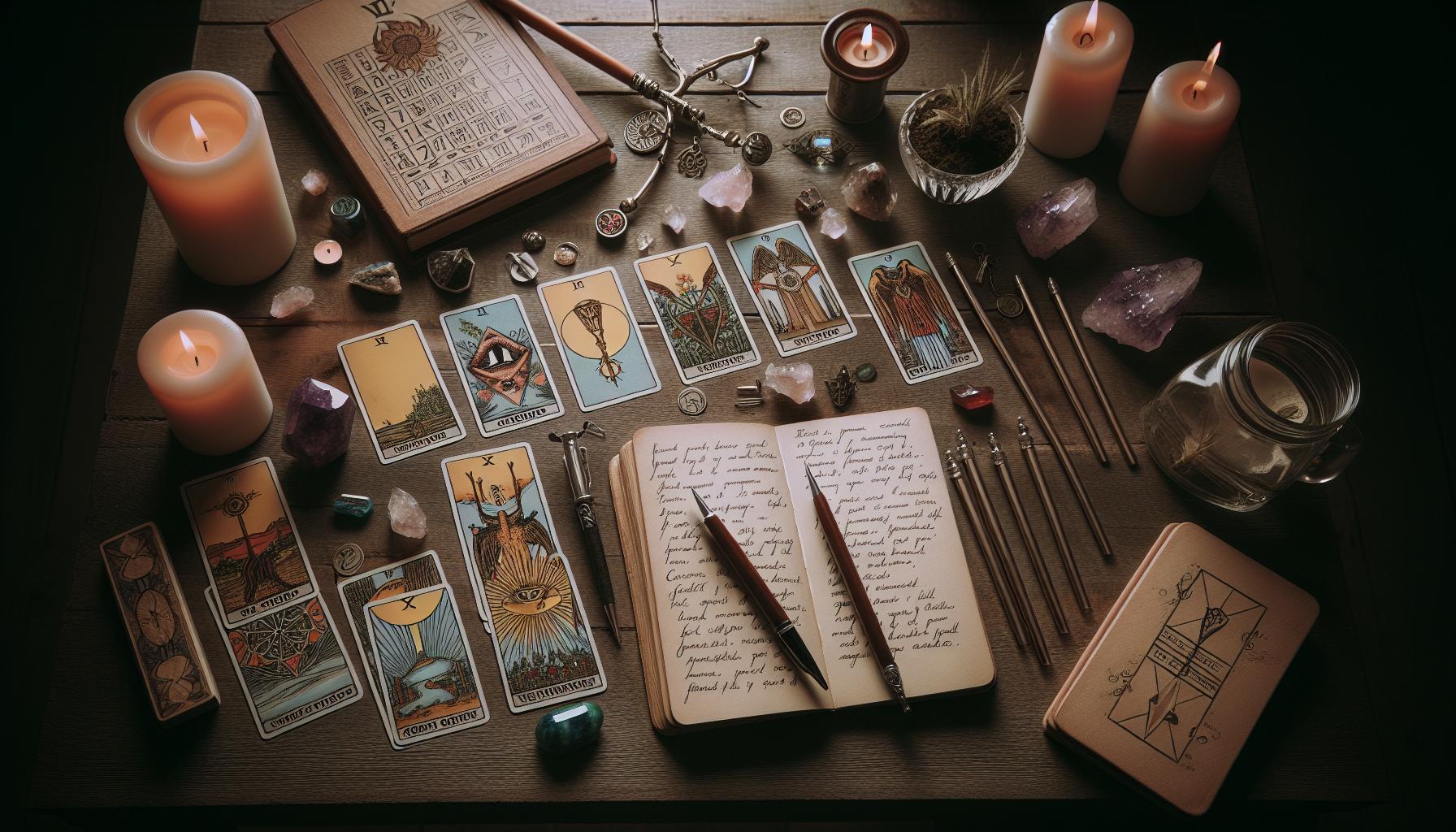
When a tarot card is drawn reversed, it invites a nuanced interpretation, often diving deeper into the situation at hand. Reversed cards can illuminate aspects of our lives that may be overlooked or neglected. Instead of merely indicating obstacles, these inverted meanings often highlight internal conflicts, imbalances, or the need for self-reflection. This inversion encourages us to explore not only what is happening externally but also what is occurring within.
To grasp the full implications of an inverted card, it’s helpful to consider its traditional meaning. For instance, if you draw the Eight of Cups while upright, it symbolizes the act of moving on or leaving behind what is no longer fulfilling. However, when this card appears reversed, it could indicate fear of change or a reluctance to abandon the familiar, even when it’s detrimental. This understanding allows you to root your analysis in the context of the querent’s emotions, ultimately offering a path towards clarity and healing.
Practically speaking, engaging with reversed meanings involves a listening ear and an open heart. As you analyze a spread, you might ask yourself questions like:
- What fears or doubts could this reversal reveal?
- How might this card’s energy manifest in a self-sabotaging way?
- Are there lessons here about balance, patience, or acceptance?
By pondering these areas, you can develop a richer understanding of the inverted message.
It’s also important to remember that no two readings are identical. Every reversed card serves as a prompt for deeper inquiry, allowing you to embrace the layers of meaning that lie within it. Trust your intuition as you interpret these inverted cards. They don’t signal an end; instead, they often point to an opportunity for transformation and growth, pushing you to confront the shadows in order to step into the light with renewed strength and insight.
Common Misconceptions About Reversed Cards

Many people approach tarot with preconceived notions, particularly when it comes to reversed cards. One prevalent misconception is that reversed cards are inherently negative or ominous. This idea can create an unnecessary fear or reluctance to engage fully with the tarot. In reality, reversed cards offer a rich tapestry of insights and serve as invitations for reflection rather than mere indicators of doom. They can reveal hidden aspects of our lives, such as fears, patterns, or lessons that need recognition.
Another common misunderstanding is that reversed cards merely flip the upright meanings to their opposites. While inversions can reveal contrasts, they often provide deeper, more nuanced interpretations. For instance, the reversed Three of Swords, which typically represents heartbreak or sorrow when upright, might not simply mean the absence of pain. Instead, it could suggest healing, the release of emotional baggage, or even acknowledgment of the self-deceptive narratives that lead to suffering. Recognizing this complexity is essential for a well-rounded reading.
Many also believe that reversed cards automatically indicate failure or loss in a situation. However, this viewpoint overlooks the fact that the energy of a reversed card can often signify a need for introspection or a pause. For instance, the reversed Knight of Wands might not indicate stagnation but rather a time to reassess goals and align action with a more authentic vision. This provides a chance to forge a path that genuinely resonates with the querent’s desires rather than merely reacting to external pressures.
In navigating the misconceptions around reversed cards, it is helpful to approach each reading with an open mind and a willingness to explore the depths of each card’s meaning. Embrace the inverted messages as complex and transformative rather than simplistic or threatening. By doing so, you allow the cards to guide you toward personal growth, insight, and understanding, reinforcing the idea that tarot is a tool of empowerment for everyone.
How Reversed Cards Alter Card Meanings
Reversed tarot cards hold a depth of meaning that often escapes first-time readers. These inversions are not simply the opposite of their upright positions; they offer a counter-narrative to the conventional interpretations, inviting self-reflection and deeper understanding. When a card appears reversed, it can reveal internal struggles, hidden influences, or the need for self-examination. This rich layer of complexity prompts querents to look beyond surface-level readings and engage with the subtleties of their life situations.
For example, consider the reversed Four of Cups. Upright, this card often denotes contemplation and missed opportunities, typically suggesting dissatisfaction or apathy. However, when reversed, it transforms into a symbol of awakening or acceptance. It may signal that the querent is finally ready to let go of old disappointments and open themselves up to new possibilities. This shift encourages a proactive approach to life, emphasizing the importance of seizing opportunities rather than letting them slip away through inaction.
Additionally, reversed cards can indicate a need for balance and self-awareness. The reversed Justice card might suggest that the querent is avoiding accountability or struggling with fairness in their life. This indication does not merely point to injustice but can also highlight the importance of introspection and realignment with one’s values. By focusing on the internal aspects of situations rather than the external, reversed cards invite a profound journey toward personal growth and understanding.
Incorporating reversed cards into your practice doesn’t require abandoning traditional meanings but rather enhancing them. Start by intentionally exploring the themes of introspection and self-discovery that these inversions bring. As you draw cards, ask yourself questions like, “What hidden lessons might this card reveal?” or “How does this reversal speak to my inner world?” This approach can help you harness the full potential of each reading, transforming your tarot practice into a deep well of insight and personal empowerment. Remember, every card, upright or reversed, is a guide pointing you toward deeper truths in your life journey.
The Symbolism Behind Essential Reversed Cards
In the art of tarot reading, each card carries a rich tapestry of meanings, but when these cards appear reversed, their symbolism transforms and deepens, opening new realms of interpretation. Reversed cards are mystical mirrors reflecting internal conflicts, hidden desires, and lessons waiting to be uncovered. For many readers, these inversions reveal nuances that are often overlooked, encouraging a journey of self-discovery and introspection.
Take the reversed Fool as an illustrative example. Upright, the Fool embodies new beginnings, spontaneity, and the exhilaration of the unknown. However, when reversed, it may signal recklessness, folly, or a reluctance to embrace change. This card’s reversal prompts the querent to consider whether they are avoiding essential risks or learning from past mistakes. Are they standing at the edge of a new journey without the readiness to leap? Such reflections can catalyze a profound understanding of where one might be stalling in life.
Another essential card, the reversed Tower, can evoke strong emotions. Upright, the Tower represents sudden upheaval and chaos, often resulting in necessary growth. Inversely, its symbolism may indicate the avoidance of change or the denial of inevitable truths. The Querent must ask themselves if they are clinging to crumbling structures out of fear. Embracing this reversal offers an opportunity to address what is no longer serving them, fostering courage to dismantle old foundations and build anew.
Reading reversed cards invites a careful exploration of these layered meanings. When you draw a reversed card, consider the underlying messages it may hold. Reflect on these questions as you read: What areas of my life resist change? What internal struggles are being revealed? By engaging with the symbolism in this way, readers can cultivate a deeper understanding of their own narratives, making space for transformation and healing in their tarot practice. Harnessing the wisdom of reversed cards not only enriches readings but also empowers querents on their paths toward clarity and insight.
Practical Tips for Reading Inverted Cards
When reading reversed tarot cards, it’s essential to approach them with an open mind and a keen sense of curiosity. Inversions often reveal deeper layers of meaning and can serve as powerful tools for introspection and growth. To effectively interpret these cards, consider incorporating the following practical strategies into your reading practice.
Firstly, familiarize yourself with the upright meanings of each card before delving into their reversed interpretations. Understanding the positive attributes and themes associated with each card provides a solid foundation for recognizing how these meanings may shift when inverted. For example, the upright Chariot symbolizes control and determination; when reversed, it may highlight a lack of direction or feelings of being overwhelmed. Knowing this contrast will enhance your ability to decode the message of the reversed card.
Next, integrate reflective questioning into your readings. When a card appears reversed, ask yourself questions that probe into the querent’s life. Such inquiries might include:
- What internal conflicts might I be facing?
- How am I resisting change, and why?
- Are there old habits or beliefs that need to be released?
By framing your interpretation within these questions, you create an interactive dialogue with the tarot, allowing for profound insights to emerge.
Additionally, consider using journaling as a tool for deeper engagement. When you draw a reversed card, take a moment to write down your initial thoughts and feelings about it. This practice not only enhances intuition but serves as a personal reference point for future readings. Over time, you can revisit these entries to identify trends or recurring themes that may offer clarity about ongoing struggles or revelations in your life.
As you grow more comfortable with reading inverted cards, remember to balance your interpretations with compassion and encouragement. Reversed cards can sometimes indicate challenging situations or emotional turmoil, which might provoke discomfort. Approach these insights gently, emphasizing the potential for growth and learning. This mindset fosters an environment where both you and the querent can explore the transformative power of these messages without fear or judgment.
Guidelines for Creating Inverted Tarot Spreads
Creating inverted tarot spreads can be a transformative approach to get the most out of your readings, especially when dealing with reversed cards. Reversed cards often highlight hidden challenges, internal conflicts, or areas for growth. A well-structured spread specifically tailored for these cards allows for a deeper exploration of their inverted meanings.
Start by determining the purpose of your inverted spread. Are you seeking insight into a specific situation, personal growth, or understanding your emotional landscape? For instance, a three-card spread can be tailored for a quick check-in. The first card might represent the current obstacle, the second your feelings surrounding this challenge, and the third what wisdom you can draw from it. This straightforward approach invites clarity while still allowing for depth.
When laying out your cards, be intentional about the placement. You might consider a circular spread to symbolize the cyclical nature of growth and challenges. As you interpret the cards, focus on how the reversed meanings connect to the positions. For example, if you draw the reversed Tower as your current obstacle, it could signify a fear of change or an unwillingness to let go-powerful insights that guide your reflective practice.
Lastly, encourage yourself to engage with the spread interactively. After drawing the cards, take a moment for free writing or journaling. Reflect on how the reversed meanings resonate with your personal experiences. This practice not only deepens your understanding of the cards but also fosters a loving space for self-discovery. Remember, creating an inverted spread is about welcoming the lessons these cards offer, transforming challenges into opportunities for enlightenment and growth.
Cultural Perspectives on Reversed Tarot Cards
Cultural interpretations of reversed tarot cards can significantly vary across different traditions and belief systems. In an age where tarot is often embraced as a tool for self-discovery and personal reflection, the significance given to inverted cards can illuminate broader cultural perspectives on intuition, healing, and growth.
In many Western practices, reversed cards are perceived as bearers of caution or introspection. They might suggest the need for inner work or indicate that a situation is not what it seems. For instance, the reversed Fool could reflect a call to reconsider reckless decisions or heed warning signs. Conversely, in Eastern traditions, where balance and duality are often fundamental, reversed cards can symbolize the interplay of opposing forces. A reversed Death card, rather than predicting an ending, might encourage a deeper understanding of transformation and renewal, emphasizing that endings are inherently linked to new beginnings.
Across cultures, there’s a shared recognition of the duality present in the human experience. Reversed cards often serve as a reminder that challenges and growth are two sides of the same coin. In Indigenous cultures, for example, there’s a profound respect for the lessons that come from difficult times. Reversed cards might be seen as invitations to delve deeper into one’s emotions and explore unresolved issues. This perspective promotes a healing process where confronting the shadow self paves the way for personal enlightenment.
To better incorporate these cultural insights into your readings, consider the following practices:
- Explore Historical Contexts: Research how different cultures interpret the meanings of specific cards, particularly when reversed. Understanding these contexts can enhance your own interpretations.
- Balance Perspectives: When you encounter a reversed card, reflect on both the traditional meaning and cultural nuances. Invite the possibility that reversed cards could signify both challenge and opportunity.
- Incorporate Rituals: Engage in cultural rituals or meditative practices that resonate with you, helping to deepen your connection to the guidance of reversed cards.
By acknowledging and respecting these diverse , you enhance not only your readings but also your understanding of the rich tapestry of human intuition and experience.
Incorporating Reversed Cards into Your Readings
can be both enlightening and transformative, offering profound insights that traditional upright interpretations might miss. When you come across a reversed card, consider it an invitation to explore deeper meanings, encouraging thoughtful reflection on the nuances of your situation. Many readers find that reversed cards can signal challenges, hidden truths, or the necessity for change, making them powerful tools for personal growth and introspection.
To effectively incorporate reversed cards into your practice, it’s essential to approach them with an open mind. Start by establishing a connection with each card’s core meaning, then contemplate how that meaning shifts when the card is reversed. For instance, the upright Six of Wands typically represents victory and recognition, while its reversed counterpart might suggest feelings of failure or a lack of confidence. Use this duality to explore what might be obstructing your success, guiding you toward actionable steps for growth.
Practical Techniques for Readings
- Mindful Reflection: Before you begin your reading, set a clear intention for what you hope to discover. This can ground your reading and help you interpret reversed cards more clearly.
- Contextual Interpretation: Tie the meaning of the reversed card to the questions at hand. For example, if you draw the Tower reversed in a relationship reading, think about what it might mean regarding fears of change or an unwillingness to face a crisis.
- Journaling Insights: After each reading, take time to jot down your thoughts on the reversed cards. How did they change the overall narrative? What emotions surfaced? Journaling can deepen your understanding and highlight patterns over time.
Integrating reversed cards into your readings not only enriches your interpretations but also fosters a more holistic view of life’s complexities. Embrace the mysteries they present, and view each encounter with reversed cards as an opportunity to enhance your intuitive abilities and support your spiritual journey. Remember, every card-upright or reversed-holds valuable lessons, waiting to guide you on your path.
Using Reversed Cards for Personal Growth
To truly harness the power of reversed tarot cards in your personal growth journey, it’s essential to shift your perspective and see these cards as valuable tools for self-discovery. Each reversed card invites you to dive deeper into your psyche, revealing aspects of your life that may require attention or transformation. For example, drawing the reversed Chariot may signify feelings of stagnation or lack of control, prompting you to explore areas where you may need to assert yourself or set clearer goals.
A key aspect of utilizing reversed cards for personal growth is embracing vulnerability. When faced with the inverted meanings, take them as reflections of your inner challenges rather than prophecies of doom. If you draw the Four of Swords reversed, it may indicate a reluctance to rest or a need to confront underlying stress. Use this insight to assess your self-care habits and reassess your priorities-perhaps implementing more restorative practices into your daily routine.
In practical terms, keeping a tarot journal can amplify the insights gained from reversed cards. After your readings, reflect on how the reversed meanings relate to your current obstacles or fears. Ask yourself questions such as: What do these cards reveal about my motivations? What patterns can I identify that might be holding me back? Documenting your thoughts helps create a dialogue with your cards, paving the way for deeper understanding.
Finally, consider creating specific spreads that focus on personal growth. A three-card spread where the first card represents the challenge, the second the hidden insight, and the third the recommended action can provide a structured approach to interpreting reversed cards. For instance, if the first card is the Devil reversed, you might be facing issues of addiction or dependencies. The second card could unveil suppressed fears, while the third might suggest actionable steps like seeking support or cultivating healthier habits. By using reversed cards in this way, you not only gain clarity but also empower yourself to effect meaningful change in your life.
Advanced Techniques for Analyzing Inverted Messages
Analyzing inverted messages in tarot can greatly enhance your readings and offer profound insights. Unlike their upright counterparts, reversed cards challenge us to look beyond surface meanings and face deeper truths and hidden aspects of our lives. To effectively interpret these messages, start by intentionally setting your intention before each reading. Ask yourself what you seek to uncover, which can guide your interpretations and help create a focused atmosphere.
Engage in Active Interpretation
When dealing with a reversed card, consider flipping your perspective. Instead of viewing the card’s meaning through a lens of failure or darkness, explore themes of opposition, imbalance, or hidden challenges. For example, drawing the Three of Swords reversed may suggest healing from heartbreak rather than the heartache itself. Asking guiding questions can assist in clarifying these messages. What does this reversal reveal about my relationships? How can I navigate these challenges?
Utilize Symbolism and Intuition
Every card in the tarot is rich with symbolism, and this symbolism can shift when reversed. Take time to study the imagery on the card, considering what elements stand out to you when it’s flipped. For instance, the Hanged Man reversed, often linked to stagnation, might urge you to release control and embrace a fresh perspective. Allow your intuition to guide your interpretations; trust that your feelings towards the symbols are valid and can lead to unique insights.
Incorporate Elements of Timing and Context
Timing and context play crucial roles when interpreting reversed cards. Consider the surrounding cards to enhance the narrative. For instance, if the Empress reversed appears alongside the Two of Cups, it could suggest complications in nurturing relationships. This contextual approach can help you identify patterns or themes, making your readings tailored and insightful. Additionally, reflect on the moment of the reading: your emotional state, current life events, and external influences can all affect how you interpret overturned cards.
In your journey with tarot, practice is key. Regular readings, journaling your thoughts and reflections, and discussing interpretations with fellow enthusiasts can bolster your confidence in understanding inverted messages. By embracing these advanced techniques, you’ll find that reversed cards can illuminate paths for growth and self-discovery in profound and unexpected ways.
Real-Life Examples of Reversed Card Readings
Every tarot reader has encountered a reversed card at some point, and these inversions often offer rich, layered insights that can transform a reading. Consider a scenario where someone draws the Fool reversed. While the upright Fool embodies new beginnings and spontaneity, its reversed position may indicate hesitation or fear of taking risks. In this context, it might suggest that the querent is stuck, overly cautious about necessary changes. A skilled reader may encourage exploration of their fears-What past experiences are holding you back? Recognizing this blockage is the first step toward overcoming it.
Another notable example involves the Two of Swords in its reversed state. Traditionally, this card signifies indecision and stalemates. However, in its inverted position, it can highlight the resolution of conflicts. If drawn in a reading related to a difficult relationship, the reversed Two of Swords may illuminate the need to confront rather than ignore issues. It invites the querent to embrace open communication, valuing honesty over avoidance. A powerful question here might be, “What conversations have you been avoiding, and how can facing them change your situation?”
When reading reversed cards, it’s also vital to consider the surrounding cards in the spread. For instance, if the Devil reversed appears in a layout alongside the Sun, this pairing can signify a release from harmful patterns or addictions, leading to newfound clarity and joy. The combination reinforces the narrative of overcoming inner demons, suggesting the querent is on a path toward liberation and brighter days ahead. Questions for consideration could include, “What chains have you broken, and how does that shape your future?”
By actively engaging with reversed cards in this way, readers not only enhance their interpretations but also empower querents to dig deeper into their life situations. Each reversed card becomes a conversation starter, fostering personal growth and self-exploration. Embrace these insights as they arise-they are not just obstacles but gateways to greater self-awareness and transformative change.
Q&A
Q: What does a reversed tarot card signify?
A: A reversed tarot card typically indicates a shift in energy or perspective. It may represent challenges, blockages, or inner conflicts related to the card’s upright meaning. For deeper insights, consider the context of the reading and any surrounding cards.
Q: How do you interpret inverted messages in tarot readings?
A: To interpret inverted messages, focus on the card’s upright meaning and explore its negative or opposite implications. Look for themes of delays, miscommunication, or self-reflection. This can reveal hidden truths or areas needing attention in your life.
Q: Why are reversed tarot cards often misunderstood?
A: Many find reversed cards difficult as they challenge the straightforwardness of their upright meanings. Misunderstandings often arise from a lack of understanding that inverted cards can offer nuanced perspectives, emphasizing growth and transformation rather than just negativity.
Q: When should you include reversed cards in a tarot spread?
A: Consider including reversed cards when you want a more comprehensive reading. They can highlight aspects of a situation that may be overlooked, adding depth to your analysis. It’s particularly useful in readings focused on personal growth and self-awareness.
Q: How can reversed tarot cards enhance personal growth?
A: Reversed cards can provide valuable guidance on areas needing improvement or reflection. By embracing the messages from these cards, you can identify obstacles to your goals and shift your focus toward healing and self-discovery.
Q: Where can I find resources for reading inverted tarot cards?
A: There are numerous resources available, from online courses to books focused on tarot interpretation. Look for guides that specifically cover reversed meanings to deepen your understanding and enhance your reading skills. Check out our section on Practical Tips for Reading Inverted Cards for more insights.
Q: What are common symbols in reversed tarot card meanings?
A: Common symbols in reversed tarot meanings often include themes of stagnation, deception, or withdrawal. For instance, the inverted Tower may signify avoidance of upheaval, while a reversed Lovers card might indicate relationship struggles or misalignment in values.
Q: How do cultural perspectives affect the interpretation of reversed tarot cards?
A: Cultural perspectives can significantly influence how reversed cards are interpreted. Different traditions may emphasize spiritual or intuitive aspects while others might focus on psychological interpretations. Engaging with diverse viewpoints enriches your tarot practice and helps you appreciate the multifaceted nature of the cards.
Final Thoughts
Understanding the meaning behind reversed Tarot cards opens up a world of insight into your inner challenges and external circumstances. These inverted messages often signal the need for introspection and a shift in perspective. Don’t let the mystery of reversed cards intimidate you; embrace them as opportunities for growth and clarity.
Ready to dive deeper into your Tarot journey? Explore our 3-Card Tarot Love Reading to uncover the nuances of your relationships, or perhaps a 3-Card Tarot Career Reading to gain clarity on your professional path. Each spread offers unique guidance tailored to your life experiences.
Join our community by signing up for our newsletter, where you’ll receive exclusive tips and insights right to your inbox. Feel free to share your thoughts or questions in the comments below-your journey into Tarot is just beginning, and every question brings you closer to your own intuitive truths. Explore more, learn more, and let the cards guide you!
Get our latest guides, news, and insights highlighted in your Google Search & AI Overviews.