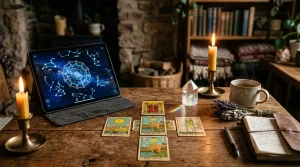
The intersection of tarot cards and Christian beliefs often generates curiosity and concern. Many are drawn to tarot for guidance or self-reflection, but questions arise about its compatibility with biblical teachings. Exploring what the Bible says about tarot cards can illuminate this fascinating topic, helping both skeptics and seekers understand diverse perspectives. Is it a tool for insight, or does it stray from spiritual truth? As we delve into these discussions, we’ll address common fears, clarify biblical principles, and provide balanced insights. This journey not only respects different spiritual experiences but also encourages readers to reflect on their own beliefs and intuition. Join us in unraveling the mysteries surrounding tarot and its relation to the Christian faith, and discover the potential for deeper understanding and personal growth.
Understanding Tarot: Basics and Origins
The world of tarot is often shrouded in mystery and misconception, yet it holds profound insights and guidance for those willing to explore its depths. At its core, tarot is a deck of 78 cards, rich with symbolism and archetypes that can reflect the myriad aspects of the human experience. The origins of tarot can be traced back to the 15th century in Europe, primarily as a playing card game, before evolving into a tool for divination and self-reflection by the 18th century. This transformation was influenced by various esoteric traditions, including Kabbalah and alchemy, which sought to connect the material and spiritual realms.
Understanding tarot requires an appreciation of its structure. A traditional tarot deck comprises two main categories: the Major Arcana and the Minor Arcana. The Major Arcana features 22 cards that represent significant life themes and lessons, such as The Fool, The Magician, and Death. In contrast, the Minor Arcana is composed of 56 cards divided into four suits: Cups, Wands, Swords, and Pentacles, each symbolizing different aspects of life-from emotions and creativity to conflict and material concerns. This categorization allows readers to engage with both profound spiritual questions and everyday challenges.
Many individuals approach tarot with a sense of curiosity, seeking guidance for various aspects of their lives. For some, the cards serve as a mirror, reflecting their inner thoughts and feelings. Others may view tarot as a means of connecting with their intuitive selves, tapping into insights that are often overlooked in the hustle of daily life. Regardless of one’s beliefs, the act of drawing cards can be a powerful form of meditation, prompting deep self-inquiry and personal growth.
Ultimately, while tarot may have roots in mysticism, it remains a deeply personal tool, capable of guiding users through their spiritual journeys. By cultivating an open mind and a willingness to explore the underlying messages within the cards, anyone can unlock the potential of tarot as a source of wisdom and reflection, respecting its complexities while engaging with it in an accessible way.
Biblical Context: Tarot and Scripture
The discussion surrounding tarot cards often intersects with biblical teachings and the views held by various Christian denominations. To understand the relationship between tarot and scripture, it’s essential to recognize that the Bible itself does not mention tarot explicitly; however, it does address themes of divination, sorcery, and the pursuit of knowledge beyond the natural world. Key biblical passages, such as Deuteronomy 18:10-12, caution against practices like witchcraft, soothsaying, and divination, emphasizing a reliance on God rather than the occult for guidance.
Let’s explore how these scriptures inform the perspectives on tarot. Many Christians view tarot as a potential pathway to divination. They argue that engaging with tarot cards can lead individuals away from faith, positing that such practices might invite spiritual confusion or even negative influences. This viewpoint underscores a belief in the sovereignty of God, who is seen as the ultimate source of wisdom and guidance. Consequently, tarot reading can be viewed as contradictory to Christian teachings encouraging followers to trust solely in divine revelation.
On the other hand, some modern Christian practitioners interpret tarot as a reflective tool rather than a divinatory source. They argue that the cards serve as prompts for introspection and self-reflection, aligning with God-given intuition. This perspective encourages an understanding of tarot not as a means of predicting the future, but rather as a way of exploring one’s inner landscape, fostering a deeper understanding of personal spirituality. In this light, using tarot can coincide with prayer and meditation practices, through which individuals seek alignment with their faith and understanding of their life journey.
Ultimately, the biblical context surrounding tarot is complex and varies widely among different Christian interpretations. Engaging with tarot may challenge traditional beliefs, but also offers an opportunity for dialogue on the intersections of spirituality, intuition, and divine guidance. Whether viewed as a mystical tool or merely a form of self-exploration, the key lies in one’s intention and consciousness in the practice, ensuring that any engagement with tarot aligns with personal faith and spiritual values.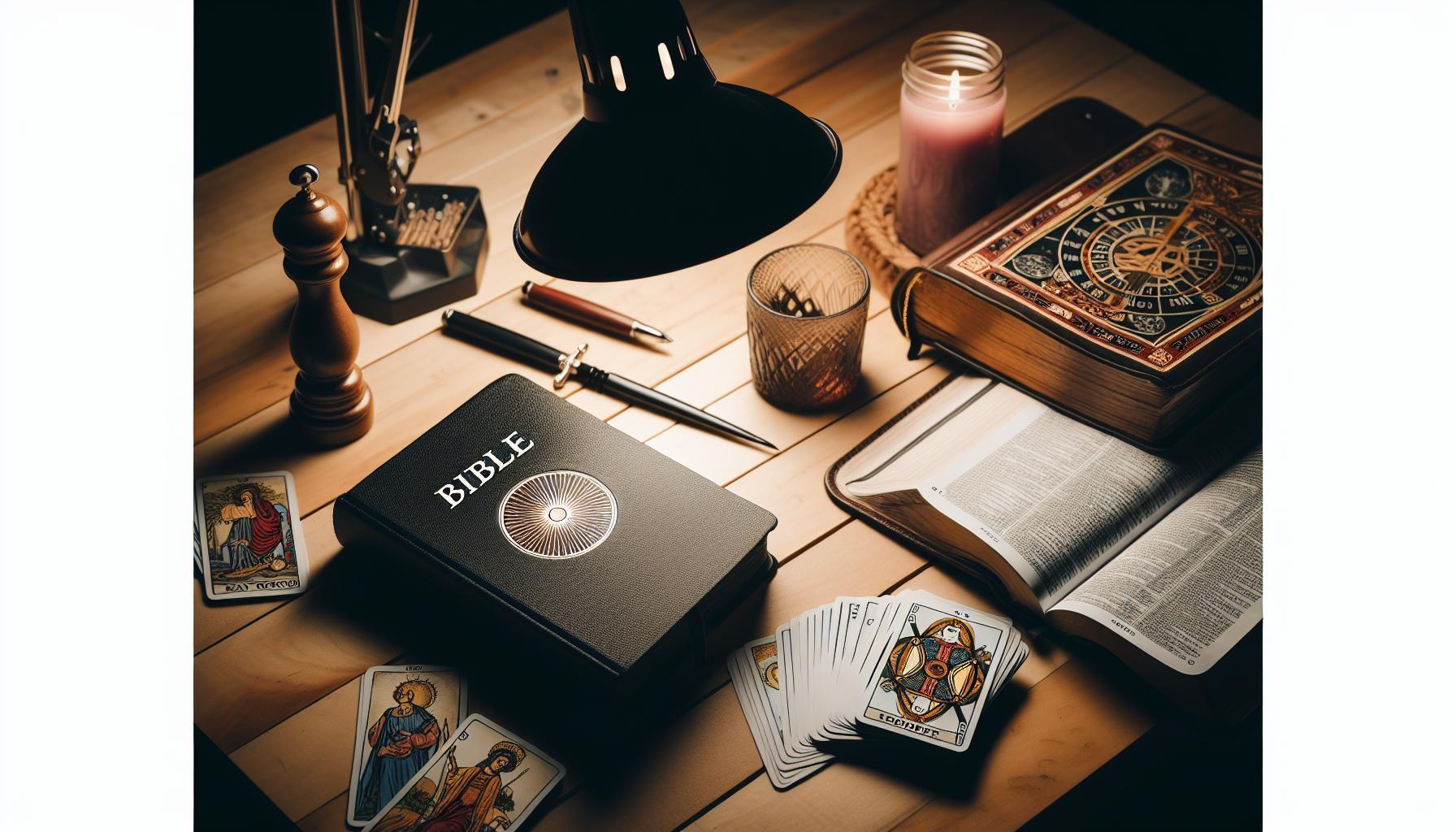
Contrasting Christian Views on Tarot Cards
Engaging with tarot cards often evokes strong opinions, especially within the Christian community, where views on the practice can diverge significantly. Some Christians express deep concern regarding tarot, perceiving it as a gateway to divination and, consequently, a potential separation from reliance on God’s guidance. They reference scriptures that warn against practices deemed occult-passages like Deuteronomy 18:10-12, which call for a clear distinction between divine wisdom and occult practices. This perspective suggests that seeking answers through tarot may divert believers from the truth of the Scriptures and lead to spiritual confusion.
Conversely, a growing number of Christians approach tarot from a different angle, seeing it not as a tool for divination but rather as an instrument for personal growth and reflection. They argue that the images and symbols within tarot can prompt deeper introspection and serve as a catalyst for spiritual development. This perspective is respectful of individual experiences and promotes the idea that engaging with tarot can coexist alongside traditional practices like prayer and meditation, offering insights that enhance one’s spiritual walk. For example, using the cards to explore feelings about a particular life situation can lead to breakthroughs that align with one’s faith journey.
The nuance in these views highlights the complexity of tarot as a subject of discussion. It opens a space for ongoing dialogue, where questions about intuition, divine guidance, and personal spirituality can be explored. Many who adopt a more introspective approach to tarot emphasize the importance of intention: practicing with mindfulness and clarity about one’s spiritual beliefs can transform tarot exercises into moments of growth rather than conflict with faith. This mindset fosters an environment where believers and seekers alike can engage with tarot while honoring their respective spiritual paths.
Ultimately, the contrasting opinions within Christianity regarding tarot reflect broader themes of spirituality and individual interpretation. For some, tarot represents a mystical avenue that can bring clarity, while for others, it raises concerns about straying from scriptural teachings. This diversity urges practitioners and skeptics to engage in mindful reflection about their beliefs and experiences with these powerful symbols.
Spiritual Risks: Tarot from a Christian Perspective
Engaging with tarot can be an enlightening and transformative experience, yet for many within the Christian community, it raises significant spiritual concerns. These apprehensions often stem from the belief that tarot-associated primarily with divination and occult practices-might lead believers away from a true connection with God. Relevant scriptures, such as Deuteronomy 18:10-12, underline this caution, warning against any form of divination. Many Christians fear that using tarot cards could potentially open doors to spiritual confusion or even deceptive influences, steering them away from biblical teachings.
However, not all views are strictly negative. Some Christians navigate these waters with a focus on intention and personal growth. They argue that tarot can serve as a reflective tool rather than a means of predicting the future. By engaging with tarot thoughtfully-considering its symbolic nature and how it correlates with one’s journey-individuals might uncover insights that resonate with their faith. This perspective promotes an understanding of tarot as a way to foster deeper self-awareness and facilitate meaningful discussions about life’s challenges.
To approach tarot mindfully, practitioners are encouraged to establish clear personal boundaries and intentions. Here are a few steps to engage with tarot safely while respecting spiritual beliefs:
- Set Your Intentions: Before a reading, articulate your goals clearly. Whether seeking clarity on a decision or understanding emotional patterns, knowing your purpose can guide your engagement with the cards.
- Prayer and Meditation: Incorporate prayer or meditation to frame your session. This practice can help safeguard your spiritual environment and maintain focus on divine guidance.
- Choose Your Deck Wisely: Select a tarot deck that resonates with your heart and beliefs. Consider decks that emphasize positivity and growth, reinforcing your intentions.
- Practice Mindfulness: Remain aware of your feelings during the reading. If any discomfort arises, take a moment to reflect and adjust your approach as needed.
- Reflect on Interpretations: After the reading, consider how the insights align with your faith. Use the experience as an opportunity for prayerful reflection.
By grounding tarot practice in personal values and beliefs, diverse community members-including skeptics-can explore this tool while remaining rooted in their spirituality. Ultimately, engaging with tarot shouldn’t foster fear but instead encourage open dialogue about intuition, personal experience, and spiritual insight. This balanced approach can create a safe space for believers to reflect on their spiritual paths without abandoning their core values.
Tarot Cards and Intuition: Are They Compatible?
Engaging with tarot cards can feel like entering a world of mystery and intuition, sparking questions about how these practices align with a Christian perspective. Many believe that intuition-the innate ability to understand something instinctively-can coexist harmoniously with the insights provided by tarot. Instead of viewing tarot solely as a tool for divination, it can be approached as a means of enhancing one’s intuitive abilities, prompting introspection and guiding believers on their spiritual journey.
Building Intuitive Connections
When approaching tarot, it’s vital to recognize that intuition is not in conflict with faith. In fact, intuitive insights can complement spiritual beliefs when approached mindfully. Here are practical steps to foster that connection:
- Reflect Before Reading: Take a moment to center yourself. Ask questions such as, “What do I truly seek to understand?” This clarifies your intent and paves the way for meaningful insights.
- Engage with the Cards: As you draw each card, pay attention to your immediate emotional responses and thoughts. For instance, if you pull The Empress, reflecting on her symbols of fertility and nurturing may evoke personal memories or aspirations that connect deeply with your life’s journey.
- Integrate Prayer or Meditation: Before and after your reading, incorporate moments of prayer. This not only aligns your heart with your purpose but also channels your intuition in a way that resonates with your faith.
Real-Life Application: An Example
Consider a situation where you are grappling with a significant life choice. After centering yourself and asking a question while shuffling the cards, you draw The Fool, symbolizing new beginnings and potential. Instead of purely seeing this as a sign to leap forward irresponsibly, reflect on how this element of intuition relates to your faith. The Fool encourages exploration while reminding you to trust in God’s broader plan, urging you to step into the unknown with faith.
Through this supportive approach, it becomes clear that tarot can enhance intuitive clarity without detracting from spiritual beliefs. By fostering an open dialogue about these practices, both skeptics and believers can find ways to incorporate intuitive insights into their lives, ensuring a harmonious balance between spirituality and self-discovery. Tarot is not merely about predictions; it can be a sacred tool for self-reflection and growth, encouraging believers to embrace their intuitive gifts while remaining grounded in faith.
Tarot as a Tool for Self-Reflection
Engaging with tarot cards can open pathways to profound self-reflection, helping individuals dive deeper into their thoughts, feelings, and spiritual experiences. Rather than merely serving as a tool for predictions, tarot can be viewed as a mirror, reflecting the inner landscape of one’s life. This perspective aligns well with Christian views that promote introspection and personal growth, encouraging individuals to seek clarity and understanding through various means, even those considered unconventional.
To effectively use tarot as a self-reflective tool, start with clear intentions. Before beginning a reading, ask yourself: “What do I need to learn or understand about my current situation?” This sets the groundwork for a productive session. Pulling cards can reveal not only potential outcomes but also internal conflicts and desires. For instance, drawing The Hermit could prompt you to explore feelings of isolation and the need for spiritual guidance, leading to insights about your purpose or the need for community in your journey.
When interpreting cards, it’s helpful to reflect on their meanings in relation to your life. For example, if you draw the Two of Swords, typically associated with indecision, think about decisions you may be avoiding. Use this card as an opportunity to explore the reasons behind your hesitation. Journaling about these insights can transform your reading into a valuable self-exploration exercise. You might write about your feelings and thoughts during the reading, tracking any patterns or recurring themes that emerge.
Additionally, integrating prayer or meditation during your tarot practice can deepen your reflection. Before you start, take a few moments to pray for clarity and guidance. This not only centers your intentions but also invites a spiritual presence into your reading. Afterward, consider praying again, thanking for the insights received, regardless of how clear they might seem. This respectful approach can create a richer, more meaningful experience, allowing you to navigate through the complexities of your emotions and decisions with confidence and insight.
In this way, tarot becomes not just a mystical practice, but a powerful method of self-discovery-one that fosters growth and introspection while respecting diverse spiritual perspectives. By embracing this process, you can build confidence in your intuitive abilities, creating a harmonious balance between your spiritual journey and the wisdom revealed through the cards.
Exploring the Ethical Use of Tarot
can illuminate not just your journey with the cards, but also how to navigate the spiritual and moral landscapes that come with tarot reading. Many people wonder about the implications of using tarot, particularly in relation to their faith and the teachings of Christianity. It’s essential to approach tarot reading with a sense of responsibility and integrity, offering guidance while respecting the diverse beliefs of those you may read for-whether they are skeptics or believers.
When engaging with tarot, establish a clear ethical framework. Begin by considering your intentions: why are you using tarot? Are you seeking insight for yourself, or offering guidance to others? Informed intentions can make all the difference. For instance, if you’re reading for someone else, ensure they are ready for the insights that might emerge, and clarify your role as a guide rather than a definitive source of truth. This can include setting boundaries around what you feel comfortable discussing and encouraging clients to take responsibility for their own life choices.
It’s also vital to maintain confidentiality and respect privacy. When reading for others, make it a practice to keep what is shared confidential. This builds trust and creates a safe space for honest exploration. Moreover, if you encounter deeply personal or challenging matters, know when to encourage seeking professional help, like therapy or counseling. This recommendation shows respect for the well-being of others and reinforces the ethical practice of tarot.
Furthermore, consider how you communicate the cards’ meanings. Tarot is a tool that reflects the querent’s life-and not a blueprint for fate. Instead of presenting predictions as absolute statements, approach discussions with nuanced language. For example, instead of saying, “You will face a terrible loss,” you might say, “Drawing this card suggests upcoming challenges; how prepared do you feel for change?” This framing encourages empowerment instead of fear, fostering a more constructive dialogue.
Finally, invite a spirit of openness and discussion around ethical considerations in tarot. Engage with communities-both online and offline-to share experiences and thoughts on navigating the complexities of tarot in a respectful way. This dialogue not only enhances your practice but contributes to a healthier understanding of tarot as it intersects with various belief systems, including Christianity. By embracing a thoughtful and ethical approach to tarot, you affirm your commitment to being a supportive mentor on your own spiritual journey and for those of others.
Practical Guidance: Tarot Reading Techniques
When it comes to harnessing the wisdom of tarot cards, having a clear strategy can enhance not just your reading experience but also the depth of insight you can provide. Tarot isn’t just about predicting the future-it’s a profound tool for empowerment and reflection, enabling you to connect with the deeper currents of your intuition. Whether you’re a seasoned reader or just starting out, developing a range of practical techniques can help you approach the cards with confidence and clarity.
To begin, let’s explore some foundational techniques that can be easily integrated into your tarot practice:
Choose the Right Tarot Spread
The layout of the cards-known as a spread-can significantly influence the reading. Here are a few popular ones:
- Three-Card Spread: Great for beginners, this simple spread can represent the past, present, and future or address a specific question from multiple angles.
- The Celtic Cross: A more complex layout that provides a comprehensive overview of a situation, helping to reveal underlying influences.
- Single Card Pull: Ideal for daily guidance or quick insights, pulling a single card can set the tone for your day and esoteric reflections.
Connect with the Cards
Before diving into a reading, take a moment to ground yourself and establish a connection with the deck. This can involve a few deep breaths, meditating on your inquiry, or even holding the cards for a few minutes to attune your energy. Such practices help to foster an intuitive rapport, allowing for more nuanced readings.
Interpreting the Cards
Invest time in understanding the meanings of each card, both in upright and reversed positions. Use a resource such as a tarot guidebook, but also write down your impressions and interpretations as they relate to your personal experiences. This dual approach will build your interpretations over time. Additionally, try asking open-ended questions while interpreting the cards. Instead of stating what the card means, frame it as, “What does this card reveal about my situation today?”
Practice Ethical Readings
When reading for others, it’s crucial to adopt a compassionate and ethical approach. Ensure you create a safe space for your querent, encouraging open dialogue while respecting their boundaries. Always empower them to take ownership of their choices and interpretations.
Embracing these techniques not only enriches your skill but also deepens your connection to yourself and others. Whether you’re navigating complex spiritual questions or simply seeking a moment of clarity, tarot can be a powerful ally. As you refine your reading skills, remember that every card drawn is an invitation to a conversation between the known and the unknown, bridging the divine with the personal.
The Role of Intention in Tarot Practices
Setting an intention before diving into a tarot reading can dramatically shape the quality and clarity of the experience. Much like prayer or meditation, intention serves as a guiding light that influences not only how you interact with the cards but also how the messages they convey resonate with your inner self. When you approach tarot with a clear purpose, your readings often become more insightful and relevant.
Establishing an intention starts with reflection. Before you shuffle the cards, take a moment to ask yourself what you hope to gain from the reading. Are you seeking guidance about a specific situation, clarity in your relationships, or insight into your spiritual path? Writing down your intention can be a powerful practice. This not only solidifies your focus but also acts as a touchstone to return to if you feel your thoughts waver during the reading.
As you engage with the cards, maintain a dialogue with your intention. For example, if you pulled the Two of Cups while seeking guidance about a relationship, reflect on how this card relates to your inquiry about connection and partnership. Ask open-ended questions like, “What does this card reveal about my desire for balance in this relationship?” This conversational approach fosters an intuitive link between you and the cards, allowing for deeper revelations.
Moreover, approaching tarot through the lens of intention aligns well with a respectful exploration of spiritual beliefs, including Christian views on divination. Many who practice tarot appreciate it not merely as a fortune-telling tool, but as a means of self-exploration and insight-much like prayer. By focusing on how tarot can complement one’s spiritual journey, rather than conflict with it, practitioners can harness its wisdom without straying from their core beliefs. Thus, the act of setting your intention becomes a bridge connecting your spiritual aspirations with the insights available through the tarot.
Alternative Spiritual Tools: Comparing Tarot and Prayer
Exploring spiritual practices often leads to comparisons that illuminate the deeper intentions behind them. Both tarot and prayer serve as tools for seeking insight, clarity, and guidance, yet they approach spirituality from different angles. While prayer typically invokes a direct connection with the divine, asking for help or wisdom, tarot offers a reflective practice that encourages individuals to engage with their intuition and subconscious.
When considering how these two practices interrelate, it’s essential to note their underlying mechanics. Prayer is often a one-way conversation: it’s both an act of faith and a petition for divine intervention, built on trust and hope. In its essence, prayer can be seen as a way to align oneself with a higher purpose and cultivate a sense of peace, inviting divine wisdom into one’s life. For example, expressing gratitude before meals or seeking guidance during moments of distress has profound significance in many spiritual journeys.
In contrast, tarot cards facilitate a dialogue that requires both the reader’s and querent’s engagement. Pulling cards invites introspection, while also allowing for the exploration of complex emotions and situations. For instance, if someone draws the Ten of Swords during a reading, it may prompt considerations of endings and new beginnings. The imagery and symbolism within each card act as mirrors to our experiences, encouraging a personalized interpretation that may lead to epiphanies similar to those found in prayer. The act of choosing cards and reflecting on their meanings can indeed feel like a form of meditation, where both intention and intuition guide the process.
Both methods emphasize intention and mindfulness. Setting a goal for your prayer-whether it’s healing, clarity, or strength-mirrors the act of focusing on a specific question or intention before a tarot reading. This shared practice of mindfulness allows individuals to create a sacred space, whether through the ritual of prayer or the layout of tarot spreads. Engaging with these tools requires openness, curiosity, and a willingness to explore the layers of one’s psyche, bridging the gap between personal insight and spiritual connection.
Ultimately, the choice between tarot and prayer-or the decision to incorporate both-depends on what resonates most with one’s spiritual needs. As we explore these diverse pathways, we can find a harmonious balance that honors our beliefs while remaining open to the wisdom both practices impart. Whether you lean towards the structure of prayer or the exploration inherent in tarot, each offers unique benefits that can guide you on your personal spiritual journey.
Navigating Skepticism: Understanding Tarot’s Mystique
Many people approach tarot with a mixture of curiosity and skepticism, often influenced by cultural portrayals and their own spiritual beliefs. Tarot cards, with their rich imagery and symbolism, can evoke an air of mystique that invites exploration yet also raises questions, particularly among those from a Christian background who may feel cautious or critical of divination practices. Unpacking this skepticism is essential to appreciating how tarot can coexist with a variety of spiritual perspectives.
At its core, tarot serves as a tool for self-reflection and personal insight. This can be particularly appealing to individuals questioning the rigid boundaries set by traditional religious teachings. While the Bible does not directly mention tarot, it does address the broader themes of divination and seeking supernatural guidance. For instance, verses such as Deuteronomy 18:10-12 warn against practices that could lead one away from faith, emphasizing a relationship with God over any other means of seeking knowledge or clarity. Yet, it’s important to consider that tarot readings can often provide valuable introspection rather than a direct prediction of the future.
Exploring the Balance
To navigate skepticism, one approach is to view tarot as a form of modern introspection similar to journaling or meditation. When reading the cards, individuals can focus on their thoughts, feelings, and circumstances, using the symbols on the cards to spark deeper understanding. Even skeptics might find this practice beneficial: it emphasizes self-awareness and critical thinking instead of blind faith in the cards themselves.
Moreover, the conversation surrounding tarot often includes ethical considerations. Engaging with tarot responsibly means recognizing its limitations and using it as a complement to one’s spiritual practice rather than a substitute. This perspective aligns with many Christians who appreciate personal reflection and moral accountability, allowing room for dialogue rather than dismissal.
Whether one sees tarot as a mystical practice or a mere psychological tool, embracing the full range of its interpretations can enhance one’s spiritual journey without compromising personal beliefs. The key is to approach tarot with an open mind, allowing for individual interpretation and growth while staying grounded in one’s own spiritual convictions. By doing so, skeptics and believers alike can unlock a deeper understanding of themselves and their paths forward.
As you explore tarot, remember that it’s about connecting with your own intuition and values. Each card can resonate differently, offering insights that are unique to your journey and context. Allow yourself to engage with this mystical practice; it may enrich your understanding and inspire a fresh perspective on spirituality, regardless of initial skepticism.
Q&A
Q: What does the Bible say about divination and tarot cards?
A: The Bible warns against divination practices, as seen in Deuteronomy 18:10-12, which categorizes them as abominations. Tarot cards, often used for divination, can be interpreted as conflicting with biblical teachings. For deeper insights, refer to the section “Biblical Context: Tarot and Scripture.”
Q: Are tarot cards considered sinful by Christians?
A: Many Christians view tarot cards as potentially sinful due to their association with divination and occult practices. They believe scripture encourages reliance on God rather than seeking guidance from cards. Explore contrasting perspectives in “Contrasting Christian Views on Tarot Cards.”
Q: Can Christians use tarot cards for self-reflection?
A: Some Christians argue that tarot cards can be used as tools for self-reflection, provided they don’t seek predictions or rely on mystical power. It’s essential to maintain a biblical focus during this process. See “Tarot as a Tool for Self-Reflection” for more.
Q: What are the spiritual risks of using tarot cards?
A: The spiritual risks of using tarot include opening oneself up to unbiblical influences or leading away from reliance on God. Engaging in tarot without caution can lead to confusion and spiritual harm. For more detail, check “Spiritual Risks: Tarot from a Christian Perspective.”
Q: Is it possible to use tarot cards ethically?
A: Yes, using tarot cards ethically involves setting clear intentions and ensuring the practice aligns with Christian values. Users should prioritize prayer and biblical principles over reliance on the cards. Explore this further in “Exploring the Ethical Use of Tarot.”
Q: What are alternatives to tarot for spiritual guidance?
A: Alternatives to tarot for spiritual guidance include prayer, Bible study, and meditation on scripture. These practices encourage deeper spiritual connections without the risks associated with tarot. Refer to “Alternative Spiritual Tools: Comparing Tarot and Prayer” for insights.
Q: How do tarot cards relate to intuition in Christian contexts?
A: Some Christians believe that intuition can be a gift from God, allowing for personal insight without the use of tarot. It’s vital to discern whether this intuition aligns with biblical teachings. This topic is discussed in “Tarot Cards and Intuition: Are They Compatible?”
Q: What should I consider before engaging with tarot readings?
A: Before engaging with tarot readings, consider your intentions, the potential spiritual implications, and how it aligns with your faith. Ensure that your exploration respects biblical teachings and promotes spiritual growth. For practical guidance, refer to “Practical Guidance: Tarot Reading Techniques.”
Concluding Remarks
As we explore what the Bible says about tarot cards, it’s clear that diverse perspectives exist within the Christian community. Whether you’re seeking guidance, understanding spiritual truths, or simply curious about this practice, we encourage you to reflect on your motivations and the teachings of your faith. Remember, tarot can serve as a tool for introspection, but it’s essential to align your practices with biblical principles.
For deeper insights, consider reading more on our page about how to navigate spiritual questions with a biblical foundation [[1]](https://www.jw.org/en/bible-teachings/) or explore the New World Translation of the Bible for direct scriptural references to guide your journey [[3]](https://www.jw.org/en/library/bible/study-bible/books/genesis/1/). If you found value in this discussion, please subscribe to our newsletter for updates on similar topics or share your thoughts in the comments below. Your perspective matters, and continuing this dialogue can enhance our understanding together. Explore further, stay curious, and embrace your spiritual journey with confidence!
Get our latest guides, news, and insights highlighted in your Google Search & AI Overviews.