Have you ever found yourself curious about tarot card reading but unsure of its place in your spiritual journey? This intriguing practice often raises questions, especially when viewed through the lens of biblical teachings. In this exploration of “What Does the Bible Say About Tarot Card Reading,” we’ll uncover the connections between tarot and spirituality, examining both perspectives. By delving into the principles of intuition, guidance, and the ancient symbols found in tarot, you can gain insights that resonate with your own quest for understanding and clarity. Whether you’re a skeptic or a seeker, this journey aims to empower you with knowledge and confidence, inviting you to explore your own intuitive abilities. Join us as we navigate through the facts and spiritual meanings that shape the conversation around tarot cards in relation to biblical wisdom, opening doors to deeper understanding and personal growth.
What Tarot Is and Its Purpose in Spiritual Practice
When exploring the essence of tarot, it’s essential to recognize that it is much more than just a deck of cards; it serves as a powerful tool for self-reflection and spiritual inquiry. At its core, tarot embodies a deep symbolic language that allows individuals to connect with their inner wisdom, facilitating insights into personal challenges and life paths. This makes tarot not merely a method of fortune-telling, but a meaningful practice rooted in spiritual development and emotional understanding. Each card in the tarot deck represents archetypes-universal themes that resonate with human experience, providing a framework for understanding oneself and the world.
The purpose of tarot in spiritual practice lies in its ability to bridge the conscious and subconscious. When engaging with the cards, practitioners often enter a meditative state, prompting thoughtful reflection on their current life situations. This process can uncover hidden motivations, patterns of behavior, and areas in need of growth. For example, drawing the Two of Swords might illuminate inner conflict, encouraging one to weigh options carefully before making decisions. The cards act as mirrors, reflecting the querent’s issues and guiding them toward clarity.
Additionally, tarot fosters intuition, empowering individuals to rely on their instincts while interpreting the cards. This aspect of tarot is crucial, as it invites users to trust their inner voice during readings, be they for themselves or others. By practicing regularly, one can enhance their intuitive abilities, allowing for more profound connections with the cards and the insights they offer.
Incorporating tarot into spiritual routines might involve setting intentions before readings, utilizing spreads that align with specific questions or areas of focus, or journaling insights gained from sessions. This commitment to deliberate practice not only enriches the tarot experience but also contributes to personal growth and spiritual enlightenment. In today’s multifaceted spiritual landscape, tarot stands as an accessible resource for anyone seeking guidance-regardless of their previous knowledge or beliefs about the mystical arts.
Understanding the Historical Context of Tarot
The association between tarot and spirituality has deep historical roots, intertwining with the development of philosophy, art, and psychology. While the exact origins of tarot remain elusive, it is widely believed that the cards appeared in Europe during the 15th century, initially as a set of playing cards known as “trionfi.” Over time, they evolved into a tool for divination and esoteric reflection. Understanding this context enables us to appreciate how tarot transcends mere card readings and serves as a mirror to the human experience.
Symbolism plays a crucial role in tarot’s historical journey. Each card features intricate imagery that draws upon diverse cultural, religious, and philosophical influences, including alchemy, astrology, and Kabbalah. This layered symbolism provides profound insights into life’s complexities. For example, the Wheel of Fortune card, representing cycles of change and fate, can prompt a reflection on life’s unpredictable journey. As you explore tarot, consider how these symbols resonate with your personal understanding and experiences.
Integrating tarot with biblical perspectives invites an interesting dialogue. The Bible does not explicitly reference tarot, yet it does provide cautionary texts about divination and consulting with spirits. Notably, passages such as Deuteronomy 18:10-12 discourage practices seen as contrary to faith. However, many practitioners view tarot as a tool for introspection rather than a means to predict the future or divine the will of God. This distinction allows individuals to engage with tarot in a way that aligns with their spiritual beliefs while fostering personal growth.
To engage with the history of tarot thoughtfully, consider these practical steps:
- Research the origins: Look into the history of tarot cards in Europe and their transformation from playing cards to a tool for divination.
- Explore symbolism: As you learn about the cards, study their images and meanings. Note how they can reflect challenges and growth in your life.
- Reflect on spiritual perspectives: Consider how your beliefs inform your understanding of tarot and how it can be a guide for self-discovery.
Embracing the historical context of tarot not only enriches your practice but also transforms it into a journey of self-exploration and enlightenment, an empowering experience accessible to all seekers, whether believers or skeptics.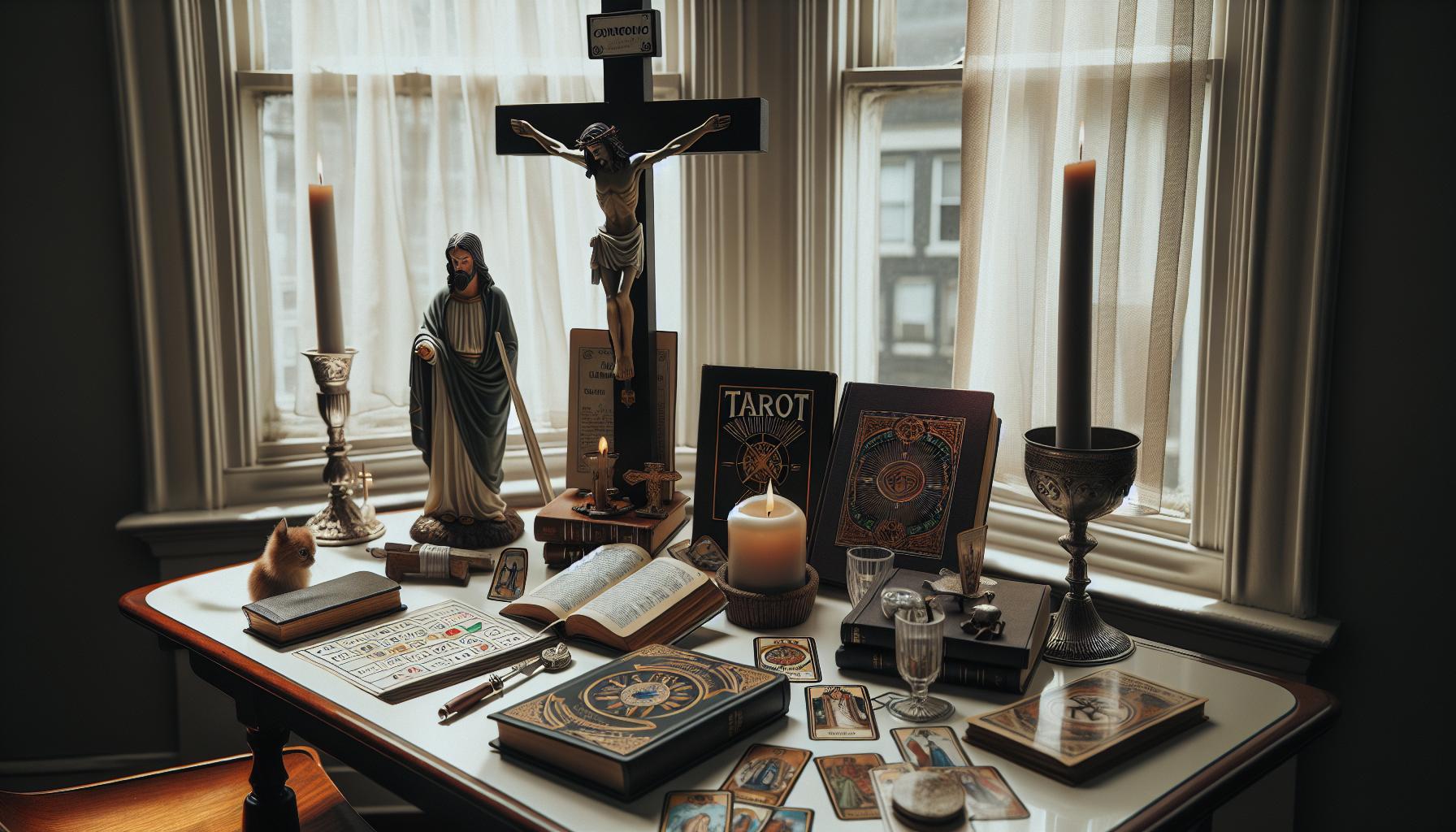
Biblical References Relevant to Tarot and Divination
The relationship between biblical scriptures and practices of divination, such as tarot reading, evokes intriguing discussions among spiritual seekers. While the Bible does not mention tarot explicitly, it contains several passages that address divination and spiritual consulting more broadly. Key among these texts is Deuteronomy 18:10-12, which warns against engaging in practices deemed as contrary to faith, including witchcraft, sorcery, and interpreting omens. This scripture highlights the biblical perspective that often views these practices as forbidden, causing those who explore tarot to navigate their spiritual journey with care and sensitivity.
Despite these cautionary notes, many practitioners see tarot not as a means to predict specific outcomes, but rather as a tool for introspection and self-discovery. They argue that tarot can facilitate a deeper understanding of oneself through its rich symbolism and archetypes. For instance, when a reader draws the Lovers card, it may not only signify romantic relationships but prompt a reflection on personal choices and values, aligning more closely with personal insight than adherence to prophetic foretelling. This approach allows individuals to engage with tarot in a way that harmonizes with their spiritual beliefs while fostering growth and deeper self-awareness.
To reconcile the use of tarot with biblical teachings, consider these avenues:
- Frame your intention: Approach tarot as a tool for reflection rather than divination. This distinction can soften the tension between scripture and practice.
- Reflect on personal values: Use tarot to explore your beliefs and morals, ensuring that your use of the cards aligns with your spiritual journey.
- Connect through symbolism: Recognize that many tarot images draw from universal archetypes and teachings that can resonate with biblical stories, fostering connections rather than divisions.
Engaging with both tarot and biblical teachings does not have to be an either/or situation. Instead, a thoughtful integration can lead to a more holistic spiritual practice, welcoming insights from diverse sources while staying rooted in personal belief systems. By approaching this blend mindfully, you can carve out a unique space where intuition and faith coexist, enriching your spiritual journey with depth and meaning.
Examining Common Misconceptions About Tarot Reading
Many people harbor misconceptions about tarot reading, often influenced by cultural narratives or a lack of understanding. One prevalent myth is that tarot is strictly about predicting the future. In reality, most tarot practitioners view the cards as tools for self-reflection, offering insights into one’s current life situation, emotions, and potential pathways rather than fixed outcomes. For instance, drawing the Fool card can prompt an individual to examine their readiness for new experiences or the risks they might take, thereby sparking inner dialogue and personal growth.
Another common misunderstanding is that tarot readings are inherently negative or ominous. This perception often stems from dramatic portrayals in media or literature. In truth, tarot encompasses the full spectrum of human experience: joy, sorrow, challenges, and triumphs. Each card carries a range of meanings, allowing for a nuanced exploration of personal circumstances. For example, the Death card, often feared, actually symbolizes transformation and new beginnings, inviting individuals to consider what they might need to let go of to make way for growth.
Many also believe that tarot readings require a mysterious or mystical aptitude that only a select few possess. However, tarot is fundamentally about intuition-something everyone can develop with practice. Beginners can start by familiarizing themselves with the card meanings and practicing simple spreads, such as the one-card draw, which encourages daily reflection. This democratization of tarot allows anyone to engage with the cards, promoting an inclusive and supportive approach to spiritual exploration.
Finally, there’s the misconception that tarot practices conflict fundamentally with religious beliefs, particularly among those who hold biblical teachings close. While some scriptures warn against divination practices, many tarot users find ways to integrate their beliefs with their use of the cards, viewing tarot not as a tool of prophecy but as a means of personal insight and spiritual growth. By focusing on the cards as a mirror to the self rather than a tool for external prediction, individuals can harmonize their spiritual practices with their faith.
Ultimately, the key to dispelling these myths lies in open-minded exploration and personal experience. Tarot offers a rich landscape for wisdom and understanding, inviting individuals to engage with their intuition and foster a deeper connection with themselves and their life journeys.
The Role of Intuition in Tarot Card Interpretation
The art of interpreting tarot cards is deeply intertwined with intuition, offering a pathway to profound self-discovery and insight. Each card acts not just as a symbol, but as a mirror reflecting our inner thoughts and feelings, guiding us toward clarity. When a card is drawn, the meanings traditionally associated with it provide a framework; however, the true power of a reading arises from the reader’s personal intuition and connection to their experiences. This is where an interplay occurs between established card meanings and the unique perceptions that each individual brings to their practice.
As you start your tarot journey, cultivating your intuition is essential. Here are some practical steps to enhance this vital skill:
- Engage with Your Cards: Spend time with your deck to familiarize yourself with the imagery, colors, and symbols. Reflect on what each card evokes for you personally, as emotional responses are often key to unlocking intuitive insights.
- Journal Your Readings: Keep a tarot journal where you record your interpretations and how they align with your feelings or life situations. Over time, you’ll notice patterns and connections that deepen your understanding.
- Practice Mindfulness: Develop a daily practice of mindfulness or meditation. This not only calms the mind but also heightens your awareness of subtle cues from your intuition during readings.
- Listen to Your Gut: Trust your instincts during a reading. If a card resonates in a way that isn’t traditionally taught, embrace that intuition. Every reading is a conversation between the cards and your inner self.
Tarot is not merely about predicting future events; it is fundamentally about navigating the complexities of the present. For example, if a reader draws the Empress card, while its traditional meaning relates to fertility and abundance, your intuition might lead you to see it as a call to nurture your creative projects or relationships. This personal interpretation is as valid as the established meanings and can provide crucial insights relevant to your current circumstances.
Moreover, integrating these intuitive insights with biblical teachings can lead to a harmonious spiritual practice. Many who explore tarot find wisdom in both the cards and their faith, viewing tarot as a tool for introspection rather than a means of divination in conflict with their beliefs. By framing readings as opportunities for personal reflection, individuals can harmonize the intuitive wisdom of tarot with the ethical and moral compass provided by biblical texts.
Ultimately, developing intuition in tarot reading is a journey that enhances your understanding of self and the world around you. Embrace this unique experience, and allow your intuition to guide you as you explore the rich landscape of tarot. The practice is one of empowerment, inviting all-whether skeptics or believers-to tap into their intuitive capacities and find deeper meaning in their lives.
Balancing Tarot with Biblical Teachings
Many individuals exploring tarot may wonder how this ancient practice aligns with their biblical beliefs. While some may view tarot as purely mystical or esoteric, there’s a way to harmonize it with biblical teachings, treating tarot not as a tool for fortune-telling, but as a means of self-reflection and personal growth. The key to this balance lies in understanding that both tarot and biblical teachings can coexist, offering tools for introspection that enrich one’s spiritual journey.
To find common ground, consider the purpose of tarot: to encourage self-exploration and personal insight. When you draw tarot cards, think of them as prompts for contemplation rather than definitive answers about the future. This perspective resonates with biblical teachings that emphasize the importance of wisdom, discernment, and self-examination. For instance, Proverbs 2:6 states, “For the Lord gives wisdom; from his mouth come knowledge and understanding.” Thus, engaging with tarot can serve to develop your inner wisdom and help you navigate challenges in a way that aligns with your faith.
When incorporating tarot into your spiritual practice, focus on ethical guidelines. Many who integrate these tools into their lives do so with a strong moral compass. Embrace practices like prayer or meditation before readings, invoking divine guidance to ensure your interpretations remain aligned with your values. Additionally, see the cards as a way to prompt discussions with God about your life’s direction, fostering a process of dialogue rather than divination. For example, if the Two of Cups appears during a reading focused on relationships, you might reflect on its themes of partnership and connection, inviting a deeper conversation about how these concepts manifest in your life-both in relationships with others and your relationship with God.
Finally, consider journaling your tarot reflections alongside your prayers or scriptural readings. This practice can create a rich tapestry of insights, weaving together the intuitive guidance of tarot with the wisdom of biblical teachings. Over time, you may discover enlightening correlations between the lessons learned through tarot and the messages found in scripture, allowing for a multifaceted exploration of your faith and personal journey. Embrace this integration with an open heart, remaining mindful that both pathways aim to illuminate your spiritual path in uniquely supportive ways.
Tarot Card Meanings: A Guide for Beginners
Understanding the meanings behind tarot cards can provide profound insights into your life. Each card is a symbol reflecting various aspects of your journey, and grasping these meanings equips you to engage with tarot more confidently. By embracing tarot as a tool for self-reflection and personal growth, you can begin to integrate its wisdom into your spiritual practice, even in a way that respects biblical teachings.
Core Tarot Card Meanings
The tarot deck consists of 78 cards, divided into the Major Arcana and the Minor Arcana. Each card has its unique symbolism and narrative. Here’s a breakdown of key card meanings that beginners can focus on:
- Major Arcana: These 22 cards, including The Fool, The Lovers, and The World, represent significant life themes and spiritual lessons. For instance, The Fool symbolizes new beginnings and adventures, while The Lovers touches on relationships and choices.
- Minor Arcana: Composed of 56 cards divided into four suits-Cups, Wands, Swords, and Pentacles-these represent day-to-day experiences. For example, Cups often deal with emotions and relationships, Wands relate to creativity and action, Swords deal with thoughts and conflict, and Pentacles connect to the material world and finances.
Each card’s imagery tells a story, inviting you to interpret its meaning based on your life situation. For example, if you draw the Two of Cups, it might reflect a partnership that needs nurturing, suggesting you focus on strengthening relationships around you.
Practical Steps to Interpret Tarot Cards
As you start your tarot journey, consider these straightforward tips:
- Reflect on Imagery: Pay attention to the colors, symbols, and figures on each card. What emotions or thoughts do they evoke for you?
- Journal Your Thoughts: Keep a tarot journal to record your card draws and interpretations. Writing down your feelings can help clarify your understanding and track your growth.
- Ask Open-Ended Questions: When you draw cards, frame your questions to invite deeper insights. For example, instead of asking, “Will I get this job?”, ask, “What guidance do I need for my career path?”
Engaging with the tarot should feel like a conversation with your inner self rather than a strict prediction tool. Each reading can serve as an opportunity for prayerful contemplation that aligns with your values and beliefs. Embrace this journey with curiosity and compassion, allowing the cards to guide you toward greater self-awareness and spiritual insight.
How to Use Tarot for Personal Growth and Insight
Engaging with tarot can be a transformative journey toward personal growth and self-discovery. Each tarot card acts as a mirror, reflecting your thoughts, feelings, and experiences, allowing you to gain deeper insights into your life’s path. For those who are unsure whether tarot aligns with their spiritual beliefs, it’s essential to approach this practice with an open heart. Rather than viewing tarot as solely a mystical pursuit, see it as a valuable tool for self-reflection and guidance.
To start using tarot for personal growth, create a safe and conducive environment for your readings. This could be anywhere you feel comfortable and free from distractions. Begin by cleansing your space and your deck-some people prefer to use sage or simply light a candle to set the mood. As you shuffle the cards, concentrate on a specific question or theme in your life. This focus will help you draw cards that speak to your current situation.
Once you have drawn your cards, take time to observe their imagery and symbolism. Each card’s meaning can shift based on your unique context. For example, if you pull The Tower, which often signifies upheaval or unexpected change, consider how it may reflect challenges you’re facing. Instead of fearing its message, view it as an opportunity for growth and transformation.
Keeping a tarot journal can enhance your experience and aid in your personal development. Document your readings, the cards drawn, and your interpretations along with any insights or feelings that arise. Over time, you may notice patterns in your draws and a deeper understanding of your own psyche. This practice fosters a dialogue between your conscious and subconscious mind, helping you tap into your intuition.
Ultimately, tarot is not about divination in the traditional sense but rather about connecting with your inner self. By respecting its potential while balancing it with your spiritual beliefs, including biblical teachings where relevant, you can find profound meaning in each reading. Remember, it’s a journey of exploration-a way to open the door to insights that can lead to personal growth, guidance, and enlightenment.
Exploring Tarot Spreads: Types and Techniques
Exploring the diverse types of tarot spreads can significantly enhance your reading experience and deepen your understanding of the cards. Each spread serves a unique purpose, guiding the reader in addressing specific issues or questions. Whether you’re a seasoned reader or a curious newcomer, knowing which spread to use can elevate your insights and offer clarity on your spiritual journey.
One of the most fundamental spreads is the 1-Card Spread, perfect for daily guidance or a quick check-in on your current feelings. Simply draw one card and reflect on its meaning in your life. This straightforward approach is a great way for beginners to connect with the cards without feeling overwhelmed. For example, drawing The Empress might encourage you to embrace creativity and nurture those around you, providing a gentle reminder to engage with your intuitive side.
Moving on to more complex options, the 3-Card Spread is versatile and can be used to explore past, present, and future influences regarding a specific situation. As you shuffle your deck, focus on a query-like a relationship or career change-and lay out three cards. Each card represents a layer of insight, helping to build a narrative around your question. For instance, if the first card is the Five of Cups, it may indicate past regrets that you need to process, while the second card, the Ace of Wands, could bring a spark of inspiration for the present, and the final card, the Ten of Pentacles, hints at potential stability and fulfillment in the future.
For deeper analysis, the Celtic Cross Spread offers a comprehensive overview, incorporating ten cards to explore various aspects of the situation at hand. This spread delves into the heart of the matter, challenges, external influences, and personal hopes, making it ideal for larger themes or ongoing life questions. While this spread may seem daunting at first, it provides rich layers of context and insight, revealing intricate connections within your life narrative.
Tips for Effective Tarot Spreads
- Set Your Intention: Before you begin, clarify what you hope to achieve with the reading. This could be anything from gaining perspective on personal relationships to understanding career dynamics.
- Trust Your Intuition: Allow yourself to feel what each card evokes. Often, your immediate reactions or feelings are vital pieces of the puzzle.
- Keep a Journal: Document each spread you attempt, the cards drawn, and your interpretations. Over time, this practice will reveal patterns and deepen your understanding of tarot’s messages.
Incorporating tarot spreads into your spiritual practice allows for a structured approach to self-reflection and insight. Each layout not only serves as a tool for understanding the complexities of life but also invites an exploration of the self, bridging intuition with the wisdom of the cards. Remember, there are no rules etched in stone-creativity in your spreads can lead to unexpected revelations and richer experiences. Explore, connect, and let the cards guide you on this transformative journey.
Alternatives to Tarot: Other Spiritual Tools Explained
In the realm of spiritual exploration, Tarot often garners attention, yet it’s just one of many tools available to guide intuition and insight. For those drawn to different methods, there are several alternatives that can complement or even substitute tarot practices, each offering unique perspectives on self-discovery and spiritual growth.
One popular alternative is Oracle cards. Unlike Tarot, which adheres to a structured 78-card system divided into Major and Minor Arcana, Oracle decks can vary in size and theme, addressing specific facets of life or spiritual questions. For example, a deck focused on affirmations or angel guidance can provide uplifting messages tailored to your needs. It’s helpful to select a deck that resonates personally, and draw cards based on particular questions for direct and relevant insight.
Another method is Rune casting, derived from ancient Norse and Germanic traditions. Runes are symbols carved on small stones or pieces of wood, each holding its own meaning. The process involves selecting runes intuitively, often from a pouch, and interpreting them to gain insight into a situation. This practice emphasizes spontaneity and connection with one’s inner voice, similar to Tarot, but with a focus on symbols rather than pictorial imagery.
Meditation is also an essential tool in spiritual practices, providing a grounding space to connect with oneself. By focusing on breath or visualizing guided imagery, practitioners can find clarity and internal guidance. Incorporating meditation with mantras or affirmations further enhances this process, enabling a deeper connection to personal goals or spirituality.
Lastly, journaling can serve as a powerful spiritual tool. Writing about feelings, dreams, or daily experiences helps clarify thoughts, revealing patterns that may not be obvious at first glance. By framing questions within your writing-such as exploring emotions surrounding a decision-you can engage in self-reflection that nurtures intuitive insights over time.
Each of these alternatives invites a respectful exploration of spirituality, affirming that the path to self-understanding can be traversed through various means. By integrating these practices alongside or in place of Tarot, you can create a rich and personalized spiritual toolkit, inviting transformation and insight into your everyday life.
Ethical Considerations in Tarot Reading
Engaging with Tarot can be a profoundly enriching experience, but it carries with it a responsibility to approach this practice with integrity. Both clients and readers alike benefit from establishing clear ethical guidelines. One essential consideration is to honor the boundaries of the client. This includes maintaining confidentiality about personal readings, as trust is a cornerstone of any reader-client relationship. Avoiding predictions about sensitive topics-such as health or legal matters-also aligns with ethical best practices since these areas often require professional expertise beyond the scope of Tarot.
Another vital ethical aspect is being transparent about one’s qualifications and experiences as a reader. This helps set realistic expectations for clients. Clarifying the scope of your readings, whether focused on guidance rather than definitive answers, empowers clients to make informed decisions. By adopting a humble attitude towards one’s abilities, readers can create a safe space where clients feel respected and valued.
Additionally, it’s important to encourage clients to reflect on their own intuitive abilities. Empowerment is key in Tarot; rather than creating dependency on the cards, a good reader fosters confidence in their clients’ ability to interpret and act upon the insights provided. This can be done through reflective questioning, guiding clients to consider their feelings and instincts alongside the reading. For example, after a spread is interpreted, ask questions like, “What resonates most with you?” or “How might this insight apply to your current situation?” Such interactions may deepen the client’s connection to their own intuition.
Lastly, partnerships between Tarot practice and spiritual beliefs, including biblical perspectives, should be navigated thoughtfully. Readers should be aware of any misgivings clients might have due to their beliefs and approach each reading with respect for those views. Educating clients about the intent behind Tarot-often seen as a tool for self-reflection rather than prophecy-can alleviate concerns and foster a dialogue about how it can coexist with their personal belief systems. By handling the intersection of Tarot and spirituality delicately, readers can enrich the experience without alienating their clients.
By grounding your practice in these ethical considerations, you not only uphold a standard of professionalism but also create a nurturing environment for growth and spiritual exploration.
Integrating Tarot into Your Spiritual Journey
Incorporating Tarot into your spiritual journey can be a transformative experience, allowing you to explore the depths of your intuition and gain profound insight into your life’s path. Many people find that Tarot serves as a bridge between their daily experiences and the spiritual lessons they seek. Understanding how to effectively use Tarot can enhance your personal growth and deepen your spiritual practice, irrespective of your belief system.
To begin integrating Tarot into your spirituality, start by establishing a ritual that resonates with you. This could be as simple as setting aside quiet time each week to reflect on your Tarot readings. Light a candle, create a sacred space, or play calming music to help center your mind. As you shuffle the cards, focus your intention on what you wish to explore-be it clarity on a decision, insight into your relationships, or understanding your emotions. This intent transforms the reading from a mere card draw into a sacred dialogue with your inner self.
As you become more comfortable with the Tarot, you can explore deeper card interpretations and various spreads that align with your questions. For example, a three-card spread is an excellent starting point, often representing the past, present, and future. Each card can reveal layers of meaning, prompting you to ponder how your past influences your present actions or future possibilities. Here’s how you might approach a three-card spread:
- Card 1: Reflects a past experience or lesson.
- Card 2: Reveals your current situation or mindset.
- Card 3: Offers insight into possible future outcomes.
Engage with the imagery and symbolism of each card, allowing your intuition to guide your interpretations. You might find that certain symbols resonate more deeply based on your current life events or emotional state. Write down your reflections in a Tarot journal, which serves as a tool for tracking your growth and understanding.
Remember, is not about making predictions or seeking external validation but rather about fostering a deeper connection with your inner wisdom. As you explore this practice, remain open to the lessons that each reading brings, allowing them to inform your spiritual development. By respecting both your personal beliefs and the broader spiritual themes within Tarot, you can create a harmonious practice that enriches your life in meaningful ways.
Frequently asked questions
Q: What does the Bible say about astrology and tarot card reading?
A: The Bible warns against astrology and practices like tarot reading, as they can divert faith from God. Scriptures such as Deuteronomy 18:10-12 caution against engaging with divination, emphasizing reliance on divine guidance instead of mystical or occult practices. Understanding these warnings helps in discerning spiritual paths.
Q: Can tarot card reading be used in conjunction with Christian beliefs?
A: While some people attempt to integrate tarot with their Christian faith, it’s essential to recognize that many Christian teachings view tarot as inconsistent with biblical principles. For guidance, focus on prayer and scripture for spiritual insight rather than seeking answers from tarot cards.
Q: Are there any biblical figures that practiced divination?
A: The Bible includes instances of divination, such as the wise men using astrology to find Jesus (Matthew 2:1-2). However, these references don’t endorse the practice but highlight a historical context. Most biblical passages condemn divination, urging believers to seek God‘s wisdom instead.
Q: What are alternative spiritual practices that align with biblical teachings?
A: Alternatives to tarot that align with biblical teachings include prayer, Bible study, and meditation on scripture. These practices nurture a deeper relationship with God, providing guidance and insight without the potential pitfalls associated with tarot and divination.
Q: How can someone interpret tarot cards while respecting their faith?
A: If exploring tarot, approach it with mindfulness. Consider using tarot merely as a tool for reflection rather than a definitive guide. Focus on the psychological insights gained from your readings, reinforcing spiritual growth through prayer and scriptural understanding.
Q: What should Christians know about the origins of tarot cards?
A: Tarot cards originated in the 15th century as playing cards before evolving into tools for divination. Many Christians view the use of tarot as contrary to faith-based practices and caution against engaging with materials rooted in mystical and occult traditions.
Q: Is it possible to gain personal insight through tarot without compromising faith?
A: While some seek personal insights through tarot, it’s vital to remember that true wisdom comes from God. Consider journaling or reflecting in a spiritual context rather than relying on tarot, ensuring your journey remains aligned with your faith principles.
Q: How can one discern whether to engage with tarot readings?
A: To discern the appropriateness of tarot readings, reflect on your motivations and the potential impact on your faith. Seek counsel from trusted spiritual mentors and weigh personal convictions against biblical teachings, prioritizing a relationship with God above all.
Closing Remarks
As we’ve explored in this article, the relationship between tarot card reading and biblical principles raises important questions about faith, intuition, and guidance. If you’re curious about how to navigate your spiritual path, consider diving deeper into related topics, such as “Understanding the Spiritual Use of Symbols” or “How to Interpret Your Dreams Through Scripture.” These insights can further illuminate your journey.
Don’t hesitate to share your thoughts or experiences in the comments below; your perspective enriches our community. And if you found this discussion valuable, be sure to subscribe for more enlightening content delivered straight to your inbox! Remember, exploring your intuition through tools like tarot can be a personal journey, and you deserve to find clarity and confidence along the way. Your path to understanding awaits-continue exploring and nurturing your spiritual growth now!
Get our latest guides, news, and insights highlighted in your Google Search & AI Overviews.