
The Death card in Tarot often stirs apprehension, yet it holds profound meaning beyond its intimidating name. Contrary to popular belief, this card symbolizes transformation, endings, and the beginnings of new cycles rather than doom. Embracing change is essential for personal growth, and the Death card invites you to release what no longer serves you, making room for fresh opportunities. Many people grapple with fear when facing change, but understanding this card can empower you to navigate life’s transitions with confidence and grace. Whether you’re seeking clarity in a personal situation or exploring the deeper aspects of your life’s journey, exploring the Death card offers valuable insights. Let’s demystify this powerful symbol together, revealing how it can serve as a catalyst for positive transformation and personal evolution.
What Is the Death Card in Tarot?
The Death card in Tarot, often viewed with trepidation, is far more than a mere symbol of mortality; it represents profound transformation and the inevitable cycle of life. Many tarot enthusiasts see this card as a harbinger of doom, but in reality, its essence revolves around endings that pave the way for new beginnings. It often appears during times of transition, reflecting major life changes or the need to release what no longer serves you. Thus, the Death card is not just about physical death; it symbolizes the metaphorical deaths-the end of outdated beliefs, relationships, or phases of life.
Imagery associated with the Death card typically includes a skeletal figure, which invokes a sense of fear for many. However, if we look deeper, this figure signifies the stripping away of the old, revealing the potential for rebirth and renewal. The card encourages you to embrace change, reminding you that letting go can create space for growth and new opportunities. Instead of fearing this card, consider it an invitation to assess what aspects of your life are ripe for transformation. When the Death card appears in a reading, it may be a prompt to reflect on areas where you can shed old patterns-allowing for rejuvenation and fresh perspectives.
In practical terms, understanding the Death card’s message involves introspection and honesty with oneself. For example, if drawn in connection with a career reading, it might suggest that it’s time to leave a job that’s become stagnant, making way for a position that aligns more closely with your passions and values. In relationship readings, it may indicate the necessity to release a toxic dynamic, making room for healthier connections. Engaging with the Death card involves recognizing the beauty in endings, appreciating that every conclusion holds the promise of a new chapter, ultimately guiding you towards personal evolution.
Understanding the Symbolism of The Death Card
The Death card in Tarot is a profound symbol that encapsulates much more than mere endings. It signifies transition, transformation, and the natural cycles of life. When we approach this card, it’s essential to recognize that its imagery-often featuring a skeletal figure-can evoke fear. However, this figure is not a harbinger of doom; instead, it represents the shedding of old layers to make way for new growth. The Death card urges us to reflect on what may need to be released in our lives, whether it’s an outdated belief, a stagnant relationship, or an unfulfilling job.
When engaging with the symbolism of the Death card, consider its role in these key areas:
- Transformation: The card embodies the idea that endings are necessary for new beginnings. Embracing change can lead to personal evolution and rejuvenation.
- Cycles: Life is a series of cycles, and the Death card invites us to recognize that with every finish comes a fresh start. This cyclical nature encourages a mindset open to change.
- Letting Go: It emphasizes the importance of letting go to create space for new opportunities. This can be a profound lesson in areas like career shifts or personal relationships.
In practical terms, when you encounter the Death card during a reading, it may serve as a powerful reminder to assess your life. Ask yourself: What is ready to be released? For instance, if you’re feeling unfulfilled in your job, this card may signal that it’s time to pursue a new path aligned with your passions. Conversely, in relationship readings, it might suggest the need to end a toxic dynamic, clearing the way for healthier connections. Understanding the Death card’s symbolism allows you to approach it not with fear, but as an opportunity for empowerment and renewal, fostering a deeper connection to your journey of self-discovery.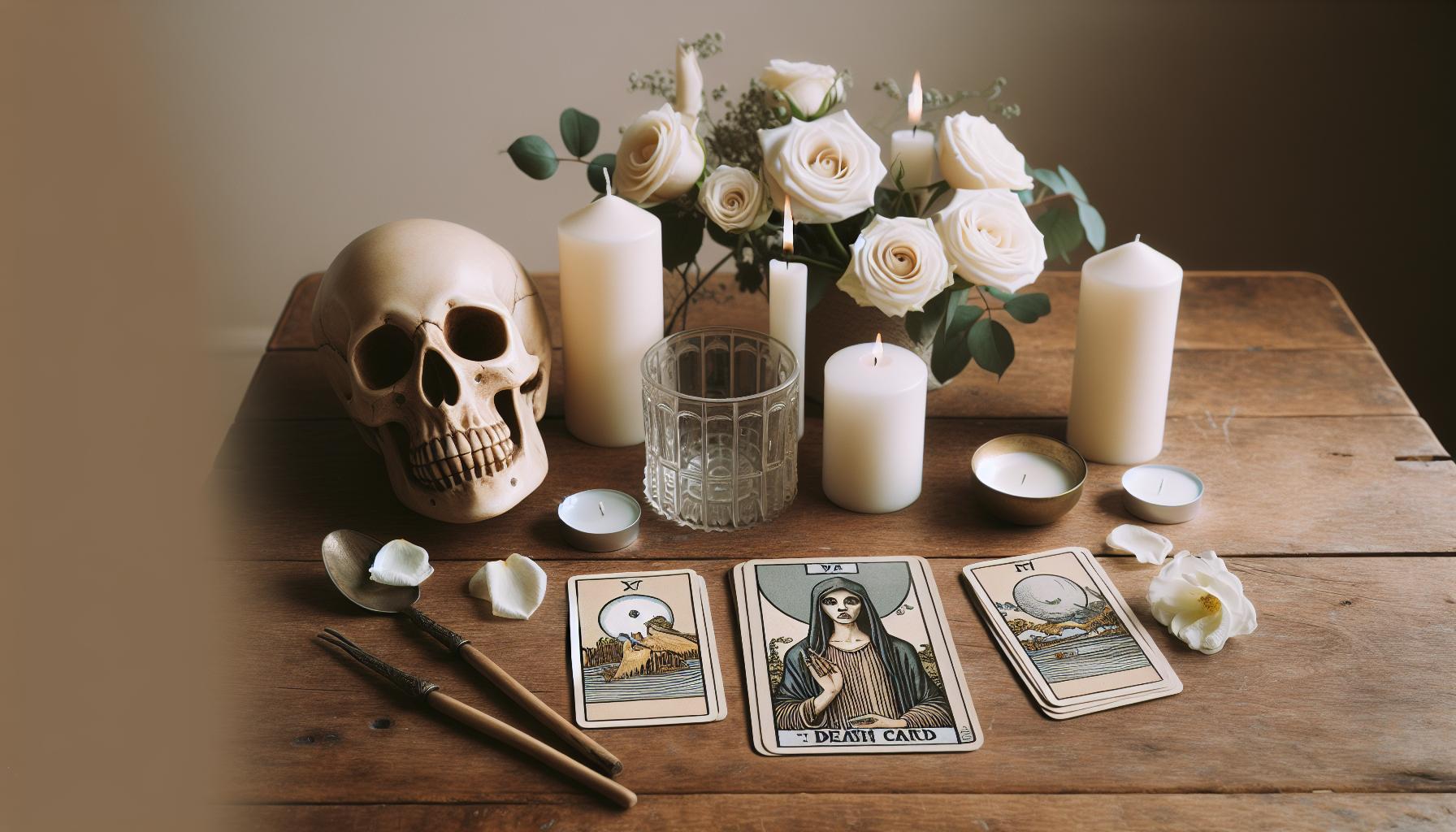
Common Misconceptions About the Death Card
Despite its often chilling imagery, the Death card in Tarot is frequently misunderstood. Many people instinctively associate it with literal death or bad omens, which can lead to unnecessary fear. However, this card serves as a powerful symbol of transformation and change. Understanding the nuances of the Death card can help dispel these misconceptions and reveal its true meaning.
First, it’s important to note that the Death card does not predict physical demise. Instead, it embodies the idea of endings and new beginnings, encouraging us to embrace the natural cycles of life. For example, a reading that includes the Death card may suggest the conclusion of a phase in life-be it a job, a relationship, or even a way of thinking. This ending creates space for fresh perspectives and opportunities.
Another common misconception is that encountering the Death card brings certainty of misfortune. In reality, it’s more about prompting introspection and urging us to reflect on what no longer serves us. For instance, if you draw the Death card while considering a career transition, it suggests that letting go of your current position is essential for your growth, rather than indicating failure.
Lastly, many believe the Death card signifies a lack of security or stability. On the contrary, it often highlights the necessity of change to foster personal development and resilience. By fully embracing the transitions signaled by this card, we open ourselves to healing and renewal. This perspective cultivates a more accepting attitude towards life’s inevitable changes, transforming fear into empowerment. When contemplating the Death card, recognize it as an invitation to explore what needs to be released, thus allowing for transformation-a journey deeply woven into the fabric of our existence.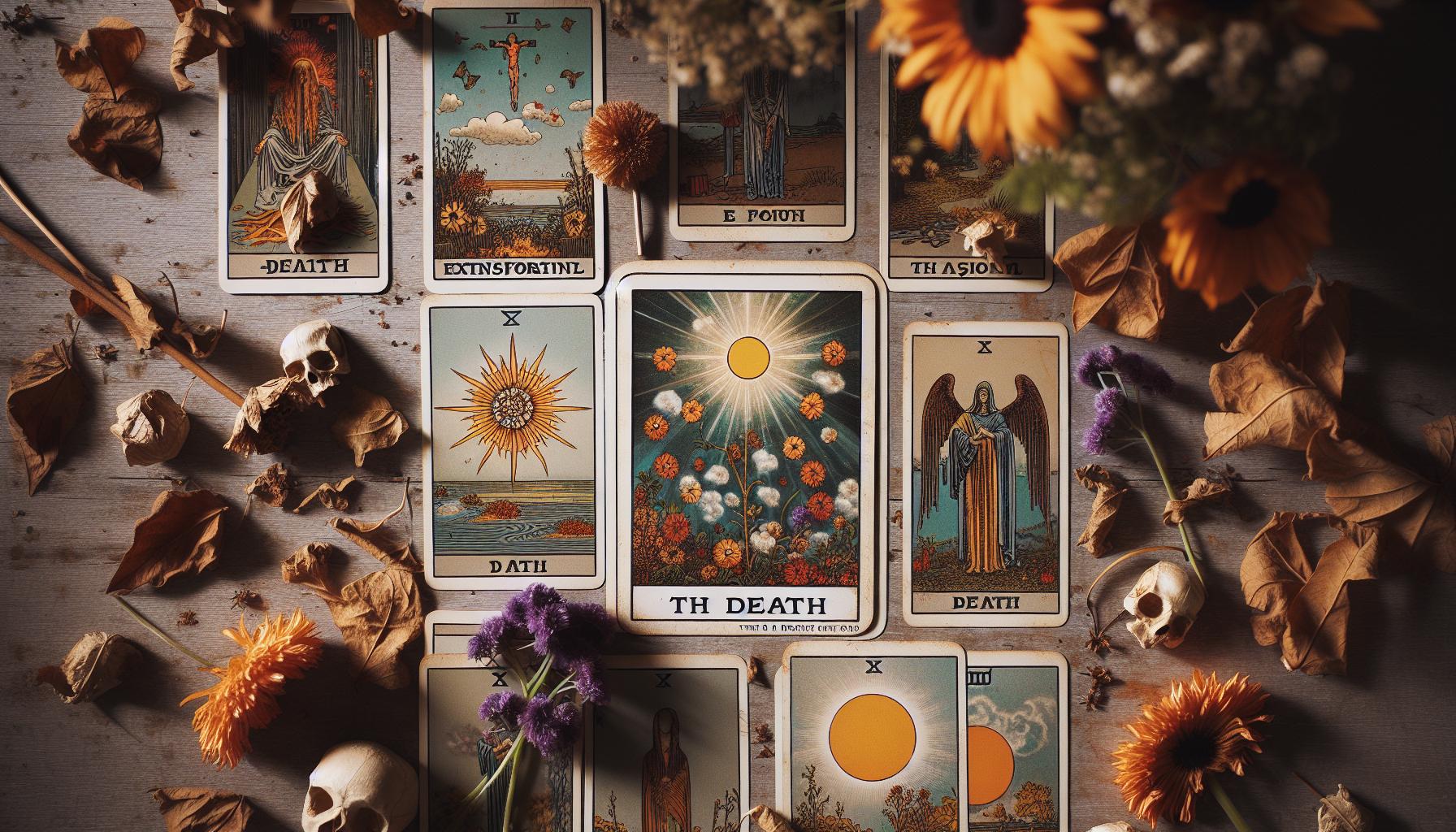
Interpreting the Death Card in Different Tarot Spreads
When you encounter the Death card in a Tarot spread, it signifies profound change and transformation, urging you to embrace the cycles of life and personal evolution. Understanding how this card interacts with various spreads can illuminate its wisdom and guide your interpretations. Whether you’re a beginner or more experienced, the key is to recognize the context in which the Death card appears, as it varies depending on the spread’s layout and intent.
In a simple three-card spread, where you might ask about the past, present, and future, the presence of the Death card in the “present” position suggests that you are at a pivotal moment where something must end for you to move forward. For instance, if you are contemplating a relationship where you feel stagnant, the Death card could indicate that the relationship may need to transform, or even come to an end, allowing for personal growth and new opportunities.
On the other hand, in a more complex Celtic Cross spread, the Death card can provide insights into underlying challenges or newly emerging circumstances. When positioned in the “obstacles” position, it may reveal resistance to change or fear of letting go, highlighting the need to confront what is holding you back. Here, it’s essential to focus on the card’s transformative energy-acknowledging that every ending paves the way for new beginnings can shift your perspective and energize your path forward.
Another practical example is using the Death card in a relationship spread, where it can reveal dynamics of transformation within romantic connections. Suppose the card appears in the “partner’s feelings” position; this may suggest that your partner is undergoing their own significant changes or that the relationship is prompting introspection and growth for both parties. Understanding the nuances of this card in different contexts can empower you to interpret its messages more effectively and apply them in your life.
In every spread, remember that the Death card invites you to engage with the essence of transformation and rebirth. Embrace the idea that endings are often necessary for new beginnings, and allow this understanding to guide you through life’s evolving landscapes. Tarot is a tool to foster insight and clarity, helping you navigate your journey with confidence and intention.
Transformative Meanings: Change and New Beginnings
When the Death card appears in a Tarot reading, it serves as a powerful reminder of the inevitability of change and the potential for rebirth. This card often symbolizes the end of one phase and the beginning of another, encouraging you to embrace transitions rather than resist them. It’s essential to view the Death card not as a signal of doom, but as a herald of transformative opportunities ahead. Acknowledging this can empower you to let go of what no longer serves you and welcome new possibilities into your life.
As you navigate through life’s cycles, consider the following transformative aspects when interpreting the Death card:
Embracing Change
Change is often uncomfortable, yet it is a necessary part of growth. The Death card encourages you to reflect on areas in your life that might benefit from transformation. Whether it’s a job that feels stale, a relationship that has run its course, or habits that no longer support your well-being, recognizing the need for change is the first step towards renewal. A practical tip is to create a “release list.” Write down aspects of your life you wish to let go of-this act of acknowledgment can be a significant step towards making room for new beginnings.
New Beginnings
After letting go, the space created is fertile ground for fresh starts. The presence of the Death card often signals that something new is on the horizon, waiting for the right moment to blossom. For instance, if you’ve just ended a long-term relationship, you might find that your next adventure could be in discovering new passions or meeting new people who complement your current self. Use this time to explore interests that intrigue you-whether it’s a new hobby, educational endeavor, or even pursuing a new career path.
Real-World Reading Example
Imagine you draw the Death card in a reading focused on career. Rather than viewing it as an ominous sign of job loss, interpret it as an invitation to reflect on your career trajectory. You might ask yourself: “What skills could I develop? What opportunities have I been ignoring?” The Death card here encourages you to take decisive action toward a path that resonates more deeply with your true self.
By reframing the narrative surrounding the Death card, you cultivate a mindset that celebrates change as a fundamental aspect of life’s journey. Remember, endings create space for new experiences, and with every conclusion comes the promise of a new beginning. Embrace this cycle with openness, allowing yourself to discover the beauty that transformation can bring to your life.
How to Approach the Death Card in Readings
When you encounter the Death card in a tarot reading, it often sparks immediate concern due to its name and imagery. However, this card represents so much more than the end; it embodies transformative potential. To navigate its powerful energies effectively, start by shifting your perspective. Instead of viewing this card as a harbinger of doom, embrace it as an opportunity for personal growth and renewal. Understanding its broader implications allows you to approach the card with an open heart and a curious mind.
First and foremost, it’s crucial to create a safe space for interpretation. Acknowledge any fears or anxieties that arise when you see the Death card. Write down your feelings and concerns. This act of recognition can help you detach from fear and prepare for a deeper exploration. In your readings, focus on what areas of life might be ripe for change. Ask guiding questions such as: “What old habits do I need to release?” or “How can I embrace transformation in my current situation?” This proactive approach ensures that the reading is not merely a passive experience but an active dialogue with the self.
Next, consider the context of the reading. Whether you’re doing a general spread or focusing on a specific area like love or career, the implications of the Death card can shift dramatically. For instance, if it appears in a spread about relationships, it might suggest the necessity of letting go of patterns that no longer serve you. Think of it as an invitation to cultivate healthier dynamics. In contrast, if it appears in a career-focused reading, view it as a nudge to pursue new opportunities or make necessary changes in your professional life. This contextual awareness helps you translate the symbolic weight of the Death card into actionable insights.
Finally, practice patience and introspection after your reading. The teachings of the Death card often unfold over time. Keep a journal of your reflections and any changes in your life after encountering this card. Note the new beginnings that arise in the wake of loss. By embracing the lessons of the Death card, you cultivate resilience and invite transformation, allowing you to navigate life’s transitions with grace. Remember, each ending carries the seed of a new beginning-an essential truth that the Death card lovingly reminds us of.
Navigating Life Changes: The Guidance of the Death Card
Encountering the Death card in a tarot reading is often a moment of surprise, yet it serves as a profound reminder of the inevitability of change. This card invites you to shed what no longer serves you and to welcome transformation with open arms. As you navigate life’s transitions, the Death card offers guidance on how to embrace these changes positively and constructively.
To begin with, it’s essential to acknowledge the inevitability of endings. Whether it’s a career shift, the conclusion of a relationship, or the departure of old habits, these endings pave the way for new beginnings. Embrace this cycle as a natural part of life. Consider reframing your thoughts about what it means to let go. Ask yourself: What can I learn from this ending? How can I use this opportunity to grow? Writing down your reflections can help clarify your feelings and set intentions for the future.
Practical Steps to Embrace Change
Here are some actionable steps to help you navigate transitions guided by the energies of the Death card:
- Create a Letting Go Ritual: Consider crafting a simple ceremony to honor what you are releasing. This could involve writing down aspects of your life that you wish to let go of and symbolically burying or burning the paper. This physical act can be incredibly cathartic.
- Identify New Opportunities: With every ending comes the chance to explore new avenues. Take time to reflect on areas of your life that excite you or hold potential. Set small, attainable goals that align with this new direction.
- Seek Support: Transitions can be daunting. Don’t hesitate to lean on friends, family, or support groups. Sharing your journey encourages deeper connections and can provide valuable perspectives.
As you reflect on these changes, patience is key. The transformation signaled by the Death card often unfolds gradually. It’s okay to feel uncertain or anxious. Acknowledge these feelings but allow them to coexist with hope for what’s to come. Keeping a journal where you explore your thoughts, emotions, and the gradual outcomes of your transformations can be a powerful tool for understanding and embracing this journey.
Remember, the essence of the Death card is not an end, but rather a gateway to rebirth. By welcoming the changes with curiosity and an open heart, you empower yourself to experience the beauty of new beginnings, transforming potential fear into excitement and growth.
The Death Card’s Role in Personal Growth and Healing
Encountering the Death card can be a profound catalyst for personal growth and healing. Contrary to common fears, this card often signifies not just an ending but an incredible opportunity for transformation. When you embrace the energy of the Death card, you are invited to let go of the old-be it behaviors, relationships, or perspectives-that no longer serve your best self. This relinquishing of the past creates space for healing and growth, allowing you to step into a new chapter of your life with clarity and purpose.
To fully harness the transformative power of the Death card, consider these practical approaches:
- Reflect on Past Lessons: Take time to examine the experiences you’re ready to release. What lessons have they provided? Journaling your thoughts can help crystallize your understanding and illuminate what needs to change.
- Set Intentions for Your New Path: Once you’ve identified what you want to let go of, focus on what you wish to cultivate in your life. Setting clear intentions can guide your actions and help keep you aligned with your goals.
- Practice Mindfulness: Engaging in mindfulness practices, such as meditation or deep-breathing exercises, can help you stay present during times of change. This grounding can ease anxiety and promote a sense of peace as you navigate transitions.
Embracing the Death card’s lessons allows for deeper healing. For instance, someone who experienced a job loss might initially feel devastated but can emerge stronger by reframing the loss as an opportunity to explore new career paths or rediscover passions. Acknowledging the initial grief while actively pursuing new opportunities creates a fertile ground for personal evolution.
The Death card serves as a reminder that endings are often closely linked to new beginnings. It encourages you to honor your journey-recognizing that every transformation, no matter how challenging, brings invaluable insights and often leads to profound growth. By welcoming changes with an open heart, you can turn potential fear into empowerment, allowing you to navigate life’s myriad transitions with grace and wisdom.
Challenging Fears: Embracing the Death Card’s Lessons
Embracing the lessons of the Death card allows you to challenge fears often rooted in the misunderstanding of what this card truly represents. For many, the imagery of death evokes anxiety and resistance, but when viewed through a lens of transformation, it becomes an emblem of renewal and opportunity. This card invites us to confront what holds us back-be it outdated beliefs, stagnant habits, or even toxic relationships-encouraging a brave examination of our lives.
To navigate this process, start by acknowledging your fears. Write down your feelings about change and endings. What are you most afraid of losing? Understanding these fears can help you separate your emotional responses from the realities of your situation. Often, fears are exaggerated in our minds. For instance, the fear of moving on from a familiar job can overshadow the excitement of new possibilities.
Now, consider integrating reflective practices like meditation or visualization. Picture yourself on the other side of a transition. What does this new beginning look like, and how does it feel? Engaging your imagination in this way not only eases fear but also cultivates hope. By envisioning positive outcomes, you shift your focus from loss to potential gains.
An effective approach is to create a personal mantra that embodies acceptance. Phrases like “Every ending is a chance for a new beginning” can be powerful reminders during times of transition. Recite this mantra daily to reinforce a mindset that welcomes change rather than dreads it.
Finally, remember that real-life stories of transformation can be remarkably inspiring. Think of a friend who left a long-held job and, despite initial fears, later found a fulfilling career that better aligned with their passions. Embracing the unknown propelled them toward a more fulfilling path, illustrating how the Death card’s energy can manifest beneficially in our lives.
By embracing the lessons inherent in the Death card, we can transform fear into empowerment. Each acknowledgment of fear becomes a step closer to personal evolution. Embracing this transformative energy empowers us to navigate life’s inevitable changes with courage and grace.
Real-Life Examples of the Death Card’s Impact
The Death card in Tarot often evokes a mix of fear and intrigue, yet its impact in real-life scenarios can be transformative and empowering. Many individuals who have encountered the Death card in a reading report significant shifts in their lives, often leading to new beginnings that they initially thought were impossible. For instance, consider a person facing a seemingly stagnant phase in their career. When the Death card appears, it might signal the need to let go of a job that no longer serves them. This can lead the individual to take that courageous step forward, ultimately uncovering a passion for a new path that aligns more closely with their true self.
Similarly, relationships often feel the transformative energy of the Death card. One client shared how a reading revealed the Death card during a tumultuous period in their marriage. Initially resistant, they soon recognized the need to either revitalize their connection or part ways. This introspective process facilitated a heart-to-heart conversation, ultimately resulting in an amicable separation that allowed both partners to grow independently. In this scenario, the Death card didn’t symbolize an end but rather a necessary evolution toward personal fulfillment and happiness.
In another poignant example, a woman faced a major life shift after the passing of a loved one. During a Tarot session, drawing the Death card prompted feelings of mourning but also of hope. As she began to explore the idea of transformation, she found solace in creating a memorial project that celebrated her loved one’s life. This initiative not only helped her process grief but also connected her with the community, showcasing how endings can give rise to new pathways for healing and creativity.
These stories reflect a common theme: the Death card guides us to confront what is no longer serving us, pushing us toward essential transformations. Embracing its presence can unlock the courage to initiate significant life changes. By reframing our understanding of what death signifies in the Tarot-letting go and renewal-we can open doors to fresh beginnings, allowing for growth and increased self-awareness. The journey may not always be straightforward, but the rewards of facing our fears can lead to profound personal evolution.
Faq
Q: What does the Death card signify in a Tarot reading?
A: The Death card in Tarot symbolizes transformation and change, rather than physical death. It often indicates the end of one phase and the beginning of another, encouraging letting go of the old to embrace new opportunities. This powerful card teaches us to welcome change as a vital part of life.
Q: How should I interpret the Death card when it appears reversed?
A: When the Death card appears reversed, it may suggest resistance to change or an inability to let go of the past. It can indicate stagnation or fear of transformation. This card encourages self-reflection and the need to confront what is holding you back, promoting movement towards personal growth.
Q: Can the Death card predict physical death?
A: No, the Death card does not typically predict physical death. Instead, it represents transformative experiences and signifies the conclusion of cycles. Understanding this can help alleviate fears associated with the card and open up to its meanings of renewal and rebirth.
Q: How does the Death card relate to personal growth?
A: The Death card is integral to personal growth as it signifies the need to release outdated beliefs or habits. By embracing the changes it represents, individuals can transition into new and more fulfilling versions of themselves, fostering a continual journey of self-discovery and evolution.
Q: What should I focus on when the Death card appears in a relationship reading?
A: In relationship readings, the Death card invites you to consider the transformations needed within the relationship. It might indicate the end of certain patterns that no longer serve both partners, making way for a healthier dynamic or new beginnings. Focus on communication and understanding emerging changes.
Q: Why do people fear the Death card in Tarot?
A: Many people fear the Death card due to its imagery and common associations with mortality. However, this card represents transformation instead of an end. Embracing it can lead to personal empowerment and acceptance of life’s inevitable changes, encouraging a more positive view of transitions.
Q: How can I overcome my fear of the Death card in Tarot readings?
A: To overcome fear of the Death card, educate yourself on its true meanings of renewal and transition. When it appears, focus on the aspects of your life that might require change and consider it an opportunity for growth. Regular practice and self-reflection can help demystify its power.
Q: What is the best way to prepare for a reading that includes the Death card?
A: To prepare for a reading involving the Death card, set intentions for transformation. Reflect on areas of your life that may need change or closure. Approach the reading with an open mind and heart, ready to embrace the lessons it offers about letting go and moving forward.
For further insights into Tarot reading and interpretations, explore our sections on navigating life’s changes and the transformative meanings behind various cards.
In Retrospect
Understanding the Death card in Tarot is a powerful step toward personal transformation. Remember, it symbolizes change and the potential for rebirth rather than an end to fear. Embrace this card as an invitation to reflect, release what no longer serves you, and welcome new possibilities. If you found this insight compelling, why not dive deeper? Explore our article on Tarot Suit Meanings or learn how to interpret your own Tarot spreads effectively.
Don’t hesitate to share your thoughts or experiences in the comments below; your insights can inspire others! For personalized guidance, consider signing up for our newsletter or booking a consultation with one of our expert Tarot readers. The journey of understanding your intuition and the Tarot is just beginning-let us guide you every step of the way!
Get our latest guides, news, and insights highlighted in your Google Search & AI Overviews.