
The Devil card in Tarot often stirs up fear and confusion, yet it holds the key to profound personal transformation. This card invites you to confront your limitations and desires, revealing the power to break free from cycles that hold you back. Have you ever felt trapped by habits or negative thoughts? You’re not alone. Understanding the Devil card can illuminate your path towards liberation and self-discovery. This article will demystify its meanings, guiding you to harness the lessons within this powerful symbol. As we explore its significance, you’ll learn how to embrace your shadow side and reclaim your personal power. So, let’s delve into the depths of the Devil card and uncover the freedom that lies beyond.
Understanding the Devil Card: Symbolism and Meaning
The Devil card, often viewed with trepidation, carries profound symbolism and meaning in the Tarot. Instead of a sign of doom, it represents the darker aspects of human experience, revealing where we might feel trapped or enslaved by our desires, fears, or unhealthy attachments. It boldly illustrates the battle between our earthly desires and the higher aspects of our existence, inviting us to explore our relationships with temptation and addiction. By examining this card thoughtfully, one can uncover important insights about self-imposed limitations and the journey toward liberation.
The imagery on the Devil card typically depicts a horned figure, often accompanied by chains binding a man and a woman. This visual serves as a powerful reminder of how we can bind ourselves with our desires or negative behaviors. Chains, while seemingly unbreakable, often have slack; this signifies that true liberation is possible, but it requires introspection and courage to confront what holds us back. The presence of the Devil urges us to acknowledge our shadow self-the parts of us we may reject or ignore, but which, when addressed, can lead to greater self-awareness and empowerment.
In practical terms, this card encourages us to ask vital questions about what we feel addicted to, whether it be substances, relationships, or patterns of thought. Recognizing these bindings can open pathways to breaking free. For instance, if you draw the Devil in a reading about career aspirations, it might suggest you’re clinging too tightly to a job that doesn’t fulfill you due to fear of the unknown. This realization can motivate you to develop a plan for moving toward a more satisfying path.
Ultimately, engaging with the Devil card offers a transformative opportunity. It urges us not to shy away from our challenges but to confront them directly and seek freedom. By embracing the lessons of this card, we step into a more authentic version of ourselves, forging the way towards liberation and fulfillment.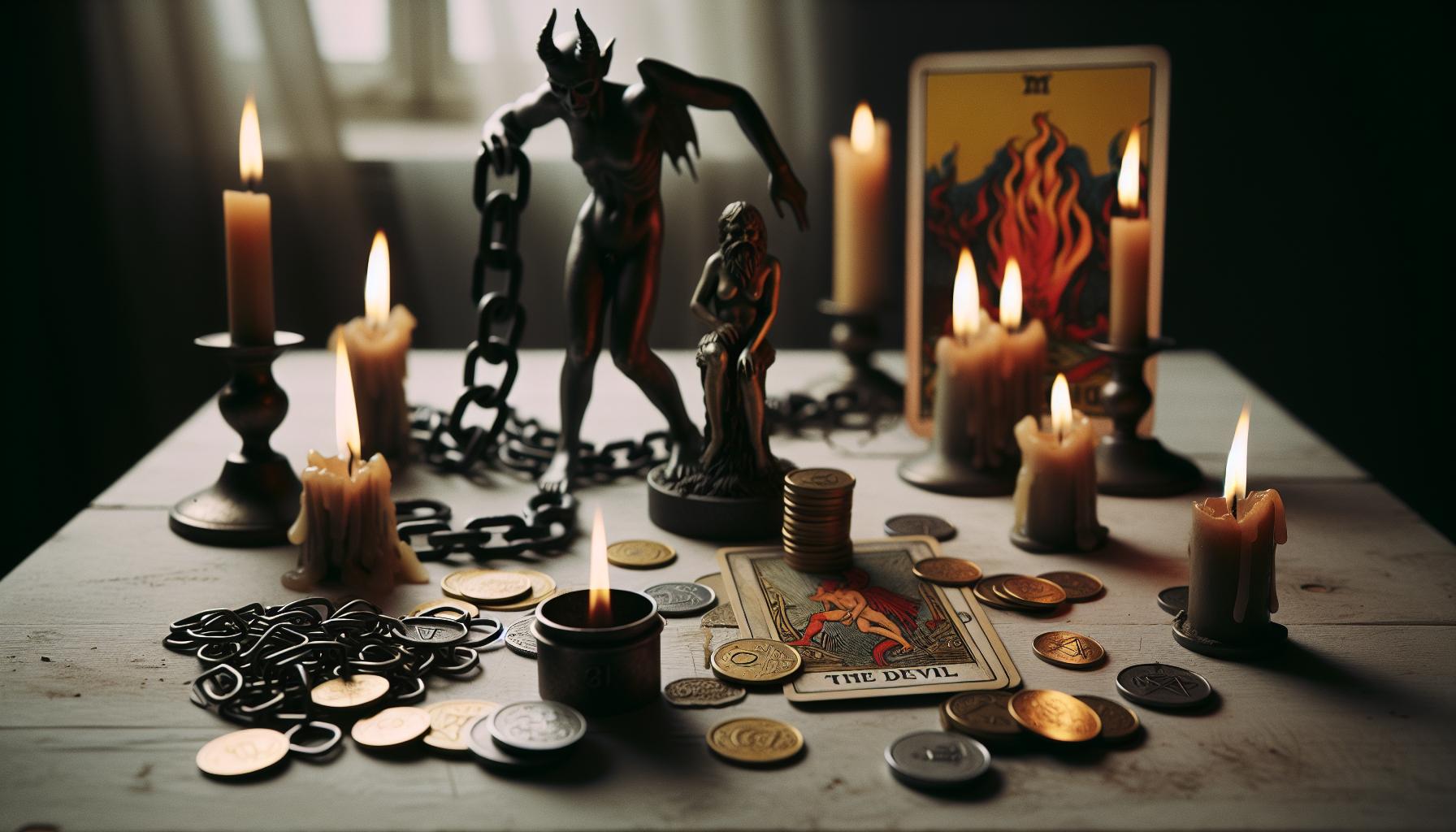
Decoding the Imagery: What the Devil Card Represents
The imagery of the Devil card in Tarot encapsulates powerful themes of temptation, bondage, and self-awareness, serving as a mirror reflecting our internal struggles. Typically illustrated with a horned figure-representing the archetype of shadow aspects-accompanied by chained figures, this card invites introspection into what binds us. While the chains may appear unbreakable, they often carry an inherent slack, symbolizing that liberation is attainable through self-recognition and personal courage. Each element of the card is steeped in meaning, encouraging us to confront the darker corners of our psyche.
One of the most significant aspects of the Devil card is its ability to shine a light on the nature of addiction and unhealthy attachments. The figures in bondage highlight how we can imprison ourselves with desires, substances, or toxic relationships. For example, if you draw the Devil in a reading focused on your emotional life, it may suggest that you are clinging to a relationship that feels familiar yet constrictive, wherein fear of loneliness overshadows the potential for growth. This realization acts as a catalyst, prompting you to assess what truly serves your highest good.
Moreover, the presence of the Devil card is not merely to instill fear or apprehension but to encourage a deeper understanding of oneself. It calls for an exploration of our shadow self-the parts of us we might be inclined to deny or ignore. Engaging with these aspects can lead to profound self-awareness and empowerment. By recognizing our limitations, we can shift our perspective from one of victimhood to proactive change. For instance, during a career-focused reading, the Devil could urge you to examine if you’re trapped in a job out of comfort rather than passion, prompting actionable steps toward career fulfillment.
Through the powerful imagery and symbolism of the Devil card, we gain invaluable insights into our own lives. It urges us to face our fears and recognize our patterns-essential steps toward reclaiming our freedom and authenticity. By understanding what the Devil card represents, we can harness its lessons of reflection and release, ultimately guiding us on our path to personal growth and liberation.
Common Misconceptions About the Devil Card in Tarot
Many people approach the Devil card with trepidation, often associating it exclusively with negativity or evil. This interpretation stems from a misunderstanding of the card’s deeper meaning in the Tarot. Instead of representing malevolence or doom, the Devil card primarily symbolizes the bondage we experience in our lives-be it through addiction, unhealthy relationships, or ingrained fears. Recognizing this can shift your perspective from dread to insight.
One common misconception is viewing the Devil card as a harbinger of misfortune. However, rather than predicting bad events, this card urges reflection on what holds us back, allowing for personal growth. It emphasizes the importance of self-awareness; the more one understands what binds them, the greater the potential for liberation. For instance, if you draw this card during a reading about personal relationships, it might suggest a need to identify whether you are clinging to toxic connections out of fear of loneliness.
Another notable myth is that the Devil card signifies a lack of morality. In reality, it can point to the necessity of confronting our shadows-the parts of ourselves we might attempt to ignore or deny. Engaging with these shadow aspects can foster a healthier relationship with oneself. Instead of running from your flaws or fears, the card encourages you to acknowledge and understand them. This self-exploration is a powerful step toward reclaiming your autonomy and making empowered choices.
Lastly, many presume that the Devil card’s presence indicates inevitability; once it appears, one is doomed to fail. On the contrary, this card empowers the querent by shedding light on the choices they have. It reveals that the chains of bondage often have slack-signifying that freedom is within reach. By embracing the wisdom of the Devil card, you can start addressing issues in your life and take proactive steps towards liberation. Whether in love, career, or personal development, the insights offered by this card can transform perceived negativity into profound opportunities for growth.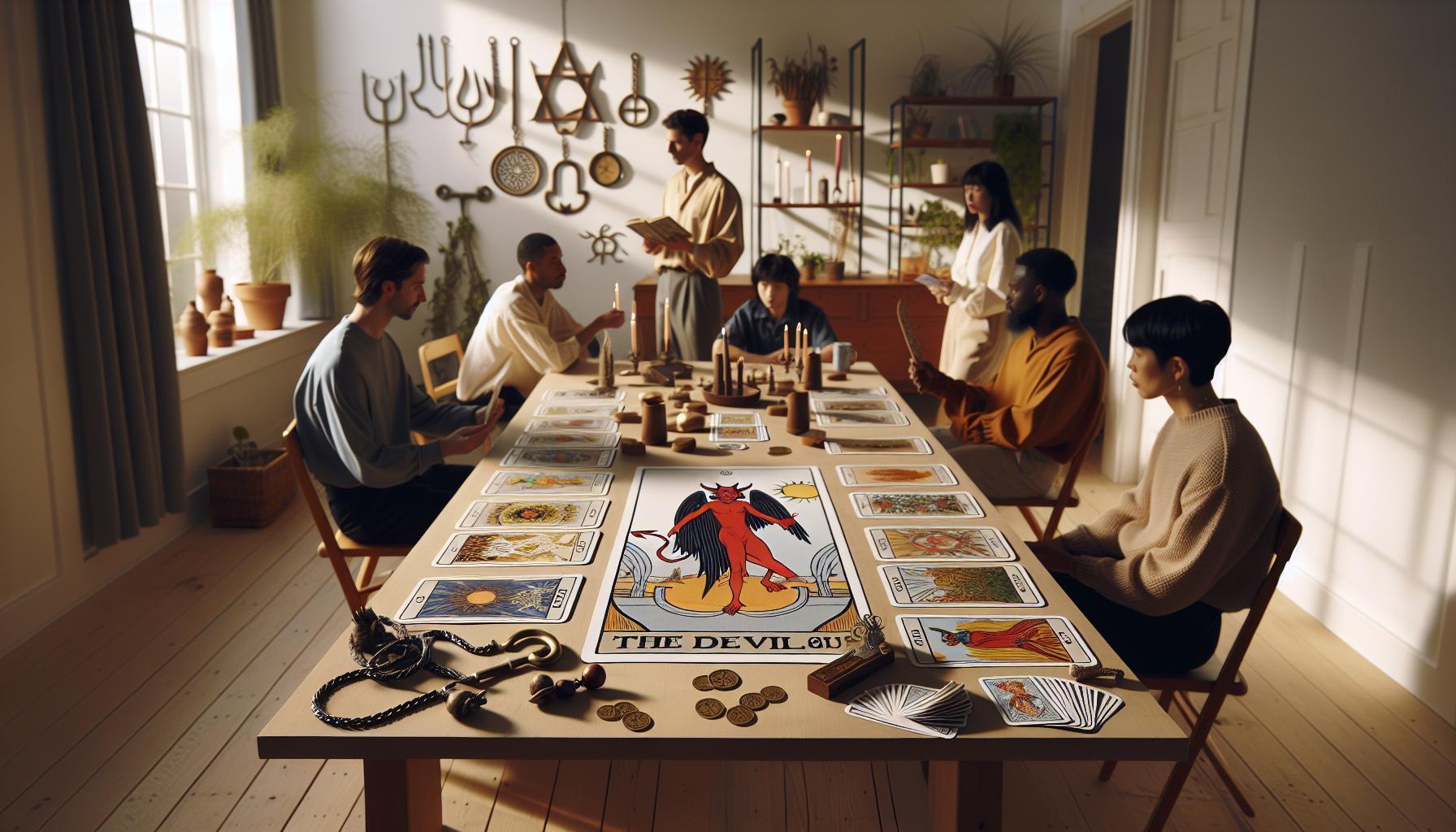
How the Devil Card Relates to Personal Freedom
The Devil card, often misinterpreted as a symbol of doom, actually reveals profound truths about personal freedom and the liberation we can seek in our lives. When this card appears in a reading, it invites us to confront the shackles that bind us-be they compulsions, fears, or toxic relationships. It serves as a powerful reminder that the path to freedom begins with self-awareness. By understanding our bondages, we can start to delineate the line between our true selves and what society or our past experiences have imposed upon us.
To leverage the insights from the Devil card effectively, engage in a process of reflection. Ask yourself: What are the habits or relationships that hold me captive? Whether it’s a job that drains your spirit or a relationship characterized by codependency, the Devil prompts us to identify these sources of entrapment. By confronting these elements of our lives, we can forge a clearer path toward liberation.
Consider a real-life scenario where someone feels constrained in a job that demands more than it returns in fulfillment. If the Devil card shows up in a reading, it might suggest that this individual is holding onto security out of fear of the unknown. The card encourages them to perceive that fear as a temporary barrier instead of a permanent jail. Their freedom lies in the courage to pursue passions that genuinely resonate with their identity, reinforcing the idea that liberation is achievable through conscious choice.
Furthermore, integrating practices like journaling or meditation after a reading with the Devil card can enhance your journey toward freedom. As you reflect, challenge negative self-talk and reframe your narrative. Instead of thinking, “I can’t change my situation,” empower yourself with affirmations like, “I have the power to reshape my life.” This transformative approach fosters a healthier relationship with your inner self, encouraging growth and autonomy. Remember, the Devil card is not a sign of doom but an essential guide toward securing the freedom you truly deserve.
The Devil Card’s Role in Different Tarot Spreads
The Devil card holds a unique significance in various tarot spreads, acting as a powerful indicator of internal struggles and potential liberation. When placed in a reading, it often prompts clients to confront their fears, addictions, or attachments-elements that can hinder their spiritual growth. The position of the Devil in a spread can provide deep insights into how these influences affect different life areas.
In a three-card spread, for example, the Devil might appear in the “present” position, signaling that current obstacles are rooted in unhealthy habits or relationships. This positioning encourages individuals to assess their environment critically. It may suggest that facing these challenges is not only necessary for recognition but also pivotal for personal transformation. Alternatively, if found in the “future” position, the Devil could indicate the necessity of addressing these bondage issues before moving forward; otherwise, one risks repeating past mistakes.
In more complex spreads, such as the Celtic Cross, the Devil may offer layered insights. If it occupies the “opposition” position, it highlights an external force or relationship that may be perpetuating cycles of dependency or fear. Understanding this dynamic can empower individuals to reclaim their autonomy. Conversely, when it lands in the “outcome” position, it can shine a light on the potential for empowerment through the acknowledgment of one’s struggles, suggesting that liberation is within reach if one dares to confront their darker sides.
To make the most of the Devil’s energy in readings, consider journaling your thoughts and feelings post-session. Ask questions like, “What is this card illuminating in my life right now?” or “How can I better recognize the chains I may not see?” Such reflective practices can foster deeper self-awareness and set the stage for true growth and freedom. By engaging with the Devil card thoughtfully within your tarot spreads, you not only demystify its presence but also harness its potential as a catalyst for meaningful change.
Interpretations for Reversed Devil Card Readings
The reversed position of the Devil card invites a fresh perspective, often signaling a pivotal turning point in one’s relationship with temptation and bondage. When drawn in reverse, this card typically suggests a breaking free from the chains that have previously held you down. It’s a powerful moment that encourages reflection on the patterns of behavior or thought that may have limited your personal freedom.
One of the key interpretations of the reversed Devil is liberation. It indicates that you may be overcoming fears, addictions, or negative influences that have previously dominated your life. You might find yourself actively working to release unhealthy relationships or behaviors, acknowledging what no longer serves you. This reversal can act as a beacon of hope, confirming that change is possible and that you are capable of stepping into a more empowered state of being.
In practical terms, exploring the themes of the reversed Devil can be enhanced through journaling. Ask yourself questions like:
- What fears am I ready to confront and overcome?
- Are there habits or relationships that I feel ready to release?
- How can I ensure my newfound sense of freedom is sustained?
Journaling after your readings will not only clarify these issues but also reinforce your commitment to personal growth.
Additionally, the reversed Devil card can highlight a shift in awareness. Instead of being blind to your vulnerabilities, you may start recognizing them and taking active steps toward healing. It signifies a moment to celebrate progress, whether that’s attending support groups, engaging in self-help practices, or simply setting healthy boundaries.
In summary, the reversed Devil card serves as a reminder that the power to liberate lies within you. By acknowledging your struggles and taking proactive steps toward healing and transformation, you pave the way for a more authentic, unrestricted life filled with possibility and self-empowerment.
Real-Life Scenarios: Navigating the Devil Card Insights
Navigating the insights of the Devil card in real life can feel daunting, yet it often serves as a powerful catalyst for transformation and empowerment. Many people associate this card with negative connotations, such as temptation or bondage, but interpreting its messages can reveal invaluable pathways to personal liberation. For instance, let’s consider a scenario where a person is grappling with addiction. Drawing the Devil card might symbolize their internal struggle but also highlight the potential for self-awareness and the beginnings of recovery. Acknowledging these deeper themes can inspire bold steps toward seeking help, joining support groups, or simply reaching out to friends and family.
In another common situation, a person might feel trapped in a toxic relationship. The Devil card could emerge in a reading to illuminate these unhealthy dynamics, urging them to make a choice to prioritize their self-worth. This could manifest as setting boundaries or ultimately deciding to walk away from what no longer serves them. To harness the energy of this card, they could engage in reflective practices-such as journaling or meditation-to clarify their feelings and intentions. Questions like, “What holds me back from leaving this situation?” or “What aspects of my life do I feel powerless to change?” can guide them toward actionable insights that align with their personal freedom.
The key to effectively navigating the insights from the Devil card is actively embracing the conversations it sparks within oneself. Engage deeply by writing down the emotions that surface when the card appears, along with any recurrent thoughts that arise during contemplation. This process not only promotes healing but can also highlight patterns, fears, and motivations that were previously obscured by denial or complacency. Ultimately, the Devil card serves as a mirror; by recognizing our darker sides, we can begin to dismantle fears and make empowered choices that align with our true selves.
Remember, each encounter with the Devil card is not just about identifying the chains that bind us, but also about celebrating our courage to break free and pursue a life imbued with authenticity and personal power. The journey is as important as the destination, and with each step towards liberation, we discover more about our inner strength and resilience.
Cleansing and Releasing Energy from the Devil Card
Cleansing and releasing the energy of the Devil card in tarot can be a transformative practice, offering an opportunity to shed the weight of unhealthy attachments and embrace personal freedom. The energy represented by the Devil card often embodies issues like addiction, temptation, or feeling trapped. By consciously cleansing this energy, you not only clear its potential negative influences but also create space for empowerment and clarity.
Begin your cleansing process by creating a sacred space for yourself. This could be as simple as lighting a candle, burning sage, or using essential oils like lavender or frankincense to cleanse the energy around you. Once you feel grounded in this space, take a moment to reflect on what the Devil card has brought into your awareness. Consider journaling your thoughts and emotions, specifically focusing on what you feel tied to or restricted by. This practice can illuminate the areas of your life that need release.
Next, engage in a physical act of letting go. This could involve writing down the specific attachments or negative feelings associated with the Devil card on a piece of paper and then safely burning it or burying it outside as a symbolic gesture of release. As you perform this act, visualize the chains of those attachments dissolving, liberating you from their hold. This not only serves as a practical method for cleansing but also reinforces your intention to let go and move forward.
Incorporate a meditation practice following your cleansing ritual. Sit comfortably, close your eyes, and focus on your breath. Visualize a bright light surrounding you, absorbing any lingering negativity linked to the Devil card. As you breathe in, imagine drawing in positive energy; as you breathe out, release any negative energy or feelings of restriction. This meditative moment helps to reinforce your intentions of freedom and empowerment, keeping you connected to the positive insights that the Devil card can offer when approached thoughtfully.
Remember, the process of cleansing and releasing is deeply personal. Trust your intuition and allow yourself to explore different methods until you find what resonates best with you. Each time you encounter the Devil card, recognize it as a guiding force urging you to break free from whatever is holding you back, transforming those moments into opportunities for growth and self-discovery.
The Devil Card in Love Readings: What to Expect
In love readings, the Devil card can evoke strong feelings, but it also brings a wealth of insight about relationships. It often symbolizes desires and the complexities that come with them, reminding us that passion can sometimes edge into obsession. When this card appears, it encourages a close examination of the dynamics in your romantic life-are there unhealthy patterns or dependencies at play? It’s a call to recognize the potential pitfalls of clinginess or overindulgence and to remind ourselves of the necessity of balance in love.
The Devil can signify intense attraction and desire, but these forces can lead to entrapment if left unchecked. If you’re in a developing relationship, the Devil may suggest that while the chemistry is electric, it’s essential to discuss boundaries and establish a solid foundation to avoid falling into patterns of codependency. For those in long-term unions, this card might highlight underlying issues that are festering; perhaps there are elements of the relationship that feel suffocating or controlling.
To navigate the energies of the Devil card effectively, consider engaging in open, honest conversations with your partner. Reflect on what brings you together and what might be pushing you apart. Ask yourself: are my desires serving us both positively, or are they creating tension? Use this card’s energy to analyze your commitment levels and recognize where transformation is needed to reclaim your personal power within the relationship.
If you find yourself challenged by the Devil’s energy in love, embrace it as an opportunity for growth. This card invites you to confront fears or insecurities that may arise. By examining these deeper emotions, you open the door to healthier, more fulfilling connections. Remember, every relationship has its shadows, but facing them together can lead to greater intimacy and understanding.
Empowering Yourself: Using the Devil Card for Growth
Harnessing the energy of the Devil card in Tarot can transform your understanding of personal growth and self-empowerment. While this card is often viewed through a lens of fear or negativity, it actually invites us to confront our shadow selves and identify the aspects of our lives that may be holding us back. By embracing the Devil’s symbolism, you can break free from unhealthy attachments, limiting beliefs, and self-imposed constraints.
To truly harness the strength of this card, start by reflecting on your current life circumstances. Ask yourself: what areas feel restrictive or compulsive? This could relate to relationships, career choices, or even personal habits. Acknowledging these elements is the first step towards liberation. Create a space where you can safely explore these feelings, whether through journaling, meditation, or open dialogues with trusted friends. The goal is to articulate the desires and fears associated with your current patterns.

When you draw the Devil card, consider incorporating rituals that promote release and transformation. Here are a few suggested practices:
- Journaling: Write about your fears and the situations where you feel trapped. This can reveal underlying emotions that need to be addressed.
- Setting Intentions: Declare what you wish to release and what positive energy you want to invite in. This could involve saying affirmations or creating vision boards.
- Grounding Techniques: Engage in activities that connect you to your body, such as yoga or walking in nature, helping to balance the intense energies associated with the Devil.
In your Tarot practice, revisiting the Devil card often can help reinforce these insights. Consider placing it in your readings as a touchpoint to reflect on your progress. As you peel back the layers of your desires and attachments, remember that empowerment comes from understanding and patience. Each confrontation with your shadow self brings you closer to reclaiming your authenticity and making choices aligned with your true desires.
Embrace the challenge presented by the Devil card; it’s a nudge towards liberation and a call to acknowledge that true power lies in your ability to confront what may be hidden in the shadows. Use this transformative energy to carve a path toward personal growth, enabling you to move forward with clarity and strength.
Advanced Techniques: Integrating the Devil Card in Self-Reflection
Integrating the Devil card into your self-reflection practice invites you to engage in a deep exploration of your inner world, highlighting the areas where you might feel stuck or constrained. This card, often associated with temptation and desire, serves as a powerful reminder that acknowledging our fears can lead to liberation. When you draw the Devil, it’s essential to recognize it as an opportunity for growth rather than something to shy away from.
One effective way to engage with the Devil card is through guided journaling. Consider asking yourself specific questions such as, “What are the attachments in my life that no longer serve me?” or “In what ways do I feel controlled by my desires?” As you write, allow your thoughts to flow freely, without judgment. This can bring unconscious patterns to the surface, allowing you to dissect them in a non-threatening manner. For example, you might uncover dependencies in relationships or unhealthy habits that seem alluring but ultimately bring dissatisfaction.
Practical Techniques for Reflection
To deepen your self-reflection process, try incorporating the following techniques:
- Meditative Visualization: Find a quiet space, close your eyes, and visualize the Devil card. Imagine its imagery and how it resonates with your current life circumstances. Allow any emotions to surface and sit with them. This can foster a greater understanding of your fears and desires.
- Behavioral Analysis: Choose a situation in your life where you feel limited. Break it down by examining your thoughts, feelings, and actions. What role does fear play? Are there patterns that repeat? Document these insights to track your growth over time.
- Affirmation Setting: Create affirmations focusing on releasing what no longer serves you. For example, “I release my fear of failure and embrace the opportunities for growth.” Repeat these affirmations daily to reinforce a positive mindset.
As you work with the Devil card, consider its placement in various spreads. For instance, when positioned in a past influence position, it can illuminate past choices that may still affect your current path. In a future position, it may suggest the need for upcoming confrontations with your fears. By understanding the card’s influence contextually, you enhance your self-reflection and clarify the areas of your life that require change.
Remember, approaching the Devil with curiosity rather than fear opens pathways for self-discovery. As you navigate the shadow aspects of your personality, you empower yourself to break free from limitations and step into a more authentic version of yourself. Embrace this transformative energy, and let it guide you on a journey toward profound personal liberation.
Exploring the Shadow Self Through the Devil Card
Engaging with the Devil card in the Tarot invites a profound journey into the shadow self, that often hidden part of our psyche where our fears, desires, and impulses reside. This card symbolizes more than just temptation; it serves as a mirror reflecting our internal struggles with attachments and limitations. When we confront the Devil, we are challenged to explore these darker aspects without fear, helping us to understand the essence of our true selves.
One practical approach to begin this exploration is through guided self-inquiry. Start by asking yourself reflective questions such as, “What fears do I avoid acknowledging?” or “In what ways am I limiting my own potential?” Taking time to write down your thoughts allows these buried feelings to surface. You might discover patterns of self-sabotage or unhealthy relationships that you have tolerated. Recognizing these aspects can be liberating, as it empowers you to take conscious steps towards healing.
Another helpful technique is shadow work journaling, where you document your thoughts, emotions, and experiences related to the challenges presented by the Devil card. You could create a list of your current fears and temptations, evaluating how they impact your life. For example, if you note that procrastination is a recurring issue, delve into what triggers this behavior. Is it fear of failure, fear of success, or perhaps a longing for perfection? Understanding the ‘why’ behind your actions is essential in transforming these shadow attributes into powerful tools for personal growth.
Meditation and visualization can also be effective for those who prefer a more intuitive approach. Close your eyes and imagine the Devil card, focusing on its imagery and symbolism. How does it resonate with your current situation? Allow yourself to feel any emotions that arise and try to understand them as part of your inner narrative. This practice can enhance your understanding of what the Devil represents in your life and facilitate a deeper relationship with your shadow self.
Finally, remember that transforming your relationship with the Devil card is about empowerment and reclaiming your narrative. It’s a journey of self-compassion, where you learn to embrace all facets of yourself-light and shadow. By doing so, you not only free yourself from what holds you back but also step into a more authentic, liberated version of who you are meant to be.
Q&A
Q: What is the significance of the Devil card in tarot?
A: The Devil card represents temptation, materialism, and a sense of being trapped. It encourages you to confront your fears, addictions, and attachments. By acknowledging these aspects, you can seek freedom from what holds you back, leading to personal empowerment and growth.
Q: How can I interpret the Devil card in a tarot spread?
A: When the Devil card appears in a spread, it suggests examining your restrictions and desires. Consider the surrounding cards for context; if paired with positive cards, it may indicate overcoming challenges. Use this moment to reflect on personal liberation and release unhealthy attachments.
Q: What does it mean when the Devil card appears reversed?
A: A reversed Devil card often signifies freedom from bondage. It can represent overcoming addictions or breaking free from limiting beliefs. This card invites you to take action towards recovery and offer opportunities for personal transformation and insight.
Q: How does the Devil card relate to personal freedoms in tarot readings?
A: The Devil card challenges you to recognize how desires or habits may be restricting your personal freedoms. It serves as a reminder that true liberation comes from confronting these barriers and making conscious choices that serve your higher self.
Q: Can the Devil card indicate a warning in love readings?
A: Yes, the Devil card can signal unhealthy dynamics in relationships, such as obsession or dependency. It prompts a reflection on whether the relationship is empowering or restrictive, encouraging you to either work on issues or consider if it is time to move on for your emotional wellbeing.
Q: What should I do after pulling the Devil card during a reading?
A: After drawing the Devil card, take time for introspection. Journal about your current struggles or dependencies. Reflect on what changes you can implement to enhance your personal freedom. Consider cleansing the energy associated with the card through meditation or grounding exercises.
Q: How do I cleanse the Devil card’s energy after a reading?
A: To cleanse the Devil card‘s energy, try smudging with sage or placing the card in sunlight. Meditate on releasing any negative influences associated with it. You can also use crystals like black tourmaline or clear quartz to absorb and transmute the energy effectively.
Q: Why is it important to understand the Devil card in tarot?
A: Understanding the Devil card enhances your ability to navigate life’s challenges. It teaches you about your shadow self and the significance of confronting painful truths. This awareness can lead to profound personal growth and better decision-making in your journey.
Feel free to explore more about personal empowerment and the interpretations of the Devil card within the article sections for deeper insights!
Final Thoughts
Understanding the Devil card is a pivotal step toward breaking free from the chains that bind you. This card invites you to acknowledge the illusions and limitations you may face, empowering you to reclaim your power. Reflect on what freedom means for you, and take action toward those transformative changes.
If you’re eager to learn more about the symbolism behind other Tarot cards, check out our guide on Tarot Card Definitions for deeper insights. Ready to explore your journey further? Try our 3-Card Tarot Reading for personalized guidance tailored to your specific questions.
Remember, every card holds the potential for growth and transformation-embrace it! We’d love to hear your thoughts on how the Devil card has influenced your journey, so drop a comment below and share your experiences. Continue your exploration of Tarot and cultivate your intuitive abilities with us!
Get our latest guides, news, and insights highlighted in your Google Search & AI Overviews.