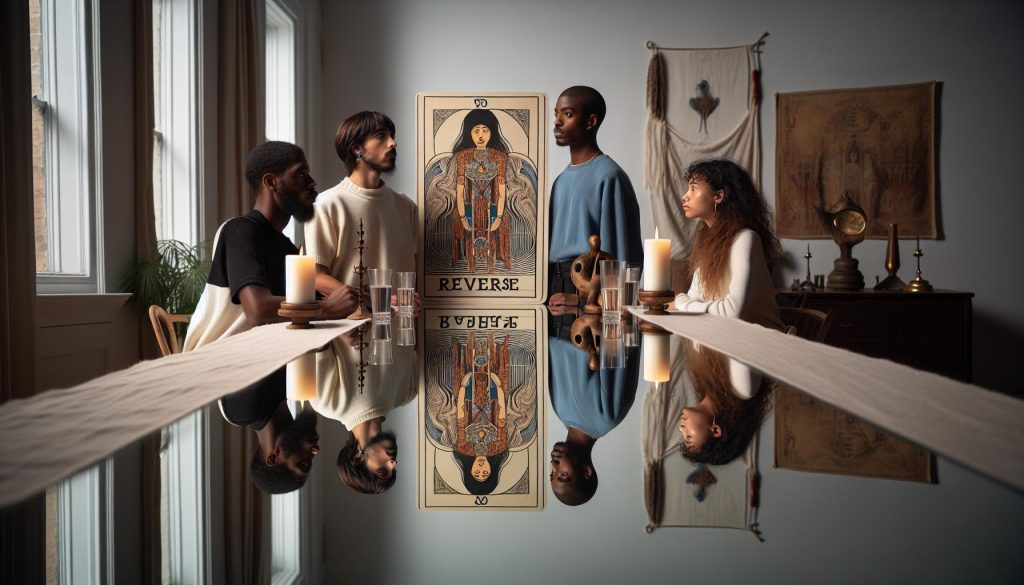
Have you ever flipped a tarot card only to find it in reverse, leaving you puzzled about its meaning? Understanding reverse tarot cards is essential for anyone looking to deepen their reading skills and insights. These cards reflect opposite energies, often revealing hidden challenges or overlooked aspects of a situation.
By embracing the lessons of reversed cards, you can gain clarity on your personal journey, navigate conflicts with greater awareness, and uncover latent potential. Whether you’re a seasoned reader or just starting, knowing how to interpret these cards empowers you to harness their full wisdom. Join us in exploring the intricate meanings behind reverse tarot cards and discover how they can illuminate your path. Your understanding of tarot will evolve, and with it, your ability to connect with the intuitive guidance that surrounds you.
Understanding the Basics of Reverse Tarot Cards
When diving into the realm of tarot, it’s fascinating to discover how the concept of “reverse” can unlock deeper layers of meaning within a card reading. Reversed tarot cards represent energies and themes in contrast to their upright counterparts, often symbolizing obstacles, delays, or inner conflicts. Understanding this can transform your readings from straightforward interpretations into rich narratives that reflect the complexities of life.
Reversed cards invite you to explore the nuances of self-reflection and introspection. For instance, if you encounter The Fool reversed, instead of a fresh start, it may indicate recklessness or a lack of direction. This shift in perspective encourages a deeper inquiry into why these energies are surfacing. You might consider questions like: What fears are holding you back? Are you resisting change? Embracing these challenges allows you to navigate your journey with greater clarity and purpose.
Incorporating reversed cards into your readings requires a shift in mindset. Begin by familiarizing yourself with the core meanings of each card, then consider the reversed interpretation. Some readers maintain a traditional view of reversed cards as entirely negative; however, it’s essential to balance this view by recognizing that reversals can also suggest a need for new perspectives or call for self-awareness and emotions that require attention. For example, the Seven of Swords reversed might reflect a release from deception or guilt, paving the way for honesty and transparency.
Lastly, practical application is vital to mastering the art of reading reverse cards. When setting up your spread, place reversed cards clearly inverted or use a separate section of your layout to denote them. As you draw the cards, take note of both their upright and reversed meanings. This can create a richer tapestry of insights, guiding you towards a more profound understanding of the situation at hand. Through practice, intuition will guide you toward the meanings that resonate most deeply, fostering confidence in your unique reading style.
The Symbolism of Opposite Energy in Tarot
In the intricate world of tarot, reversed cards symbolize a rich tapestry of opposite energies that challenge our perceptions and guide us toward deeper self-understanding. When a card appears reversed, it suggests that the qualities and messages we usually attribute to it may be blocked, delayed, or need to be examined from a different angle. This can manifest as a call to address issues that we might prefer to overlook, such as fears, insecurities, or patterns of behavior that have not served us well.
For instance, consider the Tower card. Upright, it represents sudden change, upheaval, and revelation. However, when reversed, it may denote fear of change, resistance to inevitable transformation, or the aftermath of chaos refusing to be resolved. This illustrates how reversed energy invites us to assess our relationship with change-are we clinging to outdated structures in our lives? This reflective process can be empowering as we confront what needs to shift in order to foster growth.
Understanding the symbolism tied to opposing energies can enhance your readings significantly. Each reversed card prompts inquiry, asking you to reflect on the deeper meanings behind your current circumstances. Here are some key aspects often associated with opposite energies in tarot:
- Inner Conflict: Reversed cards often indicate struggles within oneself, such as uncertainty or self-sabotage.
- Delayed Outcomes: Events that might have progressed may experience setbacks, urging patience and introspection.
- Blocked Potential: Instead of a straightforward path forward, reversed cards may highlight areas where energies are stuck or misdirected.
- Reevaluation: They encourage you to reassess your goals and values, promoting growth through self-awareness.
It’s important to remember that while reversed cards initially seem to convey negative messages, they can also represent opportunities for transformation and healing. Recognizing this duality not only enriches your understanding of each card but also encourages you to embrace a balanced perspective on the challenges that arise during your reading. Whether you’re a beginner or an experienced reader, cultivating an awareness of these opposite energies can deepen your intuitive capabilities and enhance the meaningfulness of your tarot practice.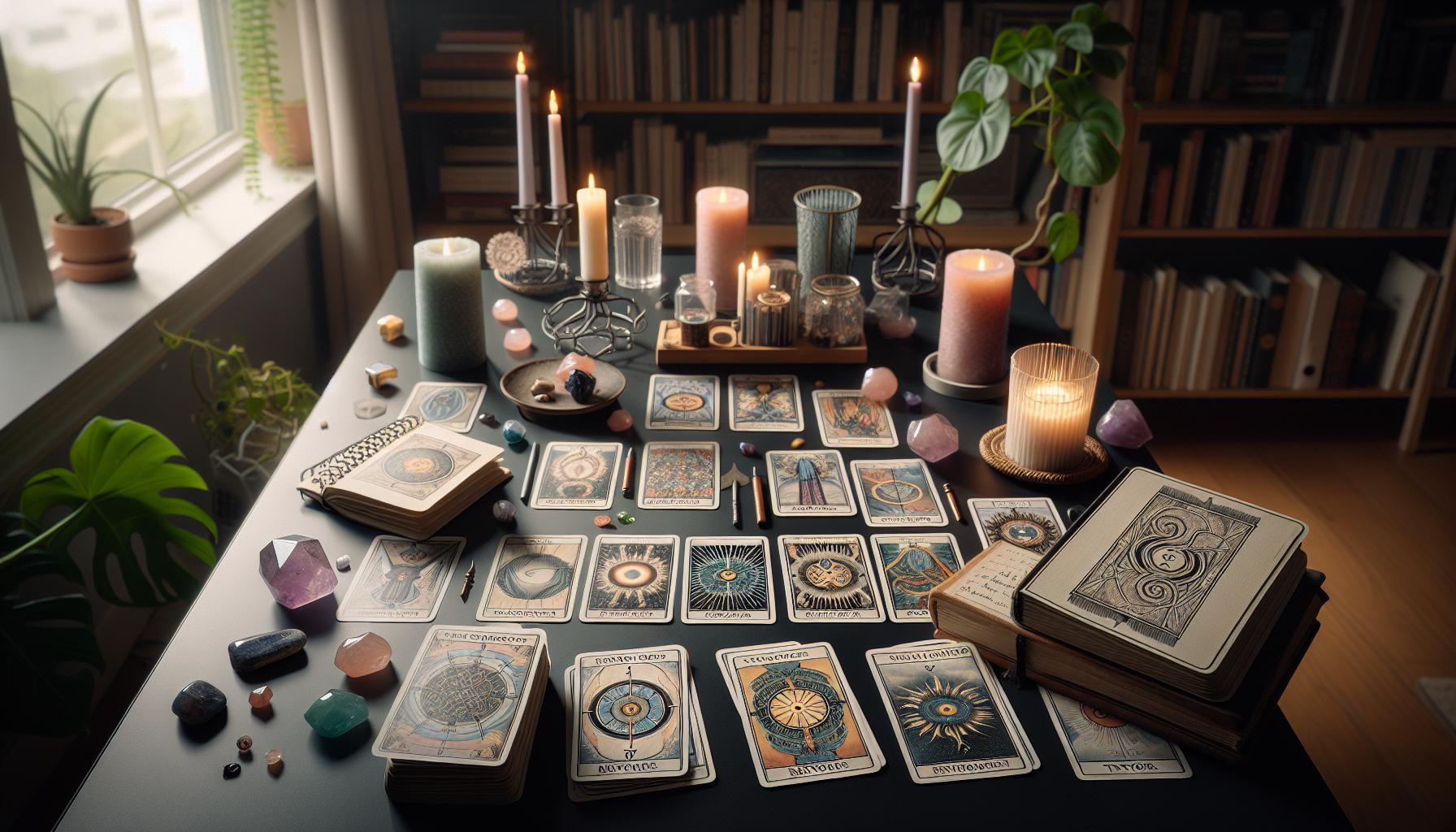
Common Interpretations of Reversed Cards
Reversed tarot cards can evoke a sense of curiosity and even fear for many readers. However, understanding their deeper meanings can illuminate personal challenges and growth opportunities. When a card appears reversed, it often indicates a shift in perspective, highlighting nuances that an upright card might miss. This can include aspects such as hidden fears, a delay in progress, or unresolved issues demanding attention.
Consider the Reversed Lovers card, for instance. While upright it signifies harmony and union, reversed it may represent imbalances or disharmony in relationships. This shift encourages self-reflection on personal values, inviting questions such as “Am I being true to myself?” or “What patterns are preventing authentic connections?” Reversed cards invite us to explore the underlying themes of dissonance, whether emotional or situational.
In terms of common interpretations, reversed cards may indicate:
- Stagnation: They may signify that energy is blocked, indicating areas of life where movement is stifled, which could prompt you to reassess your approach or mindset.
- Fear and Resistance: These cards can reveal fears about change or resistance to embracing new opportunities. This can encourage you to face what intimidates you and find ways to adapt.
- Need for Reflection: Often, reversed cards call for introspection, encouraging you to evaluate your choices and beliefs. They remind us that sometimes, stepping back can provide clarity.
- Inner Conflict: Many reversed cards highlight internal struggles, prompting the querent to confront self-sabotaging behaviors or unresolved emotional baggage.
When interpreting reversed cards, remember that they do not necessarily carry a negative connotation; rather, they can serve as vital prompts for personal development and healing. For beginners, it’s helpful to approach these cards with an open mind-view them as invitations to delve deeper into your intuition and understanding of your life circumstances. Each reversed card can guide you to not only assess what is immediately visible but also uncover the layers beneath that are waiting to be addressed.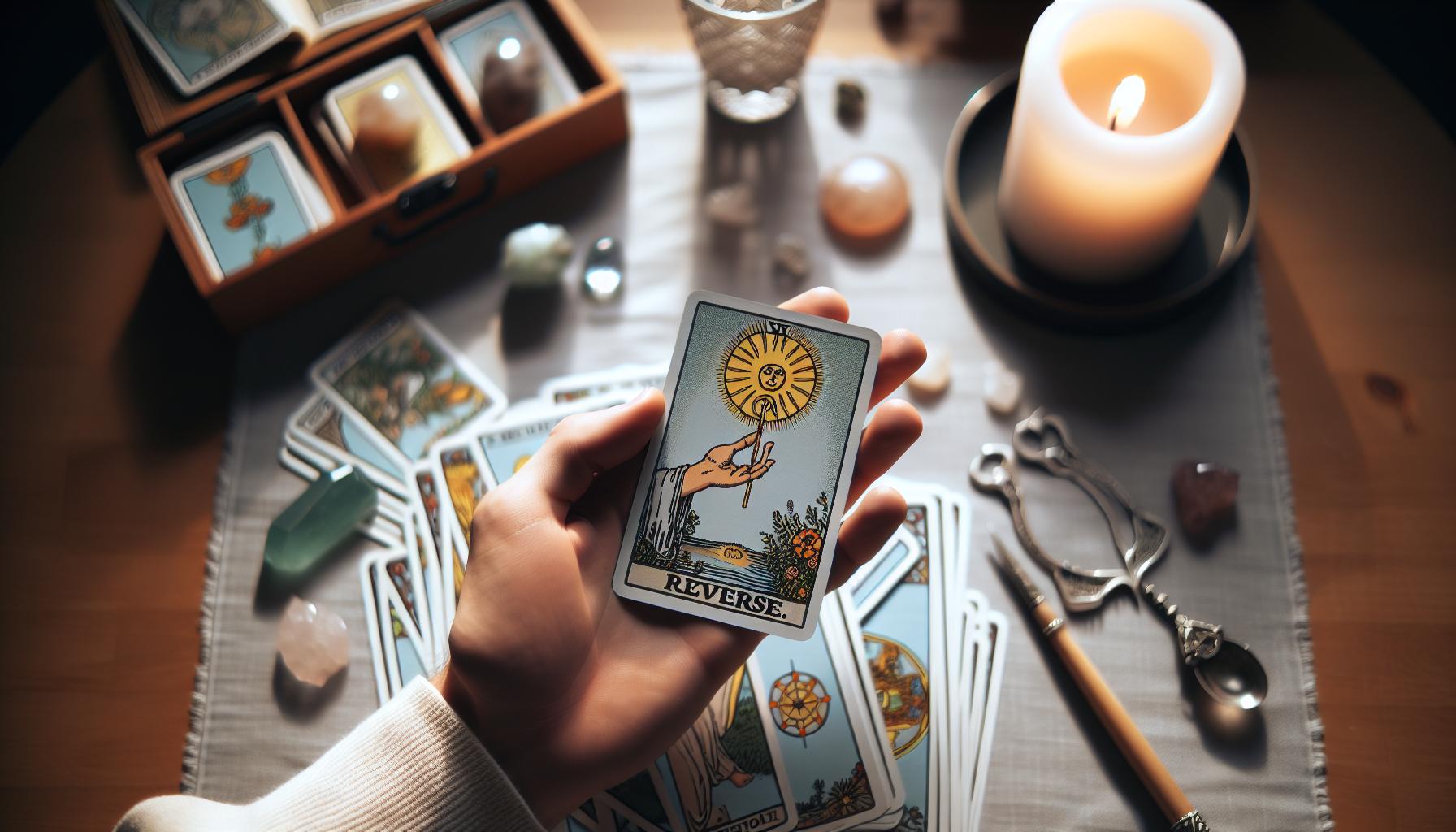
How to Read Reverse Cards Effectively
To unlock the deeper meanings of reverse tarot cards, it’s essential to approach them with curiosity and an open mind. These cards often reflect hidden aspects of a situation, revealing what might be overlooked when the cards are upright. When interpreting a reversed card, consider the original meaning of the upright version, then think about how that meaning might shift when viewed from the opposite angle. This shift can illuminate areas requiring your attention or highlight challenges that could become opportunities for growth.
Start by cultivating a meditative space before each reading. Take a moment to focus on your question and allow your instincts to guide you as you turn each card. When you pull a reversed card, ask yourself questions that prompt reflection. For example, if you draw the reversed Death card, which might typically suggest stagnation, consider what aspects of life need transformation. Reflect on what fears could be blocking that transformation. This process not only deepens your understanding of the cards but also strengthens your intuitive abilities.
Additionally, connecting reversed cards to your personal experiences can bring clarity. Let’s say you pull the reversed Three of Swords, which is often associated with heartache. Rather than simply indicating ongoing pain, consider it a prompt to examine unresolved grief or emotional blockages that may be holding you back from healing and moving forward. Real-life connections make each reading more relevant and personal, turning abstract concepts into actionable insights.
Lastly, keep a tarot journal specifically for reversed cards. Document your interpretations and any emotional responses you encounter during readings. Over time, you’ll notice patterns and themes that can help solidify your understanding of reversed meanings. Reversed tarot cards are not just obstacles; they are guides that encourage deeper introspection, ultimately leading to more fulfilling readings and insights.
Differences Between Upright and Reversed Meanings
Exploring how upright and reversed tarot cards interact can dramatically shift the understanding and interpretation of a reading. While upright cards typically represent clarity, growth, or positive energy, their reversed counterparts can signal introspection, challenges, or areas needing attention. This duality often poses the question: how does the energy of a card transform when it is flipped?
When a card appears upright, it embodies its standard meaning. For example, the upright Chariot signifies determination, victory, and control. In contrast, when reversed, it suggests loss of control, lack of direction, or a feeling of paralysis in movement. This transition emphasizes the need for self-reflection on how one may be impeding progress or facing inner conflict.
Another example is the Two of Cups. Upright, this card glows with themes of partnership and mutual respect, indicating harmonious relationships. Conversely, reversed, it may point to imbalance or miscommunication, highlighting the need to assess underlying tensions or emotional distances. Such insights encourage seekers to dive deeper into their own relational dynamics, providing a chance to mend or understand fractures in connections.
Understanding these nuances prepares readers to approach their tarot practice with a deeper awareness. It is essential to recognize that reversed cards are not merely negative but rather offer a mirror for introspection and growth. They prompt questions and self-exploration, often uncovering fears, unresolved issues, or areas of resistance that demand attention. By considering both interpretations, readers can cultivate a more comprehensive perspective and foster personal growth through their tarot journeys.
Ultimately, the true power of tarot lies in its ability to reflect our inner landscapes. Embracing the differing energies of upright and reversed cards allows for a richer, more nuanced reading experience, guiding us through both our triumphs and our challenges.
Reverse Tarot Card Spreads: What to Know
When exploring reverse tarot card spreads, it’s essential to understand how these unique combinations can enrich your readings. Reversed cards often embody energies and messages that reflect internal struggles or hidden aspects of your situation. They encourage you to pause, reflect, and dig deeper into your intuition, making your tarot practice more holistic and transformative.
One effective way to harness the power of reversed cards is by choosing specific spreads designed to highlight their meanings. For beginners, the Three-Card Spread can be particularly illuminating. In this layout, each card can represent the past, present, and future, while a reversed card might signal an area that needs supporting work or personal development. As you flip the cards, note how the reversed ones contrast with their upright counterparts, guiding you to explore the lessons hidden within these challenges.
For those looking to deepen their practice, consider the Celtic Cross Spread with an emphasis on reversed cards. This classic layout provides structure, with positions that delve into current challenges, influences, and likely outcomes. Start by focusing on the first two positions: the Present situation and Immediate influences. If a card appears reversed here, it may signal a blockage or resistance. Use this insight to identify specific aspects of your life or mindset where you might be holding back, thus facilitating a meaningful conversation with yourself during your reading.
Key Points for Reading Reversed Card Spreads
- Reflect on the message: Don’t rush past reversed cards. They often reveal crucial insights about your emotions or circumstances.
- Context is everything: Pay attention to the other cards in the spread. Reversed cards can alter the meaning of nearby upright cards.
- Use intuition: Trust your gut feeling when interpreting reverse cards. What themes resonate with you? What questions do they raise?
Remember, the beauty of tarot lies not just in the cards themselves but in how they interact and tell a story together. By skillfully integrating reversed cards into your readings, you can create a more balanced narrative that embraces both the light and shadow within your experiences, fostering personal growth and deeper self-awareness.
Integrating Reversed Cards into Your Readings
Integrating reversed cards into your tarot readings can feel daunting, but it’s a rewarding practice that enhances your intuitive exploration of the messages within your spreads. When reversed, cards take on layers of meaning that encourage self-reflection and deeper understanding of the energies at play in your life. These cards can signal internal challenges, offer insights into feelings that might be difficult to articulate, or reveal opportunities for personal growth. The key is to embrace these messages fully rather than fear them.
As you begin to incorporate reversed cards into your practice, consider establishing a mindset that sees these cards as invitations for contemplation. For instance, if you draw the Two of Cups reversed in a relationship spread, it might suggest imbalances or misunderstandings that need addressing. Rather than viewing it purely as a negative sign, ask yourself what this card is urging you to explore. Are there unexpressed emotions or barriers to intimacy? Use this exploration as a foundation for personal discovery and communication.
One effective method is to keep a journal dedicated to your tarot insights, particularly for reversed cards. Record your readings along with your feelings and thoughts about each card, noting any patterns that emerge over time. This practice not only grounds your interpretations but also allows you to track your intuitive growth. You might find that your understanding of a reversed card evolves as you gain more experience.
Another practical tip is to use reversed cards to add depth to traditional spreads. For instance, in the popular Celtic Cross layout, reversed cards in positions like “Immediate Influences” or “Hopes and Fears” can highlight areas where you might be resisting change or where fear is holding you back. Use these insights to foster frank conversations with yourself and set intentions for overcoming these blocks.
With time and practice, you’ll realize that integrating reversed cards opens a doorway to a more nuanced and fulfilling tarot experience. By honoring the wisdom they provide, you not only enrich your readings but also deepen your relationship with your inner self, making it a truly transformational journey.
The Emotional and Intuitive Aspects of Reversed Cards
Exploring the emotional and intuitive dimensions of reversed tarot cards can transform your readings into profound journeys of self-discovery. When a card appears reversed, it invites deeper contemplation, often illuminating aspects of your emotional landscape that require attention. This reflection allows you to delve into your internal struggles, hidden fears, and unexpressed desires, unveiling layers of meaning that transcend the straightforward narratives of upright cards.
Reversed cards may represent a form of internal dialogue, highlighting conflicts within yourself or within your relationships. For example, if the Five of Cups appears upside down, it may indicate a shift from grief towards acceptance, suggesting that you are beginning to see the silver linings in past disappointments. This card’s reversal could encourage you to acknowledge and process your emotions rather than suppress them, fostering a healing journey. Just as importantly, tuning into these nuanced messages can enhance your ability to navigate emotional complexities with greater empathy and awareness.
To harness the intuitive energy of reversed cards effectively, consider these practices:
- Mindful Meditation: Before a reading, meditate on what aspects of your life need clarity. This openness can sharpen your intuitive perception as you interpret reversed cards.
- Emotional Journaling: After each reading, jot down your feelings and insights about the reversed cards drawn. Over time, you’ll uncover patterns that deepen your understanding.
- Discussion with Fellow Readers: Sharing interpretations and personal experiences related to reversed cards can enrich your insights and provide new perspectives.
As you immerse yourself in these practices, you’ll find that reversed cards serve not merely as indicators of challenge, but as gateways to profound personal growth and emotional wisdom. Embrace the messages encoded in reversed positions, viewing them as opportunities to confront and process your feelings boldly. By welcoming these insights, you not only enhance your tarot readings but also foster a deeper connection to your inner emotional world, making the experience not just about divination, but a true path to self-discovery.
Common Misconceptions About Reverse Tarot Cards
Many people new to tarot often hold a collection of misconceptions about reversed cards, believing they solely signify negative outcomes or challenges. This narrow view can lead to a missed opportunity for personal insight and growth. In reality, reversed cards embody a broader range of meanings and dimensions, often representing internal processes, subtle shifts, or necessary reflections rather than explicit adversity.
One common misunderstanding is the belief that a reversed card negates the upright card’s positive attributes. For example, if the Sun card appears reversed, it is frequently interpreted as solely bad news. However, it can suggest a need to reassess what “happiness” means for you or highlight potential issues in how you express joy. It may indicate that you are ignoring or not fully appreciating the good aspects of your life-an invitation to bring awareness to what you might be overlooking.
Another misconception is that reversed cards should always be interpreted in an entirely negative light. This perspective can create fear around drawing reversed cards, but it is essential to approach them as invitations for self-exploration. They can highlight areas for growth, such as indicating a withdrawal from social activities might be necessary for personal healing or that you may need to release past grievances. For instance, the Tower card in reverse might invite you to consider how personal upheaval has led to deep insights rather than only focusing on chaos.
To gain a more nuanced understanding, readers should embrace reversed cards as a means to delve deeper into their readings. A practical way to shift this perspective is through mindfulness during readings. When you draw a reversed card, ask yourself open-ended questions about its significance: “What internal conflict does this card reveal?” or “How can I transform this challenge into an opportunity for growth?” Engaging with reversed cards can reveal pathways for healing and personal development, ensuring that every reading is a balance of illumination and discovery.
By reframing the narrative around reversed cards, you can cultivate a richer, more empowering approach to tarot. Instead of viewing them as harbingers of misfortune, recognize them as valuable tools that encourage introspection-integral for anyone on their tarot journey.
Practical Tips for Beginners with Reversed Cards
Embracing reversed tarot cards can feel daunting for beginners, but understanding how to work with them can deepen your readings and enhance your intuitive skills. One key tip is to approach reversed cards with curiosity rather than fear. When you draw a card in reverse, see it as an invitation to explore the nuances of its meaning. For instance, if you pull the Lovers card reversed, instead of jumping to a conclusion about disharmony, consider reflections on personal relationships, choices, and internal conflict. This shift in perspective allows you to uncover rich insights from what might seem like a negative reading.
Another excellent practice is to develop a personal system for interpreting reversed cards. Start by jotting down keywords or phrases for each card in both its upright and reversed positions. Over time, you’ll create a cheat sheet that resonates with your unique intuition. For example, the Hanged Man reversed might represent stagnation or a refusal to let go, which invites you to consider where you’re feeling stuck in your life. This personalized framework can serve as a guide, helping you gain confidence in your readings.
Creating a safe and open environment for your tarot practice is equally important. Allow yourself to explore the feelings that arise when you pull a reversed card. Take a moment to breathe and reflect. Journaling your thoughts can be incredibly useful here. Write down the card’s imagery, your feelings toward it, and any insights that surface. As you document your experiences, you’ll begin to build a narrative around how reversed cards play a role in your life’s journey.
Finally, always remember that the goal of working with tarot-reversed cards included-is to foster personal growth and understanding. As you build your confidence, you may even find that certain reversed cards resonate with real-life situations or internal struggles that prompt deeper conversation and healing. Incorporating reversed cards into your readings doesn’t have to be overwhelming; rather, it can be a transformative process that opens up pathways for self-discovery and understanding. Embrace the journey!
Advanced Techniques for Deepening Your Intuition
Delving deeper into intuitive tarot reading, especially with reversed cards, can enhance your understanding and connection to the energies around you. Engaging with reversed cards isn’t just about flipping meanings; it’s about opening yourself up to a broader range of insights and tapping into your subconscious. One of the most profound techniques is to establish a connection with the energy of the reversed cards through mindfulness and meditation.
Begin by creating a ritual centered on drawing a reversed card. Pull a card from your deck, and instead of immediately interpreting it, take a moment to breathe and visualize the card’s energy. What feelings arise? What images or memories come to mind? Allow this moment to be guided by your intuition, without the pressure of needing to assign a meaning right away. This practice helps anchor your readings in your own emotional landscape and can lead to unique revelations that standard interpretations might overlook.
Another effective method involves the practice of storytelling with the cards. After pulling a reversed card, think of how it relates to a narrative or personal experience in your life. For instance, if you draw the Three of Swords reversed, traditionally seen as healing from heartbreak, consider a time when you learned to forgive or let go. Weaving your own story into the interpretation allows your intuition to flourish and invites rich, personal insights into your readings.
Utilizing tarot spreads specifically designed for reversed cards can also deepen your practice. Try creating a “Reversal Spread” to unpack these meanings further. An effective layout could include:
| Position | Meaning |
|---|---|
| 1 | What is blocked or needs release? |
| 2 | What lesson is being ignored? |
| 3 | How can I embrace this reversal? |
Using this structured approach helps you focus on the lessons embedded in the reversed energies and can offer clarity on areas needing attention. Embrace the journey of understanding what each card and its orientation reveals about your inner world.
Lastly, remember to keep a tarot journal specifically for your reversed readings. Document your interpretations, feelings, and any intuitive hits that emerge. Over time, patterns will reveal themselves, allowing you to refine your interpretations and deepen your intuitive trust. By treating each reversed card as a message from your inner self, you unlock a powerful dialogue that can guide you towards personal growth and understanding.
Real-Life Examples of Reversed Tarot Readings
In the realm of tarot, reversed cards invite a spectrum of interpretations that can reveal deeper insights about life’s challenges and opportunities. For example, when a reader pulls the Two of Cups reversed, it could indicate disharmony or miscommunication in a relationship. During a recent reading for a client who was struggling with a romantic partnership, this card prompted a thoughtful discussion about the need for open dialogue. The client realized that their partner felt unheard, emphasizing how important it is to address underlying issues instead of just avoiding conflict.
Another compelling illustration comes from the Five of Pentacles reversed. This card, often associated with recovery from financial loss or hardship, showed up in a spread for someone grappling with job loss. Initially feeling defeated, the client interpreted the reversal as a sign of hope and renewal. They recognized that while their current situation was challenging, it also presented an opportunity to reassess their career path and pursue something more fulfilling-a powerful reminder that sometimes setbacks are simply setups for comebacks.
Incorporating the context of the reversed card can shift a reading from daunting to enlightening. For instance, the Death card reversed in a personal reading can often signify stagnation or resistance to change. A client facing significant life transitions interpreted this card as an invitation to embrace the letting go process rather than clinging to old patterns. This awareness helped them start a journey of self-discovery, opening doors to new possibilities and healthier choices in their life.
Lastly, consider the Tower reversed. This card is often feared for its implications of chaos and upheaval when upright. However, in a recent spread, a client took comfort in its reversed position, realizing it suggested the potential to avert disaster or mitigate issues before they escalate. It encouraged them to take proactive steps to address a challenging family dynamic, emphasizing that awareness could lead to reconciliation rather than conflict.
These examples underscore how reversed tarot cards can serve as profound teachers. By reflecting on personal experiences, embracing emotional truths, and acknowledging the guidance within the reversed energies, readers can unlock an expansive realm of understanding, ultimately supporting their journey toward growth and healing.
Frequently Asked Questions
Q: What do reversed tarot cards indicate about a situation?
A: Reversed tarot cards often symbolize the opposite energy or a blockage in a situation. They can highlight delays, obstacles, or lessons yet to be learned, emphasizing the need for introspection or reevaluation. This energy invites you to address underlying issues before moving forward.
Q: How can I interpret a reversed tarot card in a reading?
A: To interpret a reversed tarot card, consider it as a hint to explore deeper meanings. Examine the upright meaning and think about its polarities. It may reveal internal struggles, unexpressed feelings, or a need for personal growth. Always trust your intuition while exploring these themes.
Q: Why are some tarot card meanings more negative when reversed?
A: Reversed tarot cards don’t always signify negativity, but they highlight challenges. They often ask us to confront uncomfortable truths or to recognize areas needing attention. This perspective encourages growth and healing, rather than simply indicating bad luck.
Q: When should I use reversed cards in my tarot readings?
A: You can use reversed cards in your readings whenever you feel guided to delve into deeper insights. They are particularly effective when asking about complicated situations or when seeking to understand hidden aspects of a decision. Consider integrating them into your practice for a more holistic reading experience.
Q: How do reversed tarot cards differ from upright cards?
A: Reversed cards typically reflect the opposite meanings of their upright counterparts, focusing on blocked energy, introspection, or delayed progress. They complement upright cards by providing a fuller picture of the situation, emphasizing what might be overlooked when only considering upright meanings.
Q: Can reversed cards indicate positive outcomes?
A: Yes, reversed cards can signal positive shifts or realizations. They may suggest overcoming obstacles or turning points where the energy begins to shift in a favorable direction. This encourages readers to remain open to change and personal growth from challenging situations.
Q: How can I practice reading reversed tarot cards effectively?
A: To effectively read reversed tarot cards, start by reflecting on the card’s upright meaning and ask how its energy might be altered or blocked. Consider the context of the question and use intuition to guide your interpretation. Journaling your readings can enhance your understanding over time.
Q: What are common misconceptions about reversed tarot cards?
A: A common misconception is that reversed cards solely mean negative outcomes. Instead, they often provide critical insights into lessons, challenges, and personal growth opportunities. Understanding their complex meanings can enrich your tarot practice and deepen your readings.
Closing Remarks
Understanding the meanings behind a reverse tarot card can significantly transform your readings. Embrace the insights into opposite energies, as they can illuminate pathways often overlooked. If you’re eager to explore further, delve into our articles on “Common Reverse Card Interpretations” and “How to Integrate Reverse Cards in Your Tarot Practice.”
Don’t wait-now is the ideal time to deepen your connection with tarot. Consider subscribing to our newsletter for exclusive tips and resources, or join our community discussions to share your experiences and insights. Whether you’re a beginner or a seasoned reader, tarot offers endless opportunities for growth and understanding.
Remember, each reverse card is not just a challenge but an invitation to reflect. Your journey into the mystical can start right now-let’s uncover the magic together! Feel free to leave your thoughts or questions in the comments below; we love hearing from you!
Get our latest guides, news, and insights highlighted in your Google Search & AI Overviews.