Have you ever found yourself wondering what goes on in the mind of someone you’re drawn to? You’re not alone. Many people seek deeper insights into their relationships and the hidden feelings of those they care about. “What He Thinks of Me Tarot: Uncover His Secret Feelings” provides a unique, intuitive pathway to explore these unspoken emotions.
With Tarot, you can gain clarity on his thoughts and feelings, whether you’re just starting to connect or have been in a relationship for some time. This approach empowers you to tap into your intuition and discover truths that might remain hidden in everyday interactions. By engaging with Tarot, you’ll find not only answers but also the confidence to navigate your emotional landscape with greater understanding. Each card drawn reveals layers of insight, inviting you to reflect and engage with your own feelings as well. Stay with us to learn how to unlock these secrets and nurture the connections that matter most to you.
Understanding the Tarot: Basics of Card Meanings
Understanding the intricate meanings of each Tarot card is essential for anyone looking to delve deeper into the nuances of human emotions, especially when exploring the question, “What does he think of me?” Each card in the Tarot deck carries its own unique messages and insights, making them valuable tools for uncovering hidden feelings and thoughts. For instance, the Suit of Cups often speaks to emotional states, while the Suit of Swords may reveal thoughts or conflicts, guiding you towards a more profound understanding of the person in question.
When interpreting Tarot cards, it’s helpful to remember that the meanings can vary depending on the context of your question and the position of the card within the spread. Consider common tarot cards often drawn when exploring someone’s feelings. For instance, The Lovers can indicate a deep emotional connection or choices surrounding love, while The Moon suggests illusions or fears surrounding feelings that may not be fully understood. Each card also has a shadow side or reversed meaning that may highlight challenges or unacknowledged emotions, adding further depth to your inquiry.
To effectively interpret these cards, start with the basics: familiarize yourself with the traditional meanings and imagery of each card. Here are a few tips to guide you:
- Card Associations: Know what suits relate to which aspects-Cups for emotions, Wands for actions, Swords for thoughts, and Pentacles for material issues.
- Intuitive Insights: Trust your gut feelings when a card appears. Your intuition often picks up on subtleties that traditional meanings may overlook.
- Context Matters: Always consider the surrounding cards. Is there a supportive energy or a conflicting one nearby that could alter the message?
These foundational skills will empower you to navigate the Tarot with confidence, enhancing your ability to interpret what someone else might be feeling, providing clarity and insight. Tarot is not just about predicting the future; it’s a mirror reflecting your query, guiding you through the emotional landscapes of both yourself and the significant others in your life. As you practice, you’ll discover that your intuitive abilities will grow, allowing you to read the cards not only with logic but also with an open heart.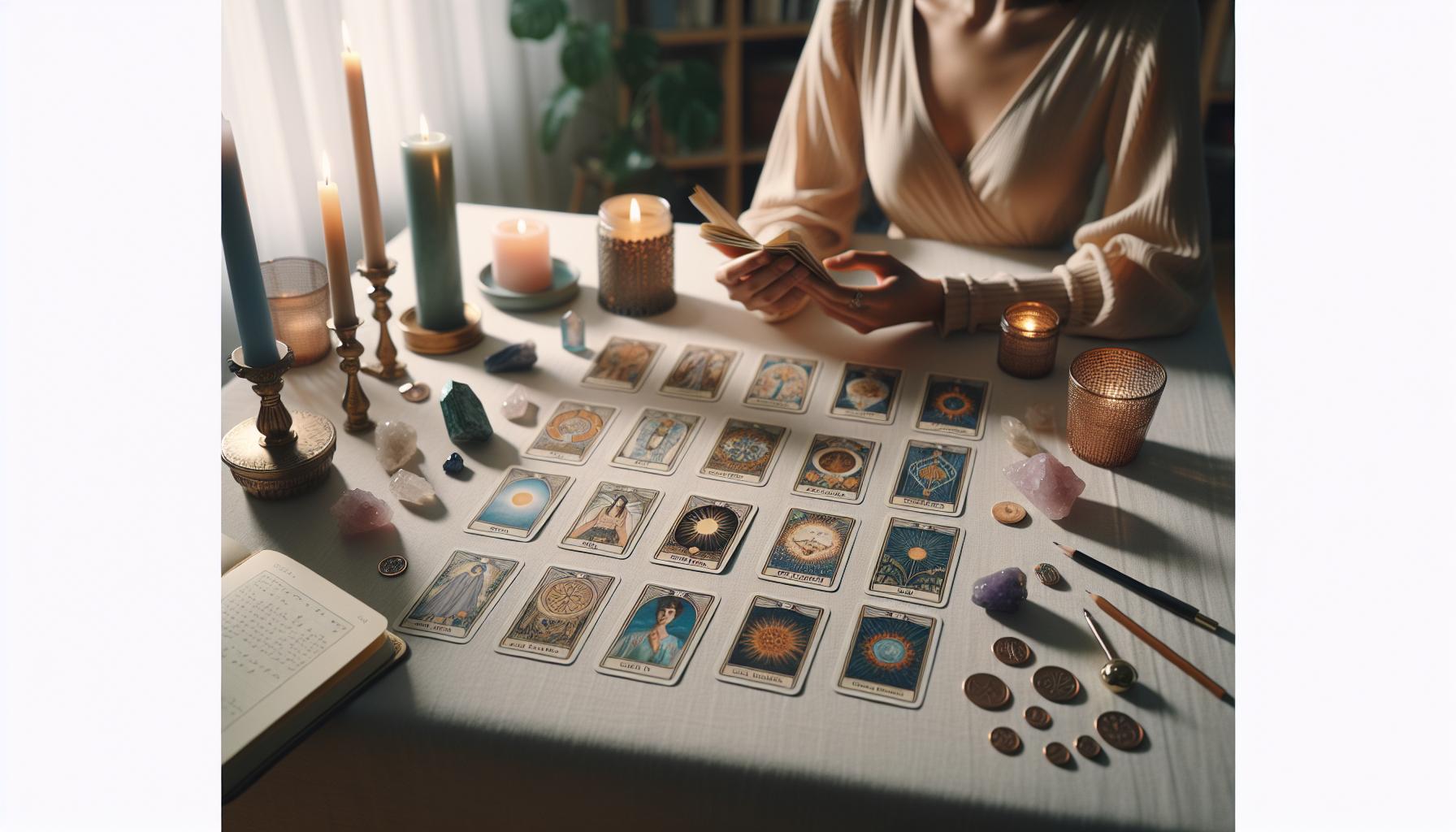
How to Choose the Right Tarot Spread for Feelings
Choosing the right Tarot spread can be the key to unlocking deeper insights into someone’s feelings, especially if you’re trying to uncover what he thinks of you. Each spread offers a unique framework for exploration, allowing you to tap into emotional undercurrents that may not be readily visible. When selecting a spread, consider the specific questions you want answered, the emotional context, and the complexity of the situation.
One useful starting point is the Three-Card Spread, which can provide a simple yet profound overview of feelings. Assign one card for his current emotions, another for his thoughts about you, and the last for potential future actions. This spread is excellent for beginners and experienced readers alike because it requires minimal cards but can yield rich interpretations. For instance, drawing The Lovers in the first position suggests a strong emotional connection, while The Hermit in the thought position may indicate introspection or hesitance.
If you want to delve deeper, consider the Celtic Cross Spread. This more complex layout can offer nuanced insights by examining various aspects of the individual’s emotional state, external influences, and hidden feelings. This spread presents ten positions, allowing exploration into not just current sentiments, but also underlying motivations and potential challenges. For example, if the outcome card is The Two of Cups, it might indicate a hopeful outcome in terms of mutual feelings, suggesting a blossoming relationship.
For those seeking to understand hidden emotions, a “What He Thinks of Me” Spread can be tailored specifically to your inquiry. One version might feature five cards: the first for his true feelings, the second for his perceived actions, the third for external influences, the fourth for what he’s afraid to express, and the final card for the overall advice for you. This personalized approach fosters a connection between the cards and your specific scenario, leading to clearer insights.
In summary, the key to finding an effective Tarot spread is to align your choice with your emotional inquiry. Whether you opt for a simple three-card spread or a more elaborate Celtic Cross, trust your intuition to guide you toward the right layout. Each spread not only reflects your question but also serves as a mirror to help you better understand the complexities of feelings involved. With practice, you’ll find that discovering the nuances of emotional truths through Tarot becomes a rewarding and enlightening journey.
Interpreting the “What He Thinks of Me” Spread
Understanding how someone feels about you can be a transformative experience, especially when you look through the lens of Tarot. The “What He Thinks of Me” spread is a valuable tool for unlocking those hidden emotions and gaining clarity on complex feelings. Typically structured with five cards, this spread provides a comprehensive view of your connection with him, revealing his true sentiments, perceived actions, and the influences shaping his perceptions.
In this spread, the first card often highlights his genuine feelings. For instance, if you draw the High Priestess, it may indicate his deep, possibly unspoken, emotions toward you-suggesting intuition and something that lies beneath the surface. The second card reflects how he believes he is acting towards you. A card like The Chariot might suggest that he perceives himself as moving forward decisively, demonstrating commitment and intent. However, it’s crucial to remember that perceptions can sometimes be clouded by insecurity or doubt.
The third position reveals external influences that may affect his thoughts, such as friends, family, or circumstances. If this card is The Moon, it might signify confusion or misinformation impacting his feelings, suggesting that he may be grappling with uncertainty or hidden truths. The fourth card addresses what he might be afraid to express, uncovering hidden vulnerabilities or fears. A card like The Devil here could indicate concerns about dependency or unhealthy habits affecting intimacy, reflecting internal struggles he may not be ready to confront openly.
Finally, the advice card offers you insight into how to navigate this emotional landscape. Suppose you draw Page of Cups; this suggests a gentle approach-encouraging you to express your feelings and foster open communication, allowing emotional barriers to dissolve. By interpreting this spread, you will not only better understand his perspective but also empower yourself to take actionable steps in nurturing your relationship. Engaging with the Tarot in this way fosters a deeper emotional connection, allowing both of you to explore the complexities of your feelings with greater clarity and compassion.
Key Cards That Reveal Hidden Emotions
Understanding his hidden emotions can feel like navigating a labyrinth, but certain Tarot cards serve as illuminating beacons along the way. When engaging with the “What He Thinks of Me” spread, particular cards resonate with deeper insights into his psyche, helping to unlock what often remains unspoken.
One key card to watch for is the High Priestess. This card embodies intuition and secrecy, suggesting that his feelings might be profound yet concealed. If the High Priestess appears, it may indicate that while he feels deeply about you, he may struggle with expressing these sentiments outwardly. This card encourages you to trust your intuition about this connection, as it signals that there is more beneath the surface than meets the eye.
Another influential card is the Moon. Often associated with illusion and confusion, the Moon can indicate that his feelings might be clouded by doubt or misinformation. If this card arises, it highlights the importance of getting to the heart of the matter. It suggests that he may be experiencing uncertainty, either about his feelings or about the relationship’s direction, and could benefit from open and honest communication.
The Four of Pentacles is also significant when seeking insight into hidden emotions. This card often points to clinginess or insecurity. If drawn, it may suggest that he is holding on tightly to his emotions, afraid of vulnerability or the potential for loss. Recognizing this in your readings can empower you to create a safe space for him, fostering an environment where he feels comfortable enough to share his true feelings.
To further enhance your insights, consider how these cards connect with your intuition and understanding of the dynamic. Each reading is not just about the cards but also about how they resonate with your experiences and feelings. Remember, Tarot serves as a guide – trust in its wisdom and your capacity to interpret its messages.
Common Misconceptions About Tarot Readings
There are many myths surrounding Tarot readings, particularly when it comes to interpreting emotions, such as in a “What He Thinks of Me” spread. A prevalent misconception is that Tarot cards predict the future with absolute certainty. In reality, the cards serve as a tool for reflection, offering insights into current feelings and potential outcomes based on the energies and choices present at the moment. Rather than providing fixed destiny, Tarot readings encourage exploration and understanding of one’s circumstances and emotions.
Another common misunderstanding is that Tarot requires a special psychic ability. The truth is, anyone can learn to read Tarot. It’s about connecting with your intuition and the meanings behind the cards. For example, if you draw the Two of Cups while asking about his feelings, it suggests mutual attraction and partnership potential. Your interpretation can be rooted in your knowledge of the card combined with your personal insights into the relationship. Therefore, building your intuitive abilities through practice and experience is key.
Additionally, many people think that a single reading will offer all the answers needed. In emotional matters, such as uncovering hidden feelings, it’s beneficial to approach Tarot as an ongoing dialogue rather than a one-time event. Each reading can reveal different layers of understanding. For instance, if the Seven of Cups appears in subsequent readings, it indicates confusion or choices to be made, suggesting to you that there are complexities in how he feels that may need more exploration.
Myths like these can deter individuals from engaging deeply with the Tarot. However, embracing its nuances can empower you. Understand that it’s a collaborative process-between you, the cards, and the energies surrounding your inquiry. This perspective not only demystifies Tarot but also enriches your personal journey into understanding hidden feelings, fostering a more profound connection not just with the cards, but also with your own emotions and intuition.
Tips for Intuitive Card Interpretation
To delve into the nuances of intuitive card interpretation, especially when seeking insights into someone’s feelings, it’s crucial to tap into your inner voice and engage with the cards on a personal level. Each card in the Tarot not only bears a standardized meaning but also speaks uniquely to you, depending on your life experiences and the emotional context of your reading. This fusion of knowledge and intuition forms the bedrock for interpreting what he may be feeling.
Start by grounding yourself before the reading. Create a serene environment that allows you to connect deeply with your intuition. Take a few moments to breathe, clear your mind, and focus on your inquiry. As you shuffle the cards, consider formulating a specific question, such as, “What does he truly feel about me?” This clarity will guide your reading and help channel relevant energy into the cards.
When interpreting the cards, pay attention to initial impressions or emotions that arise. Do certain colors, symbols, or images resonate with you? For instance, if you draw the Three of Swords, which typically represents heartbreak or sorrow, consider if this reflects his current emotional state or perhaps fears he harbors. Trust your instincts: the immediate feelings you have towards a card can provide illuminating insights into his hidden emotions.
Furthermore, explore the card placement within your chosen spread. For example, in a “What He Thinks of Me” spread, a card in the position representing his thoughts might reveal his intellectual understanding of your relationship, while a card in the emotional position can reflect his deeper, perhaps unacknowledged feelings. This differentiation can help you build an intricate picture of his emotional landscape.
Also, remember to journal your readings. Documenting your interpretations alongside the cards drawn not only provides a reference for future insights but also aids in recognizing patterns over time. You might find that certain cards frequently appear, indicating consistent themes in his feelings or the relationship dynamics.
Lastly, be patient with yourself as you develop your intuitive skills. Intuition is like a muscle; the more you practice, the stronger it becomes. Embrace exploratory readings as opportunities to learn and grow, which will ultimately enhance your confidence and accuracy in interpreting the Tarot. Through your journey, you’ll not only uncover what he thinks but also better understand your own emotional responses, paving the way for deeper connections and clarity.
Real-Life Examples: Interpreting His Secret Feelings
When you turn to the Tarot to uncover someone’s hidden feelings, you can tap into a rich source of guidance that transforms your intuitive insights into profound interpretations. For instance, imagine you’re conducting a reading with a specific focus on what a significant other feels but hasn’t openly expressed. Drawing cards that are traditionally linked to emotions can shed light on their deeper sentiments.
Consider a scenario where you pull the Two of Cups, symbolizing partnership and emotional connection. This card might suggest that he feels a strong bond with you, one that encompasses mutual respect and affection, but perhaps he struggles to articulate this. You might reflect on this card – how does its imagery make you feel? Trust your perceptions: if it evokes a sense of comfort or warmth, this can affirm that his feelings are positive and rooted in a desire for closeness.
In contrast, if your spread reveals the Eight of Cups, which often indicates a feeling of abandonment or the need to seek deeper emotional fulfillment, it could signal a more complex emotional landscape. This might indicate he is feeling unfulfilled in certain areas of the relationship, prompting him to hide his feelings of frustration or discontent. As you interpret this card, consider it in the context of other drawn cards – are there supportive energies around it, or does it stand alone as a signal of concern?
Here’s a practical example: let’s say, in a “What He Thinks of Me” spread, the card in the position of ‘his thoughts’ is the Page of Swords. This card often represents a curious mind and a tendency to analyze situations critically. You might take this to mean he’s deeply pondering your connection, perhaps trying to rationalize his feelings. However, if this is paired with the Seven of Swords in the emotional position, it might reveal feelings of secrecy or avoidance. Paying attention to these nuances can provide a clearer picture of his internal struggle.
Remember too, that documenting your readings can help track patterns over time. If you notice that certain cards often appear in relation to specific questions, it can enhance your understanding of his emotional dynamics. Embrace this practice, as connecting with the cards can evolve your intuitive abilities and empower you to interpret their deeper meanings, guiding you towards clarity in your quest for emotional truth.
Enhancing Your Readings with Context and Intuition
When you create a tarot reading focused on uncovering someone’s hidden feelings, it’s essential to enhance your interpretations with context and your own intuitive insights. Each card drawn in a spread carries its own unique energy and symbolism, but their meanings can shift dramatically based on the surrounding cards, the question asked, and even your own emotional state during the reading. This nuanced understanding encourages a deeper connection to the messages the cards may convey, making your readings richer and more accurate.
To start, consider the overall context of the reading. Are you drawing cards in a moment of calm, or are emotions running high? The energy in which you conduct your reading can influence how you interpret each card. Here are some practical steps to anchor your interpretations:
- Use Surrounding Cards: Always assess your cards in relation to one another. If the Two of Cups appears alongside the Three of Swords, it might indicate a complex relationship filled with both connection and heartache. Asking how these cards relate to each other can provide clarity.
- Set a Clear Intention: Before you begin, clarify what you want to focus on. A well-defined intention can sharpen your intuitive insights and guide your interpretations. For example, asking “What does he feel towards me?” will help you hone in on specific emotional themes.
- Trust Your Gut Feelings: Intuition is a vital component of tarot reading. If a card evokes an unexpected feeling or thought during your reading, acknowledge it. Perhaps the Page of Cups draws a memory of a past encounter that can inform your understanding of the present emotions at play.
- Document Your Readings: Keeping a tarot journal where you note down the cards, your interpretations, and the context of the readings can reveal patterns over time. You may find certain cards consistently appear in specific types of questions, which can refine your intuition and interpretation skills.
Incorporating context and intuition transforms your readings from mere card interpretations into a multifaceted exploration of emotions. For instance, if you pull the Moon in a position that reflects hidden feelings, it might suggest that there are illusions or fears at play. However, understanding the possible implications of this card-like confusion or deeper inner truths-can guide your interpretation toward recognizing underlying anxieties or unexpressed needs.
Ultimately, allows you to navigate the emotional landscapes of those you seek to understand better. By blending the intellectual aspect of tarot with an open heart and mind, you create a practice that is not only insightful but resonates on a deeply personal level. Embrace this journey, knowing that every spread tells its own story waiting for you to unfold.
Navigating Doubts: How to Trust Your Insights
The journey of trusting your insights during your tarot readings can sometimes feel like navigating a dense fog. Doubts may creep in as you ponder the accuracy of your interpretations or the relevance of the cards drawn. Understanding that these feelings are common can help you embrace the process more fully. The key is to cultivate confidence in your intuition while respecting the complexity of the messages the cards provide.
To start building this trust, recognize that intuition often speaks softly, offering insights that may feel subtle or fleeting. Here are some practical methods to strengthen your intuitive connection:
- Practice Regularly: Like any skill, trusting your intuition improves with practice. Set aside time for daily readings, even if they’re just for yourself. This builds familiarity with the cards and helps train your mind to recognize intuitive nudges.
- Reflect on Past Readings: After a session, take a moment to reflect on how your intuitive insights manifested in real life. Did you interpret a card’s meaning accurately? Did it align with events or feelings you later observed? Documenting these reflections can reinforce your confidence.
- Start Small: When in doubt, begin with simpler spreads, such as one-card draws or three-card spreads focusing on past, present, and future influences. This makes the reading more manageable and allows for a clearer space to hear your intuitive voice.
- Embrace Emotional Responses: Pay attention to how each card makes you feel. If the Two of Cups evokes warmth and connection, while the Seven of Swords resonates with tension or uncertainty, trust those feelings to guide your interpretation.
An example could be if you pull the High Priestess when asking about his feelings. This card often signifies intuition and hidden truths. Trust that this may reflect the unknown aspects of his emotions or indicate that more may lie beneath the surface. Instead of questioning your reading, consider what inner voice or feeling correlates with this answer.
As you move forward, remember that each reading invites you to explore your personal connections to the cards. Embrace any uncertainty as a vital part of the process. By approaching your insights with curiosity rather than judgment, you’ll find that trust in your intuition flourishes, allowing you to uncover deeper layers of meaning in your readings. Ultimately, the path to trusting your insights is about cultivating a relationship with the cards, where both logic and intuition harmoniously guide you.
Exploring Different Tarot Decks for Emotional Clarity
When it comes to understanding someone’s feelings, the right tarot deck can make all the difference. Each tarot deck carries its unique energy, imagery, and interpretations, which can profoundly affect the clarity and depth of your readings. By selecting a deck that resonates with your emotional state and intuitive capabilities, you can enhance your ability to uncover hidden feelings, particularly when exploring questions like “What does he think of me?”
Opt for decks that feature vibrant artwork and evocative images; these can stimulate your intuition and evoke emotional responses while reading. For example, the Mystic Tarot incorporates deep, mystical illustrations that may encourage deeper introspection and emotional insights. Alternatively, the Heart Tarot focuses explicitly on themes of love and emotions, featuring imagery that directly resonates with romantic queries. Using such a deck aligns your emotional inquiry with the visual language of the cards, facilitating a more profound connection to their meanings.
Choosing the Right Deck for Emotional Insights
To find the perfect deck, consider the following steps:
- Reflect on Your Intent: Think about the questions you intend to ask. A deck that aligns with emotional exploration, such as the Romantic Tarot, often brings more clarity to love-related inquiries.
- Explore Artistic Styles: Find imagery that resonates with you. Some decks are whimsical, while others are more serious. Choose one that inspires you and makes you feel connected to the cards.
- Engage with the Deck: Before making a purchase, if possible, handle the deck. Shuffle the cards and see how they feel in your hands. A deck that feels good to hold can enhance your connection during readings.
For instance, if you use the Wild Unknown Tarot, known for its minimalist black-and-white drawings, you may find clarity in the straightforward symbolism, allowing you to focus deeply on the feelings behind each card, rather than getting lost in elaborate designs.
Real-Life Examples
Suppose you draw the Empress card while using a nurturing deck like the Motherpeace Tarot. This card often signifies love, abundance, and nurturing energy. Its depiction might evoke feelings of comfort and connection, suggesting a positive outlook on his feelings towards you. In a different deck, this same card may evoke different interpretations depending on the accompanying imagery and symbolism, thus tailoring the nuance of your reading.
Choosing a tarot deck is a personal journey, much like navigating your feelings and those of others. As you explore different decks, allow your intuition to guide you in discovering which resonates most profoundly with your emotional inquiries. This exploration can open doors not just to understanding what he thinks of you but also to a richer and more profound connection with your intuition and the cards themselves.
Beyond the Cards: Additional Tools for Insight
Unlocking insights about someone’s feelings can seem daunting, but there are powerful tools beyond the tarot deck that can deepen your understanding. By incorporating additional practices, you can create a well-rounded approach to exploring questions like “What does he think of me?” Integrating tools such as journaling, meditation, and oracle cards can enhance your intuitive capabilities and provide a clearer perspective on your readings.
Journaling is particularly effective for capturing and reflecting on your thoughts and feelings. Start by documenting your tarot readings, noting not only the cards drawn but also your emotions and intuitions at the time. This practice can reveal patterns and insights over time. For instance, after a reading, you might write about your impressions of the cards that came up, what they mean to you, and how they relate to your current situation. This will build a personal reference that echoes your intuitive understanding and helps track emotional shifts in your inquiry.
Meditation is another powerful technique for gaining clarity. Before starting a reading, take a few moments to center yourself. Focus on your breath and visualize a light surrounding you, creating a sacred space for your insights to flow freely. You might even meditate specifically on the person in question, inviting any feelings or messages to surface. This calm state can help you detach from anxiety or doubts, allowing you to receive clearer intuitions during your tarot session.
In addition to tarot, consider using oracle cards as a complementary tool. Unlike tarot, oracle decks offer more flexibility with themes and can resonate with your emotional landscape differently. For example, if your tarot reading reveals tension or uncertainty regarding his feelings, pulling an oracle card specifically focused on love or relationships can give an additional layer of insight. The imagery and messages in these cards can shift your perspective and illuminate aspects of the situation you hadn’t considered, thereby enriching your understanding.
By blending these practices-journaling to capture insights, meditating to clear your mind, and using oracle cards for added guidance-you can cultivate a holistic approach to interpreting feelings and relationships. Remember, your intuition is key, and these additional tools not only support your tarot practice but also build confidence in your ability to navigate emotional landscapes with clarity and compassion.
Creating a Sacred Space for Your Readings
Creating a nurturing environment before diving into a tarot reading can significantly enhance the clarity of your insights, especially when exploring sensitive topics like someone’s feelings. The intention behind setting a sacred space is fundamental; it invites higher energies and fosters a connection with your intuition. This environment should feel safe, calm, and welcoming, allowing you to focus solely on your inquiries without distractions.
Begin by selecting a quiet area in your home where you feel comfortable. You might light candles to bring warmth and illumination, as the flickering flames can symbolize the light of your intuition guiding you. Choose soothing scents, such as lavender or sandalwood, by using incense or essential oils to further create a serene atmosphere. Aromas have profound effects on emotional states, helping to ground your mind while elevating your spirit.
Next, consider the arrangement of your tarot cards and tools. A small table covered with a soft cloth can serve as your sacred altar. Place your tarot deck, candles, and crystals-such as rose quartz for love or amethyst for intuition-within reach. Each item holds its energy and purpose, contributing to the collective ambiance that allows for deeper exploration of feelings. If possible, include items that have personal significance to you or the situation. For instance, a photo of the person in question, or even something that symbolizes your connection, can help channel your energy towards understanding them better.
Ensure you start your reading with a moment of mindfulness. Close your eyes and take a few deep breaths, envisioning white light enveloping you. This simple meditation can help clear your mind and open your heart. Focus on your inquiry, inviting clarity and truth around the question of “What does he think of me?” The space you’ve created supports this, reminding you to trust your intuitive insights as you reveal what the cards may hold. By establishing this sacred space, you prepare not just the physical setting but also your inner self, setting the stage for powerful and meaningful tarot readings.
Q&A
Q: How can Tarot help me understand his feelings?
A: Tarot can provide insight into his emotions that may not be apparent. By using a specific spread focused on feelings, you can gain perspective on his hidden desires and thoughts, helping you better understand his perspective and intentions.
Q: What is the best Tarot spread for uncovering secret feelings?
A: The “What He Thinks of Me” spread is ideal for exploring deeper emotions. This spread typically reveals his current feelings, challenges, and future intentions, offering a comprehensive view of his perspective. For more details on this spread, see the section on interacting with feelings in your Tarot readings.
Q: What are the key Tarot cards that reveal hidden emotions?
A: Cards like The Moon, The High Priestess, and The Five of Cups often signify hidden feelings. They can represent intuition, secrets, and emotional turmoil, respectively. Understanding these cards in the context of your reading can illuminate his feelings.
Q: Can Tarot readings predict how he feels about me?
A: Tarot readings can suggest potential feelings and highlight areas of conflict or connection. While predictions aren’t guaranteed, they can guide your perceptions and understanding of his emotions, serving as a reflective tool rather than a definitive answer.
Q: How do I interpret the cards related to his feelings?
A: To interpret cards effectively, consider both the individual card meanings and their positions in the spread. Use your intuition alongside traditional meanings, allowing you to connect the message of the cards to his specific situation.
Q: What if the Tarot reading doesn’t make sense to me?
A: If a reading feels unclear, take a moment to reflect on your intuitive feelings about the cards. Consider reshuffling or altering your question to gain clarity. Each reading can provide layers of meaning and insight, so trust your journey with the cards.
Q: Can I trust my intuition when interpreting Tarot cards?
A: Yes, trusting your intuition is essential in Tarot. Your inner guidance can help you understand the cards more deeply, fostering a more personal connection to the reading. Strengthening this skill enhances your confidence in deciphering future readings.
Q: Where can I find more resources on Tarot for understanding emotions?
A: There are numerous resources online, including articles on the fundamentals of Tarot and guides on emotional interpretations. For detailed insights, check out sections on enhancing readings with context and exploring different decks for nuanced understandings of feelings.
In Summary
As you delve deeper into your journey of uncovering his secret feelings, remember that Tarot is a powerful ally in illuminating the truths of the heart. By interpreting the cards with attention and intuition, you can glimpse the hidden dynamics of your relationship. If you’re curious about the various suits and their meanings, explore our guide on the four Tarot suits to enhance your understanding further.
Don’t stop here! Dive into more personalized insights with our Instant Yes or No Tarot reading to address your pressing questions or check your daily horoscope for guidance tailored to your zodiac sign. Each encounter with the cards is a step toward clarity-trust your instincts and embrace the magic of Tarot.
Feeling inspired? Share your readings or thoughts in the comments! Your journey is unique, and by engaging with our community, you can discover new perspectives and support from fellow seekers. Join our newsletter for exclusive content and practical tips to elevate your intuition and understanding of the Tarot. The answers you seek await you; let your exploration continue!
Get our latest guides, news, and insights highlighted in your Google Search & AI Overviews.