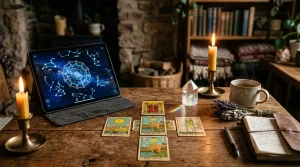
Tarot cards hold the profound ability to illuminate your path, offering insights into your life’s most pressing questions. Whether you seek clarity in love, career, or personal growth, knowing what to ask can enhance your readings and deepen your intuition. Engaging with tarot is not just a mystical experience; it can also be a powerful tool for self-reflection and empowerment.
Have you ever found yourself stuck at a crossroads, unsure of which direction to take? Or maybe you’re curious about the motivations of someone close to you? You’re not alone-many people turn to tarot seeking guidance in uncertain times. The questions you ask can shape the outcome of your readings. In this article, we’ll explore over 50 powerful questions to try, helping you connect with your cards in a meaningful way. So, let’s unlock the wisdom of tarot together and discover how to ask the right questions that resonate with your soul’s journey.
What Are Tarot Cards and How Do They Work?
Tarot cards are not merely pieces of art or mystical tools; they are a profound way to connect with the subconscious mind and explore deeper truths about life. Rooted in history, tarot originated from playing cards in the 15th century, but over time, it evolved into a system used for divination and introspection. Each card in the tarot deck, consisting of 78 cards divided into the Major and Minor Arcana, represents different themes, lessons, and energies. The Major Arcana highlights significant life events and spiritual lessons, while the Minor Arcana delves into everyday experiences and challenges.
When tarot cards are used in readings, they function as both a mirror and a guide. By laying out the cards in various patterns, known as spreads, you create a visual representation of the questions you are exploring. The placements and meanings of the cards work together to provide insights. For example, drawing the Ace of Cups can signify new emotional beginnings, while the Five of Swords might indicate conflict or a challenging situation. As you engage with these cards, it’s essential to remain open and intuitive, trusting your feelings and reactions to the images and symbols presented.
Understanding how to ask questions is vital for reaping the benefits of tarot. Questions can range from broad inquiries about one’s life path to specific queries regarding relationships or career decisions. A well-phrased question can make a significant difference in the depth of insight gained from a reading. For instance, instead of asking, “Will I find love?”, a more effective question could be “What do I need to understand about my approach to love at this moment?” This kind of framing encourages deeper exploration and reflection rather than a simple yes or no answer.
Ultimately, using tarot cards is a journey of self-discovery and empowerment. Whether you are a beginner seeking clarity or an experienced reader delving into complex issues, the key is to maintain an attitude of curiosity and respect for the wisdom that the cards can offer. Approach each reading as an opportunity for dialogue with your inner self, fostering personal growth and insight.
Understanding the Different Types of Tarot Spreads
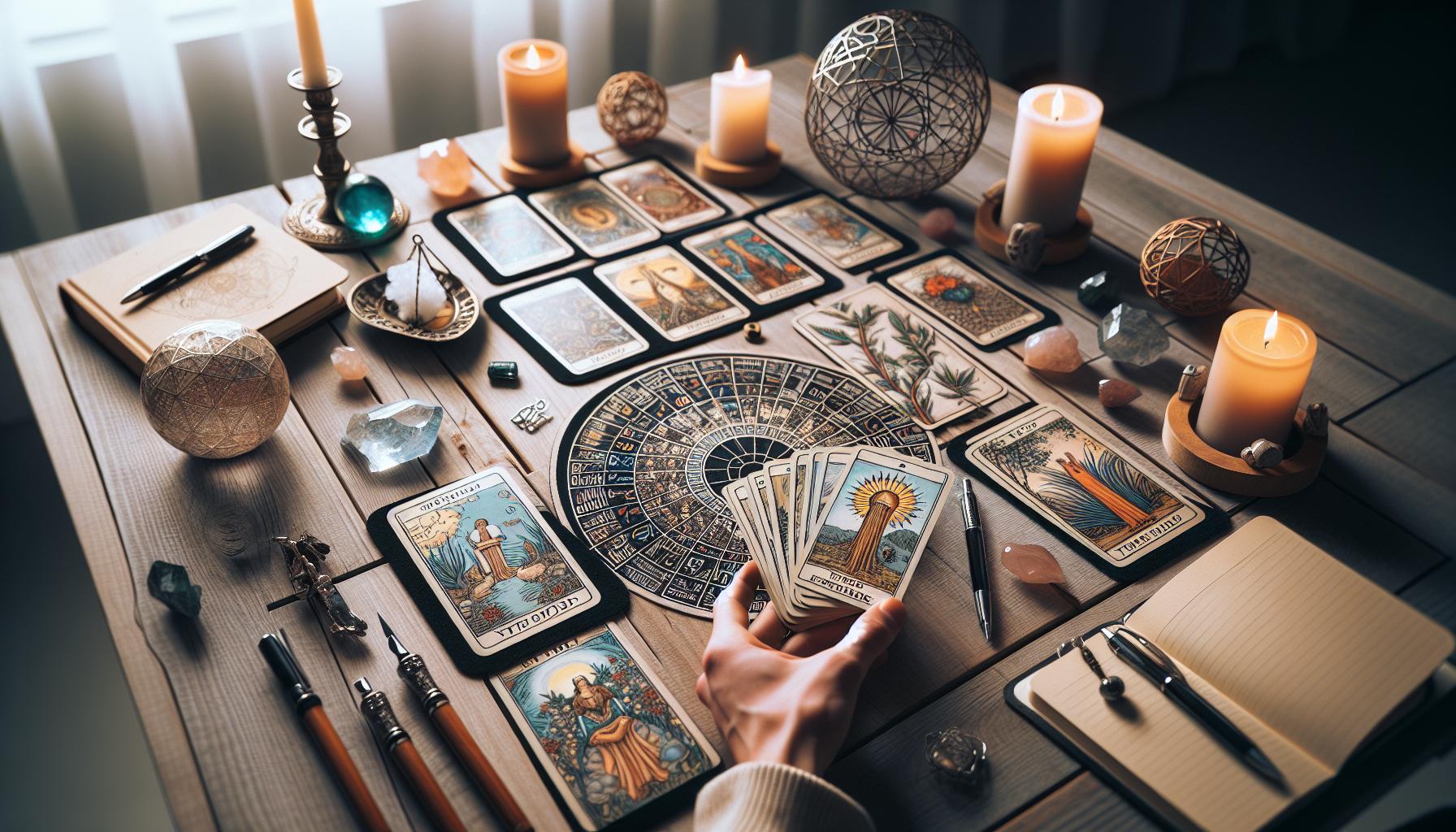
Different tarot spreads can profoundly shape your readings and enhance the insights you gain from each session. Just as a canvas dictates the way an artist will paint, the structure of your tarot spread provides a framework for understanding the energies and themes at play in your life. Whether you are a beginner or a seasoned reader, knowing the specific purpose of each spread allows for a more focused inquiry, paving the way for powerful questions and deeper reflections.
Common Tarot Spreads
- One-Card Spread: Ideal for quick insights or daily guidance, this simple layout provides clarity on a specific question. For example, if you’re curious about your current emotional state, drawing a single card can encapsulate how you’re feeling at that moment.
- Three-Card Spread: This versatile spread can explore the past, present, and future or delve into a situation’s strengths, weaknesses, and achievable outcomes. When asking about a relationship, for instance, the first card might reveal compatibility, the second card personal attachments, and the third possible future developments.
- Celtic Cross: A classic and comprehensive layout, the Celtic Cross offers insights into the larger context of your life. It consists of ten cards that cover various aspects, including your current situation, challenges, recent influences, and potential outcomes. This spread is excellent for broader questions about life direction or major decisions.
- Relationship Spread: Focused on romantic or interpersonal dynamics, this spread often involves cards representing each person’s feelings, the relationship’s strengths, weaknesses, and advice. For those looking to understand their love life better, this can uncover hidden factors affecting the partnership.
Each tarot spread serves a unique purpose, guiding you to reflect on specific areas of your life. When selecting a spread, consider what questions resonate most with you. For example, if you’re seeking clarity on career changes, a spread that emphasizes personal goals and challenges would be beneficial. Remember, the magic of tarot lies not only in the cards but in the insight and understanding you cultivate through your questions and their correlations in the spread. As you experiment with different layouts, allow your intuition to guide you, enriching your readings with the wisdom they provide.
Beginner-Friendly Questions to Ask Tarot Cards

When you’re just starting your journey with tarot, knowing what questions to ask can make all the difference in how meaningful your readings are. The right questions lead to clearer insights and empower you to tap into the rich tapestry of messages that the tarot offers. Here are some engaging and beginner-friendly questions to consider when turning to the cards.
- What energies surround me right now? This question helps you to tune into the immediate influences affecting your life. Drawing a card can reveal the prevailing mood or environment, guiding your understanding of current dynamics.
- What should I focus on today? A one-card draw can provide daily guidance, highlighting an area of your life where your attention is needed. It’s a great way to kickstart your day with intentionality.
- What do I need to let go of? This is a powerful inquiry for personal growth. It encourages reflection on habits or emotions that may be holding you back from progression.
- What lessons am I meant to learn from my current situation? This question invites exploration into your experiences and can help you identify recurring themes in your life. The insights can aid in your journey toward growth.
- How can I improve my relationships? This question opens the floor to deeper understanding and communication options. By focusing on your interactions, you can uncover elements that enhance your connections with others.
These questions serve as a gateway to more profound insights and understanding. Each inquiry invites the cards to speak, revealing layers within yourself and your circumstances that may not be immediately clear. Remember, tarot is a tool for reflection and growth; it’s about cultivating a dialogue with your intuition. Be patient with yourself as you develop your skills, and allow your curiosity to guide your readings.
Intermediate Questions to Deepen Your Insights

Exploring the tarot can be incredibly enriching, especially as you progress beyond beginner levels. Once you feel comfortable with basic questions, it’s time to delve deeper and ask more nuanced inquiries that can provide profound insights into your life. Here are some intermediate questions to further explore your tarot journey, offering a chance for both self-reflection and enlightenment.
One impactful question you might ask is, “What obstacles are currently hindering my progress?” This question encourages you to look beyond surface-level issues. Drawing a card can illuminate hidden challenges that may not be immediately apparent. For instance, if you draw the Two of Swords, it may suggest indecision or a mental block that you need to address. By acknowledging these obstacles, you can develop strategies to overcome them.
Another thought-provoking inquiry could be, “What lessons should I embrace from my past experiences?” This question allows the cards to guide you toward understanding the recurring themes that shape your journey. The Strength card, for example, may appear, symbolizing resilience and the importance of self-love. Understanding the lessons embedded in past events can empower you to make wiser choices moving forward.
Additionally, consider asking, “How can I enhance my creativity or inspiration?” This inquiry is particularly valuable for those looking to invigorate their artistic pursuits or bring fresh ideas into their daily lives. Drawing the Empress might suggest nurturing your ideas and allowing them to grow in a supportive environment, reminding you that creativity flourishes when you care for it.
Finally, reflect on “What aspects of my life require more balance?” This question prompts a holistic view of your life, inviting the cards to reveal areas where you may be overextending yourself or neglecting your needs. If the Temperance card appears, it might encourage you to seek moderation and harmony in your daily routines.
By posing these intermediate questions, you open the door to personal growth and enhanced understanding. Each reading is an opportunity to connect more deeply with yourself and the world around you, transforming the tarot from a mere divination tool into a companion on your spiritual path. As you engage with these inquiries, trust your intuition and let the cards guide you toward deeper insights and actionable wisdom.
Advanced Questions for Expert Tarot Readers
Delving into advanced inquiries when working with Tarot allows you to explore profound insights and deepen your connection to the cards. Skilled readers often seek questions that challenge their intuition and provoke deeper understanding, and the following considerations can guide you in this more complex realm of Tarot reading.
One potent inquiry might be, “What is the gift or lesson within my current challenges?” This question urges you to shift your perspective from merely viewing obstacles as hindrances to recognizing them as teachers. For instance, if you draw the Tower card, it could indicate upheaval, but it may also reveal the need for transformation and the possibility of new beginnings. Embracing the lesson can lead to significant personal growth and resilience.
Consider also asking, “How can I best harness my current energy or resources?” This allows the cards to reflect on your personal strengths and external circumstances. Drawing the Chariot may emphasize determination and focus, suggesting that you channel your efforts into pursuing a specific goal. Alternatively, the Six of Pentacles could imply a need for generosity, highlighting the importance of flow and exchange in your pursuits.
Additionally, the question “How will my actions today impact my future?” invites reflection on the long-term implications of your choices. When a card like the Wheel of Fortune appears, it may encourage you to consider cycles in your life and the interconnectedness of your decisions. This perspective can help you navigate moments of uncertainty with a clearer understanding of potential outcomes.
Finally, don’t shy away from exploring existential inquiries such as, “What is my soul’s purpose in this lifetime?” This profound question can guide you in a journey of self-discovery. The drawing of a card like The Star could signify hope and inspiration, urging you to align with your true calling. Such questions not only deepen your intuition but also enhance your overall understanding of life’s spiritual tapestry.
By engaging with these advanced inquiries, you foster an environment where Tarot is not just a tool for divination, but a powerful medium for spiritual exploration and personal evolution. Embrace the journey with curiosity and openness, allowing the cards to reveal the wisdom that lies within you.
How to Frame Your Questions for Clarity
To engage effectively with Tarot, how you frame your questions is crucial. A well-structured question not only invites clearer insights but also enhances your connection to the cards. Think of your inquiry as a guide that shapes the reading’s direction-much like a compass pointing toward discovery. When crafting your questions, focus on what you genuinely wish to understand or reflect upon. Being specific allows the tarot to provide nuanced guidance, while open-ended phrasing can encourage broader exploration.
Start with the who, what, where, when, why, and how of your situation. For example, instead of asking, “Will I find love?” consider reframing it as, “What qualities should I cultivate to attract a fulfilling relationship?” This shift not only opens the door to personal development but also empowers you to take actionable steps. Questions should stem from your intentions and life context; they are much more impactful when they come from a place of curiosity and self-discovery.
When diving deeper, use language that resonates with your current emotional state and intentions. For instance, if you’re facing a difficult decision, instead of asking, “What will happen if I choose this path?” try, “What do I need to know about the consequences of my choices?” This method encourages the tarot to reveal insights about your motivations and the potential emotional landscape ahead. It transforms the reading into a journey of self-reflection rather than a simple prediction.
Consider also maintaining a positive and empowering tone. Phrasing your questions in a way that fosters hope and autonomy can lead to more constructive readings. For example, “What steps can I take to improve my career situation?” invites advice and action, while “Why am I failing in my job?” may lead to negative interpretations. Positivity can illuminate creative solutions and empower you to actively shape your future.
By framing your questions thoughtfully, you invite clarity and deeper understanding into your Tarot readings. Each session becomes a unique dialogue, allowing the cards to resonate with your current life journey, illuminating paths forward, and revealing the wisdom that lies in your own intuition.
Common Mistakes When Asking Tarot Questions
When seeking insight through Tarot, the way you formulate your questions can greatly influence the clarity and relevance of the answers you receive. Common mistakes often stem from vague, overly complicated, or negative queries that obscure the guidance the cards can offer. Understanding these pitfalls can help you maximize the effectiveness of your readings.
One frequent error is asking overly broad questions. Queries like “What does my future hold?” are too expansive and can lead to muddled insights. Instead, try to narrow your focus. You might ask, “What steps can I take to enhance my career opportunities in the next six months?” This specificity not only guides the reading but also opens avenues for actionable advice that you can implement.
Another common issue is phrasing questions that imply a black-and-white answer. Asking “Will I succeed in my new project?” sets the stage for a straightforward yes or no response, which limits the exploration of nuances in the situation. A better approach is to ask, “What factors should I consider to ensure the success of my new project?” This acknowledges the complexities involved and allows the Tarot to provide a richer perspective.
It’s also crucial to avoid negative or self-defeating language. Phrasing your questions negatively can lead to interpretations that reinforce doubt or fear. For instance, instead of asking, “Why am I always unlucky in love?” consider reframing it to “What can I do to invite more love into my life?” This shift not only fosters a positive mindset but also encourages your intuition to align with proactive solutions.
In summary, to harness the true power of Tarot, be deliberate with your questions. Aim for clarity and positivity, and remember that your queries can shape the insights you receive. By steering clear of common mistakes, you empower yourself to unlock deeper understanding and guidance from your Tarot readings.
Using Tarot for Personal Growth and Reflection
Tarot can be a powerful tool for personal growth and self-reflection, serving as a guide to help you explore your inner landscape and gain a deeper understanding of your experiences. When you engage with Tarot, you open a channel for intuitive wisdom, revealing desires, fears, and potential paths toward growth. Many people find that regular readings foster a sense of clarity and provide new perspectives on their lives, ultimately leading to personal empowerment.
To truly harness the benefits of Tarot for self-discovery, consider integrating these practices into your routine:
- Daily Draw: Start each day by drawing a single card. Reflect on its meaning and how it relates to your current feelings or situations. Ask yourself, “What lesson does this card hold for me today?” This daily ritual can center your mind and offer insight into your emotional state.
- Journaling: Keep a Tarot journal to document your readings, thoughts, and feelings. After each session, write about your interpretations and any realizations that emerge. Reviewing your entries over time can reveal patterns and help you better understand your journey.
- Introspection Questions: Frame your readings around questions that promote growth, such as “What limiting beliefs am I holding onto?” or “How can I better embrace my strengths?” These inquiries guide the reading towards understanding and self-improvement.
- Exploration of Emotions: Use Tarot to confront complex emotions. For example, if you’re feeling lost, draw three cards representing the past, present, and future, and analyze how these insights reflect your emotional landscape.
Creating a supportive environment during your readings can enhance your experience. Consider dimming the lights, lighting a candle, or playing soft music to foster a tranquil atmosphere. This setting encourages openness and allows deeper connections with your intuitive voice.
Remember, Tarot is not just a predictive tool; it embodies a space for personal exploration. Each card drawn can trigger thoughts and emotions critical for your journey. The more you engage with the cards, the more you’ll develop your intuitive abilities, helping you interpret the messages that resonate most with you. Embrace this journey with curiosity and an open heart; Tarot is here to illuminate your path toward self-awareness and transformation.
Questions for Love Readings: Unlocking Heart Mysteries
Exploring matters of the heart through Tarot can be both enlightening and transformative. Love readings provide an opportunity to delve into your romantic landscape, revealing insights about yourself and your relationships. Whether you’re navigating the complexities of a current partnership, reflecting on past relationships, or opening yourself up to new possibilities, asking the right questions can unlock essential truths and guide your emotional journey.
To get the most out of your love readings, consider framing your inquiries thoughtfully. Here are some powerful questions you might explore:
- What are my current feelings about my partner? This question encourages you to evaluate your emotional state, helping to clarify what you truly desire and need.
- What can I do to improve my relationship? Reflecting on proactive steps can empower you to take charge of your love life and enhance your connection with your partner.
- What patterns from my past relationships am I repeating? Understanding recurring themes can help break cycles and foster healthier interactions in the future.
- How can I attract the right partner into my life? This open inquiry not only focuses on your desires but also invites guidance on how to embody the energy you wish to attract.
- What lessons am I meant to learn from my current relationship? This question promotes introspection, encouraging you to see the bigger picture and personal growth opportunities.
As you embark on your love readings, remember the importance of intention. Approach each session with an open heart and a willingness to receive whatever insights come through. Creating a serene environment for your readings, perhaps with soft lighting or calming music, can facilitate a deeper connection to your intuition.
After laying out your questions, draw your cards and take note of how each one resonates with your inquiries. Trust your instincts in interpreting their meanings; for instance, if you draw the Two of Cups, which represents partnership and mutual respect, consider how your current relationships reflect these themes. The answers may reveal themselves in unexpected ways, so remain open to different interpretations.
By consistently engaging with Tarot in this way, you not only gain clarity on your love life but also cultivate a deeper understanding of yourself and your emotional patterns. Embrace this journey with curiosity, and allow the cards to illuminate your path towards a fulfilling love life.
Career and Financial Queries: Tarot Guidance
In the world of Tarot, exploring career and financial decisions can be a profound way to gain clarity and direction. Many seek guidance from the cards to navigate pivotal moments in their professional lives, whether considering a job change, facing workplace challenges, or managing financial uncertainties. The insights drawn from a reading can illuminate paths that might not be immediately apparent, offering a blend of intuition and practical advice.
When crafting your questions for a career or financial reading, specificity is key. Here are some exemplary inquiries to consider:
- What skills do I need to develop to advance in my career? This question prompts exploration of personal growth areas that could influence your professional trajectory.
- How can I best navigate current challenges at work? Allow the cards to shed light on effective strategies or perspectives that can alleviate stress and foster positive change.
- What does my current job teach me about my values? This reflection can help you align your career choices with your personal beliefs and aspirations.
- Is now a good time to make a career change? Timing is everything; the cards can provide insight into whether the current moment is ripe for transition.
- What financial opportunities should I pursue at this time? This question invites guidance on investments or projects that align with your resources and goals.
As you draw your cards, focus on the questions you’ve laid out. Each card can resonate with different aspects of your queries; for instance, the Emperor might suggest the need for structure and authority in navigating your current work situation, while the Ten of Pentacles could signal a focus on long-term financial stability and legacy. Allow yourself to interpret the cards with an open mind, considering how their meanings relate to your circumstances.
Remember, the essence of Tarot teaches us that while the cards provide insight, the power of interpretation lies within you. Engage with the process thoughtfully-create a tranquil space for your reading, and prepare your mind to receive the messages that arise. By treating these sessions as a blend of intuition and reflection, you’re not just seeking answers; you’re inviting a deeper connection to your professional journey and financial well-being. Embrace the guidance of Tarot as a resource not only for understanding your current situation but also for empowering your future decisions.
Exploring Spiritual Growth Through Tarot Questions
Exploring the deeper aspects of your soul can often lead to transformative experiences, and Tarot serves as a powerful tool in this journey. By posing thoughtful questions to the cards, you invite reflections that can illuminate your spiritual path, revealing insights that may have been obscured by everyday distractions. Whether you’re a beginner seeking guidance or an experienced reader looking for deeper meanings, the right questions can open up profound avenues for personal exploration.
To begin this journey, consider asking questions that delve into your motivations, fears, and aspirations. For instance, you might ask:
- What do I need to release to grow spiritually? This question encourages you to identify limiting beliefs or old patterns that may hinder your spiritual development.
- How can I connect more deeply with my inner self? By seeking this insight, you can discover practices or attitudes that enhance your spiritual awareness.
- What lessons am I meant to learn from my current experiences? This invites a deeper understanding of your life circumstances and their purpose in your overall growth.
- What is my spiritual strength? This can help you recognize your innate gifts and how they can support your journey.
- What steps can I take to align with my life’s purpose? Gaining clarity on this can help you make decisions that resonate with your true calling.
As you frame your questions, it’s important to maintain an open heart and mind. Each card drawn can resonate on multiple levels, offering a blend of guidance, affirmation, and challenge. For example, if you draw the High Priestess when asking about spiritual strengths, it may indicate a deep intuitive capacity and a need to trust your instincts more. Alternatively, if the Tower appears, it may signal significant change is on the horizon, encouraging you to embrace transformation as a part of your spiritual journey.
Creating a peaceful space for your reading enhances the experience. Light a candle, play soft music, or engage in meditation before you begin. This mindful preparation not only sets the tone but also allows your intuition to flourish. Remember, Tarot isn’t about predicting a fixed future; instead, it’s about exploring possibilities and understanding the present to facilitate growth.
The essence of using Tarot for spiritual growth lies in engagement and reflection. By consistently working with the cards and nurturing your intuitive abilities, you cultivate a deeper connection to your own spiritual essence. Embrace this journey as one of self-discovery, empowerment, and enlightenment; the answers you seek are often already within you, waiting to be unveiled through the wisdom of Tarot.
The Importance of Intention When Using Tarot
When you approach a Tarot reading, the power of your intention can shape the entire experience. Intention acts as a guiding compass, directing the energy and focus of your inquiry. Whether you are seeking clarity on a specific issue or exploring broader themes in your life, setting a clear intention allows the cards to resonate more profoundly with your questions. For example, rather than merely asking, “What does the future hold for me?”, consider framing your intention with a question like, “What steps can I take to create a fulfilling future?” This minor shift invites a more constructive discussion, emphasizing proactive exploration rather than passive prediction.
Creating a sacred space for your reading can amplify the impact of your intentions. Taking a moment to pause, breathe, and enter a reflective mindset helps to align your thoughts and desires. You might choose to light a candle, burn incense, or play calming music-all of these actions signal to your mind and spirit that you are entering a space of inquiry and introspection. This preparation enhances your focus, aligning both your internal and external environments with your intent.
Additionally, the phrasing of your questions is crucial. Be as specific and clear as possible about what you wish to explore. Specificity can often lead to richer insights. For instance, if you’re drawing cards to understand issues in a relationship, instead of asking, “What will happen between us?”, you could ask, “What can I learn from my current relationship dynamics?” This changes the perspective from prediction to learning, fostering a more empowering dialogue with the cards.
Remember, your attitude towards the reading also affects the outcome. Approach your questions with curiosity and openness, free from preconceived notions of what the answers should be. This openness invites the possibility of unexpected insights, revealing truths that might initially be uncomfortable but ultimately serve your growth. Engaging with the Tarot in this way transforms it from a mere tool of divination into a powerful instrument for self-discovery and personal evolution, allowing you to harness its wisdom to illuminate your path forward.
How to Interpret Card Responses to Your Questions
Interpreting the responses from your Tarot spread is like diving into a conversation with your intuition. Each card serves as a key, unlocking insights and offering guidance tailored to your questions. It’s essential to approach this process with an open heart and a curious mind. Remember, interpretations can shift based on the context of your question and the surrounding cards, creating a dynamic dialogue that evolves as you unfold the reading.
To begin, familiarize yourself with the core meanings of the Tarot cards. Each card is imbued with symbolic layers that go beyond mere definitions. For instance, the Two of Cups often represents partnership or connection, while the Death card, despite its ominous name, signifies transformation or the end of a cycle rather than physical death. When interpreting card responses, take note of not just individual meanings but also how they interact with one another. Consider these aspects:
- Card Position: Reflect on what each card represents in the context of your spread. For example, the first card might reveal past influences, while the second highlights current challenges.
- Numerology and Elements: Pay attention to the numerical significance and elemental associations of the cards. For example, swords often relate to intellect and conflict, while cups are tied to emotions and relationships.
- Intuitive Understanding: Trust your gut reactions. What feelings or thoughts arise as you gaze at each card? Sometimes, your initial intuition can offer the most profound insights.
As you gain experience, start considering the relationships between the cards. For example, if you pull the Hierophant alongside the Five of Pentacles, this could indicate a need to seek traditional support or guidance during a period of struggle. Alternatively, the Lovers next to the Chariot might suggest that a romantic relationship will propel you forward in a significant way.
Finally, keep a Tarot journal. Documenting your readings helps track your interpretations and the insights gained over time. It provides a space to reflect on how your understanding of the cards evolves with your experiences. This practice builds confidence in your intuitive abilities and deepens your connection with the cards.
Embrace the journey of interpretation as a partnership with the Tarot-a collaboration where you unlock the wisdom each card has to offer, guiding you toward clarity, empowerment, and profound self-discovery.
FAQ
Q: What are some effective questions to ask tarot cards?
A: Effective questions for tarot readings are open-ended and focused on personal situations. Consider asking about your career direction, relationship dynamics, or inner growth. For instance, “What do I need to understand about my current relationship?” encourages deeper insight compared to simple yes/no questions.
Q: How can I phrase a question for tarot to get the best results?
A: To get the best results from tarot, frame your questions clearly and with intention. Use “how” or “what” questions rather than “should” or “will.” For example, “What actions can I take to improve my work life?” focuses on personal empowerment and potential outcomes.
Q: Can I ask tarot cards about other people’s actions or intentions?
A: Yes, you can ask tarot about others’ actions or intentions, but it’s best to focus on your perspective and feelings. An effective question might be, “How can I better understand my friend’s behavior?” This way, you gain insight into your relationship dynamics.
Q: What questions should I avoid when using tarot cards?
A: Avoid questions that are too vague, overly specific, or seek to control others’ actions, such as “Will my boss give me a raise?” or “What will happen in the future?” Instead, focus on questions that offer insights into your choices and actions.
Q: How can tarot help with decision-making in relationships?
A: Tarot can provide clarity in relationship decisions by exploring feelings, motivations, and outcomes. Asking, “What do I need to know about my current relationship?” helps uncover underlying issues and paths for resolution. This type of question offers profound insights into emotional dynamics.
Q: Is it okay to ask tarot cards about health issues?
A: While you can ask tarot about health issues, it’s essential to approach this with care. A question like, “What lifestyle changes can improve my well-being?” shifts the focus to proactive measures. Always consult medical professionals for health-related concerns.
Q: When is the best time to consult tarot cards?
A: The best time to consult tarot is when you’re feeling uncertain or at a crossroads. Significant life changes, emotional upheavals, or moments of introspection are ideal for seeking guidance. Use tarot as a reflective tool in these contexts for deeper understanding.
Q: How can I integrate tarot readings into my daily routine?
A: Integrating tarot into your daily routine can involve drawing a single card each morning to set your intention or theme for the day. Ask, “What do I need to focus on today?” This practice encourages mindfulness and reflection, enhancing personal growth.
For a deeper understanding of how to ask tarot questions effectively, explore sections in the main article covering common mistakes and how to interpret card responses.
Wrapping Up
Now that you’ve explored the powerful questions to ask your tarot cards, you’re well-equipped to deepen your practice and unlock new insights into your life. Remember, tarot is more than a mystical tool; it’s a mirror reflecting your inner thoughts and aspirations. Ready to dive deeper? Check out our 3-Card Tarot Career Reading for focused insights on your professional path, or explore our Tarot Card Definitions to enhance your understanding of each card’s meaning.
Don’t hesitate to try out these questions in your next reading, and share your experiences with us in the comments below! If you’re eager for more guidance, consider signing up for our newsletter where we share exclusive tips and resources. Embrace your journey, and let the cards guide you forward!
Get our latest guides, news, and insights highlighted in your Google Search & AI Overviews.