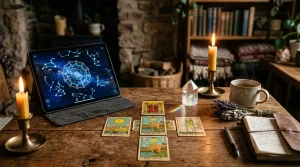
In the world of Tarot, the 9th card, The Hermit, invites us to embark on an introspective journey. This card symbolizes inner wisdom, solitude, and the pursuit of truth. Have you ever felt the need to step back from the chaos around you to find clarity? The Hermit encourages this reflective practice, making it vital for anyone seeking deeper insights into their life’s path.
As we explore The Hermit’s insights, we’ll uncover how embracing solitude can lead to profound personal growth and enlightenment. Whether you’re a seasoned Tarot reader or just beginning your exploration, understanding The Hermit will enhance your ability to navigate life’s complexities with confidence and purpose. Dive in and discover how this card can illuminate your path forward, empowering you to connect with your innermost self.
What Is the Hermit Card in Tarot?
The Hermit card, the ninth in the Major Arcana, invites you to embrace the journey of introspection and enlightenment. This card symbolizes a quest for knowledge that includes withdrawing from the chaos of everyday life to seek deeper truths. When the Hermit appears in a reading, it often suggests a time for solitude and contemplation, urging you to explore your inner landscape and reflect on your personal goals and desires. This can be an opportunity to disconnect from distractions, allowing you to contemplate your true path and make decisions that align with your authentic self.
The imagery of the Hermit is rich with symbolism. Typically portrayed as an old man holding a lantern, he signifies wisdom and guidance. The lantern illuminates his path, representing the light of knowledge that he carries within. His cloaked figure suggests a retreat from the outside world, indicating that the answers you seek are not found in external validation but within your own soul. This imagery emphasizes that the Hermit is not about loneliness, but about finding peace in solitude-allowing you to understand your thoughts and feelings on a profound level.
In tarot spreads, the Hermit can guide you toward necessary reflection, especially during times of uncertainty or major life changes. By pausing and assessing where you are versus where you want to go, you can gain clarity. This card can also urge you to trust your intuition over societal expectations, demonstrating the power of inner wisdom. When you feel the pull of the Hermit, consider carving out time for self-discovery, whether that’s through meditation, journaling, or simply spending time in nature. Each of these activities can help you connect with your inner voice and gain the insights you need to navigate your journey ahead.
Ultimately, the Hermit serves as a guide, showing that the path to wisdom often requires stepping back from the external world. He teaches you that solitude can be a source of strength, and that the answers you seek are often dormant within you, waiting to be uncovered through patience and reflection. When you align with this energy, you invite growth and understanding, making way for personal transformation that resonates deeply within your spirit.
Symbolism and Imagery of the Hermit
The Hermit card’s rich symbolism and imagery evoke a deep sense of introspection and wisdom, inviting you to explore your inner self. Central to the Hermit’s portrayal is the figure of an elderly man, a representation of experience and the passage of time. His lantern symbolizes enlightenment, illuminating the often dark and uncertain path of self-discovery. Unlike traditional symbols of achievement, the light he carries represents knowledge gained through solitude and reflection. This imagery teaches us that the pursuit of truth often requires us to step away from the external noise of the world to listen to our inner voice.
The Cloak of Solitude plays a crucial role in the Hermit’s imagery. The flowing robes signify a retreat from the everyday distractions and responsibilities that can cloud our judgment. They remind us that true wisdom is often found in moments of quiet introspection rather than in the hustle and bustle of daily life. The Hermit’s posture, usually depicted as contemplative and still, encourages you to adopt a mindset of patience. Embrace the notion that personal growth often unfolds in solitude, as you gather insights about your desires and the direction you wish to take.
Many tarot decks illustrate the Hermit with unique variations, yet they maintain core elements of this symbolism. For instance, some decks include additional symbols like mountains or a star above the Hermit’s lantern, emphasizing spiritual ascension and the pursuit of higher truths. Each version adds depth to the understanding of the card, providing a personal touch that speaks to your reading style and emotional resonance with the card’s meaning.
When working with the Hermit in a spread, consider the surrounding cards to gain further insights into your current situation. Is the Hermit asking you to slow down and reflect on a pressing decision? Or perhaps he signals that it’s time to step back from a chaotic environment to rejuvenate your spirit? Reflect on how the imagery and symbolism in the Hermit resonate with your experiences. Engage with the card by journaling or meditating on its meanings, enabling you to tap into the wisdom it offers when seeking clarity and direction in your life.
The Hermit’s Spiritual Meaning and Lessons
The Hermit carries profound spiritual significance and lessons that resonate deeply with anyone on a quest for self-discovery. In a world often filled with distractions and noise, he encourages us to retreat inward, embracing solitude as a means to gain clarity and insight. This card serves as a reminder that true enlightenment doesn’t come from frantic activity or constant social engagement, but from moments of quiet reflection where we can connect with our inner selves. The journey of the Hermit teaches us that introspection can lead to wisdom, as we sift through our thoughts and feelings to uncover our truest motivations and desires.
Reflecting on the Hermit’s wisdom allows us to understand the importance of patience and the concept of timing in our spiritual journeys. When he appears in a reading, it suggests that now is not the time for outward action but rather for internal exploration. It may be an invitation to pull back from life’s demands and seek the comfort of solitude. This does not imply isolation; instead, it encourages the cultivation of a rich inner life where one can assess their path, seek guidance from their intuition, and ultimately find personal truths that may have been obscured by external influences.
Moreover, the Hermit embodies a journey towards personal growth that hinges on the lessons learned in solitude. By stepping away from daily distractions, we create space for new perspectives and revelations. He empowers us to develop our instincts, hone our self-awareness, and explore our spiritual beliefs without the constraints of societal expectations. This can translate into practical steps such as journaling, meditating, or simply spending time in nature-each of these practices can deepen our understanding of ourselves and our life purpose, reflecting the transformative journey of the Hermit.
As you reflect on the Hermit’s teachings, consider this: how might you integrate the practices of solitude into your life? What insights might emerge when you allow yourself the time and space to explore what truly matters to you? Embracing the Hermit’s lessons can open doors to profound self-awareness and personal transformation.
Upright vs. Reversed: The Hermit’s Interpretations
The Hermit card holds significant meanings whether it appears upright or reversed, each interpretation offering valuable insights into your spiritual journey and personal growth. When this card is drawn upright, it often signifies a period of introspection, solitude, or seeking deeper truths. It suggests that you are being encouraged to turn inward, gaining wisdom from your experiences and reflecting on your life path. This reflective stage can lead to important realizations, a clearer sense of purpose, or the discovery of inner strength.
On the other hand, when the Hermit appears reversed, it may indicate feelings of isolation or withdrawal that are not constructive. This position can suggest that you might be avoiding confronting important issues or becoming too removed from social interactions, leading to confusion or disconnection from your true self. Alternatively, the reversed Hermit could also signal a need to emerge from introspection, highlighting the importance of balancing solitude with social engagement. It prompts you to reconnect with the world and share the insights gained during your period of reflection.
To better understand these interpretations, here are some practical examples:
- Upright: In a relationship reading, the upright Hermit may suggest the need for personal space to reflect on your feelings, ultimately leading to a deeper understanding of your emotional needs.
- Reversed: Conversely, in a career context, the reversed Hermit may encourage you to step out of isolation and actively seek collaboration and new opportunities, rather than remaining secluded in your work.
Understanding the nuances between the upright and reversed Hermit can empower you in your readings, guiding you toward the balanced integration of introspection and social engagement. Embrace both aspects as essential threads in your personal tapestry, facilitating growth and insight in different facets of your life.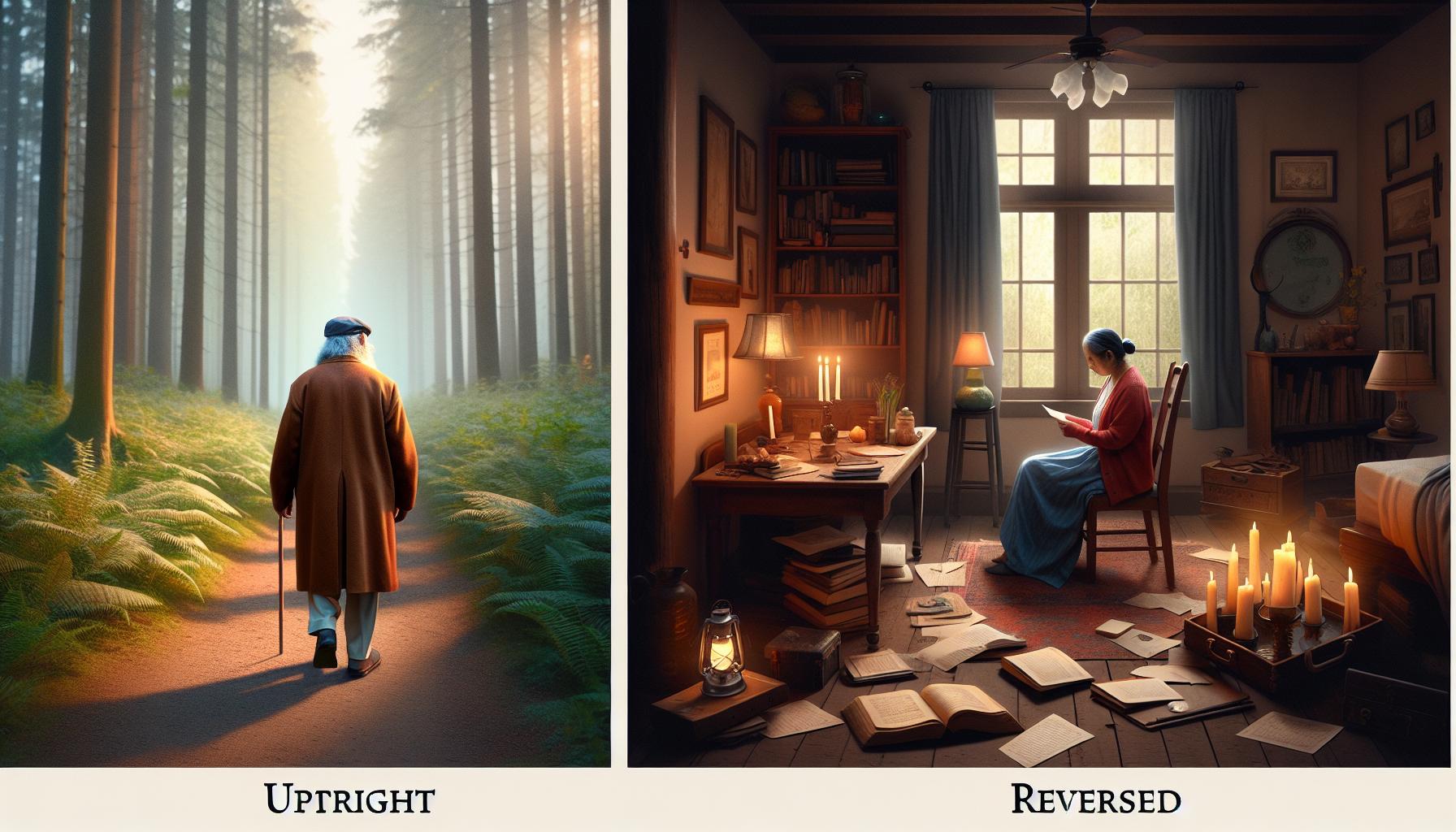
How to Use the Hermit in Tarot Spreads
The Hermit card in Tarot serves as a powerful symbol of introspection and wisdom, making it an invaluable tool for various spreads. When you include the Hermit in your readings, you invite a deeper understanding of your inner journey and the lessons that solitude can teach. This card encourages you to look within, whether you’re seeking clarity on a specific issue or pondering a more significant life question.
To effectively incorporate the Hermit into your Tarot spreads, consider its role in the context of your question or theme. For instance, if you are using a three-card spread to explore past, present, and future, the Hermit can represent the need to withdraw and contemplate past experiences that have shaped your current situation. It might signal a time needed for self-reflection, emphasizing that understanding your past can illuminate your path forward.
Practical Tips for Using the Hermit
When working with the Hermit, here are some practical ways to refine your readings:
- Introspection Prompt: In a spread focusing on personal growth, position the Hermit as a guiding influence. Ask how solitude might support your development. This invites you to consider what aspects of your life could benefit from more thoughtful examination.
- Advice Card: Use the Hermit as an advice card; if drawn in response to a question about a difficult decision, it may suggest that taking time to think things through will lead to clearer insight.
- Relationship Insight: In love readings, the Hermit can indicate the need for personal space. Reflect on how this need for solitude can foster deeper connections when you return to your relationship with renewed clarity.
Integrating the Hermit helps anchor your readings in reflection and understanding, providing a balanced perspective that values both solitude and community.
The Hermit’s wisdom is not solely about isolation; it’s about the profound insights that emerge from quiet contemplation. When you draw this card, consciously acknowledge its invitation to explore your inner truths, and use that energy to guide your interpretation in Tarot spreads. Embrace the space it brings as a chance to regain clarity and direction on your life’s journey.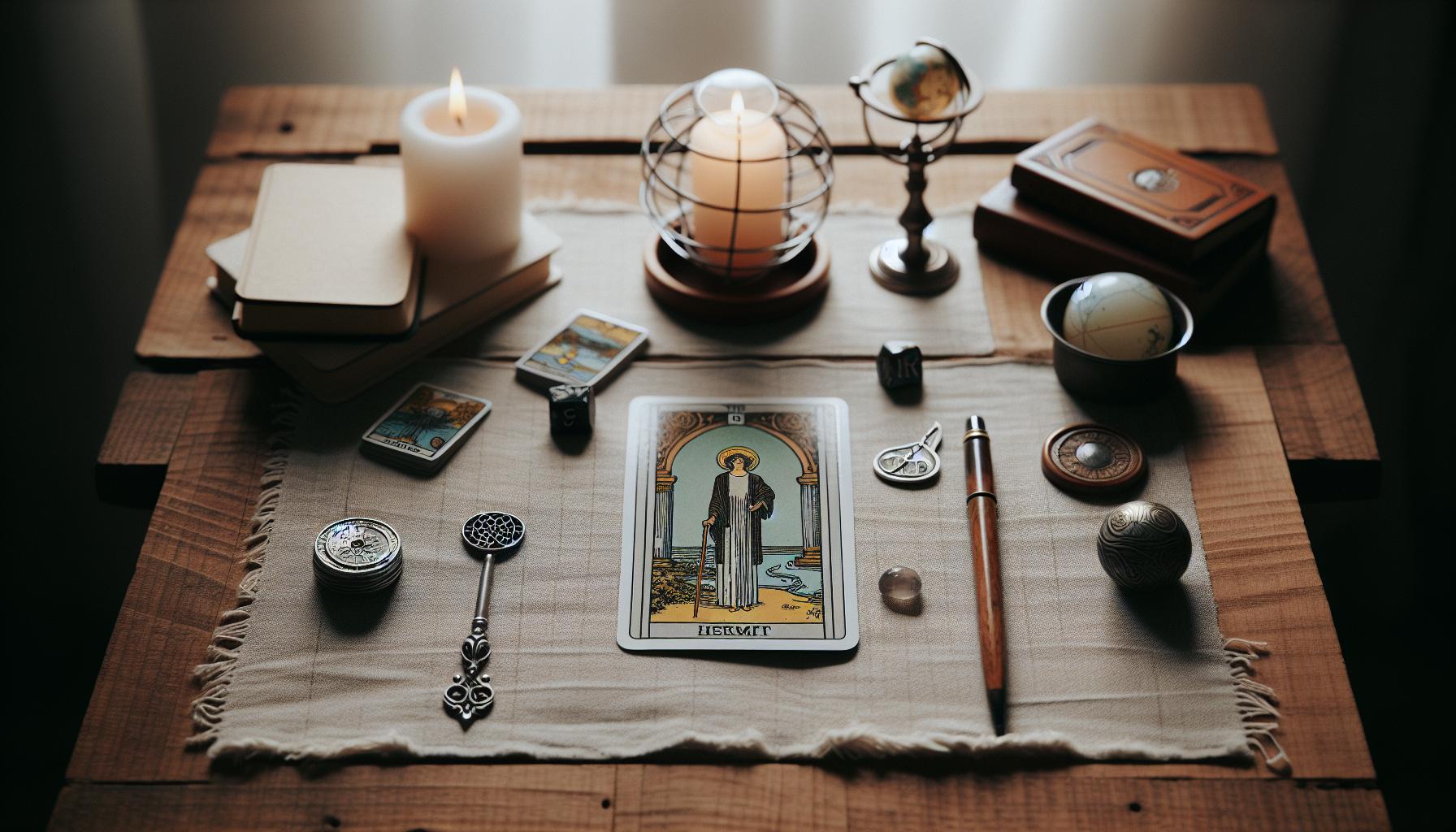
Real-Life Examples of the Hermit in Readings
When the Hermit appears in a reading, it often signifies a pivotal moment of introspection and self-discovery. One client shared their experience of pulling the Hermit card while contemplating a career change. The card served as a gentle nudge to take a step back and deeply evaluate their motivations and desires, urging them to withdraw from the hustle and bustle of daily life. By embracing solitude, they found clarity in their ambitions and realized that this career shift was less about external validation and more about aligning their work with their true passions.
Another instance involved a querent seeking guidance on a troubled relationship. The Hermit suggested a time of needed separation, not as an end to the relationship, but as an opportunity for both individuals to reflect on their own growth. This space allowed them to understand their feelings and needs more clearly, ultimately leading to a more meaningful reconnection. The Hermit reminded them that sometimes, stepping away is crucial for healing and understanding.
For readers who may be unsure how to interpret the Hermit in their own situations, consider this: if faced with a decision or crossroads, visualize the Hermit guiding you toward a quiet place. Invite the stillness into your mind and ask open-ended questions like, “What do I truly seek?” or “How can I cultivate more inner peace?” This practice can help you sift through emotion and confusion, revealing the wisdom you already possess within.
In a group reading setting, one participant drew the Hermit in a spread focused on personal development. They realized that their busy lifestyle was clouding their judgment and stifling their creativity. The card inspired a collective discussion about the importance of finding quiet time to reflect, encouraging everyone to share their own experiences of solitude and personal retreat. This resonated with many in the group, creating a supportive atmosphere where they all acknowledged the value of stepping back to move forward.
These real-life examples illustrate how the Hermit serves not just as a card of isolation but as a powerful catalyst for growth, prompting individuals to seek the answers that lie within themselves. Each reading is unique, and the Hermit consistently offers gentle guidance to help navigate the complexities of life with clarity and insight.
The Hermit in Different Tarot Decks
When exploring the Hermit card, it’s fascinating to see how its representation varies across different tarot decks, each offering unique insights into its profound symbolism. Tarot decks are more than just tools; they are artistic expressions that reflect diverse cultural and spiritual perspectives. Thus, the essence of the Hermit can shift dramatically, providing new layers of understanding for readers and seekers alike.
In traditional decks, like the Rider-Waite Tarot, the Hermit is depicted as an elder figure cloaked in a brown robe, holding a lantern aloft and guiding the way forward. This imagery emphasizes the themes of guidance, inner wisdom, and solitude. The lantern symbolizes enlightenment and the quest for truth in darkness, inviting querents to look within for answers. However, in the Thoth Tarot, designed by Aleister Crowley, the Hermit appears as a more abstract figure, representing not only introspection but also the alchemical process of transformation. This deck’s interpretation includes a focus on the inner journey toward enlightenment through the integration of shadow and light.
When you encounter the Hermit in a more contemporary deck, such as the Wild Unknown Tarot, the imagery may shift to represent a solitary animal-a wolf, for instance. This can evoke feelings of instinctual wisdom and reliance on one’s inner voice rather than external searches for truth. Such variations encourage readers to consider how their personal connection with the card’s meaning can be influenced by the visual presentations. It’s about finding what resonates most deeply with you as you engage with the Hermit.
To better integrate the diverse interpretations of the Hermit into your tarot practice, consider the following steps:
- Choose your deck: Spend time with various tarot decks and see which depiction of the Hermit resonates most with you. Notice how each version makes you feel.
- Meditate on the imagery: Take a moment to reflect on the specific symbols and colors used in the Hermit card of your chosen deck. What feelings or thoughts arise?
- Create a personal interpretation: Write down what the Hermit means to you based on your readings and experiences. Align that meaning with the imagery you connect with.
- Practice with different decks: Use the Hermit in readings with different decks to see how its meaning may change depending on the illustration and your current life circumstances.
This enriched understanding of the Hermit encourages readers to embrace the card’s depth and complexity, promoting a personal and intuitive approach to tarot. The varied illustrations remind us that while the journey inward may be solitary, it is also universally relatable-a powerful reminder that we all have the capacity to seek wisdom within ourselves, no matter the form it takes.
Connections to Other Cards: The Hermit’s Relationships
The Hermit card is rich with connections to other tarot cards, creating a tapestry of meanings that can deepen your readings and insights. At its core, the Hermit symbolizes introspection, solitude, and the quest for inner wisdom, which can be illuminated by its relationships with other cards. Understanding these connections enhances the Hermit’s role in a spread, allowing for a multi-dimensional view of your inquiry.
One of the most notable associations is with the *High Priestess*, another card of introspection but with a more intuitive and passive energy. While the High Priestess invites us to explore our subconscious and embrace hidden knowledge, the Hermit urges us to take active steps in seeking that enlightenment through solitude and personal reflection. When these two appear together, they suggest a journey inward where intuition can be harnessed by thoughtful contemplation.
The Hermit also resonates with the *Moon* card, which embodies the complexity of our emotions and the paths we navigate through uncertainty. The Moon encourages us to look beyond the surface, while the Hermit guides us to find clarity within ourselves, highlighting the importance of understanding our fears and illusions. When these cards show up in a reading, consider them a call to examine your emotional landscape while seeking your truth in quiet solitude.
Additionally, the Hermit has a unique relationship with the *Fool*, representing the beginning of a journey. The Fool’s carefree approach contrasts with the Hermit’s reflective nature, yet together they reveal the importance of balancing spontaneity with contemplation. Encountering both in a spread might signal a time where you are being asked to both embrace new adventures and take a step back to evaluate your personal motivations and desires.
In practical terms, when interpreting the Hermit alongside other tarot cards, here are some steps to consider:
- Identify Key Themes: Start by noting the prominent themes in the spread. How does the Hermit’s message enhance or complicate the meanings of other cards?
- Reflect on Intuition: Pay attention to any intuitive impressions that arise when the Hermit is present with other cards. What do they inspire in your understanding of the situation?
- Create a Narrative: Think of a story that connects all the cards. How might the Hermit act as a guide to help navigate through the influences of the surrounding cards?
The connections the Hermit card shares with others enrich your tarot practice, offering deeper insights into your life’s journey. Embracing these relationships not only fosters a more nuanced approach to readings but also empowers your intuitive abilities to navigate the complexities of your experiences.
Common Misconceptions About the Hermit
The Hermit is often misunderstood, shrouded in misconceptions that can eclipse its profound wisdom. Many people view this card solely as a symbol of loneliness or isolation. While solitude is an essential aspect of the Hermit’s journey, it reflects a purposeful withdrawal rather than a state of desolation. The Hermit encourages us to step back from the chaos of daily life to seek clarity within. This is not a card that suggests we should shun all social interaction; rather, it reminds us of the strength found in introspection and self-discovery.
Another common misconception revolves around the idea that the Hermit signifies a lack of progress or stagnation. On the contrary, this card often heralds a transformative period where inner work lays the groundwork for future growth. The Hermit invites reflection, hinting that true advancement may require slowing down to nurture our inner selves. This process can lead to greater insights and wisdom that propel us forward when we re-enter the world.
Many also see the Hermit solely as a reminder to retreat or isolate oneself from others. While it does advocate for solitude, it’s crucial to recognize that the Hermit also embodies the sharing of wisdom gained through that solitude. In readings, it can symbolize mentorship or guidance-whether you are taking on that role or seeking it from someone who has journeyed through similar paths. Thus, the Hermit encourages us to connect the wisdom of solitude with community, fostering both personal growth and shared knowledge.
Embracing the Hermit’s true essence can profoundly shift our perspective on personal development. Reflecting on these misconceptions can help you utilize the Hermit card more effectively in your readings. Consider asking yourself, “What inner truths am I seeking?” or “How can my solitude lead to clarity in my life?” Engaging with these questions can deepen your understanding of the Hermit’s message, turning isolation into a powerful tool for growth and enlightenment.
Embracing Solitude: The Wisdom of the Hermit
The Hermit card invites us to view solitude as a profound source of wisdom rather than merely a period of loneliness. In a world that often glorifies extroversion and constant connectivity, the message of the Hermit becomes increasingly pertinent: true insight and clarity can emerge from moments of stillness and reflection. By intentionally stepping away from the noise of life, we create space for our inner voice to rise above external distractions. This journey into solitude is not about isolation; instead, it’s a purposeful retreat into the self for deeper understanding and growth.
Embracing this aspect of the Hermit can be transformative. It encourages us to ask introspective questions: What truths lie hidden within me? What lessons can I learn from my experiences? Here are some practical ways to embody the Hermit’s wisdom:
- Establish Regular Reflection Time: Carve out moments each day for quiet contemplation. Whether through meditation, journaling, or simply enjoying a cup of tea in silence, these rituals can foster a deeper connection with yourself.
- Seek Out Natural Spaces: Nature has a unique way of helping us reconnect with our inner selves. Spend time outdoors, away from screens and routines, to allow your thoughts to flow freely.
- Set Mindful Intentions: As you enter your space of solitude, set an intention for what you wish to explore. This focused approach leads to greater clarity and aids in uncovering hidden insights.
Remember, the wisdom of the Hermit also suggests that what we learn in solitude is meant to be shared. Solitary insights can lead to meaningful contributions to our communities and relationships. When you emerge from your reflective period, consider how your newfound clarity can enrich your interactions and support others on their journeys.
Ultimately, understanding and embracing the Hermit’s teachings enrich our lives, allowing us to utilize solitude not as a barrier but as a bridge to deeper connection with ourselves and the world around us. The path to wisdom often begins with the courage to sit in stillness.
The Hermit’s Role in Personal Growth and Reflection
Reflecting on the influence of the Hermit card reveals a space rich with potential for personal growth and deep introspection. This card invites us to step away from the chaos of daily life and turn our gaze inward, fostering a relationship with our innermost selves. The journey of personal reflection inspired by the Hermit isn’t merely about isolation; it’s a vital practice that encourages discovering truths we may overlook in our busy lives.
To harness the wisdom of the Hermit, begin by creating a dedicated time for self-reflection. This can be as simple as a few moments at the start or end of your day, where you sit quietly and breathe deeply. Consider keeping a journal during these times. Writing down thoughts, feelings, or even questions can illuminate paths forward and help reveal inner truths. For example, if you find yourself overwhelmed by external pressures, write about what influences are taking your peace. This powerful act of self-questioning might reveal changes you can make to honor yourself more.
Engaging with nature can also enhance this reflective process. The Hermit’s association with solitude can be beautifully complemented by a natural setting-whether it’s a park, forest, or even your backyard. Spend time outside, away from screens and distractions. The tranquility of nature can help settle the mind and facilitate insights. Many people report that while walking alone in nature, ideas and emotions come to the surface with remarkable clarity.
As you utilize this time for introspection, keep in mind that the lessons learned during these solitary moments are just as valuable when shared with others. Reflect on how you can integrate these insights into your daily interactions and support those around you. The wisdom gained from the Hermit encourages you not only to grow but also to deepen your connections with others through shared understanding and empathy. Sharing your reflections can inspire those around you to seek their own moments of introspection, fostering a cycle of growth and support within your community.
Ultimately, the Hermit’s true gift lies in its ability to guide us towards profound personal insights that facilitate transformation. By embracing solitude as an opportunity for growth, we learn to cherish our own company, recognize our needs, and advance on our unique spiritual journeys.
Tips for Deepening Your Understanding of the Hermit
To truly connect with the essence of the Hermit card, consider incorporating intentional practices that invite reflection and insight into your daily life. The Hermit represents a journey inward, urging us to explore our thoughts and emotions beyond the daily distractions. One effective method is to establish a daily reflection ritual. This could be as simple as setting aside 10 minutes in the morning or evening to sit in silence, breathe deeply, and observe your thoughts. Journaling during this time can be especially potent. Record any insights about your feelings, your intentions for the day, or musings on challenges you face. This practice fosters a deeper understanding of your inner narrative and clarifies your values and desires.
Engaging with nature is another way to amplify your connection to the Hermit’s wisdom. Nature has a unique way of quieting the mind and enhancing clarity. Plan regular solitary walks, hikes, or even quiet moments in a garden. While immersed in nature, allow your thoughts to flow freely. You may find that answers to lingering questions emerge in this serene setting. For instance, if you visit a nearby park to contemplate a decision, focus on your surroundings and let your mind drift. It’s often in these moments of solitude that our intuition speaks loudest.
Connecting with the symbolism of the Hermit can also enrich your understanding. Visualize the card in your mind and explore what the imagery evokes for you. The lantern he carries symbolizes enlightenment and guidance, suggesting that inner wisdom is available to those who embark on the journey of seeking. Reflect on what ‘light’ means in your life and how you can cultivate a sense of direction. Creating a small altar with images of the Hermit or items that resonate with his energy may serve as a daily reminder to seek introspection and wisdom.
Lastly, don’t shy away from discussing your reflections with others. Share insights gained from your solitude with friends or in a supportive community group. This exchange not only helps deepen your understanding but can also inspire others to engage in their own introspective journeys. Remember, the path of the Hermit is not solely one of isolation but also of connection-understanding ourselves better allows us to connect more meaningfully with those around us.
Q&A
markdown
Q: What does the 9th Tarot card, The Hermit, symbolize?
A: The Hermit card symbolizes introspection, solitude, and inner guidance. It encourages you to seek truth within yourself and embrace periods of reflection. This card is a reminder that, sometimes, stepping back from the chaos allows for deeper insight and personal growth. For more on symbolism, check the section on Symbolism and Imagery of the Hermit.

Q: How can The Hermit card guide my decision-making?
A: The Hermit can guide your decision-making by urging you to take time for self-reflection. Consider journaling your thoughts or meditating on your options. By tuning into your inner wisdom, you can make choices that align with your true self. Explore decision-making strategies in the How to Use the Hermit in Tarot Spreads section.

Q: What lessons does The Hermit teach about solitude?
A: The Hermit teaches that solitude is essential for personal growth and clarity. It's through moments alone that we often find answers to our most pressing questions. Embrace solitude as a powerful tool for understanding your desires and challenges. Discover more about this in the Embracing Solitude section.

Q: When should I consider the message of The Hermit in a reading?
A: You should consider The Hermit's message when you feel overwhelmed by external demands or when seeking deeper truths. This card suggests it's time to withdraw and reflect rather than engage. For practical applications, see the Real-Life Examples of the Hermit in Readings section.

Q: Why is The Hermit often associated with wisdom?
A: The Hermit is associated with wisdom because it embodies the journey towards self-knowledge. The card represents the sage who has gained insights through experience. This card reminds us that wisdom often comes from within. For more insights, refer to The Hermit's Spiritual Meaning and Lessons.

Q: How do different Tarot decks depict The Hermit card?
A: Different Tarot decks depict The Hermit in various artistic styles, but they typically maintain the core themes of wisdom and solitude. Some may incorporate distinct symbols or colors that offer additional layers of meaning. Dive into this topic in The Hermit in Different Tarot Decks.

Q: What should I do if The Hermit appears reversed in my reading?
A: If The Hermit appears reversed, it may indicate isolation, loneliness, or avoidance of inner work. It suggests that you might be resisting the need for introspection. Reflect on how you can create balance between solitude and connection. Check the Upright vs. Reversed: The Hermit's Interpretations section for deeper insights.
In Conclusion
As we delve deeper into the wisdom of The Hermit, remember that this Tarot card invites you to embrace solitude for profound self-discovery. Reflecting on the themes of inner guidance and enlightenment can transform your journey-so why wait? Take the next step! Discover how to interpret other significant cards in your readings by exploring our guide on Tarot Card Meanings or consider enhancing your practice with a personalized Free Tarot Reading to gain immediate insights.
We’d love to hear your thoughts! What experiences have you had with The Hermit? Share your stories in the comments below. For those eager to dive deeper, don’t forget to check out our resources on Tarot basics and advanced strategies. Remember, your spiritual journey is uniquely yours-keep exploring, keep questioning, and let The Hermit guide you towards your inner light. Unlock the mysteries of Tarot today!
Get our latest guides, news, and insights highlighted in your Google Search & AI Overviews.