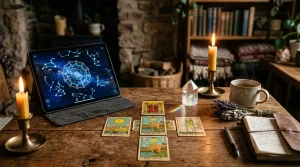
Have you ever wondered what secrets your soul holds? Discovering your Tarot card is not just about fortune-telling; it’s a powerful journey into self-awareness and personal growth. These cards can illuminate your unique traits, strengths, and life path, guiding you through challenges and helping you make sense of your experiences. By connecting with your soul card, you unlock a deeper understanding of yourself and the energies that influence your life. Whether you’re seeking clarity in love, career, or spiritual fulfillment, your Tarot card serves as a compass, pointing you toward your true purpose. Dive in with a sense of curiosity as we explore how to uncover this profound connection and empower your intuition-because Tarot speaks to everyone, and your journey starts here.
What Is a Soul Card in Tarot?
A soul card in Tarot serves as a profound reflection of one’s inner essence and spiritual journey. It is often considered a powerful tool for self-discovery, revealing not just your current life path but also deeper aspects of your personality and soul’s purpose. Each soul card is derived from the major arcana of the Tarot, emphasizing significant spiritual lessons and growth opportunities that align with who you are at a core level. This distinctive card represents a guiding light, helping you navigate the complexities of life while remaining true to your authentic self.
To discover your soul card, you’ll first need to calculate it based on your birth date. Start by reducing the digits of your birth date down to a number between 1 and 22, which corresponds to the 22 major arcana cards. For instance, if your birthday is April 25, 1990, you would add (4 + 2 + 5 + 1 + 9 + 9 + 0) = 30, and then further reduce (3 + 0) = 3, making your soul card the Empress. Understanding your soul card opens up a new dimension in reading Tarot, as it can reveal insights that resonate deeply with your life experiences and aspirations.
Once you’ve identified your soul card, it’s essential to explore its meaning within the context of your life. Each soul card embodies specific traits and lessons, which can illuminate paths for personal growth and self-improvement. For example, if your soul card is the Tower, you may be called to confront upheavals and embrace transformation in your life, encouraging liberation from outdated beliefs or situations. Embracing the soul card as a tool for consciousness expansion allows you to confront and embrace your true self, leading to a more fulfilling life.
By incorporating your soul card into your Tarot readings, whether you’re a beginner or an advanced practitioner, you deepen your understanding of the messages the cards convey. Utilizing your soul card not only enhances personal readings but also offers valuable insights when reading for others, fostering a more intuitive connection with the universal themes of growth, challenge, and enlightenment that Tarot embodies. This journey is a shared exploration of the human experience, where everyone can find meaning and guidance, regardless of their belief system or prior knowledge of Tarot.
Understanding the Tarot Card System
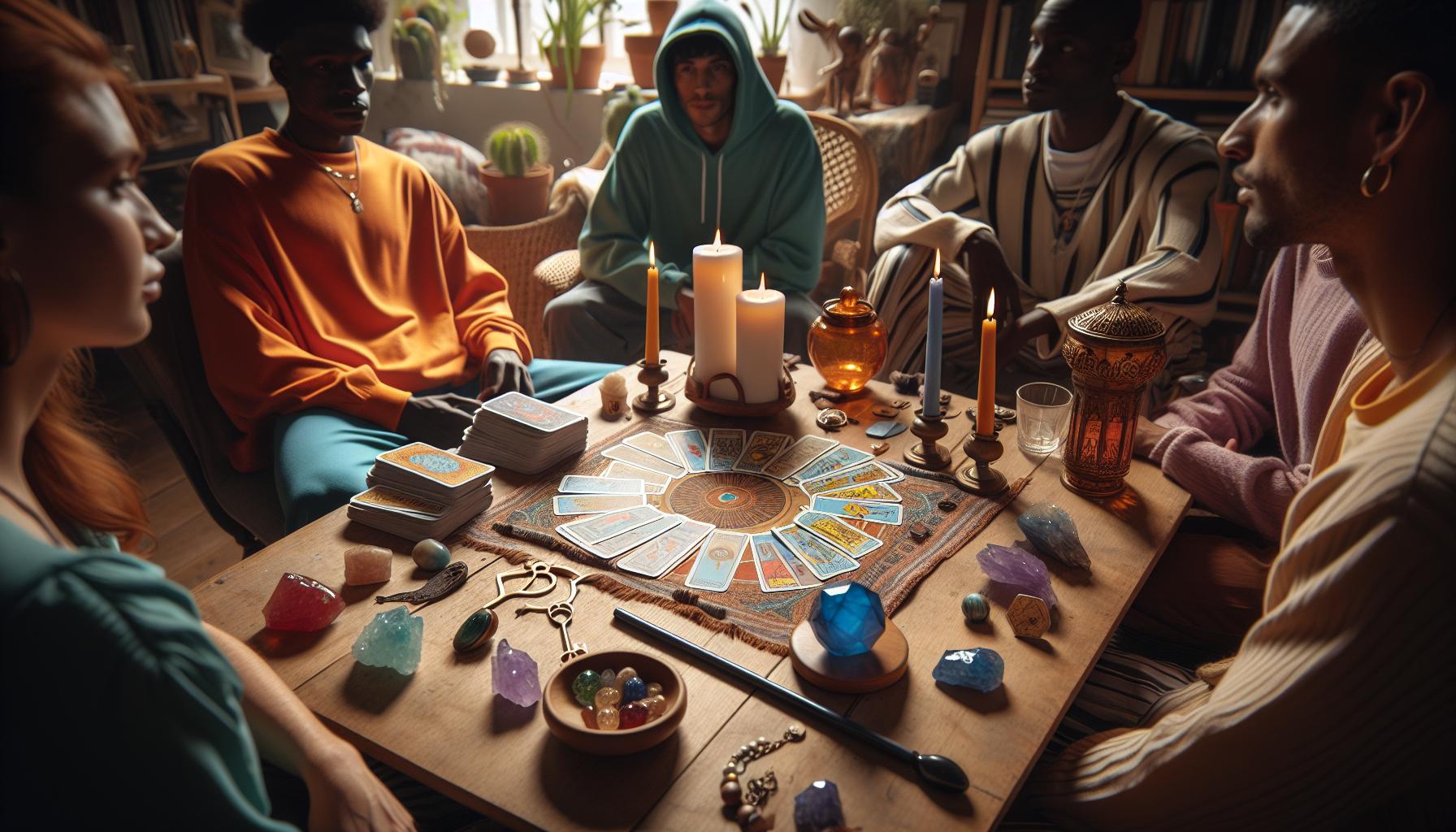
The Tarot card system can seem enigmatic at first, but understanding its structure is the key to unlocking its profound insights. At its core, Tarot consists of 78 cards divided into two main sections: the Major Arcana and the Minor Arcana. The Major Arcana comprises 22 cards, each representing significant life lessons, themes, and archetypal energies, such as The Fool, The Lovers, and The World. These cards hold deep spiritual significance and often highlight major events or turning points in one’s life.
The Minor Arcana, on the other hand, includes 56 cards that delve into the daily aspects of our experiences. It is further divided into four suits-Cups, Pentacles, Swords, and Wands-each associated with different elements and facets of life. For example, Cups relate to emotions and relationships, while Swords typically symbolize thoughts and challenges. Each suit contains numbered cards (Ace through Ten) and four Court cards (Page, Knight, Queen, and King), which represent different aspects of personality and situation.
Understanding the purpose of each card, whether in the Major or Minor Arcana, can dramatically enhance your readings. For instance, if a reading reveals Cards from the Major Arcana, it may indicate deeper spiritual lessons at play, suggesting that the querent is at a pivotal moment in their life. Conversely, a focus on Minor Arcana cards may highlight more immediate or practical concerns, providing guidance on everyday life challenges.
To apply this knowledge, you might practice by drawing a simple three-card spread: the first card could represent the past influences, the second the present situation, and the third the future outcome. As you interpret each card, consider not just its individual meaning but how it relates to the others in the context of your question or situation. Over time, this process helps to strengthen your intuitive abilities and deepen your connection with the Tarot. Embrace this journey of exploration, as it not only offers insights into your life but enriches your understanding of the universal human experience.
How to Discover Your Soul Card

To uncover your Soul Card, you’ll embark on a personal journey that resonates with your intrinsic self. A Soul Card is essentially a Tarot card that embodies your core identity and can guide you through life’s complexities. This journey can be enriching, offering insights into your strengths, challenges, and life’s purpose. Here’s how you can find your Soul Card and connect with its energy.
Calculating Your Soul Card
The most common method to discover your Soul Card involves numerology. By reducing your birth date to a single digit or a specific number that corresponds to a Major Arcana card, you can unveil your Soul Card. To compute this, follow these steps:
- Write out your birth date in the format of Month/Day/Year. For example, if you were born on July 15, 1990, your birth date would be 07/15/1990.
- Add the numbers together: (7 + 1 + 5 + 1 + 9 + 9 + 0 = 32).
- Reduce to a single digit: (3 + 2 = 5). Alternatively, you can also analyze the sum of the higher number (32).
- Match the single digit or number with the corresponding Major Arcana card. The Major Arcana cards are numbered 0-21. If your result is a double-digit number (like 32), reduce it again until you reach a number that matches a Major Arcana card.
Your birthday reduces to 5, which corresponds to The Hierophant, symbolizing guidance, tradition, and spiritual authority.
Understanding Your Soul Card
Once you’ve identified your Soul Card, it’s essential to explore its meaning and how it reflects your life’s journey. Here are a few tips to deepen your connection:
- Reflect on its attributes: Each card has unique symbolism and lessons. For instance, if your Soul Card is The Lovers, it can indicate a focus on relationships and choices that affect your heart’s desires.
- Journal your thoughts: Write down your feelings, experiences, and any insights that arise as you engage with your Soul Card. This practice can facilitate a deeper understanding of how the card resonates with your life.
- Incorporate it into daily practices: Use your Soul Card in your Tarot readings. Set it as your anchor card in spreads, meditate on its imagery, or declare its virtues to manifest its energy in your life.
By embarking on this journey, you begin to understand not only your Soul Card but also find ways to integrate its powerful symbolism into your personal growth and self-discovery. Embrace this process-it’s an invitation to explore the depths of your being, encouraging you to follow your path with confidence and intention.
Step-by-Step Guide to Finding Your Soul Card

Calculating your Soul Card doesn’t have to be a complex or overwhelming process. With a little guidance, you can uncover a profound insight into your essence that resonates with your life’s journey. This soul-searching exercise largely revolves around numerology-an ancient practice that connects numbers to meaning and personal identity.
To begin, follow these simple steps to find your Soul Card:
- Write out your birth date: Use the format Month/Day/Year. For instance, if your birthday is July 15, 1990, you would note it as 07/15/1990.
- Add the individual digits together: Break down your birth date into single digits. For our example, you would calculate (7 + 1 + 5 + 1 + 9 + 9 + 0 = 32).
- Reduce to a single digit: If you arrive at a double-digit number, like 32, combine those digits until you reach a single digit, which would be (3 + 2 = 5). Alternatively, you can consider the original double-digit number when interpreting your Soul Card.
- Match the resulting number with a Major Arcana card: The Major Arcana features 22 cards, numbered from 0 to 21. If your final number is 5, for example, it corresponds to The Hierophant, which represents guidance, tradition, and spiritual authority.
Once you have identified your Soul Card, take a moment to explore its attributes. Each card holds unique symbolism and narratives that can illuminate your personal path. Consider journaling your reflections on how this card relates to your experiences and values. Engage with the imagery and meanings of the card more dynamically through meditation or by making it a focal point in your tarot readings.
This practice not only deepens your connection with your card but also fosters self-discovery and personal growth. Embrace this journey as a sacred exploration of your identity and purpose, guiding you toward a more enlightened version of yourself.
Interpreting Your Soul Card’s Meaning
Understanding the essence of your Soul Card can illuminate aspects of your personality and guide you towards personal growth. Each Major Arcana card carries a wealth of symbolism, representing themes such as intuition, change, and enlightenment. As you delve into the meaning of your Soul Card, consider how its attributes relate not only to your life experiences but also to the lessons you’re meant to learn.
To interpret your Soul Card’s meaning effectively, start by exploring its core themes. For instance, if your Soul Card is The Empress, you might focus on themes of nurturing, creativity, and abundance. Reflect on how these traits manifest in your life. Are you currently fostering creativity in your work? Are you nurturing relationships around you? Recognizing these connections can help you align your actions with your intrinsic values.
Next, consider the card’s imagery. Each card is rich with symbols that can resonate on a personal level. For example, The Moon represents intuition and the subconscious. If this is your Soul Card, take time to meditate on the lunar imagery to uncover hidden truths about yourself and your emotional landscape. Journaling about your thoughts and feelings as you engage with these symbols can deepen your understanding and provide clarity.
Finally, don’t shy away from using your Soul Card in practical, day-to-day readings. When faced with a decision or challenge, pull out your card and ask how its meaning might inform your next steps. This interactive approach not only strengthens your connection to your Soul Card but also enhances your intuition, transforming tarot into a constant source of guidance and self-discovery. Embrace this journey as an opportunity to explore the depths of your being, and allow your Soul Card to serve as a beacon of insight along your unique path.
The Connection Between Soul Cards and Personal Growth
Understanding your Soul Card offers a pathway to embracing personal growth, allowing you to align your actions with your deepest values and aspirations. Each Major Arcana card tells a story, rich with symbols and meanings, that can illuminate your journey and guide you toward self-discovery. By recognizing the attributes of your Soul Card, you empower yourself to reflect on how its themes resonate within your life and how they can inspire change.
For example, if your Soul Card is The Fool, representing beginnings and potential, you might find that it encourages you to take risks and embrace new experiences. Such reflections prompt questions like, “Where am I holding back?” or “What new opportunities can I explore?” These inquiries can lead to significant shifts in perspective. Journaling about these themes can help you integrate the card’s lessons into your daily life, fostering a proactive approach to your personal development.
Moreover, engaging with your Soul Card isn’t just about understanding its meanings; it’s about how you apply this insight. When faced with challenges, drawing upon the energies of your Soul Card can provide clarity and direction. For instance, if you pull The Strength card during a moment of self-doubt, it serves as a reminder of your inner courage and resilience. Reflecting on these characteristics encourages you to confront obstacles with confidence, nurturing a growth mindset.
Incorporating your Soul Card into daily practices enhances your intuitive skills, allowing you to respond to life’s questions with the wisdom of your card. This active relationship with your Soul Card creates a constant source of inspiration and guidance. As you navigate your own evolution, let these insights remind you that tarot is not just a tool for divination but a vibrant companion in your journey of becoming. Embrace this connection, and watch as it unfolds new dimensions of your personal growth.
Comparing Soul Cards to Life Path Numbers
Understanding the connection between your Soul Card and your Life Path Number can provide profound insights into your life’s journey. Both systems serve as tools for self-discovery and personal growth, yet they do so through different lenses. Your Soul Card, derived from the tarot’s Major Arcana, reflects intrinsic traits and spiritual lessons you are meant to embrace this lifetime, while your Life Path Number, calculated from your birth date, illuminates your life’s purpose and overarching themes.
Deep Dive into Soul Cards
Each Soul Card tells a unique story and embodies significant archetypal energies. For example, if your Soul Card is The Empress, themes of creation, nurturing, and abundance resonate strongly. This card encourages you to tap into your creative potential and cultivate relationships. Such insights inspire questions like, “How can I nurture my passions?” or “In what ways can I open myself to abundance?” This reflective practice can enhance your self-awareness and emotional intelligence.
Life Path Numbers Explained
Life Path Numbers similarly illuminate your journey but are rooted in numerology. A Life Path Number of 3, characterized by creativity and communication, aligns well with a Soul Card like The Lovers, which focuses on relationships and choices. Here, connections deepen, as both systems emphasize the need for harmonious interactions and expression. The combination of these insights can guide you in understanding not only how to navigate personal challenges but also how to harness your inherent strengths effectively.
Finding Your Balance
In contemplating the relationship between your Soul Card and Life Path Number, consider how the energies of each complement one another. For instance, if your Soul Card is The Hermit, representing introspection and solitude, and your Life Path Number is 1, illustrating leadership, explore how you can balance personal reflection with the drive to lead and inspire others. Use journaling or meditation to intertwine these elements and discover where they fully align in your life.
This exploration not only enriches your understanding of both systems but also empowers you to take actionable steps toward living a more fulfilling and aligned life. By actively engaging with both your Soul Card and Life Path Number, you can cultivate a deeper sense of self-awareness, enabling you to respond to life’s challenges with confidence and clarity.
How to Use Your Soul Card in Readings
Using your Soul Card in tarot readings can be a transformative experience, allowing you to tap into your inner self and glean valuable insights into your life’s journey. Your Soul Card represents an integral part of who you are and what you are meant to learn or achieve in this lifetime. To effectively incorporate your Soul Card into your readings, consider the following steps and tips that can enhance your understanding and interpretation of both the card and the insights it provides.
Start by establishing a clear intention for your reading. Ask yourself what you hope to learn from this session. Are you seeking guidance on a specific challenge, or are you looking for general insights into your personal growth? Formulating a question or intention will ground your reading and channel your energy toward a productive exploration.
Connecting with Your Soul Card
When you’re ready to begin, pull your Soul Card from the Major Arcana and take a moment to study it closely. Reflect on its imagery, symbols, and general meaning. Consider questions like:
- What themes resonate with me in this card?
- How do these themes relate to my current life circumstances?
- What messages might this card hold for my growth and development?
Engaging with your Soul Card deeply enhances its significance in your reading. Use journal prompts to record your thoughts and feelings during this stage, as this self-reflection can provide clarity on how the card’s energies manifest in your life.
Integration in Tarot Spreads
You can also incorporate your Soul Card into various tarot spreads. For example, you might use a three-card spread where the first card represents your past, the second your present, and the third your future. Place your Soul Card in a position that feels intuitively right, allowing it to guide your interpretations. Here, the Soul Card can serve as a central theme that ties your reading together, revealing how your intrinsic qualities influence your journey.
Practical Example
Consider a reading where your Soul Card is The Chariot, embodying themes of determination and control. As you lay out your cards, note how your Soul Card’s energy interacts with other cards. If the second card represents a challenge, reflect on how The Chariot’s assertiveness can empower you to navigate that situation effectively.
Lastly, as you conclude your reading, take time to integrate the insights gained. Consider actionable steps you can take based on what your Soul Card revealed. This process not only affirms your connection to the tarot but also reinforces your personal growth journey, making each reading a step toward deeper self-awareness and fulfillment.
Embrace the magic of your Soul Card; it’s not just a reflection of your essence but a guide illuminating your path forward.
The Role of Intuition in Tarot Card Interpretation
The heart of tarot card interpretation lies in the power of intuition. While each card carries its traditional meanings and associations, your personal connection to the images, symbols, and emotions they evoke is what truly brings them to life. Intuition acts as a bridge, guiding you beyond the surface meanings into a deeper understanding that resonates with your unique life experiences and circumstances.
When interpreting your cards, start by allowing your intuition to speak. As you lay out your cards, notice the feelings and thoughts that arise. Do certain images draw you in or disturb you? Does a particular card evoke memories or emotional responses? Trust these instincts; they are your internal compass. You might consider asking yourself specific questions like:
- What does this card remind me of in my life?
- How does this card relate to my current situation?
- What feelings arise when I view this card?
These reflections will help ground your interpretation in your own experiences, adding layers of meaning that can enrich your readings.
Using intuition also means embracing spontaneity. Allow your readings to flow naturally rather than forcefully adhering to rigid interpretations. Each tarot reading can change based on your mood, the energies present at the moment, or even the people involved. For instance, during a reading of The Tower, which traditionally signifies chaos or upheaval, you might personally perceive it as a necessary cleansing or breakthrough if you’ve recently faced similar turmoil in your own life.
Ultimately, integrating your intuition with the tarot’s traditional meanings creates a more holistic and personalized experience. Embrace your role as the reader, tuning into both your instincts and the card’s narratives. This combination not only makes your readings more meaningful but also empowers you, transforming what might feel like a mere guessing game into a rich dialogue with the universe. Remember, tarot is a tool for self-exploration and growth, and your intuition is the key to unlocking its depths.
Exploring Other Significant Tarot Cards
It’s fascinating how certain tarot cards resonate more deeply than others, forming intricate connections with our lives. Exploring these significant cards not only broadens your understanding of the tarot but also enriches your readings. Each card in the tarot deck has its own energy and message, waiting to be uncovered. Knowing how these cards interact with your Soul Card can enhance your spiritual journey.
Key Tarot Cards to Consider
When delving into the world of tarot, some cards often stand out for their profound implications. Here are a few notable ones to consider:
- The Fool: Symbolizing new beginnings and spontaneity, The Fool encourages you to embrace the unknown. It often appears when you’re on the brink of a major life change.
- The High Priestess: This card represents intuition and subconscious knowledge. It urges you to trust your inner voice, a perfect companion for the soul-searching nature of your Soul Card.
- The Lovers: While it often pertains to relationships, it also signifies choices and alignments. Reflecting on how this card relates to your Soul Card can provide insight into your personal connections and partnerships.
- The Wheel of Fortune: This card embodies the cycles of life and change. It reminds you to recognize the ebb and flow of your experiences, aligning beautifully with the lessons of your Soul Card.
Integrating Other Significant Cards into Your Readings
Incorporating these and other significant cards into your readings can illuminate aspects of your life related to your Soul Card. Consider the following approaches:
- Card Pairing: Draw two additional cards alongside your Soul Card. These new cards can offer clarity on how the energies of your Soul Card are manifesting in your life. For instance, if your Soul Card is The Empress and you draw The Emperor, you might explore themes of balance in creativity and authority.
- Reflection Exercises: Reflect on how significant cards like The Hermit (self-reflection) or Strength (inner courage) relate to your Soul Card. Write down thoughts on how their messages intersect, helping you navigate personal growth.
- Focused Spreads: Create a spread specifically designed to explore the dynamics between your Soul Card and other significant cards. For instance, a three-card spread may include your Soul Card, a challenge, and a solution, providing a holistic view of your current situation.
By engaging with these significant cards, you deepen your tarot practice and foster a richer, more personal connection to your readings. Embrace the narratives they weave and trust that each card reveals a part of your journey, guiding you toward self-discovery and growth. Tarot is a collaborative dance between intuition and the cards, inviting you to engage more intimately with both your Soul Card and the broader universe.
Real-Life Examples of Soul Card Readings
illustrate how personal connections with these cards can reveal deeper insights into one’s journey and purpose. Each reading not only highlights the significance of the Soul Card but also reflects the unique circumstances of the querent’s life.
One client, drawn to the Strength card as their Soul Card, found that it mirrored their ongoing journey of resilience through several life challenges. During their reading, they paired Strength with the Two of Swords. This combination illuminated their struggle with decision-making, showing that embracing their inner strength could help them navigate difficult choices ahead. By acknowledging their past experiences and drawing on the courage represented by Strength, they felt empowered to tackle their current dilemmas with newfound clarity.
Another powerful example involves a person whose Soul Card is The High Priestess. During a reading, this individual drew the Chariot alongside their Soul Card. The High Priestess symbolizes intuition and inner wisdom, while the Chariot represents determination and control over external forces. This reading highlighted the balance between trusting one’s intuition and taking decisive action. The querent realized that their path forward required not only listening to their inner voice but also asserting their willpower to manifest their desired outcomes.
In a more introspective session, a seeker with The Fool as their Soul Card discovered profound meaning through a reflection with The Hermit. The Fool, representing new beginnings and adventure, called for a willingness to step into the unknown. The Hermit offered guidance, urging the querent to take a moment for self-reflection before embarking on their next journey. This interplay taught them to honor both their adventurous spirit and the wisdom of introspective pauses in their life’s adventures.
These examples illustrate that every Soul Card reading acts as a personal mirror, reflecting not just the energy of the card itself but also the dynamic evolution of one’s life path. By exploring the interactions between Soul Cards and other significant cards, readers can deepen their understanding of themselves and their journeys, fostering growth, intuition, and purposeful action. Engage openly with your Soul Card, and let it guide you toward self-discovery and clarity. Each reading can illuminate different aspects of your life, helping you navigate your unique journey with confidence and insight.
Tips for Beginners: Embracing Your Tarot Journey
To embark on your tarot journey, especially when discovering your Soul Card, it’s essential to adopt an open mind and a sense of curiosity. Tarot is not just about predicting the future; it’s a powerful tool for self-reflection and personal growth. By allowing yourself to explore the symbolism and messages behind the cards, you can unlock insights that resonate with your life experiences and aspirations.
One practical approach for beginners is to create a dedicated space for your tarot practice. This doesn’t have to be elaborate; a quiet corner with your cards, a journal, and some crystals or calming objects can create an inviting atmosphere conducive to reflection. Encourage yourself to engage with the cards daily, even if just for a few minutes. Pull a single card from your deck each morning, writing down its meaning and how it might relate to your day ahead. This practice builds familiarity and confidence, opening the door to deeper connection and understanding over time.
Another useful tip is to start a tarot journal. Documenting your readings, impressions, and any intuitive insights helps solidify your understanding of the cards. Reflect on how different cards appear in various situations. For instance, if your Soul Card is The Empress, you might notice themes of nurturing and abundance in both your personal life and readings. Recording these experiences not only deepens your connection to your tarot cards but also fosters a personal narrative of growth and discovery.
Lastly, trust your intuition. While learning the traditional meanings of the cards is important, remember that tarot is deeply personal. Allow your interpretations to flow naturally. For example, if you draw The Tower and feel an instinctive sense of renewal rather than chaos, honor that feeling. Your unique perspective on the cards is what makes your readings powerful and meaningful. Embrace your intuition as a guiding star in your tarot journey, and you’ll find that every shuffle and spread offers a new opportunity for insight and clarity.
Q&A
Q: What does my tarot card reveal about my personality?
A: Your tarot card can offer profound insights into your personality traits, strengths, and challenges. By understanding the symbolism of your card, you can identify core characteristics that influence your life and how you relate to others. For deeper exploration, refer to the section on Interpreting Your Soul Card’s Meaning in our article.
Q: How are soul cards different from regular tarot cards?
A: Soul cards are unique as they represent a fundamental aspect of your being, unlike regular tarot cards that address various aspects of life. Your soul card serves as a guiding light, offering insights into your life’s path and personal growth. Explore more about this distinction in the Comparing Soul Cards to Life Path Numbers section.
Q: Can I have multiple tarot soul cards?
A: Yes, while most people identify with one primary soul card, you can resonate with others at different life stages or situations. Each card can reflect varying dimensions of your personality, enriching your tarot journey. Learn how to explore this further in How to Use Your Soul Card in Readings.
Q: What should I do if my soul card’s meaning feels wrong?
A: If your soul card’s meaning doesn’t resonate, consider revisiting your connection to the card. Reflect on any personal biases or circumstances influencing your perception. Engaging with your intuition can help deepen your understanding. Check out The Role of Intuition in Tarot Card Interpretation for guidance.
Q: How often should I reassess my soul card?
A: It’s beneficial to reassess your soul card periodically, especially during significant life changes or reflections. Your personal growth may shift how you resonate with your card, offering new insights. For more on this, see The Connection Between Soul Cards and Personal Growth.
Q: What role do tarot spreads play in discovering my soul card?
A: Tarot spreads provide a structured approach to discover and understand your soul card in context. Using specific layouts can reveal how your soul card interacts with other cards, enhancing your insights. Refer to Step-by-Step Guide to Finding Your Soul Card for helpful spread techniques.
Q: How can I incorporate my soul card into daily practice?
A: You can incorporate your soul card into daily practice by meditating on its imagery, journaling about its meanings, or integrating it into daily tarot readings. This helps maintain a strong connection and continually benefits your personal growth. For practices, check out Tips for Beginners: Embracing Your Tarot Journey.
Q: What if I feel disconnected from my soul card?
A: Feeling disconnected from your soul card is common, particularly as you evolve. Reflect on your current life experiences and seek to re-establish the connection through introspection or further reading. Engaging with Exploring Other Significant Tarot Cards may reveal new insights that resonate better with you.
Concluding Remarks
As you close this chapter on discovering your Soul Card, remember that Tarot is not just a tool; it’s a profound reflection of your inner self and a guide on your journey. With every card, you unlock insights specific to your path, allowing you to align your actions with your true purpose. Don’t let this moment pass-explore your destiny further by diving into our free resources like the 3-Card Love Reading or the 3-Card Career Reading.
Feeling inspired to continue your exploration? Join our community for exclusive Tarot insights or try your hand at a personalized reading. Share your experience or ask questions in the comments below-every interaction enriches our shared journey. The wisdom of the Tarot awaits you; embrace it today and step confidently into your life’s unfolding story!
Get our latest guides, news, and insights highlighted in your Google Search & AI Overviews.