Have you ever wondered about the spiritual underpinnings of tarot cards? Far from mere tools for fortune-telling, tarot is steeped in rich history and diverse religious influences that shape its practice today. In exploring “What Religion Is Tarot Cards? Spiritual Origins Revealed,” we’ll uncover how these cards connect to various spiritual traditions, offering insights that can resonate with both skeptics and believers alike. Understanding the origins of tarot can deepen your appreciation for its symbolic language and enhance your intuitive exploration. Whether you’re curious about integrating tarot into your spiritual life or simply seeking to understand its fascinating legacy, this journey promises to enlighten and inspire. Let’s uncover the profound relationship between tarot and spirituality, and discover how these cards can serve as a bridge to self-awareness and personal growth.
Understanding the Spiritual Origins of Tarot
The mystical allure of Tarot cards often invites inquiries about their spiritual origins. Dating back to the early 15th century, Tarot emerged as a simple playing card game in Europe, but its evolution into a tool for divination and spiritual insight is what captivates modern seekers. Many believe that Tarot is not bound to a single religious tradition; instead, it intertwines with various spiritual practices, drawing on rich symbolism, numerology, and archetypes that resonate across cultures.
At its core, Tarot encapsulates universal wisdom. Each card tells a story, unearthing layers of meaning related to human experience and spirituality. For example, the Major Arcana cards, which represent significant life themes, parallel symbols found in different religious texts-The Fool representing new beginnings resonates with stories of spiritual journeys in many faiths. This interconnectedness hints at Tarot’s spiritual foundation rooted in collective human consciousness rather than a singular religious dogma.
Moreover, Tarot serves as a mirror for personal growth and self-reflection. The practice encourages one to tap into intuitive insights, bridging the conscious and unconscious mind. Engaging with the cards can unfold profound self-discovery, prompting users to explore their inner landscapes. Consequently, many spiritual paths, including Wicca, Buddhism, and New Age philosophies, have integrated Tarot into their practices, finding it a valuable medium for enhancing intuition and understanding life’s complexities.
To embark on a journey with Tarot, consider starting with a daily card draw. Allow this practice to cultivate a deeper relationship with the cards and invite spiritual guidance into your life. As you begin to trust your intuitive responses to the imagery and messages of each card, you will unveil the spiritual wisdom that Tarot offers, tailored uniquely to your individual path.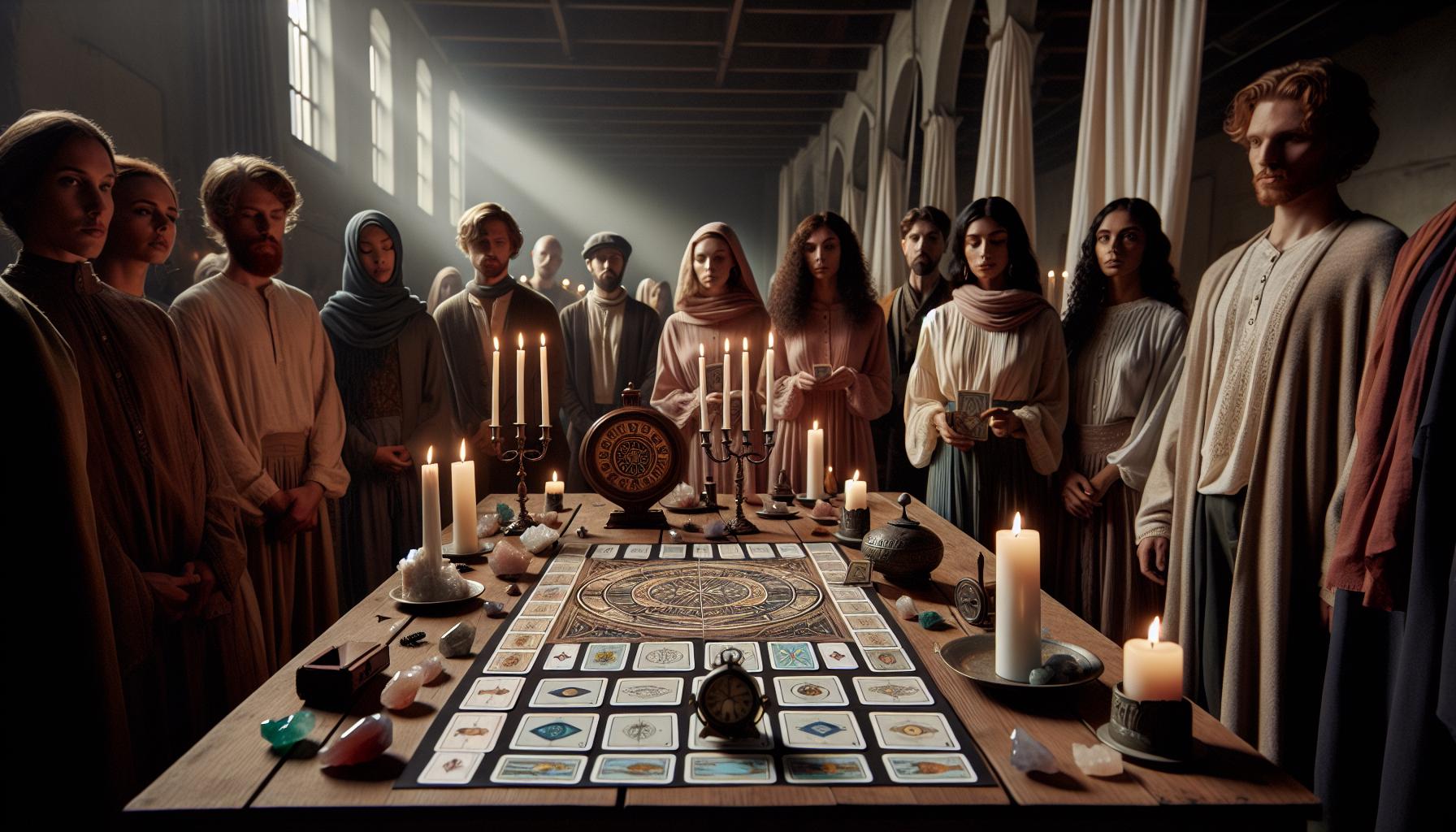
How Tarot Cards Relate to Various Religions
The connection between Tarot cards and various religions is a fascinating exploration of how human spirituality transcends cultural boundaries. Tarot is not confined to a single religious framework; rather, it serves as a bridge between different spiritual beliefs, helping practitioners tap into universal themes of wisdom, growth, and self-discovery. For instance, many concepts found within Tarot-such as cyclical journeys of life represented by The Wheel of Fortune-mirror themes in Christianity, Buddhism, and even indigenous spiritual practices.
One way Tarot engages with different religions is through its archetypal symbols. The Major Arcana cards can often be linked to figures and narratives found in various spiritual texts. The Justice card, for example, echoes the principles of fairness and balance that are central to both Confucianism and Jainism. Similarly, The Empress can be seen as a representation of divine feminine energy that is celebrated in many faiths, from the Mother Mary in Christianity to goddesses in paganism. These interconnected themes suggest that Tarot cards can serve as a universal language, conveying profound spiritual truths that resonate across religious divides.
Moreover, spiritual paths like Wicca and New Age practices have increasingly incorporated Tarot as a tool for personal insight and guidance. These traditions view Tarot not just as a means of divination but as a comprehensive framework for understanding oneself in a larger existential context. Practitioners often use Tarot to facilitate meditation, inviting deeper introspection and enhancing their connection to the divine, whether through nature, the universe, or a higher power.
Ultimately, engaging with Tarot can enhance one’s spiritual journey, regardless of religious affiliation. When using Tarot, individuals are encouraged to reflect on how the cards’ meanings relate to their personal beliefs and spiritual experiences. This process fosters an open dialogue between the ancient wisdom of Tarot and the rich tapestry of global spiritual traditions, making it an accessible tool for seekers of all backgrounds. By embracing this inclusive approach, anyone can find valuable insights in Tarot that resonate with their unique spiritual path.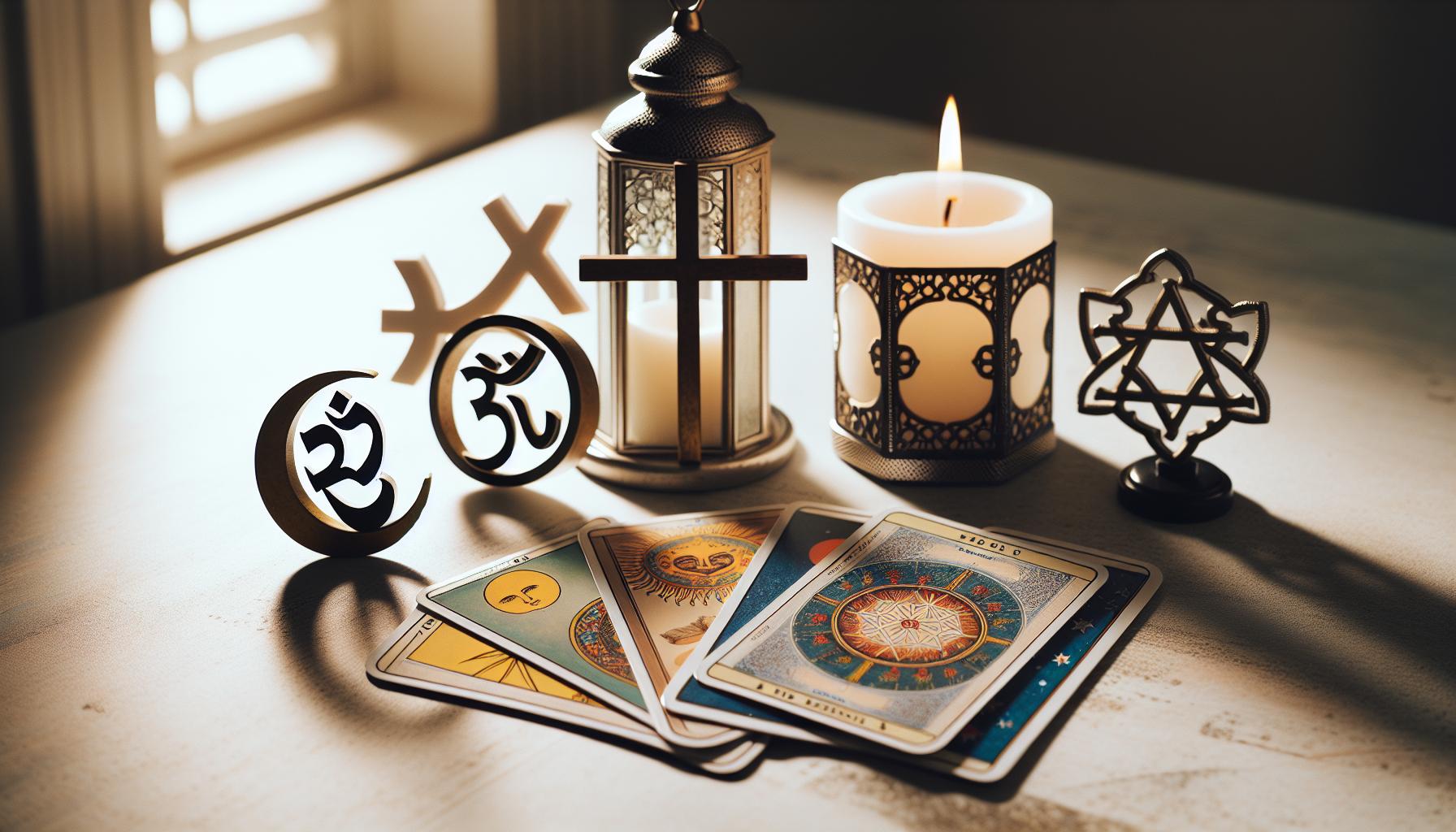
Exploring the Symbolism in Tarot Cards
The intricate symbolism of Tarot cards serves as a vital bridge between intuition and understanding, offering rich insights that resonate with diverse spiritual backgrounds. Each card, with its unique imagery and meanings, embodies archetypal themes, inviting both believers and skeptics to explore the layers of meaning within. For example, the Fool is often depicted as embarking on a new journey, symbolizing untapped potential and the brave leap into the unknown. This card encourages reflection on personal beginnings and the importance of embracing life’s spontaneity-a message that transcends specific religions while echoing universal truths.
The Major Arcana and Their Spiritual Significance
The Major Arcana comprises 22 cards that represent significant life lessons and spiritual milestones. Each card is rich in symbolism that can be interpreted through various religious and spiritual lenses. For instance:
- The Hierophant: Often symbolizing spiritual authority and teachings, this card can relate to the role of religious leaders across cultures, emphasizing tradition and the quest for collective wisdom.
- The Tower: Depicting upheaval and revelation, The Tower speaks to transformation that can be painful but ultimately liberating-a theme common in many spiritual teachings about rebirth after destruction.
These examples illustrate how Tarot uses universal symbols to convey lessons that resonate across different belief systems, allowing individuals to extract personal significance from the cards.
Connecting Symbols to Personal Experience
Understanding the imagery within each card can enhance your connection to Tarot and foster personal growth. To begin exploring this symbolism, consider meditating on the imagery of a card that resonates with you. Ask yourself questions such as:
– What emotions does this card evoke?
– How do the colors, figures, and objects relate to your current life situation?
– In what ways can this card guide you towards your personal goals or spiritual understanding?
By engaging with the symbols thoughtfully, you can cultivate a deeper connection to the Tarot as a tool for self-exploration and spiritual insight. This practice not only enhances your readings but also empowers you to see Tarot as a reflective mirror of your own journey, grounded in personal experience while drawing from a rich tapestry of spiritual heritage.
In this way, the symbolism of Tarot transcends mere divination; it becomes a pathway towards greater self-awareness and spiritual awakening, accessible to anyone willing to delve into its meanings. With time and practice, you’ll find that the cards not only speak to you but also aid in navigating your spiritual path, inviting exploration and fostering a deeper connection to yourself and the universe around you.
The Historical Context of Tarot and Spirituality
The roots of Tarot are deeply intertwined with history, spirituality, and the evolution of human thought. Emerging during the late 14th century in Europe, Tarot cards were initially designed as a card game rather than a tool for divination or spiritual insight. However, as the game spread, spiritual seekers began to recognize the potential of these cards in exploring the human psyche and understanding the profound mysteries of life.
This transition from playful pastime to a significant spiritual tool reflects broader changes in how societies view intuition and mysticism. By the late 18th century, Tarot was popularized by esoteric traditions, particularly the Hermetic Order of the Golden Dawn, which integrated Kabbalistic and astrological symbolism into the Tarot framework. This fusion marked a decisive shift towards viewing Tarot as a map of the human experience, deeply connected to spiritual and philosophical explorations.
The Major Arcana cards, comprising 22 powerful archetypes, hold particular significance. Each card serves as a chapter in the human spiritual journey. For example, The Chariot represents willpower and determination, encouraging individuals to forge ahead despite challenges. The card’s imagery can evoke feelings of courage and resolve, linking personal ambition to broader spiritual narratives.
Understanding the historical context of Tarot also opens up avenues for personal interpretation. Each reading isn’t just about predicting the future; it’s a reflection of your current spiritual state. As you engage with the cards, consider how each card’s history informs its meaning today. By drawing upon this rich legacy, you can utilize Tarot as a dynamic tool for self-discovery and spiritual development.
In your practice, aim to explore how the cards resonate with your life experiences. Reflect on significant moments or transformative events that echo the themes represented in specific cards. This connection to historical and spiritual narratives enhances one’s ability to navigate the complexities of personal growth, ultimately revealing how Tarot serves both as a lens into the past and a guiding light for the future.
Connecting Tarot to Intuition and Personal Growth
Connecting with your intuition through Tarot is not just an enriching experience; it can also be a deeply transformative journey toward personal growth. Each card you draw serves as a mirror reflecting your innermost thoughts, beliefs, and aspirations, allowing you to tap into the subconscious mind where intuition thrives. When you approach Tarot with an open heart and mind, you unlock not just predictions, but a pathway to self-awareness, empowerment, and spiritual enlightenment.
To cultivate this connection, begin your practice with intention. Set a clear goal for your reading-this could range from gaining insight into a specific situation, understanding your emotions, or exploring what lessons you need to learn. Here are some practical steps to enhance your intuitive connection:
- Create a Sacred Space: Find a quiet place where you can focus without interruptions. This setting encourages relaxation and receptivity.
- Choose Your Cards Mindfully: As you shuffle the deck, concentrate on your question. Allow your intuition to guide your hand-you may feel drawn to certain cards that resonate with you.
- Reflection After the Reading: After interpreting the cards, spend time journaling or meditating on the insights gained. Consider how the messages apply to your life.
Each card has its own energy and symbolism that can enhance your intuition. For example, the High Priestess embodies inner wisdom and intuition, while the Strength card represents courage and the inner strength needed to confront challenges. When you recognize these meanings, you can interact with the cards on a deeper level, enhancing your personal growth journey.
Incorporating Tarot into your spiritual practice does not require extensive experience or knowledge; it invites you to explore your own understanding of the cards and what they convey to you in personal context. Whether you are a beginner or experienced reader, remember that every reading is unique and a reflection of your current state. Trust your instincts, and allow the Tarot to guide you in revealing the stories that lie within you. As you build confidence in your intuitive skills, you will find that Tarot becomes not just a tool for divination, but a trusted companion on your journey of self-discovery and personal development.
Debunking Myths: Tarot as a Tool for Divination
Many people associate tarot cards with fortune-telling or mystical predictions, but this perception oversimplifies the rich tapestry of tarot’s purpose and origins. At its core, tarot is a versatile tool for divination, self-reflection, and personal insight, rather than a means of predicting exact future events. Understanding this distinction can empower both skeptics and enthusiasts to engage with tarot in meaningful ways.
The roots of tarot can be traced back to the 15th century, primarily in Europe, where it began as a card game, the “tarocchi.” Over the centuries, tarot evolved to embody various symbolic and spiritual interpretations that resonate with different belief systems. While some see tarot as a path to glimpsing the future, others recognize its true potential as a guide for introspection. Each card represents themes that can evoke profound philosophical questions or personal insights, making the practice less about predicting the future and more about understanding the present.
When engaging with tarot, it’s helpful to view it as a conversation with the subconscious. Each time you draw a card, consider how its imagery and symbolism relate to your current circumstances or emotional state. For instance, pulling the Empress might stir feelings about creativity or abundance, inviting you to reflect on your life in those areas. Thus, tarot serves as a mirror, reflecting the deep-seated thoughts and feelings that may otherwise remain unexamined.
Debunking the myth of tarot as solely a divination tool opens the door for more accessible and enriching practices. Try incorporating tarot in daily rituals or meditative sessions, allowing the cards to guide your introspection rather than dictate your fate. Ask open-ended questions like, “What do I need to understand today?” or “What is blocking my creativity?” This approach positions tarot as a helpful ally on your path to self-discovery, inviting you to explore not only what lies ahead but what you can uncover within yourself. Over time, this practice can build your confidence and deepen your intuitive understanding, allowing you to appreciate the magical connection between your inner world and the broader universe.
The Role of Meditation in Tarot Practice
Engaging with tarot through meditation can transform your practice from a mere card reading into a profound journey of self-discovery and spiritual insight. When you meditate with tarot cards, you allow yourself to delve deeper into the symbolism and messages that each card holds, creating a rich dialogue between your inner self and the universe. This practice not only enhances your intuitive skills but also fosters a meaningful connection to the cards, making your readings more insightful and impactful.
To start incorporating meditation into your tarot practice, consider the following steps:
- Select a Card: Begin by drawing a card from your deck that resonates with you. This can be a card that you feel drawn to, or you can select one in response to a question or theme you want to explore.
- Create a Calm Environment: Find a quiet space where you can sit comfortably without distractions. This setting should feel safe and inviting, enhancing your ability to connect with the card’s energy.
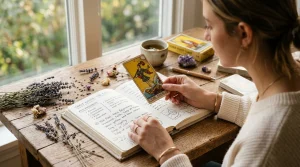
- Focus on the Card’s Imagery: Hold the card in your hands and take a few deep breaths. Allow your gaze to soften as you observe the details of the card-the colors, symbols, and any figures depicted. What emotions arise? What thoughts come to mind?
- Ask Open-Ended Questions: Engage with the card by asking questions like, “What message do you have for me today?” or “In what areas of my life can I apply this energy?”. This encourages deeper reflection and insight.
- Listen and Reflect: Spend several minutes in a meditative state, remaining open to any thoughts or feelings that arise. After your meditation, take notes or journal about your experiences and insights.
This meditative approach to tarot can help clear your mind and open your intuition, allowing the cards to serve as a bridge between your conscious thoughts and subconscious feelings. Over time, this practice can enhance your ability to interpret the cards during readings, making each session feel like a collaborative exploration between you and the tarot.
Furthermore, meditation helps demystify the cards, transforming them from mere symbols into a living language of your inner experiences. As you meditate regularly with your tarot deck, you begin to forge a personal relationship with each card, making it a unique source of wisdom for your spiritual journey. Whether you are a beginner or someone with more experience, integrating meditation into your tarot practice can deepen your understanding, connecting you more intimately with the mystical origins of the tarot and its spiritual significance.
Different Tarot Decks and Their Spiritual Significance
The world of tarot is vast and diverse, with countless decks reflecting a myriad of spiritual philosophies, artistic expressions, and cultural traditions. Each tarot deck carries its own unique significance, often influenced by the historical context from which it emerged and the intentions of its creator. While many might think of tarot simply as a tool for divination, the layers of spiritual meaning imbued in these decks offer a rich tapestry for exploration.
Understanding Deck Diversity
Tarot decks can illustrate various spiritual themes, including mythology, astrology, and personal transformation. For example, the classic Rider-Waite deck, beloved for its approachable imagery, integrates Christian symbols and archetypes that coexist with esoteric traditions. Similarly, the Thoth Tarot, created by Aleister Crowley, presents a complex interplay of Kabbalistic thought and alchemical principles, making it a favored tool among more advanced practitioners seeking deeper spiritual insights.
Additionally, themed decks, such as the Wild Unknown Tarot or the Shadowscapes Tarot, connect with nature, fantasy, and individual psychological journeys. Using such decks can resonate differently during readings. For instance, a contemporary artist’s deck might focus on the emotional and psychological aspects of the individual’s experiences, inviting interpretations aligned more with modern-day challenges than traditional interpretations.
Choosing the Right Deck for Spiritual Growth
When selecting a tarot deck, consider what resonates with your own spiritual beliefs and intentions. Ask yourself:
- What imagery speaks to me? Take time to explore the artwork. The aesthetics can influence your connection to the cards.
- What themes do I want to explore? Are you interested in personal development, love, career, or spirituality?
- Am I drawn to specific cultural or historical themes? Researching decks that incorporate elements of your own culture or spiritual background can foster a more profound connection.
Experiencing readings with different decks can enhance your comprehension of the cards and intuitiveness. A beginner might find a deck with clear symbols and straightforward imagery easier to navigate, whereas an advanced reader might gravitate toward more complex decks, drawing deeper connections and inspired insights from intricate designs and layered meanings.
Ultimately, each tarot deck serves as a mirror, reflecting your inner landscape and guiding you on your spiritual path. As you engage with different decks, you cultivate a deeper understanding of not just the cards, but also of yourself, transforming each reading into a profound spiritual dialogue. Whether you’re seeking clarity, direction, or personal growth, choosing the right tarot deck is a significant step on your journey.
How to Use Tarot Cards for Spiritual Guidance
Using tarot cards for spiritual guidance can transform your intuitive practices into enlightening experiences. The cards open a dialogue between your inner self and the universe, allowing insights to flow naturally. One of the key aspects of utilizing tarot for this purpose is to approach each reading with an open mind and a clear heart. Whether you’re seeking reassurance, clarity, or deep spiritual insights, the tarot acts as a mirror, reflecting back the wisdom you already possess.
To begin, set a calm environment where you feel comfortable and focused. It could be a quiet room, a favorite corner of your home, or even outdoors surrounded by nature. Take a moment to ground yourself through a brief meditation or deep breathing. This prepares your mind to receive guidance while reducing distractions.
Next, define your intention for the reading. Ask yourself what specific aspect of your spiritual journey you want to explore. This could range from understanding a current challenge to seeking clarity on your life purpose. Formulating a question can guide your interpretation of the cards. For instance, a question like “What do I need to understand about my current path?” sets the stage for deeper insights.
When pulling cards, consider starting with a simple spread. A three-card spread can be effective: the first card representing your past influences, the second your present situation, and the third offering guidance for your future. As you lay out the cards, observe not only their meanings but also the feelings, impressions, and symbols that arise. Each card has traditional interpretations, but your personal insights-what the imagery evokes in you-are just as vital.
Interpreting the Cards
As you interpret the cards, reflect on their traditional meanings alongside your immediate reactions. Here’s a brief guide to help you in this process:
- The Fool: New beginnings, spontaneity, and faith in the journey.
- The High Priestess: Intuition, subconscious knowledge, and inner wisdom.
- The Wheel of Fortune: Change, cycles, and the unique timing of events.
- The Hermit: Reflection, inner guidance, and solitude.
Allow these interpretations to blend with your internal dialogue. For example, if you pull The High Priestess while contemplating your spiritual growth, consider how your intuition has been guiding you. What signs have you overlooked? Are there deeper lessons waiting to be acknowledged?
Finally, after your reading, take time to reflect and journal about the insights gained. Writing down your thoughts solidifies your understanding and forms a record of your spiritual journey, which can be valuable in future readings.
By approaching tarot with respect and curiosity, you can cultivate a profound and personal spiritual practice. Each session empowers you, deepens your intuition, and connects you more firmly with the unseen forces guiding your path. Remember, tarot isn’t just about predictive outcomes; it’s about opening yourself to profound self-discovery and spiritual growth.
Incorporating Tarot into Your Spiritual Practices
Incorporating tarot cards into your spiritual practices can open new realms of understanding and personal growth. Rather than viewing tarot solely as a divination tool, consider it a sacred dialogue that enhances your connection to the universe and your inner self. By integrating tarot into your daily rituals, you can create a holistic practice that supports your spiritual journey while fostering mindfulness and self-awareness.
Start by establishing a regular tarot practice that resonates with you. This could be as simple as pulling a single card each morning to set an intention for your day. Reflect on the card’s imagery and meaning, and ask yourself how its themes might apply to your experiences. For instance, drawing the *Strength* card might encourage you to face challenges with confidence and compassion. Use this reflection as a means to cultivate mindfulness and align your actions with your spiritual goals.
Creating a Sacred Space
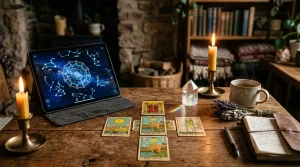
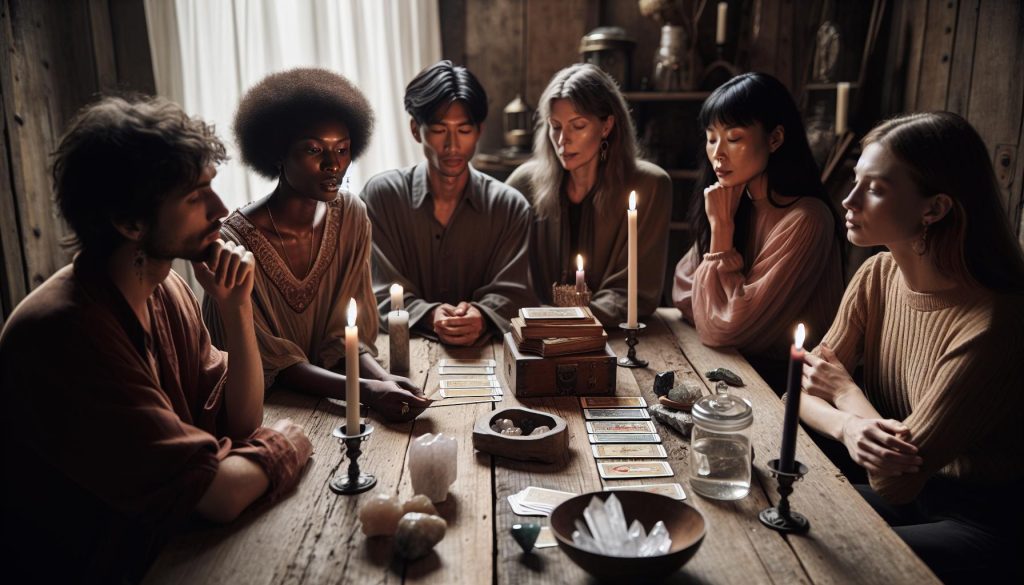
Designate a quiet, sacred space for your tarot practices. This area should feel peaceful and inviting, enabling you to focus and connect deeply with the cards. You might consider adding elements that inspire you, such as candles, crystals, or meaningful symbols. Creating this atmosphere allows you to approach each reading with reverence and clarity.
Another practice is to combine tarot with meditation or journaling. After a reading, take a few minutes to meditate on the insights you’ve gained. You can also record your thoughts and feelings in a journal, noting any intuitive insights that arise during your readings. This not only helps reinforce your learning but also tracks your spiritual evolution over time.
Engaging with Tarot Beyond Readings
Explore different ways to engage with your tarot deck. Try using the cards in creative pursuits-like art or writing-where they can serve as prompts for inspiration. For example, create a vision board using the imagery from your tarot cards, allowing them to visually guide your aspirations. Karaoke tarot, where you sing or chant the meanings of the cards, can also be a fun and expressive way to internalize their messages.
Lastly, remember that your intuitive connection with the cards will deepen over time. Approaching tarot with an open heart and curious mind fosters a relationship that can guide you in both mundane and profound aspects of life. Trust your interpretations and allow them to guide your spiritual practices, knowing that each reading is a step toward greater self-discovery and alignment with your true path.
The Influence of Numerology and Astrology in Tarot
The connection between tarot, numerology, and astrology is a fascinating interplay of symbols and meanings that enriches the tarot experience. Both numerology and astrology provide a deeper layer of interpretation to tarot cards, offering unique insights that can enhance your readings and personal understanding of the cards.
Numerology, the study of the mystical significance of numbers, plays a vital role in tarot interpretation. Each tarot card is associated with a number, which carries its own meaning. For example, the Fool is numbered zero, symbolizing infinite potential and new beginnings, while the Death card is numbered 13, often representing transformation and change. Recognizing the numerological significance of a card can reveal patterns and cycles in your life, as well as help you understand the energies at play during a reading. You might find it illuminating to draw a card and reflect on its number-consider what that number means in your life or the specific situation you are inquiring about.
Astrology complements tarot by linking the cards to astrological signs and planets, further enhancing their interpretations. Each Major Arcana card correlates with a specific zodiac sign or planet, infusing additional layers of meaning. For instance, the Chariot aligns with Cancer, symbolizing emotional resilience and determination, while the Empress represents Venus, embodying love, beauty, and abundance. To incorporate astrology into your tarot practice, you could check the astrological transits of the day and reflect on how they might influence your reading. This can make your insights even richer and more relevant to your personal context.
Practical Steps to Integrate Numerology and Astrology into Your Tarot Practice
- Learn the Card Numbers: Familiarize yourself with the numbers associated with your tarot cards. Keep a journal where you can jot down interpretations based on numerology.
- Astrological Connections: Create an astrology chart for your tarot cards. Map out which cards correspond with your zodiac signs and planetary influences; this can be particularly useful during a reading for self-reflection.
- Incorporate into Readings: When you draw cards, not only consider their imagery and traditional interpretations but also what their numbers and astrological associations reveal about your current situation or questions.
- Reflect on Personal Experiences: Relate the numerological and astrological meanings of your drawn cards to your own experiences. How does the number or sign resonate with your life journey? This reflection can deepen your understanding and connection with the cards.
By exploring the links between tarot, numerology, and astrology, you empower yourself to interpret the cards through multiple lenses. This multifaceted approach encourages a deeper connection with your intuition and spiritual journey, transforming tarot readings into profound moments of insight and enlightenment.
Developing a Personal Relationship with Your Tarot Deck
To truly connect with your tarot deck, consider it not just a set of cards but a companion on your spiritual journey. Your deck is imbued with its own energies, stories, and symbols, forming a bond that can deepen your understanding of both the cards and yourself. This relationship can enhance your readings, making them more intuitive and insightful. Here are some effective ways to nurture this connection.
Start by spending time with your deck. Hold the cards, shuffle them, and observe their artwork. Feel their textures and weight. This tactile engagement can generate personal energy that creates a bond. You might find it helpful to clear your deck’s energy before readings. Techniques such as smudging with sage, using crystals, or simply setting an intention can reset the deck, ensuring that you’re starting fresh with each reading.
Next, create a dedicated space for your cards. This could be an altar or a simple shelf where your tarot deck can reside. Include items that resonate with your intuitive practice, such as candles, crystals, or other spiritual symbols. This space can become a sacred area where you draw energy and inspiration, fostering a sense of reverence and connection with your cards.
To deepen your understanding, consider journaling your readings. After each session, write down your impressions, feelings, and any insights gained from the cards. Over time, this journal will amplify your intuitive abilities, allowing you to see patterns and develop your personal interpretations. Reflect on your questions and how the cards seemed to respond; this practice not only enhances your relationship with your deck but also strengthens your connection to your own intuition.
Finally, engage in a meditative practice that involves your tarot cards. Before a reading, take a few moments to ground yourself, clear your mind, and invite clarity. Ask your deck what wisdom it has to offer for the questions you hold, allowing the cards to become a true medium for spiritual dialogue. This practice reinforces your bond with your deck, transforming each session into a meaningful exchange of energy and insight.
By nurturing this relationship, you transform tarot into a dynamic tool for personal growth and self-discovery. Embrace the journey, and remember that both you and your tarot deck are on this path together, learning and evolving in the process.
Frequently asked questions
Q: What are the roots of Tarot cards in religion?
A: Tarot cards primarily stem from medieval Europe, with influences from esoteric traditions and mysticism rather than a single religion. They incorporate symbolism from various spiritual paths, notably Kabbalah and alchemy, bridging concepts from both Christianity and Paganism, showcasing a rich spiritual tapestry.
Q: Is Tarot considered a religious practice?
A: Tarot is not inherently a religious practice; rather, it serves as a spiritual tool for introspection and guidance. Practitioners may integrate it with their spiritual beliefs, allowing for a personalized approach to self-discovery without needing a formal religious framework.
Q: How do different religions view Tarot?
A: Different religions perceive Tarot variably; many in Christian traditions may regard it with skepticism or disfavor, while other spiritual paths, including New Age and Pagan traditions, often embrace Tarot as a meaningful tool for intuition and guidance, highlighting its diverse interpretations.
Q: Can Tarot be used in conjunction with other spiritual practices?
A: Yes, Tarot is often used alongside practices such as meditation, astrology, and numerology. Integrating these methods can enhance spiritual understanding and personal growth, providing a multifaceted approach to exploring life’s questions and challenges.
Q: What is the significance of symbols in Tarot?
A: Symbols in Tarot carry layered meanings, connecting to universal archetypes and personal experiences. Each card’s imagery reflects fundamental human experiences and emotions, serving as a language through which we can access deeper insights and foster self-awareness in our spiritual journey.
Q: Can Tarot cards provide spiritual healing?
A: Tarot cards can facilitate spiritual healing by encouraging reflection and insight into personal challenges. Through a structured reading, individuals can explore their emotions and thoughts, creating a pathway for understanding and resolving inner conflicts, thus promoting healing and growth.
Q: How did Tarot evolve from fortune-telling to spiritual guidance?
A: Initially used for gaming, Tarot evolved in the 18th century into a tool for divination and spiritual exploration. This transition incorporated mystical elements and esoteric knowledge, enabling Tarot to support personal growth, self-reflection, and deeper spiritual connections beyond mere fortune-telling.
Q: What role do intuition and personal connection play in Tarot practices?
A: Intuition and personal connection are crucial in Tarot. The effectiveness of a reading often depends on the reader’s ability to interpret symbols intuitively, fostering a unique relationship with the cards. This personalized approach enhances insights and makes Tarot a deeply meaningful spiritual practice.
In Conclusion
As we explore the intricate relationship between tarot and spirituality, it’s clear that understanding its origins can enrich your practice. Whether you’re a skeptic or a believer, the insights offered by tarot can illuminate your path and enhance your intuitive abilities. If you’re eager to dive deeper, check out our guides on the 3-Card Tarot Reading for a quick and insightful perspective, or explore our resources on tarot love readings to navigate your romantic journey with clarity and wisdom.
Don’t hesitate to share your thoughts in the comments below! We value your experiences and questions, as they help build a vibrant community. For those ready to take their tarot journey further, consider signing up for our newsletter, where we’ll share exclusive tips, upcoming workshops, and inspiring content to support your spiritual exploration. Remember, tarot is a tool for everyone-embrace it, and let it guide you toward greater self-awareness and empowerment!
Get our latest guides, news, and insights highlighted in your Google Search & AI Overviews.