
When we think of the Tarot, the imagery of the Death card can evoke fear or apprehension. However, the truth is that Tarot Card Number 13, commonly known as Death, symbolizes profound transformation rather than a literal ending. This card serves as a powerful reminder that change is an essential part of life’s journey. Whether you’re grappling with a career transition, the end of a relationship, or simply a desire for personal growth, understanding the Death card can help you navigate these shifts with grace and clarity.
In this exploration of the Death card, we’ll uncover its deeper meanings and how it encourages us to embrace transformation. You’ll learn how this card invites you to release the old and welcome the new, making room for opportunities that enhance your personal and spiritual evolution. Join us as we delve into the mystical world of transformation and discover how the Death card can guide you toward a more fulfilling future. Your journey of self-discovery and renewal begins here!
What Does the Death Card Really Mean?
The Death card, often associated with fear and misunderstanding, truly represents profound transformation rather than mere endings. In the Tarot, this card signifies the closing of one chapter in life, making way for new beginnings. It challenges us to embrace change and recognize that the end of something often paves the way for growth and renewal. When this card appears in a reading, it can serve as a powerful reminder that letting go of old habits, relationships, or situations that no longer serve us can lead to personal evolution and enhanced potential.
In a practical sense, the Death card encourages reflection on what aspects of our lives may need to be released. It may prompt questions such as: What patterns am I holding onto? What fears are preventing my growth? Acknowledging these aspects is the first step in facilitating transformation. This card invokes a sense of empowerment, inviting individuals to take an active role in shaping their destinies by making conscious choices about what to release and what to embrace moving forward.
Real-life examples abound where the Death card manifests its transformative power. Consider someone who has long been unhappy in a job. The appearance of the Death card might signal the perfect moment to leave that unsatisfying position, leading to the discovery of a more fulfilling career path. Alternatively, in personal relationships, it may symbolize the need to let go of toxic connections, allowing space for healthier, more supportive relationships to develop.
By understanding that the Death card symbolizes transition and growth, individuals can approach its message with openness rather than fear. Those new to Tarot might initially feel apprehensive about this card, but with time and practice, it becomes clear that its presence is a gift, urging us toward resilience, renewal, and ultimately, a richer life experience. Engaging with the Death card can enrich your Tarot practice, transforming skepticism into a deeper appreciation for its light-bearing potential.
The Symbolism Behind the Death Card
The Death card in the Tarot, often cloaked in misunderstanding and fear, serves as a powerful symbol of transformation and the cyclical nature of life. At its core, this card is not about physical death but rather about endings that lead to new beginnings. It embodies the profound message that the conclusion of one phase opens the door to another, inviting growth and renewal. When this card appears, it signals a pivotal moment for reflection and change, urging individuals to let go of outdated beliefs, habits, or situations that no longer serve their highest good.
As you explore , consider its rich imagery. In many decks, the card features a skeletal figure, often riding a horse, which emphasizes the inevitability and universality of change. This figure is not a harbinger of doom but a reminder of life’s natural cycles, much like the changing seasons. The sun often rises in the background, indicating that every ending paves the way for a rebirth, encouraging you to embrace the transformations that lie ahead.
To truly harness the power of this card, think about practical ways to implement its lessons in your life. Reflect on aspects that may need shedding. This might include dysfunctional relationships, unfulfilling jobs, or self-limiting beliefs. Create a list highlighting what you wish to release, and allow yourself to feel the emotions tied to these aspects without judgment. As you acknowledge these endings, you prepare yourself for the new opportunities waiting on the other side.
Engagement with the symbolism of the Death card can deepen your Tarot practice. Whether you’re new to Tarot or an experienced reader, remember the Death card’s essential message: to welcome change as a necessary part of personal evolution. Embracing this perspective transforms the card from something to fear into a catalyst for profound personal growth and insight. With this understanding, approach each reading with curiosity and openness, ready to explore where your path may lead next.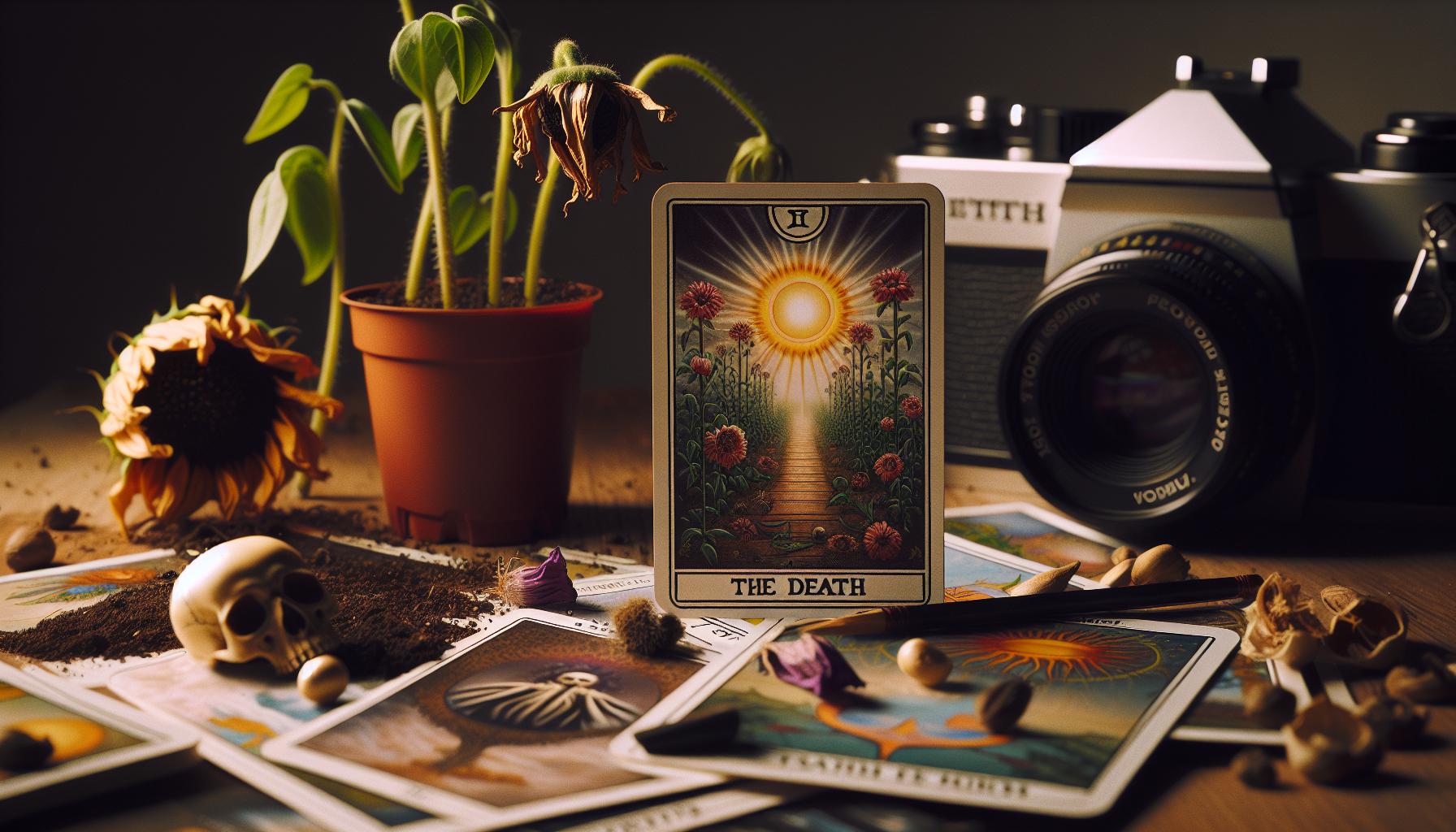
Transformative Power: Ending and New Beginnings
Embracing change can be one of the most challenging yet rewarding experiences in life. The Death card in the Tarot, often misinterpreted as a harbinger of doom, actually embodies the essence of transformation through endings and rebirths. This card serves as a powerful reminder that every conclusion carries the seeds of new beginnings. When you encounter the Death card, it’s an invitation to reflect on what might need to be released in order to facilitate growth and evolution.
The transformative power of the Death card often manifests in the form of significant life changes-whether it be the end of a relationship, a career shift, or the resolution of long-standing personal issues. Each of these endings can feel intimidating, but they create valuable space for new opportunities. Consider viewing an ending as a necessary pruning, resembling the way gardeners trim dead branches to promote healthier growth. By letting go, you allow fresh perspectives and prospects to emerge, enriching your life in unexpected ways.
To actively engage with the transformative energy of the Death card, try the following exercises:
- Journaling: Write down aspects of your life that feel stagnant or no longer resonate. Acknowledge those endings and reflect on how they’ve served you.
- Ritual of Release: Create a small ceremony to symbolically release what no longer serves you-this could be as simple as burning the list you created.
- Visualization: Imagine yourself stepping into a new chapter. Visualize the vibrant opportunities waiting for you beyond what you are letting go.
By recognizing these endings as vital to your growth, you cultivate resilience and openness to the new beginnings that inevitably follow. Just like the cycle of seasons, the rhythm of life calls for both endings and starts, reminding us that transformation is always within reach. Each time the Death card appears, allow yourself to embrace the symbolic shedding of the old-knowing that something beautiful is ready to unfold.
Interpreting the Death Card in Readings
Understanding the Death card in tarot readings can feel daunting at first, primarily because of its association with endings and transformation. Yet, this card holds immense potential for personal growth and enlightenment. When the Death card appears in a reading, it often signals a pivotal moment in one’s life, inviting you to embrace change rather than fear it. This card does not predict physical death but rather indicates a profound transformation, akin to the metamorphosis experienced in nature-like a caterpillar becoming a butterfly.
Interpreting the Death card begins with its context within the reading. Are there surrounding cards that suggest a need for letting go, or a turbulent phase? For instance, if paired with the Tower, there might be an intense upheaval necessitating a complete overhaul of your approach to situations. If appearing alongside cards like the Star or Sun, it can signify the hopeful transition towards brighter days, emphasizing rebirth and renewal after challenges.
To grasp the nuances of the Death card, consider these key aspects:
Embrace the Message
- End of Cycles: This card serves as a reminder that every end is also a new beginning, pushing you to evaluate what you might need to release in your life.
- Transformation: The Death card symbolizes profound change, encouraging you to consider how you can evolve, much like how seasons transition.
- Acceptance: It encourages acceptance of necessary endings, promoting resilience as you navigate life’s ups and downs.
It’s beneficial to ask specific questions during your tarot practice that relate back to the concepts of transformation and release. For example, inquire, “What aspect of my life needs closure to allow for growth?” By framing your readings this way, you open a channel to deeper insights, allowing the Death card to lead you toward clarity and renewal.
Ultimately, learning to interpret this card with sensitivity and openness will deepen your tarot practice. Lean into the transformative energy it provides, and allow it to guide you through the labyrinth of change toward your next chapter. Tarot is about exploration and understanding the self; the Death card is a crucial ally on this journey, beckoning you to step boldly into your future.
Common Misconceptions About the Death Card
Many people are surprised to discover that the Death card in tarot is often misunderstood. Rather than a portent of doom or an omen of physical death, this card signifies transformation, transition, and the end of a particular phase in life. It’s crucial to delve into the realities of this card and clear up prevalent misconceptions to empower readers in their tarot journey.
One of the most common misconceptions is that the Death card predicts literal death. This fear can cause anxiety, discouraging individuals from engaging with the card at all. In truth, the Death card symbolizes the closing of one chapter and the potential for new beginnings. For instance, it may signal the end of a job, a relationship, or an outdated belief system-inviting the querent to release what no longer serves their purpose. It’s about making space for growth and allowing new opportunities to come into your life.
Another misunderstanding is that encountering the Death card means you will experience negative changes. While it often marks significant life shifts, it predominantly brings positive transformations. When you allow something to conclude, you create an opening for rebirth and regeneration. For example, if the Death card appears alongside the Empress in a reading, it might signify the end of creative blockages leading to an enriching new project, ultimately bringing joy and fulfillment.
To build confidence in your readings, remember that the Death card also asks you to embrace the natural cycles of life. Each ending instructs you to reflect on your experiences, learn from them, and release burdens that hinder your growth. Consider asking yourself, “What habits am I ready to let go of?” or “What changes am I resisting?” By framing your readings this way, you shift the narrative from fear to empowerment, welcoming the transformative essence of the Death card into your life.
In essence, the Death card encourages a mindful acceptance of change, humorously reminding us that life continues to evolve. Embrace it as a teacher, guiding you towards renewal and the next exciting phase of your journey.
Death Card in Different Tarot Spreads
When the Death card appears in different tarot spreads, it brings unique insights depending on the positions of the other cards and the overall context of the reading. This card, often viewed as a harbinger of transformation, can reveal much about your current life path and personal evolution. Understanding how to accurately interpret its significance across various spreads empowers you to embrace the changes it signals.
In a Three-Card Spread, which commonly addresses past, present, and future, the Death card may indicate that a phase in your past has come to a beneficial close, making way for profound changes in your present situation. For instance, if Death occupies the present position, it suggests an active transformation in your life right now-perhaps the end of a stagnant job or a relationship that no longer brings joy, opening doors to new opportunities. In the future position, it might imply upcoming changes that will liberate you and guide you towards a more authentic path.
In a Celtic Cross Spread, the Death card can take on even deeper meanings. As the card positioned in the “challenge” spot, it may highlight your resistance to necessary transitions. This signals a time to let go of fears and preconceived notions about what change means, inviting growth through acceptance. When found in the outcome position, it reinforces the idea of positive transformation: a clear indicator that by releasing the old, you’ll create space for something remarkable and revitalizing in your life.
For beginners, practicing with a Five-Card Spread can be particularly illuminating. Each card could represent an area of your life-for example, love, career, health, self, and spiritual growth. If the Death card turns up in the love position, it could signify the end of a relationship that has served its purpose, leading you towards a healthier connection or self-love. This practical approach helps elucidate how the Death card reflects different facets of your life, encouraging introspection and clarity.
Ultimately, embracing the Death card across various tarot spreads invites you to recognize the beauty in endings and the promise of new beginnings. By using real-life scenarios and intuitive understanding, you can foster a sense of empowerment, welcoming the card as a vital part of your personal growth journey-an ally that encourages you to honor cycles of life and transformation.
The Connection Between Death and Rebirth
Understanding the cycles of death and rebirth can be one of the most liberating lessons in the tarot journey, particularly when it comes to the Death card. Contrary to its initial ominous impression, this card is not about physical demise but the profound transformation that occurs when one phase of life gives way to another. When the Death card appears, it signifies an ending-yes, but more importantly, it heralds the beginnings that follow. It reminds us that every conclusion paves the path for new growth and opportunities.
is essential in many spiritual narratives. Just like the changing of seasons, where winter gives way to spring, the Death card symbolizes the cyclical nature of existence. It encourages us to reflect on what we need to release in our lives. This could be an outdated belief, a toxic relationship, or a career that no longer resonates with our values. By letting go, we create space for fresh ideas and passions to grow. Emphasizing this connection during readings can help clients or oneself navigate through their transitions with greater clarity and confidence.
In practical terms, consider how you can apply this transformation in your own life. Start by identifying areas where you feel stuck or unfulfilled. Ask yourself: what needs to die for something new to thrive? This reflective practice not only deepens your understanding of the Death card but also aligns with the natural flow of your personal evolution. You might keep a journal to document these reflections, which can facilitate your progress as you witness the cycles of transformation unfolding in your life.
By embracing , you not only appreciate the Death card’s significance but also empower yourself to actively participate in your life’s transformations. With each ending comes the opportunity for renewal-making it crucial to greet changes with openness and curiosity rather than fear. Through this lens, the Death card truly becomes a guiding beacon of transformation, urging you to step into the vibrant new chapters that await.
How to Embrace Transformation in Your Life
Embracing transformation is a powerful journey, one that invites us to confront the uncomfortable yet essential changes in our lives. The Death card in the tarot is often misunderstood; its message is not solely about endings but rather about the potential for rebirth and renewal. Engaging with this card can guide us through significant life transitions, encouraging us to release what no longer serves us and welcoming new opportunities with open arms.
To begin embracing transformation, consider these actionable steps:
- Identify what holds you back: Reflect on areas in your life where you feel stagnant. This could be a job, a relationship, or limiting beliefs. Writing these down can clarify your thoughts and feelings.
- Create a ritual of release: Once you identify what needs to change, establish a small ritual to symbolize letting go. This might involve writing a letter to release old feelings, then safely burning it as an act of closure.
- Visualize your new beginning: Imagine what your life looks like post-transformation. Visualization can strengthen your intention and help you attract the changes you desire.
- Take practical steps: Create a plan for your new beginning. This could involve seeking out new opportunities, such as furthering your education or building a new social network. Start small to build your confidence.
The process of transformation often requires patience and self-compassion. Recognize that change isn’t always linear; there will be ups and downs. Surround yourself with supportive people who encourage your journey. Sharing your experiences with a close friend or writing about them can also help you process your emotions.
Lastly, celebrate your progress, no matter how small. Each step forward, even if it’s just a mindset shift, is a testament to your growth. The Death card teaches us that although change can be challenging, it is also a natural part of life’s cycle. Instead of fearing the end of one phase, lean into it, for it opens the door to the next meaningful chapter of your life. By embracing transformation, you honor the flow of existence and invite new opportunities to blossom.
Personal Growth Through the Death Card
The Death card, often perceived as ominous, is, in truth, a symbol of profound personal growth and transformation. When this card appears in a reading, it signals an opportunity for deep reflection, urging you to evaluate the aspects of your life that have outlived their purpose. Embracing the essence of this card can unlock your potential for renewal, encouraging you to shed old habits, relationships, or beliefs that no longer serve your highest self.
Experiencing growth through the lens of the Death card involves actively engaging with your fears around change. Start by recognizing that every ending propels a new beginning. To facilitate this transition, begin with a self-assessment. Ask yourself what in your life feels outdated or burdensome. Create a list of these elements to acknowledge their presence. This act of identification helps to clear mental space and prepares you for new paths.
To further embody this process of transformation, consider integrating rituals that symbolize letting go. These can include writing down what you wish to release and finding a meaningful way to dispose of that paper, such as burning it, to create a sense of closure. Visualization techniques can also be beneficial: picture your life as it will be once you have transformed. This not only strengthens your intention but also inspires you to take actionable steps toward that envisioned future.
Lastly, remember that growth is often a non-linear journey. Embrace the ups and downs, and cultivate a support system of friends or mentors who understand your transformation process. You could also keep a journal to document your journey, enhancing self-awareness and allowing you to celebrate milestones along the way. By welcoming the changes embodied in the Death card, you unlock the door to continuous personal development, understanding that each phase of your life contributes to the rich tapestry of who you are becoming.
Real-Life Examples: Death Card in Action
In the world of tarot, the Death card often emerges as a powerful symbol of transformation, signaling significant shifts in the lives of those who draw it. This card can lead to profound changes, as illustrated by numerous individuals who have navigated personal journeys marked by endings that ultimately spurred new beginnings. Here are some compelling real-life examples that showcase the transformative power of the Death card in action.
One person recounts their experience of drawing the Death card just before a major career shift. They had been feeling increasingly unfulfilled in their job, yet fear of the unknown held them back. When the Death card appeared during a reading, it served as a catalyst for introspection. Recognizing that clinging to a stagnant job was preventing them from embracing new opportunities, they decided to take the leap. Within months, they started their own business, allowing their creativity to flourish in ways that had previously felt impossible. This transformation not only revitalized their professional life but improved their overall happiness.
Another individual shared how the Death card prompted them to reassess personal relationships that no longer resonated with their evolving self. After several readings where the card repeatedly appeared, they acknowledged feelings of stagnation with certain friendships. Summoning the courage to let go, they gradually distanced themselves from toxic dynamics. This decision paved the way for deeper, more meaningful connections, allowing them to grow alongside supportive friends who truly celebrated their journey.
For those just beginning to explore tarot, consider how the Death card may resonate in your life. Reflect on areas where you might sense an ending-this could relate to habits, relationships, or attitudes that no longer serve you. By recognizing these patterns, you can create space for new opportunities. Start by journaling about your feelings or intuitively creating a list of what you’d like to let go. As you transition through these shifts, remember that the transformative essence of the Death card can be empowering: change is not merely an end, but a transformative journey leading to new beginnings.
Incorporating the lessons of the Death card into your life can become a vital part of personal growth. Those who embrace its message generally navigate change with greater ease, seeing it as a natural progression rather than something to fear. By sharing stories of transformation, we can encourage each other to welcome the cycles of life with open hearts and minds, finding beauty in the endings that lead us to new beginnings.
Tips for Reading the Death Card Intuitively
Understanding how to read the Death card intuitively can open profound avenues for personal growth and transformation. This card, often misunderstood as a harbinger of doom, actually invites us to embrace endings as vital components of our life journeys. Here are some practical tips to enhance your intuitive readings when the Death card appears in your tarot spread.
First, approach the card with an open mind. Take a moment to breathe deeply and center yourself before beginning your reading. A calm state can enhance your ability to receive intuitive messages. As you contemplate the Death card, consider what personal associations or fears arise. Are there particular endings in your life that feel relevant? Write these thoughts down, as they can provide a richer context for your reading.
Connect with Imagery
Engage with the imagery of the Death card. Each tarot deck presents this card differently; observe the symbols and colors used. For instance, the presence of a phoenix might suggest rebirth, while a barren landscape may indicate a necessary clearing of old patterns. Reflect on what resonates personally. Ask yourself: “What does this imagery evoke within me?” This connection helps access deeper meanings that may solely pertain to your situation.
Incorporate Questions
Formulate open-ended questions related to your current life situation. Instead of seeking a literal interpretation, inquire about transformations on the horizon. For instance, you might ask, “What old habits am I ready to release?” or “How can I better embrace changes in my life?” Such questioning leads to insights that guide your path forward, illuminating your journey through change.
Practice Journaling
Journaling after your reading can solidify your intuitive insights. Describe your feelings and initial interpretations of the Death card. Record interpretations based on particular circumstances in your life. Over time, revisit these entries to notice patterns or recurring themes that may emerge. This reflective practice fosters deeper understanding and strengthens your intuitive skills.
Trust Your Instincts
Lastly, trust your instincts. The Death card embodies transformation, and your emotions about it are valid guides. If your gut feeling contradicts traditional meanings, honor that intuition. Each reading is unique-what might apply to one person may differ for another. Recognizing the personal nature of these interpretations can empower you in your tarot practice.
By applying these strategies, you nurture your intuitive abilities, allowing the Death card to guide you through endings and into new beginnings with clarity and confidence. Embrace your journey, and remember that transformation is a powerful and beautiful aspect of life.
Navigating Change: Practical Advice from Tarot
Navigating change can feel daunting, yet it provides ample opportunities for growth and renewal. When you draw the Death card in a reading, it’s essential to reframe your perspective; instead of viewing it as an end, see it as a moment to pause, reflect, and prepare for transformation. This card embodies the natural cycles of life-endings lead to new beginnings, much like the changing seasons. Here are some practical approaches to help you harness the positive energies of the Death card in your life.
Begin by acknowledging the areas of your life that may need to change. This could range from a job transition to the end of a relationship. Reflect on what no longer serves you-writing these thoughts down can clarify your feelings and highlight specific changes needed. Ask yourself guiding questions such as, “What am I ready to let go of to make space for new opportunities?” This reinforces the understanding that death, in this context, symbolizes release rather than loss.
Next, integrate rituals that honor this transformative process. For instance, consider creating a letting go ritual where you write down things you’re ready to release, then safely burn or bury the paper. This can symbolize the liberation from past burdens and signify your readiness for what’s next. Meditation can also be invaluable; visualize yourself entering a transformative cocoon and emerging as a butterfly, symbolizing metamorphosis and personal evolution.
Finally, trust your intuition as you navigate these changes. As you work through your feelings and thoughts about the transitions in your life, notice any emotions or gut feelings that arise. Perhaps you feel a push towards a new project or a longing to reconnect with something you love. Trusting these instincts can guide you towards making choices that reflect your true self. The Death card encourages you to let go of doubts or fears; knowing that change is a natural and vital part of life’s journey can empower you to embrace it fully.
By employing these strategies, you can navigate change gracefully and confidently, transforming challenges into stepping stones on your personal growth journey. The Death card serves not as a harbinger of despair, but rather as a beacon of hope and renewal, encouraging you to leap into the unknown with courage.
Frequently Asked Questions
Q: What does the Death Tarot card symbolize in personal transformation?
A: The Death card symbolizes profound transformation and the end of cycles, urging you to embrace change. It often marks the conclusion of one phase and the beginning of another, encouraging personal growth through letting go of old habits or situations that no longer serve you.
Q: How can I interpret the Death card in a Tarot spread?
A: In a Tarot spread, the Death card suggests significant changes on the horizon. It can signify letting go, transition, or the need to move forward. Pay attention to surrounding cards for context, particularly in areas of life like relationships or career. It’s a prompt to embrace rather than fear transformation.
Q: Why is the Death card often misunderstood in Tarot readings?
A: The Death card is often misunderstood as a sign of literal death, while it actually represents endings and new beginnings. This misunderstanding can create fear, but in reality, it signifies transformation and renewal, illustrating the natural cycle of life and the importance of embracing change.
Q: What are some examples of transformation associated with the Death card?
A: Examples of transformation linked to the Death card include ending toxic relationships, changing careers, or adopting new perspectives. Each represents a significant shift that leads to growth and the emergence of a more authentic self. Recognize these moments as opportunities for renewal rather than loss.
Q: How does the Death card relate to personal growth?
A: The Death card is deeply connected to personal growth as it encourages you to shed outdated beliefs and behaviors. This shedding allows for new experiences and insights, facilitating a positive transformation. Embrace challenges as they offer valuable lessons leading to your evolution.
Q: What practical steps can I take when the Death card appears in a reading?
A: When the Death card appears, take time for self-reflection. Identify areas in your life that need change and consider what you need to release. Set intentions for new beginnings and be open to transformation, allowing space for growth and renewal in your life journey.
Q: When should I use the Death card in a Tarot spread?
A: Use the Death card in a Tarot spread when exploring themes of change, transformation, or letting go. It’s particularly useful when you’re at a personal crossroads, as it invites reflection on the cycles of your life and helps navigate transitions with clarity and purpose.
Q: How can I embrace the messages of the Death card in my everyday life?
A: Embrace the messages of the Death card by actively cultivating awareness of what no longer serves you. Practice mindfulness and be open to transformation; look for opportunities to let go of old patterns. Engage in activities that signify renewal, such as journaling or meditation, to foster personal growth.
Future Outlook
As we conclude our exploration of the Death card in tarot, remember that this powerful symbol of transformation signifies not an end, but a new beginning. Embrace the shift and understand that letting go can lead to profound renewal in your life. To deepen your journey, consider trying a 3-Card Tarot Career Reading to gain insights into your professional path, or explore the meanings behind other significant cards in our detailed guides.
If you found this content enlightening, we invite you to sign up for our newsletter for more empowering insights and tips on harnessing the magic of tarot. Have questions or insights of your own? Share them in the comments below!
Don’t stop here-continue your adventure in tarot by accessing our instant Yes or No Tarot reading tool, which can offer quick clarity on any pressing question. Discover how the mysteries of the cards can guide your life today and always. Embrace the journey of transformation, and let us be your trusted guide along the way!
Get our latest guides, news, and insights highlighted in your Google Search & AI Overviews.