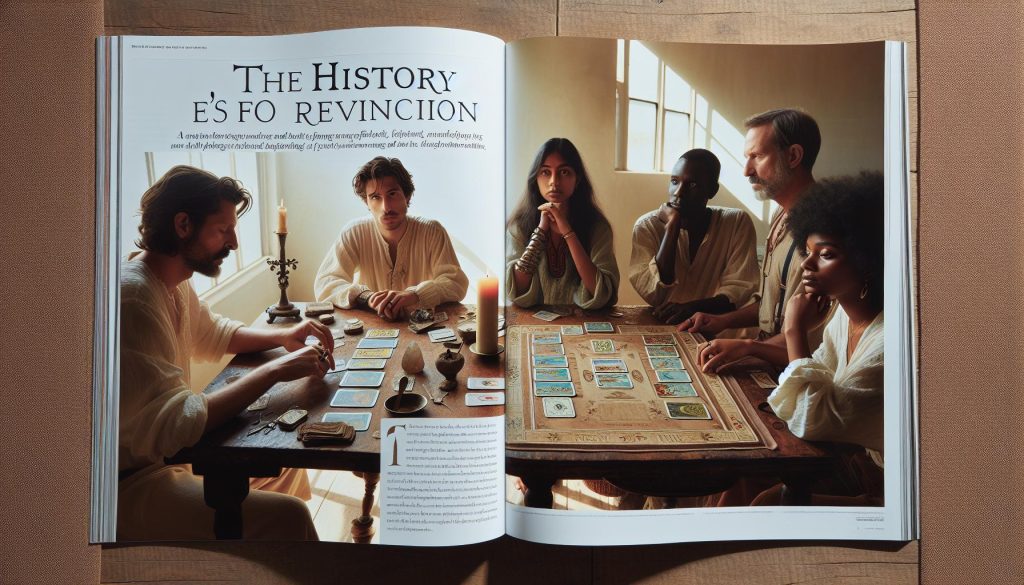
Have you ever wondered about the origins of tarot cards and their transformation into a tool for divination? This captivating journey takes us from their mysterious beginnings in the 15th century to their rise as profound instruments for insight and guidance. Understanding when tarot cards started being used for divination not only enriches our appreciation of these cards but also connects us to a timeless practice that has guided countless seekers on their spiritual paths. Whether you’re a curious beginner or a seasoned practitioner, exploring the history of tarot invites you to uncover the layers of symbolism and wisdom woven into each card. Join us as we delve into the fascinating timeline of tarot, revealing how these cards have shaped the lives of many and continue to inspire those of us seeking clarity and connection in an ever-changing world.
History of Tarot Cards: Origins and Evolution
The journey of tarot cards from mere playing cards to instruments of divination is a fascinating tale steeped in history and mystique. It is believed that tarot originated in the 15th century in Europe, specifically in Italy, where they were initially used as a game called tarocchi. These early tarot decks consisted of four suits similar to modern playing cards, along with unique trump cards. The colorful illustrations and elaborate designs of these early decks captured the public’s imagination, setting the stage for their eventual spiritual evolution.
As the centuries progressed, tarot began to shift from recreational use to a more profound spiritual context. This transition is often linked to the 18th century when scholars and mystics, such as Antoine Court de Gébelin, explored the mystical symbolism of tarot cards. They proposed that the cards were not merely games but a means of connecting with deeper spiritual truths and insights. This period marked a pivotal moment in the history of tarot, leading to the belief that these cards could serve as tools for divination, providing guidance and reflection on the human experience.
Influential historical events, including the Renaissance’s quest for knowledge and the rise of occult practices, further fueled the interest in tarot. As tarot spread across Europe, each culture infused its interpretations and meanings into the cards, creating a rich tapestry of symbolism and spiritual beliefs. The Tarot de Marseille, a key deck from France, and the Rider-Waite-Smith deck from the early 20th century are two examples of decks that greatly shaped not only divination practices but also how we understand the nature and purpose of tarot today.
In modern times, tarot continues to evolve, with new decks and approaches emerging that reflect contemporary spiritual needs. Today, many people use tarot for self-exploration and personal insight, often combining traditional meanings with intuitive interpretations. This adaptability ensures that tarot remains a relevant and powerful tool for anyone seeking clarity in their lives, regardless of their spiritual background. As you delve into the world of tarot, you’ll find that its origins and evolution offer not just a glimpse into history but also a pathway to personal discovery.
The Early Days: Tarot and Playing Cards
The transformation of tarot from a simple deck of playing cards into a tool of profound spiritual insight is a captivating story that underscores the interplay between leisure and wisdom. Initially, during the 15th century, tarot cards emerged in Italy, primarily as a game known as tarocchi. Unlike today’s tarot, which features rich symbolism and spiritual significance, these early decks were designed for gameplay and entertainment, completed with four suits that echo modern playing cards, along with a set of unique trump cards. Among the earliest surviving examples is the Visconti-Sforza deck, characterized by its intricate artistry that reflects the wealth and status of its patrons.
As the popularity of tarocchi spread across Europe, so too did its design and use, leading to variations that embraced diverse cultural nuances. The early tarot was often viewed through the lens of court life, with depictions of nobility, heraldry, and themes reflective of the times. This blend of art and leisure set the stage for a gradual shift in perception as scholars and mystical thinkers began to investigate the deeper meanings behind the cards.
In the 18th century, the tarot began to be reimagined as more than just a game. Influenced by the Age of Enlightenment and a growing interest in mysticism, tarot card reading transformed into a practice associated with divination. Figures like Antoine Court de Gébelin postulated that the cards were a key to uncovering universal truths and spiritual wisdom. Their interpretation of tarot established the groundwork for what would later be viewed as a tool for self-discovery and moral reflection.
As you explore the early days of tarot, it’s essential to understand that these cards were not intended for divination initially. It wasn’t until the later integration of mystical symbolism that they began to serve as instruments for gaining insight into life’s questions. This natural evolution mirrors our own journeys of growth, suggesting that through play and exploration, deeper truths can indeed surface. Whether you approach tarot with skepticism or curiosity, remembering its origins can enrich your understanding of its current role in the spiritual landscape. Embrace this journey, and you may find that the path laid by history can illuminate your own personal discoveries.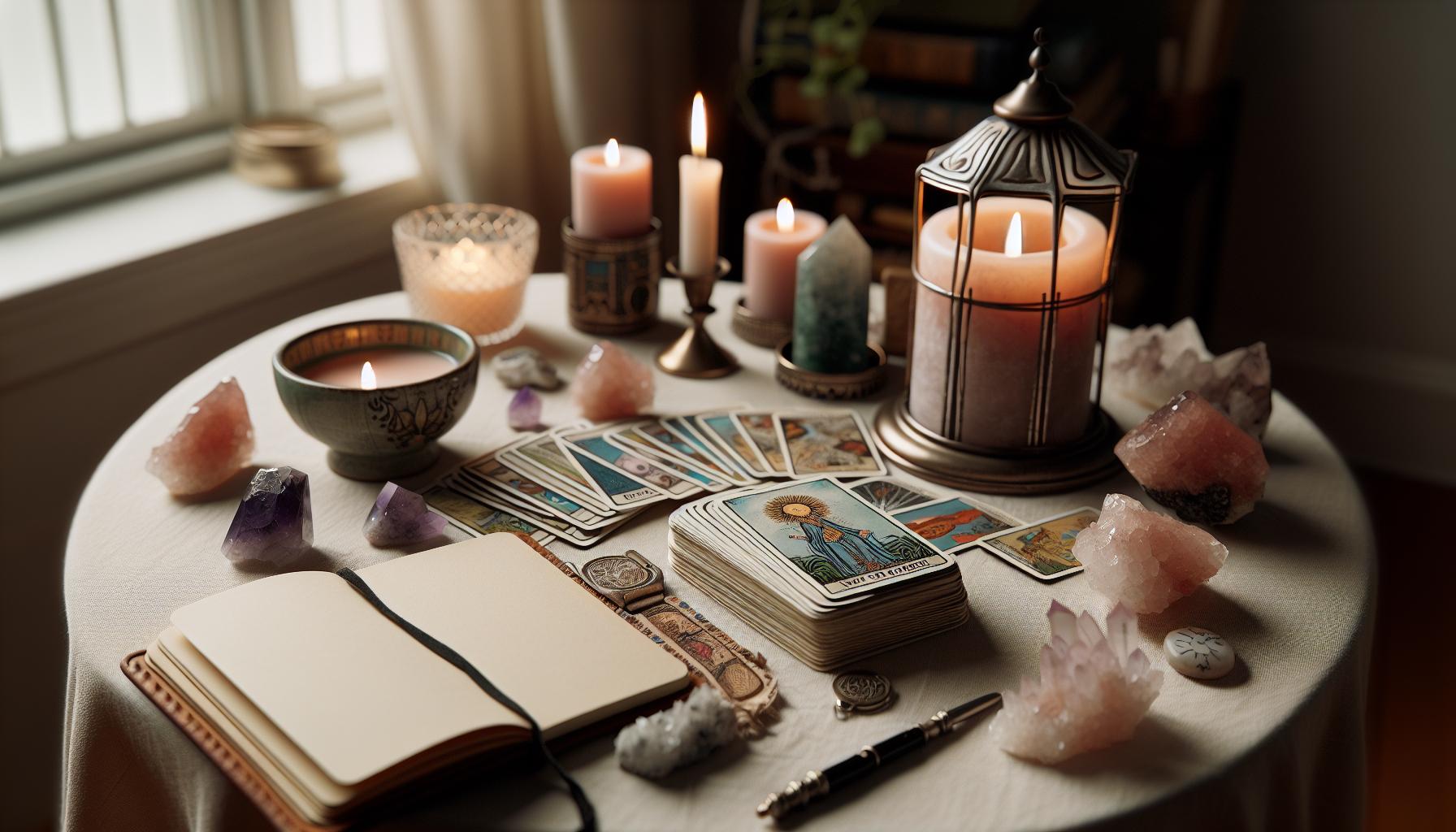
Transition to Divination: When Tarot Became Spiritual
As tarot cards transitioned from mere gaming tools into revered instruments of spiritual insight, a magical evolution took place, drawing people from various backgrounds into a world of mysticism and self-discovery. This transformation began in earnest during the 18th century, a time when the seeds of Enlightenment were being sown. Scholars and spiritual seekers alike began to explore the deeper meanings embedded within the ornate illustrations of tarot cards, sparking a fascination that would redefine their purpose. This change was not merely a shift in usage; it was a profound awakening to the potential for personal and spiritual guidance that these cards could provide.
This shift towards divination was significantly influenced by notable figures like Antoine Court de Gébelin. He proposed that tarot was not just a game but a repository of ancient wisdom, rich with symbolic meanings that could reveal universal truths. Through his scholarly work, tarot began to be recognized as a tool for psychological and spiritual exploration. This newfound perspective allowed practitioners to use the cards not just for entertainment but also for understanding one’s life path, reflecting on personal dilemmas, and even communicating with the divine.
As tarot practices expanded, the cards evolved to include not just illustrations related to aristocracy and daily life but also symbols from various mystical traditions, such as Kabbalah and alchemy. This integration of spiritual symbols enriched the tarot decks, making them versatile tools for introspection and divination. Today, tarot is embraced by many as a pathway to understanding oneself and the universe, with each card serving as a mirror reflecting the querent’s inner truths and guiding them through their questions and uncertainties.
For those wishing to delve into tarot for divinatory purposes, starting with a simple three-card spread can be enlightening. Here’s a quick guide to begin:
- Card 1: Represents the past, shedding light on the experiences that have led to the current situation.
- Card 2: Mirrors the present, offering insight into your current emotional state or challenges.
- Card 3: Points to the future, providing guidance on potential outcomes or paths ahead.
Embrace the journey of exploration and discovery as you connect with the tarot. Remember, whether you are a skeptic or a believer, tarot is accessible to everyone. Each reading can illuminate personal insights and broaden your understanding of the myriad forces at play in your life.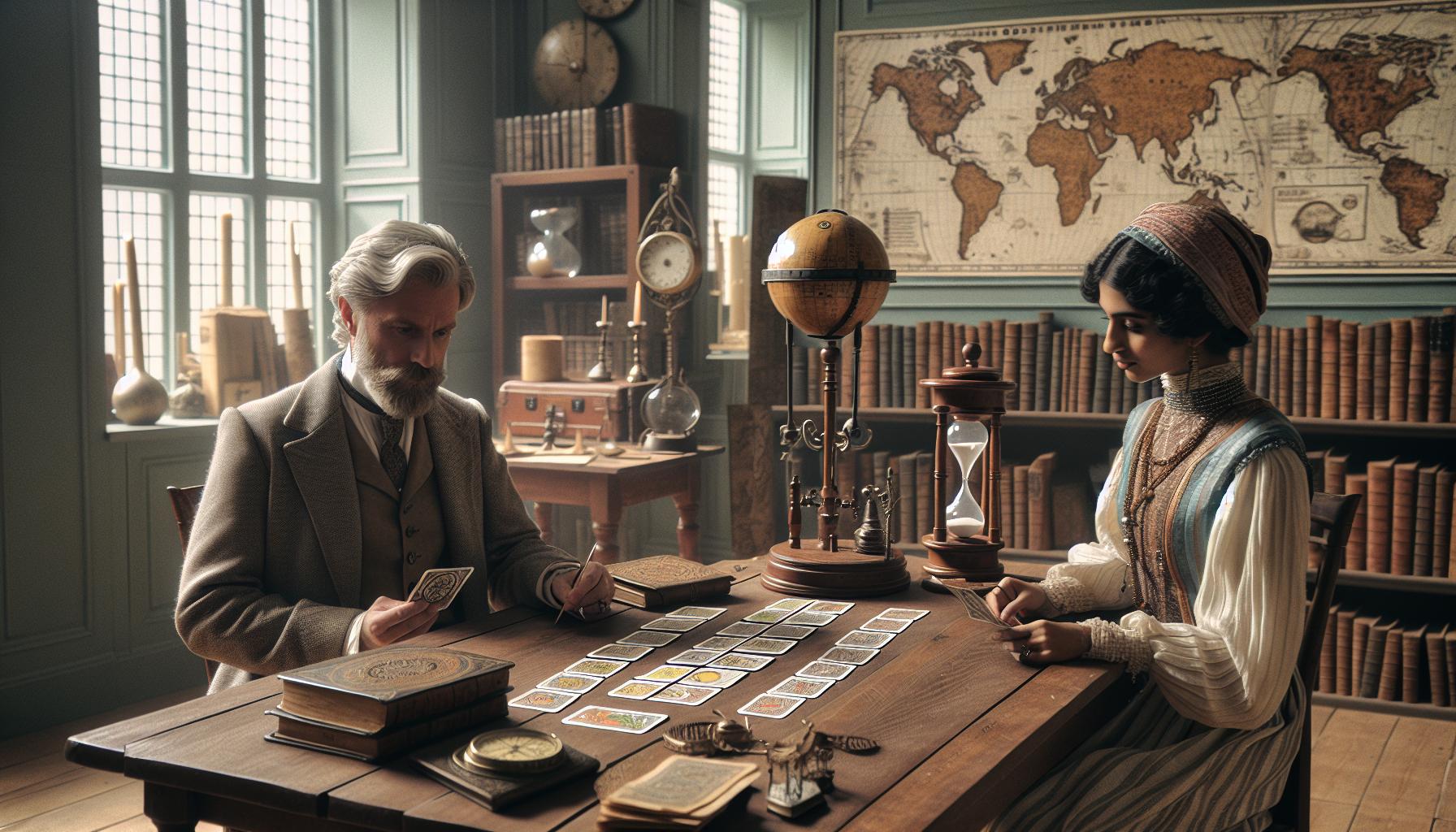
The Influence of Historical Events on Tarot Use
Historically, the evolution of tarot cards into tools for divination has been significantly shaped by the tumultuous events and cultural shifts of different eras. During the Renaissance, Europe was undergoing a remarkable transformation-an age characterized by exploration, scientific discovery, and a budding interest in the mystical. This period saw the emergence of new ideas about the human experience, spirituality, and the unseen forces that govern life. Tarot cards, initially created as gaming instruments, began to acquire deeper meanings, influenced by the alchemical and magical philosophies that permeated the culture of the time.
The rise of the occult in the late 18th century marked a pivotal point in tarot’s history. Events like the Age of Enlightenment challenged traditional views, prompting thinkers such as Antoine Court de Gébelin to reinterpret the tarot as a symbol of ancient wisdom rather than a mere deck of cards. His writings proposed that tarot could unlock profound truths about the human psyche and the universe, thus cementing its role as a medium for divination. Such shifts in philosophical thought paralleled the broader societal changes happening in Europe, fostering an environment where mystical practices could thrive.
Moreover, significant historical events such as the French Revolution brought about a reconsideration of societal norms and beliefs, further affecting how people sought guidance and meaning in their lives. With political upheaval stirring uncertainty, many turned to mystical practices, including tarot, for comfort and insight. Tarot readings became coveted as individuals sought clarity amidst chaos, each card representing potentials and paths unforeseen.
As tarot transitioned through these historical phases, the incorporation of diverse symbols and archetypes expanded its meanings. The blending of Kabbalistic and astrological elements into tarot decks enriched the reading experience, appealing to both seekers of wisdom and the curious alike. This amalgamation of influences created a more holistic approach to divination, allowing practitioners to access a universal language of symbols that resonated with anyone interested in self-exploration and guidance.
In navigating this rich tapestry of history, modern tarot readers can appreciate the depth and diversity of the cards. Understanding the historical context helps practitioners draw connections between the past and their present experiences, making each reading a unique journey. Whether you are approaching tarot as a spiritual seeker or a curious novice, embracing the cards’ historical significance can deepen your practice and illuminate your path forward.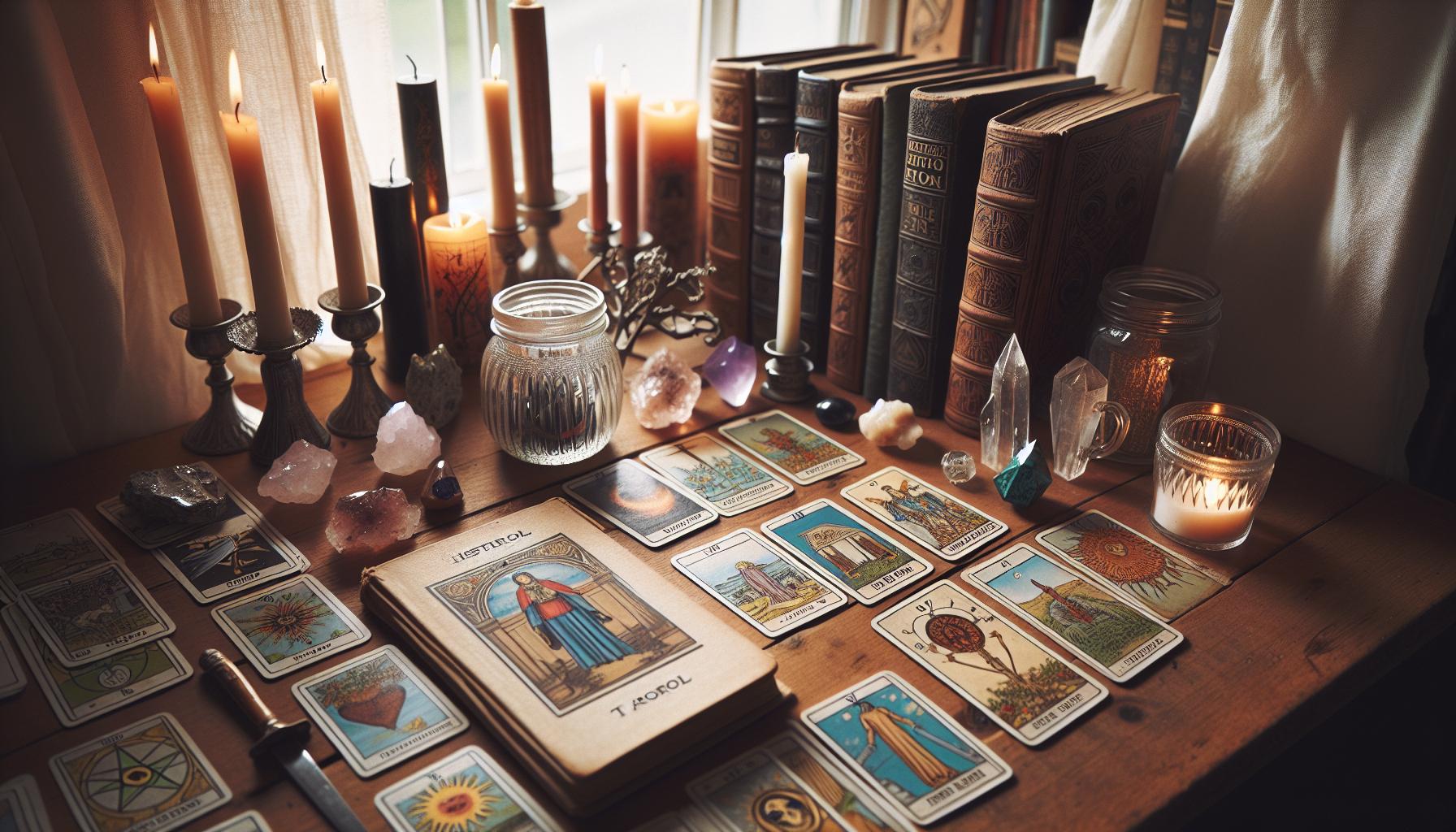
Famous Tarot Decks That Shaped Divination Practices
When exploring the journey of tarot as a tool for divination, it’s impossible to overlook the influential decks that have shaped its practice over the centuries. Different tarot decks carry unique artwork, symbolism, and interpretations that cater to various spiritual philosophies and user preferences. Each significant deck transforms not just how we read the cards but also how we connect with their meanings and what they reveal in our lives.
One of the most iconic and foundational decks is the Rider-Waite Tarot, created by Arthur Edward Waite and illustrated by Pamela Colman Smith in 1909. This deck revolutionized tarot reading by introducing detailed imagery that illustrated key symbols and themes, making it accessible for beginners. Because of its intuitive illustrations, many modern readers rely on it for both basic understanding and advanced readings. It includes pictorial representation for every card, allowing readers to interpret not just the traditional meanings but also the emotional resonance of each illustration-an essential practice for those new to tarot.
Another important deck is the Thoth Tarot, designed by Aleister Crowley and Lady Frieda Harris in the early 20th century. The Thoth deck delves deeply into the esoteric traditions, incorporating Kabbalistic themes, astrological associations, and rich symbolism that challenges readers to engage with their intuition. This deck is commonly favored by practitioners looking for a profound connection to the mystical aspects of tarot. It encourages complex interpretations, inviting advanced readers to explore layers of meaning that go beyond surface-level readings.
The Marseille Tarot, one of the oldest tarot decks still in use today, often appeals to traditionalists and those interested in historical contexts. Originating in the 16th century, its simplistic design and focus on geometric shapes compel readers to engage with the foundational aspects of tarot meanings. For a beginner, starting with the Marseille deck can reinforce understanding of the basic 22 Major Arcana cards and their numbered Minor Arcana counterparts, laying a strong groundwork for further exploration.
Beyond these well-known decks, numerous other variations exist that cater to different cultural and spiritual perspectives. For instance, the Wild Unknown Tarot, with its striking animal imagery and minimalist design, provides a grounding experience for modern readers seeking to connect with nature and personal instinct. This deck demonstrates how tarot can evolve and adapt to contemporary society, emphasizing the personal narratives that each reader brings to the table.
As you explore these decks, remember that your connection to tarot is unique. Selecting a deck that resonates with you personally is crucial, as it enhances your intuition and deepens your insights during readings. Whether you opt for a historical deck or a modern reinterpretation, understanding what each deck brings to the practice empowers you to choose tools that align with your journey. Engage with the cards thoughtfully, and let their stories enhance your path to self-discovery and wisdom.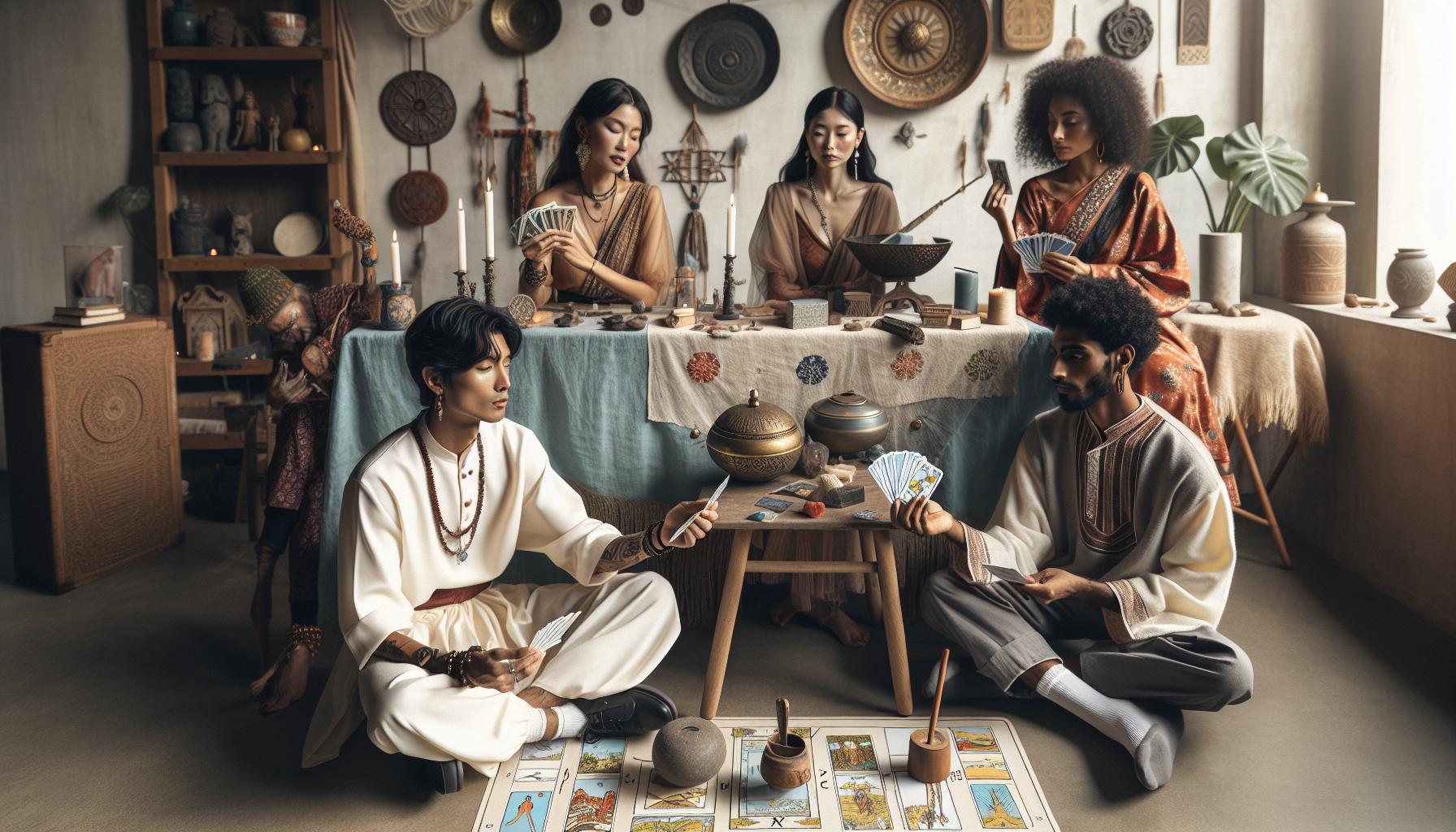
Cultural Perspectives: Tarot Across the Globe
Throughout history, tarot has transcended borders, evolving into a diverse practice enriched by various cultural traditions. Different societies have embraced tarot, each interpreting its cards through their unique lenses, which adds layers of meaning to this mystical art. From the rich tapestries of European history to the spiritual practices of the East, tarot’s journey reflects a global narrative that resonates with many seekers.
In Europe, tarot’s roots began as a card game in the 15th century, primarily enjoyed by nobility. As its historical significance grew, particularly after the 18th century, tarot began to be associated with divination and spiritual insight. In countries like France and Italy, decks were crafted with intricate designs, each symbol rich with cultural nuances. The French Tarot de Marseille, for example, retains a traditional structure that speaks to the historical context in which it was created, offering a glimpse into the past while still serving modern readers.
Across the ocean, tarot found a different expression in America, where it amalgamated with various spiritual practices, particularly in the New Age movement of the 20th century. Here, the cards became accessible tools for self-reflection and personal growth, often integrated with psychology and the exploration of the self. Diverse decks emerged, reflecting the melting pot of cultures, beliefs, and artistic styles. Readers began to adapt tarot to their personal and cultural narratives, embedding intuitive guidance alongside traditional interpretations.
In Asia, tarot has also taken root, intermingling with local spiritual systems. In Japan, for instance, artists and practitioners have created unique tarot decks that incorporate Shinto and Buddhist themes, blending ancient philosophies with the mysticism of tarot. This cultural adaptation allows for a vibrant interplay between tarot’s universal archetypes and the specific spiritual contexts of different regions.
As you explore tarot across cultures, consider how these diverse interpretations can inform your practice. Whether you are drawn to the classic symbolism of European decks or the innovative designs emerging from contemporary artists worldwide, embracing these varying perspectives can enhance your understanding and personal connection with the cards. Each cultural lens reveals new insights, making tarot a truly global phenomenon, ready to inspire and guide anyone willing to journey with its rich imagery and symbolism.
The Role of Mystics in Popularizing Tarot
Throughout the history of tarot, the influence of mystics has been pivotal in transforming tarot from a mere card game to a revered tool for divination and spiritual insight. In the 18th century, when tarot began to gain prominence as a method for fortune-telling, the esoteric traditions of mystics like Antoine Court de Gébelin and Éliphas Lévi played crucial roles in redefining its purpose. They infused tarot with a rich tapestry of mysticism, associating the cards with Kabbalistic teachings and other spiritual philosophies. This connection opened new dimensions for interpreting the cards, elevating their significance beyond entertainment to a channel for deeper self-discovery and guidance.
Mystics often viewed tarot as a reflection of the universe’s archetypal patterns. Their interpretations emphasized the symbolism inherent in each card, linking imagery to universal truths and personal experiences. For example, the High Priestess card is seen as a representation of intuition and the subconscious. Readers are encouraged to explore their feelings and inner thoughts that resonate with this card, leading to profound insights. This approach not only made tarot accessible but also emphasized personal exploration and the development of intuitive skills.
As tarot became more integrated into spiritual communities, mystics played a key role in popularizing its use through public readings, workshops, and writings that demystified the practice. They emphasized the importance of connecting with the cards intuitively rather than relying solely on rote interpretations. This practice fostered a welcoming environment for both skeptics and enthusiasts, making tarot a tool for empowerment accessible to everyone. Whether seeking clarity on personal dilemmas or pursuing spiritual growth, individuals were encouraged to approach tarot with curiosity and openness.
Today, the legacy of these early mystics continues in the modern tarot community, where practitioners champion the idea that tarot is not just about predictions, but about personal growth and understanding. By embracing your intuitive abilities, you embark on a journey that honors both the rich history of tarot and your unique perspective, making each reading a personal and transformative experience.
Understanding Tarot Symbols and Their Meanings
Understanding the language of tarot symbols can unlock a deeper connection to the cards and enhance your readings. Each card in the tarot deck is rich with imagery that can speak volumes about your personal journey, guiding you toward insights and clarity. By learning to decipher these symbols, you empower yourself to interpret the cards authentically, tapping into your intuitive understanding.
The Essence of Tarot Symbols
At the heart of each tarot card lies an array of symbols that convey its meaning. For instance, the Fool often represents new beginnings and potential, signified by the small dog at his heels, symbolizing loyalty and instincts. Key symbols within the card are not arbitrary; they serve as touchstones for personal reflection. Understanding these symbols enables you to connect them with your current life situation.
- Colors: Colors play a significant role in tarot symbolism, often reflecting the emotional tone of a card. For example, red can symbolize passion or conflict, while blue may indicate peace or tranquility.
- Numerology: Each card’s number also holds meaning. The number 1 symbolizes new beginnings (like the Magician), while 10 often signifies completion or cycles ending.
- Imagery: The scenes depicted in each card often illustrate universal themes. The imagery of the Tower, for example, represents disruption and unexpected change, while also hinting at the potential for transformation.
Applying Symbolism in Readings
When performing a tarot reading, remember to approach the cards as both a collective and individual experience. Each symbol can illuminate different aspects of a question or situation. For example, if you pull the Two of Swords in a spread about a difficult choice, the blindfold on the depicted figure suggests that you may be avoiding a decision. This imagery encourages deep reflection on why you might resist clarity and how you can confront the issues at hand.
It’s also beneficial to create your own personal associations with symbols as you grow in your practice. Keeping a journal of your interpretations and experiences with each card can enrich your readings over time. When you see the Death card, which commonly signifies transformation rather than a literal end, reflecting on what transformations you’ve experienced can lead to profound revelations.
By embracing the symbols in tarot, you develop a language all your own, intertwining personal meaning with traditional interpretations. This balance nurtures your intuitive abilities and fosters a welcoming space for both skeptics and believers to explore the depth of tarot as a tool for guidance and self-discovery.
Modern Tarot: Trends in Interpretations and Practices
The resurgence of tarot in modern times showcases its remarkable adaptability and relevance in today’s spiritual landscape. As interest in personal spirituality grows, so too does the appeal of tarot cards, which serve not only as tools for divination but also as vehicles for self-reflection, creativity, and community connection. Readers, both new and seasoned, are exploring innovative interpretations and unique practices that reflect their individual paths and experiences.
One notable trend is the customization of tarot decks to align with various cultural, historical, and personal themes. Contemporary artists are creating decks that resonate with diverse populations, featuring imagery that reflects various experiences, races, and identities. For instance, decks focused on feminism, LGBTQ+ themes, or even specific cultural mythologies allow practitioners to find deeper personal connections to the cards. This democratization of tarot encourages a wider range of interpretations and makes the practice more accessible to everyone.
In addition to customized decks, the ways tarot is used for readings have evolved. Many are now integrating tarot with other spiritual practices, such as meditation, mindfulness, and even therapy. Online platforms and social media have fostered communities where people share their experiences, techniques, and even live readings. Virtual tarot sessions and workshops provide an avenue for learning and engaging with the cards, removing spatial barriers that previously limited access to the practice. This shift not only expands the reach of tarot but also enriches interpretations as a variety of voices and perspectives come together.
Moreover, contemporary practitioners emphasize the importance of intuition in readings. There’s a growing understanding that tarot is as much about the reader’s connection to the cards as it is about the cards themselves. Many readers are encouraged to trust their instincts, fostering a practice that is personalized and resonant with their life experiences. This shift towards embracing intuition, alongside traditional interpretations, empowers practitioners to develop their unique reading styles, making the art of tarot both dynamic and deeply personal.
Ultimately, as tarot continues to evolve, it remains a powerful tool for introspection and guidance, appealing to both skeptics and believers alike. By recognizing the unique experiences that each practitioner brings to the table, tarot becomes not just a form of divination, but a path for community and connection-a reflection of the ever-changing human experience.
How to Get Started with Tarot for Divination
Getting started with tarot for divination can be an enriching experience, opening doors to self-discovery and intuitive insights. While tarot cards may have roots in playing games, their evolution into powerful divination tools showcases their transformative journey. You don’t need to be mystical or have special powers to read tarot; all it takes is a curiosity about the cards and a willingness to explore your intuition.
To begin your tarot journey, the first step is selecting a deck that resonates with you. There are countless designs available, each embodying unique themes and artistic styles. As a beginner, you might choose a classic deck like the Rider-Waite, recognized for its rich imagery, or find a contemporary deck that speaks to your personal experiences. Spend time looking at different decks-let your intuition guide you to the one that makes you feel excited and comfortable.
Once you have your deck, familiarize yourself with the cards. Start with the Major Arcana (22 cards), representing significant life themes, and then explore the Minor Arcana (56 cards), which delve into everyday situations. A simple yet effective approach is to create a dedicated study space. Lay the cards out, one by one, and reflect on their images, colors, and symbols. Consider journaling your initial thoughts and feelings about each card; this practice can deepen your connection and understanding.
Next, practice doing simple readings. For beginners, a one-card draw can be a great starting point. Shuffle your deck while focusing on a question or issue in your life. Draw a card and interpret its meaning based on your knowledge and intuition. Reflect on how this card relates to your question-this practice builds confidence and hones your intuitive skills. As you grow more comfortable, you can experiment with spreads. The three-card spread is especially insightful: it can represent the past, present, and future regarding any concern you may have.
Trust Your Journey
As you embark on this journey, remember that there is no right or wrong way to read tarot. Trust your instincts and allow each session to be a chance for exploration rather than perfection. Engage with communities online or in-person, sharing experiences and learning from others. This supportive network can provide encouragement and expand your understanding. Ultimately, the magic of tarot lies not just in the cards themselves but in the personal connections you forge through your readings. Enjoy the journey-every card drawn is a step toward deeper self-awareness and insight.
Ethical Considerations in Tarot Readings
Navigating the world of tarot can be an enriching journey, but it’s important to approach readings with a sense of responsibility and ethics. As tarot has transitioned from its origins as a simple card game to a tool for divination and self-exploration, the ethical considerations surrounding its use have come to the forefront. Readers and querents alike should foster a safe, respectful environment in which insights can be shared and explored.
One key ethical guideline is to prioritize consent. Before diving into a reading, ensure that the person seeking insights is genuinely interested and ready for what the cards may reveal. Open discussions about what a reading entails can set the stage for a positive experience. It’s essential to respect boundaries; some questions may be sensitive, and it’s your responsibility as a reader to gauge when to tread lightly or steer away from potentially triggering topics.
Clear communication before a reading can also help establish expectations. Discuss whether the reading will focus on specific questions or broader themes. Explain that tarot offers guidance and perspective rather than definitive answers. This approach not only empowers the querent but also reinforces the understanding that the cards reflect possibilities rather than certainties. Emphasizing this distinction helps mitigate feelings of disappointment if outcomes don’t align with expectations.
Integrity extends to the interpretation of the cards. A reader should always remain honest about their insights while avoiding fear-based interpretations or manipulative tactics. «The Tower» may hint at significant upheaval, but it can also signify transformation and renewal. By framing insights within a context of empowerment and growth, readers can help querents navigate their journeys with confidence and clarity.
Lastly, consider confidentiality as a cornerstone of your practice. Respect the privacy of those who come to you for guidance; what is shared in a reading should remain confidential, fostering trust. As tarot continues to evolve and find its place in various cultural contexts, nurturing ethical practices not only honors the tradition but also supports the growth of a supportive community around this ancient tool.
The Future of Tarot: Innovations and Trends
As we look toward the horizon of tarot’s future, it’s clear that innovation is at the heart of its evolution. New methods of interpreting cards, the rise of technology, and a renewed interest in self-exploration are transforming how both seasoned practitioners and curious newcomers engage with this ancient tool. One significant trend is the integration of digital resources, such as tarot apps and online reading platforms, making tarot more accessible than ever. These resources not only offer instant guidance but also allow users to learn at their own pace, breaking down geographical barriers that once restricted access to tarot wisdom.
The Rise of Community and Shared Learning
In recent years, a vibrant community has blossomed around tarot, creating spaces for collective learning and sharing. Online forums, social media groups, and live workshops have become popular venues where individuals can exchange insights, techniques, and interpretations. This shift toward communal practices encourages a diverse range of perspectives, enriching the traditional understanding of tarot. For example, users can share how specific cards resonate differently based on personal experiences or cultural backgrounds, fostering a deeper appreciation for the cards’ meanings.
Inclusive and Diverse Decks
Another trend is the creation and rise of inclusive tarot decks that reflect a broader range of identities and experiences. As the conversation around representation in spirituality broadens, many artists are designing decks that not only challenge the conventional imagery but also celebrate diversity. These unique decks can cater to various spiritual paths and personal truths, allowing individuals to find decks that resonate more organically with their experiences. This inclusivity not only enriches the practice but also invites more people to explore tarot in a way that feels authentic to them.
Emphasis on Personal Empowerment
Today’s tarot enthusiasts are placing greater emphasis on personal empowerment rather than prediction. This shift is significant; readings are increasingly viewed as opportunities for self-reflection and personal growth instead of merely forecasting events. Tarot practitioners are crafting spreads that focus on self-discovery, emotional healing, and goal setting, which can greatly benefit the querents’ mental and emotional well-being. For instance, a simple three-card spread asking about past influences, present energies, and future possibilities can offer profound insights while encouraging personal responsibility for one’s journey.
In conclusion, the future of tarot is bright and full of potential. The blending of technology with traditional practices, alongside a community focused on diverse and empowering interpretations, paves the way for a rich experience that honors tarot’s history while simultaneously inviting new voices to the table. As we move forward, tarot remains not just an ancient tool, but a dynamic gateway to deeper understanding and spiritual connection for everyone.
Faq
Q: When were tarot cards first used for divination?
A: Tarot cards began being used for divination in the late 18th century. Initially created as playing cards in the 15th century, their spiritual interpretations developed through the influence of mystics like Antoine Court de Gébelin, who linked them to ancient Egyptian wisdom.
Q: What inspired the use of tarot cards for spiritual purposes?
A: The mystical application of tarot cards was inspired by a mix of esoteric traditions, including Kabbalah and alchemy. This transition was largely fueled by the romanticism of the occult in the 18th century, leading to the belief that the cards could reveal hidden truths and guidance.
Q: How did the imagery on tarot cards evolve over time?
A: The imagery on tarot cards evolved significantly from simplistic designs to intricate illustrations infused with symbolism. This transformation started in the late 17th century with decks like the Tarot de Marseille and later, the Rider-Waite-Smith deck, which popularized rich visual storytelling in tarot.
Q: Why did tarot gain popularity in the 20th century?
A: Tarot gained popularity in the 20th century due to the rise of the New Age movement and increased interest in spirituality. Prominent figures, such as Aleister Crowley and Arthur Edward Waite, contributed to its allure, presenting tarot as a tool for personal development and insight.
Q: What are common misconceptions about tarot cards?
A: Common misconceptions include the belief that tarot cards predict the future with certainty or are purely tools of fortune-telling. In reality, they serve more as a means for self-reflection, guidance, and connecting with one’s intuition, rather than definitive prophecy.
Q: How did cultural perspectives influence tarot’s role in divination?
A: Cultural perspectives significantly influenced tarot’s role, with different societies adapting the cards to fit their beliefs and practices. For example, in Italy, tarot was embraced by the aristocracy, while in France, it became intertwined with occult practices and mysticism.
Q: What famous tarot decks shaped modern divination practices?
A: Famous tarot decks that shaped modern divination include the Rider-Waite-Smith deck, which introduced distinctive imagery and symbolism, and the Thoth deck by Aleister Crowley, known for its intricate esoteric correlations. These decks play a crucial role in both reading practices and interpretations today.
Q: How can beginners start using tarot cards effectively?
A: Beginners can start using tarot cards effectively by first selecting a deck that resonates with them. Next, they should familiarize themselves with the card meanings, practice simple spreads such as the three-card spread, and maintain a journal to track their readings and develop intuition over time.
To Conclude
Understanding the rich history of tarot cards in divination opens a doorway to a world of wisdom and insight. As we’ve explored, these mystical tools have evolved over centuries, reflecting our ongoing quest for knowledge and connection to the universe. Ready to dive deeper? Consider exploring our free daily tarot readings for immediate guidance or check out our comprehensive 3-Card Tarot Reading to gain clarity on specific issues you might be facing today.
Don’t miss out on the chance to enhance your intuition-subscribe to our newsletter for more insights and practices delivered right to your inbox. Whether you’re a seasoned tarot reader or just starting your journey, there’s always something new to discover in the realms of tarot and astrology. Share your thoughts and experiences in the comments, and let’s continue this magical exploration together. Your tarot journey awaits!
Get our latest guides, news, and insights highlighted in your Google Search & AI Overviews.