Did you know that Tarot cards, with their rich imagery and deep symbolism, have roots that stretch back centuries and span cultures? Understanding where Tarot originated not only enhances your appreciation for this powerful tool but also connects you to the collective wisdom of the ages. This journey into the ancient history of Tarot unlocks the secrets that can deepen your readings and ignite your intuition. Whether you’re a curious beginner or an experienced reader looking to deepen your understanding, exploring the historical tapestry of Tarot will enrich your spiritual practice and enhance your personal development. Discover how these mystical cards evolved and continue to inspire seekers around the world, guiding them on their paths. Embrace this opportunity to uncover the layers of meaning behind each card as we delve into the fascinating origins of Tarot.
Origins of Tarot: A Fascinating Overview
The origins of Tarot are shrouded in mystery and intrigue, capturing the imagination of those curious about the intersection of art, spirituality, and divination. While many believe that Tarot cards emerged as tools for fortune-telling in the 15th century, their history is far richer and more complex, woven from the threads of various cultures and historical contexts. The earliest known Tarot decks were not designed for divination at all but rather served as playing cards in Italy, specifically for the game Tarocchi, which reflects the card’s journey from entertainment to a deeply spiritual practice.
Tarot’s transformation into a mystical tool can be traced back to the Renaissance period, when a revival of interest in esoteric knowledge began to take root in Europe. At this time, various philosophical and mystical traditions, including Kabbalah, numerology, and astrology, influenced the understanding and interpretation of Tarot. The incorporation of these elements ensured that Tarot was not only a means of revealing one’s future but also a rich tapestry of symbolic meanings. Each card became a representation of universal archetypes, delving into the human experience and offering insights into the spiritual journey.
As Tarot evolved, it began to reflect the beliefs and values of different cultures, incorporating themes from ancient civilizations such as Egyptian mysticism, Gnostic traditions, and even Indian spirituality. This melding of ideas not only enriched the symbolism behind each card but also allowed for regional variations in Tarot interpretations. Modern practitioners recognize this diversity, embracing various Tarot traditions around the world that add layers of meaning and context.
Moreover, the mysticism associated with Tarot set it apart from simple card games, elevating its status to that of a spiritual tool used for self-exploration and insight. The imagery on Tarot cards often includes rich symbolism that reflects life’s complexities, allowing users to delve into deeper questions about existence, purpose, and the interconnectedness of all things. Understanding this deep-rooted history and the various influences that shaped Tarot can empower individuals to approach their readings with a greater appreciation for its significance and a willingness to explore their own inner landscapes.
The Historical Landscape of Tarot Cards
The journey of Tarot cards is as intricate as the intricate designs on the cards themselves, reflecting a rich tapestry of history that spans centuries and cultures. Initially emerging in the 15th century as a simple game played by the Italian elite known as Tarocchi, these cards were far from the mystical tools we might associate with them today. In fact, their original purpose was primarily entertainment. However, by the Renaissance, a transformation began. As Europeans delved into the rediscovery of ancient wisdom and esoteric traditions, Tarot cards began to take on a deeper meaning, intertwining with spiritual inquiry and personal introspection.
During this pivotal time, the influence of various philosophical systems such as Kabbalah, Hermeticism, and classical mythology began to seep into Tarot interpretations. The cards evolved into a medium through which individuals could explore profound questions about human existence and the universe. This evolution was not uniform; different regions embraced unique interpretations and visual iconography, leading to the creation of distinct Tarot decks that reflect local culture and spirituality.
The significance of the cards deepened even further with the contributions of key figures throughout history. Mystics and artists alike sought to capture the essence of human experience through Tarot, imbuing each card with symbolic meaning that resonated with universal archetypes. This layering of meaning created a powerful tool for self-reflection and spiritual development. By understanding the historical context of Tarot, practitioners can approach their readings with a greater respect for the cards’ ability to bridge the mundane and the mystical, allowing for a richer and more insightful experience.
Finally, the historical landscape of Tarot is not merely focused on its past; it is also an invitation to engage with the present. As you explore this ancient practice, remember-even as you shuffle the deck and lay out the cards-you’re participating in a tradition that connects you with generations of seekers. Whether you are a curious novice or an experienced reader, Tarot offers insights that can illuminate your path, making it accessible and enriching for anyone willing to dive into its depths.
Cultural Influences in Tarot’s Development
The evolution of Tarot cards is deeply intertwined with cultural influences that have shaped their meanings and uses throughout history. As Tarot transitioned from a card game in the Italian courts to a recognized tool for divination, various cultural perspectives enriched its symbolism and interpretive frameworks. For instance, the Renaissance period marked a pivotal shift where artists and philosophers drew inspiration from classical antiquity, leading to the incorporation of mythology, astrology, and Kabbalistic teachings into the Tarot’s rich tapestry.
During this time, the integration of diverse philosophical systems galvanized the development of Tarot symbolism. The Kabbalah, for example, provided a mystical framework that connected the cards to the Tree of Life, imbuing them with deeper spiritual significance. Many practitioners began to see the cards not only as mere tools for fortune-telling but as a means to connect with sacred wisdom. Similarly, Hermeticism contributed layers of meaning that aligned the Tarot with universal archetypes and elemental forces, allowing users to explore the interplay between the cosmos and individual experiences.
As the Tarot spread across Europe, regional cultures further influenced its practice. In France, the emergence of the Marseilles Tarot introduced unique visual elements that reflected the local artistic styles of the time. Each card bore symbols that resonated with societal values and spiritual beliefs, creating decks that served both as a form of art and a spiritual guide. In contrast, the Golden Dawn movement in the late 19th century returned to the esoteric roots of Tarot and formalized its practices, encouraging a systematic approach to Tarot that appealed to both the mystics and the curious seekers of knowledge.
This rich cultural backdrop not only shaped how Tarot is read but also fostered an environment where personal intuition and communal beliefs could flourish. As you delve into the world of Tarot today, it’s essential to appreciate these influences that have carved the path for modern interpretations. Engaging with Tarot is not merely about understanding individual cards but also recognizing the collective wisdom borne from centuries of cultural exchange. Whether you’re a beginner or an advanced reader, embracing this tapestry of influences can help deepen your readings, making them not just a practice of divination but a journey through the collective consciousness of humanity itself.
Tracing Tarot’s Roots: Ancient Civilizations
The origins of tarot cards are steeped in the mists of time, tracing back to ancient civilizations that laid the foundational stones for today’s divination practices. While the tarot as we know it began to take shape in the 15th century in Italy, its roots can be found in diverse cultural practices from Egypt, China, and India, where card games and symbolic systems flourished. These early examples highlight how the use of cards extended beyond mere play, evolving into complex tools for reflection and prophecy.
Egyptian Influence
One of the most enduring theories about tarot’s origins connects it to ancient Egypt. Some scholars suggest that tarot embodies the wisdom of the Egyptian Book of Thoth, which is believed to contain mystical teachings and symbolisms that resonate with the imagery found in many tarot cards today. The Major Arcana, in particular, could be seen as representations of spiritual journeys, akin to the trials faced in Egyptian mythology involving gods and the afterlife.
East Asian Connections
Similarly, the use of cards in ancient China serves as another thread in the tapestry of tarot’s development. Chinese game-playing culture had long valued the rich symbolism associated with cards, and it’s plausible that these concepts found their way to Europe through trade and cultural exchange. The principles of feng shui and the Chinese philosophies of yin and yang may have subtly influenced the balance and interpretation of tarot, embedding holistic understandings of life and energy into the cards’ readings.
Indian Influence and the Spread of Symbolism
The Indian roots of tarot are also noteworthy, particularly through practices such as the playing of cards, which can be traced back to ancient texts and games like Ganjifa. These decks often used elaborate designs and symbols that could hold significant meaning, creating a potential crossover with the illustrative practices that would later be adopted by tarot makers in Europe.
As tarot evolved, it adopted these diverse influences, intertwining them with Italian nobility’s lives, where the cards became a reflection of both societal values and personal introspection. As you navigate the rich history of tarot, remember that each card you encounter is a living testament to these ancient roots, inviting you to explore not just your destiny but the shared human experience woven from millennia of wisdom and intuition. Embrace the magic of tarot; it is a journey that honors both the past and the present, inviting all seekers to uncover their unique stories.
The Role of Mysticism in Tarot’s Evolution
Throughout history, tarot has been enshrouded in mystique, serving as both a mirror to the self and a bridge to the divine. The evolution of tarot cards into tools of divination can be traced back to a rich tapestry of mystical practices across cultures. These influences have shaped not only the cards themselves but also the rituals and interpretive strategies employed by readers.
One significant aspect of tarot’s mystical evolution is its deep-rooted connection with symbolism. Each card is infused with layers of meaning, drawn from various esoteric traditions, including Kabbalistic wisdom and ancient astrology. For instance, the Major Arcana cards often depict archetypal figures and pivotal life lessons, allowing seekers to confront their personal journeys through reflective questioning. This transformative potential makes tarot not just a tool for prediction but a catalyst for introspection and spiritual growth.
Alongside its symbolic depth, the practice of tarot reading has been refined through the ages. Incorporating elements from mysticism, such as numerology and elemental forces, practitioners designed spreads that cater to different levels of inquiry. A beginner might start with a simple three-card spread, representing past, present, and future, while seasoned users may delve into complex spreads like the Celtic Cross, revealing intricate life patterns and insights. This structure makes tarot accessible to everyone, from casual seekers to deeply committed spiritual practitioners.
Ultimately, the mystical dimensions of tarot serve to ground its practice in personal and collective experiences. Whether approached with skepticism or reverence, tarot invites individuals to connect with their intuition and the greater universe, fostering a sense of purpose and belonging. As you explore this enigmatic art, remember that the true magic lies not just in the cards but in the wisdom and insights you uncover within yourself. Embrace the journey; each reading is a step towards greater understanding and empowerment.
The Transition from Playing Cards to Divination Tools
The journey of tarot from a mere pastime of playing cards to a revered tool of divination is a fascinating transformation steeped in culture, mysticism, and practical insight. Originally, tarot cards emerged in 15th-century Italy, used primarily for games rather than for divination. The early decks, known as tarocchi, were painted with elaborate images that not only entertained but also reflected the societal values and cultural nuances of the time. It was not until the 18th century that this playful pastime began its metamorphosis into the spiritual practice we recognize today.
As the fascination with mysticism and the occult surged during the Enlightenment, tarot captured the imaginations of esoteric scholars and spiritual seekers alike. Figures such as Antoine Court de Gébelin and later, mystics like Eliphas Lévi, began to ascribe profound meanings to the images on the cards. They posited that the tarot was a repository of ancient wisdom, embodying knowledge from Egyptian hieroglyphs to Kabbalistic traditions. This scholarly attention shifted the perception of tarot, leading many to see it not just as a game but as a means of accessing deeper truths about oneself and the universe.
The transition into divination was further catalyzed by the creation of new tarot decks specifically designed for this purpose. The Rider-Waite deck, published in 1910, played a pivotal role in presenting tarot as an accessible tool for personal insight, complete with symbolic imagery that would resonate with a broad audience. This marked a crucial point where readings transformed from opaque rituals reserved for the elite to an inclusive practice available to anyone seeking guidance. Different spreads, such as the three-card spread or the Celtic Cross, emerged, each allowing readers to explore their circumstances through the lens of tarot’s rich symbolism.
For those interested in engaging with tarot today, it’s essential to remember that while the cards have roots in history, their true power lies in personal intuition and connection. Beginners can start by choosing a simple spread and reflecting on the meanings of the cards drawn, which can reveal insights about their current situations and future possibilities. Whether skeptics or believers, everyone can find value in these cards as mirrors reflecting deeper aspects of themselves, creating a space for reflection, growth, and understanding in their daily lives.
Key Figures in Tarot History and Their Impact
The evolution of tarot as a mystical tool was significantly influenced by key figures whose ideas and innovations shaped its journey from playful game to profound divination tool. One of the earliest and most influential proponents of tarot was Antoine Court de Gébelin. In the late 18th century, he published a multi-volume work that claimed tarot cards held ancient wisdom, connecting them to Egyptian mythology and Kabbalistic traditions. His perspective attracted many scholars and esoteric enthusiasts, weaving a narrative that positioned tarot as a bridge to ancient spiritual knowledge.
Eliphas Lévi, a 19th-century French occultist, further revolutionized tarot’s image by infusing it with Western mystical traditions. His writings emphasized symbols and archetypes, arguing that the tarot was a representation of universal truths. Lévi’s interpretations contributed to the shift in tarot’s perception, moving it away from mere card games toward a significant tool for self-discovery and spiritual insight. His influence is particularly evident in the development of iconic tarot decks that followed.
The Rider-Waite deck, created by A.E. Waite and illustrated by Pamela Colman Smith in 1910, marks a hallmark moment in tarot history. This deck popularized a more accessible format, with imagery that resonated with everyday individuals, allowing broader audiences to engage with tarot’s insights. The deck’s symbolism and straightforward interpretations made readings approachable, encouraging people to explore their personal intuition through the cards. It established a standard for future decks, making the practice of tarot reading inclusive to all, regardless of spiritual background or expertise.
Understanding these key figures and their impact can deepen appreciation for tarot as a rich, varied practice that invites both critical thought and intuitive exploration. Their contributions remind readers that while tarot can be steeped in mysticism, it ultimately serves as a reflective tool, guiding everyday individuals in their journeys toward self-awareness and growth. Embrace the wisdom of these historical figures as you engage with the cards, for they have laid the groundwork for the vibrant community of tarot practitioners today.
Exploring the Symbolism of Early Tarot Decks
The intricate symbolism of early tarot decks invites deep exploration into the cards’ origins and their meanings. Each symbol, color, and image etched upon these cards serves not merely as decoration, but as a vessel of layered significance meant to guide users toward self-discovery and reflection.
Understanding the Imagery
The earliest tarot decks, such as the Visconti-Sforza or the Marseille deck, featured vivid imagery reflective of their time and culture, often rooted in medieval and Renaissance themes. For instance, the Major Arcana includes cards like the Fool and the Magician, filled with symbols representing moral lessons, personal growth, and the journey through life. The Fool, often depicted as a carefree traveler on the edge of a cliff, embodies new beginnings and infinite possibilities, encouraging those who draw it to embrace adventure and spontaneity.
Color and Elemental Associations
Colors on tarot cards are not arbitrary; they convey additional layers of meaning. For example, the vibrant reds symbolize passion and action, while greens evoke growth and renewal. Understanding these associations can enhance your readings.
When you draw a card, take a moment to observe the colors present. How do they resonate with your current situation or emotional state? This practice enhances your intuitive abilities and allows you to connect more deeply with the cards.
Symbolism Reflecting Cultural Contexts
Moreover, early tarot decks were influenced by the cultures in which they were created. The Swords suit, often representing intellect and conflict, may contain imagery reflecting the societal values and struggles of the time. Similarly, the Cups suit embodies emotional connections and relationships, with depictions that resonate with various cultural understandings of love and connection. For instance, consider how the imagery of cups might vary between Italian decks, with a focus on refinement, versus more Spanish decks, where community and festivity play a larger role.
Bridging Past and Present
In discussing early tarot symbolism, it’s vital to remember that these cards were not just tools for divination but also reflections of the human experience, merging the mystical and the mundane. Each card encourages users to not only look outward but also inward, tapping into their intuition to extract personal insights.
As you explore tarot, let these symbols guide you. Reflect on how the meanings resonate in your life, and don’t hesitate to journal about your interpretations. This practice enhances both understanding and connection, reminding you that, while tarot is steeped in history and symbolism, it ultimately serves as a mirror for your own journey of self-awareness and personal growth. Balancing this historical depth with your unique perspective on the cards is what makes your tarot practice truly yours.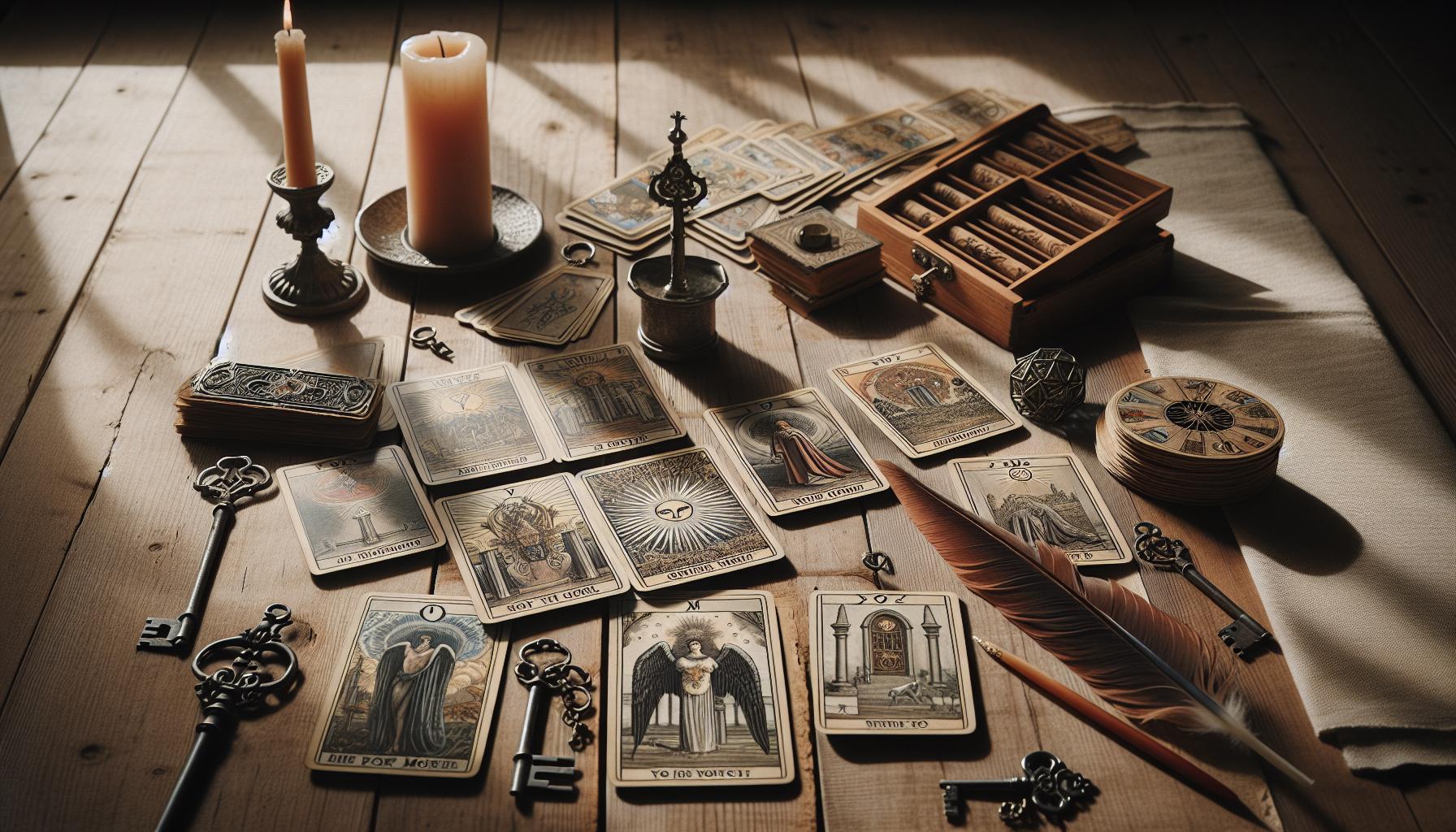
Understanding Tarot’s Revival in Modern Times
In recent years, tarot has experienced a remarkable resurgence, captivating the hearts and minds of a new generation. This revival is not merely a trend; it reflects a deeper yearning for connection, self-discovery, and guidance in our fast-paced, often chaotic lives. With the rise of social media and digital platforms, tarot readings have become accessible to anyone, anywhere, inviting both skeptics and believers alike to engage with this ancient practice.
One driving force behind this modern renaissance is the growing interest in self-care and mental wellness. Many individuals are turning to tarot as a tool for reflection and personal growth. The act of drawing cards can provide clarity during uncertain times, offering insights and fostering emotional resilience. Whether you’re facing a personal crossroads, seeking relationship advice, or simply looking for inspiration, tarot can serve as a conduit to your inner wisdom. This practice aligns beautifully with mindfulness traditions, promoting an open and introspective approach to life’s challenges.
Moreover, the diversity of contemporary tarot decks has played a significant role in the practice’s revival. Artists and creators are reimagining traditional imagery to reflect a wide array of cultures, identities, and experiences. From vibrant illustrations to inclusive themes, these new decks invite a broader audience to connect with the cards. For instance, decks that celebrate marginalized communities or depict non-traditional narratives resonate with users seeking representation and relatability in their spiritual tools.
To engage with tarot in today’s world, consider starting with a simple daily draw. You might pick a card each morning to set an intention for your day or explore specific questions that arise in your life. This practice not only cultivates intuition but also creates a personal connection to the cards. Remember, there is no right or wrong way to approach this; your journey with tarot is uniquely yours. As you explore its depths, embrace the magic of interpretation and trust your inner voice-after all, tarot is as much about the stories we tell ourselves as it is about the symbols on the cards.
Diving into Different Tarot Traditions Worldwide
Diverse tarot traditions have blossomed worldwide, each offering unique insights and interpretations rooted in various cultures. From the ornate decks of Italy to the more introspective practices of Asia, tarot reflects a rich tapestry of human experience and spirituality. Understanding these different tarot traditions not only enhances your reading practice but also deepens your connection to the cards and their meanings.
European Tarot Traditions
European tarot traditions trace back to the card games played in the 15th century, with notable contributions from Italy and France. The Visconti-Sforza deck, one of the oldest surviving tarot decks, is adorned with elaborate artistry that showcases the wealth of Italian nobility. In contrast, the French tarot, particularly the Tarot de Marseille, offers a more standardized set of symbols that resonate strongly with seekers today. This deck emphasizes the importance of numbers and suits, allowing readers to delve into the deeper meanings inherent in card combinations.
Tarot in the Americas
In the Americas, tarot has evolved uniquely, influenced by indigenous spiritual practices and the eclectic nature of contemporary spiritual movements. American tarot decks often incorporate elements of various cultures, addressing themes of self-empowerment and healing. The “Wild Unknown Tarot” exemplifies this trend with its vibrant, nature-inspired artwork that speaks to the personal connection between the reader and the universe. Additionally, practitioners in the U.S. frequently explore tarot not just as a divination tool but as a means of storytelling, connecting personal narratives to the archetypes represented in the cards.
Asian Influences on Tarot
In Asia, tarot sometimes intersects with traditional practices like I Ching and astrology. The Japanese tarot embraces the vibrancy of Japanese culture, often infusing cards with Shinto and Buddhist influences that encourage introspection and enlightenment. Meanwhile, Indian tarot decks might reflect the ornate symbolism of Hindu mythology, thereby offering a rich spiritual context. These decks serve as both divination tools and gateways to explore the philosophical ideas rooted in their cultures.
The Role of Modern Accessibility
Today, the teachings and practices of these diverse tarot traditions are more accessible than ever. Online communities and social media foster a collaborative environment where enthusiasts can share insights, techniques, and interpretations from various cultural perspectives. Whether your interest lies in a traditional European deck or a modern reinterpretation, exploring different tarot traditions can significantly enrich your readings.
Incorporating cultural knowledge enhances your understanding of card meanings and fosters a respectful appreciation for the craft. As you engage with these varied traditions, remember that tarot is a living practice, continuously evolving and inviting new interpretations that align with our ever-changing world.
Common Misconceptions About Tarot’s Origin
Despite its rich history and diverse applications, tarot continues to be shrouded in numerous misconceptions, especially regarding its origins. One prevalent myth is that tarot cards were originally designed solely for divination. In reality, tarot’s earliest roots can be traced back to the 15th century in Italy, primarily as a card game. The deck was used for leisure, with the earliest surviving examples, such as the Visconti-Sforza deck, reflecting the art and culture of the time rather than mystical purposes. This underscores how tarot evolved over centuries, transitioning from a game to a tool for introspection and spiritual guidance.
Another common misunderstanding is that tarot cards are inherently associated with dark or occult practices. While some interpretations and uses of tarot have taken on a more esoteric nature, many practitioners today view tarot simply as a reflective tool that helps individuals connect with their intuition and inner wisdom. The symbolism of the cards can provide insights into personal challenges, highlight emotional dynamics, and encourage self-discovery. Rather than serving as a means to predict the future with certainty, tarot invites users to explore life’s possibilities and reflect upon their decisions.
Furthermore, many people mistakenly believe that tarot is confined to a specific cultural or spiritual tradition. In truth, tarot has transcended geographical and cultural boundaries, influencing and incorporating various beliefs and practices worldwide. Whether one engages with the structured interpretations found in the Tarot de Marseille, the rich symbolism of the Rider-Waite-Smith, or modern decks that reflect contemporary themes and issues, every tarot deck offers a unique lens through which to engage with life’s questions. Embracing this diversity not only enriches the reading experience but also fosters a deeper understanding of the universal themes that tarot represents.
Ultimately, dispelling these misconceptions allows for a more open and welcoming exploration of tarot. Whether you are a skeptic or a believer, engaging with tarot can be a deeply personal journey of self-discovery and insight. By approaching the cards with curiosity and an open heart, you may find that they serve as powerful allies in navigating life’s complexities.
Connecting the Dots: Tarot and Spiritual Practices
Connecting the dots between tarot and spiritual practices reveals a rich tapestry woven from history, intuition, and personal insight. At its core, tarot serves as a potent tool for reflection, allowing users to delve into their inner worlds and explore spiritual questions. Many practitioners, whether novices or seasoned readers, find that the archetypal imagery on tarot cards resonates with their spiritual beliefs, providing a structured way to access deeper understanding and clarity.
A common entry point into tarot is through daily or weekly card pulls, which can be integrated into one’s spiritual routine. By simply asking a question or focusing on a specific area of life-such as relationships, career, or personal growth-you can draw a card that acts as a focal point for meditation and reflection. For instance, pulling the Two of Cups may invite you to explore connections with others, encouraging you to consider not just romantic relationships, but also friendships and professional interactions. This practice can help ground you in the present moment while inviting the energies of intuition and insight into your daily life.
Enhancing Your Spiritual Practice with Tarot
To enhance your spiritual practice using tarot, consider these steps:
- Create a Sacred Space: Set aside a quiet area where you feel comfortable and focused. Use candles, crystals, or incense to cultivate an atmosphere conducive to introspection.
- Set an Intention: Clearly define what you wish to explore or gain insight into before pulling cards. This helps align your mental and emotional energy with the task at hand.
- Reflect on Card Meanings: After drawing your cards, take time to interpret their meanings both individually and in relation to each other. Use guidebooks or online resources, but also trust your intuitive reactions.
- Journal Your Insights: Maintain a journal of your tarot pulls and reflections. Documenting your insights over time can reveal patterns and deeper understandings about your spiritual journey.
By integrating tarot into your spiritual practices, you empower yourself to navigate personal challenges and expand your consciousness. This journey is not exclusively for the “traditionally spiritual”; rather, tarot invites everyone-skeptics included-to explore and develop their intuitive abilities. Embracing the magical yet grounded aspects of tarot offers a bridge to understanding yourself and your place within a larger spiritual context.
Frequently asked questions
Q: What are the earliest known Tarot cards?
A: The earliest known Tarot cards date back to the 15th century in Europe, particularly in Italy. The Visconti-Sforza deck is one of the oldest surviving examples, showcasing ornate artistry and rich symbolism, paving the way for Tarot’s evolution into divination tools. For more on early decks, check our section on *Exploring the Symbolism of Early Tarot Decks*.
Q: How did Tarot transition from game to divination?
A: Tarot transitioned from a card game in the 15th century to a tool for divination in the 18th century, largely influenced by mystics like Antoine Court de Gébelin. This transformation was driven by a growing interest in the occult and a desire to seek insights into the human experience. Discover more in *The Transition from Playing Cards to Divination Tools*.
Q: Which ancient civilizations influenced Tarot’s development?
A: Tarot’s development was influenced by various ancient civilizations, including Egyptian, Hindu, and Greek cultures. Symbols in Tarot cards reflect concepts from these societies, intertwining mysticism and spirituality. Learn more in the section *Tracing Tarot’s Roots: Ancient Civilizations*.
Q: What role did mysticism play in Tarot’s history?
A: Mysticism played a crucial role in Tarot’s history, shaping its interpretation and usage as a divination tool. Mystics integrated spiritual insights and esoteric knowledge into Tarot practices, enhancing its depth. For deeper insights, refer to *The Role of Mysticism in Tarot’s Evolution*.
Q: When did Tarot become popular in modern spirituality?
A: Tarot became popular in modern spirituality during the 20th century, particularly with the rise of the New Age movement. This period saw Tarot embraced as a guide for personal growth and self-discovery. Explore more in *Understanding Tarot’s Revival in Modern Times*.
Q: Are there different Tarot traditions worldwide?
A: Yes, numerous Tarot traditions exist worldwide, each with unique interpretations and structures. Notable examples include the Rider-Waite system in the West and the Marseille Tarot in France. Delve into these variations in our section *Diving into Different Tarot Traditions Worldwide*.
Q: How do common misconceptions about Tarot’s origins impact its perception?
A: Common misconceptions, such as viewing Tarot solely as a fortune-telling tool or relating it to negative stereotypes, can hinder appreciation of its true nature. Understanding Tarot’s rich history enhances respect for its role in personal and spiritual exploration. Read more in *Common Misconceptions About Tarot’s Origin*.
Q: What is the significance of Tarot symbolism in ancient decks?
A: The significance of Tarot symbolism in ancient decks lies in its ability to convey complex ideas and archetypes. Each symbol serves as a gateway to deeper insight and understanding, helping users connect with their intuition and life experiences. For a detailed look, refer to *Exploring the Symbolism of Early Tarot Decks*.
Concluding Remarks
Exploring the origins of Tarot reveals a blend of history, mysticism, and cultural evolution that continues to fascinate many today. Understanding where Tarot came from not only enriches your reading experience but also connects you to the wisdom of the ages. Now that you’ve journeyed through its ancient roots, why not deepen your connection? Discover how the 3-Card Tarot Spread can provide instant insights into your life’s questions here. If love guidance is your focus, our 3-Card Love Reading is perfect for you.
We invite you to dive further into the world of Tarot. Consult our Tarot Card Definitions to enhance your understanding of each card’s meaning and narrative here. Don’t hesitate-go ahead and uncover the magic of Tarot in your life today! Your thoughts and experiences matter, so share them in the comments. Join our community, subscribe for updates, and let your Tarot journey unfold with us.
Get our latest guides, news, and insights highlighted in your Google Search & AI Overviews.