Have you ever wondered where tarot cards came from? These mystical tools, often viewed through the lens of fortune-telling, have a fascinating history that intertwines art, culture, and spirituality. Understanding the origins of tarot not only enriches your reading experience but also connects you to the diverse traditions and beliefs that have shaped its evolution. As you explore this journey through time, you’ll uncover how tarot has transformed from mere playing cards in medieval Europe to a profound instrument for insight and reflection. Whether you’re a seasoned reader or a curious newcomer, this exploration will deepen your appreciation for the cards and inspire your own intuitive journey. Join us as we dive into the historical tapestry of tarot, revealing not only its past but the wisdom it holds for your present and future.
The Historical Roots of Tarot: Uncovering Its Beginnings
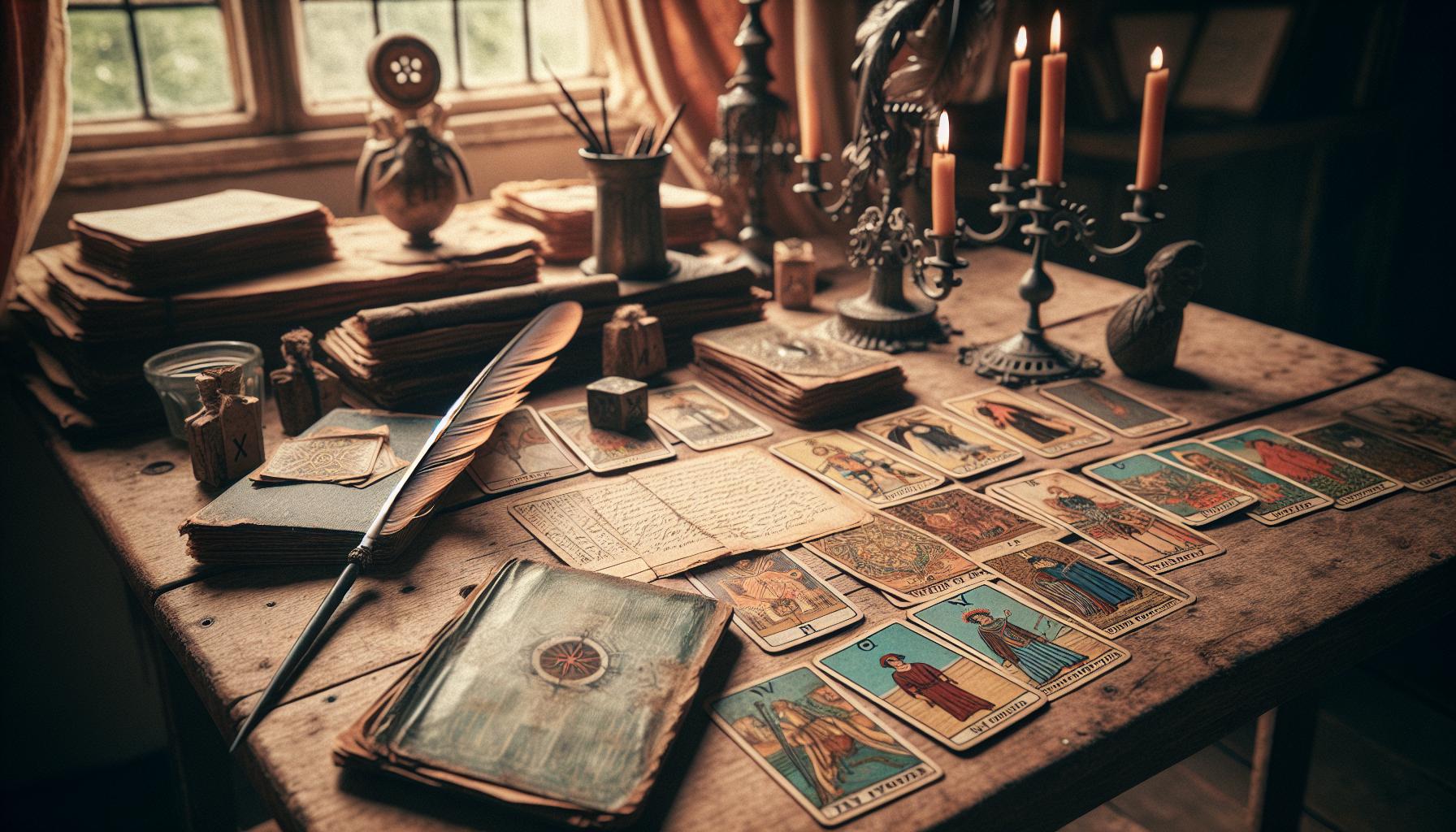
The origins of Tarot are as rich and varied as the decks it encompasses, extending back to the 15th century in Europe. Initially, Tarot cards emerged as a unique form of playing cards in Italy, used for games like Tarocchi, rather than for divination. The word “Tarot” itself is believed to have derived from the Italian “tarocchi,” which likely has connections to the term “tarocco,” meaning “to slander,” pointing to its uncertain and enigmatic beginnings. While many argue about the cards’ origins, they truly took on a mystical role in the late 18th century when scholars began to associate them with ancient Egyptian mysticism and the Kabbalah. This marked a significant turning point, where Tarot transformed from a simple game into a tool for spiritual exploration and esoteric divination.
The earliest known Tarot decks, such as the Visconti-Sforza deck, were richly illustrated and included major arcana cards that hinted at both moral and spiritual wisdom. These early designs set the stage for further development and adaptation. By the 15th century, Tarot had spread throughout Italy and was embraced by the upper class, often commissioned as beautiful works of art portraying themes that resonated with contemporary society. These decks reflected the culture of their time, often depicting courtly life, mythology, and the intricate social structures of the Renaissance period.
Tarot’s journey didn’t stop at art; it began to intertwine with spiritual and mystical practices. As more people sought to unlock the deeper meanings behind the cards, the Tarot was seen as a method for personal insight and guidance. This shift was notably propelled by figures like Antoine Court de Gébelin in the 18th century, who asserted the connection between Tarot and ancient wisdom, paving the way for its association with mysticism. His work, along with that of others, helped cultivate the understanding that Tarot held not just social or artistic significance but profound spiritual insight as well.
Indeed, the historical roots of Tarot fill an expansive tapestry of culture, art, and spirituality. Understanding these beginnings invites contemporary users to appreciate the depth and complexity of the Tarot cards, seeing them not just as mere tools for prediction but as a bridge into exploring the self, the universe, and the cyclical nature of life. This journey through history opens the door for anyone to engage with Tarot, regardless of their initial beliefs or experience level, affirming its place as a universal language of intuition and personal growth.
Key Milestones in Tarot’s Development
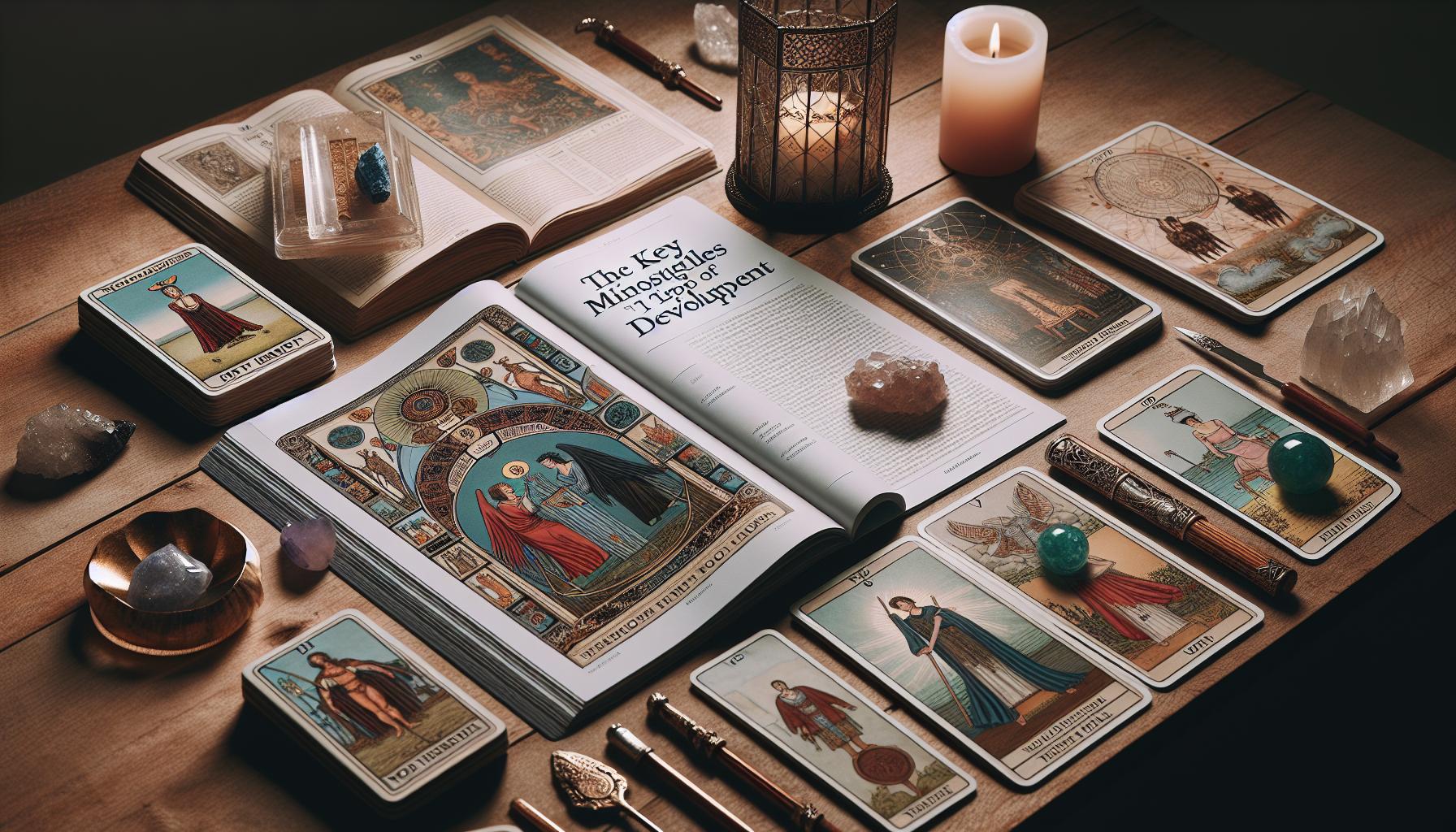
The evolution of Tarot is marked by several key milestones that reflect its transformation from a mere card game into a profound spiritual tool. Each development not only shaped the way Tarot is used today but also deepened its connections to art, mysticism, and personal insight.
One of the earliest significant moments in Tarot’s history occurred in the 15th century with the creation of the Visconti-Sforza deck. Commissioned by the noble families of Milan, this beautifully illustrated deck not only served as a source of entertainment but also introduced rich symbolism and thematic depth, featuring majestic imagery that celebrated contemporary society, moral tales, and spiritual wisdom. As these decks became popular among the elite, the association between Tarot and social status grew, paving the way for its later esoteric interpretations.
The late 18th century marks another pivotal turn for Tarot, particularly through the work of Antoine Court de Gébelin. His writings claimed that Tarot was linked to ancient Egyptian wisdom and Kabbalistic teachings, suggesting that the cards encoded universal truths. This perspective sparked widespread interest in Tarot as a mystical tool for divination rather than just as a game. As people sought a deeper understanding of themselves and the world, Tarot began to be viewed as a source of guidance and insight, facilitating personal exploration and connection to the divine.
In the 19th century, significant figures such as Eliphas Lévi and the creation of the Rider-Waite-Smith deck further propelled Tarot into the realms of mysticism and spirituality. The Rider-Waite-Smith deck, designed by Arthur Edward Waite and illustrated by Pamela Colman Smith, introduced detailed imagery on every card, making Tarot more accessible to practitioners. This deck emphasized narrative and symbolism, allowing users to engage with the cards on both a practical and spiritual level, offering insights into their lives.
Today, Tarot continues to be a rich tapestry of history and innovation. With diverse interpretations and styles emerging worldwide, users are empowered to explore their intuition and creativity through Tarot. Whether approached through a casual lens or with deep reverence, the milestones in Tarot’s development illustrate not only its enduring legacy but also its ability to adapt, resonate, and inspire across generations.
By understanding these key moments in Tarot’s history, you can appreciate the depth of insight the cards offer, empowering you to explore their meanings in your journey of self-discovery and spiritual growth. The past informs the present, and your engagement with these historical insights can enhance your Tarot practice, inviting both beginners and seasoned practitioners to connect deeply with the cards.
Exploring the Evolution of Tarot Decks
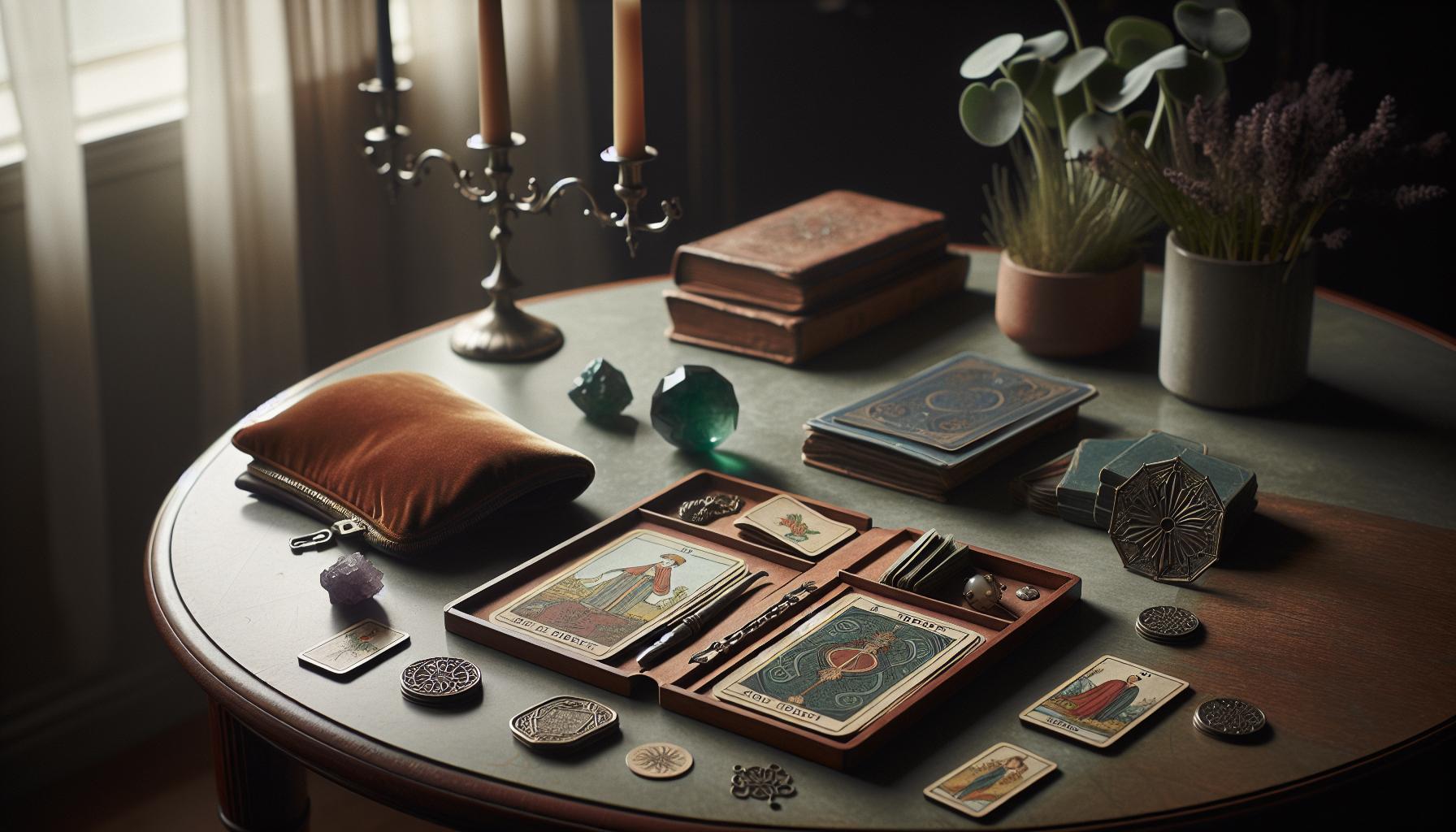
The journey of Tarot decks is as fascinating as the cards themselves, evolving through time to reflect the changing cultural landscapes and spiritual insights. From the ornate designs of early decks to the richly symbolic illustrations seen today, each Tarot deck serves as a mirror of its era, providing not only entertainment but also a pathway to deeper understanding.
Historically, the earliest Tarot decks, such as the Visconti-Sforza from the 15th century, were created as a card game for the nobility. These decks featured intricate artwork that celebrated the society of the time but did not yet fulfill the spiritual roles we associate with them today. As the use of Tarot spread throughout Europe, decks began to incorporate more symbolic elements and themes, paving the way for future interpretations.
In the late 18th century, a significant shift occurred with the artistic and mystical influences introduced by figures like Antoine Court de Gébelin and later Eliphas Lévi. They believed that Tarot cards were not merely for play but held ancient wisdom and spiritual insight. This perception sparked the creation of esoteric decks specifically designed for divination, with the Tarot de Marseille and, eventually, the Rider-Waite-Smith deck leading the charge. The Rider-Waite-Smith deck, illustrated by Pamela Colman Smith under Arthur Edward Waite’s guidance, brought forward a standardized structure and rich imagery that made Tarot more accessible to the public. Each card was imbued with deeper significance, helping users connect more profoundly with their readings.
Today, the evolution continues as artists and creators explore a plethora of cultural themes and styles, resulting in countless decks that cater to diverse preferences and backgrounds. Whether it’s a modern minimalist design or a deck inspired by ancient mythology, each iteration invites users-both skeptics and believers-to engage with Tarot’s timeless messages.
As you explore various decks, consider how they resonate with you personally. Choose a deck that speaks to your intuition and aligns with your journey, whether you seek guidance, self-exploration, or creative inspiration. Remember, the magic of Tarot lies not just in the cards themselves but in the connection you build with them.
Influential Figures in Tarot History
Throughout the history of Tarot, several key figures have emerged, shaping its evolution from a card game to a profound spiritual tool. One of the most influential early proponents was Antoine Court de Gébelin, an 18th-century French clergyman and occultist. He published a comprehensive analysis of Tarot in “Le Monde Primitif”, arguing that the Tarot was a repository of ancient wisdom, tracing its origins back to Egyptian priesthood. This claim sparked interest in Tarot as a mystical artifact rather than simply a card game, paving the way for its modern association with divination and spirituality.
Following Court de Gébelin, Eliphas Lévi further popularized the mystical view of Tarot in the 19th century. Lévi, a French occultist, published several works connecting Tarot to Kabbalistic traditions, alchemy, and ceremonial magic. His reinterpretation of Tarot as more than a mere game but as a map of the soul and the universe deeply influenced later Tarot readers and authors. Lévi’s ideas linked Tarot imagery with spiritual and philosophical concepts, enhancing its mystique and appeal.
The creation of the Rider-Waite-Smith deck by Arthur Edward Waite and artist Pamela Colman Smith in 1909 marked a significant milestone in Tarot history. They introduced richly illustrated cards, each filled with symbolism and detailed imagery that facilitated intuitive readings, making Tarot more accessible to the general public. Waite and Smith emphasized the importance of the symbolism behind each card, encouraging users to delve into their meanings and explore their own intuition, a practice that continues to resonate with Tarot enthusiasts today.
In addition to these historical figures, many contemporary artists and authors are reshaping Tarot for modern audiences. They draw upon diverse cultural backgrounds and artistic styles, creating decks that resonate with people’s personal journeys and spiritual explorations. This ongoing evolution illustrates Tarot’s adaptability, remaining relevant in a rapidly changing world while encouraging connections across cultures and beliefs. Embracing both its historical roots and modern interpretations allows individuals to find their unique path within the expansive landscape of Tarot.
Cultural Variations of Tarot Through Time
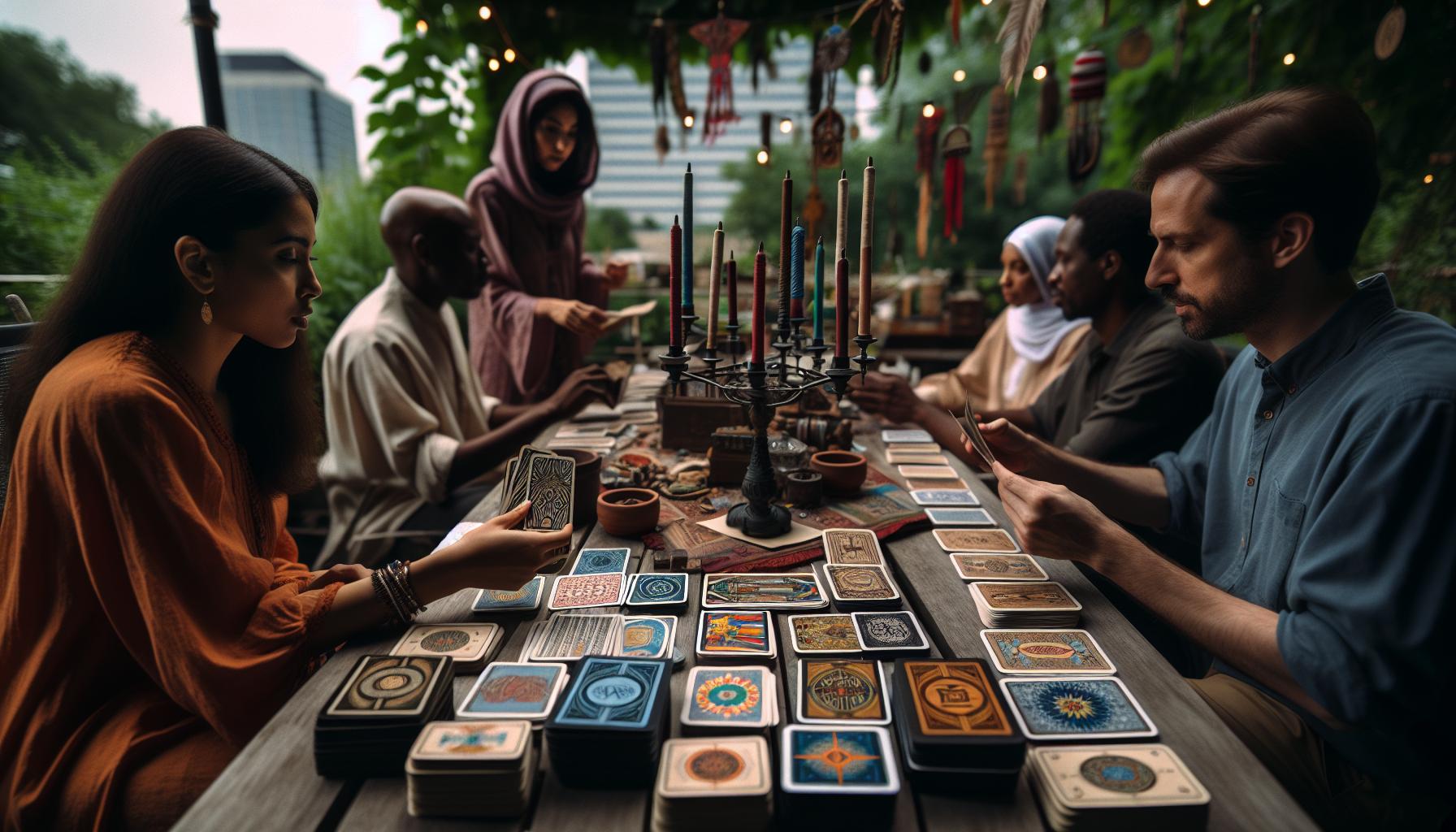
The journey of Tarot through different cultures has profoundly shaped its meanings, interpretations, and applications. Each society has imbued the cards with unique perspectives, making the Tarot a versatile tool for personal insight and collective storytelling. From its earliest uses as a simple card game to its current standing as a source of spiritual guidance, Tarot has absorbed and reflected the cultures in which it exists.
Among these variations, Italy holds a special place in Tarot history. The Tarot’s earliest recorded decks date back to the 15th century, where they were used not for divination but as playing cards. These tarocchi decks, adorned with vibrant imagery and symbolic characters, laid the groundwork for the Tarot’s future. Italian Renaissance culture profoundly influenced the deck’s artistry, blending mythology and spiritual themes with a growing interest in humanism. The Visconti-Sforza Tarot is a prime example, showcasing elaborate designs that have become iconic in Tarot lore.
In contrast, France played a crucial role in the evolution of Tarot into a tool for mysticism and divination. By the 18th century, Tarot began to undergo a transformation as it was integrated into the esoteric traditions of French occultism. Figures like Antoine Court de Gébelin and Eliphas Lévi presented the Tarot as a sacred text, connecting it to ancient wisdom and mystical practices. This shift opened the door for Tarot to be recognized not just as a game, but as an influential spiritual tool.
Moving to the United States, the cultural integration of Tarot took a more eclectic form, influenced by a diversity of spiritual practices. The New Age movement in the late 20th century brought Tarot into the homes of many, as individuals sought personal growth and self-exploration. Modern American Tarot decks often reflect a range of cultural influences, incorporating themes from feminism, LGBTQ+ rights, and environmentalism. Artist decks, like the Wild Unknown Tarot, resonate with those looking for connections between spirituality and contemporary life, clearly illustrating how Tarot can evolve as cultural conversations shift.
As Tarot continues to adapt to changing cultural landscapes, it remains a bridge between the historic and the modern. Its ability to incorporate various traditions and beliefs makes it a powerful medium for self-exploration and guidance. Whether you are delving into the rich mystique of a traditional deck or embracing a contemporary artistic interpretation, Tarot invites you to explore your intuition and connect with the deeper mysteries of life. This ongoing dialogue across cultures not only highlights Tarot’s adaptability but also underscores its timeless relevance as a tool for reflection and insight.
The Role of Tarot in Renaissance Europe
The emergence of Tarot during the Renaissance signified a transformative moment in its history, intertwined with the cultural and intellectual awakening of Europe. This era, marked by a revival of classical thought and humanist ideals, provided fertile ground for Tarot to flourish beyond mere entertainment into realms of art, philosophy, and eventually spirituality. The Renaissance not only shaped the artistic expressions evident in Tarot decks but also redefined the cards’ purpose, paving the way for their later role in mysticism and divination.
One of the most significant developments during this time was the enhancement of the Tarot’s visual symbolism. Artists drew inspiration from the rich tapestry of classical mythology, biblical references, and contemporary human experience. Decks created during this period, such as the aforementioned Visconti-Sforza Tarot, featured intricate designs that resonated with the ideals of beauty and truth central to Renaissance thought. The use of imagery became a way to communicate deeper meanings, inviting players and seekers alike to engage with the cards on an intuitive level.
In addition to aesthetic developments, Tarot began to attract the interest of philosophers and occultists seeking to fuse ancient wisdom with new ideas. Figures like Marsilio Ficino, who played a pivotal role in reviving Platonic thought, viewed Tarot as a potential reflection of cosmic truths. His ideas contributed to a narrative that posited Tarot as a bridge between the physical and the spiritual realms. This association gradually elevated Tarot from a card game to a tool for personal reflection and insight, appealing to those exploring human nature and destiny.
While the Renaissance heralded a new appreciation for the esoteric qualities of Tarot, it also cultivated a climate of skepticism. The rising influence of science and rationality brought about questioning of the mystical practices of earlier generations. Yet, rather than extinguishing the Tarot’s allure, this skepticism allowed for a richer dialogue about its interpretation and usage. The cards became a way to navigate the uncertainties of life, offering both a reflection of personal struggles and a vehicle for spiritual exploration.
As we traverse this pivotal epoch, we understand that was not merely as a game-it became a canvas for artistic expression, a mirror reflecting humanity’s complexities, and a gateway to self-discovery. This multifaceted approach laid the foundational stones for Tarot’s evolution into a revered divination tool, resonating with both seekers of wisdom and skeptics alike, embodying a timeless journey into the mysteries of life and the self.
Myth vs. Reality: The Origins of Tarot
The origins of Tarot are often shrouded in a blend of fact and folklore, making it a fascinating subject that invites both curiosity and skepticism. Many enthusiasts believe Tarot to be an ancient artifact, potentially dating back to Egypt or even further to mystical traditions that predate known civilization. However, historical evidence paints a more mundane picture, rooted firmly in the 15th century, primarily in Europe. The Tarot’s early history unfolds not as a tool for divination but as a card game-one that was played among the nobility of Italy.
Tracing the Historical Lineage
The first documented references to Tarot cards appear in 1440, with decks like the Visconti-Sforza commissioned for entertainment. These early cards did not have the intricate symbolism associated with modern Tarot; rather, they were created for gaming purposes, reflecting the social and cultural dynamics of the time. As Tarot spread throughout Europe, it began to evolve, incorporating elements of the prevailing cultural context. This transformation laid the groundwork for the Tarot we recognize today, infused with rich imagery, deeper meanings, and a distinct spiritual purpose.
From Game to Divination
The shift from a mere card game to a tool of divination occurred gradually, coinciding with the Renaissance-a period that saw a reawakening of interest in mysticism, spirituality, and the esoteric. Scholars like Paracelsus and later occultists revived ancient philosophies, intertwining them with the Tarot’s imagery. This transition marked the emergence of Tarot as a means of introspection and guidance rather than mere entertainment.
While it is tempting to romanticize the origins of Tarot, separating myth from reality reveals a story that is no less magical. The Tarot serves as a psychological mirror, reflecting not just the personal journeys of individuals but also the collective consciousness of humanity. Today, it is a bridge linking ancient wisdom with modern inquiry, accessible to everyone, regardless of belief. Whether you are a skeptic or a seeker, Tarot resonates with truths that are universally human, making it a valuable tool for self-exploration and intuitive growth.
In having a realistic perspective on Tarot’s origins, you can appreciate its historical depth while embracing its modern applications. The narrative of Tarot is not merely about where it came from but how it has evolved to serve as a supportive guide in navigating the complexities of life.
Tarot’s Connection to Mysticism and Spirituality
The allure of Tarot transcends its origins as a mere card game, weaving its way into the rich tapestry of mysticism and spirituality that captivates many today. At its core, Tarot serves as a profound tool for self-exploration and insight, inviting users to peel back the layers of their consciousness. It provides a unique language of symbols and archetypes that echo the universal themes of human experience, making it accessible and relevant to both skeptics and believers alike.
Throughout history, Tarot has been embraced by various esoteric traditions and spiritual practices, often viewed as a bridge between the seen and unseen worlds. The use of Tarot in divination stems from its ability to tap into the subconscious mind, offering guidance that resonates with the individual’s current life situation. Each card tells a story, filled with nuances that can reflect one’s thoughts, feelings, and experiences. For example, drawing the High Priestess might encourage introspection, signaling a need to trust one’s intuition, while the Fool can signify new beginnings and adventures ahead.
Honing your connection with Tarot is less about rigid interpretations and more about cultivating a personal relationship with the cards. Here are some practical tips to deepen your spiritual practice with Tarot:
- Start with Daily Draws: Pull one card each day and reflect on its meaning in the context of your day. Ask yourself how it resonates with your current feelings or situations.
- Create a Sacred Space: Designate a quiet area for your readings, filled with items that inspire you-like candles, crystals, or personal treasures-to enhance your intuitive connection.
- Journal Your Insights: Keep a Tarot journal where you document your readings, thoughts, and feelings. Over time, this will reveal patterns and deepen your understanding of both the cards and yourself.
- Experiment with Spreads: As you become more comfortable, try different spreads-like the three-card spread for past, present, and future, or more complex ones that address specific questions.
By integrating these practices, you’ll find that Tarot not only offers guidance but also acts as a mirror reflecting your inner world. Whether you approach Tarot as a path to spiritual enlightenment or a technique for personal insight, it holds the potential to enrich your life profoundly. Ultimately, the connection between Tarot and spirituality lies in its ability to weave together our stories, illuminating the path forward in a world rich with possibility.
An Overview of Tarot in Modern Culture
In today’s world, Tarot cards have transcended their origins and have blossomed into a multifaceted cultural phenomenon. No longer merely tools for divination, they have become symbols of empowerment, self-discovery, and creative expression. The modern Tarot landscape is vibrant, with a diverse community of practitioners who draw upon its rich history while infusing it with contemporary relevance.
Many individuals encounter Tarot through various media, including social networks, where practitioners share daily card pulls, insights, and personal stories. This accessibility fosters a welcoming environment, inviting both believers and skeptics to explore its depths. Content creators on platforms like Instagram and TikTok often use their interpretations to demystify the cards, illustrating that Tarot can be a personal journey rather than an esoteric mystery confined to experts. This shift in perception encourages people to view Tarot as a reflective practice, capable of offering clarity and insight into everyday dilemmas.
Practical Applications in Daily Life
For those interested in integrating Tarot into their lives, there are countless practical applications beyond traditional readings. The use of Tarot for journaling, goal setting, and creative writing has gained popularity. Here are some hands-on ways to engage with Tarot today:
- Intuitive Journaling: Use a card drawn each morning as a prompt to delve into your thoughts and feelings, allowing the card’s imagery to inspire deeper reflection.
- Creative Projects: Incorporate Tarot themes into art, writing, or music. Many artists find that Tarot sparks their creativity, informing their work with its rich symbolism.
- Group Practices: Consider hosting Tarot gatherings where friends can share readings and insights. This peer interaction can deepen understanding and foster community bonds.
This modern approach not only enhances personal development but also reinforces the notion that Tarot is for everyone, regardless of their level of expertise. By creating inclusive spaces where all are welcome to explore and learn, the Tarot community continues to thrive.
Overall, the contemporary embrace of Tarot reflects a broader cultural movement towards introspection and authenticity. It encourages individuals to trust their intuition, explore their inner worlds, and connect with the universal experiences that bind us. Whether you’re a seasoned reader or just beginning your journey, the evolving nature of Tarot invites you to engage with this timeless practice in a way that resonates personally and meaningfully.
Understanding Tarot’s Symbolism and Imagery
The imagery and symbolism in Tarot are rich and intricate, designed to guide seekers through their journeys of self-discovery and intuition. Each card functions as a visual language that speaks directly to our subconscious, evoking feelings, memories, and insights. Understanding these symbols allows both beginners and seasoned practitioners to deepen their connection with the cards, enhancing their readings and personal reflections.
At the heart of Tarot’s symbolism is the journey of the Fool, the first card in the Major Arcana. Depicting the spirit of adventure and potential, the Fool invites us to embrace the unknown with an open heart and mind. On a practical level, when interpreting cards, consider both the imagery and the way these symbols resonate with you personally. Begin by identifying core meanings: the Sun often represents joy and success, while the Moon can evoke illusions and hidden truths. From there, reflect on how the card’s imagery speaks to your current situation or emotional state. For instance, if you draw the Three of Swords, with its imagery of heartbreak and separation, think about how that resonates with your life experiences and feelings at that moment.
To effectively interpret a Tarot card’s symbolism, here are some practical steps:
- Visual Inspection: Spend a few moments observing the card. Note colors, shapes, and figures. How do they make you feel?
- Symbolic Meaning: Research traditional meanings, but also trust your instincts. If a specific element stands out, explore what it might signify for you personally.
- Contextual Understanding: Consider how the card fits within the spread you are using. Does it align with an ongoing theme or resolve an issue you’re facing?
- Emotional Intuition: Allow your emotions to guide your interpretation. What feelings arise when you focus on this card? Compassion, fear, excitement? Honor those feelings.
As you progress in your Tarot practice, integrating imagery and symbolism becomes second nature. For example, if you find yourself frequently connected to the imagery of the Star card-often representing hope and healing-pay attention to those moments in readings or in your life when that card’s energy resonates with you. Keeping a Tarot journal can enhance this process, allowing you to track your interpretations and feelings associated with specific cards over time.
Ultimately, the ongoing relationship between you and the cards is where the real magic lies. Embrace the journey, and don’t shy away from the profound wisdom each symbol offers. By doing so, not only will you gain insights into your own life, but you’ll also cultivate a greater understanding of the universal experiences that connect us all.
How Tarot Became a Tool for Divination
The transformation of Tarot from a humble deck of playing cards into a revered tool for divination is a fascinating journey steeped in history and mysticism. Initially, Tarot cards emerged in the 15th century in Europe, primarily for entertainment rather than spiritual purposes. As these cards caught the attention of intellectuals and mystics during the Renaissance, their imagery and symbolism began to attract deeper interpretations. It was in this rich cultural milieu that Tarot transitioned into a means of divination.
In the 18th century, Tarot gained prominence as a mystical tool through the works of influential figures such as Antoine Court de Gébelin, who posited that Tarot held ancient wisdom and esoteric knowledge from Egypt. This theory, although largely unfounded, sparked a fascination with the cards as a method for exploring the self and the universe. The intricate symbolism embedded in the cards was interpreted as a profound language through which the subconscious could communicate, allowing users to gain insights into their lives and futures.
To engage with Tarot as a divination tool, one often starts by shuffling the deck while focusing on a question or intention. This process invokes the energy of the cards, which many believe enhances their interpretive power. The spread, or layout of the cards, plays a critical role in interpreting the messages. For instance, drawing the Three of Cups in a position related to relationships may signal joyful reunions or celebrations, while the same card in a different context might convey a need for community and support. Each card’s position and the surrounding cards contribute to a layered, nuanced interpretation.
Understanding how to read Tarot for divination involves embracing both the traditional meanings of the cards and your intuitive insights. Beginners can start with simple spreads-like the three-card spread-to explore past, present, and future influences on their query. As your confidence grows, you can experiment with more complex layouts, such as the Celtic Cross, which provides a deep dive into multiple facets of a question. Always remember, the essence of Tarot is about connection-between the cards, the reader, and the energies at play. As you cultivate this relationship, you will discover that Tarot can be a powerful ally in your journey of self-discovery and insight.
Faq
Q: Where did Tarot cards first originate?
A: Tarot cards likely originated in Italy during the 15th century, initially used for playing games such as Tarocchi. While they evolved to hold divinatory and mystical significance, their early purpose was purely recreational. You can explore more about Tarot’s historical roots in our article sections.
Q: What was the original purpose of Tarot cards?
A: Originally, Tarot cards served as a playing deck in the Italian courts. The transition to divination began much later in the 18th century. Understanding this shift can give you deeper insight into Tarot’s multifaceted history. For a detailed exploration, see our “Myth vs. Reality” section.
Q: How has the interpretation of Tarot cards changed over time?
A: The interpretation of Tarot cards has evolved significantly from mere gameplay to a tool for spiritual insight. Early interpretations focused on entertainment, but by the late 1700s, authors like Court de Gébelin linked Tarot to ancient wisdom, reshaping its purpose. Check our exploration of key milestones for specifics.
Q: When did Tarot become associated with mysticism?
A: Tarot became associated with mysticism in the late 18th century when esoteric groups began using the cards for divination and self-reflection. This marked a substantial shift in perception, leading to its current associations. Dive into the connection between Tarot and mysticism in our dedicated article section.
Q: Who were some key figures in the development of Tarot?
A: Key figures include Antoine Court de Gébelin and 19th-century mystics like Eliphas Lévi. They played pivotal roles in redefining Tarot’s meaning, linking it to Kabbalah and the occult. Learning about these influencers can enhance your understanding of Tarot’s historical context.
Q: How do cultural variations influence Tarot practices?
A: Cultural variations greatly influence Tarot practices, as different regions incorporate unique symbols and interpretations. For example, the Thoth deck reflects Egyptian influences, while the Marseille deck aligns with French heritage. Understanding these differences enriches your reading experience. Check our section on cultural variations for more details.
Q: Why is Tarot often linked to the Renaissance?
A: Tarot is linked to the Renaissance due to the period’s emphasis on art and humanism, which led to more intricate designs and deeper symbolisms in Tarot decks. This era marked a significant artistic revival, impacting Tarot’s visual and interpretive aspects. Explore our “Role of Tarot in Renaissance Europe” section for further insights.
Q: What are some myths about the origins of Tarot?
A: Many myths exist regarding Tarot’s origins, such as the belief that it originated from Egyptian hieroglyphs. In reality, its roots are more closely tied to European playing cards. Debunking these myths helps clarify Tarot’s true history. We’re examining these misconceptions further in our “Myth vs. Reality” section.
Final Thoughts
As you embark on your journey through the fascinating history of tarot, remember that each card carries its own story-just as you carry your own. The origins of tarot not only reveal a rich tapestry of culture and spirituality but also invite you to explore your personal path through tarot readings. If you’re eager to deepen your understanding, check out our detailed guide on the meanings behind tarot cards and the unique insights each spread can offer.
Don’t miss out on enhancing your intuitive abilities-grab your deck and try a free 3-card reading today to uncover what the universe has in store for you. Join our community by signing up for our newsletter, where you’ll receive exclusive insights, tips, and resources tailored to your tarot journey. Keep exploring, and let your curiosity guide you toward greater self-discovery and empowerment through the mystical world of tarot!
Get our latest guides, news, and insights highlighted in your Google Search & AI Overviews.