
Many people turn to tarot for guidance in their relationships, seeking insight and clarity. However, without proper understanding and sensitivity, tarot readings can inadvertently lead to misunderstandings or fears that may impact relationships negatively. This article addresses the crucial question: can tarot cards ruin relationships? By exploring healthy reading practices, we’ll help you navigate potential pitfalls while using tarot as a tool for growth and connection. Whether you’re a newcomer or a seasoned reader, you’ll discover valuable tips to ensure your readings foster love and understanding, rather than anxiety or strain. Join us as we delve into how to make your tarot practice supportive and empowering for both you and your loved ones.
Understanding the Power of Tarot in Relationships
The world of tarot is rich with potential for understanding and enhancing relationships. At its core, tarot serves as a powerful tool for introspection and revelation, offering insights that can deepen the bonds between individuals. By drawing cards, participants can gain clarity on their feelings, desires, and the dynamics present in their relationships. This often leads to profound realizations that might otherwise remain buried in the subconscious, helping couples and friends navigate their emotional landscapes more effectively.
When engaging with tarot, it’s essential to approach it with an open mind and a willingness to reflect. For instance, consider an example where a couple draws cards about their relationship. Each card might represent their individual perspectives and hidden feelings, leading to discussions that foster understanding. Imagine pulling the Two of Cups; this card signifies connection and partnership, encouraging conversations about mutual respect and emotional reciprocity. The imagery and symbolism in the cards act as catalysts for dialogue, helping individuals articulate thoughts and feelings that can be challenging to express, thereby enhancing emotional intimacy.
However, it’s crucial to note that the power of tarot in relationships is not absolute; it requires responsibility and ethics. Using tarot to manipulate or predict outcomes can lead to miscommunication and mistrust. Practicing tarot with the intent to understand rather than control lays a solid foundation for productive conversations. For example, utilizing a spread focused on future possibilities should come with the recognition that the cards provide guidance, not concrete answers. This understanding helps maintain a balanced perspective, allowing relationships to flourish in a space of open-hearted exploration rather than fear or apprehension.
To maximize the benefits of tarot in relationships, establish a practice that values communication, consent, and respect for each other’s emotional boundaries. By honoring these practices, tarot can serve not only as a window into the soul but also as a bridge that connects hearts, fostering deeper connections and empathy among partners.
How Tarot Card Readings Impact Emotional Dynamics
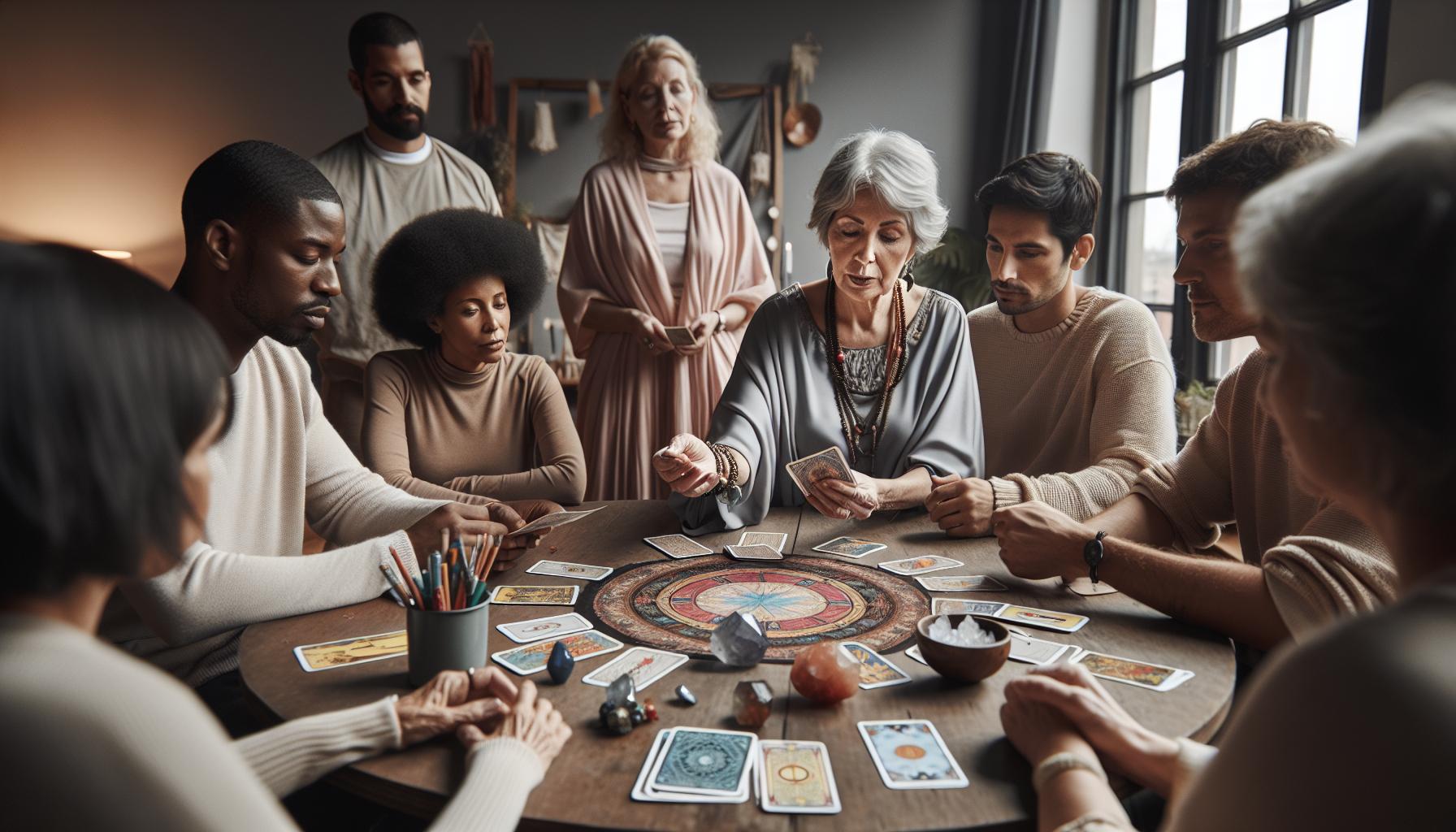
Engaging with tarot can evoke a wide range of emotions, often illuminating the complex dynamics of relationships. When individuals consult the tarot, they are not just seeking answers; they are embarking on a journey toward self-discovery and relational insight. For example, drawing the Tower card during a reading may reveal underlying tensions in a partnership. This revelation can serve as a catalyst for often-difficult conversations, pushing both partners to confront issues they might otherwise avoid. Understanding these insights can deeply shift the emotional landscape, leading to either growth or conflict, depending on how they are processed.
Every tarot reading functions as a mirror, reflecting personal and relational truths. Cards can symbolize emotions, desires, and unspoken conflicts. When partners share the experience of drawing cards together, they create a unique narrative that helps them comprehend each other’s perspectives. A couple drawing the Lovers card might feel inspired to discuss their goals and commitments, strengthening their bond through shared vulnerability. However, if approached carelessly, tarot can also amplify insecurities and fears. For instance, a reading that focuses excessively on negative cards, like the Five of Cups, without the context of growth can lead to despair rather than clarity. Thus, it’s essential to maintain a balanced perspective to nurture emotional health.
Moreover, keeping ethical considerations in mind is crucial when incorporating tarot into relational dynamics. Healthy tarot practices focus on empowerment and insight rather than prediction or control. It’s vital for readers to establish clear intentions before a session, such as seeking understanding rather than solutions. This approach generally fosters a supportive atmosphere, allowing for deeper communication. Set aside time after the reading for reflection, encouraging partners to digest insights together and discuss feelings that arose during the session. This step solidifies the emotional connection and enhances clarity.
Ultimately, tarot can be a transformative tool in relationships when navigated mindfully. Emphasizing open dialogue and mutual respect allows couples to explore their emotional realms safely. When both partners feel heard and validated, tarot not only enriches their connection but also empowers each individual’s journey, making it a shared exploration of love and understanding that can withstand challenges and foster resilience.
Signs Tarot Readings May Harm Relationships

Engaging in tarot readings can be a profound experience for couples, yet it is essential to recognize that the cards can also pose risks to relationships if not approached mindfully. One of the most significant threats arises from the interpretation of challenging or foreboding cards without context. For instance, drawing the Death card may alarm partners; however, in a meaningful reading, this card often signifies transformation rather than an end. Misinterpretation can lead to unnecessary fear or anxiety, causing rifts based on misunderstanding rather than reality. It’s vital to frame negative cards within the broader narrative of growth and potential rather than focusing solely on the perceived doom.
Another way tarot can negatively impact relationships is through dependency on readings for decision-making. If partners begin to rely heavily on tarot for guidance instead of openly communicating with one another, emotional distance may develop. This reliance can create an imbalance in the relationship dynamics, where one person feels burdened with the need to seek external validation instead of trusting their intuition or engaging in discussions with their partner. Encouraging individuals to use tarot as a tool for reflection rather than a definitive answer can help maintain a balanced dynamic.
Cultivating a safe and respectful environment is crucial during a tarot session. If one partner dominates the reading or interprets the cards in a way that belittles the other’s feelings, it can lead to resentment. Ensuring that both partners have equal say in the reading and that each person’s perspective is honored fosters trust and safety in the exploration. Setting boundaries around how tarot is used-perhaps designating certain topics as off-limits or framing discussions around personal growth rather than predictions-can further help mitigate potential harm.
Finally, it’s crucial to acknowledge that fierce emotions can surface during readings, often bringing unresolved issues to the forefront. If not managed with care, this heightened emotionality can lead to conflict rather than resolution. Establishing a post-reading discussion time where both partners can express their feelings and insights allows for processing emotions together. This practice can transform a potentially harmful reading into an opportunity for deeper connection and understanding, ensuring that both partners leave the session with clarity and support.
Setting Boundaries: Healthy Tarot Practices

Engaging with tarot can be a deeply enriching experience, but without clear boundaries, it can lead to misunderstandings and emotional upheaval in relationships. Establishing guidelines for how and when to use tarot within partnerships not only enhances the reading but also protects the emotional wellbeing of both partners. This deliberate structure allows tarot to serve as a framework for communication rather than a final authority.
One essential practice is to discuss and agree upon the purpose and scope of your tarot readings beforehand. Consider questions like: What do we want to achieve with this reading? Are we seeking guidance on a specific issue, or do we wish to explore our relationship dynamics? By articulating clear intentions, you avoid potential disruptions and maintain a focus on mutual growth and understanding. Each partner should feel free to voice their thoughts on what topics are appropriate or off-limits, which reinforces respect and emotional safety.
Creating a Ritual
Incorporating a ritual can also set a positive tone for tarot sessions. Create a calming environment by lighting candles, using crystals, or even playing soft music. This intentional space signals that the reading is a sacred practice, fostering a mindset of openness and receptivity. Before diving into the cards, take a moment to ground yourselves-perhaps through deep breathing or a shared mantra. This series of actions not only prepares both partners emotionally but also establishes a respectful boundary that elevates the reading into a meaningful ritual rather than a casual activity.
Encouraging Post-Reading Reflection
After a tarot session, set aside time to reflect together on the experience. Encourage each partner to express their insights and feelings, creating space for dialogue about any emotions that arose during the reading. This practice helps ground any intense feelings that may have surfaced and prevents misunderstandings from festering. For example, if the Five of Cups appears-symbolizing loss or regret-discuss its meaning openly. By sharing interpretations and feelings, partners can navigate the nuances of the message and ensure both individuals feel heard and validated.
Ultimately, setting boundaries around tarot practice isn’t about limiting its power; instead, it cultivates a healthier relationship dynamic. Embrace the journey of discovery with an open heart and a clear framework, allowing tarot to be a source of support and connection rather than confusion or disconnection.
Choosing the Right Spread for Relationship Insights
Choosing the appropriate tarot spread can profoundly influence the clarity and depth of insights you gain regarding your relationship. Each spread serves a specific purpose, allowing you to explore various aspects of your connection, from emotional dynamics to future possibilities. By selecting a spread that aligns with your questions and intentions, you create a focused framework for the reading, enhancing both understanding and communication between partners.
One popular option for relationship readings is the Three-Card Spread. This simple yet effective format allows you to explore past, present, and future dynamics within the relationship. For instance, draw one card for how your past experiences together have shaped your current situation, another for the present energy surrounding your partnership, and a third to reflect on potential future developments. This straightforward approach not only facilitates deeper discussions but also makes it accessible for beginners.
For those seeking more intricate insights, the Relationship Spread can be particularly illuminating. This spread typically includes positions such as what each partner brings to the relationship, the strengths and weaknesses at play, and areas where growth is needed. Each card drawn can provide a nuanced understanding of both partners’ perspectives and shared challenges, fostering empathy and connection. As an example, if you find the Two of Cups in the position representing strengths, it beautifully emphasizes emotional bonding and mutual support, indicating a solid foundation upon which to build further intimacy.
Additionally, you might consider the Celtic Cross spread for a more comprehensive overview of your relationship’s dynamics. This ten-card spread explores both internal and external influences, illuminating challenges and highlighting growth opportunities. It’s ideal for couples facing significant changes or conflicts and encourages comprehensive dialogue on emotions or fears. When approaching this spread, take note of how each card interrelates, as this can unveil complex narratives about your relationship.
Ultimately, choosing the right spread not only enhances your tarot practice but encourages essential conversations-making the experience a shared journey of discovery. Whether you lean towards a straightforward three-card reading or a more complex Celtic Cross, the key is to foster a safe, open environment where both partners feel comfortable expressing their thoughts and feelings. As you explore your cards together, allow the insights to guide your discussions, fostering a deeper connection and understanding that enriches your relationship.
Effective Communication with Tarot Insights
Effective communication is at the heart of any successful relationship, and Tarot can serve as a unique tool to enhance dialogue between partners. Utilizing Tarot insights not only helps clarify individual feelings but also fosters a shared language, making it easier to express complex emotions. When embarking on a Tarot reading focused on relationship dynamics, it’s vital to approach the cards as a means of exploring both personal and mutual narratives.
One effective way to incorporate Tarot into your discussions is to establish a regular ritual of readings together. You might consider doing a weekly relationship check-in where each partner draws a card and reflects on its meaning in the context of their feelings or experiences that week. This practice encourages openness and vulnerability. For instance, if one partner draws the Page of Cups, they might express emerging feelings or creative ideas that can brighten the partnership, inviting the other partner to share their own interpretations and feelings.
Clear and respectful communication about the insights gained from the cards is essential. It’s helpful to frame conversations around what you perceive or feel rather than declaring absolute truths. For example, if a card suggests conflict, pose it as a question: “Do you think this resonates with what we’ve been experiencing lately?” This approach not only invites collaboration but also reduces defensiveness, allowing both partners to engage with the concerns raised by the Tarot reading.
Additionally, consider documenting key insights from your Tarot sessions in a shared journal. Writing down interpretations, feelings, and responses fosters accountability and reflection. This practice can help solidify learnings over time and create a historical context for understanding the evolution of your relationship. Keeping the tone supportive and open encourages a positive dialogue, turning potential miscommunications into opportunities for growth.
Lastly, approach each reading with an open heart and mind. Remember, Tarot is not a definitive guide but rather a reflective tool meant to spark discussion and self-discovery. When partners feel safe to express their thoughts and concerns, the love and trust within the relationship will flourish. By weaving Tarot into your communication practices, you create not just a deeper understanding of each other but also a richer emotional tapestry to share.
Navigating Conflict: Tarot as a Relationship Tool
Conflict is an inevitable part of any relationship, but how couples navigate these challenges can either strengthen or weaken their bond. Tarot, often seen as a mystical tool, can offer profound insights into relationship dynamics and help partners address conflicts with clarity and compassion. When faced with discord, reaching for the Tarot deck can illuminate underlying issues and foster healthier conversations.
Using Tarot as a tool in conflict resolution starts with a shared intention. Begin by selecting a spread designed for conflict or communication, such as a three-card layout where each card represents perspectives on the issue at hand. For instance, the first card could illuminate how one partner perceives the conflict, the second may reveal the other partner’s view, and the third can suggest a potential resolution or path forward. This structured approach not only creates space for each partner’s voice but also encourages empathy by highlighting different viewpoints.
It’s crucial to approach each reading with an open heart and a willingness to listen, rather than to impose interpretations or expectations. After drawing the cards, take turns sharing your interpretations and feelings about what the cards reveal. This collaborative environment minimizes defensiveness and fosters a non-judgmental atmosphere. If a card like the Five of Wands surfaces, which may indicate conflict or competition, approach the topic gently. Ask questions like, “How do you see this playing out for us?” or “What does this competition feel like in our relationship?” This method encourages both partners to discuss their needs and feelings without feeling attacked.
Moreover, documenting insights from your Tarot sessions can be invaluable. Create a shared journal where you record the cards drawn, your interpretations, and reflections after each reading. This practice serves as a reference point for future discussions and allows both partners to track their communication patterns and emotional growth over time. By doing this, you cultivate awareness around recurring themes in your relationship, paving the way for deeper understanding and connection.
Ultimately, Tarot can be a transformative tool for navigating conflict, provided it is used with intention, respect, and care. When approached mindfully, each reading can foster communication, enhance emotional intimacy, and transform disagreements into opportunities for growth and healing. By embracing the insights from Tarot, couples can nurture a relationship built on trust and mutual understanding, turning the challenges of conflict into pathways toward a stronger partnership.
Building Trust Through Ethical Tarot Reading
Trust is the cornerstone of any relationship, and when it comes to Tarot readings, establishing an ethical practice is vital for nurturing that trust. Engaging with Tarot in a transparent and respectful manner can create a safe environment where partners feel secure exploring their emotions and concerns. One way to build this trust is through clear communication about the purpose and limitations of Tarot. When both partners understand that Tarot is a tool for reflection rather than an absolute predictor of the future, it sets a more grounded expectation.
Establish Ethical Guidelines
Setting ethical guidelines before diving into a Tarot session helps both partners feel more comfortable and respected. Consider discussing the following points:
- Intentions: Clearly articulate why you want to use Tarot. Is it for conflict resolution, understanding feelings, or enhancing intimacy?
- Consent: Both partners should agree to participate and feel comfortable with the process.
- Interpretations: Remind each other that interpretations can vary. Make space for open dialogue about the meaning each partner derives from the cards.
Communicating these points not only clarifies expectations but also empowers both partners to approach the reading with an open heart.
Practice Transparency
Transparency in your Tarot practices can significantly enhance trust. Share your reading process with your partner. Explain how you shuffle, draw cards, and interpret them, emphasizing that the reading is a cooperative exploration. For instance, if you draw the Two of Cups, which often signifies harmony and partnership, discuss how both of you interpret that energy within your relationship context. This openness fosters a collaborative spirit and shows that you value their perspective.
Furthermore, if you encounter cards with challenging meanings, such as the Tower, discuss these openly. Frame difficult insights as opportunities for growth rather than definitive warnings. This way, instead of creating fear or anxiety, you invite constructive conversation about what those challenges might look like in your relationship.
Focus on Shared Experience
Ultimately, the Tarot journey should be a shared experience, allowing each partner to contribute to the interpretation and insights gained. Encourage your partner to ask questions about the cards and express their interpretations. By actively participating in the reading, both partners feel invested in the process, which strengthens the bond of trust.
Consider keeping a Tarot journal together after your sessions. Documenting your insights not only serves as a reference for future discussions but also helps track how both of you grow and change over time. Reflecting on past readings can reveal patterns, progress, and even shifts in your emotional dynamics, enhancing both your understanding and your relationship.
By engaging with Tarot ethically and transparently, you cultivate an atmosphere of trust, ensuring that the insights gained serve as a foundation for deeper connection rather than a source of anxiety or skepticism. Building trust through ethical Tarot practices can transform your readings into a powerful tool for cultivating intimacy and understanding in your relationship.
Avoiding Misinterpretation: Common Pitfalls in Tarot
Misinterpretations in Tarot readings can easily lead to confusion, anxiety, or even conflict in relationships. The cards, while rich in symbolism and insight, are not always straightforward. They can prompt fear or incorrect assumptions if not approached with care. Recognizing common pitfalls can help turn Tarot from a source of stress into a powerful tool for connection and understanding.
One common misstep is taking card meanings too literally. For example, drawing the Death card can invoke panic, leading one to think it signals an end. In Tarot, however, Death often signifies transformation and new beginnings. It’s crucial to communicate and clarify interpretations with your partner, reminding each other of the broader meanings. Practicing this open dialogue can transform potential misunderstandings into valuable discussions about change and growth.
Another pitfall is using Tarot to predict outcomes with certainty. This can create an unhealthy dependency on the readings, making partners feel trapped by what they believe the cards foretell. Instead, it’s more beneficial to view Tarot as a reflective tool that prompts exploration of feelings and situations. For instance, if The Tower appears, instead of fearing upheaval, discuss what areas of your relationship might need restructuring for greater harmony. This perspective fosters proactive communication, encouraging partners to navigate uncertainties together.
Distraction by desire can also distort readings. When seeking answers to pressing relationship questions, emotional bias may cloud judgment. This is where grounding practices come in handy. Approach each session with intentions clarified-focus on the questions at hand without letting personal biases warp your interpretation. For example, if you desire reassurance about a partnership’s future, ensure you view the cards through an objective lens, inviting your partner’s insights and feelings into the discussion.
Establishing boundaries is essential in mitigating misinterpretations. Both partners should agree on how they wish to use Tarot in their relationship and set clear guidelines for discussions. This includes deciding which areas are open to exploration and which should remain private. Together, you can then cultivate a space where each reading supports growth without stepping into the territory of invasive prediction. Ultimately, the goal is to leverage Tarot for deeper insights, propelling mutual understanding and compassion while steering clear of potential pitfalls.
Creating a Safe Space for Tarot Sessions
Creating a positive atmosphere for Tarot readings can significantly enhance the experience, transforming it into a powerful tool for insight and connection. A safe space allows both partners to explore their thoughts and feelings honestly, fostering trust and understanding. Whether you’re seasoned Tarot readers or just beginning to venture into the mystical arts, establishing this sacred environment is crucial.
First, consider the physical setup for your readings. Choose a calm, comfortable location that feels inviting and private. This could be a cozy corner of your home or a dedicated meditation area. Ensure the space is free from distractions-turn off electronic devices and consider soft lighting or candles to create an intimate ambiance. Surrounding yourselves with calming elements, such as plants, crystals, or meaningful objects, can also enhance the energy of the space, inviting openness and reflection.
- Set Intention: Before starting, both partners should express their intentions for the reading. Share what you hope to gain from the session-whether it’s clarity on a specific issue or a general exploration of your relationship dynamics.
- Establish Ground Rules: Agree on how you will handle challenging topics. Discuss what areas might be off-limits or how to approach sensitive issues compassionately.
- Create Rituals: Incorporate simple rituals to signal the beginning and end of your sessions. This could be lighting a candle, using sage to cleanse the space, or even a grounding exercise like deep breathing together.
When conducting the reading, maintain a mindset of curiosity rather than judgment. Approach the cards as tools for discussion rather than definitive answers. For example, if you draw The Lovers card, instead of immediately jumping to conclusions about your relationship’s future, explore its themes together-what does love mean to each of you? This shift from prediction to exploration encourages deeper conversations and strengthens your emotional bond.
Finally, remember that the goal of Tarot is to enhance understanding and connection. After each reading, take time to reflect together on what you’ve discussed. This practice not only reinforces a safe space but also builds trust in your partnership. By prioritizing communication and care in your Tarot sessions, you will create an environment that nurtures personal growth and mutual discovery, keeping your relationship vibrant and connected.
Enhancing Relationships with Positive Tarot Rituals
Incorporating positive rituals into your Tarot practice can significantly enhance your relationship, offering a space for connection, understanding, and personal growth. Rituals not only create a sacred atmosphere but also establish a sense of trust and safety that fosters deep emotional sharing. Engaging in these practices encourages both partners to explore their thoughts and feelings more openly, making the Tarot experience enriching and transformative.
- Daily Card Draw: Start or end your day by drawing a single card together. Discuss what the card means to each of you in the context of your relationship. This simple exercise promotes daily reflection and encourages continuous communication.
- Relationship Spread: Use a Tarot spread specifically designed for relationships, focusing on each partner’s feelings, needs, and shared goals. A common spread involves three cards: one for each partner and one representing the relationship itself. This format invites open dialogue about your emotional landscapes.
- Celebrating Milestones: Create a ritual around anniversaries or special moments-draw cards to reflect on your journey together. This can manifest as a share ritual where you recount how your relationship has evolved through the lens of the Tarot, celebrating both challenges and triumphs.
- Healing Circles: If conflicts arise, gather for a healing session using the Tarot. Choose a card that represents an issue and discuss how it reflects your shared experiences. This can help both partners gain perspective without blame, fostering understanding and compassion.
Creating these rituals doesn’t have to be complex; they can be as simple as lighting a candle before your reading or dedicating a particular day of the week to Tarot practice. Approach each session with openness, and recognize that the cards are not just divinatory tools but also catalysts for conversation. The insights gained can shift perspectives and deepen emotional connections, making Tarot a valuable ally in nurturing your relationship.
Success Stories: Transformative Tarot Experiences
The transformative power of Tarot can profoundly alter the landscape of relationships, offering clarity, connection, and insight that fosters healing and growth. Many couples have shared their experiences of how Tarot readings helped them navigate through difficulties. For example, one couple, struggling with recurring arguments, used a tailored Tarot spread focused on their conflicts. By interpreting the cards, they discovered underlying fears and insecurities influencing their reactions. This newfound understanding allowed them to approach each other with compassion, reshaping their communication patterns.
Another inspiring story comes from a partner who drew cards on their anniversary to reflect on their shared journey. Selecting cards symbolizing their past challenges and victories, they engaged in a heartfelt conversation that rekindled their connection. The exercise not only celebrated their love but also reinforced their commitment to supporting each other’s growth. This practice of drawing cards during significant moments can create lasting memories that serve as anchors in times of uncertainty, allowing for ongoing dialogue about their evolving relationship.
Moreover, ethical Tarot readings, grounded in trust and respect, can also lead to transformative experiences. A counselor who integrates Tarot into her practice found that discussions about the cards enabled clients to voice concerns that had been difficult to express. This therapeutic approach facilitated deeper emotional exploration, bridging gaps in understanding and creating a safe space for vulnerability. Clients often reported feeling more empowered and aligned with their true feelings, leading to healthier interactions within their relationships.
Through these success stories, it’s evident that when approached with intention and care, Tarot can be a powerful tool for transformation. Whether seeking to resolve conflicts, celebrate milestones, or enhance emotional intimacy, the insights drawn from the cards can provide invaluable guidance. By opening up the lines of communication and fostering a constructive dialogue, Tarot becomes a vital ally in nurturing enduring, loving relationships.
Frequently Asked Questions
Q: Can tarot readings cause conflicts in relationships?
A: Yes, tarot readings can lead to conflicts if misinterpretations occur. When clients rely too heavily on the cards without open communication, anxiety may arise. To minimize issues, ensure clear discussions about reading outcomes, encourage shared interpretations, and always approach results as guidance rather than absolute truths.
Q: How can I set boundaries around tarot readings in my relationship?
A: Setting boundaries is crucial for healthy tarot practices. Discuss with your partner what topics are off-limits and agree on when or how often to consult the cards. Establishing these limits keeps both partners comfortable and maintains mutual respect. Reference Setting Boundaries: Healthy Tarot Practices in our article for more tips.
Q: What should I avoid when reading tarot for relationship advice?
A: Avoid absolute predictions or negative framing. Instead, focus on guidance and growth possibilities. It’s essential to keep readings empowering and use them to foster communication rather than instill fear or panic. This approach encourages constructive dialogue in relationships.
Q: How do I ensure a tarot reading is beneficial for my relationship?
A: To ensure a positive impact from tarot readings, create a safe space for discussions. Focus on open communication, promote honesty about feelings, and interpret readings collaboratively. This method nurtures trust and strengthens the relationship bond.
Q: What signs indicate that tarot readings are harming my relationship?
A: Signs of harm include increased misunderstandings, avoidance of issues, or emotional distress. If your partner feels overwhelmed or anxious after readings, it may indicate a need to refocus how you use tarot. Regular check-ins can help gauge emotional responses and adjust practices accordingly.
Q: Why is effective communication important after tarot readings?
A: Effective communication post-reading is vital to clarify insights and feelings. Discussing interpretations openly not only solidifies understanding but also ensures both partners see the reading’s value. This dialogue transforms potential fear into actionable steps for growth.
Q: How can positive tarot rituals enhance my romantic relationship?
A: Engaging in positive tarot rituals can significantly enhance romantic connections. Rituals like card draws for shared intentions or relationship insights foster collaboration. These practices align both partners towards a common goal, aiding emotional bonding and growth over time.
Q: What role does trust play in tarot readings for couples?
A: Trust is fundamental in tarot readings among couples. It fosters an environment where both partners feel safe to share their insights and fears. Building trust through ethical readings ensures both partners view the tarot as a supportive tool rather than a source of anxiety.
In Retrospect
As we wrap up our exploration of “Can Tarot Cards Ruin Relationships: Healthy Reading Tips,” remember that tarot is a powerful tool when approached with care and respect. By following the tips outlined, you can enhance your reading experience, turning potential challenges into valuable insights. If you’re eager to dive deeper into your love life, why not try our 3-Card Love Reading for personalized insights? Or check out our guide on maintaining healthy boundaries in tarot, which can further empower your readings.
Don’t hesitate to share your thoughts or questions in the comments-your experience could light the way for others on their tarot journey. For more mystical insights, sign up for our newsletter to stay updated with the latest articles and resources that enrich your spiritual path. Embrace the magic of tarot with confidence, knowing it can be a supportive ally in your relationships. Explore, learn, and let the cards guide you!
Get our latest guides, news, and insights highlighted in your Google Search & AI Overviews.