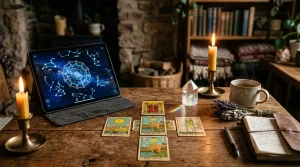
Many people turn to tarot as a powerful tool for insight and self-reflection. Understanding how to pull tarot cards accurately can enhance your readings, whether you’re a curious beginner or an experienced reader seeking deeper connections. The way you handle the cards can significantly impact the clarity and depth of the messages you receive, guiding you toward wisdom and personal growth.
By mastering proper techniques, you can nurture your intuition and gain confidence in your ability to interpret the cards. This isn’t just about predicting the future; it’s about unlocking the guidance that resides within you. As you read on, you’ll discover step-by-step methods, along with practical tips that cater to all skill levels. Embrace this journey with an open heart and mind, as the world of tarot welcomes you to explore your inner landscape and the magic that unfolds with each shuffle and draw.
Understanding Tarot Card Basics for Accurate Readings
Understanding the nuances of Tarot cards is essential for anyone seeking to harness their power for accurate readings. At its core, Tarot is a tool for introspection, providing insights that transcend the surface level of everyday concerns. Each card in a standard 78-card deck carries its own symbolism and meaning, which can address various aspects of life such as relationships, career, and personal growth. By familiarizing yourself with these meanings, you deepen your intuitive connection to the cards, allowing for richer interpretations during readings.
When preparing to pull cards, it’s important to approach the deck with an open heart and focused mind. Begin by centering yourself through a brief meditation or grounding exercise. This sets the energy for your reading and aligns your intentions with the universal energies at play. As you shuffle the cards, consider the question or theme you wish to explore. This not only helps in energizing the cards but also connects your inquiry with the intuition inherent in the practice.
Selecting a card should feel organic. You can either draw cards randomly from a shuffled deck or spread them out face down and choose intuitively-whatever resonates with your style. An engaging way to enhance this process is to pause and listen to your inner voice; sometimes, the most profound messages come from a nudge that pulls you toward a specific card. Remember, there’s no right or wrong way to pull cards; the key is creating a ritual that feels authentic to you. This personal connection invites clarity and guides you toward insightful revelations.
Ultimately, understanding Tarot isn’t solely about memorizing card meanings; it’s also an exploration of your own intuition and your unique interpretation of messages conveyed through the cards. Each reading is a dance between cards and reader, a partnership that allows for discovery and deeper understanding of oneself and the world around us.
Essential Tarot Deck Selection Tips for Beginners
Choosing the right tarot deck is a vital first step on your journey into the world of tarot reading. With a myriad of designs, themes, and interpretations available, it can be overwhelming for beginners. The right deck resonates with you on a personal level and helps deepen your intuitive connection. Remember, tarot is as much about the card images and symbols as it is about your emotional response to them.
When selecting your tarot deck, consider starting with the classic Rider-Waite Tarot. Its imagery is rich with symbolism and widely recognized, making it easier to find resources, interpretations, and community discussions. This familiarity can ease your learning curve. However, if something in a different deck captivates you-be it the art style, concept, or theme-trust that intuition. The connection you feel to a deck can enhance your readings significantly.
Tips for Choosing Your First Tarot Deck:
- Explore Different Art Styles: Visit a local bookstore or browse online to see various decks. Pay attention to what aesthetic appeals to you. Do you prefer whimsical illustrations, classic depictions, or modern interpretations?
- Read Reviews and Guidebooks: Many tarot decks come with guidebooks that can provide insights about the authors’ intentions. Reading these can help you understand if the deck aligns with your personal approach to tarot.
- Consider Your Purpose: Reflect on why you want to use tarot. For personal insight, a standard deck may suffice. If you’re drawn to a specific theme (like nature or mythology), look for decks that speak to those interests.
- Check the Card Quality: Ensure that the cards are durable and of good quality, as you’ll be handling them often. Thicker cards can withstand shuffling better; explore options that feel comfortable in your hands.
As you narrow down your options, think about how you feel when you look at the cards. A deck that evokes emotion or sparks curiosity can be a powerful companion in your readings. Once you’ve selected your deck, consider giving it a personal touch-like dedicating a card or performing a cleansing ritual to imbue it with your energy. This not only honors the deck but also signals your commitment to the journey ahead. With the right deck in hand, you’ll be well-equipped to explore the profound insights that tarot can offer.
Preparing the Space: Setting Intentions for Accurate Readings
Creating a supportive environment before a tarot reading can significantly enhance the clarity and accuracy of your insights. By thoughtfully preparing your space, you invite positive energies and signal your intention to connect deeply with the cards. A well-prepared physical and mental space allows for richer interpretations and a more intuitive reading process.
Begin by choosing a quiet location where you feel comfortable and undisturbed. This might be a dedicated reading area in your home or a tranquil spot in nature. Set the mood to foster focus and peace-consider dimming the lights, lighting candles, or burning incense to help cleanse the space. As you do this, take a moment to breathe deeply and center yourself. This act of grounding not only calms your mind but also aligns your energy with the intentions you’re about to set.
Next, it’s essential to clarify your purpose for the reading. Whether it’s seeking guidance for a specific issue or exploring general insights about your life, stating your intention reinforces your focus. You might say this intention out loud or write it down. For instance, if your question revolves around career changes, verbalize your desire to uncover the information you need to move forward confidently.
As you prepare, you can also place meaningful objects around your workspace. Crystals, photographs, or items that resonate with your intention can serve as focal points, helping to enhance the energy in your environment. Each of these elements contributes to a sacred atmosphere where you can trust your intuition and the messages from the cards.
Finally, take a moment for personal reflection or meditation before you begin. Visualize a protective light surrounding you and your tarot deck, creating a sacred barrier against any negative energy. This not only reinforces your psychic boundaries but also helps you feel more empowered during your reading process. By preparing your space with intention and care, you’re inviting clarity and intuition to guide you through your tarot journey.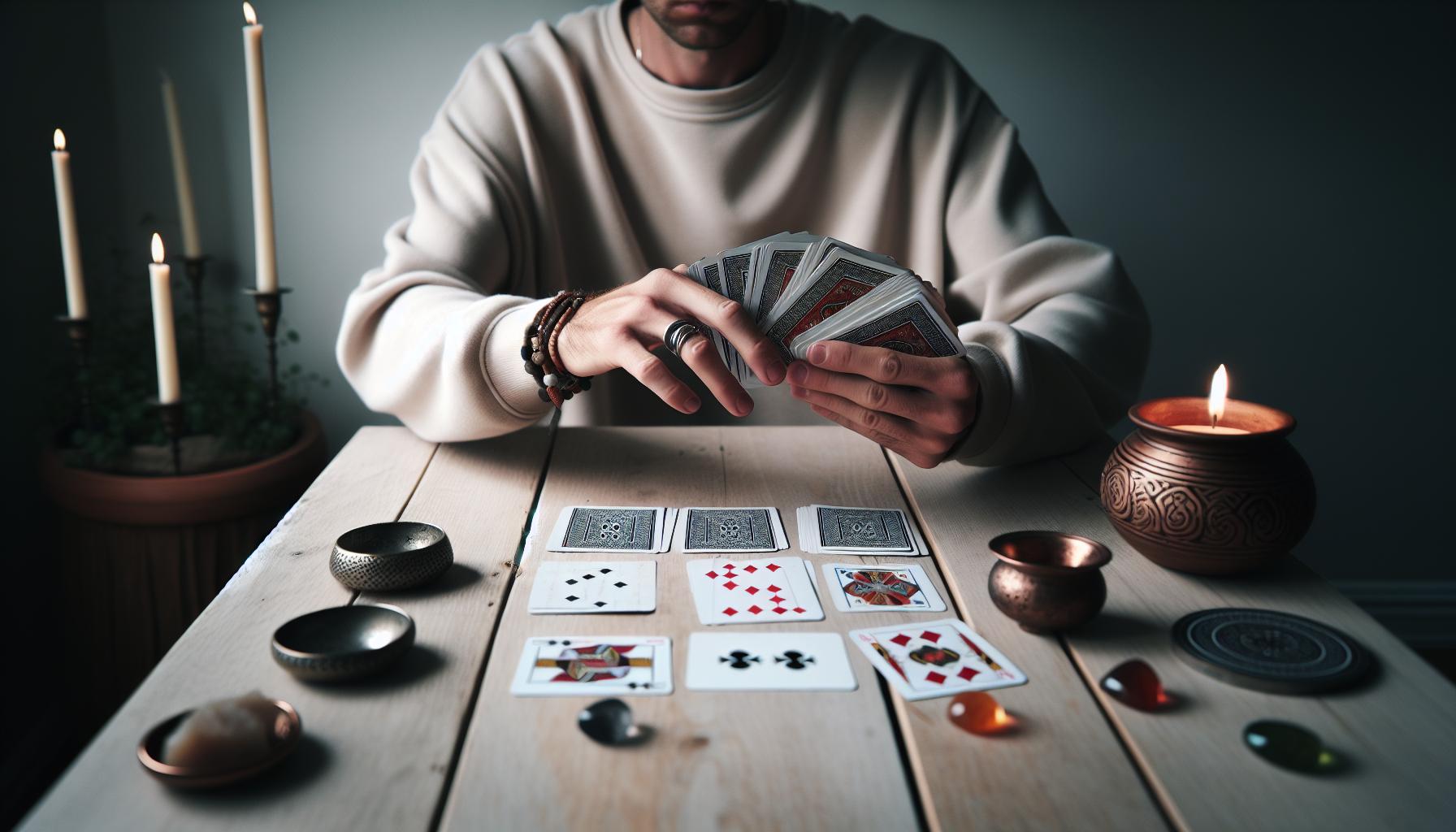
The Art of Shuffling: Techniques for Energizing Your Cards
Engaging with your tarot deck begins long before you pull any cards; it starts with the act of shuffling. This seemingly simple step is charged with intention, making it a crucial part of the reading process. Shuffling is not just about mixing the cards; it’s about infusing them with your energy and the question you seek answers to. By consciously shuffling, you prepare both yourself and the deck for a meaningful connection.
One effective technique is the overhand shuffle, perfect for beginners. Hold the deck in one hand and use the other to slide off small sections of cards and let them fall back into the deck. This method allows cards to intermix while keeping the process intuitive. As you shuffle, focus on your question or intention, visualizing the energy of your inquiry flowing into the deck. For those more comfortable with handling cards, the riffle shuffle can also be utilized. Divide the deck in half and let them cascade together. This method provides a thorough mixing and can be quite satisfying to perform, bringing a tactile aspect to your shuffling ritual.
Bring depth into this process by incorporating mindful breathing. As you shuffle, take slow, deep breaths, letting go of distractions and inviting clarity. You might even incorporate a mantra or affirmation related to your question, repeating it quietly to yourself as you shuffle. For example, if you’re seeking clarity on a relationship, you could think, “I am open to receiving guidance on love.” This practice not only energizes your cards but also helps center your thoughts.
Finally, after several rounds of shuffling, fan out the cards face-down and let intuition guide you. Notice which cards draw your attention. This last act of connection before selecting helps solidify the bond between you and the deck, ensuring that the cards you pull resonate deeply with your intentions. As you continue to practice these techniques, shuffling will become a sacred part of your tarot journey, encouraging accuracy and insight each time you read.
Choosing the Right Spread: Aligning with Your Questions
Choosing the right spread for your tarot reading is essential for aligning your inquiry with the insights you seek. A tarot spread acts as a framework that guides the flow of the reading and can significantly influence the depth and clarity of the messages you receive. Think of it as the map that directs your journey, helping you explore various facets of a situation with more precision and focus. Whether you’re a beginner seeking a quick answer or an advanced reader diving into complex themes, the right spread can enhance your interpretation and understanding.
For those just starting, a simple three-card spread can be a great choice. This spread typically answers the questions of past, present, and future, providing a well-rounded overview that is easy to digest. For instance, you might pull a card representing the influence of past experiences on your current situation, a second representing your current state, and a third that indicates potential future outcomes. This straightforward method allows beginners to practice interpretation without feeling overwhelmed.
As you gain confidence, consider exploring other spreads like the Celtic Cross or the Relationship Spread. The Celtic Cross, for example, offers a more comprehensive analysis of a situation, consisting of ten cards that address the core issue, influences, past influences, future outlook, and more. This advanced layout can uncover nuanced insights and underlying themes that might not be apparent in simpler spreads. For relationship inquiries, a pair of cards can be drawn, one for each person involved. This will help you decipher the dynamic between the two and understand how each person’s energy affects the relationship.
When choosing a spread, be mindful of your questions. If you’re seeking guidance on a relationship, a spread specifically focused on interpersonal dynamics will yield deeper insights. If your inquiry revolves around career decisions, a spread that highlights professional aspirations or obstacles will be more beneficial. Your intention is the compass that directs your spread choice. Remember, as you engage with different spreads, take note of how each one resonates with your style and needs. Over time, you’ll develop a personal library of preferred spreads that best align with your inquiries, elevating your tarot experience.
Intuitive Techniques: Trusting Your Inner Guidance in Readings
Trusting your inner guidance during tarot readings can significantly enhance the accuracy and relevance of your insights. When you approach a reading, it’s essential to remember that your intuition is a powerful tool, often providing clarity and direction that can surpass textbook interpretations. Allowing your instincts to guide you not only energizes the experience but also helps you connect deeper with the cards and their messages.
One effective way to nurture your intuitive abilities is to embrace a mindful state before beginning your reading. Take a moment to center yourself-close your eyes, take a few deep breaths, and visualize a light surrounding you. This sacred space sets the tone for the reading and invites clarity. When you pull a card, let your mind observe the imagery, colors, and symbols without rushing to dictionary meanings. Ask yourself what feelings arise when you see this card. This initial reaction is often where your intuition kicks in, providing unique perspectives that resonate with your question.
In practice, if you pull the Two of Cups in a reading about relationships, instead of immediately referring to its traditional meaning of partnership, consider how the artwork speaks to you. Perhaps the imagery evokes feelings of harmony or reminds you of a specific relationship dynamic in your life. Engage in a dialogue with the card; ask it questions like, “What do you want me to understand about this connection?” or “What action does this relationship invite?” This approach cultivates a two-way conversation, deepening your understanding and interpretation.
It’s also helpful to keep a journal of your readings, where you note your intuitive hits alongside the card meanings. Over time, this record will reveal patterns in your insights, bolstering your confidence. You may find that certain cards consistently trigger specific feelings or messages for you. This practice not only builds your intuitive skills but also creates a personalized reference guide that reflects your unique relationship with the tarot, transforming each reading into a rich, layered experience filled with personal meaning.
By allowing yourself to trust your intuition and using these techniques, you can unlock deeper insights in your tarot readings, making the process both a profound spiritual practice and a useful tool for personal reflection. Remember, tarot is as much about your inner voice as it is about the cards themselves.
Interpreting Card Meanings: Beyond the Surface
Understanding the deeper meanings behind tarot cards is essential for elevating your readings beyond basic interpretations. Each card in the tarot deck carries layers of symbolism, culture, and personal significance that can affect how it resonates with querents. When you draw a card, it’s not just about the textbook meaning; it’s about how that meaning interacts with your intuition, the question at hand, and the surrounding cards.
To begin interpreting card meanings, start by examining the imagery. Look closely at the colors, symbols, and figures depicted on the card. For instance, the High Priestess is often portrayed with a crescent moon and a veil, suggesting mystery, intuition, and the subconscious. Ask yourself how these elements apply to your question. What emotions does the image stir? Connecting your personal feelings with the visual representation can unlock insights that you may not find in traditional interpretations.
Another layer of depth can be achieved through the context of the reading. Consider the spread you are using and the position of the card within that spread. For example, a card that represents obstacles may carry a different meaning when drawn in a position that indicates external influences versus one that suggests internal challenges. This contextual awareness is vital in creating a narrative that resonates with your specific situation.
Additionally, engage in conversations with your cards. Ask them questions as you would a friend, seeking clarification or deeper understanding. For example, if you pull the Eight of Swords, instead of merely interpreting it as feeling trapped, ask, “What is keeping me confined?” or “What do I need to see to break free?” This method of dialogue helps to foster a two-way relationship with the cards, enhancing the richness of your reading.
An effective practice to deepen your understanding is to maintain a tarot journal. Document your interpretations, along with the emotions and thoughts that arise during your readings. Over time, you may start to notice patterns-certain cards may elicit consistent feelings or insights. This record becomes a powerful tool for personal growth and understanding, allowing you to track your evolving relationship with the tarot and the unique messages it offers you.
By venturing beyond surface-level meanings and engaging deeply with the cards, you will find that each reading offers profound insights that resonate on multiple levels, providing clarity and direction in your personal and spiritual journey.
Combining Card Pairs: Unpacking Relationships and Themes
Combining tarot cards can reveal rich narratives and deeper insights in your readings, transforming individual meanings into a tapestry of relationships and themes. When two or more cards appear together, they interact, offering a layered understanding that can illuminate your querent’s situation. This combination approach encourages a dialogue between the cards, unveiling connections that might not be evident when interpreting them in isolation.
To effectively unpack card pairs, start by assessing the individual meanings of each card. Look for overarching themes or elements that resonate with your question. For instance, if you draw the Two of Cups alongside the Three of Swords, you might explore themes of love challenged by heartache. The Two of Cups signifies partnership and harmony, while the Three of Swords often represents sorrow and conflict. Together, they can indicate a relationship in need of healing or reconciliation.
Next, consider the elemental significance. Many decks are structured around four elements: water, earth, fire, and air. Cards from the same element may amplify one another’s meanings, while different elements can create tension or complementary energy. For example, combining a water card like the Page of Cups (emotional, intuitive) with a fire card such as the Knight of Wands (passionate, action-oriented) may suggest a scenario where emotional sensitivity enhances boldness, or, conversely, where impulsiveness could lead to emotional overwhelm.
Don’t forget to pay attention to the positions of the cards in your spread. Cards positioned as “past influences” may inform the context of those in the “present” or “future” positions. If the Hanged Man appears in the past position, followed by the Empress in the present, you might interpret this as a transition from a period of surrender or pause into one of abundance and nurturing. It illustrates the growth and evolution that can occur from moments of stillness.
Finally, trust your intuition as you synthesize these messages. Allow for personal insights and gut feelings to guide your interpretation, and remember that the meaning of the combination may shift based on the querent’s unique situation and energies. Keep practicing with various pairs to enhance your confidence and skill at reading combinations. By diving into the relationships between cards, you unlock a more profound depth to your tarot journey, enriching both your readings and the experience of those seeking guidance.
Advanced Spreads: Exploring Complex Readings and Insights
Advanced tarot spreads can transform your readings from simple insights into profound explorations of your querent’s life. By employing more complex layouts, you can uncover the interconnections within past, present, and potential future events while also probing deeper psychological themes. Whether you’re looking to clarify a specific question or dive into the broad landscape of a life situation, advanced spreads allow for richer narratives and insights.
Understanding Advanced Spreads
Advanced spreads often consist of multiple cards placed in a structured format, each position carrying a unique significance. For instance, the Celtic Cross is a classic layout that covers the core issues, influences, and potential outcomes within a specific context. Each position in this spread prompts a new layer of understanding, from the heart of the matter to the obstacles and hopes of the querent. Integrating these insights can reveal deeper relational dynamics, making it easier to identify trends or patterns that impact the querent’s life.
Another powerful advanced spread is the Astrological Spread, which aligns tarot cards with the positions of astrological houses. Each house corresponds to different life areas, such as relationships, career, and personal growth. When drawing cards for this spread, consider the elemental relationships, as the synergy between cards from the same suit can amplify meanings. For example, if you pull multiple air cards, it might indicate a strong focus on intellect and communication in the querent’s life.
Real-Life Example
Let’s say a querent seeks insight into their career path. You could use the Celtic Cross spread, interpreting each card in relation to its specific position. The card drawn for “what the querent needs to understand” might be the Eight of Pentacles, suggesting the importance of diligence and skill development. If paired with the Five of Wands in the “external influences” position, it could signal conflicts or competition in the workplace, highlighting the need for perseverance.
Practical Steps for Using Advanced Spreads
Here are simple steps to implement when working with advanced spreads:
- Prepare Your Space: Ensure your environment is conducive to reflection and intuition. Soft lighting or quiet music can help set the mood.
- Clarify Your Intention: Before shuffling, ground yourself with a clear question or focus. This will direct your reading and pull relevant energies.
- Select Your Spread: Choose a spread that resonates with your intention. Familiarize yourself with its positions and meanings.
- Engage with Each Card: As you lay your cards, take a moment to connect visually and intuitively with each one. Reflect on how their meanings relate to the position they occupy.
- Synthesize Insights: Look for overarching themes and connections between cards. Consider how they interplay to create a holistic view of the situation.
By practicing with advanced spreads, you deepen your understanding of tarot and enhance your intuitive abilities. Remember, the goal is to engage with the cards dynamically, allowing their meanings to evolve based on context and personal insights. This approach not only enriches your readings but also builds confidence in your skills as a tarot reader.
Cleansing Your Deck: Maintaining Energy and Accuracy
Every tarot reader knows that maintaining a clear and vibrant energy in your tarot deck is crucial for accurate readings. Over time, cards can absorb not only your vibrations but also the energies of the environment and people around you. Thus, cleansing your tarot deck is an essential practice that helps ensure clarity and enhances your connection with the cards. Let’s explore some simple yet effective methods to maintain the energetic purity of your deck.
One popular technique is smudging, where you use the smoke from sacred herbs, like sage or palo santo, to cleanse the cards. To do this, hold your deck in one hand, and with the other hand, pass the cards through the smoke. You can say an intention or a mantra like, “I clear this deck of any energies that do not serve me.” This method not only purifies but also fills the cards with healing energy, setting a positive tone for your readings. If the smell of sage isn’t to your taste, you might prefer using incense, which offers a variety of scents to enjoy while cleansing your cards [[1]].
Another quick way to cleanse your tarot deck is through knocking. Take the cards in your non-dominant hand and gently knock on the side of the deck three times. This simple gesture acts as a reset button, clearing old energies and bringing fresh, focused energy into the cards for your next reading [[2]].
In addition to these methods, incorporating regular cleansing routines into your tarot practice can enhance not just the accuracy of your readings, but also your intuitive connection. Consider setting aside time after each reading or on specific lunar phases, like the New Moon, to cleanse the deck and set intentions for the upcoming period. This practice not only maintains energy but aligns the decks with your evolving presence and purpose.
To sum up, whether you beautifully waft herbs around your deck or simply give a few knocks, ensuring that your tarot cards are cleansed and charged is an essential step in your spiritual toolkit. Embrace these practices as part of your tarot journey and watch as your readings become even more insightful and resonant.
Common Mistakes to Avoid in Tarot Card Reading
Understanding common mistakes in tarot reading is essential for deepening your practice and enhancing accuracy. New and even seasoned readers often stumble on various pitfalls that can cloud their interpretations and limit their connection with the cards. By being aware of these common errors, you can refine your approach, making your readings more insightful and aligned with your intentions.
One frequent mistake is reading too often on the same topic. This can lead to confusion and overthinking, as repeated inquiries may generate mixed messages from the cards. Instead, allow time between readings to gain clarity and avoid saturating your mind with unresolved questions. Additionally, approaching your tarot deck with a mindset similar to searching on Google-seeking immediate answers without context-can dilute the richness of the cards’ messages. Each card guides you not only through the questions you ask but also offers a broader narrative that unfolds through reflection and time.
Another common misstep occurs when readers neglect to set a clear intention before starting their reading. Having a specific question or focus channelizes the energy and provides a clearer path for interpretation. Moreover, shuffling the cards adequately cannot be overlooked; it is a vital part of pulling cards that helps to infuse your energy into the deck. Avoid the habit of shuffling in a distracted or rushed manner. Take a moment to ground yourself, breathe, and focus on your query while creating a rhythm in your shuffle that feels intuitive.
Lastly, interpreting the cards superficially can lead you astray. While it’s tempting to rely on memorized meanings, delving deeper into the symbolism and relationships between the cards will yield more profound insights. To enhance your interpretation, practice pairing cards together in readings and exploring how their meanings interact, creating a narrative beyond their individual interpretations. As you evolve in your practice, remembering these common mistakes can transform your readings, making them more insightful and connected to your intuitive guidance.
Enhancing Your Skills: Practicing with Everyday Situations
Practicing tarot reading in everyday situations not only enhances your skills but also deepens your connection to the cards and your intuition. Every day presents countless opportunities to pull tarot cards, reflect on their meanings, and apply the insights to real-life scenarios. This approach demystifies tarot and showcases its relevance beyond inquiry-based readings, making it accessible and engaging for everyone.
To start, consider integrating tarot into daily decision-making. For instance, before attending a meeting or social event, pull a card to gain clarity on your intentions or feelings. Ask yourself: What energy should I embody today? If you draw The Emperor, it might suggest adopting a leadership role and approaching the situation with confidence. This practice cultivates a habit of reflection and encourages you to think deeply about the themes and lessons the cards present.
Another powerful method is to keep a tarot journal. Documenting your daily pulls can create a rich tapestry of insights over time. For beginners, you might write down the date, the card drawn, and your reflections on how it relates to your day. Revisiting these entries later can reveal patterns and deepen your understanding of the cards’ meanings. As you grow more comfortable, analyze how specific card pairs interact in your daily pulls, fostering a more nuanced interpretation of overarching themes in your life.
You can also apply tarot to broader life situations, such as setting goals or processing emotions. For example, if you’re feeling stuck about a personal issue, perform a three-card spread: one for the current situation, one for obstacles, and one for potential outcomes. This not only clarifies your thoughts but also allows you to see how the cards can guide your actions or decisions over time. Remember that each reading is an opportunity for learning and growth. Trust your intuition, and let it lead your interpretations.
Finally, consider collaborating with fellow tarot enthusiasts. Sharing your daily experiences and insights fosters a supportive learning environment where you can exchange ideas and techniques. Engaging in group readings or discussions will not only expand your perspective but also challenge you to articulate your interpretations and insights more clearly. This community aspect reinforces the idea that you’re not alone on your tarot journey; everyone is learning and evolving together.
Incorporating tarot into your daily life is transformative. It nurtures your intuition and reveals the profound connections between the cards and your experiences. As you practice, you’ll find that tarot becomes an invaluable tool for reflection, insight, and personal growth. Embrace this journey with an open heart and mind, and watch as your readings flourish.
Frequently asked questions
Q: How should I focus my intention when pulling tarot cards?
A: Focusing your intention is crucial for clarity in your readings. Before shuffling, take a moment to reflect on your question or situation. Visualize your intention manifesting as you shuffle the deck, allowing your thoughts to guide the pull. This practice enhances accuracy and relevance in the cards you draw.
Q: What is the best way to shuffle tarot cards for accurate readings?
A: To shuffle for accuracy, use techniques like the overhand shuffle or the riffle shuffle. Ensure that you clear your mind and focus on your question. Energetic interactions during shuffling can affect card relevancy, so shuffle until you feel ready to draw. This connection fosters deeper insights into your reading.
Q: When is the right time to pull tarot cards?
A: The right time to pull cards is when you are feeling centered and focused. Consider doing this during specific lunar phases, or simply when you need guidance on life decisions. Aligning with your emotional state enhances the reading’s transparency and accuracy.
Q: How do I know if I pulled the right cards during a reading?
A: To discern if you pulled the right cards, pay attention to your intuitive reactions and feelings. Reflect on how the cards relate to your question. If they resonate or evoke a strong emotional response, it’s likely they provide valuable insights specific to your situation.
Q: Can I pull tarot cards for someone else? How does it differ?
A: Yes, you can pull tarot cards for others, but it requires additional focus and empathy. When reading for someone else, ensure you know their situation clearly to align the reading with their energies. The interpretation may vary since it’s influenced by their unique emotional and spiritual context.
Q: How often should I pull tarot cards for myself?
A: There’s no strict rule for frequency, but pulling cards weekly or monthly can provide ongoing guidance. Make it a part of your routine for reflection. Be mindful of over-reliance; consult the cards when you feel uncertain or seek clarity in critical moments for the best results.
Q: What do I do with the cards after pulling them?
A: After pulling cards, take time to reflect and journal their meanings and how they relate to your question. Revisit each card’s imagery and symbolism for deeper understanding. When done, cleanse your deck to clear energies before your next reading, ensuring the cards remain fresh and receptive.
Q: How can I improve my tarot card pulling accuracy over time?
A: To improve your pulling accuracy, practice consistently and journal your readings to track patterns and insights. Engage with the meanings behind each card, and consider meditation to enhance your intuition. Integrate feedback from readings to develop your skills and become more attuned to the cards’ messages.
Concluding Remarks
As you embark on your tarot journey, remember that the art of pulling cards with accuracy is both a skill and a practice. Each spread is a dialogue with your intuition, revealing deeper insights into your life. Practice the techniques we’ve discussed, and you’ll find your confidence and accuracy growing with each reading.
For further exploration, check out our guides on relationship tarot spreads to enhance your readings or dive into our breakup or stay tarot spread to gain clarity in complex situations. Embrace the mystery of tarot, share your experiences in the comments, and consider subscribing to our newsletter for more insights. Your journey in tarot is just beginning-take the next step today!
Get our latest guides, news, and insights highlighted in your Google Search & AI Overviews.