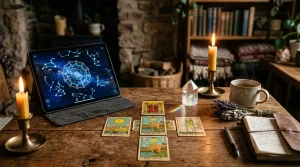
Have you ever felt lost in a sea of choices, yearning for clarity and guidance? Drawing tarot cards for yourself can be a powerful tool to uncover the insights you seek. In this guide, we’ll journey through the art of personal tarot readings, empowering you to pull cards with confidence and connect with your intuition. Whether you’re a curious beginner or looking to deepen your practice, this approach demystifies the tarot, making it accessible for everyone. We’ll share simple techniques to interpret your cards and offer clear steps to create meaningful spreads that resonate with your unique questions and circumstances. Embrace the magic of tarot as a supportive guide in your life-you’re not just reading cards; you’re tapping into your own wisdom. So, let’s explore how to pull confidently and discover the answers waiting for you.
Understanding the Basics of Tarot Cards
Understanding tarot cards opens a door to a rich world of symbolism, intuition, and personal reflection. At its core, tarot involves a deck of 78 cards, each imbued with its own set of meanings and archetypes that can be interpreted in various contexts. The deck is divided into two main parts: the Major Arcana, which consists of 22 cards representing significant life themes and lessons, and the Minor Arcana, which contains 56 cards that explore day-to-day events and experiences. A basic understanding of these cards is crucial, as it sets the foundation for effective readings.
To begin your tarot journey, familiarize yourself with the symbolism behind each card. For instance, The Fool symbolizes new beginnings and adventure, while The Tower can indicate upheaval and revelation. This knowledge is essential not only for interpreting cards individually but also for seeing how they interact within a spread. Engaging with the imagery and meanings allows you to connect deeply with the cards, making your readings more intuitive and personal.
When approaching a tarot reading, always consider the context of your question. Whether you seek guidance on your career, relationships, or inner growth, framing your inquiry will help you draw more relevant insights. Each card can evoke different meanings depending on your circumstances, so trust your instincts as you interpret the draws.
Finally, remember that the essence of tarot is not rooted in prediction but rather in exploration and understanding. It’s a tool to help illuminate your thoughts and feelings, guiding you toward greater clarity. As you practice pulling cards for yourself, embrace the journey with openness and curiosity. Tarot is for everyone-whether you’re a skeptical beginner or a seasoned reader, there’s always room for growth and discovery on your path.
Choosing the Right Tarot Deck for You
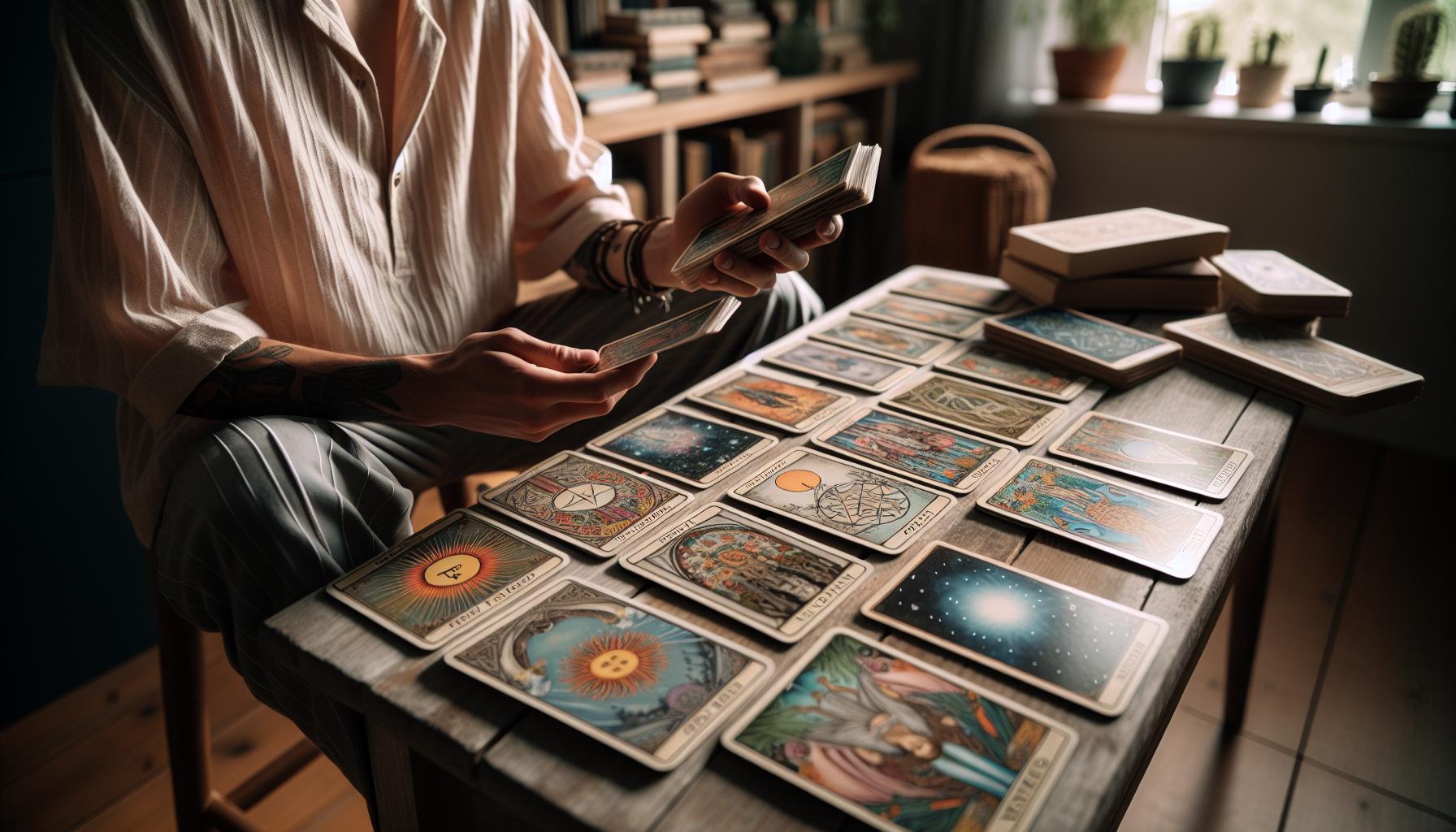
Choosing a tarot deck is a deeply personal decision that can significantly enhance your reading experience. With an abundance of designs available, it’s essential to find a deck that resonates with you, as this choice influences your connection to the cards. When you feel drawn to specific imagery and themes, your intuitive readings become more heartfelt and insightful. Consider this: each deck holds its unique energy, perhaps reflecting the creator’s intent or cultural background, which can either align with you or feel distant.
To begin your search, explore various types of decks. Some popular categories include traditional decks like the Rider-Waite-Smith, which remain quintessential for beginners due to their clear symbolism, and more contemporary or themed decks that may resonate with your personal interests. Look for decks that invoke a sense of calm or excitement within you; whether it’s the vibrant colors, the art style, or the theme, your feelings are an excellent guide. If you’re intrigued by nature, decks featuring natural landscapes or animal motifs might enhance your connection during readings.
As you browse, pay attention to the card stock and size of the deck. A deck that’s easy to shuffle and feels comfortable in your hands can boost your confidence when drawing cards. While it’s common for beginners to stick with one deck initially, don’t be afraid to explore multiple options later on. Many readers enjoy a ‘working deck’ for daily readings and a more artistic or thematic deck for deeper explorations or special occasions.
Finally, trust your intuition when making your decision. You might find that a deck calls to you in unexpected ways-perhaps it’s the artwork that captivates you or the accompanying guidebook’s writing style. Take your time to meditate on your choice, allowing your intuition to guide you to a deck that feels like a natural extension of your spirit. Remember, the right tarot deck will not only help you draw your cards confidently but also deepen your understanding and enjoyment of the tarot journey.
How to Set Intentions Before a Reading

Setting intentions before a tarot reading can transform your session from a simple card draw into a profound, insightful experience. Intentions act like a compass, guiding the energy of your reading toward clarity and resonance. When you approach a reading with clear intentions, you not only foster a deeper connection with your cards but also enhance your ability to interpret the messages they convey. Think of this step as preparing the soil before planting seeds; cultivating a focused mindset can lead to more fruitful insights.
Begin by creating a peaceful space where you feel at ease. This might involve lighting a candle, burning incense, or using calming music to set the mood. Once you’re settled, take a moment to breathe deeply and clear your mind of distractions. This process can help you drop into a more intuitive state, making it easier for you to connect with your inner self and the energy of the cards. Feel free to journal your thoughts or express them aloud, defining precisely what you wish to uncover during your reading. Are you seeking guidance on a specific situation, clarity on a relationship, or insight into your personal growth?
Next, consider writing down your intentions. This act not only solidifies them but also serves as a reminder of your focus during the reading. For instance, you might state, “I intend to receive guidance regarding my career choices,” or “I seek clarity on my current relationship.” You could also create a short mantra or affirmation related to your intention to recite before you draw your cards. This ritual reinforces your focus and opens a pathway for insight.
Finally, keep your intentions flexible. Sometimes, the cards may reveal messages that diverge from your initial queries, leading you to insights you didn’t expect but desperately needed. Embrace this flow, allowing your intuition to guide you. Setting intentions doesn’t constrain the reading; rather, it enriches the experience, empowering you to draw cards with confidence and purpose. By creating a mindful space and a clear aim, you invite a deeper relationship with your tarot practice, paving the way for illuminating encounters with the cards.
Step-by-Step Guide to Shuffling Cards
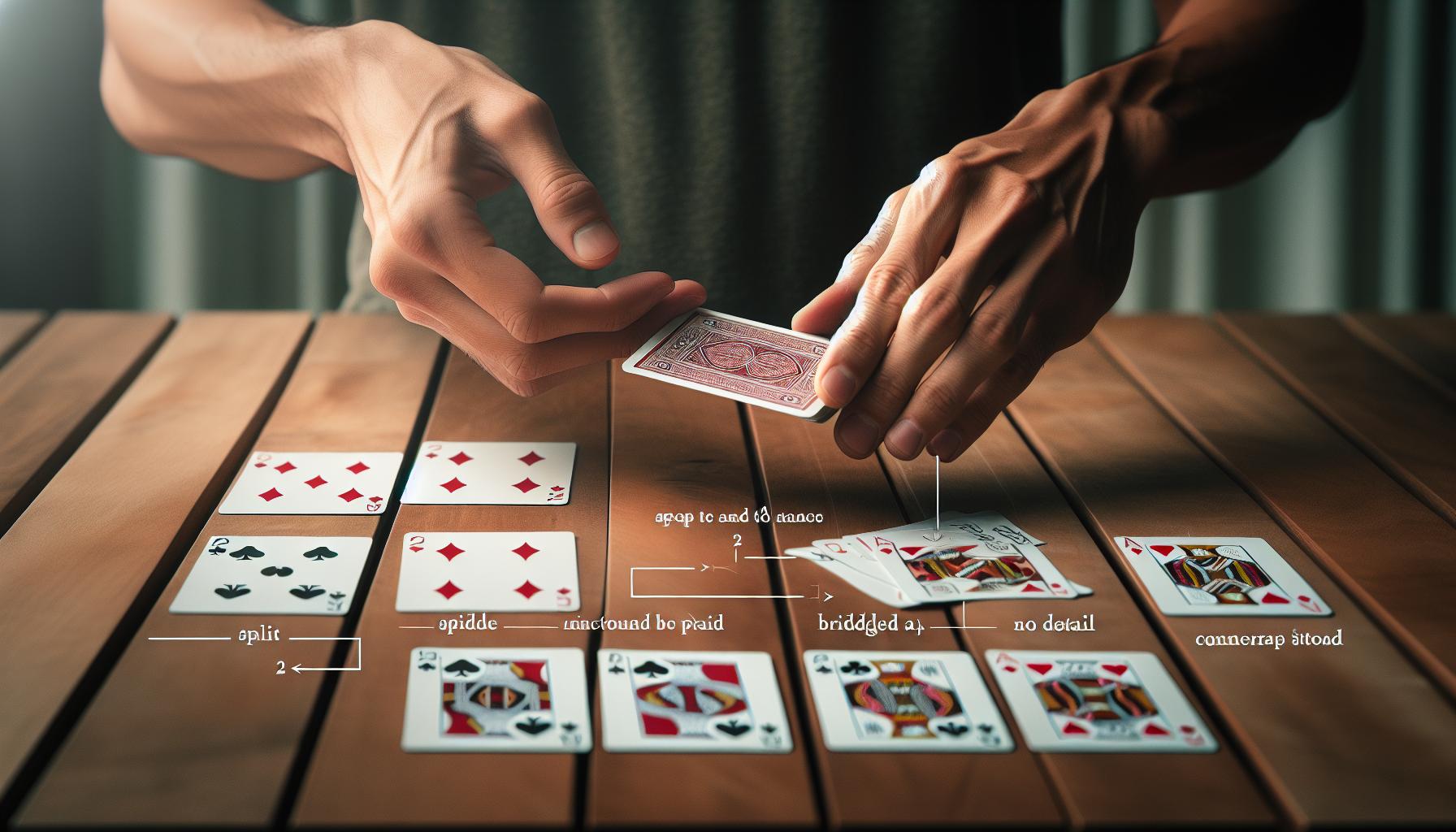
Shuffling your tarot cards is an essential step that goes beyond mere preparation; it’s a ritual that helps channel your energy into the reading. A well-performed shuffle not only mixes the cards but also connects you with their meanings, integrating your intentions into the process. Embracing this practice will elevate your confidence when you draw cards for yourself.
Begin by holding your deck close to your heart, taking a few mindful breaths to center yourself. Feel the energy of the cards and visualize your intentions flowing into them. Once you feel grounded, it’s time to shuffle. Here are some popular methods you can choose from:
- Overhand Shuffle: This is a simple yet effective method where you take a handful of cards from the top and place them in your other hand, repeating until you feel satisfied with the shuffle. This technique is gentle and allows for a personal connection.
- Riffle Shuffle: For this method, split the deck into two halves and let the cards fall together. This creates a more thorough mix and can be visually satisfying. However, it can be harder on the cards, so be gentle!
- Table Shuffle: Lay the cards face down on a clean surface, then mix them up using circular motions. This enhances energetic interaction, and you can also incorporate intuitive movements by touching specific cards.
As you shuffle, keep your query or intention in mind. Let your thoughts guide the cards; trust that this process will help reveal insights. If the energy feels off, don’t hesitate to stop, take a deep breath, and shuffle again until you feel a sense of balance and connection.
When you’re ready to draw, cut the deck with your non-dominant hand, and take the top card, or trust your intuition to select cards that feel right to you. Remember, the process you choose for shuffling should feel comfortable and resonates with you-there’s no right or wrong way. Trust your instincts and allow your intuition to guide you. This will strengthen your relationship with the tarot, allowing for more meaningful readings in the future.
Different Tarot Spreads for Personal Readings

Choosing the right Tarot spread can be a transformative experience, enabling you to dive deeper into your questions and clarify your thoughts. Every spread has its unique purpose and can enhance your understanding of the cards you draw, helping you pull with confidence. Whether you are just starting or have some experience, here are a few versatile spreads that can guide your readings.
1. The Three-Card Spread
This is a favorite among both beginners and seasoned readers due to its simplicity yet depth. You can use this spread for various questions, interpreting each card in relation to the past, present, and future aspect of your inquiry. For example, if you’re seeking clarity on a relationship, the first card could signify past influences, the second your current feelings, and the third what lies ahead.
2. The Celtic Cross
The Celtic Cross is a classic spread that provides comprehensive insight into your situation. It consists of ten positions, addressing the heart of the matter, obstacles, and influences, among other factors. This spread can be more complex, but it offers a profound overview, making it ideal for deeper self-exploration or significant life questions.
3. The One-Card Pull
For a quick answer or daily guidance, consider a single card pull. This intuitive method encourages you to focus on your question, pull a card, and reflect on its meaning in your current situation. It’s fantastic for beginners looking to build confidence and familiarity with the deck.
4. The Focused Spread
If you have a specific issue or decision in mind, consider using a focused spread designed around that topic. You could create your own, perhaps with cards representing pros and cons, or you can find templates online tailored to different areas like career, love, or personal growth. Customizing a spread helps you engage more meaningfully with your cards and promotes a personalized reading experience.
Remember, choosing a spread should resonate with you and your question. Feel free to adapt these spreads, adding or removing positions based on what feels right for your reading. Trust your instincts; the best spread is one that aligns with your needs and enhances your intuitive insights. With practice, you will find a style that empowers you to draw confidently and unlock the wisdom of your Tarot cards.
Interpreting Your Tarot Card Draws
When you draw tarot cards for yourself, each card is a vivid tapestry woven from personal insight, symbolic meaning, and intuition. Understanding how to interpret your draws can transform your readings from mere card pulls into profound moments of self-discovery and guidance. To confidently navigate this process, start by familiarizing yourself with the core meanings of each card. The Major Arcana, which deals with significant life themes, and the Minor Arcana, encompassing everyday situations, both offer rich narratives that can illuminate your journey.
Begin your interpretation by considering the context of your question or the focus of your reading. Reflect on how each card relates to your life. For instance, if you pull The Lovers in response to a relationship inquiry, think about themes of harmony, choices, and connections. On the other hand, if you draw the Tower, it might suggest upheaval or a wake-up call. The key is to balance the traditional meanings with your personal intuition-this creates a unique reading tailored to your situation.
Steps for Effective Card Interpretation
- Take Notes: Keep a tarot journal where you write down each draw along with your thoughts and feelings about the cards.
- Visual Cues: Pay attention to the imagery on the cards; colors, symbols, and positions can guide your understanding.
- Connection to Intent: Ask yourself how the card’s meaning aligns with the intention behind your question.
- Intuitive Reflection: Close your eyes and tune into your feelings as you look at each card. What messages come to mind?
Don’t hesitate to approach your tarot practice with curiosity and openness. If a card’s meaning feels elusive, revisit it later. Sometimes, reflecting on a card in relation to different life events or emotions can yield new insights. Remember, this is a personal journey, and developing your interpretations is an invaluable part of growing as a reader. Trust your instincts; they are your greatest tools in interpreting the wisdom of tarot.
Common Challenges in Self-Reading Tarot
Many people gravitate towards tarot for its profound potential to unlock self-discovery and insight, yet self-reading can present unique hurdles. One of the most common challenges is the tendency to overthink interpretations. It’s easy to become tangled in the traditional meanings of cards, leading to frustration when those meanings don’t resonate. Instead of forcing a connection, allow your intuition to guide you through the symbols and imagery, focusing on how the card reflects your current situation. If you pull the Three of Swords while contemplating heartbreak, pause and consider not just the pain, but also the lessons and growth that can emerge from difficult experiences.
Another obstacle is maintaining objectivity. When delving into personal matters, emotional biases can color your interpretations. To counter this, approach your readings as if they were for someone else. Adopt a perspective of curiosity rather than judgment. You might create a metaphorical “distance” by writing down your thoughts on the cards without immediately tying them to your personal circumstances. This can help you to view the insights more clearly and opens up pathways for understanding you might otherwise overlook.
A third challenge many face is the frequency of doubts about their intuitive abilities. It’s natural to question whether you’re “doing it right.” Rather than seeking external validation, cultivate self-compassion and patience. Your first readings may lack the clarity you hope for, but over time, intuition strengthens just like any other skill. To bolster your confidence, try journaling your feelings and insights after each reading. This practice not only records your growth but can also reveal patterns and connections that deepen your understanding of the tarot.
Lastly, the sheer number of tarot decks and interpretations can be overwhelming. If you find that you resonate with the essence of a particular deck, there’s no need to switch to a new one just because it’s popular or more traditional. Choose a deck that speaks to your aesthetic and emotional sensibility; your connection with the cards can significantly impact your readings. Trust that your unique perspective is valuable and that each reading presents an opportunity for personal growth and discovery. As you navigate these challenges, remember that tarot is a personal journey-embrace the process and draw on your innate wisdom with confidence.
How to Trust Your Intuition with Tarot
The essence of tarot lies in its ability to connect us with our intuition, transforming what might seem like random card pulls into profound insights about our lives. Trusting your intuition during a tarot reading not only enhances your experience but also enriches your understanding of the cards and their meanings. Every reader experiences moments of doubt, but remember, intuition is a skill that can be developed with practice.
One effective way to foster trust in your intuitive abilities is through deep observation. As you draw each card, take a moment to notice your immediate emotional and visceral reactions. What does the card remind you of? What feelings does it evoke? These initial impressions are often direct messages from your intuition. For example, if you draw the Eight of Cups, instead of relying solely on the card’s traditional meaning of leaving behind what no longer serves you, consider how it resonates with your current life situation. You might feel a pull toward change, or perhaps a sense of relief. Journaling these responses can help solidify your intuitive connections.
Creating a ritual around your readings can also boost confidence. Before you start, take a few minutes to ground yourself. You might light a candle, breathe deeply, or say a personal affirmation like, “I trust my intuition, and the cards will guide me.” Setting this intention affirms your belief in your inner wisdom and helps to clear mental clutter. Use this time to visualize your questions and invite clarity into your reading.
Finally, embrace the idea that tarot is a personal journey. Every reader brings a unique perspective to the table. Don’t hesitate to deviate from textbook interpretations if a card speaks to you differently. For instance, the Tower is often viewed as chaos or upheaval, but if it reminds you of necessary transformations or awakening, trust that interpretation. Each draw is an opportunity to learn more about yourself, so allow your intuition to lead you and nurture it over time. This way, every time you pull cards, you can do so with confidence, knowing that your insights are valid and worthy of exploration.
Journaling Your Tarot Readings for Growth
Journaling your tarot readings can transform your practice from a simple card pull into a rich, reflective experience. By documenting your thoughts and interpretations, you create a personal compendium of insights that can guide your future readings and foster your intuitive abilities. Each entry becomes not just a record, but a tool for growth, allowing you to see patterns and progress over time.
To begin, dedicate a specific notebook or digital document for your tarot journaling. Start every entry with the date, the question or intention you had in mind, and the spread you used. This context provides clarity when you revisit your entries later. After pulling the cards, describe your initial feelings and thoughts about each one-both the traditional meanings and your personal associations. For instance, if you draw the Two of Swords, which often symbolizes indecision, note what this reflects about your current situation or emotions, such as feeling torn between choices in your life.
It’s also valuable to reflect on the outcomes as time progresses. Revisit your past readings regularly to assess how the readings unfolded in your life. Ask yourself questions like:
- What insights have I gained since this reading?
- Did any of the cards manifest in ways I didn’t expect?
- How has my interpretation evolved with time?
By establishing this reflective practice, you bolster your confidence in your interpretations and deepen your connection with each card’s symbolism. Over time, you might notice how certain themes recur or how your intuition develops, guiding you to even more profound insights in future readings.
Incorporating imagery is another powerful journaling technique. Consider drawing or pasting images of the cards alongside your reflections. This creates a visual connection that can enhance understanding and memory. Whether it’s a small sketch of the scene depicted or printed images, visual cues can stimulate your intuitive process and deepen your exploration of each card’s layered meanings. Embrace this journey of journaling as a vital part of your tarot practice, nurturing your growth and understanding along the way.
Building Confidence in Your Tarot Skills
To fully embrace the art of tarot reading, developing confidence in your skills is essential. Whether you’re drawing cards for personal insight or exploring your intuitive gifts, believing in your abilities creates a profound foundation for your practice. Start by recognizing that every tarot reader, no matter how experienced, has faced doubts and uncertainties. It’s entirely normal to question your interpretations and the significance of particular cards-what matters is how you navigate those feelings.
Begin by familiarizing yourself with the cards that resonate most with you. Instead of attempting to memorize the meanings of all 78 cards, focus on a select few that you feel a strong connection to. This intimate understanding allows you to interpret their messages more authentically. For example, if the Queen of Cups speaks to your nurturing side, explore her qualities in your life. Reflect on how she inspires empathy and emotional intelligence. This connection forms a reliable anchor during your readings.
Another crucial aspect is practicing regularly. Create a ritual around your tarot sessions, such as lighting a candle or playing soft music. Set intentions for each reading, and don’t hesitate to pull a card daily to build familiarity. Document your reflections in a tarot journal, noting your initial interpretations and any feelings that arise during the draw. Over time, you’ll see patterns and progress, bolstering your confidence and deepening your understanding.
Finally, trust your intuition. When you draw cards, pay attention to your immediate thoughts and feelings before referencing a guidebook. If the Ten of Swords appears, you might instinctively feel it relates to an ending or a renewal. Trust that insight-it’s a reflection of your innate wisdom. Remember, tarot isn’t just about the cards themselves, but the unique story and energy you weave into your readings. Embrace the journey, trust your instincts, and allow your confidence to flourish as you explore the magical world of tarot.
Deepening Your Connection to Tarot Magic
To deepen your connection to the magic of tarot, it’s essential to cultivate an atmosphere that encourages introspection and spiritual clarity. Rather than viewing tarot simply as a tool for divination, try to see it as a bridge to your intuition. Each card is a vessel of knowledge, steeped in symbolism and rich with potential insights. Engaging with your cards on a personal level transforms your experience from routine practice into a heartfelt exploration of self and spirit.
One effective way to deepen this relationship is through ritual. Create a sacred space for your tarot practice-this could be a quiet corner of your room adorned with meaningful objects like crystals, candles, or personal mementos. These elements anchor your readings to an emotional state, reinforcing your connection to the cards. Each time you read, take a moment to center yourself through meditation or breathing exercises. Grounding in this way invites clarity and receptivity, allowing you to engage with each draw more fully.
Consider using the cards for daily reflection or themed readings that relate to current life situations. If you’re facing a decision, for instance, dedicate a reading to exploring the options at your fingertips. Draw three cards: one for the potential outcome of choice A, one for choice B, and a third that offers guidance on a harmonious approach. This method not only elucidates your current feelings and thoughts but also strengthens your trust in the cards as mirrors of your internal landscape.
Additionally, journaling your experiences can significantly enhance your connection to tarot. Record your readings, including the cards drawn, interpretations, and emotions felt. Over time, patterns may emerge, revealing deeper truths about your journey. Reflecting on these entries fosters growth and understanding, reinforcing your intuition each time you return to them. Remember, tarot is not just about divination; it’s a profound dance between your inner self and the universe’s wisdom, encouraging continued exploration and personal discovery.
Exploring Ethical Considerations in Tarot Reading
In the realm of tarot reading, ethical considerations are paramount, especially when engaging in self-readings or providing insights to others. One fundamental principle is the importance of informed consent. If you find yourself reading for friends or family, it’s crucial to ensure they are open to the experience and understand the nature of tarot. Clarify that it is a tool for reflection and guidance, not a definitive predictor of the future. This approach fosters a safe environment for both the reader and the querent, nurturing trust and openness.
Another pivotal aspect is maintaining boundaries. As a reader-whether for yourself or others-it’s essential to recognize the limits of tarot. While tarot can provide valuable insights, it should not be used as a substitute for professional advice in critical areas like mental health, legal matters, or medical issues. If a reading touches on sensitive subjects, such as emotional distress or relationships, it’s best to encourage the querent to seek further assistance from qualified professionals. This practice not only protects the individual seeking guidance but also upholds the integrity of your practice as a tarot reader.
When you feel the urge to draw cards for someone else, consider their emotional state and circumstances. If someone is vulnerable, perhaps after a loss or in crisis, approach the reading with even greater sensitivity. You might choose to offer gentle guidance, using the cards to echo their thoughts and feelings rather than making bold predictions. Invite them to share their interpretations; after all, they know their situation best. This collaborative approach can empower them, reinforcing the idea that they are the authors of their own stories.
Additionally, reflect on your own intentions when engaging with tarot. Are you drawing cards out of curiosity, or do you seek deeper understanding? Aligning your intentions with a code of ethics can enhance your readings, helping you maintain a balanced perspective. Practicing ethical tarot involves regular self-reflection on your motivations: remain mindful of how your readings affect others and ensure they resonate with honesty and goodwill.
By fostering a respectful and ethical approach to tarot, you create a nurturing atmosphere where intuition and insight can flourish, allowing both yourself and others to grow through the magic of the cards. Embrace this responsibility with confidence, knowing that ethical tarot reading can be as transformative as the practice itself.
FAQ
Q: How can I choose the right Tarot spread for personal readings?
A: To choose the right Tarot spread, consider your intention and the question you want to explore. For deeper insights, the Celtic Cross spread is effective, while a 3-card spread is great for quick guidance. Refer to the section on “Different Tarot Spreads for Personal Readings” for detailed options.
Q: What are some common mistakes to avoid when reading Tarot for myself?
A: Common mistakes include reading too frequently, not setting a clear intention, or being overly focused on specific outcomes. Avoid these by journaling your questions and reflections, allowing for deeper understanding over time. Explore “Common Challenges in Self-Reading Tarot” for more tips.
Q: How can I strengthen my intuition when reading Tarot cards?
A: Strengthening your intuition involves regular practice, meditative techniques, and reflecting on your card interpretations. Trust yourself and acknowledge your feelings about the cards. The section “How to Trust Your Intuition with Tarot” provides additional guidance on enhancing your intuitive skills.
Q: Why is journaling my Tarot readings important?
A: Journaling your Tarot readings helps track your progress, clarifies your interpretations, and deepens your understanding of recurring themes in your readings. It also allows for reflection on how your life aligns with your insights. Check “Journaling Your Tarot Readings for Growth” for tips.
Q: What should I do if I feel confused by my Tarot card draws?
A: If you’re confused, take a step back and revisit your question or intention. Consider the context of your life when interpreting the cards. Also, practice patience-confusion can be a part of the learning process! Refer to “Interpreting Your Tarot Card Draws” for strategies to enhance clarity.
Q: Can anyone learn to read Tarot cards for themselves?
A: Yes, anyone can learn to read Tarot cards for themselves! It’s about practice, intention, and trust in your intuitive abilities. Start with basic spreads and gradually explore more complex readings. For guidance, see “Building Confidence in Your Tarot Skills” to bolster your practice.
Q: How can I create a sacred space for Tarot reading?
A: Create a sacred space by choosing a quiet area free from distractions, lighting candles, or using crystals that resonate with you. Adding personal items or images that inspire you can also enhance the atmosphere. Explore “Deepening Your Connection to Tarot Magic” for more ideas on setting the mood.
Q: When is the best time to perform a Tarot reading for myself?
A: The best time to perform a Tarot reading for yourself is when you feel calm and focused. Morning readings can offer insights for the day, while evening readings reflect on experiences. Choose a time when you are free from interruptions to enhance your connection with the cards.
In Retrospect
As you embark on your journey of drawing tarot cards for yourself, remember that each card is a doorway to deeper insight and intuition. With the skills you’ve learned here, you’re now equipped to pull with confidence and clarity, making each reading a personal exploration rather than just a divination tool. Take action today-shuffle your deck, ask a meaningful question, and trust your instincts to guide you through the cards.
If you’re eager to deepen your practice, check out our articles on the 3-Card Tarot Spread for love insights, or explore our instant Yes or No Tarot reading tool for quick guidance. Don’t forget to sign up for our newsletter to receive ongoing tips and resources straight to your inbox. We invite you to comment below and share your experiences or any thoughts-your insights might inspire fellow readers! Remember, tarot is a journey-keep exploring and drawing from its wisdom, and you’ll continue to build your confidence and intuition. Embrace the magic; it’s waiting for you!
Get our latest guides, news, and insights highlighted in your Google Search & AI Overviews.