Did you know that the art of reading playing cards for divination dates back centuries and can be as insightful as a Tarot reading? If you love Tarot or are intrigued by its mysteries but don’t own a deck, you can easily adapt a standard deck of playing cards for profound readings. This guide will equip you with the tools to convert the meanings of playing cards into Tarot interpretations, bridging the gap between the two practices. Whether you’re a curious beginner or a seasoned diviner, you’ll unlock your intuitive potential and discover how familiar faces from a simple deck can provide deep spiritual insight. By learning to read playing cards as Tarot, you can gain clarity on your life’s path, enhance your decision-making, and connect with your own intuition-no need for elaborate rituals or special tools. Ready to dive into this exciting journey? Let’s explore how to transform a standard deck into a powerful medium for self-discovery and guidance!
Understanding the Basics of Tarot and Playing Cards
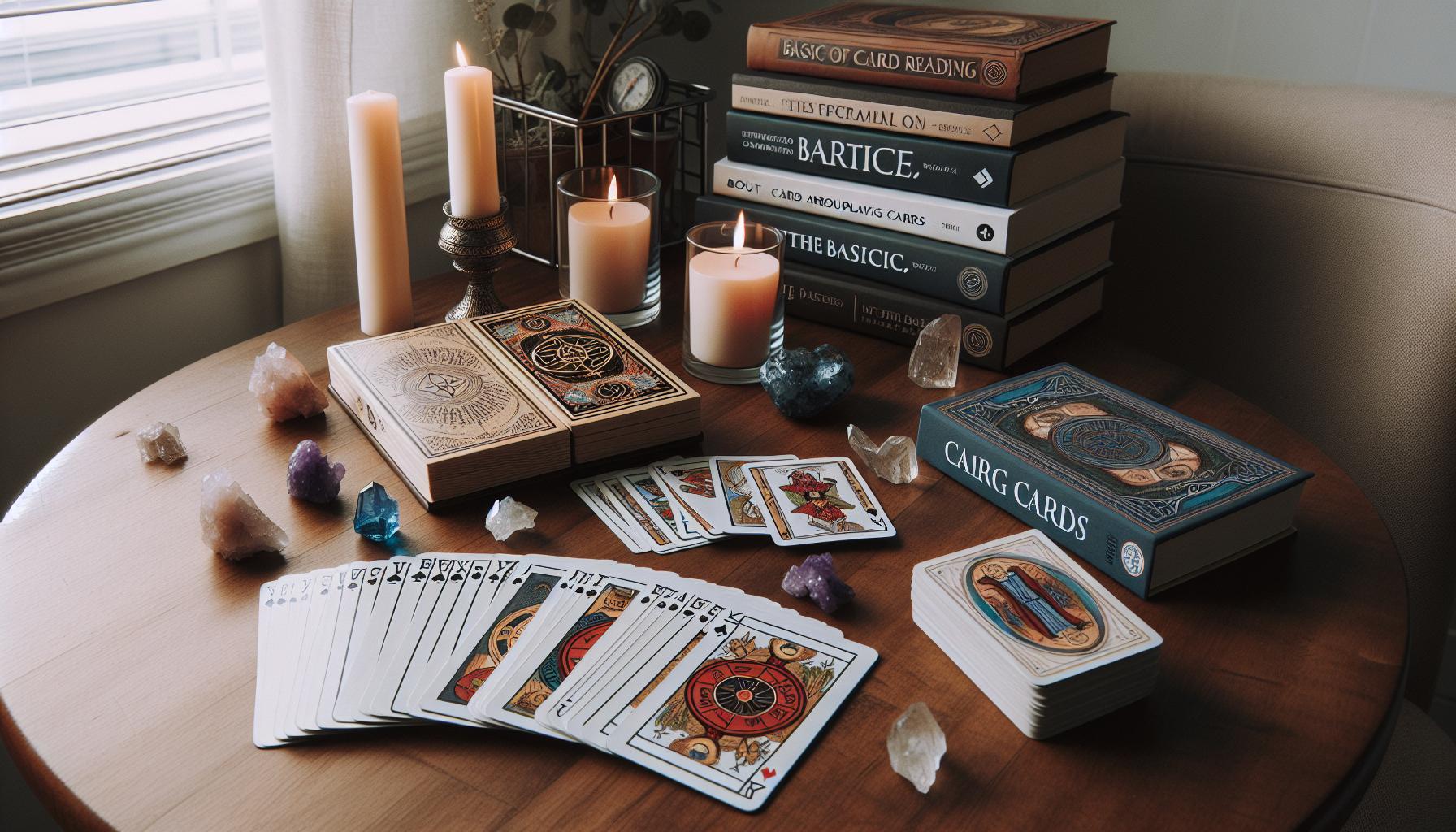
The worlds of Tarot and playing cards intersect in fascinating ways, making them both accessible avenues for personal exploration and insight. While Tarot decks are rich in symbolism and designed specifically for divination, standard playing cards can also offer profound readings when approached with intention and creativity. For those curious about how to interpret a regular deck through the lens of Tarot, understanding the core structure and meanings of both systems is essential.
At their essence, both Tarot and playing cards rely on a shared foundation of archetypal imagery. Tarot typically consists of 78 cards, divided into the Major and Minor Arcana, while a standard deck usually comprises 52 cards with four suits (hearts, diamonds, clubs, and spades). In Tarot, the Major Arcana represents significant life themes and spiritual lessons, while the Minor Arcana delves into day-to-day experiences. Similarly, you can map the suits of playing cards to Tarot’s symbolism-hearts can correlate with Cups (emotions and relationships), diamonds with Pentacles (material aspects), clubs with Wands (action and creativity), and spades with Swords (thought and conflict). This foundational understanding allows you to draw connections between the two systems, facilitating deeper insights in your readings.
To effectively read playing cards as Tarot, familiarize yourself with key meanings attributed to each card in both systems. Begin by selecting a playing card and reflecting on its corresponding Tarot interpretation. For instance, the Ace of Hearts may evoke feelings of love or new beginnings, paralleling the Ace of Cups. This alignment helps you hone your intuition and reflects the dual nature of your communication with the cosmos-allowing for a fluid exchange of meanings across different card readings.
During your practice, consider starting with simple spreads that can easily accommodate the lesser-known system. The three-card spread, for instance, can effectively reveal past, present, and future insights using playing cards. Each position not only provides context but also opens the door to a more nuanced understanding of your current challenges or situations. Trust in your intuition as you interpret the cards, blending the meanings you’ve learned with your own life experiences. This integration creates a personalized approach that acknowledges the magical essence within both Tarot and playing cards, guiding you benevolently through your spiritual journey.
Key Differences Between Tarot and Regular Playing Cards
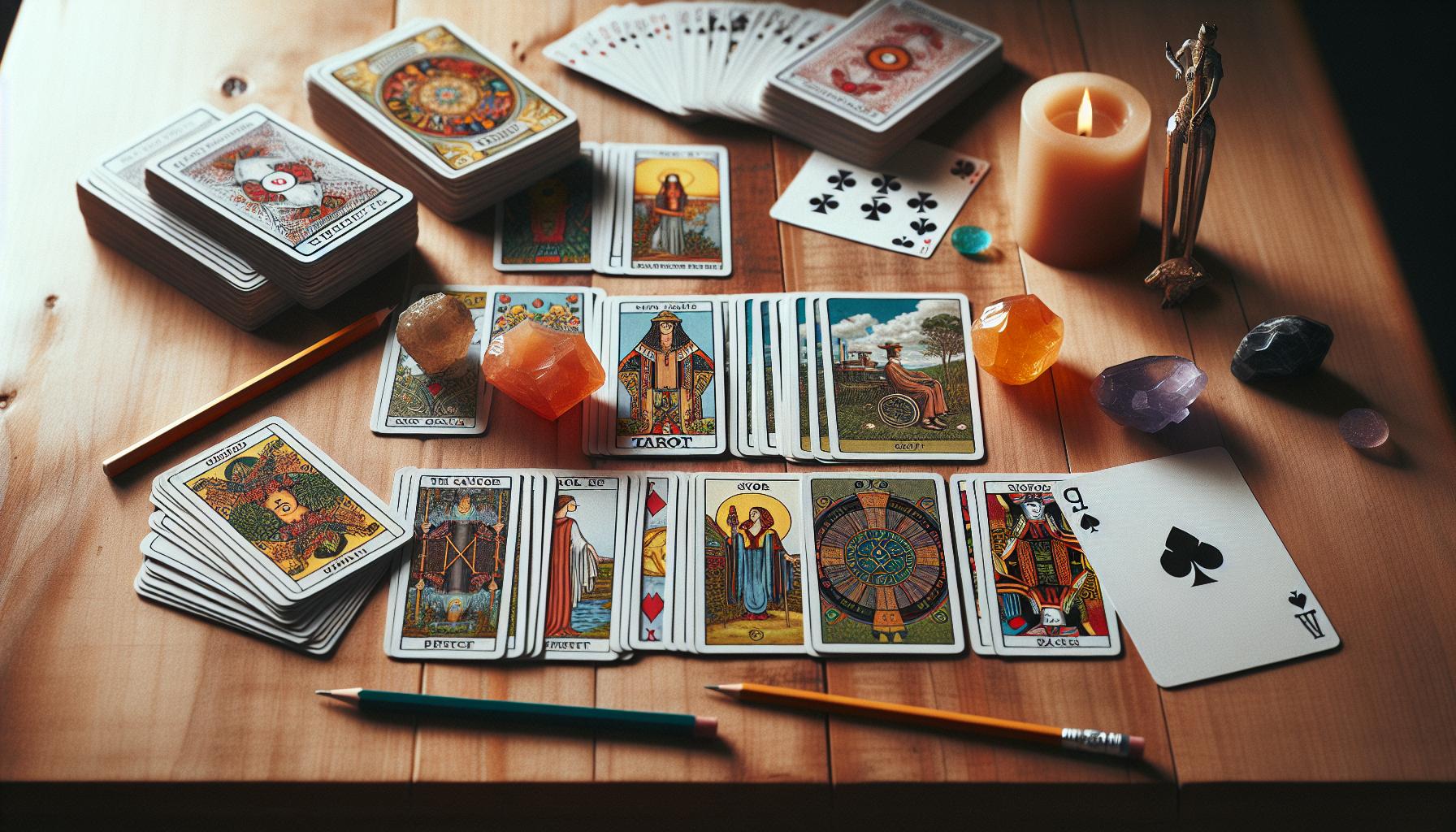
The distinction between Tarot cards and regular playing cards is both intriguing and essential for anyone looking to deepen their card reading practice. At first glance, both may seem comparable due to their shared ability to convey messages and insights, yet they serve different purposes and are rooted in diverse traditions.
One of the primary differences lies in the structure and symbolism of the decks. A standard Tarot deck consists of 78 cards, divided into the Major Arcana (22 cards representing significant life themes) and the Minor Arcana (56 cards that cover everyday experiences across four suits). Each suit in Tarot provides a deeper exploration of life’s complexities. In contrast, a regular playing card deck contains 52 cards organized into four suits: hearts, diamonds, clubs, and spades. While these suits correspond to specific aspects of Tarot-hearts to Cups (emotions), diamonds to Pentacles (material matters), clubs to Wands (creativity), and spades to Swords (thoughts and conflict)-the lack of an equivalent to the Major Arcana in playing cards limits the scope of their reading.
Another critical distinction is the depth of interpretation available in Tarot readings. Each Tarot card is steeped in symbolism and meaning, providing multiple layers of insight based on the context of the question posed. Tarot readings can delve into themes of personal growth, challenges, and spiritual lessons that are less apparent in the straightforward interpretations of playing cards. However, this doesn’t mean that playing cards lack depth-they can hold significant meanings when interpreted through a Tarot lens, particularly when you become familiar with their correspondences and underlying archetypes.
Ultimately, both Tarot and playing cards can offer valuable insights, but understanding their differences enhances your ability to connect with them. By respecting the unique structure of each system, you can appreciate how a simple deck of playing cards can transform into a powerful tool for divination when you apply the principles of Tarot reading. Embrace this journey of exploration, and allow your intuition to guide you as you blend these ancient traditions. With practice, a regular playing card deck can become a trusted ally in your quest for understanding and insight.
Essential Card Meanings in Tarot Conversion
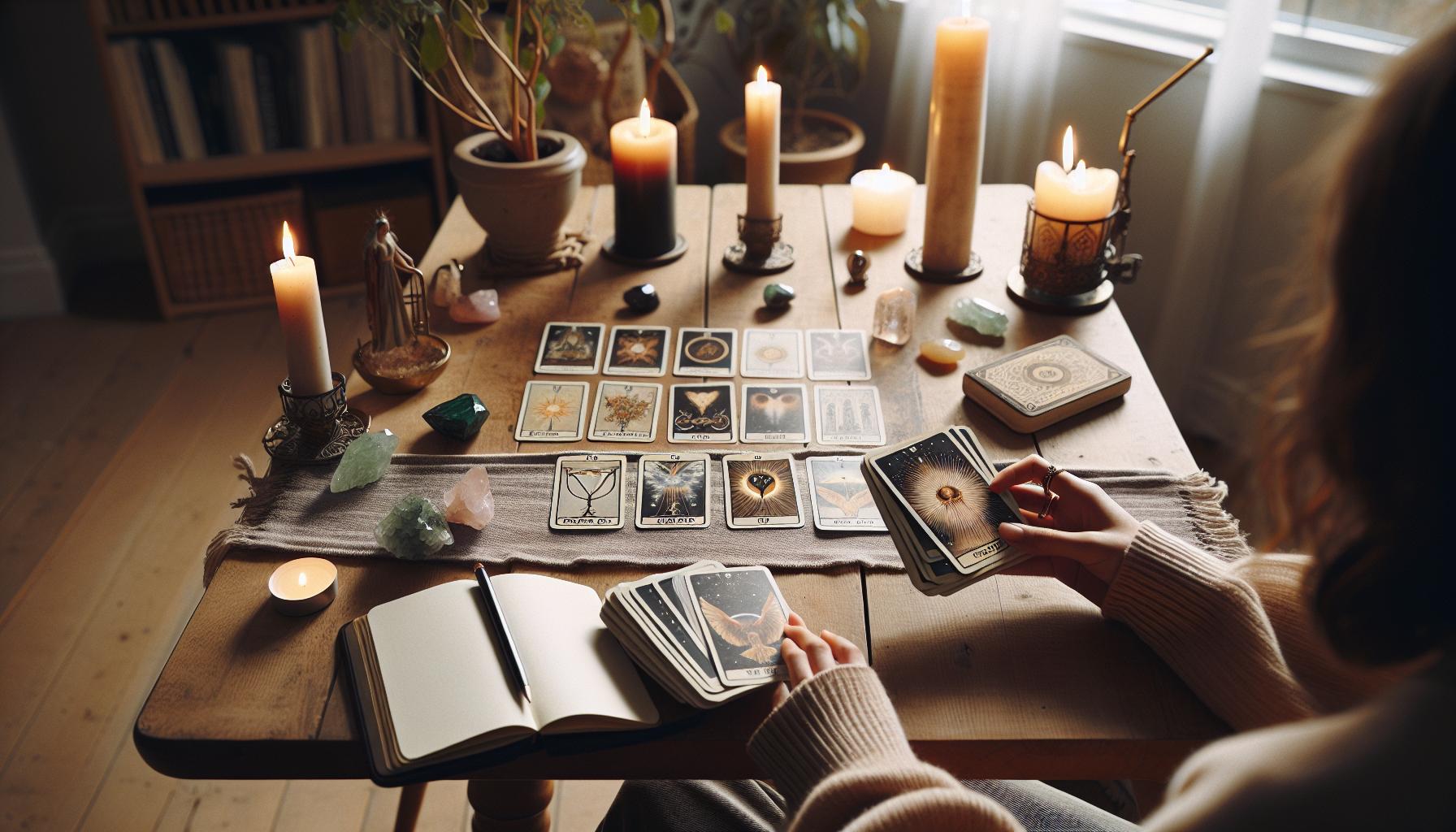
To bridge the gap between Tarot and regular playing cards, understanding essential card meanings is key for those exploring how to interpret the latter as Tarot. Each card in a Tarot deck carries profound symbolism and layered meanings, and those same interpretations can often be adapted when using a standard playing card deck.
Key Correspondences
When converting the meanings of Tarot cards to playing cards, it’s helpful to establish clear correspondences based on the suits and numbers. Here’s a simple guide to help you navigate this conversion:
| Tarot Suit | Playing Card Suit | Main Themes |
|---|---|---|
| Cups | Hearts | Emotions, relationships, intuition |
| Wands | Clubs | Creativity, action, inspiration |
| Swords | Spades | Thoughts, conflict, decisions |
| Pentacles | Diamonds | Material aspects, work, health |
Numbered cards in both systems can also align through their positions. For instance, the Ace represents new beginnings, the Two represents partnerships, and the Ten often signifies completion or fulfillment. As you delve into reading, remember that the significance of each card can shift depending on your question or the surrounding cards in a spread.
Practical Application
When you lay out your playing cards, speak the language of Tarot as you interpret them. For example, while a Three of Hearts may symbolize celebration and joy, in Tarot, the Three of Cups can evoke a similar essence but places greater emphasis on friendship and community. This nuanced understanding enhances your readings.
To practice these conversions, try this simple exercise: shuffle your playing cards and draw three. As you interpret them through their Tarot equivalents, keep a journal of insights and emerging themes. This practice will not only deepen your understanding of card meanings but also strengthen your intuitive connection.
Harnessing the rich symbolism within Tarot can transform your readings with playing cards, making them a meaningful tool for insight and connection. Embrace this conversion process with an open heart, and let your intuition guide your interpretations.
Step-by-Step Guide to Reading Playing Cards as Tarot
Reading playing cards through the lens of tarot can unveil layers of meaning and insight, connecting you with the profound intuition inherent in both systems. Here’s a straightforward approach to help you navigate this journey.
Begin with a deep breath and clear your mind. Set an intention for your reading-what question or area of your life do you want guidance on? This focus will guide your interpretation and enhance your intuitive process.
Step-by-Step Process
- Choose Your Deck: Select a standard playing card deck. While any deck will do, familiar card designs can help you feel more comfortable as you transition into tarot reading.
- Familiarize with Correspondences: As you lay out your cards, relate them to their tarot counterparts. Here’s a handy reference:
| Playing Card Suit | Tarot Suit | Main Themes |
|---|---|---|
| Hearts | Cups | Emotions, relationships, intuition |
| Clubs | Wands | Creativity, action, inspiration |
| Spades | Swords | Thoughts, conflict, decisions |
| Diamonds | Pentacles | Material aspects, work, health |
- Draw Your Cards: Shuffle the deck while staying focused on your question. Draw three cards to represent the past, present, and future regarding your query.
- Interpretation: For each card, allow the traditional tarot meanings to inform your interpretation. For instance, if you draw the Ace of Hearts, think of it as a new emotional experience or relationship emerging in your life, aligned with the intuitive energy of the Ace of Cups in tarot.
- Create a Narrative: Consider how the cards relate to each other. What story do they tell about your situation? This holistic view adds depth to your reading.
Practical Tips
- Journal Your Insights: Write down your interpretations and feelings about each reading. Over time, you will see trends and grow your intuitive abilities.
- Trust Your Intuition: Don’t worry about being “right” by strict traditional meanings-your intuition plays a crucial role. Allow yourself to feel what the cards mean to you personally.
- Practice Regularly: The more you read, the more confident you’ll become. Make it a routine to draw cards weekly or whenever you feel the need for insight.
Engaging with playing cards as a tool for tarot reading can open new avenues of understanding and connection. Embrace this unique journey with an open heart, trusting in your intuitive guidance every step of the way.
Simple Spreads for Beginners: Start Your Journey
The beauty of reading playing cards as tarot lies in its simplicity and accessibility. For beginners eager to embark on this journey, starting with a few straightforward spreads can build confidence and enhance intuitive skills. Whether you’re looking for insight into a specific question or seeking general guidance, these easy-to-use spreads will help you unlock the potential of each card.
One of the simplest spreads is the Three-Card Spread, which can reveal a narrative across three significant timeframes: past, present, and future. To use this spread, focus on your question while shuffling the deck, then draw three cards. For example, suppose you draw the Ace of Hearts (Cups), the Four of Clubs (Wands), and the Eight of Spades (Swords). In this case, the Ace might reflect past emotional beginnings, the Four could indicate a stable, creative present, while the Eight might suggest upcoming mental challenges. This flow creates a powerful story about your situation.
Another effective spread is the One-Card Draw. This is perfect for quick guidance or daily insights. Simply shuffle the deck and pull one card. For instance, if you draw the King of Diamonds (Pentacles), you might interpret this as a signal of success, stability, or the need to focus on material issues today. This can help reinforce the practice of tuning into your intuition with minimal pressure.
Lastly, consider the Celtic Cross Spread as you become more comfortable. While a bit more complex, it provides a comprehensive view of your inquiry. This spread consists of ten positions that cover various aspects like your current situation, challenges, external influences, and potential outcomes. It may take a bit of practice to interpret, but the depth of insight it offers can be profound.
Using these simple spreads, you can cultivate a deeper connection with your playing cards, transforming them into a powerful tool for self-discovery and intuition. Remember, the key is to relax, trust your instincts, and let the cards guide you on your unique journey.
Advanced Techniques for Intuitive Reading
Reading playing cards as tarot opens up a world of intuition, allowing you to tap into your inner wisdom and connect with the energy of the cards. To enhance your intuitive reading skills, consider incorporating advanced techniques that deepen your understanding and enrich your interpretations.
One powerful method is to focus on the imagery and symbols present in each card. This technique involves not only recognizing the traditional meanings but also allowing your personal associations to emerge. For instance, if you draw the Queen of Hearts (Cups), think about the colors, emotions, or even memories this card evokes; it might remind you of a nurturing figure or a joyful event in your life. These personal connections can guide your reading, making it more relevant and insightful.
Additionally, practice building a narrative around your readings. Instead of isolating each card’s meaning, look at how they interact with one another. For example, if you pull the Six of Diamonds (Pentacles), which signifies generosity, alongside the Five of Spades (Swords), indicating conflict, consider the story that emerges about the balance between giving and receiving in your life. This storytelling approach not only enhances your ability to interpret the cards but also makes your readings feel more cohesive and impactful.
Engaging in regular meditation or mindfulness practices can also significantly enhance your intuitive capabilities. By quieting the mind, you allow space for insights and intuitions to surface that you might overlook in a busier state. Ideally, before a reading, take a moment to center yourself; breathe deeply, and visualize a light surrounding the cards, inviting clarity and understanding into your session.
Finally, keep a journal of your readings. After each tarot session, jot down your thoughts, feelings, and any surprising insights you gleaned from the cards. Reflecting on your journal entries over time can reveal patterns in your intuition and strengthen your connection to your readings. This practice not only validates your intuitive abilities but also tracks your personal growth as a reader.
By exploring these advanced techniques, you can cultivate a deeper, more intuitive relationship with your playing cards. The journey of card reading is not only about the cards themselves but also about the unique story and wisdom that emerges from within you. Embrace this process with openness and curiosity, knowing that your intuition will guide you along the way.
Common Misconceptions About Card Reading
Many people harbor misconceptions about card reading that can create unnecessary fear or skepticism. One common belief is that reading cards is purely a mystical practice shrouded in secrecy, available only to those with special gifts. In reality, anyone can learn to read cards, including playing cards as tarot, by embracing a straightforward process of interpretation and intuition. The cards serve as tools for self-reflection and insight, not as definitive predictors of the future.
Another misconception is that a “wrong” card can lead to disastrous outcomes or reveal bad news. However, each card has layers of meaning, and readings often reflect a spectrum of experiences-both positive and negative. For instance, the Five of Spades (Swords) might seem alarming at first, suggesting conflict or struggle. Yet, it can also symbolize the opportunity for growth and resilience through challenges. Embracing each card’s nuance allows readers to provide balanced perspectives during their sessions.
Additionally, some may think that readings should follow strict rules and formulas, but the truth is much more liberating. The beauty of card reading lies in its adaptability. Readers are encouraged to develop their unique styles and methods, allowing personal intuition to flourish. You might find that you resonate more with intuitive impressions rather than strictly adhering to established meanings. Trusting your instincts can lead to profound revelations and a deeper connection to your readings.
Ultimately, card reading-whether using tarot cards or playing cards-is about creating a space for self-exploration and understanding. Encourage skepticism, eliminate fear, and embrace curiosity. Regular practice and reflection will illuminate your path toward becoming a confident reader, revealing that the magic of cards really lies within you.
How to Connect with Your Intuition While Reading
Connecting with your intuition while reading cards, whether they’re traditional tarot or playing cards used as tarot, can transform your experience from a simple interpretation of symbols to a profound exploration of your inner self. One of the essentials lies in quieting the mind. Start by creating a calm environment before each reading. This could be a peaceful corner in your home, lit by soft lighting, or even outdoors surrounded by nature. As you settle in, take a few deep breaths, directing your focus inward. This practice clears away the mental chatter and opens the pathway for intuitive insights.
Another technique to enhance your intuitive connection is to engage with the cards personally. Spend time with your deck; handle the cards, shuffle them, and observe how they feel in your hands. Each card has its energy, and by familiarizing yourself with these sensations, you can cultivate a deeper rapport. Try to keep a journal of your feelings and thoughts about individual cards. Over time, you’ll start to notice patterns or connect specific images or feelings with your life experiences. This process not only grounds your reading but makes your intuition a reliable guide.
While interpreting cards, trust your first impressions. These initial thoughts often bubble up from your subconscious and can lead to more insightful readings. For instance, when you draw a card like the Seven of Hearts (Cups), instead of defaulting to a traditional meaning like ‘choices’ or ‘options,’ pause and ask yourself what that card evokes in you right now. Perhaps it reminds you of a recent decision you faced or a desire you haven’t yet expressed. By allowing your intuition to steer the narrative, you weave a personal story that connects the cards to your unique journey.
Lastly, integrating reflective practices can enhance your intuitive reading. After a session, take some time to reflect on the messages you received. What resonated with you? Were there any feelings or thoughts that stood out? Consider incorporating meditation or mindfulness into your daily routine to further strengthen this connection. As you nurture your intuition, it will guide you more effectively, transforming card reading into a richer, more insightful experience. Remember, the magic of reading lies within you, and the cards merely illuminate the path ahead.
Incorporating Symbolism from Various Traditions
In the realm of card reading, weaving together symbols from various spiritual traditions can enrich your practice and deepen the insights you gain from each reading. For instance, many tarot practitioners draw on the rich tapestry of symbolism found in cultures globally, from ancient Egyptian imagery to Celtic mythology, to inform their interpretations. By understanding and integrating these diverse symbol systems, you can unlock layers of meaning within your readings that resonate with your personal beliefs and experiences.
One effective way to incorporate these symbols is by maintaining a personal journal where you explore the meanings of symbols associated with different traditions. For example, if you draw the Ace of Spades, you might relate it not just to traditional interpretations of beginnings and potential but also to the scythe symbolism found in various mythologies, which represents transformation and the cycle of life. This method allows you to reflect on how these symbols resonate with your own life situations, making your readings more intuitive and genuine.
Engaging actively with the symbols can also involve taking note of the colors, elements, and archetypes present in your cards. Each playing card can be explored through the lens of various systems-like numerology, astrology, or the elements (earth, air, fire, water). For example, a King of Hearts could be seen as embodying both the air element (intellect and ideas) and the water element (emotion and intuition), allowing you to draw connections between how intellect and emotion influence decisions in your life.
It’s valuable to remember that these integrations should feel organic to you. Choose symbols that speak to your heart and experiences, leading to a unique reading style that reflects your understanding of the world. As you progress, consider how these enriching symbols might augment your spiritual journey, helping you not only read the cards but also understand the subtle influences at play in your life. Through this, your practice of reading playing cards as tarot will unfold with clarity and depth, transforming each session into a dialogue with the universe, infused with personal meaning.
Practical Tips for Practicing Your Card Reading Skills
Practicing your card reading skills can feel exhilarating, and it’s a journey that rewards your curiosity and intuition. One practical way to enhance this skill is by setting aside regular time to engage with your cards. This doesn’t have to be a lengthy commitment; even a short daily session can cultivate a deeper understanding of card meanings and imagery. During these sessions, consider sketching a simple spread and reflecting on the cards you draw. This practice fosters familiarity with the cards’ personalities and their interconnected stories.
- Record Your Readings: Create a dedicated notebook for your readings. Document the spreads you use, the cards drawn, and your intuitive insights. Over time, this record will highlight patterns and themes that resonate with you.
- Practice With a Partner: Team up with a friend who is also interested in card reading. Exchange readings and discuss interpretations. This collaborative approach can provide fresh perspectives and help build your confidence.
- Experiment with Different Decks: Each deck carries its unique symbolism and energy. Explore both tarot and regular playing card decks to experience varied interpretations and insights. For instance, try interpreting a simple playing card spread using your tarot understanding.
Furthermore, aim to incorporate mindfulness into your practice. Before each reading, take a moment to ground yourself. Breathe deeply, clear your mind, and focus on your intentions. This ritual can help you connect more genuinely with the cards, unlocking deeper meanings during your readings. For beginners, start with basic card meanings and progressively trust your instincts to interpret their significance in your context.
As you advance, challenge yourself to ask open-ended questions when you draw cards. Instead of seeking yes-or-no answers, ask questions like, “What should I be aware of in my personal relationships?” This approach encourages a dialogue with the cards and fosters deeper intuitions. Remember, each reading is a new opportunity for connection and understanding, allowing you to weave your experiences with the wisdom of the cards, making each session a unique exploration of your life’s journey.
Exploring the Spiritual Aspects of Card Reading
Exploring the spiritual dimensions of card reading invites a journey into the depths of intuition and meaning. Each card-whether from a traditional Tarot deck or a standard playing card deck-carries its unique energy and symbolism that connects us to universal truths and personal insights. As you read, consider each card a conversation, opening pathways to understanding the deeper layers of your soul and your life experiences.
When approaching card reading with a spiritual mindset, start by establishing a sacred space. This doesn’t have to be elaborate; simply choose a quiet area where you feel comfortable and at ease. Light a candle, play soft music, or use incense if it resonates with you. Setting this atmosphere helps to ground your energy, making it easier to tune into the subtle messages that the cards can reveal.
Another key aspect is intention. Before drawing your cards, take a moment to reflect on what you seek. This could be clarity on a specific issue, guidance for the future, or simply a deeper connection with yourself. Phrasing your request positively, such as “What do I need to know about my current situation?” can align your inner voice with the wisdom of the cards.
As you interpret the cards, trust your intuition. The meanings of the cards are not fixed; they can shift based on your context and the questions at hand. For example, the Queen of Hearts could represent emotional fulfillment in a Tarot reading, while in a playing card interpretation, she might symbolize a nurturing figure in your life. Engaging with the imagery and symbols during your reading allows for a personal and spiritual dialogue, enriching your understanding of the narrative uncovered.
Above all, remember that card reading is an evolutionary practice. Each session offers new insights and perspectives, allowing you to evolve your spiritual practice over time. As a supportive guide, remain open to what your cards reveal and embrace the shifts in your understanding, recognizing that every reading can further illuminate your path. By doing so, you nurture a deep connection not just with your cards, but also with the intuitive voice that resides within you.
Crafting Your Unique Reading Style: Tips and Techniques
Crafting your own reading style can be one of the most fulfilling aspects of card reading, whether you are using Tarot cards or a standard deck of playing cards. Each person’s intuitive voice is unique, influencing how they interpret the cards and connect with their meanings. Embracing this individuality can empower you to create a reading practice that resonates deeply with your personal style and insights.
A great starting point is to establish a familiar routine. This might include a specific location where you feel most connected, a ritual for grounding yourself, or even a particular way of shuffling the cards. For example, you might choose to shuffle while focusing on your question, allowing your thoughts to guide the energy into the cards. When you draw your cards, take a moment to absorb their imagery. Ask yourself what feelings or thoughts arise. This practice can help you forge a deeper connection with your cards, enhancing your readings with personal interpretations.
As you become more comfortable, try experimenting with different card spreads to see which formats feel most intuitive to you. Classic spreads such as the three-card spread can help provide insights about the past, present, and future, while larger layouts like the Celtic Cross offer deeper exploration of complex questions. Understanding the purpose behind each spread can enhance your reading style; for example, if you’re focused on love and relationships, a spread specifically designed to explore those themes can be especially enlightening, guiding your interpretations toward those emotional landscapes.
Finally, stay open to inspiration from diverse traditions and reading methods. Many readers incorporate elements from different cultures, symbolic meanings, and personal experiences into their practice. This could involve researching the numerological significance of each card, connecting cards with astrological elements, or drawing upon dreams and personal symbols that enhance the reading. Keeping a reading journal can be particularly beneficial; it not only allows you to track your progress and insights but also encourages reflection on how your interpretations adapt and change over time. This approach can lead to a more integrated and enriched reading style, making each session a meaningful exploration of both the cards and yourself.
Embrace the journey of discovering your unique reading style, and remember that the more you invest in understanding your intuition and processes, the more rewarding your readings will become. Enjoy the exploration, and allow your intuition to guide each reading as you discover what resonates with your soul.
Frequently Asked Questions
Q: Can I use a regular deck of playing cards for tarot readings?
A: Yes, you can use a regular deck of playing cards for tarot readings. Each suit in playing cards corresponds to tarot suits: hearts (cups), diamonds (pentacles), clubs (wands), and spades (swords). This conversion allows you to interpret the cards using traditional tarot meanings.
Q: What are the key differences between tarot and playing cards?
A: The main differences include the number of cards (tarot has 78, while playing cards typically have 52), the presence of major arcana in tarot, and the deeper symbolic meanings associated with each card in tarot. Playing cards focus more on suits and numbers.
Q: How do I start reading playing cards like tarot?
A: Start by learning the meanings of the playing card suits. Then, practice simple spreads like the three-card spread to address past, present, and future. Combine intuition with learned meanings to interpret the cards in context. It’s a great foundation for building your reading skills.
Q: What should I know about card meanings before reading?
A: Familiarize yourself with the basic meanings of each card in the chosen deck. Understand that while playing cards have standard meanings, the context of your question and the spread will influence the interpretation. Practice regularly to enhance your understanding.
Q: Are there specific spreads for playing card readings?
A: Yes, popular spreads like the three-card spread or the Celtic cross can be adapted for playing cards. Each spread provides a framework for interpreting the cards’ positions and meanings relevant to your inquiries.
Q: How can I develop my intuition while reading cards?
A: Practice regularly by meditating before readings to clear your mind. Trust your instincts as you draw cards, and pay attention to any immediate feelings or thoughts. Document your readings to track developments in your intuitive abilities over time.
Q: What common misconceptions exist about reading playing cards as tarot?
A: A common misconception is that only tarot decks can provide accurate readings. Playing cards can be just as insightful if you understand their meanings and how they relate to life’s circumstances. Both methods can serve as powerful tools for reflection and guidance.
Q: How can I create a personal reading style when using playing cards?
A: To craft your unique reading style, incorporate personal symbolism and intuition into your practice. Experiment with different spreads and interpretations, and modify traditional meanings to resonate with your experiences. Trust what feels right for you.
To Wrap It Up
As you embark on your journey of using playing cards as tarot, remember that every card is a doorway to new insights and understanding. By grasping the core interpretations and spreads, you’ll find that reading with playing cards can be just as profound and enriching as traditional tarot. So don’t wait-try out a simple reading today!
For more on deepening your card reading skills, check out our guides on the meanings of specific cards and methods to improve your intuitive practices. Interested in exploring the spiritual aspects further? Discover how to read your daily horoscope for insights into your life’s journey here or enhance your knowledge with a tarot card definition reference available here.
Your path to intuitive mastery awaits, so dive in and let’s unravel the mysteries together. Feel free to share your experiences in the comments below, and don’t forget to subscribe for more insights and updates!
Get our latest guides, news, and insights highlighted in your Google Search & AI Overviews.