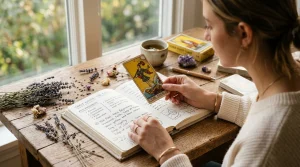
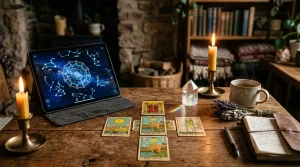
Dealing tarot cards is an art that goes beyond simple shuffling and spreading; it’s about connecting with the energy of the cards and your intuition. Did you know that the way you shuffle can influence the clarity and accuracy of your readings? Understanding proper techniques not only enhances your ability to interpret the cards but also builds your confidence as a reader. Whether you’re a curious beginner or a seasoned practitioner, mastering these essential skills will deepen your practice and enrich your spiritual journey. As you learn to shuffle and spread the cards effectively, you’ll find your readings becoming more insightful and reflective of the questions you seek to answer. Ready to unlock the secrets of the tarot deck? Let’s dive in and discover how to make each reading a meaningful experience.
Understanding the Importance of Proper Tarot Card Shuffling
The way you shuffle your tarot cards can significantly influence the quality and accuracy of your readings. Proper shuffling serves not just a practical purpose, but also a spiritual one. It helps to connect your intentions and energy with the cards, ensuring that the messages they deliver are relevant and resonant with your inquiry. When you shuffle mindfully, you bring your thoughts and questions into the physical act, creating a sacred space where intuition can thrive.
There are several reasons why accurate shuffling is vital. First, it helps to randomize the deck, which allows for a diverse selection of cards that can reflect the complexities of your situation. Second, shuffling is a form of meditation; the repetitive motion can ground you, making you more attuned to your intuition. This connection is crucial, as tarot is as much about energy and intention as it is about the cards themselves. Think of shuffling as a ritual that transforms your questions into a tangible connection with the universe, inviting clarity and insight.
To enhance your shuffling technique, try incorporating techniques like the overhand shuffle or the riffle shuffle. The overhand shuffle is where you take small sections of the deck from the top and bring them to the bottom, which is excellent for beginners. The riffle shuffle involves splitting the deck into two halves and interleaving them, creating a more thorough mix of the cards. Regardless of the method you choose, the key is consistency and a clear intention behind the action. As you shuffle, take a moment to focus on your question or the energy you wish to connect with, allowing that intention to guide your movements.
By embracing proper shuffling, you not only prepare your cards for a reading, but you also show respect for the art of tarot. This practice cultivates a deeper relationship with your cards, enhancing both your confidence and intuition as you explore the messages within. Remember, tarot is a journey, and each shuffle brings you one step closer to understanding the wisdom the cards can offer.
Essential Tools for Your Tarot Card Practice
To create a fulfilling and insightful tarot practice, you need more than just a well-loved deck of cards. The right tools can enhance your readings and strengthen your connection to the cards, making your sessions transformative experiences. Here are some essential tools to enrich your tarot card practice:
- A Dedicated Space: Establishing a specific area for your tarot readings can create an inviting and sacred atmosphere. This could be a cozy corner of your home, adorned with items that inspire you-like crystals, candles, or tarot art. Having a dedicated space encourages focus and enhances your intuitive connection.
- Pure Intentions: Setting your intentions before a reading is one of the most powerful tools you possess. Take a few moments to meditate on your question or the energy you wish to explore. Writing your intentions down can also aid clarity. This practice not only grounds you but also aligns your energy with that of the cards.
- Comfortable Surface: A clean, flat surface for shuffling and laying out your cards is crucial. Consider using a tarot cloth or a special mat that resonates with your practice. This adds a layer of protection for your cards and helps to create a serene setting.
- Notebook or Journal: Keeping a tarot journal is a valuable tool for tracking your readings, insights, and personal interpretations. Documenting your readings allows you to reflect on patterns and themes over time, fostering your intuition and growth.
- Reference Materials: Whether you choose a tarot guidebook, online resources, or community forums, having reference materials can significantly enhance your understanding of the cards. These can offer different perspectives and interpretations, enriching your readings.
- Crystals and Other Energetic Tools: Many tarot practitioners use crystals like amethyst or clear quartz to amplify the energy of their readings. You might also explore using incense or essential oils to create an olfactory experience that calms your mind and spirit.
Utilizing these tools thoughtfully can transform your tarot practice from a simple routine into a profound journey of self-discovery. Remember, the most important aspect of any tarot reading is your intuitive connection with the cards. With the right tools, each shuffle brings you closer to the insights you seek and the mysteries of the universe.
Step-by-Step Guide to Shuffling Tarot Cards Like a Pro
To shuffle tarot cards like a pro, it’s essential to approach the process with intention and mindfulness. Shuffling is not just about mixing the cards; it’s a sacred ritual that connects you with the energy of the deck and the energies surrounding your inquiry. Here’s a straightforward guide to help you master the art of shuffling tarot cards effectively.
Start by grounding yourself. Take a moment to center your mind and focus on your intention for the reading. You might want to close your eyes and breathe deeply, allowing any distractions to fade away. Once you feel centered, hold the deck in your hands. Feel its weight, the texture of the card stock, and the energy it holds. This simple act of connection can enhance the quality of your readings.
Next, you can choose your preferred shuffling method. Here are a few popular techniques:
- Riffle Shuffle: Split the deck into two halves. Hold one half in each hand and use your thumbs to let the cards interlace as you release them. This method mixes the cards thoroughly and is a favorite among seasoned readers.
- Overhand Shuffle: Hold the deck in one hand and use the other hand to take small groups of cards from the top and drop them into your palm. This is a softer method that allows you to maintain a gentle touch with the cards.
- Cascading Shuffle: Similar to the overhand shuffle, but you let the cards slide down from your hands, allowing them to cascade. This can be visually pleasing and effective for mixing.
Remember to shuffle until you feel the energy has been mixed sufficiently. Listen to your intuition-sometimes, a single shuffle is all that’s needed, while other times, several rounds may feel right. After shuffling, you might want to cut the deck. You can either separate the cards into three piles and reassemble them or have someone else cut them for you, focusing on their energy as well.
Lastly, as you proceed to lay out your cards, maintain that intention you set at the beginning. Trust your intuition about how many cards to draw and how to position them. Whether you choose a single-card draw or a more complex spread, remember that each shuffle brings you closer to the insights you seek. With practice, shuffling will become a fluid extension of your readings, infusing your tarot practice with depth and connection.
Exploring Different Tarot Shuffling Techniques
When it comes to tarot, the way you shuffle your cards can dramatically influence the quality of your reading. While it may seem like a simple task, proper shuffling is a powerful way to infuse your question into the deck and connect with its energy. Let’s delve into several effective techniques to enhance your tarot shuffling practice.
Riffle Shuffle
The riffle shuffle is a method that many seasoned tarot readers enjoy for its thorough mixing. To perform this technique, split the deck into two halves. Hold one half in each hand and use your thumbs to release the cards, allowing them to interlace as they fall into a single pile. This process not only helps to shuffle the cards but also creates a satisfying sound and visual appeal. It’s perfect for readers who appreciate a more tactile approach to mixing their decks.
Overhand Shuffle
For those who prefer a gentler method, the overhand shuffle is a fantastic choice. Hold the deck in one hand and use the other hand to take small groups of cards from the top and drop them into your palm. This technique allows you to maintain a soft touch and is often seen as more meditative. Many beginners gravitate towards this method as it enables them to focus on their breathing and intention while shuffling.
Cascading Shuffle
If you’re looking for something visually enchanting, try the cascading shuffle. Similar to the overhand shuffle, this method involves letting the cards slide down from your hands, creating a cascading effect. This can be not only soothing for you but also a lovely way to engage with the energy of the cards. Consider incorporating this shuffle when you want to elevate the atmosphere of your reading session.
Each of these techniques can be adjusted based on your personal preference and connection with the cards. Remember, there’s no one right way to shuffle; it ultimately should feel natural to you. As you explore these methods, trust your intuition to guide you, allowing the shuffle to be a part of the sacred ritual of your readings. Regular practice with different techniques will deepen your connection with the tarot, making each reading an even more insightful experience.
Create Meaningful Tarot Spreads: A Beginner’s Approach
Creating a tarot spread is like crafting a story; each card contributes a vital piece to the narrative. For beginners, understanding how to design meaningful spreads can transform a reading from a random assortment of cards into a coherent exploration of the question at hand. The key lies in simplicity and intuition, allowing you to listen to your inner voice and connect with the energies of the cards.
Start by defining your intention. Ask yourself what question you seek to answer or what aspect of your life you wish to explore. This focus will guide your choice of spread. A simple three-card spread is a great place to begin. Each card can represent a specific position such as past, present, and future or mind, body, and spirit. This structured approach helps beginners understand how the cards interact and flow together.
When laying out your spread, it’s essential to maintain an open mind and heart. Place the cards face down initially, and as you flip them over, let your intuition guide your interpretations. Take a moment to breathe deeply and reflect on the meanings associated with each card. For instance, if you draw the Wheel of Fortune in the present position, consider how changes and cycles are affecting your current situation. Engage with the imagery and symbolism, allowing it to resonate with your personal experiences.
Keep in mind that tarot spreads can be tailored to your needs. As your confidence grows, experiment with more complex arrangements like the Celtic Cross or relationship spreads. Don’t shy away from mixing elements from different spreads or incorporating your own unique positions. The beauty of tarot is that it’s a personal journey; trust your instincts and enjoy the process.
In practice, testing your spreads in real-world scenarios can reveal patterns and deepen your understanding. For example, after a reading, jot down your reflections and any insights gained from the spread. Over time, this will build your confidence and skills as you connect more deeply with the messages the cards offer, creating a rewarding and enriching tarot reading experience.
Advanced Spreading Techniques for Deeper Insight
To deepen your tarot practice and gain richer insights, consider implementing advanced spreading techniques that elevate your readings from simple interpretations to profound explorations of your life’s questions. One such method is the Astrological Spread, which correlates the twelve houses of astrology with the major themes of your life. This spread invites you to reflect on areas such as relationships, career, and personal growth, providing a holistic view of your current situation. Each card drawn can represent distinct aspects of your experience, guiding you in aligning your personal journey with cosmic influences.
Another powerful technique is the Five-Card Cross Spread. This configuration can help you address a specific issue while also considering its impact on different life areas. Here’s how it works:
- Card 1: The root of the problem.
- Card 2: What you can influence.
- Card 3: External factors affecting the situation.
- Card 4: Obstacle to overcome.
- Card 5: The likely outcome if you take action.
As you lay out your cards, maintain a quiet, open mindset. Each position is essential, and reflecting on the cards reveals not just answers but also deeper truths about your relationships and decisions. For instance, drawing The Tower in the obstacle position signals unexpected upheaval; however, coupled with insights from the other cards, this can guide you toward necessary changes rather than just a sign of doom.
Incorporating card interactions into your analysis can also amplify your readings. Observe how cards share common themes or symbols. A pair of cards featuring The Lovers and The Two of Cups might indicate an opportunity for love or reconciliation, while The High Priestess appearing with The Moon could suggest a need for intuition over logic in decision-making.
Utilize journaling after each reading to track patterns or recurring messages. This reflective practice not only solidifies your interpretations but also strengthens your intuitive connection to the cards. Overall, these advanced techniques allow for deeper insight while enhancing your confidence as a reader-a journey that’s as much about discovery as it is about divination.
Common Mistakes in Tarot Card Handling and How to Avoid Them
When embarking on the journey of tarot reading, many beginners unintentionally trip over common pitfalls that can hinder their connection with the cards. One prevalent mistake is not taking the time to properly shuffle the deck. Shuffling isn’t just about randomizing the cards; it’s a vital ritual that allows the reader to infuse their energy and intention into the deck. If you rush through this process or skip it entirely, you may find that your readings lack depth or resonance. So, embrace shuffling as a sacred act-create a comfortable and quiet environment and allow your intuition to guide you through the process.
Another frequent issue is handling the cards too roughly. Tarot cards are delicate tools that should be treated with care. If you shuffle too aggressively, you risk damaging the cards, which can affect not just their physical integrity but also their energetic quality. Instead of frantically mixing the deck, try a gentle riffle shuffle or a simple overhand shuffle, allowing each card to flow smoothly. This gentleness invites clarity and respect into your readings.
Additionally, many new readers overlook the importance of grounding themselves before a reading. Entering a tarot session with a cluttered mind or heightened emotions can cloud your judgment and interfere with the insights you gain. Take a moment to breathe deeply, clear your thoughts, and set a specific intention for your reading. This practice helps to establish a clear channel between you and the universe, facilitating more accurate interpretations.
Lastly, remember that intuitive reading is key, but many beginners rely too heavily on the traditional meanings of cards without allowing for personal insight. Building your confidence means recognizing that while the established interpretations are a useful foundation, your unique experiences and intuitions should guide your readings. For example, if you draw the Ten of Swords, a traditionally somber card, consider how its imagery resonates with your current situation. Is it a warning of an ending, or could it reflect your journey toward new beginnings? Trusting your intuition empowers your readings, transforming them into meaningful experiences.
By avoiding these common mistakes and embracing the tarot with respect, intention, and intuition, you can foster a deeper and more enriching relationship with your cards. Each reading becomes a sacred exchange, opening doors to profound personal insights and guidance.
Unlocking the Energy of the Cards: Intentions Behind Spreads
When you pause to consider your intentions behind tarot spreads, you open the door to a deeper, more meaningful connection with your cards. Each spread acts like a map, guiding you through the landscapes of your questions and emotions. By infusing your readings with clear intentions, you harness the energy of the cards, enabling a more intuitive and insightful experience. Whether you seek clarity on a specific situation or wish to explore general life themes, the way you approach your spread can significantly enhance the depth of your readings.
To start, it’s essential to set a clear intention for your reading. This could be as simple as asking, “What should I focus on today?” or as specific as “What do I need to know about my career path?” By defining your focus, you create a beacon that draws relevant energies from the cards. Consider writing down your intention before you shuffle, allowing yourself to engage with it mentally and energetically. This practice not only grounds your reading but also establishes a conscious connection with the Universe, inviting clarity and authenticity into your interpretation.
Next, choose a spread that resonates with your intention. For beginners, simple three-card spreads are excellent for general insights, while more complex spreads like the Celtic Cross cater to deeper inquiries. Each card position in a spread has its purpose, contributing unique energy to the overall reading. For example, in a three-card spread, the first card might represent the past influences, the second the present situation, and the third the future outcome. Understanding these positions helps you interpret the cards more effectively and align them with your stated intention.
In your readings, remember that the magic of tarot lies not just in the cards, but in your unique interpretation of them. This is where personal experience and intuition become vital. Allow the images, colors, and symbols of the cards to speak to you. If a card stands out or evokes a strong feeling, honor that message. For instance, if you draw The Empress while focusing on self-care, consider how her nurturing energy invites you to cultivate love and nurturing in your life.
By consciously unlocking the energy of each spread through intention, you’ll find that your readings become more than just a fortune-telling tool; they evolve into a powerful means of self-reflection and personal growth. Embrace each session as a conversation with the universe, where your intentions shape the understanding you gain. Trust in your unique connection to the cards and allow that bond to deepen with every shuffle and spread.
How to Choose the Right Spread for Your Reading
Choosing the right tarot spread for your reading can dramatically influence the insights you gain. A well-selected spread not only aligns with your question but also resonates with the energies surrounding you. To begin, consider the purpose of your reading. Are you seeking clarity in a specific situation, or perhaps you’re looking to explore deeper themes in your life? Understanding your intention is the first step in selecting a spread that will guide you effectively.
For beginners, simple spreads can be incredibly illuminating. The three-card spread is a great starting point. This layout typically focuses on past, present, and future influences, providing an easy way to understand the progression of the situation at hand. Consider the following quick example: if your question is about a romantic relationship, the first card may highlight past experiences affecting the connection, the second card reflects the current dynamics, and the third card offers insight into potential future developments. This straightforward approach allows you to dive deeper into your circumstances without feeling overwhelmed.
As you gain confidence and experience, you may want to explore more complex spreads, such as the Celtic Cross, which can provide a multifaceted view of your question. This spread includes ten cards, each representing different aspects of your inquiry, such as challenges, external influences, and hopes. While this layout can seem daunting at first, breaking down each card’s position can yield rich insights and contribute to a thorough understanding of your situation.
Ultimately, the key is to stay flexible and intuitive in your approach. If a particular spread or card catches your attention during your shuffle, trust that feeling. Tarot is as much about connection and energy as it is about structure. Embrace the blending of your intentions with the inherent wisdom of the cards. Each reading is a unique journey, and selecting a spread that feels right will help you navigate that path with confidence.
Enhancing Your Intuition During Card Spreads
When engaging with Tarot, can significantly deepen your reading experience. The beauty of Tarot lies not just in the cards themselves but in the connection you forge with them. This connection can tap into your personal insights and feelings, making the reading more relevant and transformative. Here are some key strategies to help you cultivate that intuitive link.
Stay Present and Grounded
Before diving into a spread, take a moment to center yourself. You might find it helpful to close your eyes and take a few deep breaths. Visualize grounding roots extending from your feet into the earth, anchoring you in the present. This helps clear your mind of distractions and opens the channels for intuitive insights to flow. You could also try a short meditation or a brief mindfulness exercise to regulate your energy, allowing you to approach the cards with an open heart and mind.
Ask Open-Ended Questions
Asking the right questions can guide your intuition in powerful ways. Instead of framing questions that lean towards yes or no answers, opt for open-ended inquiries. For instance, rather than asking, “Will I get the job?” consider, “What do I need to know about pursuing this job opportunity?” This invites the cards to speak more freely and gives space for deeper interpretations, enhancing intuitive insights. Your intention behind the questions can shape the reading just as much as the cards drawn.
Let Your Emotions Guide You
During the reading, pay attention to your emotional responses to each card. Sometimes a card’s imagery, color, or symbolism may resonate differently with you than conventional interpretations suggest. For example, if you pull the Three of Swords and feel sadness but also strength, allow that emotion to inform your analysis. Let it guide you in your interpretation, as your unique response can reveal insights specific to your situation that a standard guidebook might miss.
Practice, Reflect, and Refine
Intuition is a skill that grows stronger with practice. After each reading, take time to reflect on how you felt during the process and the insights you gained. Consider keeping a Tarot journal to track your readings, thoughts, and feelings associated with different cards and spreads. Over time, you’ll notice patterns that can further sharpen your intuitive abilities. As your comfort with the cards increases, you’ll find that tapping into your intuition during spreads becomes second nature.
Embracing these strategies empowers you to connect more deeply with the Tarot, making each reading a personal and insightful journey. Remember, Tarot is an invitation to explore your inner landscape, and by trusting your instincts, you allow the cards to unfold their magic in a way that resonates uniquely with you.
Real-Life Examples of Successful Tarot Readings
When it comes to Tarot readings, the magic often lies in the personal connections made through the cards, and real-life examples can highlight how effective shuffling and spreading techniques can lead to profound insights. Each Tarot reading is unique, with many practitioners recounting transformative experiences that demonstrate the potential of the cards when approached with intention and skill.
One memorable example involved a beginner reader named Sarah, who initially struggled with anxiety during her readings. After incorporating a deep shuffling technique that involved mixing cards thoroughly while focusing on a grounding mantra, Sarah found that her energy shifted. During a reading for a friend facing a career decision, she laid out a simple three-card spread. The cards drawn were the Two of Wands, the Eight of Pentacles, and the Empress. By interpreting these cards, Sarah suggested that her friend consider not only their current job but also their longer-term ambitions. The friend later shared that this perspective changed their approach to career planning, leading to a fulfilling transition.
Another inspiring story comes from a seasoned reader named Mark, who utilizes complex spreads for intricate life questions. During a health-related reading, he employed a Celtic Cross layout to delve into underlying issues. After a careful shuffle, he drew cards that collectively spoke of healing and patience, including the Star and the Temperance card. Mark’s ability to integrate the cards’ meanings with his intuitive insights helped his client not only understand their situation but also inspired them to embrace lifestyle changes that fostered healing. This reading exemplified how the dynamics of card interpretation can provide directions for action, rooted in the querent’s circumstances.
Lastly, consider the case of Emily, who approached Tarot from a skeptical standpoint. During a party, she was encouraged to join in a group reading. Emily picked her cards and experienced a well-executed riffing of meanings. What caught her attention was how astutely the interpretations mirrored her uncertainties in love. Utilizing a classic romance spread, the reader connected the Seven of Cups with Emily’s confusion about choices in partners, while the Lovers card illuminated career interactions impacting her personal life. This session shifted Emily’s perception, illustrating how properly executed readings can resonate even with those hesitant about the practice.
These examples underscore the potency of thoughtful shuffling and spreading techniques. They show that Tarot is not merely about the cards themselves but about the connections and insights they facilitate when approached with care and openness. Whether you are a novice or seasoned reader, maintaining an organized and intentional approach to your practice can pave the way for meaningful revelations that empower you and those you read for.
Building Confidence in Your Tarot Card Skills
Building your confidence as a Tarot card reader can transform your practice from a hesitant exploration into a powerful tool for insight and guidance. Remember, like any skill, it takes time and practice to feel at ease with the cards and the messages they convey. One of the first steps to building your confidence is to create a comfortable space for your readings-one that resonates with your energy and intentions. Whether it’s a favorite chair, a well-decorated table, or a quiet corner, ensure you have a dedicated spot where you can focus on your practice.
To help enhance your reading abilities, consider establishing a routine that includes daily card draws. This could be as simple as selecting one card each morning, reflecting on its meaning throughout the day, and journaling your thoughts and experiences related to that card. Over time, this practice will sharpen your intuitive skills and deepen your familiarity with the deck. You might also gather insights by interpreting the same card from different Tarot decks, as diverse artwork can inspire fresh perspectives.
Practical Exercises to Boost Confidence
- Practice with Friends: Start by reading for friends or family who are open to the experience. Their feedback can help you see where your interpretations resonate and where you can improve.
- Join a Tarot Community: Engage with online groups or local meetups. Sharing your experiences and listening to others can cultivate a supportive environment that fosters growth.
- Document Your Readings: Keep a Tarot journal to track your readings, insights, and the outcomes you observe. Reflecting on past readings can reveal patterns and boost your understanding of how the cards communicate.
- Set a Reading Intention: Before each session, take a moment to set a clear intention. This can ground your readings and make the process feel more purposeful, leading to increased confidence as you interpret the cards.
As you embrace these practices, remember that Tarot is as much about your intuition as it is about traditional meanings. With time, you’ll discover your unique voice in interpreting the cards, blending learned knowledge with personal insights. Allow yourself the grace to make mistakes and learn from them-each reading, no matter the outcome, is a stepping stone to mastery.
Ultimately, the journey of Tarot reading is not just about mastering techniques but allowing intuition to guide you. Celebrate the small successes along the way, and soon, you’ll find that confidence naturally radiates from your readings, creating a powerful connection with those you read for.
Q&A
Q: What is the best way to shuffle tarot cards for a beginner?
A: The best way for beginners to shuffle tarot cards is to use the overhand shuffle technique. Hold the deck in one hand, use the other to pull small sections from the top and let them fall back into the deck. This method is gentle and helps maintain the cards’ energy.
Q: How can I cleanse my tarot cards before a reading?
A: To cleanse your tarot cards before a reading, you can pass them through the smoke of sage or incense, leave them under moonlight, or simply knock on the deck. This helps clear any previous energies and prepares the cards for your new intention.
Q: What are common mistakes when shuffling tarot cards?
A: Common mistakes include being too rough while shuffling, mixing the cards improperly, or not setting an intention beforehand. To avoid these, take your time, focus on the reading’s purpose, and use gentle movements to preserve the cards’ integrity.
Q: How do I spread tarot cards for a reading?
A: To spread tarot cards, first choose a layout that fits your reading’s purpose. Fan the cards face down and allow the querent to select cards intuitively, or draw them yourself according to the spread’s guidelines. Ensure the environment is calm to enhance intuition.
Q: Why is setting an intention important when dealing tarot cards?
A: Setting an intention is crucial because it aligns your energy with the reading’s focus. This clarity helps you interpret the cards more effectively and connects the reading to the querent’s needs. Consider stating your intention aloud or in your mind as you shuffle.
Q: When should I shuffle my tarot cards during a reading?
A: You should shuffle your tarot cards at the beginning of the reading to infuse them with your energy and intention. Additionally, you may shuffle again when you feel it necessary to refresh the reading or if energy shifts during the session.
Q: What types of spreads are ideal for beginners?
A: Ideal spreads for beginners include the three-card spread, which represents the past, present, and future, and the Celtic Cross, which provides a comprehensive overview of a situation. Starting simple helps build confidence and understanding of card meanings.
Q: How can I enhance my intuition while shuffling and spreading cards?
A: To enhance your intuition while shuffling and spreading cards, practice mindfulness. Focus on your breath, clear your mind, and pay attention to any thoughts or feelings that arise. Engaging in this practice can help you connect deeply with the reading process.
Closing Remarks
Now that you’re equipped with the knowledge of proper shuffling and spreading techniques, it’s time to put your skills into practice. Remember, the way you handle your tarot cards sets the stage for meaningful readings; each shuffle and spread carries the energy of your inquiry. The more you practice, the more intuitive and confident you will become. Don’t hesitate to explore our guide on interpreting card meanings to deepen your readings, or check out tips for cleansing and caring for your deck to maintain its vibrational integrity.
If you enjoyed this exploration into the art of tarot, consider signing up for our newsletter for more insights and exclusive content. Join our community of fellow tarot enthusiasts who share their experiences and insights-your journey is just beginning! Share your thoughts in the comments below, and let’s keep the conversation alive. Tarot is accessible to everyone, so whether you’re a curious skeptic or a devoted follower of the craft, remember: every shuffle brings you closer to uncovering the mysteries within.
Get our latest guides, news, and insights highlighted in your Google Search & AI Overviews.